












































































Article Contents:
- History of the Handle-Button: From Utility to Decoration
- Anatomy of the Handle-Button: Construction and Parameters
- Main Elements
- Key Parameters
- Shapes of Handle-Buttons: From Classic to Avant-Garde
- Round Buttons
- Square and Rectangular Buttons
- Oval and Elliptical Buttons
- Multi-Faceted and Faceted Buttons
- Figurative and Sculptural Buttons
- Buttons with Relief and Texture
- Materials of Handle-Buttons: From Ceramic to Wood
- Ceramic and Porcelain Buttons
- Metal Buttons
- Wooden Buttons
- Glass and Crystal Buttons
- Combined Buttons
- Button Sizes: From Miniature to Monumental
- Miniature Buttons 20-30 mm
- Medium Buttons 30-40 mm
- Large Buttons 40-60 mm
- Extra-Large Buttons Over 60 mm
- Ergonomics of Handle-Buttons: Comfort in Details
- Shape for Grip
- Size and Proportions of the Hand
- Projection from the Front Panel
- Weight and Balance
- Material Temperature
- Decorative Function of Buttons: From Accent to Art Object
- Accent Points
- Color Accents
- Stylistic Markers
- Eclectic Compositions
- Art Objects
- Application of Buttons in Various Rooms
- Bedrooms: chests and nightstands
- Kitchens: Small Fronts and Drawers
- Bathrooms
- Wardrobes and Buffets
- Children's rooms
- Offices and Offices
- Stylistic Universality of Buttons
- Classic style
- Neoclassicism
- Vintage
- Provence and Country Style
- Scandinavian Style
- Minimalism
- Industrial Style
- Eclecticism
- Boho and Maximalism
- Technical Aspects: Selection, Purchase, Installation
- Determining the Required Size
- Quality Check
- Where to buy
- Installation
- Maintenance and care
- Button Design Trends for 2026
- Conclusion: Button as an Interior Jewelry Detail

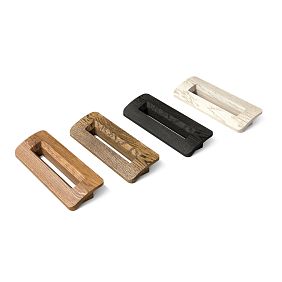
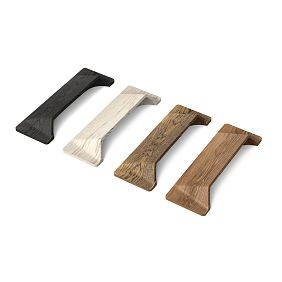
A button-handle is a delicate yet incredibly expressive element of furniture hardware that is experiencing a true renaissance in 2026. IfFurniture knob handlewhat was once perceived ten years ago as a simple utilitarian element — a small protruding detail for opening drawers — is today a fully-fledged design object that can be a minimalist accent, a luxurious decorative element, a sculptural miniature, or a vintage treasure. The compactness of buttons makes them ideal for furniture with many drawers — chests, buffets, medicine cabinets — where rhythm, repetition, and visual lightness are important. But at the same timeFurniture Handlesin the form of buttons carry a powerful decorative function, transforming standard furniture into unique pieces, creating focal accents, telling stories through shape, material, and finish. In 2026, buttons combine ergonomics (ease of finger grip, compactness, secure mounting) and decorativeness (variety of shapes, materials, styles, from classic hand-painted ceramics to ultra-modern metallic geometric forms). This guide will reveal all aspects of button-handles — from their history and construction to practical advice on selection and installation, from materials and styles to 2026 trends.




History of the Button-Handle: From Utility to Decoration
Button-handles in their simplest form have existed for centuries. A wooden peg protruding from a chest drawer allowed it to be pulled out — this was a primitive but functional button. In the 18th–19th centuries, with the development of furniture production and decorative-applied arts, buttons became objects of artistic creation.
Porcelain and ceramic buttons with hand-painted decoration adorned furniture in aristocratic European homes. Each button was a small work of art — floral ornaments, pastoral scenes, heraldic symbols. Brass and bronze buttons with engraving, etching, and patina created luxury and solidity. Glass and crystal buttons with facets refracted light, adding sparkle to interiors.
In the early 20th century, during the modernist era, buttons simplified and became more utilitarian. The Industrial Revolution made them mass-produced, standardized their shapes and sizes. The mid-20th century — the era of functionalism — further stripped buttons of aesthetics, reducing them to simple geometric forms made from inexpensive materials.
In the late 20th — early 21st centuries, interest in decorative hardware began to revive. People grew tired of IKEA standardization and desired individuality. Vintage ceramic buttons became collectible items, designers created original buttons from unusual materials, and handmade artisans produced unique pieces.
In 2026,button-handle furnitureis at its peak of diversity. From minimalist metallic cylinders to luxurious carved wood, from vintage hand-painted ceramics to avant-garde sculptural — everyone can find buttons reflecting their style, character, and aesthetic preferences.




Anatomy of the Button-Handle: Construction and Parameters
Understanding the mechanismhandle-buttonshelps to correctly select and install it.
Our factory also produces:




Main Elements
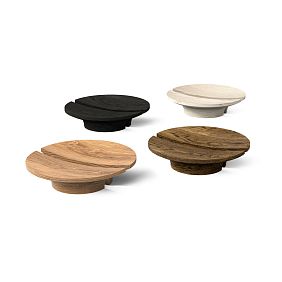
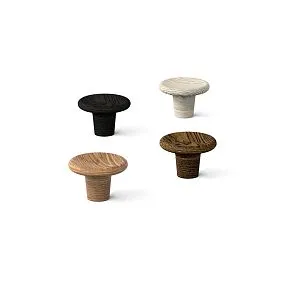
Cap (head) — the part that is grasped by fingers. Can be round, oval, square, multi-faceted, or shaped. Size is usually 20 to 60 mm in diameter. Shape and size determine ease of grip and visual impact.
Base (stem, rod) — the part that passes through the hole in the front panel and is secured from the back. Usually threaded, may have a nut or screw fastening.
Base plate (supporting surface) — sometimes present between the cap and the front panel, distributes load, protects the front panel from damage, adds decorative appeal. Can be round, square, shaped, made of the same or different material as the cap.
Get Consultation
Key parameters
Cap diameter/size — the main visual parameter. Small buttons 20–30 mm are delicate and almost invisible. Medium 30–40 mm — universal and convenient. Large 40–60 mm — expressive, decorative, become focal points.
Projection height — how far the button protrudes from the facade. Usually 20–40 mm. A larger projection is easier to grasp but increases the risk of catching. A smaller one is more compact, sleeker, suitable for furniture in narrow passages.
Base length — must match the front panel thickness. Standard fronts are 16–22 mm. The base must pass through the front panel and have sufficient length for mounting (usually total length 30–45 mm).
Weight depends on material and size. Important for assessing quality (cheap plastic buttons are very light) and reliability of mounting (heavy buttons require strong fasteners).
Handle-button shapes: from classic to avant-garde
Shapehandle-buttonsdetermines its style, comfort, visual impact.
Round buttons
Classic, universal shape. The round head can be flat (like a coin), convex (hemisphere), tall (cylinder), faceted (polygon).Round buttonsSuitable for any style — from classic to minimalism, from vintage to modernity.
Flat round buttons are minimalist, neat, almost blend into the facade. Convex ones are easier to grasp and more expressive. Tall cylindrical ones are modern and graphic. Faceted ones add sparkle, light play, luxury.
Square and rectangular buttons
Geometric alternative to the circle. A square or rectangular head creates a stricter, more modern, architectural aesthetic.Square buttonsSuitable for minimalist, industrial, modern interiors.
Can be flat, three-dimensional, with beveled edges, or relief. Combining square buttons with rectangular furniture creates visual harmony of geometry.
Oval and elliptical buttons
Softer, more organic shape compared to a circle. An oval creates elegance, refinement.Oval buttonsSuitable for neoclassical, vintage, romantic interiors.
Multi-faceted and faceted buttons
Buttons with multiple facets — hexagonal, octagonal, dodecagonal — create play of light and shadow, sparkle, luxury.Faceted buttonsMade of glass, crystal, metal, they reflect light, creating visual interest.
Especially effective in classical, glamorous, art deco interiors, where sparkle and luxury are welcomed.
Figurative and sculptural buttons
Buttons of unusual shapes — flowers, leaves, shells, animals, abstract sculptures, geometric compositions.Figurative buttonsTransform furniture into art objects, tell stories, create individuality.
Wooden carved buttons in the shape of flowers, ceramic buttons in the shape of shells, metal buttons in the shape of abstract sculptures — each is unique, each adds character to the furniture.
Buttons with relief and texture
The head is not smooth, but has relief — concentric circles, radial lines, dots, waves, geometric patterns. Relief adds tactile quality, visual interest, helps with grip (ribbed surface does not slip).Relief buttonsfor those who appreciate details.
Handle-button materials: from ceramic to wood
Materialhandle-buttonsaffects tactility, durability, style, price.
Ceramic and porcelain buttons
Ceramic — a classic material for buttons. Smooth, cool to the touch, can be painted, monochromatic, glazed, or matte.Ceramic buttonscreate a vintage, romantic, Provencal, or country aesthetic.
Painted ceramic buttons — with floral ornaments, geometric patterns, abstract motifs — turn every drawer into a small work of art. Monochromatic — more restrained, but also elegant. Porcelain is more expensive, thinner, and more refined than ceramic.
Advantages: decorative, variety of designs, resistant to moisture, easy to clean. Disadvantages: fragile (may break upon impact), cool to the touch, more expensive than mass-produced metal.
Metal buttons
Metal — the most common material for modern buttons.
Stainless steel — strong, rust-resistant, matte or polished. Matte is restrained and modern. Polished shines, adds luster.Steel buttonsuniversal, suitable for kitchens, bathrooms, any room.
Brass and bronze — warm, noble metals in golden and brownish-golden hues. Polished shines, matte is more elegant, patinated is vintage.Brass buttonsfor classic, neoclassical, vintage interiors.
Aluminum — lightweight, can be painted in any color, anodized.Aluminum buttonslighter than steel, more varied in color.
Black metal — steel or aluminum with black coating. Trend of 2026. Matte black creates graphic effect and modernity.Black buttonsuniversal, match any facade.
Zinc alloy (zamac) — inexpensive material, easily cast into complex shapes. Coated with chrome or paint. Less durable, but cheaper. Most budget buttons are made of zamac.
Wooden buttons
Wood creates warmth, naturalness, tactile pleasure.Wooden buttonspleasant to the touch, do not chill the hand, age beautifully, acquiring patina.
Hardwoods — oak, beech, ash, walnut — strong, durable, with distinct grain. Oak buttons withstand intensive use and do not deform.
Light woods — ash, birch, maple, whitewashed oak — create a Scandinavian, light aesthetic.Light wooden knobsfor Scandinavian, minimalist, eco-interiors.
Dark woods — wenge, mahogany, dark oak — create luxury, solidity, depth.Dark wooden knobsfor classic libraries, offices, respectable interiors.
Carving and turning — wooden knobs can be turned (on a lathe, creating symmetrical shaped forms) or carved (with floral ornaments, geometric patterns). CarvedWooden buttons— works of artisanal art.
Finishing — oil enhances texture, creates a matte finish. Wax gives a silky feel. Lacquer protects, can be matte or glossy. Coloring in bright hues creates eclecticism.
Glass and crystal knobs
Glass creates shine, light play, visual lightness.Glass knobscan be transparent, colored, matte, faceted. Crystal with multiple facets refracts light, creating rainbow reflections.
Advantages: decorative, shine, variety of colors and shapes. Disadvantages: fragile, cold to the touch, expensive, require frequent cleaning (fingerprints are visible).
Glass knobs are ideal for chests in bedrooms, dressing tables, buffets — places where luxury and shine matter, where load is not intensive.
Combined knobs
Combining materials creates richness of textures, individuality. Wood + metal — wooden cap with metal base or insert. Ceramic + metal — painted ceramic cap with brass or bronze base. Glass + metal — faceted glass cap with metal frame.
Combined knobsfor eclectic, individual interiors, where uniqueness is valued.
Knob sizes: from miniature to monumental
Sizehandle-buttonsaffects convenience, visual perception, style.
Miniature knobs 20-30 mm
Delicate, almost unnoticed. For furniture with many small drawers — medicine cabinets, secretaire, bureaus. Create vintage charm, neatness.Miniature knobsdo not visually overwhelm, allow creating a dense rhythm.
Medium knobs 30-40 mm
Universal size. Easy to grasp, visually balanced, suitable for most furniture — chests, side tables, kitchen fronts, buffets.Medium knobs— optimal choice for those who do not want extremes.
Large knobs 40-60 mm
Expressive, decorative, become accents. For furniture with a small number of drawers, where each button is an event. For vintage, eclectic, maximalist interiors.Large buttonsAttract attention, create focal points.
Extra-large buttons over 60 mm
Rare, sculptural, original. These are no longer just hardware, but art objects. For designer furniture, where the button is the main decorative element.Extra-large buttonsFor bold, individual projects.
Ergonomics of push-button handles: comfort in details
Ergonomics — this is the ease of use, often underestimated when choosingfurniture handles.
Shape for grip
The button should be easily gripped by fingers (usually thumb and index, or thumb, index, and middle). Raised buttons are easier to grip than flat ones — there’s something to hold onto. Too flat buttons (less than 15 mm high) are uncomfortable, especially for people with large hands or arthritis.
Ribbed or textured surfaces help grip and don’t slip. Smooth polished surfaces may be slippery, especially with wet hands.
Size and proportions of the hand
An average adult comfortably grips buttons with a diameter of 30–40 mm. For children’s furniture, slightly smaller (25–35 mm) is acceptable. For people with large hands — slightly larger (35–45 mm).
Too small buttons (less than 25 mm) are hard to grip, especially in a hurry or with gloves. Too large (over 50 mm) may be bulky.
Projection from the front
Optimal projection is 25–35 mm. Less — harder to grip, especially on deep fronts. More — increases risk of catching clothing, but more comfortable for people with joint problems.
Weight and balance
The button should be heavy enough to feel quality, but not so heavy that it creates excessive load on the mounting. Very light plastic buttons feel cheap, very heavy metal or stone buttons may weaken the mounting over time.
Material temperature
Metal feels cold to the touch, especially in winter. Wood, ceramic, plastic feel warmer. For bedroom furniture, where touches are frequent (nightstands, chests), warm materials are more pleasant.
Decorative function of buttons: from accent to art object
button-handle furniture— this is not only a functional element, but alsoa decorative element— capable of transforming furniture.
Point accents
Buttons create a rhythm of point accents on the furniture front. A chest with six drawers and six buttons — this is a composition of repeating elements, creating visual order. The color, shape, and material of the buttons define the character of this composition.
Black buttons on a white chest — graphic contrast. Gold ceramic on dark blue — luxury. Wooden on wooden — monochromatic elegance with a focus on texture.
Color accents
Bright colored buttons turn neutral furniture into a vivid color spot. Blue ceramic buttons on a white chest create a seaside freshness. Green on gray — natural harmony. Multicolored on white — eclectic joy.
decor for furniture— through colored buttons — a simple way to refresh the interior without major expenses.
Stylistic Markers
Buttons are powerful stylistic markers, instantly conveying the style of furniture and interior design.
Hand-painted ceramic buttons — Provence, country, shabby chic. Brass with patina — vintage, classic. Crystal faceted — glamour, art deco. Matte black metal — minimalism, industrial style. Carved wooden — classic, neoclassic. Bright plastic — retro, pop art.
Eclectic compositions
Using different buttons on one piece of furniture is a bold eclectic solution. Each drawer of a chest has a unique button — different in color, shape, material, but united by a common thread (size, style, era). This creates the impression that the furniture was assembled over years, buttons found at flea markets, each with its own story.
Eclecticdecor for furnitureThrough different buttons — for individualists, collectors, creative personalities.
Art objects
Unique designer or handmade buttons turn furniture into art objects. A sculptural wooden button carved by a master. A ceramic piece with unique hand-painted decoration. A cast bronze button in the form of an abstract sculpture. Each is a piece of applied art, enhancing the value of the furniture.
Application of buttons in different rooms
handle-buttonsThey are universal, but each room has its own nuances.
Bedrooms: dressers and nightstands
The bedroom is a place for rest, where hardware is less loaded, so you can allow more decorative options.Buttons for chests of drawersIn the bedroom — this is an opportunity to express individuality.
Hand-painted ceramic — for romantic, vintage bedrooms. Carved wooden — for classic. Crystal — for glamorous. Minimalist metal — for modern. Medium size 30-40 mm, convenient for gripping.
For bedside tables — small buttons 25-35 mm, so they don’t dominate on compact furniture.
Kitchens: small facades and drawers
On kitchens, buttons are used less often than hinges, but they suit small drawers (for cutlery, spices, small items).Buttons for kitchensThey must be durable, moisture-resistant, and easy to clean.
Materials: stainless steel, aluminum with quality coating, ceramic (easy to clean). Avoid porous materials where grease and dirt accumulate.
Size: medium 30-40 mm, convenient even with wet hands. Shape: convex, ribbed — does not slip.
Bathrooms
A humid environment requires corrosion-resistant materials.Buttons for bathroomsMade of stainless steel, aluminum, ceramic (glazed, non-porous).
Size: compact 25-35 mm for compact bathroom furniture. Shape: simple, easy to clean, without complex reliefs where moisture accumulates.
Closets and buffets
Buttons for wardrobesIn closets, buttons are usually on small drawers for accessories and linens. Buffets and sideboards traditionally have buttons on upper doors or drawers.
Materials: any, depending on style. Brass or bronze for classic buffets, ceramic for vintage, wood for neoclassic, metal for modern.
Size: medium or large 35-50 mm, creating decorative appeal.
Children's rooms
Buttons for children's furnituremust be safe, bright, easy for small hands.
Safety: no sharp corners, fragile materials (glass), toxic coatings. Durable materials — metal, wood, quality plastic.
Brightness: colorful ceramic, painted wood, colored metal create joy and playfulness.
Size: medium 30-40 mm — convenient for small hands, but not too small.
Offices and offices
Office furniture requires solidity and functionality.Buttons for officeusually on filing cabinets, document cabinets, desks.
Materials: metal (stainless steel, brass, black), wood (for respectable offices). Shapes: classic, restrained. Size: medium 30-40 mm.
Stylistic universality of buttons
handle-buttonssuitable for any style, but material, shape, finish must match.
Classic style
Brass or bronze buttons with patina, carved wood, ceramic with classic ornaments. Shapes: round, oval, decorative (roses, leaves). Size: medium or large, conveying solidity.Classic buttons— historical elegance.
Neoclassicism
Simplified classic shapes, modern materials. Matte brass, wood with restrained carving, wood+metal combinations. Shapes: round, oval, symmetrical.Neo-classic buttons— modern interpretation of classic.
Vintage
Hand-painted ceramic, brass with patina, wood with aged effect, faceted glass. Shapes: varied, often asymmetrical, unique.Vintage buttons— nostalgia, charm of the past.
Provence and country
Hand-painted ceramic with floral motifs, light-toned wood, wrought metal. Shapes: simple, natural. Colors: pastel, faded.Provence buttons— romantic simplicity.
Scandinavian style
Wood from light species, minimalist metal (matte stainless steel, white metal). Shapes: simple geometric — round, cylindrical.Scandinavian buttons— natural simplicity, functionality.
Minimalism
Metallic (stainless steel, matte black, aluminum), simple geometric shapes — flat round, cylindrical, square. No decoration.Minimalist buttons— cleanliness, functionality.
Industrial style
Rough metallic (black, gray, rusted), simple shapes, sometimes with texture.Industrial buttons— utilitarian beauty, urbanity.
Eclecticism
Mix of different styles, materials, shapes. Different buttons on one piece of furniture, united by a common thread or intentionally contrasting.Eclectic buttons— individuality, boldness, rejection of rules.
Boho and maximalism
Vibrant, diverse, unique buttons. Hand-painted ceramic, carved wooden, colored glass, metal with ornaments. Lots of decoration, color, texture.Boho buttons— riot of colors, freedom.
Technical aspects: selection, purchase, installation
Determine the required size
Measure existing buttons (if replacing) — button head diameter, protrusion height, base length. When installing on new furniture, consider the door panel thickness (the base must pass through it with allowance for fasteners), drawer size (avoid oversized buttons on small drawers).
Quality check
Material: confirm what the button is made of. Cheap plastic breaks, ceramic may be low quality (with cracks), metal — from thin zinc.
Finish: on metal, it should be even, without streaks or bubbles. On ceramic — glaze without cracks. On wood — smooth, without splinters.
Mounting: check the threading on the base — it should be clear, without damage. The included nut or screw should be of good quality.
Weight: a quality button has noticeable weight (except wooden — lighter than metal, but should be dense).
Where to buy
Buy furniture handlesAvailable in specialized hardware stores, construction hypermarkets, online stores, antique shops (vintage), from handmade artisans.
The company STAVROS offersWooden buttonsHandmade, precisely crafted, carved, with various finishes — from natural wood to painted and patinated.
Installation
Marking: determine the installation location — usually centered horizontally and vertically on the door panel (or slightly above center — depending on design). Mark the point with a pencil.
Drilling: use a drill bit slightly larger than the button base (usually 8-10 mm for standard buttons). Drill from the front side, slowly, perpendicular. Place a wooden board on the back side to avoid chipping.
Installation: insert the button base into the hole from the front side. From the back, place a washer (if present) and tighten the nut or screw. Tighten manually first, then carefully with a wrench or screwdriver. Do not overtighten — may damage threading, crack ceramic, or deform wood.
Check: ensure the button is securely fastened, does not wobble or rotate. If there is movement, tighten the fastener.
Maintenance and care
handle-buttonsRequire minimal, but regular, care.
Regular cleaning: wipe with a damp soft cloth once every week or two. Remove dust, grease (on kitchen), dirt. Then dry with a clean cloth.
Ceramic and glass buttons: use mild cleaning agents and soft cloth. Avoid abrasives and stiff sponges. For shine, use glass cleaner.
Metal buttons: neutral cleaning agents. Polished ones should be periodically polished with special agents. Matte ones do not require polishing.
Wooden buttons: wipe with dry or slightly damp cloth. Avoid excess water. Reapply oil or wax once every 1-2 years.
Check fasteners: check tightness every 6-12 months. The nut may loosen with frequent use. Tighten as needed.
Organic sculptural forms: buttons mimicking natural objects — stones, shells, leaves, abstract biomorphic shapes.
Matte dark tones: black, anthracite, graphite — universal, non-marking, modern.
Warm metals: brass, copper, bronze — matte or with a light patina — warmth, nobility.
Material combinations: wood+metal, ceramic+metal, stone+metal — richness of textures.
Handmade and uniqueness: artisanal buttons crafted by hand, each one unique.
Vintage and patina: return to items with history, hand-painted ceramics, brass with patina.
Color accents: bright buttons on neutral furniture — a simple way to refresh the interior.
Textured surfaces: relief, grain, patterns add tactile qualities.
Conclusion: button as an interior jewelry detail
— is a jewelry detail that, despite its compactness, carries a powerful aesthetic and functional load. Compact solutions for modern furniture combine ergonomics (ease of grip, secure attachment, tactile comfort) and decorative function (creating accents, expressing style, transforming furniture). From minimalist metallic cylinders to luxurious hand-painted ceramics, from vintage brass with patina to modern sculptural wooden —
button-handle furniture— in the form of buttons offer endless variety for any style and taste.Furniture Handleswooden handle-buttons
Company STAVROS specializes in manufacturing— of premium quality. We use solid oak, walnut, ash, beech — species that are beautiful, strong, and pleasant to the touch. Each button is hand-turned or carved by our artisans, processed with attention to texture, shape, and finish.— are presented in various styles — minimalist cylindrical for modern interiors, carved with ornaments for classic, precision-cut for neoclassic, brightly painted for eclectic, with patina for vintage.
Wooden buttonsWe offer combined wood+metal buttons, combining the natural warmth of wood and the nobility of metal. Custom manufacturing allows creating buttons according to your sketches, sizes, specific wood species, and unique finish.
— from STAVROS — is an investment in details that create the character of your home. Each button is not just hardware, but a piece of applied art that will serve for decades, delighting the eye and hand.
decorative elements— through quality handle-buttons — is a simple way to transform standard furniture into unique pieces reflecting your individuality. Choose details that matter. Choose STAVROS — and your furniture will acquire soul, expressed in perfect form, noble materials, and masterful craftsmanship.
decor for furnitureFurniture handle-button 2026: compact solutions for modern furniture, ergonomics and decorative function | Company STAVROS


