Article Contents:
- Art Born from Wood: The Philosophy of Carved Craftsmanship
- Symbolism and Semantic Load
- Psychology of Perceiving Carved Forms
- Material Science: Choosing the Foundation for a Masterpiece
- Wood Species: From Classic to Exotic
- Modern Wood Processing Technologies
- Creation Technologies: From Sketch to Installation
- Assembly and fitting
- Manufacturing Technologies
- Protection Systems and Coatings
- Bio-tech: Organic forms of the future
- Russian folk style
- European Classic
- Modern directions
- Structural Features: Reliability in Every Detail
- Mounting systems
- Accounting for Climatic Loads
- Regional application specifics
- Northern Regions
- Southern Regions
- Coastal areas
- Economic Aspects: Investment in Beauty and Prestige
- Impact on property value
- Long-Term Savings
- Trends in development: looking into the future
- Ecological trends
- Technological Innovations
- Integration with Smart Systems
- Choosing the Executor: Quality Criteria
- Production capacities
- Portfolio and experience
- Quality System
- Practical Tips: Avoiding Common Mistakes
- Design errors
- Errors in Material Selection
- Installation Errors
- Maintenance and Care: Extending the Life of Beauty
- Regular Inspection
- Cleaning and Refreshing Coatings
- Seasonal Care Considerations
- Frequently Asked Questions and Expert Answers
- Conclusion: craftsmanship proven by time
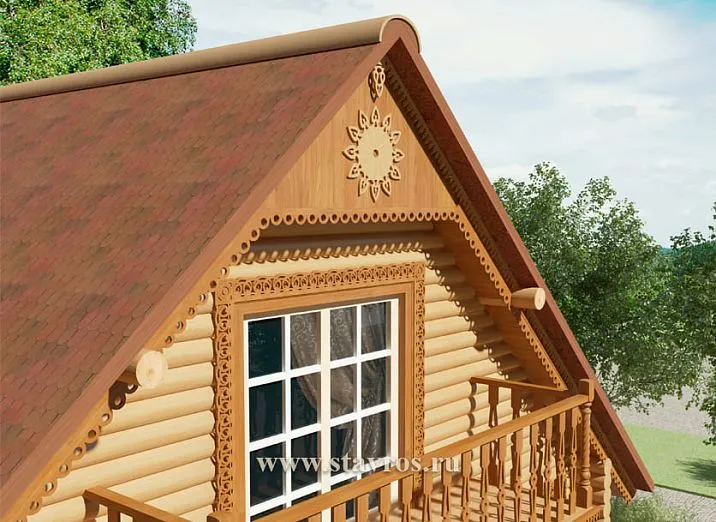
Have you ever stood before a house that literally radiates character? That building which makes you stop and admire every detail of its facade? Most likely, the secret of such magnetism lies in one single, yet incredibly important element — the carved pedimentThis architectural masterpiece is capable of radically transforming an ordinary house, turning it from a faceless box into a true work of architectural art.
In an era of mass construction and standardized solutions, the carved pediment becomes that very circle of individuality which allows expressing the owner's character through architectural forms. But what lies behind this beauty? What secrets does the art of creating carved pediments hold? And most importantly — how to choose that very element which will become your home's calling card?


Art Born from Wood: The Philosophy of Carved Craftsmanship
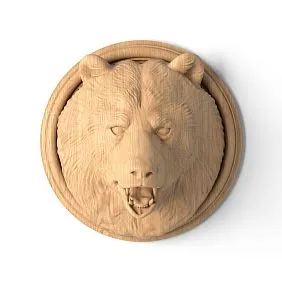
Carved art is a dialogue between man and wood, a conversation in the language of chisels and gouges. Each Facade Decoration is not born merely as decoration, but as a bearer of certain meanings and symbols. In Russian tradition, carved elements were talismans protecting the house from evil forces, as well as indicators of the owners' wealth and craftsmanship.




Symbolism and Semantic Load
Why did our ancestors pay so much attention to carved house decoration? The answer lies deeper than it may seem at first glance. Each swirl, each rosette, each geometric figure carried a certain semantic load. Sun disks symbolized life energy, plant ornaments — connection with nature and fertility, geometric patterns — order and harmony of the universe.
Modern Carved pediment may not carry such deep symbolic load, but it remains a powerful means of self-expression. Choosing the style and character of carving, the homeowner tells the world about their tastes, preferences, and life philosophy.
Our factory also produces:


Psychology of Perceiving Carved Forms
Human consciousness reacts particularly to carved elements. Smooth, flowing lines soothe and calm, creating a sense of harmony. Sharp, dynamic forms, on the contrary, attract attention, creating a sense of movement and energy. Richly decorated surfaces speak of wealth and good taste, while minimalist forms — of modernity and minimalism.
Get Consultation
Material Science: Choosing the Foundation for a Masterpiece
Quality carved pediment is largely determined by the choice of material. Wood — a living material, each species of which has its own unique characteristics, influencing both the manufacturing process and the final result.
Wood Species: from Classic to Exotic
Oak is rightfully considered the king among species for carving. Its dense, uniform structure allows creating the finest details that retain clarity for decades. Oak facade decorative elements over time acquire a noble patina, becoming even more expressive.
Beech attracts craftsmen with its uniformity and excellent working properties. Its light, pinkish hue is ideal for staining in any color, and its dense structure ensures the longevity of the finished products.
Linden is a traditional material for delicate artistic carving. Its softness allows creating intricate compositions of incredible complexity, but it requires special handling conditions and careful protective treatment.
Larch combines the beauty of coniferous species with high resistance to external influences. Its natural protective properties make larch an ideal choice for facade decoration in regions with harsh climates.
Modern wood processing technologies
Modern technologies have significantly expanded the possibilities of working with wood. Special impregnations increase the service life of even the most 'capricious' species, while new drying methods prevent deformation of finished products.
Thermo-treatment of wood not only increases its stability, but also imparts new aesthetic qualities. Thermally treated wood acquires a deeper, richer color and becomes less susceptible to moisture and temperature fluctuations.
Technologies of Creation: from Sketch to Installation
Creating Quality carved pediment — is a complex technological process involving multiple stages. Each requires professional knowledge and experience.
Design and Planning
Modern design begins with a detailed analysis of the building's architecture. The pediment must harmoniously integrate into the overall facade concept, complementing it rather than competing for attention. Professional designers use specialized software that allows creating an accurate 3D model of the future product and assessing its visual impact.
During the design phase, not only aesthetic but also technical aspects are considered: methods of fastening, loads, climatic influences. Each element facade decoration must be designed to withstand wind loads, temperature fluctuations, and other external influences.
Manufacturing Technologies
Modern production of carved decoration combines traditional handcraft methods with high-tech equipment. CNC machines allow creating blanks with high precision, while manual finishing gives products uniqueness and individuality.
Special attention is paid to surface treatment quality. Each element undergoes multi-stage sanding, ensuring an ideal smooth surface and preparing it for protective coatings.
Protection Systems and Coatings
Protection of wooden elements from external influences is a critically important aspect, determining longevity carved pediments. Modern protection systems include several components:
Antiseptic impregnations protect wood from fungal decay, mold, and insect pests. Deep impregnation provides long-term protection even under high humidity conditions.
Primer compositions improve adhesion of subsequent coatings and create an additional barrier against moisture.
Finish coatings can be transparent (varnishes, waxes) or pigmented (paints, stains). The choice depends on the desired aesthetic effect and operating conditions.
Stylistic Directions: From Classic to Avant-Garde
The world of carved art is incredibly diverse. Each stylistic direction has its characteristic features that determine the choice of ornaments, execution techniques, and overall character of facade decoration.
Traditional Russian motifs in design
Russian domestic carving is a whole universe of symbols and images. Traditional motifs include vegetal ornaments (rosettes, leaves, fruits), zoomorphic elements (birds, horses, lions), and geometric patterns (rhombuses, stars, spirals).
Each region of Russia had its own characteristics in carved art. Northern masters preferred restrained, minimalist forms that emphasized the harsh beauty of northern nature. Central regions were renowned for the richness and variety of their ornaments, while southern regions stood out for their vividness and decorative flair.
Modern interpretation of Russian style allows adapting traditional motifs to contemporary realities while preserving their symbolic meaning and aesthetic appeal.
European classicism
European classical tradition of carved art is distinguished by strict proportions and refined execution. Here, classical motifs dominate: acanthus, palmettes, meanders, volutes. Carved Elements in the classical style are characterized by symmetry and mathematical precision in construction.
Baroque carving is characterized by richness and dynamism of forms. Here, one can encounter complex compositions with numerous small details, interplay of light and shadow creating a sense of volume and movement.
Neoclassicism leans toward strictness and minimalism. Here, the importance lies not so much in ornamentation as in perfect proportions and quality of execution.
Modern interior styles also use oak skirting boards, but in a different interpretation. Minimalism prefers simple rectangular profiles without decorative elements. Smooth surfaces with matte finish create a sense of strictness and elegance.
Modern carving art is not limited to traditional styles. Modernism brought smooth lines and natural motifs to carving. Art Deco — geometric strictness and minimalism of forms.
Scandinavian style is characterized by simplicity and functionality. Here, carving serves less as decoration and more as a way to emphasize the natural beauty of wood.
Ethnic styles bring the color and character of various cultures into modern architecture. This may be Eastern carving with its complex geometric patterns, African motifs with their expressiveness and dynamism, or Latin American ornaments with their vividness and decorative quality.
Constructive features: reliability in every detail
Beauty carved pediment It is worthless if it cannot withstand the loads of real use. Therefore, constructive solutions play no less important a role than aesthetic ones.
Mounting Systems
Reliable attachment of the gable to the load-bearing structures of the building is the foundation of its longevity. Modern fastening systems take into account the characteristics of various wall materials (brick, concrete, wood, gas concrete) and ensure secure fixation of elements of any weight and size.
Special attention is paid to joints connecting individual parts of the gable. Complex decorative elements often consist of several parts that must be joined so as to form a monolithic structure.
Consideration of climatic loads
The Russian climate imposes special requirements on facade decoration. Sharp temperature fluctuations, abundant precipitation, strong winds — all this creates additional loads on the structure.
Snow loads are especially critical for gables of complex shapes. Accumulated snow creates significant pressure that must be considered when designing the fastening system.
Wind loads depend on the shape and size of the gable. Elements of large area experience significant wind loads, especially in gusty winds.
Regional application specifics
Russia is a country of vast climatic contrasts, and this leaves its mark on the particularities of application carved pedimentsWhat works beautifully in the mild climate of the Krasnodar region may be unsuitable for the harsh conditions of Siberia or the Far North.
Northern regions
In the harsh northern climate, the selection of wood species and protective coatings becomes especially important. Temperatures down to -40°C and below, prolonged freezing periods, sharp temperature fluctuations — all this creates extreme conditions for wooden structures.
Larch and cedar show excellent results in northern conditions due to their natural protective properties. Special frost-resistant coatings retain elasticity even at extremely low temperatures.
Southern regions
In southern regions, the main enemies of wooden structures are high temperatures and intense ultraviolet radiation. Surface temperatures can reach 60-70°C, causing significant thermal deformations.
UV-stable coatings prevent wood from fading and degradation due to sunlight. Special thermally and frost-resistant compositions allow the material to maintain dimensional stability under significant temperature fluctuations.
Coastal areas
Proximity to the sea creates special operating conditions due to high humidity and high salt content in the air. Salty sea air accelerates corrosion processes and requires the use of special protective systems.
Water-resistant impregnations and coatings create a reliable barrier against moisture, while special compositions neutralize the effects of salt deposits.
Economic aspects: investment in beauty and prestige
Installation carved pediment It is not only an aesthetic solution, but also a rational economic investment. Quality facade decoration significantly increases the market value of real estate and creates additional competitive advantages.
Impact on property value
Homes with quality architectural decoration sell 20-30% more than similar properties without decorative finishes. This is especially noticeable in the suburban real estate segment, where buyers are willing to pay extra for uniqueness and exclusivity.
Facade Decoration Becomes the hallmark of the house, its distinguishing feature against standard constructions. A unique architectural appearance attracts potential buyers and creates a positive first impression.
Long-term savings
Quality carved elements, when properly selected materials and manufacturing technologies are used, serve 30-50 years without requiring major repairs or replacement. This makes initial investments economically justified in the long term.
Modern protective coatings significantly reduce maintenance costs. Previously, wooden elements required annual painting, but now quality protective systems ensure coating durability for 10-15 years.
Trends in development: looking toward the future
The industry of carved decoration is not standing still. New materials are appearing, technologies are developing, consumer aesthetic preferences are changing. What trends will determine the industry's development in the coming years?
Ecological trends
Growing attention to ecological issues affects the choice of materials for carved pedimentsConsumers increasingly prefer materials from renewable sources with minimal environmental impact.
Certified wood from sustainably managed forests has become a standard of quality. Water-based coatings replace traditional formulations with high volatile organic compound content.
Technological Innovations
Digital technologies are revolutionizing the process of designing and manufacturing carved decoration. 3D modeling allows creating complex compositions and assessing their visual impact even before production begins.
CNC machines of the new generation provide unprecedented processing accuracy, enabling the creation of elements of any complexity. Laser cutting opens new possibilities for creating intricate compositions.
Integration with smart systems
Modern facade decorative elements can be integrated with "smart home" systems. Built-in lighting, humidity sensors, and automatic irrigation systems for vertical greening — all this transforms a pediment from a simple ornament into a functional element of a modern building.
Executor selection: quality criteria
The quality of the final result largely depends on the professionalism of the executor. What to pay attention to when choosing a company for manufacturing carved pediment?
Production Facilities
A serious company should have its own modern production facility with a complete cycle of wood processing. This includes drying chambers, machine parks, painting chambers, and storage areas.
The presence of an in-house design department indicates the company's ability to develop individual projects and solve non-standard tasks.
Portfolio and experience
Examples of completed projects are the best indicator of a company's capabilities. Pay attention not only to the number of projects, but also to their diversity, complexity, and execution quality.
Experience working in various climatic zones is especially important for companies operating nationwide. Each region has its own characteristics that must be considered during design and production.
Quality management system
Presence of quality certificates, compliance with international standards, and an in-house quality control system — all these are signs of a serious, responsible company.
Warranty obligations and after-sales service indicate the manufacturer's confidence in the quality of its products.
Practical tips: avoiding common mistakes
Installation planning carved pediment requires attention to many details. Let's consider the most typical mistakes and how to avoid them.
Design errors
Incorrect scale is one of the most common mistakes. Too small details "disappear" on a large facade, while too large ones look disproportionate. The rule is simple: the larger the building, the larger the decorative elements should be.
Over-decorating can also spoil the overall impression. The pediment should be an accent, not compete for attention with other facade elements.
Ignoring the architectural style of the building leads to disharmony. Baroque scrolls do not match a minimalist facade, and strict classical forms may look dull on a modern-style building.
Errors in material selection
Failure to consider climatic conditions is a serious error that can lead to premature destruction of the decoration. Always consult specialists regarding the suitability of selected materials for your region.
Saving on protective coatings results in higher costs in the future. Quality protection is an investment in the longevity of the product.
Installation errors
Incorrect mounting can lead to deformation or even falling elements. Installation must be performed only by qualified specialists using professional fastening systems.
Violation of installation technology often leads to problems during operation. Each installation stage has its own characteristics that must be strictly followed.
Maintenance and servicing: extending the life of beauty
Proper care of carved elements significantly extends their service life and maintains an attractive appearance for many years.
Regular Inspection
Preventive inspection should be conducted no less than twice a year — in spring and autumn. Special attention should be paid to the condition of the coating, fastening joints, presence of cracks or other damage.
Timely detection of problems allows eliminating them with minimal effort, preventing serious structural damage.
Cleaning and updating coatings
Regular cleaning of dust and dirt not only maintains the aesthetic appearance but also prevents moisture accumulation in wood pores. Cleaning is done using soft brushes or vacuum cleaners with brush attachments.
Protective coatings are renewed as needed, typically every 5-10 years depending on the quality of the coating and operating conditions.
Seasonal care specifics
Winter preparation includes checking drainage elements, cleaning up leaves and debris that may trap moisture.
Spring inspection allows assessing the consequences of the winter period and carrying out restoration work if necessary.
Frequently Asked Questions and Expert Answers
How much does the fabrication and installation of a carved gable cost?
The cost depends on many factors: size, complexity of carving, wood species, and finish type. Simple elements may cost from 30-50 thousand rubles, complex exclusive projects — several hundred thousand. It is important to remember that this is a long-term investment that increases property value.
Which wood is best suited for facade decoration?
The choice depends on climatic conditions and budget. For Russia's middle belt, oak, larch, and cedar are ideal. In southern regions, beech performs well; in northern regions — larch and cedar. Lime is ideal for intricate artistic carving but requires special protection.
How long does it take to manufacture a carved gable?
Simple elements are manufactured in 2-4 weeks; complex exclusive projects may require 2-3 months. Production timelines depend on carving complexity, availability of stock in required sizes, and production workload.
Is special permission required for installing a gable?
If the building is not a cultural heritage monument and the gable does not violate urban planning norms, no special permits are required. However, in city historical centers, there may be special requirements regarding building exteriors.
How often should protective coating be renewed?
When using high-quality modern finishes, renewal is required every 7-12 years. Lifespan depends on climatic conditions, finish quality, and application technique.
Can a carved gable be installed on an already built house?
Yes, it is entirely possible. Modern mounting systems allow installing decorative elements on existing facades. The key is to correctly calculate loads and select the appropriate mounting type.
Does a carved gable affect a home's energy efficiency?
When properly designed, a gable can positively impact energy efficiency by providing additional protection against wind and precipitation. It is crucial to correctly resolve junctions with walls to avoid cold bridges.
Conclusion: craftsmanship, proven over time
Carved pediment It is not merely architectural decoration — it is a way to make your home unique, express individuality, and demonstrate good taste. In an era of mass construction, such elements become especially valuable, allowing you to stand out from the gray mass of standard buildings.
A properly designed and high-quality carved gable serves for decades, delighting owners with its beauty and attracting admiring glances from passersby. This is an investment not only in beauty, but also in prestige, status, and property value.
Material selection, manufacturing technology, and contractor choice are critically important decisions that determine the final result's quality. Do not cut corners on these aspects, as the gable is created to last for decades.
STAVROS is synonymous with quality and craftsmanship in the field of carved decoration. Decades of experience, modern technologies, highly skilled masters, and in-house full-cycle production — all this enables STAVROS to create products of the highest quality.
By choosing STAVROS, you receive not just a carved gable, but a work of art created according to all modern requirements for quality, durability, and aesthetics. Every STAVROS product is the result of meticulous work by professionals in their field — people who genuinely love wood and know how to unlock its potential.
STAVROS operates throughout Russia, offering a personalized approach to every project. Whether you need a simple gable for a country house or a complex exclusive composition for a mansion, STAVROS masters will find the optimal solution that surpasses your expectations and becomes a source of pride for many years.