












































































Article Contents:
- Technological Foundations of Modern Production
- Preparation Operations and Materials
- Modern Wood Processing Methods
- Design: Where Art Meets Engineering
- Architectural-Structural Solutions
- Ergonomic Aspects and Functionality
- Stylistic Directions and Their Technical Features
- Russian Tradition in Modern Execution
- European Classical Styles
- Modern Interpretations and Fusion Styles
- Protection Systems and Durability
- Biological Protection
- Atmospheric Resistance and UV Protection
- Hydrophobization and Moisture Protection
- Installation Technologies and Fastening Systems
- Mechanical Fastening Systems
- Adhesion Technologies
- Quality Control and Testing
- Geometric control
- Strength Testing
- Economic aspects and market trends
- Pricing and cost factors
- Market development trends
- Regional Specifics and Climatic Requirements
- Northern Regions
- Southern Regions and Coastal Zones
- Innovative Materials and Technologies of the Future
- Composite materials
- Additive technologies
- Service Maintenance and Operation
- Condition Monitoring Systems
- Preventive Maintenance Programs
- Questions and Answers from Experts
- Conclusion: The Craft Trusted by Many
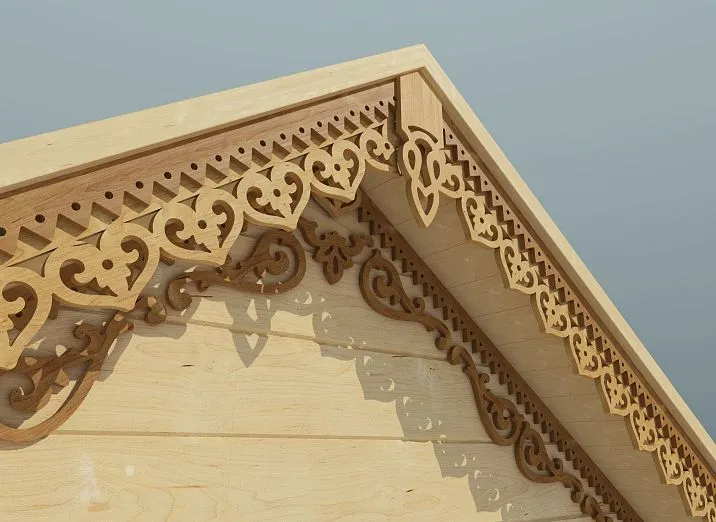
When it comes to carved gable of a houseMany people imagine it as merely an ornamental feature on the building's facade. But behind the external aesthetics lies a whole universe of technical solutions, material nuances, and production intricacies that determine not only the beauty but also the longevity of the architectural element. In modern construction, a carved gable has become a symbol of an individual approach to decorating residential and public buildings, where every detail is thought out to the smallest detail.
The Russian tradition of wooden architecture spans centuries of development, and today masters continue this line of continuity, adapting ancient techniques to modern requirements of quality and durability. A modern carved gable of a house combines the artistic value of traditional ornaments with technological reliability, ensuring decades of flawless service in any climatic conditions.


Technological Foundations of Modern Production
Creating Quality of the house gable It begins with a deep understanding of the properties of wood and modern possibilities of its processing. The production process includes several critically important stages, each requiring a professional approach and strict adherence to technological regulations.




Preparation Operations and Materials
Quality of raw materials determines the final result. For manufacturing carved facade elements carefully selected wood species, undergoing special preparation, are used. Kiln drying to a moisture content of 8-12% ensures the geometric stability of finished products, preventing cracking and warping during operation.
Oak, traditionally considered the standard of strength and beauty, undergoes additional processing to reveal its textural features. Its dense structure allows for the execution of the finest carving details, which retain sharp contours for decades. Beech, due to its uniformity, is ideally suited for creating symmetrical compositions, where precision of repeating elements is crucial.
Larch demonstrates a unique combination of aesthetic and functional qualities. Its natural resinous nature provides inherent protection against moisture and biological damage, which is especially valuable for facade elements. Modern technologies allow for the full potential of this species to be realized, creating products of exceptional durability.
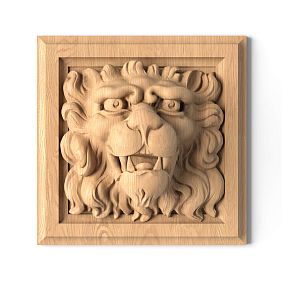
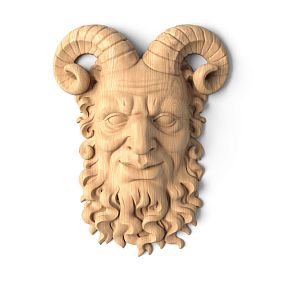
Our factory also produces:



Modern wood processing methods
The machining park of modern production includes CNC equipment, ensuring micron-level precision in processing. The latest generation of milling centers are capable of performing the most complex spatial profiles, creating decorative elements any configuration.
Laser technologies open new possibilities for creating intricate compositions. Laser cutting ensures perfect edge quality, eliminating chips and scratches typical of mechanical processing. This is especially important when creating thin decorative elements, where every millimeter affects the overall perception of the composition.
Hydro-abrasive processing is used to create three-dimensional reliefs and complex textures. A controlled stream of water with abrasive particles allows forming surfaces of any complexity, preserving the natural wood structure and adding additional expressiveness.
Get Consultation
Design: where art meets engineering
Creation of the house gable Design begins with detailed planning, where artistic concepts are translated into technical documentation. Modern CAD systems allow creating three-dimensional models with photorealistic visualization, enabling clients to see the future result even during the design stage.
Architectural-structural solutions
Designing a pediment requires a deep understanding of architectural proportions and structural mechanics. Each element must not only harmoniously fit into the overall facade composition but also withstand operational loads. Wind loads, snow loads, and thermal deformations — all these factors are considered during the design phase.
Special attention is paid to connection nodes to load-bearing structures. Modern fastening systems ensure reliable connection with various types of wall materials: from traditional brick to modern aerated concrete blocks. The use of stainless steel fasteners and anti-corrosion coatings guarantees the longevity of connections.
Thermal expansion of wood requires creating compensatory gaps and movable joints. This is especially critical for large-scale elements, where linear deformations can reach several millimeters. Proper design provides the material with the ability to move freely without compromising the seal and structural integrity.
Ergonomic aspects and functionality
Modern Carved pediment can integrate additional functional elements. Built-in lighting systems transform facade decoration into an eye-catching light accent at night. LED technologies allow creating various lighting scenarios that highlight the architectural features of the building.
Drainage systems, seamlessly integrated into decorative elements, ensure effective removal of atmospheric precipitation. This not only protects the structure from moisture but also prevents ice formation during winter. A properly designed drainage system extends the service life of both the pediment and the building's facade as a whole.
Modern materials enable the creation of elements with variable characteristics. Thermochromic coatings change color depending on temperature, creating dynamic visual effects. Photocatalytic surfaces provide self-cleaning from contaminants under ultraviolet radiation.
Stylistic directions and their technical features
Variety of stylistic solutions carved pediments require different approaches to manufacturing technology and materials. Each direction has its own technical requirements and production nuances.
Russian tradition in modern execution
Russian carving is characterized by complex multi-level compositions with deep recesses and three-dimensional elements. The technical complexity of such items requires the use of special technologies. Multi-pass processing on milling machines with various types of tools allows achieving the required depth of relief and clarity of details.
carved wooden elements In Russian style, openwork carving is often included, creating intricate compositions. The manufacturing technology of such elements requires special attention to ensuring strength. Computer modeling allows optimizing material distribution, ensuring maximum strength with minimal cross-section of elements.
Traditional motifs of Russian carving are adapted to modern materials. Composite wood materials based on natural fibers allow creating elements of complex shapes using pressing methods, reducing labor costs and ensuring high geometric repeatability.
European classical styles
Classical European styles tend toward symmetry and strict proportions. This simplifies the manufacturing technology but imposes higher requirements for execution accuracy. Even minor deviations from the specified geometry disrupt the composition's harmony and become noticeable even to an untrained observer.
Antique motifs require creating smooth transitions and fine detailing. Modern technologies allow achieving surface quality comparable to that of master craftsmen of past centuries. The use of diamond tools and high-speed processing ensures mirror-like surface smoothness and clarity of the finest details.
Baroque compositions, with their dynamism and volume, require the use of multi-axis machining centers. Five-axis processing allows creating complex spatial forms in a single setup, eliminating repositioning errors and ensuring perfect joint accuracy.
Modern interpretations and fusion styles
decorative solutions . Manufacturing technologies must provide flexibility in implementing the most daring design solutions.Manufacturing technologies must provide flexibility in implementing the most daring design solutions.
Parametric design allows creating adaptive structures that change their characteristics depending on external conditions. Algorithmic design generates unique ornaments based on specified parameters, creating unique compositions for each object.
Integrating various materials into a single composition requires developing special technological solutions. Combining wood with metal, glass, ceramic creates new aesthetic possibilities but complicates the manufacturing process. It is necessary to consider different coefficients of thermal expansion, material compatibility, and specific connection methods.
Protective systems and durability
Ensuring durability of the house gable Requires a comprehensive approach to protecting wood from various types of exposure. Modern protective systems are multi-level complexes, each component performing a specific function.
Biological protection
Biological damage to wood — fungal infections, insect infestations — can significantly reduce the service life of decorative elements. Modern antiseptic compositions provide reliable protection at the molecular level.
Deep-penetrating impregnations create a protective barrier within the material. Vacuum-autoclave treatment ensures penetration of protective substances to a depth of 15–20 mm, guaranteeing long-term protection effectiveness. Modern biocides are characterized by high efficiency with minimal toxicity to humans and the environment.
Nanotechnologies open new possibilities in wood bioprotection. Nanoparticles of active substances provide prolonged action of protective compositions, creating self-healing protective layers. This is especially important for elements of complex shapes, where traditional protection methods may be insufficiently effective.
Weather resistance and UV protection
Exposure to ultraviolet radiation causes degradation of lignin — a natural polymer providing wood strength. UV stabilizers in protective coatings absorb harmful radiation, preventing photochemical degradation of the material.
Modern lacquer systems use nanostructured pigments, providing maximum protection with minimal coating thickness. This allows preserving the clarity of the finest carving details without "blurring" contours with thick paint layers.
Self-healing coatings based on microcapsules contain active components that are released upon mechanical damage, automatically restoring the integrity of the protective layer. This significantly extends intervals between preventive maintenance.
Hydrophobization and moisture protection
Moisture is the main enemy of wood. Cycles of wetting and drying cause deformation, cracking, and create conditions for fungal growth. Modern hydrophobic compositions create an invisible barrier that repels water while preserving the wood’s breathability.
Nanostructured hydrophobizers form a layer with controlled wettability characteristics on the wood surface. The "lotus effect" ensures self-cleaning — water droplets roll off, carrying away dirt particles.
Complex protective systems combine several types of protection into a single composition. This simplifies application technology and provides a synergistic effect from interaction of different components. facade decoration elementsElements treated with such systems retain their original appearance for 15–20 years.
Mounting technologies and fastening systems
The quality of installation largely determines durability and reliability of the house gable. Modern fastening systems provide secure fixation while retaining the possibility of disassembly for preventive maintenance.
Mechanical Fastening Systems
Traditional fastening methods using screws and bolts remain relevant but are significantly improved. Modern fasteners are made from stainless steels or alloys with enhanced corrosion resistance. Special coatings further extend the service life of fastening elements.
Hidden fastening systems preserve the aesthetics of decorative elements by eliminating visible fastening points. Locking joints, magnetic systems, and clip mechanisms ensure quick and reliable mounting without compromising the appearance of the items.
Thermal deformation compensators are integrated into fastening joints, allowing wood to move freely with changes in humidity and temperature. This prevents internal stresses that could lead to cracking or deformation of elements.
Adhesive technologies
Modern adhesive compositions open new possibilities in mounting decorative elements. Structural acrylic adhesives provide connection strength comparable to mechanical fastening, with no visible fixing elements.
Polyurethane sealants-adhesives combine bonding and sealing functions. They are elastic, compensate for thermal deformations, and provide moisture protection for joints. This is especially important for corner facade elements, where joint tightness is critical for the overall structure’s longevity.
Hybrid fastening systems combine mechanical and adhesive methods, ensuring maximum reliability. Initial fixation is achieved with mechanical elements, while final fixation is done with adhesive compositions. This allows achieving ideal fit of elements to the base surface.
Quality control and testing
requires systematic control at all production stages. Modern control methods use both traditional and innovative measurement and testing technologies. carved pediments Three-dimensional scanning of finished products ensures full control of compliance with design documentation. Laser 3D scanners create point clouds with accuracy down to tenths of a millimeter, allowing detection of the slightest deviations from the specified shape.
Geometric control
Coordinate-measuring machines are used to control key dimensions and relative positioning of elements. Automated measurement cycles eliminate human factor influence and ensure objective quality assessment.
Optical surface inspection methods reveal defects invisible to the naked eye. Interferometric systems measure surface microrelief, ensuring quality control of finishing at the nanometer level.
Optical surface inspection methods reveal defects invisible to the naked eye. Interferometric systems measure surface microrelief, enabling nanometer-level control of finish quality.
Strength Testing
Static and dynamic load tests confirm the calculated strength of structures. Test stands simulate real operating conditions, including wind loads, temperature cycles, and moisture exposure.
Fatigue tests determine the service life of elements under cyclic loads. Millions of load cycles in accelerated mode allow predicting the behavior of the structure over decades of operation.
Tests for exposure to aggressive environments simulate various climatic conditions. Salt fogs, acid rain, extreme temperatures — all these factors are reproduced in laboratory conditions to assess the durability of protective coatings.
Economic aspects and market trends
Market carved gables for houses demonstrates steady growth driven by increasing demands for architectural individuality. The economic efficiency of investments in facade decoration is confirmed by real estate sales statistics.
Pricing and cost factors
The cost of a carved gable is determined by multiple factors: geometric complexity, wood species, type of protective coatings, and product dimensions. Modern CAD/CAM systems allow precise calculation of labor and material costs even during the design stage.
Automation of production processes reduces the cost of products without compromising quality. CNC machines operate around the clock, ensuring maximum productivity with minimal labor costs.
Optimizing material cutting using specialized software minimizes waste, which is especially important when working with valuable wood species. Material utilization rate can reach 95–98%.
Market Development Trends
Growing interest in eco-friendly materials stimulates the development of wood processing technologies. Consumers increasingly value naturalness and environmental safety, making wood a preferred material for facade decoration.
Digitalization of design and production opens new opportunities for customization. Each customer can receive a unique a decorative element, designed specifically to meet their needs and architectural concept.
The development of internet technologies expands the sales geography. Manufacturers can work with customers from any region, providing a full-service cycle from design to installation.
Regional specificity and climatic requirements
Russia's vast territory is characterized by diverse climatic conditions, requiring adaptation of production technologies carved pediments to local characteristics.
Northern regions
Extremely low temperatures in northern regions require special attention to material frost resistance. Wood must retain elasticity at temperatures down to -50°C, achieved through special treatment and selection of appropriate species.
Long polar nights create special requirements for lighting decorative elements. LED technologies with high luminous efficacy compensate for the lack of natural light, creating a comfortable lighting environment.
Snow loads in northern regions may exceed calculated values for central areas by several times. This requires strengthening structures and using special profiles that prevent snow accumulation on horizontal surfaces.
Southern regions and coastal zones
High temperatures and intense solar radiation in southern regions create special requirements for UV stability of coatings. Special reflective pigments reduce surface heating, preventing thermal deformation.
High humidity in coastal zones requires enhanced waterproofing and use of salt-resistant materials. Sea air contains aggressive salts that accelerate corrosion processes and require special protective measures.
Seismic activity in some southern regions is considered in the design of fastening systems. Elastic connections compensate for building vibrations, preventing damage to decorative elements.
Innovative materials and future technologies
Materials science development opens new opportunities for creating carved pediments with improved operational characteristics.
Composite materials
Wood-polymer composites combine the aesthetics of natural wood with the durability of synthetic materials. The polymer matrix protects wood fibers from moisture and biological damage, significantly extending the service life of products.
Nanocomposites with carbon nanofibers have exceptional strength at minimal weight. This allows creating large-scale elements without increasing the load on supporting structures.
Bio-composites based on plant fibers represent an eco-friendly alternative to traditional materials. Flax and hemp fibers in a polymer matrix provide strength comparable to wood, with full biodegradability.
Additive technologies
3D printing of large-scale elements has become a reality thanks to the development of extrusion technologies for wood-polymer composites. Printing decorative elements allows creating geometry of any complexity without limitations related to tooling capabilities.
Multi-material printing combines different materials into a single structure. Hard and soft components, transparent and opaque areas create new aesthetic and functional possibilities.
Printing with variable properties allows creating elements with gradient characteristics. Surface layers may have increased hardness and weather resistance, while internal layers are optimized for strength and weight.
Service maintenance and operation
Longevity of the house gable are largely determined by the quality of operational maintenance. Modern service approaches are based on predictive diagnostics and preventive maintenance.
Condition monitoring systems
Built-in sensors for humidity, temperature, and mechanical stress provide continuous monitoring of the structure's condition. Wireless data transmission systems allow remote monitoring, enabling timely detection of potential issues.
Thermographic diagnostics reveal hidden defects invisible during visual inspection. Uneven temperature fields may indicate damage to protective coatings or moisture penetration into the structure.
Ultrasonic inspection determines changes in wood structure related to biological damage or mechanical defects. Portable ultrasonic flaw detectors allow diagnostics without dismantling elements.
Preventive maintenance programs
Scheduled maintenance includes periodic cleaning, inspection of coatings, and tightening of fasteners. Individual programs are developed considering climatic conditions, usage intensity, and material types.
Seasonal maintenance adapts to the climatic cycle. Winter preparation includes treatment with hydrophobic compounds and checking drainage systems. Spring diagnostics reveal damage incurred during the winter period.
Digital product passports contain complete technical information, maintenance history, and operational recommendations. QR codes on elements provide quick access to technical documentation via mobile devices.
Questions and Answers from Experts
What is the service life of a modern carved gable?
With proper material selection and adherence to manufacturing technology, the service life is 30-50 years. Wooden elements made of larch or oak with quality protective treatment may last longer. Key factors for longevity: wood species, quality of protective coatings, correct installation, and regular maintenance.
Does the complexity of carving affect the structural strength?
Complex carving with deep grooves may reduce strength, but modern computer modeling allows optimizing the structure. Topological optimization methods ensure maximum strength with minimal material usage. Critical nodes are reinforced with additional elements.
Can a carved gable be installed in regions with harsh climates?
Yes, but requires a special approach to material and protective system selection. For northern regions, resinous wood species with natural moisture resistance are recommended. Use of frost-resistant coatings that retain elasticity at low temperatures is mandatory. The fastening system must compensate for thermal deformations.
What are the requirements for the foundation for installing a gable?
The foundation must provide secure fixation of fasteners. Heavy gables require a load-bearing capacity of at least 150 kg per square meter. The surface must be flat, with deviations no more than 5 mm per meter of length. Foundation moisture content must not exceed 4%.
How often are protective coatings updated?
The frequency depends on climatic conditions and coating quality. In Russia's middle belt, quality acrylic coatings last 7-10 years, polyurethane coatings up to 15 years. In aggressive environments (marine climate, industrial zones), service life is reduced by 1.5-2 times. Regular inspection allows timely identification of the need for renewal.
Is it possible to restore damaged elements?
Most damage can be restored. Local chips and cracks are repaired with wood putty followed by restoration of protective coating. Severe damage may require replacement of individual fragments. The modular design of modern gables facilitates partial element replacement.
How to choose the optimal wood species?
The choice depends on climate, budget, and aesthetic preferences. Oak is a universal choice for any conditions but the most expensive. Larch is optimal for humid climates. Pine is suitable for budget projects in moderate climates. Exotic species are used for exclusive projects. Consulting with technologists will help make the optimal decision.
Conclusion: craftsmanship trusted by clients
Carved gable of the house In modern execution, it represents a high-tech product combining traditional aesthetics with innovative solutions. Advancements in materials science, refinement of manufacturing technologies, and implementation of automated design systems open new possibilities for creating unique architectural solutions.
The modern market demands high standards for quality, durability, and aesthetic characteristics of facade decoration. Only a comprehensive approach, combining deep understanding of material properties, modern manufacturing technologies, and long-term experience, enables the creation of products meeting these requirements.
Investments in quality carved pediments not only increase property value but also create a comfortable aesthetic environment positively affecting people's psychological state. Beautiful architecture forms a cultural environment, cultivates a sense of beauty, and creates an atmosphere where one wishes to live and work.
STAVROS has held leading positions in the field of production for many years of carved facade decoration elements. Own high-tech production, team of experienced technologists and designers, world-class quality control systems — all this enables STAVROS to create products that become architectural ornaments for decades.
By choosing STAVROS, clients receive not just decorative elements, but comprehensive solutions including design, production, installation, and after-sales service. Individual approach to each project, use of modern materials and technologies, strict adherence to technical regulations ensure results exceeding even the expectations of the most demanding clients.
STAVROS is a guarantee of quality, reliability, and beauty, proven by time and trust of thousands of satisfied clients across Russia. Choosing STAVROS means choosing craftsmanship rooted in tradition and oriented toward the future.


