












































































Article Contents:
- What are PVC wall panels: the material and its nature
- Technical parameters of PVC wall panels: what the numbers really mean
- Slat Width
- Panel thickness
- Panel length
- Thermal expansion coefficient
- Operating temperature range
- Flammability class
- PVC wall paneling: where it performs flawlessly
- Bathrooms and toilets
- Balconies and loggias
- Basement and ground floor spaces
- Rental housing and temporary finishes
- Where slatted PVC panels fall short: an honest assessment
- Types of slatted PVC wall panels: from economy to stone imitation
- Solid matte panels
- Wood imitation panels
- Stone and marble imitation panels
- Structured 3D PVC panels
- Bimetallic and metallized PVC panels
- Comparison of slatted PVC panels with MDF and wood: parameters side by side
- Installation of PVC slat wall panels: step-by-step technology
- Tools and Materials
- Step 1: Base preparation
- Step 2: installation of the lathing
- Step 3: installation of the starter strip
- Step 4: installation of the first slat
- Step 5: installation of the paneling
- Step 6: finishing elements
- Color and decorative solutions with PVC slats: how not to lose in aesthetics
- Alternative to PVC in the bathroom: what to choose if you need something better
- Care for PVC slat panels: the minimum required
- PVC slat panels and the overall interior context: how to integrate plastic into the space
- FAQ: everything important about PVC slat wall panels
- About the Company STAVROS

Search queries don't lie. 'PVC slat wall panels' is one of the most frequent queries in the niche of finishing materials. People search, compare, buy. The PVC slat market is growing — and that's quite understandable: low price, moisture resistance, easy installation. But every coin has two sides. And before you spend money and time, you need to understand — what exactly you're getting, where this material works flawlessly, and where it loses to alternatives.
This article is written without marketing illusions. PVC slat panels are a real, in-demand product with clear advantages and distinct limitations. We'll cover everything: composition, parameters, areas of application, installation, care, comparison with wood and MDF — and give honest answers to questions that usually remain off-screen.
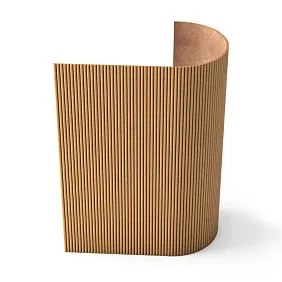
What are PVC slat panels: material and its nature
PVC — polyvinyl chloride — is a synthetic polymer, one of the most common plastics in construction. In slat finishing panels, it is used in two structural forms: solid profile and cellular (foamed) profile with internal stiffening ribs.
Solid PVC profile — a dense, heavy slat without internal voids. More resistant to mechanical loads, holds its shape better during temperature fluctuations. Used in load-bearing structures and on facades.
Cellular (foamed) PVC — a lightweight slat with an internal cellular structure reinforced with longitudinal ribs. This type constitutes the bulk of the market for wall PVC slat panels for residential interiors. Lightweight, cheap, convenient for installation — and at the same time holding its shape quite well at normal room temperatures.
The surface of a PVC slat is formed during extrusion: plastic is forced through a profiling die, obtaining a given cross-section. The decorative layer is applied in two ways: lamination with a printed film (imitation wood, stone, solid color) directly during extrusion, or offset printing on a finished profile followed by varnishing.
The fundamental difference between PVC and MDF: PVC does not absorb water at all. This is its key advantage and main area of application — rooms with constantly high humidity, where MDF and especially solid wood require special moisture protection measures.




Technical parameters of PVC slat panels: what lies behind the numbers
The technical characteristics of PVC slats are not an abstraction. Every number in the specification directly affects the result in your specific room.
Our factory also produces:
Slat width
Range: from 50 to 250 mm. Narrow slats (50–80 mm) create a frequent, ornamental rhythm, visually complicating the surface. Wide slats (150–250 mm) create a calm, monumental pattern. For small rooms (bathroom 4–6 m², toilet 2–3 m²), slats 100–150 mm wide are optimal: they do not overload the space and provide a good balance between installation speed and visual result.
Get Consultation
Panel thickness
From 8 to 14 mm. For wall panels in residential premises, the minimum reasonable thickness is 10 mm: this provides sufficient rigidity for spans between battens up to 400 mm. Panels 8 mm thick bend when pressed at points between supports—and this deflection is audible and felt upon accidental contact.
Panel length
Standard: 2700 and 3000 mm. For rooms with ceiling heights up to 2.7 m, the standard length covers the need without longitudinal joints. For ceiling heights of 3.0 m and above, an additional strip or panels of increased length are required.
Coefficient of thermal expansion
PVC expands upon heating significantly more intensively than MDF or wood: approximately 0.07–0.08 mm/mm°C. In wall panels 2700 mm long, with a temperature difference of 20°C, this results in linear elongation of 3.8–4.3 mm. This is precisely why, when installing PVC slats, compensation gaps at the ends are not a recommendation but a physical necessity.
Operating temperature range
From -20°C to +50°C. At temperatures above +50°C (direct solar radiation on thin-walled PVC profile), softening and deformation begin. For wall panels inside heated premises, this is not a problem. For facade application, it is a critical limitation.
Flammability class
Most standard PVC slat panels belong to flammability groups G2–G3. When burning, PVC releases hydrogen chloride — an aggressive toxic compound. This is a fundamental argument against using PVC panels in children's rooms and evacuation corridors. For children's rooms and bedrooms — E0 class MDF is incomparably safer.
PVC slat panels for walls: where they perform flawlessly
Honesty requires admitting: there are rooms where PVC slat panels for walls are the optimal choice. Not 'one of the options', but precisely optimal — based on the totality of characteristics.
Bathrooms and toilets
Constant high humidity, water splashes, steam from hot showers — these are conditions under which untreated MDF swells, and natural wood without special treatment warps. PVC is completely insensitive to moisture: it doesn't swell, delaminate, or develop surface mold. With proper installation and sealing of the bottom ends — an ideal technical solution for bathrooms.
Decorative range of PVC slats for bathrooms: imitation of white marble, light stone, matte white, light gray, beige. These options are most in demand — they create a sense of cleanliness and airiness in small spaces.
Balconies and loggias
Unheated balconies — areas with sharp temperature fluctuations, condensation, periodic moisture exposure. PVC with its zero water absorption is a reasonable choice for this type of space. Limitation: on glazed balconies that turn into greenhouses with temperatures up to 60°C in summer, thin-walled PVC slats may deform. For such conditions, thick-walled profiles with reinforced stiffening ribs are needed.
Basement and plinth spaces
Technical rooms, workshops, basements with moderate humidity — where aesthetic requirements are secondary to functionality and budget, PVC slats meet the need with minimal costs.
Rental housing and temporary finishing
Rental apartments require cheap, easily replaceable finishes. PVC slat panels install quickly, are affordable, and can be partially replaced if needed. Aesthetics are not the priority.
Where PVC slat panels fall short: an honest assessment
We need to speak plainly here, because many remain silent on this.
Tactile quality. PVC is plastic. When touched, it feels exactly like that—plastic: cold, lightweight, and somewhat 'hollow' when tapped. In living rooms or bedrooms, where surface quality is subconsciously perceived, this factor is critical.MDF Plank Panelsor solid wood provide a fundamentally different tactile sensation—warm, dense, substantial.
Acoustics. The cellular PVC profile resonates under mechanical impact—producing a characteristic plastic sound. In rooms with high demands for acoustic comfort (bedroom, study, living room), this is a noticeable drawback.
Visual imitation vs. naturalness. The printed pattern on PVC reproduces the texture of wood or stone—but doesn't deceive even an untrained eye upon close inspection. The pattern repeats at a certain interval, highlights don't match the real texture, and the overall appearance is 'synthetic'. In spaces where the aesthetics of natural material are important, PVC cannot compete with wood or high-quality veneered MDF.
Thermal stability. In rooms with direct sunlight (large south-facing windows), dark PVC slats on an accent wall can heat up to 40–45°C and show visible sagging. White and light tones heat up significantly less.
Eco-friendliness. This is important for families with children and for people who consciously choose finishing materials. PVC contains plasticizers (phthalates) that are released into the air when heated. In well-ventilated rooms, this doesn't create significant concentration—but for children's rooms and bedrooms, E0-class MDF or naturalwooden plankare fundamentally safer choices.
Types of PVC slat panels for walls: from economy to stone imitation
Solid matte panels
White, gray, beige, light blue — in matte finish. The best-selling segment: versatile, neutral, easily pairs with any furniture and flooring. For bathrooms, white gloss is a traditional choice, creating a sense of cleanliness and volume.
Wood-look panels
Printed patterns of oak, pine, walnut, wenge. Most in demand in hallways and corridors — where the visual warmth of wood is needed with zero maintenance. The more detailed the texture reproduction, the higher the price and the closer the visual result to natural material. The best samples look convincing from a distance of 2–3 m — but not upon close inspection.
Stone and marble-look panels
White marble with gray veins, travertine, light limestone. Popular for bathrooms and kitchen backsplashes. Create the feeling of expensive finishing with a minimal budget. With high print quality — convincing from a distance, decoratively effective.
Textured 3D PVC panels
The plank surface has an embossed texture — imitation of relief stone, brick, wood cut. This is not true three-dimensional relief (as in3D slatted MDF panels), but surface embossing with a depth of 0.2–0.8 mm. The visual effect with good execution is substantial; the tactile effect is limited.
Bimetallic and metallized PVC panels
The surface imitates metal: silver, gold, bronze, stainless steel. A specific segment for commercial spaces, bars, receptions. In residential interiors, it is used selectively — as an accent, not as a primary surface.
Comparison of slatted PVC panels with MDF and wood: parameters side by side
| Parameter | PVC | MDF | Solid wood |
|---|---|---|---|
| Moisture resistance | Absolute | Medium (HMR — high) | Medium (with treatment — high) |
| Tactile quality | Synthetic, cold | Dense, neutral | Warm, natural |
| Acoustics | Resonates | Absorbs sound | Absorbs sound |
| Ecological | Contains plasticizers | E1/E0 — safe | Natural |
| Heat resistance | Up to +50°C (deformation) | Up to +70°C | Up to +80°C |
| Repairability | Rail replacement | Sanding + repainting | Sanding + oil |
| Price | Low | Medium–high | High |
| Service life | 8–15 years | 15–25 years | 25–50 years |
| Repainting | Impossible | Possible | Possible |
| Use in the bathroom | Optimal | With HMR — acceptable | Limited |
Installation of PVC slat wall panels: step-by-step technology
Installation of PVC slat panels is one of the most accessible types of finishing work for DIY. However, there are nuances that affect the result.
Tools and materials
-
Laser level or bubble level 1.5–2 m long
-
Hacksaw for metal or jigsaw with a blade for plastic
-
Drill/driver
-
27×60 mm metal profile for battens or 40×25 mm wooden beam
-
Wall plugs for attaching battens to the wall
-
Clips (concealed fasteners) or finishing nails
-
Silicone sealant (for bathrooms) or acrylic (for dry rooms)
Step 1: Surface preparation
The wall must be dry. In the bathroom — especially important: if there are areas of dampness or mold behind the tiles or old plaster, they must be eliminated before installation begins. PVC panels do not allow moisture to escape — and if moisture becomes trapped behind them, mold will begin to destroy the load-bearing wall from the inside.
Base unevenness when mounting on battens is not critical — the battens correct the surface. When mounting with adhesive — the wall must be level.
Step 2: installing the battens
Battens are installed horizontally (for vertical panel orientation) or vertically (for horizontal). Spacing — 400–500 mm. All batten strips are aligned strictly in one plane using a laser level. For bathrooms — wooden beams are pre-treated with antiseptic or metal profile is used.
Step 3: installing the starter strip
The starter strip (corner profile or H-profile) is attached to the wall around the perimeter — at the floor, ceiling, and corners. It secures the starting and ending positions of the slats and conceals the end gaps. Install the starter strip strictly level — the verticality of the entire structure depends on it.
Step 4: installing the first slat
The first slat is inserted into the starter strip and fixed to the battens with a clip or finish nail. Check the vertical alignment again — this is the point of no return. A crooked first slat will pull the entire paneling out of alignment.
Step 5: installing the paneling
Each subsequent slat is inserted with its groove into the tongue of the previous one and fixed to the battens with a clip. The 'tongue-and-groove' lock in PVC slats is designed to both connect the slats and conceal the fasteners. Installation is fast — an experienced craftsman can cover 10–12 m² of wall in 2–3 hours.
Expansion gap: for horizontal installation — a 5–6 mm gap at the end walls. For vertical installation — a gap at the floor and ceiling. Without an expansion gap, thermal expansion of the PVC will push the slats out of the starter profile or create visible deformations.
Step 6: finishing elements
External and internal corners are covered with special corner profiles. Ceiling joints — with ceiling skirting. Floor joints — with floor skirting.
For bathrooms: all horizontal joints (the lower end of the panels at the floor, joints with plumbing) are sealed with silicone sealant. This is a key point — this is precisely where moisture penetrates behind the panels if not sealed.
Color and decorative solutions with PVC slats: how not to lose in aesthetics
PVC slats have limited potential in terms of aesthetics — and this must be accepted. But within this potential, there are techniques that significantly improve the visual result.
Combination with natural details. A PVC batten on the wall paired withwooden floor baseboardsolid wood or MDF is a smart compromise. The synthetic wall surface is balanced by a natural detail near the floor: the eye catches the living material, and the overall feel of the space becomes significantly warmer.
wooden skirting board purchasesolid oak paired with white PVC battens in the bathroom is a solution that visually elevates the quality of the room. One detail made of natural material changes the perception of the entire space. Yes, wood in the bathroom requires a quality varnish or oil finish—but that's manageable.
Precise color matching. Don't try to imitate wood where it's obvious: an imitation 'walnut' finish in a living room will always read as plastic upon close inspection. Choose solid neutral tones—white, gray, light beige—and don't compete with natural materials.
Horizontal layout for small spaces. Horizontal battens visually widen a narrow room. In a narrow bathroom measuring 1.5×2.5 m, horizontal PVC battens on the long wall create a sense of greater width.
Accent wall. One wall with PVC panels, the others with regular paint or tile. This reduces the overall synthetic character of the space and turns the PVC finish into a focal accent, not a total covering.
Alternatives to PVC in the bathroom: what to choose if you need something better
If the budget allows for higher quality—there are options that surpass PVC in all significant parameters except price.
Moisture-resistant MDF panels (HMR) with lamination or special enamel—they retain the tactile quality of MDF, look significantly richer than PVC, and last 15–20 years even in high humidity conditions. For a modern bathroom with aesthetic requirements—this is a fundamentally different level.Rafter panelsmade of moisture-resistant MDF—cost more than PVC but provide an incomparably higher quality visual and tactile result.
Ceramic tile is a classic choice for bathrooms with high demands. Absolute durability, unlimited design potential, zero maintenance. The downside is the high installation cost and limited repairability for spot damage.
Decorative concrete or microcement is an expensive but exceptionally beautiful solution. Seamless surface, absolute water resistance with proper impregnation, unique textured character. Perfect for bathrooms in loft, minimalist, or Japanese interior styles.
Care for PVC paneling: the minimum required
Caring for PVC panels is truly minimal. This is exactly what attracts most buyers.
Regular cleaning: wipe with a damp cloth. Use neutral cleaning agents without abrasives and without acetone (acetone dissolves PVC). For bathrooms, use the same products as for the bathtub and sink.
Limescale: use special limescale removal products diluted in a 1:3–1:5 ratio with water. Concentrated acidic products are not allowed—they damage the PVC surface.
Mechanical damage: scratches and chips on PVC cannot be repaired. For significant damage, replace the entire panel. This is why it is recommended to keep 2–3 spare panels during installation.
Darkening and yellowing: cheap PVC panels without UV stabilizers will yellow after 5–7 years—especially in rooms with direct sunlight. This is an irreversible process and requires replacement. Panels with UV stabilizers retain their color much longer—up to 12–15 years. Check for UV stabilizers when purchasing.
PVC paneling and the overall interior context: how to integrate plastic into the space
PVC paneling in a residential interior is always a compromise. The goal is to make this compromise invisible. A few principles.
In the bathroom, PVC is limited as a material — and there's no need to hide it here. White matte slats combined with chrome plumbing fixtures, white sanitary ware,wooden accessories— this is a completely self-sufficient look.
In the hallway, PVC slats with a wood-grain pattern require support:wooden baseboardmatching the pattern,Wooden planksframing a mirror or coat rack — these natural details 'legalize' the wood imitation on the wall.
In the living room and bedroom — PVC slats, if you've settled on them, require special attention. Choose solid neutral tones, not imitations. Add a maximum of natural materials —Furniture Handlesmade of wood,Balusters of the staircasesolid wood, textiles made from natural fibers — and the synthetic nature of the wall finish will fade into the background.
For living rooms where durability and aesthetics are important — considerMDF Plank Panels: they last twice as long, provide a fundamentally higher quality visual and tactile result, can be repainted without dismantling if necessary — and with a comparable total service life, they turn out to be economically comparable to PVC.
FAQ: All the essentials about PVC wall panel strips
Can PVC panel strips be used in a bathroom?
Yes — this is one of the best applications. PVC does not absorb water at all, does not warp from moisture, and is resistant to cleaning agents. A mandatory condition: sealing the bottom ends at the floor with silicone sealant and protecting the back surface of the wall from moisture during installation.
PVC panel strips or tile for the bathroom — which is better?
Depends on the tasks and budget. PVC strips install faster, cost less, and are easier to repair with spot replacement. Tile is more durable (25–50 years vs. 8–15 for PVC), looks richer, and better withstands intensive washing. For temporary housing and rental apartments — PVC. For your own home with long-term use — tile or moisture-resistant MDF.
Can PVC strips be installed without battens?
Yes — with adhesive, provided the base is level (deviation no more than 3 mm over 2 m). Adhesive installation is faster but makes removal practically impossible without damage. Battens provide additional ventilation behind the panels and allow replacement of individual strips without destroying the structure.
Why did PVC strips turn yellow after a few years?
The reason is cheap PVC without UV stabilizers. Under exposure to ultraviolet light (through windows) or at constantly elevated temperatures, plasticizer degradation begins. The color cannot be restored — only replacement. For your next purchase, check for the presence of UV stabilizers in the composition.
What width of PVC strip is best for a 4 m² bathroom?
100–150 mm is the optimum for a small bathroom. Wider slats (200–250 mm) will give a sense of scale and visually expand the space when installed horizontally.
Can PVC panels be painted?
Technically, yes, with acrylic paint that has good adhesion to plastic. But the surface requires thorough degreasing and priming with a special PVC primer. The durability of paint on PVC is significantly lower than on MDF. It is more practical to replace the slats with the desired color.
How safe are PVC slats for a children's room?
For children's rooms, PVC is not the best choice. Plasticizers in the composition are released into the air when heated. For children's rooms and bedrooms, MDF of class E0 or natural wooden slats with water-based coatings are much safer.
How to choose quality PVC slats and avoid buying cheap substitutes?
Check: profile thickness (at least 10 mm), presence of UV stabilizers in the composition, quality of the laminating film (should not peel when bending a sample), geometry evenness (check several slats from the batch), availability of technical documentation with characteristics.
Can PVC slats be used on the ceiling?
Yes. The light weight of PVC panels makes installation on the ceiling quite feasible. Limitation: in rooms with direct solar heating (attics, glazed loggias), deformation is possible at high temperatures.
What is the actual service life of PVC slat panels?
Under normal operating conditions (without direct UV exposure, at room temperature) — 10–15 years for quality panels with UV stabilizers. Cheap options without stabilizers — 5–7 years until noticeable yellowing and loss of appearance.
About the company STAVROS
STAVROS is a Russian manufacturer of wooden architectural elements for interiors with a full production cycle. When the choice of slatted panels goes beyond PVC — and you want a material that will last for decades and looks truly authentic — in the STAVROS catalog you will find exactly what you need:slatted panels made of MDF and solid oakfor walls and ceilings with precise geometry,Wooden planksfor decorative tasks in any interior,wooden baseboard made from solid wood and MDF,wooden skirting board purchasemade of solid oak and ash in a wide range of stains,Furniture Handles— made of natural wood,balusters for staircasesandClassic Furniturefor those who value quality without compromise. STAVROS is a manufacturer whose products are backed by real production, quality control at every stage, and responsibility for the result. If your interior deserves more than a temporary solution — choose STAVROS.


