












































































Article Contents:
- What are wooden slat panels and their architectural essence
- Why wood — not MDF, not plastic, not metal
- Wood species for slat panels: what to choose and why
- Oak — the top choice for slat panels
- Ash — elasticity and expressive grain
- Pine and larch — naturalness and affordability
- Walnut — luxury in details
- Teak — for wet areas
- Technical specifications of wooden slat panels
- Importance of kiln drying
- Slat coating: oil vs. varnish
- What wooden slat panels look like in real interiors
- Oak slats in the living room: warmth as an architectural technique
- Light ash slats in the bedroom: Scandinavian breath
- Dark walnut in the study: strength and concentration
- Pine slats in a country house: naturalness without pretense
- Application of wooden slat panels by room
- Wooden slat panels in the living room
- Wooden slats in the bedroom
- Wooden slat panels in the hallway
- Wooden slats in the bathroom
- Wooden slat panels for commercial spaces
- Wooden slat panels in different interior styles
- Scandinavian Style
- Biophilic design
- Modern style
- Neoclassicism
- Eco-style and country
- Japanese Minimalism
- Toning wooden slat panels: palette of possibilities
- Light toning
- Medium toning
- Dark toning
- How to Choose Wooden Slat Panels: A Practical Guide
- Step 1: Determine the Wood Species
- Step 2: Determine the Slat Width and Spacing
- Step 3: Determine the Tone
- Step 4: Determine the Finish
- Step 5: Calculate the Material Quantity
- Installing Wooden Slat Panels: What You Need to Know
- Acclimatization is a Mandatory Step
- Installation Methods
- Finishing the Perimeter
- Wooden Slat Panels and Acoustics
- Care for wooden slatted panels
- Cleaning
- Updating Oil Finish
- Minor repairs
- Common mistakes when choosing wooden slat panels
- Frequently Asked Questions
- How do wooden slat panels differ from MDF slats?
- Which wood species is best for slat panels?
- Do wooden slats require special treatment?
- Can wooden slat panels be installed independently?
- How often should the coating of wooden slat panels be renewed?
- Are wooden slats suitable for bathrooms?
- How to combine wooden slat panels with moldings?
- Conclusion

There are things that are hard to explain in words—they need to be felt. Walk into a room where the walls are finished with wooden slats and sense: it’s different here. Warmer. More alive. The space breathes. This is exactly what wooden slat panels do—they bring into the interior that quality of presence of a natural material that cannot be reproduced by any plastic, laminate, or decorative film. It’s not a visual trick. It’s a physical sensation from living wood in the space.
Wooden slat panels are one of the most sought-after materials in modern interior design. They are used in residential apartments and country houses, in commercial spaces and public interiors, in classic and the most contemporary styles. Why? Because wood is a universal language. It is equally organic in a Scandinavian apartment and a neoclassical mansion, in Japanese minimalism and a warm Provençal home. Wood does not age. It does not go out of style. It is simply—the right material.

What are wooden slat panels and what is their architectural essence
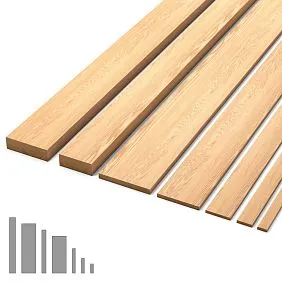
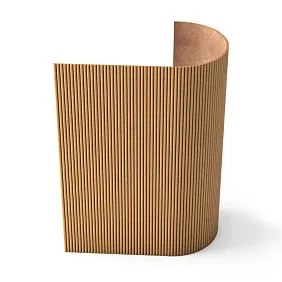
A wooden slat panel is a structure of parallel wooden slats (battens), fixed at equal intervals on a backing or mounted directly on a surface. The equal spacing of the slats creates a rhythmic surface structure—a linear graphic pattern that interacts with light fundamentally differently than any smooth plane.
Each slat casts a shadow into the gap between itself and the next. The gap absorbs light. A play of light and shadow arises—the surface becomes three-dimensional, alive, changing throughout the day. In the morning, with oblique light from an eastern window, the shadows in the gaps are sharp and long. At midday—soft and short. In the evening, with directed artificial light—expressive and deep again. This is a property no other finishing material has: a slat panel is not static—it lives with the lighting.
planks made of wood—is an architectural tool, not just decor. They manage space: vertical slats visually 'pull' the ceiling upward, horizontal ones—expand the wall. They zone open layouts without physical partitions. They create accent planes around which the entire interior is organized. This is a material with inherent architectural logic.




Why wood—not MDF, not plastic, not metal
This question arises naturally: there are slat panels made of MDF, polyvinyl chloride, aluminum. All can create a visually similar slat pattern on a wall. So what is the fundamental difference?
The difference is in the nature of the material. Wood is a living organic material. Every tree is a unique story: a specific tree, a specific year of growth, specific climate conditions. The grain pattern, arrangement of annual rings, color of sapwood and heartwood, character of knots—all are unique. No two boards are alike. No two slats are alike. And it is this uniqueness that creates that very 'liveliness' you feel in a space with wooden walls.
MDF can imitate wood visually. Under varnish or film—convincingly. But up close, in tactile contact, under specific lighting—the difference is obvious. Wood carries the relief of its grain, which is felt with the fingers and visible in oblique light. MDF is homogeneous, uniform, faceless.
There is also a functional advantage: wood regulates a room's microclimate. Wood absorbs excess humidity and releases it in dry air—a natural humidity buffer that works passively, without technical devices. In a room with wooden panels, breathing feels different—this is not a metaphor, it's physics.
Our factory also produces:


Wood species for slat panels: what to choose and why
Get Consultation
Oak — the top choice for slatted panels
Oak is the undisputed leader among wood species for slatted panels. Density 700–750 kg/m³, Janka hardness about 5900 N, resistance to mechanical wear — these technical characteristics make oak ideal for cladding material. But not only these.
The grain pattern of oak is one of the most beautiful among available species. Medullary rays — a characteristic pearlescent sheen on the radial cut. Annual rings — well-defined, with a clear contrast between early and late wood. Tone — warm golden-yellow, aging into a rich honey-amber.
Oak slatted panelsaccept any tinting — from light bleaching to deep graphite — while preserving the grain pattern. This is what makes oak the material with maximum variability: one species, but dozens of visual solutions.
Ash — elasticity and expressive grain
Ash is another species with excellent hardness indicators and an expressive grain. Ash fibers are straight, the pattern is more 'active' compared to oak: higher contrast between annual rings, more pronounced tone transitions. Ash tone is lighter than oak — whitish-cream with a yellowish undertone.
In Scandinavian and modern styles, ash is especially valued precisely for its lightness: it provides that natural, slightly Scandinavian feel, which oak in its natural tone creates to a lesser extent.
Pine and larch — naturalness and affordability
Pine is a softer species (density 500–550 kg/m³), less resistant to wear, but possessing a special natural charm. The characteristic resin scent, lively grain with clearly visible knots, expressive annual rings — pine creates a sense of rustic, natural, 'living' space. For country houses, hunting lodges, baths, saunas, interiors in country and rustic styles — pine is organic.
Larch is denser than pine (620–660 kg/m³) and significantly more moisture-resistant—its natural resin makes it one of the most moisture-resistant coniferous species. In spaces with unstable humidity, larch is preferable to pine.
Walnut—luxury in the details
Walnut is a dark, dense, valuable wood with a grain pattern that is hard to describe in words: winding, changeable, with a play of tones from light brown to dark chocolate in a single board. Walnut slatted panels are a material for uncompromising interiors. These are not just 'wooden slats'—they are an architectural element that carries natural luxury.
Teak—for wet areas
Teak is an exotic species with unique properties: its natural oils provide inherent moisture resistance without additional treatment. It is the only wood that can be used in bathrooms, near pools, and in saunas without fear of swelling or warping (with proper installation and gaps). The tone is golden-brown, and the grain is even and calm.
Technical specifications of wooden slatted panels
Before moving on to aesthetics, it's worth understanding the parameters—they determine both the visual outcome and the application possibilities.
| Parameter | Value |
|---|---|
| Slat length | 2400 / 2700 / 3000 mm (custom non-standard sizes available) |
| Slat width | 15–120 mm |
| Slat thickness | 10–30 mm |
| Slat spacing | from 20 to 80 mm (defines visual rhythm) |
| Species | Oak, ash, pine, larch, walnut, teak |
| Moisture | 8–12% (kiln-dried) |
| Finish | Unfinished / oil / varnish / tint + oil/varnish |
| Profile | Rectangular / beveled / semicircular / wavy |
Importance of kiln drying
Wood moisture content is a critically important parameter for slat panels. Wood with a moisture content above 12% will dry out after installation — slats will change size, unintended gaps will appear between them, and the surface will develop cracks. Kiln drying to 8–12% is a mandatory requirement for quality material.
How to check? With a special moisture meter or request the material passport from the supplier. A quality manufacturer is always ready to provide data on the batch's moisture content.
Slat coating: oil vs. varnish
Two fundamentally different types of coating — and two fundamentally different results.
Oil penetrates the fiber structure, creating a protective layer inside the wood. The surface remains matte, with the feel of 'living' wood — tactilely rich, silky. The grain pattern is maximally visible with an oil coating — oil does not create a film that 'separates' the view from the material. Maintenance of oiled surfaces: periodic re-oiling every 1–3 years.
Varnish creates a hard protective film on the surface. Matte varnish — minimal gloss, preserves the natural look. Semi-gloss and gloss — greater shine, higher resistance to mechanical impact. Varnish is more reliable than oil in high-traffic conditions. Maintenance of varnished surfaces: wet cleaning; in case of significant wear — sanding and re-varnishing.
What wooden slat panels look like in real interiors
Oak slats in the living room: warmth as an architectural technique
A living room with an accent wall of oak slats is not just a 'beautiful wall'. It is an organizing element of the entire space. Vertical slats of natural oak, 40–50 mm wide, tinted in warm cognac, mounted with a 60 mm gap — a wall you want to look at. The natural pattern of each slat is unique: one has medullary rays creating a subtle pearlescent sheen, the next has straight parallel fibers with deep annual rings. This is painting created by nature.
With side lighting from a floor lamp, the shadows in the gaps between the slats are sharp, linear. The sofa in front of such a wall is 'built into' the architectural context — it doesn't just stand against a wall, it is part of a thoughtful spatial statement.
Light ash slats in the bedroom: Scandinavian breath
A headboard wall of light ash slats with a whitewashed oil finish creates a very specific atmosphere. The light tone of ash with a cool milky undertone, the even grain pattern, the matte oil surface—delicacy, naturalness, Nordic purity. Sconces with warm light on both sides of the headboard: the shadows in the gaps between the slats are soft, almost imperceptible in diffused light—and expressive, linear in directed light. This is a space you want to wake up in.
Dark walnut in the study: strength and focus
The study is a space where the material works on the psychological mood. Dark slatted wood panels of walnut on the wall behind the desk create an image of seriousness, competence, depth. The grain pattern of walnut—winding, changeable—against a dark background creates an effect of natural 'painting'. The directed light of the desk lamp touches the slats, creating shadows: the study lives in a soft twilight with a natural texture behind your back. It is precisely this image that creates the right context for serious work.
Pine slats in a country house: naturalness without pretense
In a country house with a view of the forest, pine slats on the walls are not a default choice, but a conscious decision. The characteristic smell of resin in the first months after installation, the lively grain with rounded knots, the tonal transitions from creamy to amber—this is a material that 'continues' the nature from outside into the house. Untinted, with a transparent oil coating that preserves the natural tone—pine in a country house is absolutely organic.
Application of wooden slatted panels by rooms
Wooden slatted panels in the living room
The living room is the main space for wooden slatted decor. Any scenario can be implemented here: an accent wall behind the sofa, a TV wall with an integrated screen, full coverage of one or several planes. In a living room with an open plan, wooden slats on the wall behind the sofa area are a visual boundary that 'anchors' the relaxation zone without physical partitions.
For living rooms with high ceilings (from 3 m)—vertical oak slats create a particularly expressive effect: they 'stretch' from the baseboard to the ceiling, and their length enhances the architectural sense of height. In combination with, friezes, rosettes.around the perimeter of the ceiling—a full-fledged architectural system with a high level of execution.
Wooden slats in the bedroom
The bedroom is an intimate space where materials work on a physiological and psychological level. Wood in the bedroom: a natural material without synthetic emissions, a humidity regulator, rich in texture, creating a sense of a natural refuge. A wall behind the bed with wooden slats is the most popular scenario. Slat width 25–40 mm, spacing equal to the width or slightly wider—a delicate rhythm that doesn't overload the space.
Wooden slatted panels in the hallway
The hallway is the first and last thing a person sees in your home. The quality of finishing here shapes the overall impression of the entire interior. Wooden slats on the hallway wall are an immediate 'signal': details were considered here, materials were chosen consciously. For a narrow hallway—vertical slats that visually 'raise' the ceiling. For a hallway with a niche—slats in the niche create an accent and organize storage space.
Wooden slats in the bathroom
A bathroom with wooden slats is always a matter of the right material. Teak or thermowood from larch with an oil finish are the only species recommended for areas with regular contact with steam and moisture. Installation with mandatory gaps for air circulation—wooden slats should not 'suffocate.' With the right material choice and installation, wooden slats in the bathroom will last for decades and create an atmosphere of a natural spa that cannot be replicated with tile or plastic.
Wooden slatted panels for commercial spaces
In restaurants, hotels, offices, beauty salons—wooden slatted panels serve a dual function. Decorative: they create an atmosphere, shape the establishment's image, and work on first impressions. Functional: they diffuse sound, improve acoustics, and regulate the perception of space.
In a restaurant with wooden slatted walls—it's warmer, more intimate, cozier. Guests stay longer. This is no accident—it's architectural psychology, based on how natural materials affect a person's physiological and emotional state.
Wooden slatted panels in different interior styles
Scandinavian style
Wood is the foundation of the Scandinavian interior language. Light wood species with minimal or no tinting, transparent oil coating that preserves the natural tone — this is the Scandinavian canon for slatted decor. Ash, birch, light oak with white oil — slats that create a sense of Nordic purity and natural organicity. Combined with white walls, natural linen, and woolen textiles — this is the quintessence of Scandinavian interior.
Biophilic Design
Biophilic design is a concept based on the human desire for the natural environment. Wooden slatted panels in a biophilic interior are one of the main tools. Natural wood with a living grain pattern, natural irregularities, and tonal transitions — this is the 'naturalness' that creates a sense of being in nature. Combined with living plants, natural stone, natural textiles, and water elements — wooden slats create a space that 'breathes' nature.
Modern style
In modern interiors, wood is used as a counterpoint to cold materials: concrete, glass, metal. Dark-tinted oak slats on a wall next to a concrete ceiling and glass partitions — this is the balance of warm natural and cold industrial that makes a modern interior humane, not sterile.
Neoclassicism
In neoclassical interiors, wooden slats are a modern interpretation of historical wooden panels. Warm oak tone, ornamental slat profile (beveled, with softened edge), framingpolyurethane moldings— slatted decor becomes part of the classical architectural wall system. This is not archaic — it's a dialogue between historical language and modern material.
Eco-style and country
Pine, spruce, larch with minimal processing — for eco- and country styles, this is the main material. Visible knots, tonal transitions, a living natural surface with soft grain irregularities — this is precisely the 'imperfection' that makes an interior 'alive' and natural. In country houses, dachas, interiors inspired by rustic motifs — wooden slats made from coniferous species are absolutely in their place.
Japanese minimalism
In Japanese interiors, wood is a sacred material. Thin slats with minimal gaps, light tone, matte oil that emphasizes the grain pattern — a meditative rhythmic surface that creates that very sense of 'ma' (pause, emptiness between filled elements), which is the aesthetic ideal of Japanese design.
Tinting wooden slatted panels: a palette of possibilities
Tinting opens up possibilities for wooden slats that the natural tone does not offer. One species — dozens of solutions.
Light Tones
-
Bleaching (whitewash, Scandinavian white): a light, almost white tone with visible wood grain. Creates a 'sun-bleached' wood effect — natural, summery, Nordic
-
Light Gray ('mist', 'ash'): a neutral cool tone, versatile for modern and Scandinavian interiors
-
Honey: a slightly enhanced natural oak tone, warm and delicate
Medium Tones
-
Tobacco: a warm dark brown with a reddish undertone, one of the most photogenic tones
-
Cognac: a rich golden amber — the 'classic' oak tone
-
Walnut: dark brown with a rich grain pattern — walnut imitation on an oak base
Dark Tones
-
Graphite: dark gray neutral — for modern and loft interiors
-
Anthracite: practically black with a warm tone
-
Wenge: deep dark brown, practically black with a chocolate undertone
All oil-based stains preserve the wood grain pattern — the color changes, but the natural character of the material remains. This is what distinguishes stained wood from painted wood: not 'painting over,' but 'staining through' while preserving the structure.
How to choose wooden slat panels: a practical guide
Step 1: determine the wood species
For areas with normal humidity — oak, ash, walnut, pine, larch. For areas with high humidity — teak or larch with an oil finish. For commercial spaces with high traffic — oak (maximum hardness among available species).
Step 2: determine the width and spacing of the slats
Small room (up to 15 sq. m) — narrow slats (20–35 mm), delicate rhythm. Medium room (15–30 sq. m) — medium slats (35–55 mm), standard rhythm. Large room (over 30 sq. m) — medium and wide slats (50–80 mm), monumental rhythm. High ceilings (from 3 m) — wide slats that match the architectural scale.
Step 3: determine the tone
Warm interior (beige walls, warm textiles, honey-colored parquet) — warm stains (cognac, tobacco, walnut) or natural tone. Neutral or cool interior (gray and white walls, cool concrete) — light or neutral-gray stains. Accent solution — dark stains (graphite, anthracite, wenge) only on one wall in a space with sufficient lighting.
Step 4: Determine coverage
Residential space, moderate traffic — oil. Commercial space, high traffic — hard lacquer. High humidity area — oil on oil-resistant wood species (teak, larch). Children's room — safe water-based oil or lacquer.
Step 5: Calculate material quantity
Surface area + 10–15% for trimming and unforeseen losses. All material — from the same batch to avoid color mismatch. For rooms with complex geometry — 15–20% reserve.
Installing wooden slat panels: what's important to know
Acclimatization — a mandatory step
Wood reacts to changes in temperature and humidity. Wooden slat panels must undergo acclimatization in the room before installation: 48–72 hours under normal conditions (temperature 18–22°C, humidity 45–65%). This allows the wood to adjust to the room's parameters and avoid deformation after installation.
Installation Methods
Adhesive + finishing nails — for rigid wooden panels on a substrate. Mounting adhesive is applied to the back of the substrate, the panel is pressed against the surface and secured with finishing nails during adhesive polymerization (24–48 hours). A simple method for flat walls.
Installation on a frame — for walls with irregularities, when it's necessary to run utilities behind the panels. A metal or wooden frame levels the plane, slats are attached to it with screws. Allows adding sound insulation behind the frame.
Hidden fastening system — special clips are attached to the substrate of the slat, hiding the fastening elements from view. The surface looks like continuous slats without visible screws.
Perimeter Completion
The top and bottom edges of wooden slat panels need to be finished. A wooden batten of larger cross-section, matching the panels' tone, serves as a 'frame' made of the same material.Polyurethane cornice or molding— architectural framing with the possibility of any profile. This element transforms a set of slats into a complete architectural system.
Wooden Slat Panels and Acoustics
Wooden slats with gaps between them are not just a visual decor. They are an acoustic diffuser. The uneven, textured surface breaks up sound waves, reducing concentrated echo. In rooms with hard surfaces (concrete, glass, ceramic), wooden slats significantly improve acoustic comfort.
To enhance the acoustic effect, an acoustic absorber—special foam material or mineral wool—can be installed behind the slats. This turns the decorative panel into a full-fledged acoustic element. In restaurants, meeting rooms, home theaters—such a solution is especially valuable.
Care for wooden slatted panels
Cleaning
Oil finish: soft damp cloth, neutral cleaning agent. No aggressive chemicals, no abrasives. Varnished surface: same principle—gentle cleaning without stiff brushes or acidic compounds.
Updating Oil Finish
Every 1–3 years (depending on load)—apply a new coat of oil to the prepared surface. The procedure is simple: light sanding with fine-grit sandpaper (grit 240–320), dust removal, applying oil along the grain, removing excess. The surface restores its protective properties and fresh appearance.
Minor Repairs
Scratches on an oiled surface are treated locally: light sanding of the damaged area, applying oil to that section. With proper care, scratches on wooden slats 'heal' and become less noticeable over time—the wood 'grows over' in its own sense.
Typical mistakes when choosing wooden slat panels
Insufficient acclimatization. Wooden slats installed without acclimatization will 'warp' after a few weeks: the slats may bend slightly, and gaps may change. This is not a material defect—it is the wood's reaction to changing conditions.
Incorrect coating choice for the application area. Oil coating on oak slats in an area with regular water contact (kitchen work surface, bathroom) provides insufficient protection. For wet areas—either special wood species or reliable varnish coating with complete end sealing.
Too dark slats in a small room. Dark wood absorbs light and visually 'shrinks' the space. In small rooms—only light and medium tones.
Ignoring finishing elements. Slats without perimeter finishing—an incomplete solution.Polyurethane moldings and cornices—a mandatory element of professional finishing.
Ordering material from different batches. The tone of wooden slats may vary slightly from batch to batch. For one space—always one order, one batch.
Frequently asked questions
How do wooden slat panels differ from MDF slats?
Wood is a living natural material with a unique grain pattern, tactile richness, natural humidity regulation, and durability with proper care. MDF is a homogeneous synthetic material, perfectly smooth, without a grain pattern. MDF is better for painting a specific color, wood—for a natural and tactile look.
Which wood species is best for slat panels?
For most tasks — oak: the optimal balance of hardness, beauty of grain, and variety of finishes. For wet areas — teak or larch. For a light Scandinavian look — ash or birch. For country and eco styles — pine.
Do wooden slats require special treatment?
Absolutely. Unprotected wood absorbs dirt, reacts to humidity, and quickly loses its appearance. Oil or varnish is the minimum protection. For wet areas — enhanced water-resistant coating or special wood species.
Can wooden slat panels be installed independently?
Yes, with basic construction skills. Rigid wooden panels on a backing are installed with adhesive and finishing nails — it's a straightforward operation. Important: acclimatization, a level base, correct marking, and maintaining the slat spacing.
How often should the coating on wooden slat panels be renewed?
Oil coating — every 1–3 years (depending on load). Varnish coating — significantly less often, when visible surface wear occurs. With proper regular care, wooden slat panels maintain their appearance for decades.
Are wooden slats suitable for bathrooms?
Yes, provided the correct wood species (teak, larch) are used with proper oil coating, installed with gaps for air circulation, and the room has good ventilation. Regular oak or pine in a bathroom without special protection is not recommended.
How to combine wooden slat panels with molding?
Wooden slats and polyurethane decor are an excellent combination. The cornice around the perimeter frames the slatted field, giving it architectural completeness. A molding frame around the slatted field is a classic solution for neoclassical interiors.
Conclusion
Wooden slatted panels are a material that needs no marketing justification. It speaks for itself: through the natural grain pattern, tactile richness, warmth, and vitality in the space. In a world where most finishing materials are synthetic imitations of wood, real wood becomes a sign of a conscious choice. A choice of quality over the appearance of quality.
Properly selected wooden slats—by species, tone, width, and finish—create an interior that never goes out of style because natural material has no expiration date. Wood is beautiful in any era.
Full rangesolid oak slatted panels, and alsodecorative moldings, cornices, and polyurethane stuccofor the professional architectural completion of any interior—in the STAVROS company catalog.
STAVROS—manufacturing decorative interior solutions with European quality standards. Solid oak slatted wooden panels with precise geometry, kiln drying, a rich palette of stains, and professional support for selection to meet specific tasks. For those who choose real material—and a space where you want to be.


