Article Contents:
- What are slatted wall panels: construction, principle, types
- Types of slatted wall panels: rigid and flexible
- Rigid slatted panels on MDF backing
- Flexible slatted panels on fabric backing
- Materials: MDF and solid oak — two tools, two philosophies
- MDF slatted wall panels: precision, color, scale
- Oak slatted wall panels: nature that cannot be imitated
- Batten Profile: Semi-Circular, Rectangular, Trapezoidal
- Slat width and gap: parameters that define character
- Slat orientation: vertical, horizontal, diagonal — a solution from spatial logic
- Acoustics: an invisible function with a tangible result
- Application of slatted wall panels in residential interiors
- Living room: accent wall, TV zone, space behind the sofa
- Bedroom: headboard, wall behind the bed, sleep atmosphere
- Entryway and Corridor: First Impression
- Bathroom: slatted panels in high humidity conditions
- Application of slatted wall panels in commercial projects
- Restaurant and bar: atmosphere, acoustics, brand image
- Hotel: first impression that builds reputation
- Office and meeting rooms
- Showroom and boutique: material as a brand manifesto
- Slatted wall panels in furniture facades and partitions
- Slatted wall panels and related decor elements: a unified material language
- Interior styles: where slatted wall panels work best
- Installation of slatted wall panels: complete step-by-step guide
- Step 1: Base preparation
- Step 2: Marking
- Step 3: cutting
- Step 4: applying adhesive and installation
- Step 5: seamless module joining
- Step 6: finishing elements
- DIY slatted wall panels: when it's possible and when it's better not to risk it
- Care for slatted wall panels: simple, regular, long-lasting
- Typical Mistakes When Choosing and Installing Wall Slat Panels
- Practical Tips: How to Achieve a Flawless Result
- FAQ: Popular Questions About Wall Slat Panels
- STAVROS: Wall Slat Panels from a Manufacturer with 24 Years of Experience

A wall is not a background. It is a full-fledged architectural element capable of setting the mood, changing the proportions of a room, and shaping the first impression of a space. That is precisely whyslatted panels for wallshave transformed from a fashionable trend of recent years into a basic professional tool — as essential in a designer's arsenal as molding, baseboards, and cornices. Vertical slats behind a sofa, decorative slat panels on a hallway wall, horizontal battens in a narrow corridor, dark solid oak slats in a restaurant hall — these are different answers to one question: how to make a wall work, not just exist. This guide contains everything — types, materials, parameters, orientation, acoustics, installation, care, compatibility with styles, typical mistakes, and practical advice. No fluff, no clichéd formulations — only precise, verified practice from someone who has walked this path thousands of times.


What Are Wall Slat Panels: Construction, Principle, Types
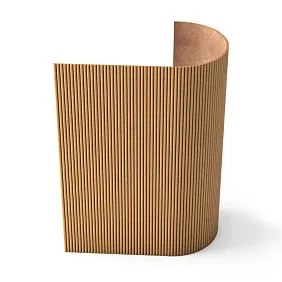
In short:a wall slat panelis a structure of parallel battens (slats) of identical cross-section, installed at equal intervals on a backing. The backing is either a rigid MDF board or an elastic fabric mesh made of polyester or fiberglass. The first option — rigid panels for flat, straight surfaces; the second — flexible panels capable of wrapping around columns, arches, rounded corners, and curved surfaces of any radius. These are not justwooden planks on the wallindividual slats nailed one by one, but a modular ready-made system: each module is a complete fragment of a slatted surface with a precise interval, calibrated gap, and a defined batten profile.
individual slatsdecorative wooden planksoffer more freedom in non-standard situations but require experience and significant time for marking, leveling, and fixing each element. A modular wall slat panel is a ready-made engineering solution that installs in 1.5–2 hours per 10 sq. m of wall. But for the system to work at full capacity — you need to know the material. And know it deeply.
The mechanism of how a slatted surface works with space is based on the physics of perception. A flat, monochromatic wall reflects light evenly — the result is visually 'flat,' the surface carries no information. A slatted wall breaks up the light flow: each batten is illuminated differently, the gaps recede into shadow, and the entire surface gains volume, depth, tactility. With directed lighting — spotlights, floor lamps, sconces — a lively play of light and shadow emerges: smooth gradients along the batten edges, sharp shadows in the gaps, moving highlights as you move. This is not a photographic trick — it's the daily, constantly renewing aesthetic of the material, which never gets boring.
Wall slat panels with LED strip lighting behind the slats take this effect to a new level: diffused warm glow from within the slatted structure creates an intimate atmosphere, fundamentally unattainable with ceiling lighting. The LED strip is mounted on the guiding frame before installing the panels — the cable is completely hidden within the structure and inaccessible for accidental contact.




Types of Wall Slat Panels: Rigid and Flexible
Our factory also produces:
Rigid Slat Panels on MDF Backing
This is the most common and technologically accessible type. Battens are glued to an MDF board 8–16 mm thick with a set interval — the structure is monolithic, flat, with fixed geometry. Standard module sizes: width 300 or 600 mm, length 1200, 2400, or 2700 mm. Rigid MDF wall slat panels work on flat surfaces — straight walls, furniture fronts, straight partitions. The bending radius of an MDF board starts from 2–3 m, which in practice means: for all straight surfaces — optimal; for any curvature — not applicable.
Rigid panels are the workhorse of slatted interiors. Living room, bedroom, hallway, TV zone, corridor, office meeting rooms, retail halls — anywhere the walls are straight and even. Installation is done in three ways: with polyurethane or contact adhesive directly onto a flat wall, on a metal frame with profiles, and on a mounting profile/trim between modules. Adhesive installation is the fastest, requiring a flat and dry substrate. Frame installation is universal: it allows leveling any wall, hiding utilities, and installing sound-absorbing material. Installation on a trim profile is used where the possibility of partial disassembly for access to utilities is important.
Get Consultation
Flexible Slat Panels on Fabric Backing
Flexible wall slat panels are an evolution of the rigid system. Instead of an MDF board — a fabric mesh of polyester or fiberglass. Battens are glued to this backing with a set gap but are not rigidly connected to each other: each slat has a degree of freedom relative to its neighbor. The principle resembles chainmail — individual rigid elements in an elastic matrix. The minimum bending radius of a flexible panel is from 80 to 200 mm depending on the width and material of the batten. This opens up the entire spectrum of curvilinear tasks: columns, arches, rounded corners, wavy partitions, domes. Polyester backing is softer and more pliable, works better on double curvature. Fiberglass is stiffer and stronger, preferable for heavy oak battens.
Materials: MDF and Solid Oak — Two Tools, Two Philosophies
Wall Slat Panels from MDF: Precision, Color, Scale
MDF with a density of 750–850 kg/m³ is a homogeneous engineered material without natural defects, knots, or resin pockets. It is milled to perfect smoothness; the surface accepts any paint coating without variations. The main advantage of MDF wall slat panels for painting is precise matching of the desired color according to RAL or NCS. This is fundamentally important for monochrome concepts, where the entire wall is a single tonal solution. White slats on a white wall are barely perceptible but create a subtle, delicate relief. Anthracite or graphite — an anchoring dark surface around which the entire interior is built. White MDF wall slat panels for painting are the absolute sales leader in the segment: they are universal for Scandinavian style, Japandi, neoclassical, modern classic, and minimalism.
MDF wall slat panels with matte enamel or satin finish — the two most popular finish options. Matte does not glare, hides minor imperfections and scratches, looks modern and tactful. Satin — a barely perceptible sheen that enlivens the surface with side lighting. Semi-gloss enamel is more striking but less practical: it shows fingerprints and requires more regular care. For residential interiors, the optimum is matte or satin enamel. For commercial spaces with regular wet cleaning — satin with a coating hardness of 75D Shore or higher.
Painting MDF wall slat panels — strictly along the battens. A brush or roller moved across the slats leaves visible brush marks and crosswise streaks that destroy visual uniformity. The optimal technology: paint the battens before installation, then after installation, paint the joints and ends with colored sealant along the slat. Acrylic eco-friendly paints are the preferred choice for living and children's rooms: no toxic fumes, safe after drying.
For bathrooms and high-humidity areas — only moisture-resistant MDF marked HMR. Standard MDF swells under systematic steam exposure, loses geometry, and the coating peels. HMR board maintains dimensions at up to 95% humidity, making wall slat panels in the bathroom a viable and durable solution when installation conditions are met.
Wall Slat Panels from Oak: Nature That Cannot Be Imitated
Oak battens — a completely different material experience. Density 700–750 kg/m³, high mechanical strength, unique natural grain pattern in each slat. Wall slat panels from natural oak are a living surface: warm, tactile, with chromatic variation from slat to slat. No printed texture on MDF can reproduce this. That is precisely whywooden planks on the wallfrom natural oak occupy the niche of the luxury segment in residential interiors and the premium standard in commercial projects.
Toning oak slat panels opens the widest color palette while fully preserving the natural texture. Wall slat panels, toned oak, Scandinavian gray — a cold, ashy, urban tone for Japandi and Scandinavian minimalism. Honey cognac — warm, almost amber, creating coziness in a classic interior. Dark wenge or graphite — a serious, 'adult' look for loft, modern restaurants, VIP meeting rooms. Anthracite — the preferred choice for bars, concept showrooms, and spaces where the visual weight of the material is needed.
Oak slatted wall panels with oil finish are a technological standard for high-load surfaces. The oil penetrates the wood structure, strengthens the fibers, and creates a hydrophobic film; wax polishes the surface and increases resistance to mechanical impact. The coating can be restored locally: a scratched area is sanded, impregnated with oil, and polished—becoming indistinguishable from untouched wood. The service life of oak slatted wall panels with an oil finish is 20–30 years. This is not an advertising claim—it's the physical properties of the material and standard operational practice.
Batten profile: semicircular, rectangular, trapezoidal
The cross-sectional shape of the slat determines three fundamental characteristics simultaneously: light play, acoustic properties of the surface, and durability of the adhesive joint. Ignoring the profile choice means leaving a significant part of the material's potential on the table.
Slatted wall panels with a semicircular profile are the absolute favorite in terms of combined properties. The rounded cross-section acts as a lens: it reflects light unevenly, creating a smooth light gradient from the bright peak to the dark edges of each slat. Multiplied across the entire surface, this effect creates a lively, shimmering wall with a constantly changing play of light and shadow—slatted wall panels with light and shadow play under directional lighting become the main visual event in the room. Acoustically, the semicircular profile scatters sound waves more effectively than a rectangular one: it has no flat face parallel to the sound.
Rectangular profile—graphically strict, architecturally precise. Creates pronounced shadows with sharp edges under side lighting. This is the visual language of modern minimalism, high-tech, and strict loft. Trapezoidal—a compromise: a wide base ensures the strength of the adhesive joint, a narrowed front face creates moderate relief with pronounced shadow play. Each profile has its niche—and the correct choice is made based on interior style, lighting type, and surface purpose.
Slat width and gap: parameters that define the character
Slat width 20 mm—thin, dense, 'lace-like' pattern, maximum delicacy. Ideal for small walls, children's rooms, decorative niches. Width 25 mm—a universal size for residential interiors: expressive enough, restrained enough. Width 30 mm—a more 'substantial' pattern, suitable for spacious living rooms, lobbies, restaurant halls. Width 40 mm—monumental scale for large architectural spaces. Slatted wall panels with a 5 mm gap—a dense, closed surface, wood dominates visually, the wall background is practically invisible. Gap 8 mm—a universal balance between material and air, the most popular choice in residential interiors. Gap 10 mm—an airy, light pattern: with a dark background behind the panels and light slats, it creates contrasting graphics; with a light background and light slats—an almost monochrome surface with a subtle shadow. It's important to understand: with a wide gap, the color of the wall behind the panels becomes part of the decorative concept and requires as much attention in selection as the slats themselves. The optimal ratio of gap to slat width is from 25 to 40%: slat 20 mm / gap 5 mm—25%; slat 25 mm / gap 8 mm—32%; slat 30 mm / gap 10 mm—33%.
Slat orientation: vertical, horizontal, diagonal—a decision based on spatial logic
Vertical or horizontal slatted wall panels—a question resolved based on the proportions of a specific room, not personal preferences. It's the physiology of vision, not taste.
Vertical slatted wall panels—a classic and the undisputed leader in application. Vertical lines guide the eye upward and create a sense of increased height. In an apartment with a 2.7 m ceiling, vertical slats give a perceptual effect of 3.2–3.5 m—the visual system follows the lines and registers the endpoint as more distant. For bedrooms, children's rooms, living rooms with low ceilings—a strategically correct choice. Horizontal slatted wall panels expand the space horizontally: slatted wall panels in a narrow corridor horizontally—a corridor 90–100 cm wide visually turns into a gallery space. Horizontal orientation is also a powerful design gesture in large rooms: unexpected, non-trivial, memorable. Diagonal slatted wall panels and 'chevron' (herringbone) pattern—an author's technique for exclusive projects: diagonal slats create dynamism and directionality; V-shaped pattern—an expressive accent for restaurants, hotel lobbies, and conceptual living spaces. Implementation requires precise calculation, but the result is an undeniable author's signature.
Acoustics: an invisible function with a tangible result
Slatted wall panels acoustics—a topic catastrophically underestimated during selection. The difference between a flat wall and a slatted one is not just aesthetics. It's a physically different sound environment in the room.
A flat, smooth wall reflects sound waves strictly at the angle of incidence—this creates reverberation, which makes large rooms noisy and uncomfortable. In a restaurant with flat walls at full capacity, the noise level reaches 80–85 dB—physiologically tiring. A slatted surface breaks up sound waves: slats, gaps, and profile create a diffuse scatterer—each sound ray reflects in a random direction. The intensity of direct reflection decreases, reverberation is reduced—slatted wall panels noticeably reduce reverberation even without an additional absorber.
Slatted wall panels with frame mounting and mineral wool behind them—a way to multiply the acoustic effect. The slats scatter sound, mineral wool absorbs the scattered waves. The total result is a 30–50% reduction in reverberation time depending on the room volume. This is precisely why slatted wall panels in meeting zones have become a standard in corporate interiors, and slatted wall panels in a home theater—a classic scheme for acoustic room treatment.
Application of slatted wall panels in residential interiors
Living room: accent wall, TV zone, space behind the sofa
The living room is a space where slatted wall panels work with maximum impact. An accent wall of slatted panels behind the sofa creates an 'architectural background,' which makes the furniture arrangement complete and expressive even in a minimalist space. Slatted wall panels in the TV zone: a TV integrated into a slatted surface ceases to be a 'black spot' and becomes part of a unified decorative panel. Dark slats around a dark screen—a monolithic surface; light slats with a dark screen—a graphic accent. In living rooms with high ceilings from 3 m, horizontal slats along the entire perimeter of the lower half of the wall (panel zoning) create intimacy and coziness—the walls 'embrace' the space.
To complete the lower boundary of the slatted surface in the living room, a %s matching the slats is indispensable—it creates a clear horizontal plinth, without which the slatted wall looks unfinished. In classic interiors, a %s is added at the top—a symmetrical framing that makes the slatted surface a complete architectural statement.Wooden baseboardmatching the battens — it creates a clear horizontal plinth, without which a slatted wall looks unfinished. In classic interiors, a lower baseboard is addedwooden corniceat the top — symmetrical framing that makes the slatted surface a complete architectural statement.
Bedroom: headboard, wall behind the bed, sleep atmosphere
Slatted wall panels in the bedroom—most often the headboard area. A slatted wall behind the bed replaces a separate headboard, creating an intimate 'cocoon' that turns the bedroom from just a room for sleeping into a personal space with character. The warm honey tone of natural oak is the most popular choice for the bedroom: creates a sense of natural warmth, psychologically relaxes. Warm LED strip behind the slats at headboard level—intimate night light, not requiring a separate bedside lamp. If the bedroom wall contains a niche or built-in wardrobe—flexible slatted panels navigate all transitions without breaking the pattern. Slatted wall panels in a child's room—a conscious choice of natural material: oak without toxic binders, oil finish without volatile organic compounds, absence of static electricity. Slatted wall panels eco-friendliness without formaldehyde—a fundamental factor for parents choosing finishes for children's rooms.
Hallway and corridor: first impression
Slatted wall panels in the hallway—the most effective way to create a strong first impression. The hallway is a transit space that guests see first and which sets expectations for the entire home. A slatted wall here is a signal: people with taste live here. For narrow corridors, horizontal slats expand the space; for standard hallways with ceilings of 2.5–2.7 m, vertical slats lift the gaze. Dark tones work especially well in hallways—wenge, anthracite, dark walnut: create 'depth,' which is often lacking in small entry areas. To complete the hallway, a unified ensemble of materials is important: a %s matching the slats and a %s at the top create a professionally finished space.wooden baseboardmatching the slats andwooden corniceat the top create a professionally finished space.
Bathroom: slatted panels in high humidity conditions
Slatted wall panels in the bathroom—a viable scenario if conditions are met. Moisture-resistant MDF of HMR grade is a mandatory requirement. Oak slats in the bathroom—only with oil-wax hydrophobic coating and only in areas without direct contact with water. Behind slatted panels in the bathroom, base vapor barrier is mandatory—without it, moisture penetrates behind the structure. Adhesive—polyurethane with D4 class water resistance. Under these conditions, a slatted wooden wall in the bathroom lasts 10–15 years, maintaining a 'like new' appearance. Light oak slats with transparent oil coating create a special atmosphere in the bathroom—natural material next to water is perceived as an organic union of elements.
Application of slatted wall panels in commercial facilities
Restaurant and bar: atmosphere, acoustics, brand image
Slatted wall panels in a restaurant—simultaneously a design and functional solution. Dark oak slats with a semicircular profile, directional spotlights at 30–45°, warm light—this triumvirate creates a restaurant atmosphere that the guest remembers and wants to return to. Slatted wall cladding reduces the acoustic noise of the hall, making conversation at the table comfortable even at full capacity. Slatted wall panels in a restaurant on the bar counter—the front surface of the counter, clad in dark oak slats, becomes the visual anchor of the entire space. This is an image that stays in the guest's memory longer than the menu. A slatted wall with backlighting behind the slats in a bar—a lighting scenario that, when transitioning from daytime to evening lighting, completely changes the mood of the space.
Hotel: first impression that creates reputation
A guest makes a decision about a hotel's level within the first 7 seconds of being in the lobby. Slatted wall panels in the reception area, slatted columns in the lobby, slatted decor of arched openings—all this forms the narrative of 'naturalness, quality, care' even before the first word. In boutique hotels of 4–5 star level, slatted walls and columns are a standard in common areas. The material provides acoustic comfort, natural warmth, and visual richness, which create the desired 'expensive' feeling.wooden cornicein the same tone as the battens at the wall-ceiling transition andMDF Skirting Boardat the base form a unified architectural ensemble in the hotel lobby, which is perceived as 'craftsmanship' even by guests who have no connection to design.
Office and meeting rooms
Batten wall panels for the meeting area — a combination of aesthetics and function. A batten-clad meeting room reduces reverberation, making business meetings acoustically comfortable for 2–3-hour negotiations. Visually, wood 'lowers the temperature' of the dialogue: an atmosphere of equal partnership instead of the pressure of gray corporate walls. Dark oak or anthracite — the standard for VIP meeting rooms in law firms and investment companies.
Showroom and boutique: material as a brand manifesto
Brands of natural cosmetics, organic clothing, designer furniture, and jewelry use wooden slatted walls as a visual expression of their values. Light slats on a light background — a 'blank canvas' for product display. Dark slats — the 'luxury organic' aesthetic, targeting premium and ultra-premium audiences.
Batten wall panels for furniture fronts and partitions
Batten wall panels have long moved beyond walls. The furniture industry actively uses batten decor for cabinet, dresser, kitchen unit, and island fronts. A batten front for a sliding wardrobe visually lightens the massive structure, transforming it from a 'wardrobe' into an architectural element. A kitchen island with batten fronts in dark oak — an object around which the entire kitchen concept is built. Batten wall panels on a bar counter — dark oak battens smoothly wrapping around a rounded edge (when using flexible panels) — an image that stays in memory. A batten partition in an open layout lets light through, doesn't fully close off the space, but clearly delineates zone boundaries: separating the kitchen from the living room, the work area from the relaxation area — subtly and visually rich.
To batten partitions, it's good to addbuy wooden cornicefor the top framing andand paint it to the desired shade — standard practice in modern design. It is important to use special wood finishes that allow the material to breathe.for the bottom — a unified ensemble of natural materials completes the look and gives the entire structure a professional 'craftsmanship.'
Batten wall panels and related decor elements: a unified material language
A batten surface in an interior never exists on its own — it's part of a system. The system only works when all elements speak the same material language. Batten wall panels combined with moldings, cornices, and baseboards — a basic rule of professional finishing.
Wooden baseboardin the same tone as the battens at the base of the batten wall — a mandatory bottom trim: closes the panel end and creates a clear horizontal 'plinth.'wooden corniceat the top — a symmetrical top trim. For those who chooseMDF Skirting Boardinstead of wooden — it's important to coordinate the color and profile with the battens: an MDF baseboard for painting in the same RAL as the batten panels gives a flawless monochrome result. In classic and neoclassical interiors, solid wood millwork is added to batten surfaces —decorative battens, Wooden anglefor finishing external corners of batten surfaces,Wooden Picture Framefor horizontal wall articulation. A unified material — oak — in battens, cornices, baseboards, and door casings — this is that 'craftsmanship' of the interior that everyone feels but few can explain in words.
Interior styles: where batten wall panels work best
Batten wall panels in Scandinavian style — light oak, clear oil, 8 mm gap, batten width 20–25 mm, calm natural rhythm, minimal excess. Batten wall panels japandi — the same solution with Japanese strictness: tighter gap, uniform tint tone, mineral neutrality. Batten wall panels wabi-sabi — natural oak with a pronounced natural grain, without tint or with minimal, oil finish emphasizing the 'liveliness' of the material. Batten wall panels in loft style — anthracite or graphite on MDF, wide 10 mm gap, batten width 30–40 mm, combination with concrete floors and metal decor. Batten wall panels neoclassical and modern classic — white MDF battens with a semi-circular profile: a dialogue between historical architecture and modern rhythm. To these, it's organic to addMDF CrownandCeiling baseboard wooden— elements that elevate the batten wall to the register of full-fledged classical architecture. Batten wall panels in organic design — maximally natural tones, flexible panels for wavy surfaces, living curvilinear form as a metaphor for nature.A ceiling made of wooden planksin combination with batten walls — maximum immersion in wooden aesthetics, creating the effect of a 'future izba' or Scandinavian hygge space.
Installation of batten wall panels: complete step-by-step guide
Step 1: Surface preparation
The wall must be dry — humidity no higher than 4%, checked with a moisture meter. Priming: concrete and plaster — universal acrylic primer, MDF and wood — degreasing, metal — primer. Levelness: for adhesive installation — no more than 2–3 mm over 2 m; for frame installation — not critical.
Step 2: Marking
Horizontal or vertical guide line — the starting point of the first module. For vertical battens — a plumb line or laser level strictly vertical. For horizontal — a spirit level or laser level strictly horizontal. Error in the starting line multiplies over the entire wall height.
Step 3: cutting
Circular saw with fine-toothed blade (80–120 teeth) or miter saw. Cutting the fabric backing of flexible panels — a sharp utility knife between the battens. MDF ends after cutting — treat with primer and paint to match before installation.
Step 4: adhesive application and installation
Adhesive installation: contact adhesive on a neoprene base applied with a notched trowel (2–3 mm tooth) to both surfaces, wait 5–10 minutes, panel applied in one motion. Polyurethane adhesive — applied to one surface, open time 15–20 minutes, allows precise positioning. Roll with a rubber roller from center to edges. Frame installation: horizontal guides 60×27 mm with 400–600 mm spacing attached to the wall with hammer-in anchors. Mineral wool is placed in the space between the frame and wall. Panels are attached with headless finish nails or hidden clips through gaps between battens — fasteners completely invisible from the outside.
Step 5: seamless module joining
The end battens of adjacent modules are installed with a half-gap from the edge of the substrate — when two modules are joined, a full standard gap is formed, indistinguishable from the internal ones. The equal spacing of battens at each joint is checked with a tape measure — even a 2–3 mm error accumulates and becomes noticeable after 3–4 modules. The technological adhesive tape on the back of the joint secures the precise gap before pressing.
Step 6: finishing elements
Upper end —Buy wooden crownor ceiling molding. Lower end —wooden skirting board purchaseorbuy MDF skirting boardto match the battens. Side ends at openings —Wooden angleor corner profile. Without these elements, a batten wall looks unfinished — like a picture without a frame.
DIY Batten Wall Panels: When It's Possible and When It's Better Not to Risk It
DIY Batten Panels— is a popular search query, and for good reason. Adhesive mounting of rigid panels on a flat wall is technically accessible to a person with basic construction skills. The main conditions are: a flat and dry base, quality adhesive, precise marking, and strict adherence to batten spacing at joints. Common DIY installation mistakes include: an uneven guide line, uneven adhesive application, ignoring acclimatization of oak panels, and lack of finishing elements. For curved surfaces, frame mounting with acoustic absorption, and commercial projects — it's better to hire a professional installer. Time saved on DIY work can turn into expenses for redoing it.
Care for Batten Wall Panels: Simple, Regular, Long-lasting
MDF panels for painting: routine care — wiping with a dry or slightly damp soft cloth along the battens. Stains are removed with a neutral soap solution. Heavy stains, scratches — local repainting without dismantling, strictly along the batten. Matte finishes can be restored almost invisibly. Prohibited: abrasive cleaners, stiff brushes, aggressive household chemicals.
Solid oak panels with oil finish: annual or biennial renewal of the oil layer. Oil is applied along the grain, rubbed into the gaps between battens, excess is removed after 15–20 minutes. This is 2–3 hours of work per year that keeps the surface 'like new' for decades. Lacquered panels require less frequent maintenance — every 3–5 years — but if the lacquer layer is damaged, they require more skilled repair. Local replacement of a damaged batten on oak panels is possible without dismantling the module: the batten is carefully cut from the substrate, and a new one is glued in place.
Typical Mistakes When Choosing and Installing Batten Wall Panels
Even experienced craftsmen make mistakes during their first work with this material. Here is a list of the most common ones — so you don't repeat them. The first and most frequent — purchasing without a 10–12% surplus for cutting: on a real project, there are always non-standard areas, end trimming, and a small percentage of cutting defects. Second — installing MDF panels in a bathroom without the moisture-resistant HMR grade: standard MDF swells and delaminates the finish after several months of systematic steam exposure. Third — painting battens across the grain: visible brush marks irreversibly ruin the surface uniformity. Fourth — installing oak panels without prior 48-hour acclimatization: deformation after fixing. Fifth — choosing too narrow a 3 mm gap: the surface loses its airy feel and visually 'becomes heavier'. Sixth — ignoring finishing moldings and skirting boards: the batten wall looks unfinished. Seventh — using the wrong adhesive (PVA, water-based liquid nails): delamination after several months. Eighth — installing on a damp base without checking with a moisture meter. Ninth — ordering oak tinting without a physical sample: mismatch between expected and actual shade. Tenth — incorrect batten orientation relative to room proportions: vertical battens in an already tall room with low ceilings visually 'press down', horizontal ones in a square room make it even squarer.
Practical tips: how to achieve flawless results
Add 10–12% to the area when ordering — for cutting and unforeseen losses. Vertical battens — for rooms with ceilings below 3 m; horizontal — for narrow spaces. For acoustics, lay mineral wool behind the frame before installation — you'll feel the result immediately. Paint MDF strictly along the battens and preferably before installation. Leave oak panels for 48 hours in the room for acclimatization. Request a physical sample of oak tinting before a large order — monitors lie.Baseboard MDFat the floor andwooden corniceat the ceiling — are mandatory finishing elements of a batten wall. Attach the LED strip behind the battens before mounting the panels onto the frame guides. At each module joint, check the equal batten spacing with a tape measure — errors accumulate. For commercial projects, choose solid oak with an oil finish — more durable than MDF under high loads, can be restored locally without full dismantling.
FAQ: Popular Questions About Batten Wall Panels
What are batten wall panels and what are they made of? This is a structure of parallel slats (battens) of identical cross-section, fixed at equal intervals on an MDF or fabric-backed substrate. Batten material: MDF for painting or solid oak with tinting and oil finish.
Which material is better — MDF or oak? For precise color work and monochrome concepts — MDF. For natural aesthetics and high-load surfaces — oak. This is not a question of 'better-worse', but of the task.
Vertical or horizontal battens: which to choose? Vertical — visually increase room height. Horizontal — widen the space and make the wall 'longer'. The choice depends on the specific room's proportions.
Can batten wall panels be installed DIY? Yes — for adhesive mounting on a flat wall with basic construction skills. For frame mounting, acoustic treatment, and curved surfaces — a professional is better.
Do batten wall panels have acoustic properties? Yes. The batten surface scatters sound waves and reduces reverberation. With mineral wool behind the frame — a 30–50% reduction in reverberation time.
Can a batten wall have lighting? Yes. An LED strip is mounted on the frame guides before panel installation — the cable is hidden in the structure. Warm light behind the battens creates volumetric diffused glow.
Which batten profile creates the best lighting effect? Semi-circular — creates a smooth light-shadow gradient on each batten. With directional lighting, the wall literally 'comes alive'.
How much do batten wall panels cost? The price starts from 7,850 rubles per module for standard items. The final price depends on material, module size, and order volume.
Can custom sizes be ordered? Yes. Custom lengths, widths, and batten profiles are manufactured according to the customer's specific technical requirements.
How to care for oak batten walls? Annual or biennial renewal of the oil layer. Routine care — wiping with a soft cloth along the battens.
STAVROS: Batten Wall Panels from a Manufacturer with 24 Years of Experience
Concluding this guide, it's important to mention where professional designers, architects, and builders getslatted panels for wallsfor their projects — from small apartments to large commercial properties.
STAVROS is a Russian manufacturer of wooden products and interior decor with a 24-year history. Not a trading intermediary, not an aggregator — our own production, our own quality control at every stage: from raw material selection to final packaging. Slatted wall panels in the STAVROS catalog — rigid modules on MDF backing and flexible ones on fabric base, semi-circular and rectangular profiles, slat width from 20 to 40 mm, gap optional, oak tinting in any shade, MDF painting to required RAL or NCS.
inStavros catalogalongside slatted panels — the full range of wooden products for creating a cohesive interior ensemble:solid wood baseboard, MDF Skirting Board, wooden cornice, Buy wooden skirting board, Wooden corner bracket, solid wood trim piecesand dozens of other items. One material, one tone, one manufacturer — this is precisely what ensures that visual integrity which cannot be achieved by purchasing from different places.
STAVROS provides consultation, calculates the required amount of material, manufactures according to non-standard technical specifications, and delivers throughout Russia. Non-standard module size, special slat profile, rare oak tinting tone — not a problem, but a work task. Because 24 years of experience is not a marketing line. It's thousands of completed projects and a reputation that isn't bought — only earned.