Article Contents:
- Introduction: The Significance of Wood in Modern Production
- Wood as the Foundation of Crafts
- Modern technologies and innovations
- Raw Material Preparation
- Drying and Processing
- Carving and Decorative Finishing
- Applied Decor: A Modern Solution for Traditional Motifs
- The Role of Trim in Production of Items
- Wooden skirting boards
- Wooden cornices
- Wooden moldings and wooden battens
- Wooden strips
- Wooden corners
- Design and Development Stage
- Automation and Manual Labor
- Coating and Protection Technologies
- Quality control and certification
- Naturalness and Safety
- Energy Efficiency and Renewability
- Reducing Carbon Footprint
- Integration of Automated Lines
- Development of New Coatings
- Experimental Projects and Customization
- Aesthetic value
- Durability and Reliability
- Ecological safety
- Universality of application
- Decorative Wooden Decor
- Final Trim Elements
- Construction and Finishing Solutions for Wooden Houses
- Reducing Production Costs
- Investments in Innovation and Development
- Competitive Advantages in the Market
Wood is a material that has long served as the foundation for creating not only functional items but also true works of art. The production of wooden materials combines centuries-old craftsmanship traditions with modern technologies, enabling the creation of unique items possessing natural beauty, strength, and durability. In this article, we will thoroughly examine the production process of wooden materials, paying special attention to decorative elements such as wooden and applied decoration, as well as key trim elements including baseboards, cornices, moldings, battens, rails, and corners. Each of these key elements is provided with a separate link for more detailed study.


Introduction: The Significance of Wood in Modern Production




Wood as the Foundation of Crafts
Wood has always been one of the most valuable materials in human history. From ancient dwellings to modern interiors—wood consistently symbolizes warmth, eco-friendliness, and durability. Traditional wood processing techniques have been passed down from generation to generation, while modern technologies merely refine these skills, combining manual labor with high-precision automation.
Our factory also produces:


Modern technologies and innovations
Today, the production of wooden materials is a high-tech process, utilizing computer modeling, laser cutting, automated machines, and modern surface finishing methods. This symbiosis of tradition and innovation allows for the creation of items meeting the highest standards of quality, aesthetics, and environmental safety.
Get Consultation
Technologies for Producing Wooden Materials
Raw Material Preparation
The process begins with careful selection of wood. Only high-quality material is chosen, possessing uniform texture, rich color, and minimal defects. Various types of wood are used—from oak and ash to beech and cherry, each with its unique properties. The quality of raw material directly affects the durability and aesthetic appeal of the finished product.
Drying and Processing
After selection, the wood undergoes a drying stage—an essential step that reduces the material’s moisture content to an optimal level. This prevents deformation, cracking, and mold growth during the product’s use. Next, the wood is sanded, processed, and prepared for decorative coatings or carving. Modern technologies enable achieving perfect smoothness and uniformity of the surface, which is a guarantee of high-quality finished products.
Carving and Decorative Finishing
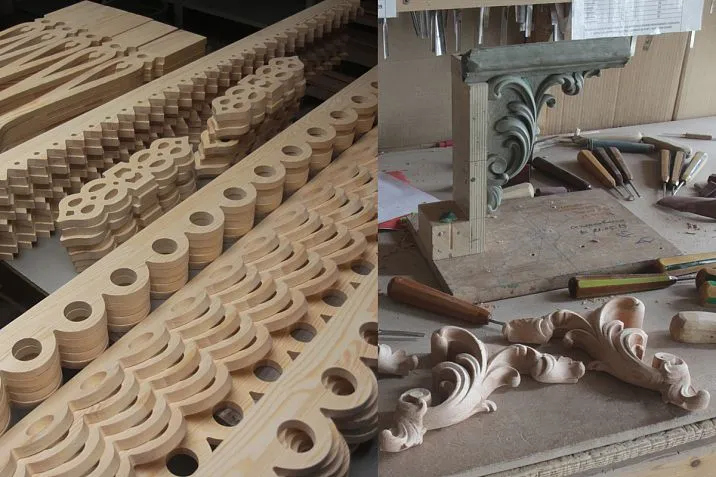
At this stage, artisans transform ordinary wood into true works of art. Hand-carving, performed using traditional tools, is often supplemented by computer modeling, enabling the creation of complex and detailed patterns. Modern processing methods allow them to imitate both classical carving and abstract contemporary forms.
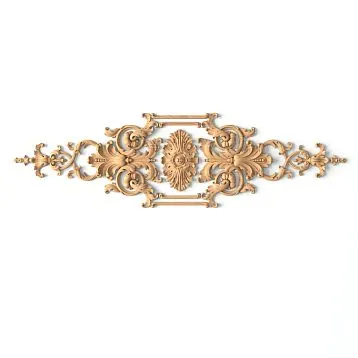
One popular direction in decorative finishing is the use of wooden decoration. It can highlight the natural beauty of wood, create an atmosphere of warmth and coziness, and add individuality and exclusivity to the interior.
For more detailed study of decorative wood products, we recommend visiting:
Wooden decoration
Applied Decoration: A Modern Solution for Traditional Motifs
Applied decoration is a type of finishing where decorative elements are manufactured separately and then attached to the surface of finished products or interiors. This method allows quickly and effectively to transform any room, adding depth and dimension. Applied decoration items are manufactured using high-precision technologies, ensuring perfect alignment with the designer’s vision and long-term durability.
To learn more about applied decoration items, visit:
applied decor
Wooden Trim Elements: The Final Touches for the Perfect Interior
The Role of Trim in Product Manufacturing
Wooden trim plays a key role in forming the overall image of a product or interior. It not only protects joints between different structural elements but also gives the product a finished and neat appearance. Trim elements include baseboards, cornices, moldings, battens, rails, and corners. Each of these elements has its own specificity and is applied depending on architectural features and design solutions.
Wooden Baseboards
Baseboards are indispensable finishing elements that serve to conceal the junction between the wall and floor, as well as to protect the surface from damage. They serve both decorative and practical functions, giving the room a neat and finished look.
Learn more about baseboards:
Wooden skirting boards
Wooden Cornices
Cornices are decorative elements installed at the junction of the wall and ceiling. They help create a smooth transition between surfaces and visually structure the space. Cornices made of natural wood add elegance and refinement to the interior, creating an effect of a completed and harmonious space.
For more detailed information about cornices, visit the link:
Wooden beams
Wooden Moldings and Wooden Battens
Moldings are classic decorative elements used to create refined transitions between various interior elements, such as walls, ceilings, and doorways. Together with wooden battens, they form the basis for complex decorative compositions that emphasize the elegance and status of the space.
See details about moldings and trim here:
Wooden strips
Wooden Rails
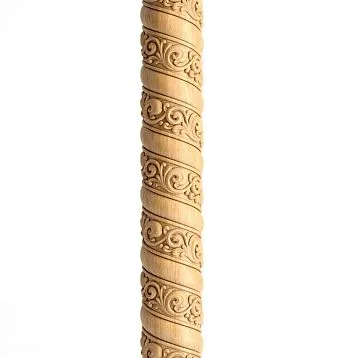
Rails are thin strips used to create additional decorative lines and textural accents. They can be used both independently and in combination with other trim elements. Rails add lightness and dynamism to an item, creating a visual rhythm effect in the interior.
Learn more about rails:
Wooden rails
Wooden Angles
Angles are elements designed for neat finishing of joints between different surfaces, such as between wall and floor or wall and ceiling. They protect corners from mechanical damage and give the interior a finished look. Wooden angles are distinguished by high strength and aesthetics, making them indispensable in quality trim.
Learn more about angles here:
Wooden angles
Production Process: From Raw Material to Finished Product
Design and Development Stage
Modern production of wooden materials begins with the design stage. Designers and engineers jointly develop technical specifications and sketches of products, taking into account both aesthetic requirements and functional features. Computer modeling is used here to visualize the final product and optimize the technological process.
Automation and Manual Labor
Production of wooden materials is a harmonious combination of automated processes and craftsmanship. Modern CNC machines ensure high precision in cutting, sanding, and surface finishing, while experienced artisans perform delicate decorative work by hand. This approach allows achieving unparalleled quality and exclusivity of each item.
Coating and Protection Technologies
After forming the basic shape of the item, the wood undergoes additional processing: sanding, varnishing, and application of protective coatings. Natural oils, varnishes, and waxes are used to highlight the natural wood texture and protect it from moisture, UV rays, and mechanical damage. These technologies allow preserving the beauty and longevity of items for many years.
Quality Control and Certification
Each item undergoes strict quality control. Modern laboratories test the physical and chemical properties of the wood, uniformity of coating application, and compliance with established standards. This ensures that the finished product not only possesses high aesthetic value but is also safe for health and resistant to various operating conditions.
Ecological Aspects of Wooden Materials Production
Naturalness and Safety
Using natural wood is one of the most ecologically clean options for construction and finishing. Unlike synthetic materials, wood does not emit toxic substances, and natural coatings provide additional protection without harming the environment. With proper care, wooden items serve for decades without losing their beneficial properties.
Energy Efficiency and Renewability
Wood is a renewable resource that, with proper forest resource management, can serve as a basis for creating ecologically safe and energy-efficient structures. Production of wooden materials requires less energy compared to plastic or metal production, further enhancing its ecological appeal.
Carbon Footprint Reduction
Using wood in construction and finishing helps reduce the overall carbon footprint. Wood, being a biodegradable material, contributes to carbon dioxide absorption and improves microclimate, which is especially important under current climate change conditions.
Examples of Innovative Production Solutions
Integration of Automated Lines
Many modern enterprises producing wooden materials actively implement automated lines. This significantly increases processing accuracy, reduces production time, and minimizes waste. Automated technologies allow executing complex carved patterns and decorative elements with maximum precision, which was previously only possible by hand.
Development of New Coatings
Research institutes collaborate with manufacturers to develop innovative wood treatment compositions. New varnishes and oils not only highlight the natural beauty of the material but also significantly enhance its resistance to external influences. These developments allow using wooden materials in a broader range of climatic conditions, ensuring longevity and high-quality products.
Experimental Projects and Customization
In modern conditions, demand for individual orders and unique design solutions is growing. Many enterprises offer services for manufacturing items based on customer-specific sketches. This enables implementing even the most daring ideas and creating exclusive interior elements. Personalization of products is an important direction that is becoming a competitive advantage in the wooden materials market.
Advantages of Wooden Materials Production
Aesthetic value
Wood is a material possessing unique aesthetic appeal. Its natural texture, rich palette of tones, and distinctive grain pattern make each item unique. Products manufactured using modern processing technologies retain their natural beauty while becoming more durable and functional.
Durability and reliability
One of the key advantages of wooden materials is their durability. With proper care, items made from natural wood can serve for decades, preserving their aesthetic and functional properties. High-quality processing, use of protective coatings, and strict quality control at every stage of production ensure unparalleled reliability of the final product.
Ecological Safety
The use of natural wood and environmentally friendly processing technologies contributes to creating products safe for health. This is especially important given the modern increase in requirements for ecological safety in residential and commercial spaces. Natural wood does not emit harmful substances and helps create a favorable microclimate in the room.
Versatility of application
The production of wooden materials allows creating items suitable for various applications — from interior finishing and decorative elements to structural components of buildings. The versatility of wood makes it indispensable in architecture, interior design, furniture manufacturing, and many other industries.
Examples of product applications in interior design and construction
Decorative wooden decor
In the interiors of wooden houses, special attention is paid to decorative wooden decor, which gives the room individuality and coziness. Using decorative elements made using overlay decor technology allows creating unique compositions that highlight the natural beauty of the material.
To view decorative overlay decor items, visit:
applied decor
Finishing trim elements
Quality trim is the hallmark of any complete interior. It includes the use of various decorative elements such as baseboards, cornices, moldings, battens, rails, and corners. These elements unify the interior into a harmonious whole, emphasizing its style and creating a sense of completion.
Learn more about baseboards here:
Wooden skirting boards
Cornices — an important element of decoration:
Wooden beams
For detailed information on moldings and battens:
Wooden strips
Rails that create dynamic lines in the interior:
Wooden rails
And finishing elements — corners:
Wooden angles
Construction and finishing solutions for wooden houses
Wooden materials are widely used not only in decorative finishing but also in structural applications. High-quality wood is used to create load-bearing elements, wall, ceiling, and floor coverings, and other structural parts of buildings. The use of natural materials ensures not only aesthetic appeal but also high thermal insulation, sound insulation, and durability.
Economic efficiency of wooden material production
Reduction of production costs
Modern automation technologies allow significantly reducing production costs for wooden items, increasing productivity and minimizing material waste. High precision in processing and optimization of technological processes enable consistent product quality, making production economically efficient in the long term.
Investments in innovation and development
Innovative solutions introduced into production not only improve the quality of finished products but also contribute to the development of new directions in design and architecture. Investments in research and development allow creating unique products that meet the growing demands of the modern market and strengthen the company's position on the international stage.
Competitive advantages in the market
High quality, ecological safety, and durability of wooden materials create significant competitive advantages. Products manufactured using advanced technologies meet the highest standards and are in demand both domestically and internationally. This enables manufacturers to expand their product range, enter new markets, and gain consumer trust.
Conclusion: The future of wooden material production
The production of wooden materials is a dynamically developing industry that combines centuries-old craftsmanship traditions with modern technological innovations. Natural wood remains a symbol of warmth, ecological purity, and genuine beauty. From selecting quality raw materials to high-precision processing and decorative finishing — every stage of production is aimed at creating items capable of meeting the highest demands of modern consumers.
Decorative wooden decor, overlay decor, trim, baseboards, cornices, moldings, battens, rails, and corners — all these elements play an important role in creating harmonious interiors and structural constructions, where aesthetics and functionality go hand in hand. Each detail, crafted with love and skill, becomes not only a decorative element but also a reflection of cultural traditions, engineering thought, and innovative technologies.
By investing in wooden material production, modern enterprises not only preserve the heritage of ancient crafts but also create products capable of transforming any home, office, or public space. The ecological safety, durability, and aesthetic appeal of natural wood make it an indispensable material in the context of rapid technological advancement and rising standards of quality of life.
Let the production of wooden materials continue to develop, incorporating new technologies and innovative solutions that enable the creation of items possessing true beauty, functionality, and durability. In the end, every detail — fromoverlay decoration towooden corners — becomes a symbol of striving for perfection and respect for nature, reflecting the richness of traditions and the latest achievements of modern industry.
Thus, the production of wooden materials is a comprehensive process in which each stage is crucial for creating high-quality, aesthetically pleasing, and durable products. From selecting raw materials to final finishing and quality control — everything is geared toward achieving the highest standards that meet even the most discerning customers' demands.
Natural wood and modern processing technologies open up limitless possibilities for realizing the boldest design ideas. It can transform any space, giving it individuality, warmth, and harmony. Using high-quality materials for interior finishing of wooden houses allows creating a unique home where every detail embodies tradition, art, and innovation.
We are confident that thanks to the combination of traditional craftsmanship and advanced technologies, the production of wooden materials will continue to evolve, offering new solutions and inspiring designers to create truly unique interiors. May every element, whether it beWooden skirting boards, Wooden beams, wooden moldings, wooden beams, Wooden rails orWooden angles, speak of high quality, sophistication, and respect for nature.
May every item crafted with love for wood become a source of inspiration, offering warmth, comfort, and aesthetic pleasure for many years.