Article Contents:
- Why the Ceiling is a Special Space for Slatted Structures
- Historical Context: Slats on the Ceiling — Not a Trend, but Architecture
- Materials for Slatted Ceilings: What to Choose and Why
- MDF: The Perfect Balance of Price and Result
- Solid Wood: The Aristocracy of the Slatted World
- Aluminum: High-Tech and Industrial Aesthetics
- PVC: Practicality in Humid Environments
- WPC: For Open Spaces and Terraces
- Types of strip ceilings by design
- Closed strip ceiling
- Open strip ceiling
- Suspended slatted ceiling
- Panel Systems with Recessed Profiles
- Strip panel ceiling in interior: styles and solutions
- Scandinavian minimalism
- Loft and Industrial Style
- Classic and neoclassic
- Organic biophilic design
- Japanese wabi-sabi
- Light and shadow on the ceiling: the physics of beauty
- Acoustics of strip ceilings: the invisible benefit
- How to choose a strip ceiling: five key questions
- First question: what kind of room?
- Question two: what is the ceiling height?
- Question three: what is the stylistic context?
- Question four: is functional load necessary?
- Question five: who will install?
- Slatted ceiling installation: step-by-step guide
- Step one: marking and preparation
- Step two: installation of the wall corner profile
- Step three: installation of the supporting combs (stringers)
- Step four: laying communications and acoustic filler
- Step five: installation of the slats
- Step six: connecting the lights and finishing
- Recessed Ceiling Design: Ideas and Inspiration
- Monochromatic Plane
- Contrasting Accent
- Lighting Integration
- Alternating Wood Species and Tones
- Diagonal Slat Direction
- Recessed Ceiling and Other Interior Elements: How to Create a Unified Ensemble
- Recessed Ceiling Care: How to Preserve Beauty for Years
- Recessed Ceiling Trends in 2025–2026
- Slatted panel ceilings in different rooms
- Living Room
- Bedroom
- Kitchen
- Bathroom
- Hallway and corridor
- Office and meeting room
- Comparative Table of Materials for Recessed Ceilings
- Frequently Asked Questions About Slatted Panel Ceilings
- About the Company STAVROS

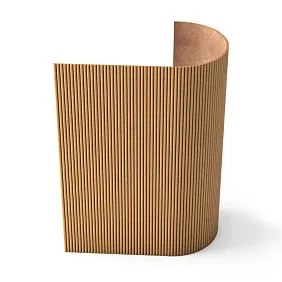
When the gaze lifts upward and meets a rhythmically lined surface of parallel slats, a special spatial experience is born. A slatted panel ceiling is not just a finish; it is an architectural gesture that changes the perception of the entire room: its scale, its character, its atmosphere. This is why slatted ceiling constructions confidently lead the design trends of 2025–2026, displacing bland stretch planes and bland drywall geometry.
This article is a comprehensive guide for anyone who wants to fully understand this material: from the physics of light and shadow to the nuances of installation, from choosing the wood species to organically integrating a slatted ceiling into a specific stylistic context. There are no generalities here. Only what really works.
Why the ceiling is a special space for slatted structures
A wall with slats is beautiful. But a ceiling made of slatted panels is something qualitatively different. A wall is in the field of peripheral vision: we glance at it, notice it out of the corner of our eye. The ceiling, however, is what a person subconsciously reads upon entering a room, defining its 'sky.' It is the ceiling that sets the emotional tone of a space: a high one creates a sense of freedom, a low one creates coziness, a textured one creates richness.
A slatted ceiling works on several levels at once. First, the visual rhythm of the slats guides the eye: longitudinal planks along the room visually lengthen it, transverse ones widen it. Second, the gaps between the slats create depth: the ceiling ceases to be flat—it gains a third dimension. Third, in the space between the slats, you can hide utilities, integrate lighting, lay acoustic filler—all without losing the decorative effect.
No other finishing material provides such a combination of aesthetics and functionality in a single structure.




Historical context: slats on the ceiling are not a fashion, it's architecture
Slatted structures on ceilings are by no means a new phenomenon. Japanese architects have used wooden lattice ceilings in temple and residential architecture for millennia. Scandinavian craftsmen of the 1950s actively used plank ceilings in residential construction—it was then that the very 'Nordic' image of housing, which is again in the spotlight today, took shape.
In Soviet architecture, slatted ceilings made of aluminum profile appeared in commercial and industrial spaces as early as the 1970s. However, the aesthetic reassessment of this material occurred later—when designers realized that slats on the ceiling are not only beautiful but also solve a whole range of tasks: from acoustics to zoning. TodayRafter panelsmade of MDF and solid oak is not an experiment, but a mature, technologically refined solution for any type of premises.
Our factory also produces:
Materials for a slatted ceiling: what to choose and why
Before discussing installation and design, it's essential to understand the materials. This choice determines everything else — the durability of the structure, its appearance, and the cost of the work.
Get Consultation
MDF: The Perfect Balance of Price and Result
MDF (Medium Density Fiberboard) is the undisputed market leader for slatted ceiling panels in residential interiors. With a density of 750–850 kg/m³, the material has a homogeneous internal structure without knots, resin pockets, or other defects, ensuring perfect slat geometry and excellent adhesion for any paint and varnish coatings. Matte and satin enamels apply flawlessly to sanded MDF — the result is indistinguishable from professional factory painting.
MDF ceiling panels are produced in lengths of 2400–3000 mm. Slat width varies from 30 to 100 mm, the thickness of the supporting base is 9–12 mm, and the slat itself rises above it by 16–22 mm. This is sufficient to create a pronounced chiaroscuro relief with side lighting. An important note: standard MDF is not intended for rooms with constant high humidity — for kitchen areas and bathrooms, moisture-resistant MDF of the HMR category is required.
The color possibilities for paintable MDF are practically limitless: from white RAL 9010 to deep anthracite, from powdery nude tones to bright emerald. This is precisely what makes MDF slats a universal solution for any stylistic context.
Solid Wood: The Aristocracy of the Slatted World
If MDF is the workhorse, thenWooden plank made from natural oak, ash, or pine is the aristocracy of slatted ceilings. Each slat carries a unique natural grain pattern that cannot be reproduced with veneer or decorative film. Oak provides a noble, large structure with pronounced vessels; ash offers a fine, almost graphic pattern; walnut gives chocolate shades with smooth transitions; pine features lively resin streaks and a warm amber tone.
The density of oak (700–750 kg/m³) ensures high mechanical strength and resistance to household wear. Under transparent oils and varnishes, oak reveals a warm golden tone; stains allow for a cool Scandinavian gray, wenge, tobacco cognac, or pronounced graphite. The possibility of restoration is one of the key arguments: after 15–20 years, such a ceiling only needs to be sanded and repainted, without resorting to dismantling.
The limitations of solid wood are its sensitivity to humidity fluctuations. Wood 'breathes,' expanding and contracting with changes in the microclimate. Professional installation requires material acclimatization (at least 48 hours in the room) and mandatory expansion gaps at the ends.
Aluminum: High-Tech and Industrial Aesthetics
Aluminum slat systems are the choice for those betting on loft, high-tech, or contemporary brutalism. Aluminum does not burn, rot, deform, or fear moisture—it can be confidently used in kitchens, bathrooms, and high-traffic corridors. Perfectly straight lines, a cold metallic sheen, or a matte satin surface—this is the aesthetics of precision and technology.
Aluminum slats gain particular value when combined with integrated LED lighting. The profile includes special grooves for LED strips—and the ceiling transforms into a source of soft, diffused light without a visible source. This solution is actively used in commercial interiors: restaurants, offices, retail spaces, hotel lobbies.
PVC: Practicality in Wet Environments
Polyvinyl chloride (PVC) slat panels occupy a clear niche: spaces with constant high humidity—bathrooms, combined bathrooms, balconies, technical rooms. PVC is completely impervious to water, does not rot or deform, and is easy to clean. Modern PVC slats are far removed from Soviet-era plastic tiles: quality manufacturers offer matte textured surfaces with realistic imitations of wood, stone, and concrete.
Standard PVC panel lengths are 2700–3000 mm, width from 25 to 300 mm. Installation is extremely simple: clips, glue, or hidden fasteners. The main limitation is thermal expansion: significant temperature fluctuations (open balconies, unheated rooms) can cause deformation. In enclosed, heated spaces, this factor is negligible.
WPC: For Open Spaces and Terraces
Wood-polymer composite (WPC) combines natural wood fiber and polymer binders, resulting in a material that looks like wood but behaves like plastic. For slatted ceilings on open terraces, verandas, gazebos, and under canopies—this is the optimal solution. WPC is not afraid of sun, frost, or precipitation. The service life of quality WPC is from 25 years.
Types of Slatted Ceilings by Construction
The structural design determines not only the appearance but also the complexity of installation, cost of work, and final design possibilities.
Closed slatted ceiling
In a closed design, slats are installed tightly together or with a minimal gap, resulting in a continuous surface that visually resembles solid paneling. This ceiling looks monolithic and strict, emphasizing the texture and color of the material. The main load-bearing ceiling is completely hidden. The closed option is ideal for classic and neoclassical interiors, where smoothness and continuity of the surface are important.
Open slatted ceiling
An open design involves noticeable gaps between slats—from 8 to 50 mm. It is this option that creates the famous light-and-shadow pattern, which is the reason for choosing a slatted ceiling. Utilities are hidden in the space between the slats, electrical wiring is laid, and spotlights or LED strips are placed. An open ceiling made of slatted panels is the most popular solution in modern residential and commercial interiors.
The wider the gap, the more airy and light the structure appears. Narrow gaps (8–12 mm) with frequent slats give an almost textile-like, ornamental pattern. Wide gaps (30–50 mm) create a dramatic alternation of light and shadow, suitable for high rooms with powerful side lighting.
Suspended slatted ceiling
A suspended structure lowers the slatted plane below the load-bearing ceiling using adjustable hangers and a metal frame. This allows hiding a rough ceiling in any condition, concealing ventilation ducts and utility lines, and integrating lighting of any configuration. The gap between the load-bearing ceiling and the slatted plane is typically from 80 to 300 mm. The suspended option is the most functional and technically advanced but requires more complex installation and reduces the overall height of the room.
Slotted panel systems
A modular system is a set of individual slats and profiles that the installer assembles directly on-site. This approach provides maximum flexibility: precise selection of spacing, slat width, height, and angle of inclination. Modular systems are especially effective in rooms with non-standard parameters—sloped ceilings, attic planes, complex geometry. The drawback is labor-intensive installation: each slat requires precise marking and alignment.
Slatted panel ceiling in interior design: styles and solutions
The versatility of a slatted ceiling lies in its ability to fit organically into almost any stylistic context—provided the correct choice of material, color, and slat spacing.
Scandinavian minimalism
Light wooden slats made of ash or oak with a neutral gray-beige tint are a classic of Scandinavian interior design. Narrow slat spacing (30–50 mm), small gap (10–15 mm), matte oil finish. Such a ceiling creates a sense of natural warmth and simplicity without excessive decor. It perfectly complements natural linen textiles, light wood furniture, and minimalist ceramics.
Loft and industrial style
Aluminum or dark MDF slats with wide gaps, a concrete background of the load-bearing floor visible through the cracks — that's the loft aesthetic. Here, there's no need to hide the rough ceiling: on the contrary, it's intentionally left in sight, creating a sense of incompleteness and 'honest' architecture. Spotlights built into the slatted structure on tracks enhance the industrial character of the interior.
Classicism and neoclassicism
In a classic interior, a slatted ceiling works in tandem with profile elements: cornices, moldings, pilasters. Wide MDF slats under white matte enamel, framedwooden skirting boardin the color of the ceiling — that's modern classicism. The regular rhythm of the slats in this context is read as orderliness and aristocracy.
Organic biophilic design
Biophilia — love for living nature — is the leading architectural trend of recent years. In a biophilic interior, a ceiling made of solid oak or pine slatted panels becomes a literal embodiment of this philosophy: the living texture of wood overhead creates a feeling of being under the wooden beams of a country house or among branches. Complement such a ceiling with living plants, natural stone, and a jute rug — and you get a space that literally 'breathes'.
Japanese wabi-sabi
Imperfection as a source of beauty — that's exactly how this style interprets a ceiling with brushed oak slats: with intentionally expressed texture, open pores, slight tonal variations. Narrow slats with wide gaps, a dark background behind them — and you get an image filled with contemplation and tranquility.
Light and shadow on the ceiling: the physics of beauty
A slatted ceiling is, first and foremost, a play with light. Understanding this principle means learning to see the slat not as a material, but as an optical tool.
When the light source is located to the side — a wall sconce, a table lamp, a window at sunset — the rays fall at an angle to the surface of the slats. Each slat casts a shadow onto the load-bearing base and onto the adjacent slat. A clear shadow pattern forms, which changes throughout the day as the sun moves. The surface literally comes alive: one play of shadows in the morning, another at noon, a third in the evening.
The deeper the slat (i.e., the higher it protrudes above the supporting base) and the wider the gap, the more pronounced this effect will be. Deep shadows between wide slats create a dramatic character, suitable for high-ceilinged rooms. Soft, even overhead lighting (central chandelier, recessed lights) neutralizes the shadow pattern—under such lighting, the slats appear as a uniform textured plane. Therefore, when designing a slatted ceiling, it is extremely important to simultaneously design the lighting system.
The maximum effect is achieved by installing an LED strip in the space between the slats or behind them. The light diffuses, reflects off the supporting surface, and seeps through the gaps—creating a soft, weightless, almost mystical glow. This technique turns the ceiling into a source of atmospheric lighting.
Acoustics of Slatted Ceilings: The Unseen Benefit
One of the most important, yet least obvious, arguments in favor of a slatted ceiling is its acoustic properties. A flat concrete or drywall ceiling reflects sound waves directly and intensely, creating reverberation—that very 'humming' in a large room that makes conversation uncomfortable and music blurred.
A slatted construction works differently. The slats scatter sound waves in multiple directions, disrupting direct reflection from a flat surface and reducing the intensity of reverberation. If sound-absorbing material—acoustic wool, special foam—is laid in the space between the slats and the supporting ceiling, the effect is multiplied: the material absorbs the sound energy that passes through the gaps.Solid oak slat panelswith acoustic filler can reduce reverberation time by 30–50% compared to a flat ceiling.
This is precisely why slatted ceilings are so often found in meeting rooms, home theaters, recording studios, open-plan restaurants, and concert halls. Here, decorative expressiveness and functional acoustic efficiency combine in a single structure.
How to Choose a Slatted Ceiling: Five Key Questions
The right choice is not guesswork, but a consistent answer to specific questions. Let's examine each of them.
First question: what kind of room?
This is the starting point. For a living room with normal humidity, all materials are suitable: MDF, solid wood, veneer, aluminum. For a bathroom or kitchen with constant moisture, only moisture-resistant options: PVC, aluminum, moisture-resistant MDF (HMR), teak or thermally treated wood. For a terrace or outdoor canopy — WPC or aluminum.
Second question: what is the ceiling height?
For rooms with ceilings below 2.5 m, a suspended slatted ceiling will 'eat up' valuable centimeters — carefully calculate how much height you are willing to lose. In rooms with ceilings of 2.7 m and above, you can safely lower the slatted plane by 100–150 mm, creating an expressive suspended volume.
Third question: what is the stylistic context?
Scandinavian minimalism — light solid wood or MDF with neutral matte paint, narrow slats. Loft — aluminum or dark MDF, wide gaps, exposed rough ceiling. Classic — white MDF with profile elements,wooden baseboardmatching the color in transition zones. Organic and biophilic design — must be natural oak or pine.
Fourth question: is functional load needed?
If acoustics are important — include sound-absorbing filler behind the slats. If you need to hide utilities — use sufficient clearance between the load-bearing slab and the slatted plane. If built-in lighting is required — choose a profile with a groove for LED strips or plan space for spotlights at the design stage.
Fifth question: who will install it?
A professional installer can handle any system — modular, suspended, curvilinear. For DIY installation, choose ready-made modular panels with a clip-on mounting system: they minimize the risk of errors and do not require special tools.
Slatted ceiling installation: step-by-step guide
Installing a slatted ceiling is a task quite manageable for a person with basic construction skills, provided the technological sequence is followed.
Step one: marking and preparation
Determine the level of the future ceiling. Using a laser or water level, draw a horizontal line around the perimeter of the room. Note that the minimum clearance from the load-bearing ceiling (for a suspended structure) is 80 mm; if concealed lighting or ventilation ducts are planned, the clearance increases to 150–200 mm.
Step two: installation of the wall corner profile
Along the marked line around the perimeter of the room, a wall corner profile (L-shaped or U-shaped) is attached. The profile is fixed with dowels at 50–60 mm intervals. At internal corners, the profiles are butted together; at external corners, they are cut at a 45° angle. This profile serves as a support for the ends of the slats and conceals the expansion gap near the walls.
Step three: installation of the load-bearing combs (stringers)
Load-bearing combs are installed perpendicular to the direction of the slats at intervals of 600–800 mm. Each comb is attached to the load-bearing ceiling via adjustable hangers—U-shaped brackets with threaded rods. The distance between hangers should not exceed 600 mm. All combs must be set strictly in the same horizontal plane—this is a key stage determining the quality of the entire structure. Any misalignment at this stage will ultimately result in an obvious defect in the finished ceiling.
Step four: laying utilities and acoustic filler
Before installing the slats is the most convenient time for laying electrical wiring, securing bases for light fixtures, and placing acoustic filler. Wires are fastened to the load-bearing ceiling or combs; acoustic wool is laid in the space between the combs without sagging.
Step five: installation of the slats
Installation of slats begins from one of the walls and proceeds sequentially across the room. The first slat is inserted into the wall profile at a slight angle and snapped into the comb with a fastener. Slats are cut with a 5 mm gap from the wall — to compensate for thermal expansion. Each subsequent slat is installed similarly; inserts are placed between slats if necessary (for an open design) or slats are mounted tightly (for a closed design). The last slat is often trimmed in width and secured using wedges, which are later hidden under the wall profile.
Step six: connecting the lights and finishing
Spotlights are installed in pre-designed holes in the slats or in the space between them. LED strip is laid in the profile and connected to the power supply. After installation is complete, all visible joints with the walls are covered with decorative overlays orfloor baseboardin the color of the ceiling — this creates a finished, neat appearance.
Slatted ceiling design: ideas and inspiration
A slatted ceiling opens up space for creativity. Here are several solutions, each of which gives a fundamentally different visual result.
Monochrome plane
Slats and wall profiles are painted the same color as the walls and furniture. The slatted plane seems to 'dissolve' into the interior, leaving only a clean, textured rhythm. This technique works in minimalist spaces where the focus is on form and space, not on material.
Contrast accent
Dark slats on a white ceiling (or vice versa) create an expressive, energetic image. The contrast enhances the visual activity of the ceiling — it becomes an independent decorative element of the interior, not just a background.
Integration of lighting
LED strip lighting in the space between slats is one of the most striking techniques in modern interior design. The light softly filters through the gaps, creating a floating glow that visually 'lifts' the ceiling and fills the room with atmospheric light. The color temperature of the strip (2700–3000 K for coziness, 4000 K for workspaces) sets the overall emotional tone.
Alternating wood species and tones
Oak slats in two finishes—light and dark—alternate in a set rhythm. Or oak slats are combined with metal inserts. Such a ceiling becomes an author's statement—complex, multi-layered, and individual.
Diagonal slat direction
Most slatted ceilings are installed along or across a room. A diagonal direction is a bold and unconventional solution that creates dynamism and movement. It is especially effective in hallways, foyers, and corridors where you need to 'lengthen' the space and give it energy.
Slatted ceiling and other interior elements: how to create a unified ensemble
A slatted ceiling does not exist in a vacuum—it is always part of a larger interior whole. For it to work most effectively, it is important to establish a logic of material connections.
Wooden slats on the ceiling organically rhyme with wooden elements in other parts of the interior.wooden skirting board purchaseIn the same wood species and finish as the ceiling slats—means creating a continuous material thread that ties the floor, walls, and ceiling into a single whole. Such coherence is a sign of mature, thoughtful design.
Furniture HandlesMade of natural wood on kitchen and cabinet fronts continue the wooden theme started by the slatted ceiling.Classic Furniturewith carved details engages in a dialogue with the rhythm of the slats — especially if the slats are wide and mounted with a noticeable gap.balustersstaircases in the same material palette — the final touch that transforms the interior into a coherent architectural statement.
Wall color is the most important partner for a slatted ceiling. A dark ceiling requires lighter walls, otherwise the space will 'collapse'. A light slatted ceiling works excellently with saturated tones on the walls — it provides the necessary 'air' and visual balance. Neutral wall tones offer maximum freedom: any material and tint of the slats will read clearly and expressively.
Textiles are another important element of the ensemble. Warm wooden slats made of oak or pine require soft natural textiles in complementary tones: linen curtains, woolen blankets, jute rugs. Aluminum slats are logical paired with laconic geometric textiles in neutral tones or with exposed brick walls.
Care for a slatted ceiling: how to preserve its beauty for years
A slatted ceiling does not require special care — this is one of its undeniable advantages. However, some basic rules should be known.
MDF with a finish coating is sufficient to wipe with a dry or slightly damp soft cloth — to remove dust and household dirt. In case of local damage, the coating is easily restored by repainting without removing the panels. Natural wood under oil requires renewal of the protective coating every 2–3 years depending on the intensity of use. The oil coating is restored locally without dismantling — sanding and applying a new layer of oil. The dense structure of oak provides resistance to scratches and mechanical wear.
Aluminum slats require minimal care: wiping with a damp cloth. PVC is sufficient to wash with warm water and a neutral detergent.
The main enemy of a wooden ceiling is not mechanical impact, but moisture. Leaks from upper floors, condensation from poorly insulated structures, excessive humidity in the room — all of this can cause irreversible damage to the wood. Timely elimination of moisture sources is the best guarantee of a long life for a slatted ceiling.
Slatted ceiling trends in 2025–2026
The world of design never stands still. What's trending right now?
Integration of lighting as part of the design. Designers no longer add LED strips after the fact—they are incorporated at the stage of profile selection. Light becomes an inseparable part of the structure, not an 'add-on'.
Combination of materials. Wooden slats alternate with metal inserts; MDF neighbors brass profiles; matte white veneer contrasts with a dark concrete background. Such combinations create a material narrative—the surface 'tells a story'.
Curvilinear slatted structures. Flexible slatted systems on an elastic base allow for the creation of arched, wavy, and vaulted ceiling planes. This is the pinnacle of slatted design—it requires careful planning and professional installation.
Large pitch and wide slats. Frequent narrow planks are being replaced by wide slats (80–120 mm) with large gaps (40–60 mm). Such a ceiling looks monumental and architectural—especially fitting in high spaces.
Natural wood with brushing. Intentionally expressed texture, open pores, tactile roughness—the wabi-sabi aesthetic in ceiling design.buy MDF skirting boardin the tone of brushed slats—a detail that ties everything together.
Slatted panel ceiling in different rooms
Living Room
The living room is the most rewarding space for a slatted ceiling. Here, it works as an architectural accent that sets the tone for the entire interior. Longitudinal slats along the long axis of the room visually elongate the space and direct the gaze to the accent wall. Built-in LED strips between the slats create an evening atmosphere, unmatched by any other solution.
Bedroom
In the bedroom, a slatted ceiling should be warm and cozy. Natural wood in light or neutral tones, a small gap, soft diffused lighting—this is the formula for the perfect bedroom ceiling. It creates a feeling of a cozy 'nest' where you want to rest. Solid oak with an oil finish in the bedroom is both beauty and health benefits: wood regulates air humidity, 'breathes,' and creates a natural micro-atmosphere.
Kitchen
In the kitchen, a slatted ceiling requires special attention to the material. Only moisture-resistant MDF or aluminum—no untreated wood species without special processing. Aluminum slats with an anodized coating are a practical and stylish solution, perfectly fitting into modern kitchen interiors. Carefully plan the built-in lighting: the kitchen requires bright, uniform light for the work area.
Bathroom
The bathroom is the most humid room in the house. PVC or aluminum slats are the undisputed leaders here. If you want to create the illusion of wood, choose high-quality PVC slats with realistic wood texture or thermally treated teak wood with enhanced moisture protection.
Hallway and corridor
The hallway is a room where first impressions are everything. Vertical slats visually raise the ceiling of a narrow corridor; horizontal slats visually lengthen it. The baseboardwooden floor buyin the same tone as the ceiling slats creates a finished look even in a modestly sized space.
Office and meeting room
In office spaces, slatted ceilings serve a dual function: they create a professional image and reduce acoustic discomfort. Aluminum slats with integrated lighting are the standard for meeting rooms in modern business centers. Wooden slats with acoustic filler behind them are the solution for focus groups and offices where speech quality is important.
Comparative table of materials for slatted ceilings
| Material | Moisture resistance | Sound insulation | Durability | Price (rel.) | Installation |
|---|---|---|---|---|---|
| MDF | Medium | Good | 10–15 years | Low | Simple |
| Oak solid wood | Medium | Good | 30+ years | High | Medium |
| Aluminum | High | Medium | 30+ years | High | Medium |
| PVC | Very High | Weak | 15–20 years | Low | Simple |
| WPC (Wood-Plastic Composite) | Very High | Medium | 25+ years | Medium | Medium |
| Veneer on MDF | Medium | Good | 15–20 years | Medium | Medium |
Frequently asked questions about slatted panel ceilings
Can I install a slatted ceiling myself?
Yes, provided that ready-made modular systems on a suspended frame are used. Ceiling installation requires precise marking and reliable suspension fastening. With basic construction skills and a properly chosen system, the task is quite feasible. If there are doubts about working at height or with a building level — it's better to entrust the installation to a professional.
How much does a slatted ceiling reduce the room height?
Minimum suspension clearance — 80 mm. If there's no need to hide utilities and install deep recessed lights — you can limit it to 80–100 mm. When installing ventilation ducts or deep recessed lights, the clearance increases to 150–200 mm. In rooms with ceiling heights from 2.7 m, this is not critical.
What slat width is optimal for a small room?
For rooms up to 15 m², a slat width of 30–50 mm with a gap of 8–15 mm is recommended. Wider slats visually weigh down a small space. Light-colored slats and orientation along the room's long axis additionally increase the visual volume.
Slatted ceiling and cladding — what's the difference?
Cladding creates a solid, closed surface without gaps. A slatted construction is an open system with gaps between the planks. The fundamental difference: cladding covers a surface, a slatted ceiling creates a new architectural plane with depth, light and shadow, and acoustic properties.
Do slats need to be painted after installation?
MDF slats are supplied pre-painted or ready for on-site painting. Solid wood requires finishing with oil, varnish, or wax. PVC and aluminum do not require additional coating.
How long will an MDF slatted ceiling last?
With proper operating conditions (normal humidity, no direct contact with water) — 10–15 years without the need for repair. If an individual slat is damaged, it can be replaced without dismantling the entire structure.
Which slats to choose for a children's room?
Choose materials with environmental safety certificates: formaldehyde emission class E0 or E1. Natural solid wood or veneered panels with water-based paints are the optimal choice for a children's room. Avoid cheap PVC panels without environmental certification.
Can spotlights be installed in a slatted ceiling?
Yes. For this purpose, holes of the appropriate diameter are provided in the slats. The placement of the fixtures must be planned before installing the slats, simultaneously with laying the electrical wiring.
Is acoustic filler needed behind the slats?
Not mandatory, but it significantly improves the room's acoustics. Especially recommended for open-plan living rooms, meeting rooms, home theaters, and any spaces where sound quality is important.
Is a slatted ceiling in the bathroom a realistic option?
Yes, with the correct choice of material. PVC or anodized aluminum is the absolute choice for the bathroom. For wood — only teak, thermally treated larch, or ash with enhanced moisture-resistant impregnation and ensuring ventilation of the structure.
About the company STAVROS
STAVROS is a Russian manufacturer of wooden architectural elements for interiors, combining everything necessary for creating expressive wooden spaces in one catalog. The company producesRafter panelsfrom solid oak and MDF, wooden moldings and cornices,wooden baseboardto complete interior solutions,balusters for staircases, Wooden planksandFurniture Handles, and alsoclassic furniturehandcrafted. STAVROS works with both private clients and professional designers, architects, and construction companies, providing expert support at all stages: from material selection and design to installation and product care. The quality of materials, precision of manufacturing, and years of production experience guarantee that your slatted panel ceiling will last for decades, preserving the pristine beauty of natural wood.