






























































Article Contents:
- History of Classic Styles: From Antiquity to 21st Century Neoclassicism
- Renaissance: Revival of Ancient Ideals
- Baroque: explosion of ornamentation
- Rococo: From Monumentality to Elegance
- Classicism: Return to Order
- Empire Style: Imperial Grandeur
- Neoclassicism: Classic Style in Modern Interpretation
- Key Elements of Classic Furniture: Anatomy of Style
- Legs: From Cabriole to Columns
- Carved Elements: The Language of Ornament
- Hardware: Function and Aesthetics
- Upholstery and Textiles: Softness and Color
- Materials of Classic Furniture: Nobility of Nature
- Oak: king of European forests
- Beech: elegant strength
- Walnut: Aristocratic Elegance
- Mahogany: Imperial Luxury
- Ash, Cherry, Pear: Alternative Wood Species
- Interior Decor: Architectural System of Classic Space
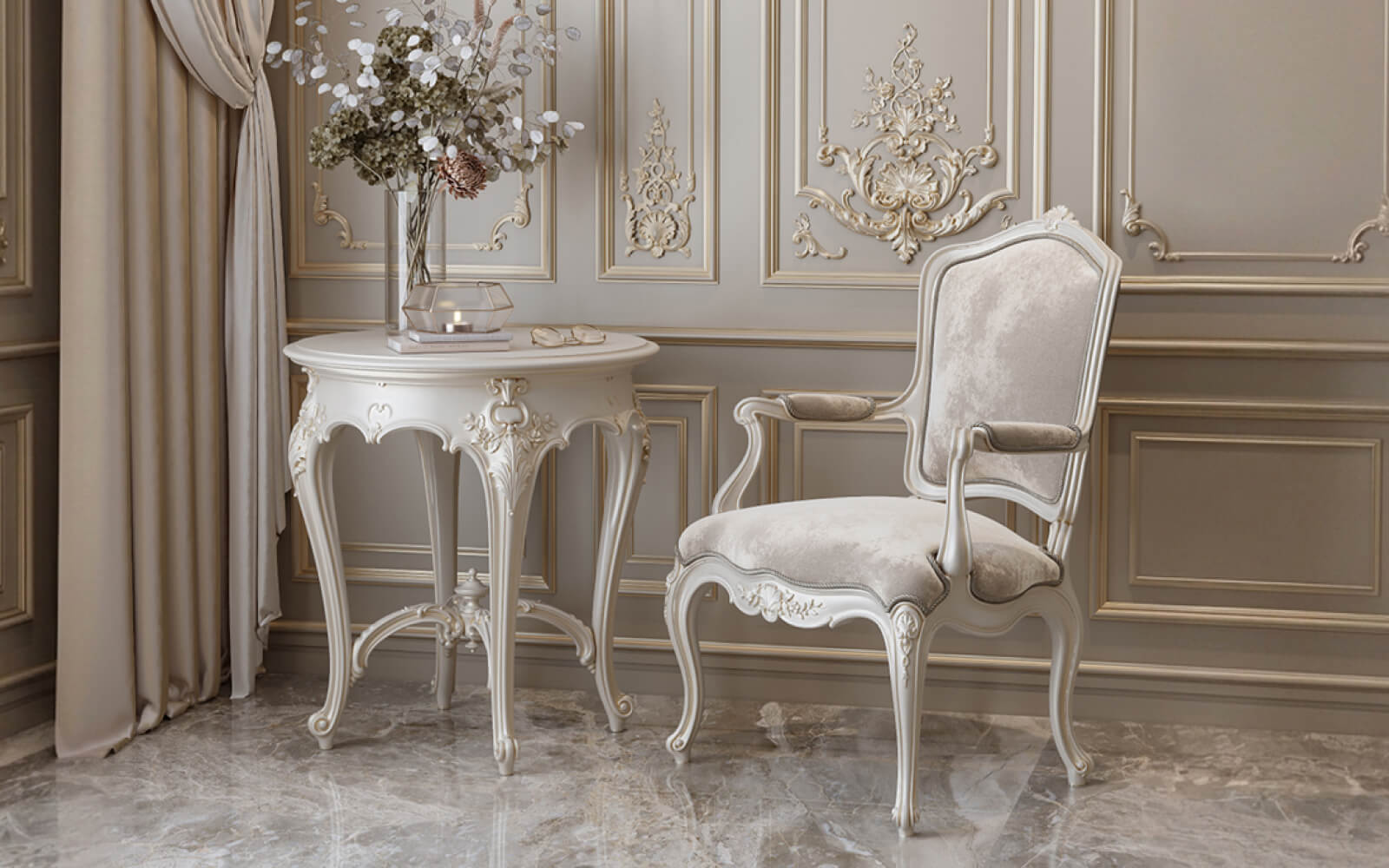
- Moldings and Panels: Wall Division
- Cornices and Skirting Boards: Framing Space
- Pilasters and Columns: Vertical Architecture
- Rosettes and Coffers: Ceiling Decor
- How to Combine Different Eras: Rules and Exceptions
- Signs of Quality: How to Distinguish Authentic from Imitation
- Common Mistakes When Buying Classic Furniture
- Caring for Solid Wood Classic Furniture
- Frequently Asked Questions
- Conclusion: Classic Style as an Investment in Beauty and Durability

When you first look atclassic furniture guide, what opens before you is not just a catalog of interior items—it's a portal into the centuries-old history of European culture, architecture, and craftsmanship.Classic Furniture carries in its forms the codes of eras: the grandeur of Ancient Rome, the luxury of French palaces, the imperial might of Napoleonic France, the aristocratic restraint of English estates. Understanding these codes transforms furniture selection from chaotic wandering through showrooms into a conscious process of creating a space that speaks the language of eternal values. This text is an exhaustive guide for those who want not just to buy beautiful items, but to understand the logic of classic style from its origins to the present day.




History of Classic Styles: From Antiquity to 21st Century Neoclassicism
The roots of classic aesthetics lie in the architecture of Ancient Greece and Rome. It was there that the system of orders—Doric, Ionic, Corinthian—was born, defining proportions, decorative motifs, and compositional principles for centuries to come. The column with its base, shaft, and capital became the archetype of a vertical element. The pediment, cornice, and entablature created the grammar of architectural language.
Ancient furniture was simple in construction but already contained key elements: carved legs in the shape of animal paws, plant ornamentation, proportions based on mathematical ratios. Roman klismos (chairs with curved legs) and Greek lectus (couches for reclining) became prototypes for furniture of subsequent eras.




Renaissance: Revival of Antique Ideals
The Middle Ages rejected the antique tradition, but the Renaissance (14th-16th centuries) brought it back in triumph. Italian masters studied ancient ruins, measured the proportions of columns, and copied ornaments. Renaissance furniture is massive, architectural, decorated with pilasters, cornices, friezes—like miniature buildings.
Material—primarily walnut, which was easy to carve and polish. Decoration—relief carving with antique motifs: acanthus, griffins, masks, garlands. Construction—frame and panel, where a massive frame holds thin panels, which prevented the wood from warping.
Our factory also produces:


Baroque: explosion of ornamentation
The 17th century brought Baroque—the style of absolute monarchies, the Catholic Church, and aristocracy demonstrating their power.Furniture in Baroque styleBaroque is theatricality, dynamism, excess. Straight lines disappear; everything curves, swirls, and twists.
Characteristic Baroque elements: cabriole legs, lavish carving with shells and cartouches, gilding, marble tabletops, upholstery of velvet and brocade. The scale increases—furniture becomes larger, heavier, creating an impression of luxury and wealth.
Centers of Baroque furniture production—Italy, France, Flanders. French Baroque (Louis XIV style) is especially opulent—consoles on curved legs, chairs with high backs upholstered in tapestries, tables with massive carved understructures and marble or mosaic tabletops.
Get Consultation
Rococo: From Monumentality to Elegance
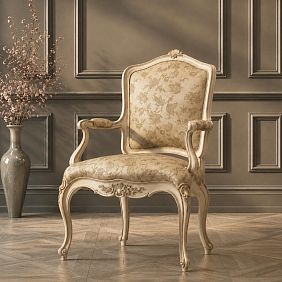
The mid-18th century brought Rococo—a style that softened the heavy power of Baroque, turning it into an elegant game. Rococo is more intimate, more feminine. If Baroque was created for grand halls, Rococo was for boudoirs and salons.
Forms become asymmetrical, lines even more curved. Carving becomes finer, lacelike, almost jewel-like. Popular motifs—rocaille (irregular shells), flowers, cupids, pastoral scenes. Colors lighten—white with gold, pastel tones.
Rococo furniture is often small in size—secretaries, dressing tables, canapés (small sofas). Comfort becomes more important than representativeness. Upholstery is soft, backs and seats are anatomical.
Classicism: Return to Order
The second half of the 18th century brought weariness with the decorative excesses of Rococo. The discovery of the ancient cities of Pompeii and Herculaneum revived interest in strict antique form. Classicism is a return to symmetry, straight lines, rational proportions.
Classicist furniture is strict but not ascetic. Decoration is present but subordinated to structure. Legs are straight or slightly tapered, often with fluting (vertical grooves). Carving is shallow, with antique motifs—meanders, palmettes, laurel wreaths, lion heads. Bronze hardware—handles, lock plates, decorative mounts.
French Classicism (Louis XVI style) is elegant and restrained. English Classicism (Adam, Hepplewhite, Sheraton styles) is even stricter, with an emphasis on proportions and quality of joinery, not on decoration.
Empire: Imperial Grandeur
The early 19th century, the Napoleonic era, gave birth to Empire—the last great classical style. It is Classicism brought to monumentality, filled with military symbolism and imperial ambitions.
Empire furniture is massive, symmetrical, decorated with gilded bronze mounts featuring eagles, laurel wreaths, fasces (bundles of rods), sphinxes. Expensive materials are used—mahogany, marble, gilded bronze, silk upholstery.
Characteristic pieces: large chests of drawers with columns on the sides, round tables on a central column support with three or four feet at the base, chairs with armrests shaped like sphinxes or griffins, massive boat-shaped beds with high headboards.
Neoclassicism: Classic in a Modern Interpretation
The 20th and 21st centuries brought Neoclassicism—a style that takes the principles of classicism but adapts them to modern life. Forms are simplified, decoration becomes more laconic, but proportions, symmetry, and nobility of materials are preserved.
Neoclassical furniture is often light-colored—white, cream, gray. Carving is minimal or absent. Hardware is restrained—matte chrome, satin bronze. Upholstery is made of modern fabrics with stain-resistant treatments.
Neoclassicism easily combines with modern technologies—built-in lighting, transformation mechanisms, hidden storage systems. It is a compromise between tradition and functionality, between beauty and convenience.
Key Elements of Classical Furniture: Anatomy of Style
Understanding the structure of classical furniture is critical for making the right choice. Classicism is not chaotic beauty but a system of elements, each of which has a name, function, and iconography.
Legs: From Cabriole to Columns
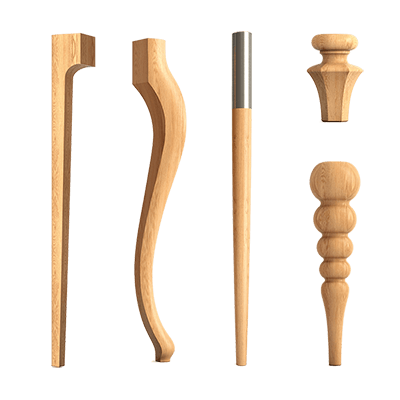
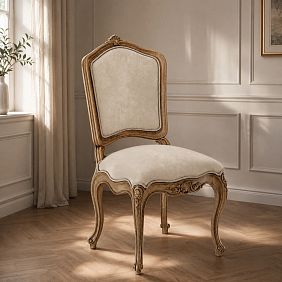
Legs are one of the main style identifiers. Baroque and Rococo use curved cabriole legs—S-shaped, widening at the top and tapering at the bottom, often ending in an animal paw or scroll. Cabriole creates an impression of movement, lightness, despite the massiveness of the furniture.
Classicism and Empire prefer straight legs—tapered (narrowing towards the bottom), cylindrical, in the form of columns with fluting. Such legs look stable, reliable, architectural. They are often decorated with carving at the top or finished with bronze tips.
Turned legs — cylindrical with variations in diameter that create rhythm — are characteristic of Renaissance and English classic styles. They are crafted on a lathe, allowing for perfect symmetry.
Carved Elements: The Language of Ornament
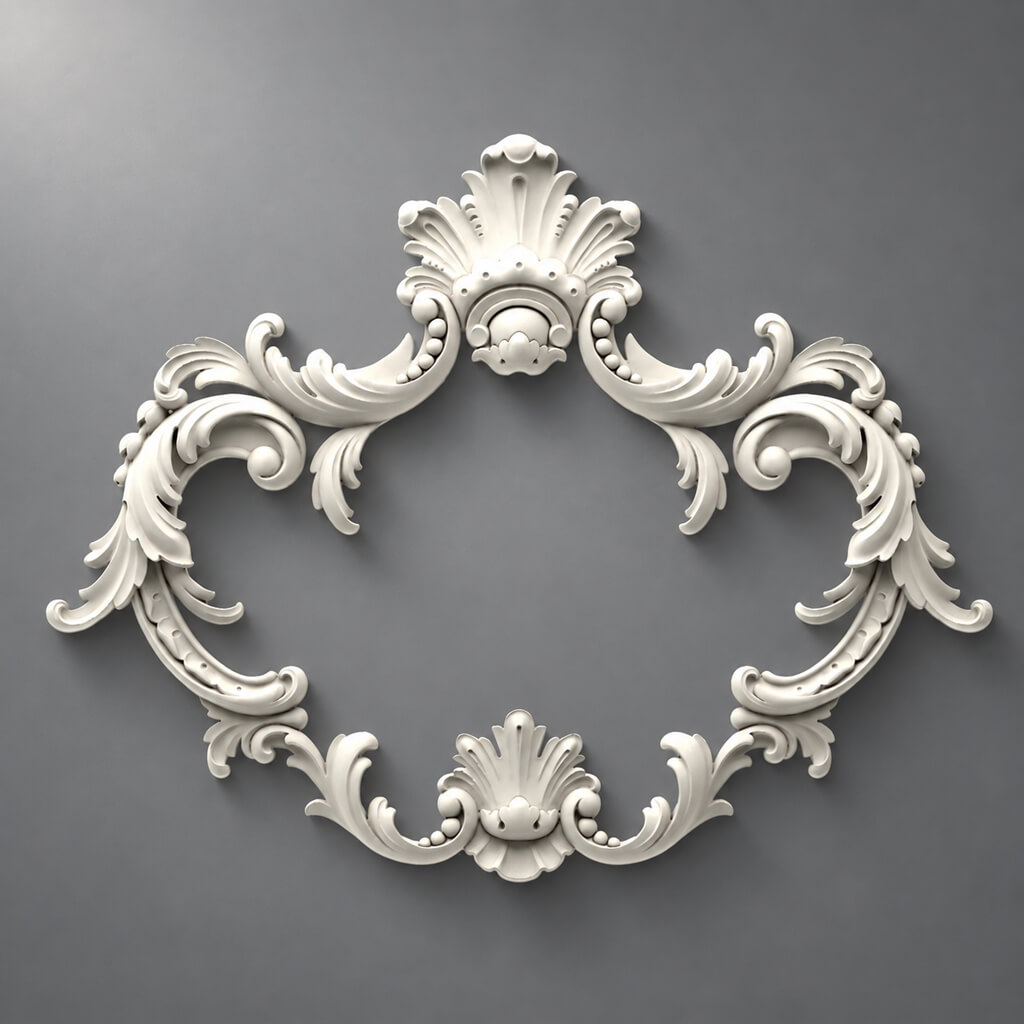
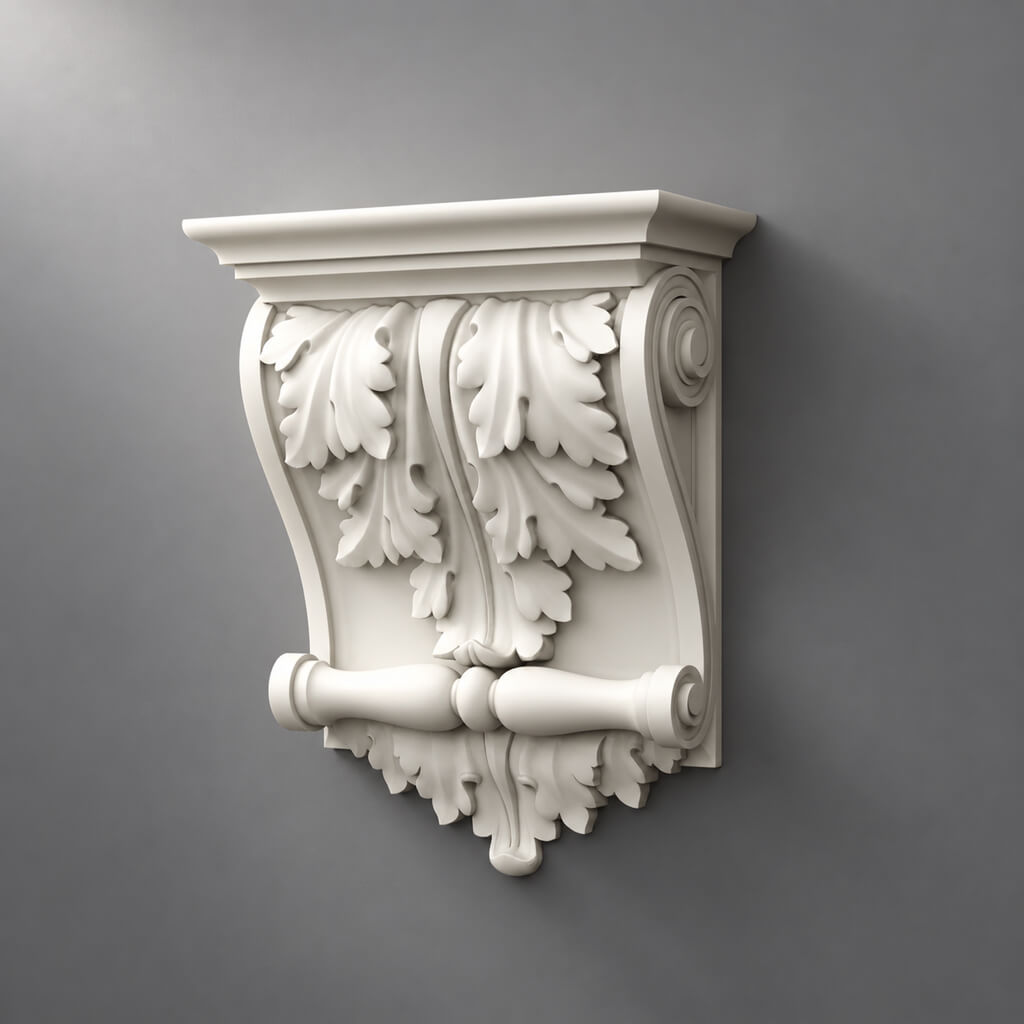
Carving in classical furniture is not random decoration but a system of symbols. The acanthus leaf—a stylized depiction of a Mediterranean plant—symbolizes vitality, growth. It is ubiquitous in antique and classical carving.
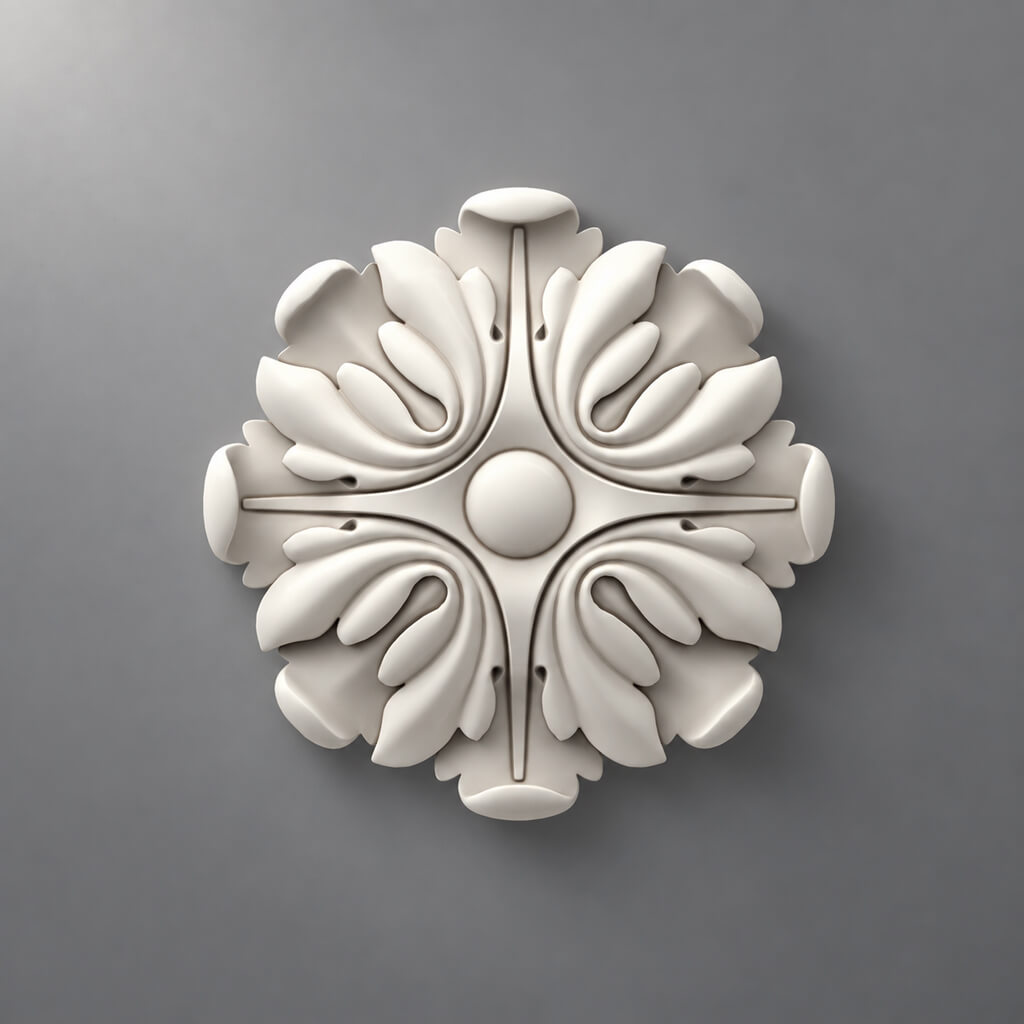
Shell (cartouche in Baroque, rocaille in Rococo) — a marine motif symbolizing wealth, origin from sea foam (like Venus). Palmette — a fan-shaped ornament originating from Egyptian art. Rosette — a round floral motif often placed in the centers of panels. Meander — a geometric Greek ornament in the form of a broken line.
Zoomorphic elements — lion heads and paws, griffins, sphinxes, eagles — symbolize strength, power, protection. They are often used as supports, armrests, overlays.
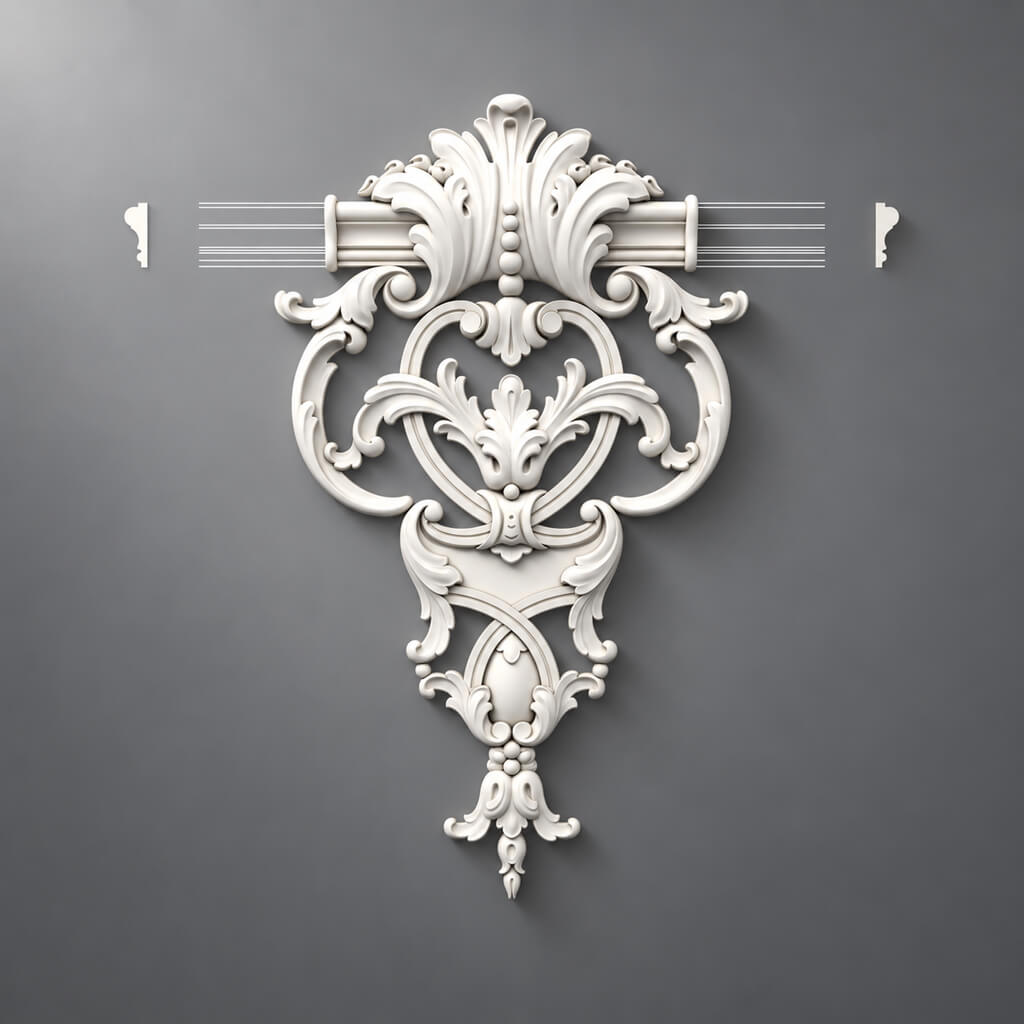
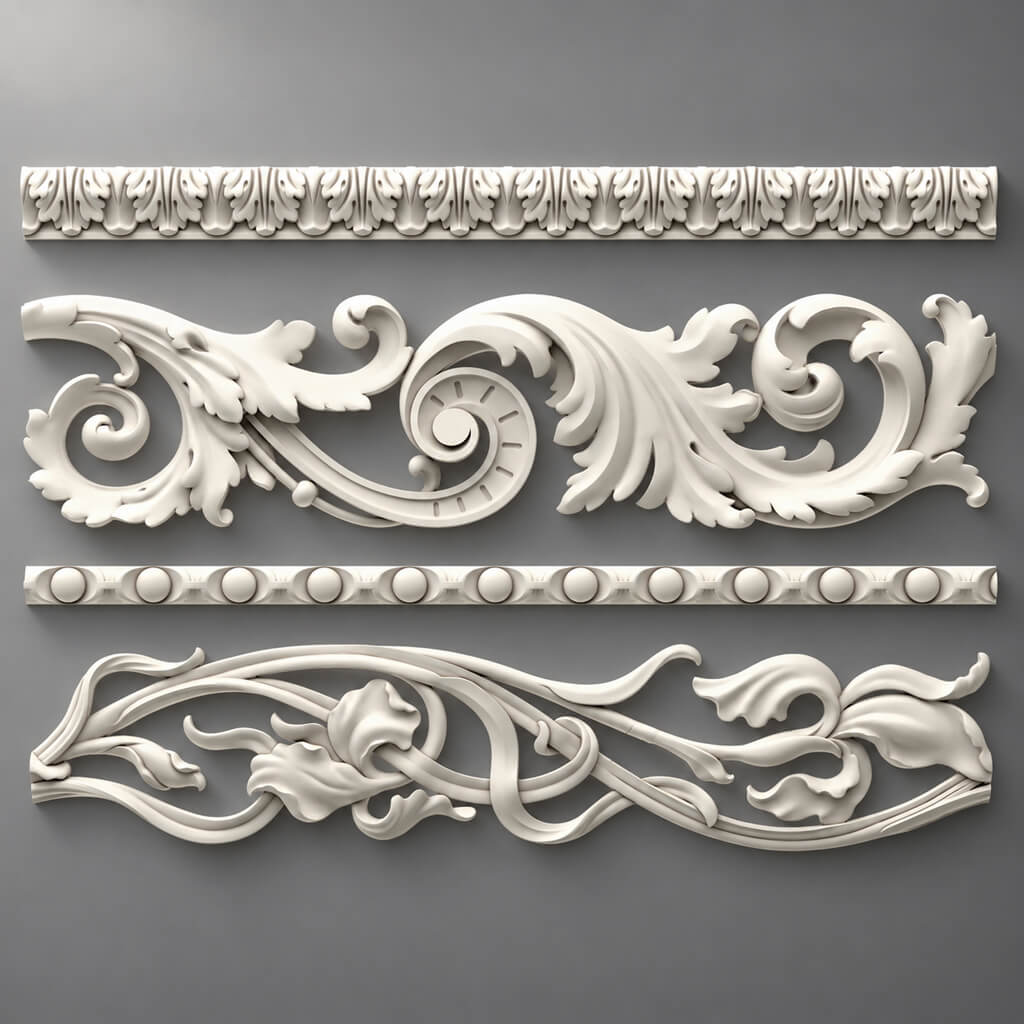
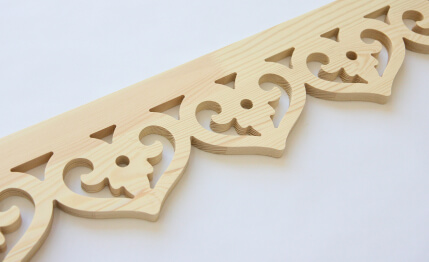
interior decorationin the form of carved overlays allows transforming ordinary furniture into classical, adding relief, depth, historical referentiality.
Hardware: Function and Aesthetics
Handles, lock plates, hinges in classical furniture are not utilitarian details, but part of the decorative program. Bronze bracket handles with plant or geometric patterns, ring handles in lion mouths, round knob handles with relief rosettes.
Lock plates (escutcheons) often have the shape of a shield, medallion, geometric figure, decorated with carving or chasing. In Empire style, they can depict laurel wreaths, military trophies, antique profiles.
The material of the hardware is important. Brass (alloy of copper and zinc) — more affordable, has a bright yellow color. Bronze (alloy of copper and tin) — more expensive, more noble, over time develops a patina that is valued. Modern hardware often imitates aged bronze — matte, with dark accents.
Upholstery and Textiles: Softness and Color
Classical furniture often has soft elements — seats, backs of armchairs and sofas, bed headboards. Traditional fabrics — velvet, brocade, tapestry, damask, silk. They are heavy, dense, with rich texture.
Upholstery colors in Baroque and Empire are deep — burgundy, emerald, sapphire blue, gold. In Rococo — pastel: pink, blue, lavender, cream. In Classicism and Neoclassicism — restrained: gray, beige, white, muted green or blue.
Modern fabrics for classical furniture often have protective impregnations, repelling water and dirt, making them more practical than historical counterparts without losing visual authenticity.
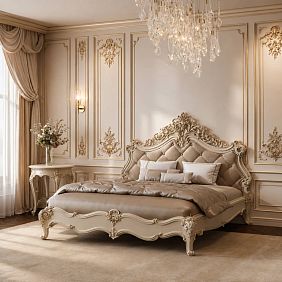
Button tufting (capitonné) — an upholstery technique where fabric is pulled in with buttons, creating a diamond-shaped relief — is characteristic of Baroque, Victorian style, used in bed headboards, sofa backs.
Materials of Classical Furniture: The Nobility of Nature
Material in classical furniture is not just raw material, but a carrier of value, status, aesthetics.Solid Wood Itemsof noble species — the benchmark of quality that determines durability and visual expressiveness.
Oak: king of European forests
Oak — the most status wood species in the European furniture tradition. Density 700-900 kg/m³, hardness 4.2 on the Brinell scale, exceptional resistance to moisture and biological decay. Oak serves for centuries — furniture from the 17th-18th centuries that has survived to this day is often oak.
Oak texture is expressive — large pores, contrasting annual rings, radial pattern (medullary rays visible on radial cut). Color varies from light honey to dark brown depending on origin and processing.
Bog oak — wood that has lain for decades or centuries in water (river, swamp), acquires a dark, almost black color, exceptional density, rarity. Furniture made of bog oak is a sign of the highest status.
Beech: elegant strength
Beech — the second most popular species in classical furniture production. Density 680-720 kg/m³, hardness 3.8-4.1 on the Brinell scale, excellent workability. Beech bends easily when steamed, making it ideal for curved elements — chair backs, armrests, cabriole legs.
Beech texture is fine-grained, uniform, without sharp contrasts. Color — pinkish-white to pinkish-brown, warm, pleasant to the eye. Beech wood takes staining excellently, allowing it to imitate more expensive species or create any shades.
The disadvantage of beech is hygroscopicity, the ability to absorb moisture and deform. Therefore, beech furniture requires stable operating conditions — air humidity 40-60%, temperature 18-24°C.
Walnut: aristocratic elegance
Walnut — a traditional species for Renaissance, Baroque, Classicism furniture. Density 600-650 kg/m³, medium hardness, but strength is high due to fiber viscosity. Walnut cuts, polishes excellently, holds the finest carving details.
Walnut color — from light brown to chocolate with purple or gray shades. Texture is expressive, but not as contrasting as oak — elegant wavy lines, tonal transitions. Walnut furniture looks noble, not flashy, with quiet luxury.
European walnut is valued higher than American, which is lighter and less expressive. Caucasian walnut is the darkest and most saturated in color.
Mahogany: Imperial Luxury
Mahogany — an exotic species from the tropics, which became a symbol of Empire and English classicism. Density 500-700 kg/m³, medium hardness, but stability is exceptional — mahogany hardly warps, does not crack.
Color — from reddish-brown to dark burgundy, darkens over time and acquires a noble patina. Texture can be straight-grained or with spectacular patterns — striped, speckled, pearlescent (especially Cuban and Honduran mahogany).
Furniture made of mahogany is an attribute of the upper class. In the 19th century, it cost a fortune, was available only to the aristocracy. Today, mahogany is protected by international conventions, its harvesting is limited, making genuine mahogany furniture a rarity.
Ash, Cherry, Pear: Alternative Species
Ash — light, strong, elastic wood, similar to oak in properties, but with a calmer texture. Used in Neoclassicism, Scandinavian classicism.
Cherry wood is pinkish-brown, fine-grained, and polishes easily. It darkens over time, acquiring an amber hue. Popular in American colonial furniture.
Pear wood is dense, uniform, and takes stain well. Often stained to resemble ebony, which is rare and expensive. Pear wood furniture stained black imitates ebony.
Interior decor: the architectural system of classical space
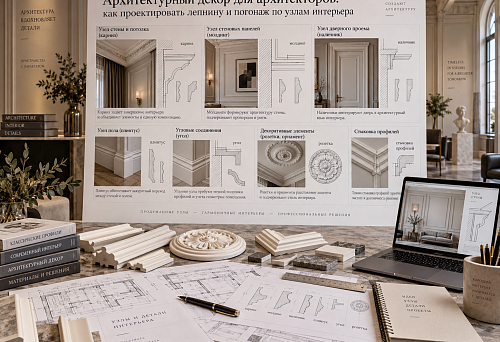
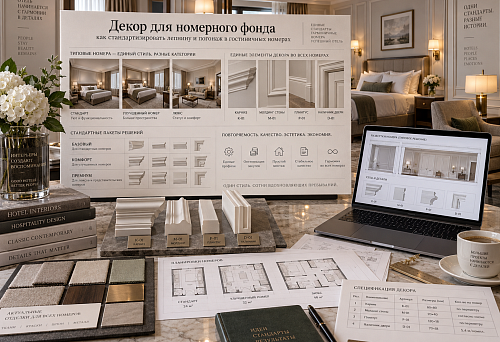
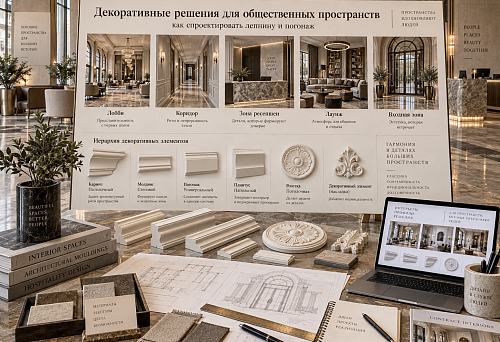
A classical interior is not just furniture, but also the architectural context created by decorative elements. Moldings, cornices, baseboards, pilasters, columns, rosettes—all of these form the spatial structure in which furniture finds its place.
Moldings and panels: wall division
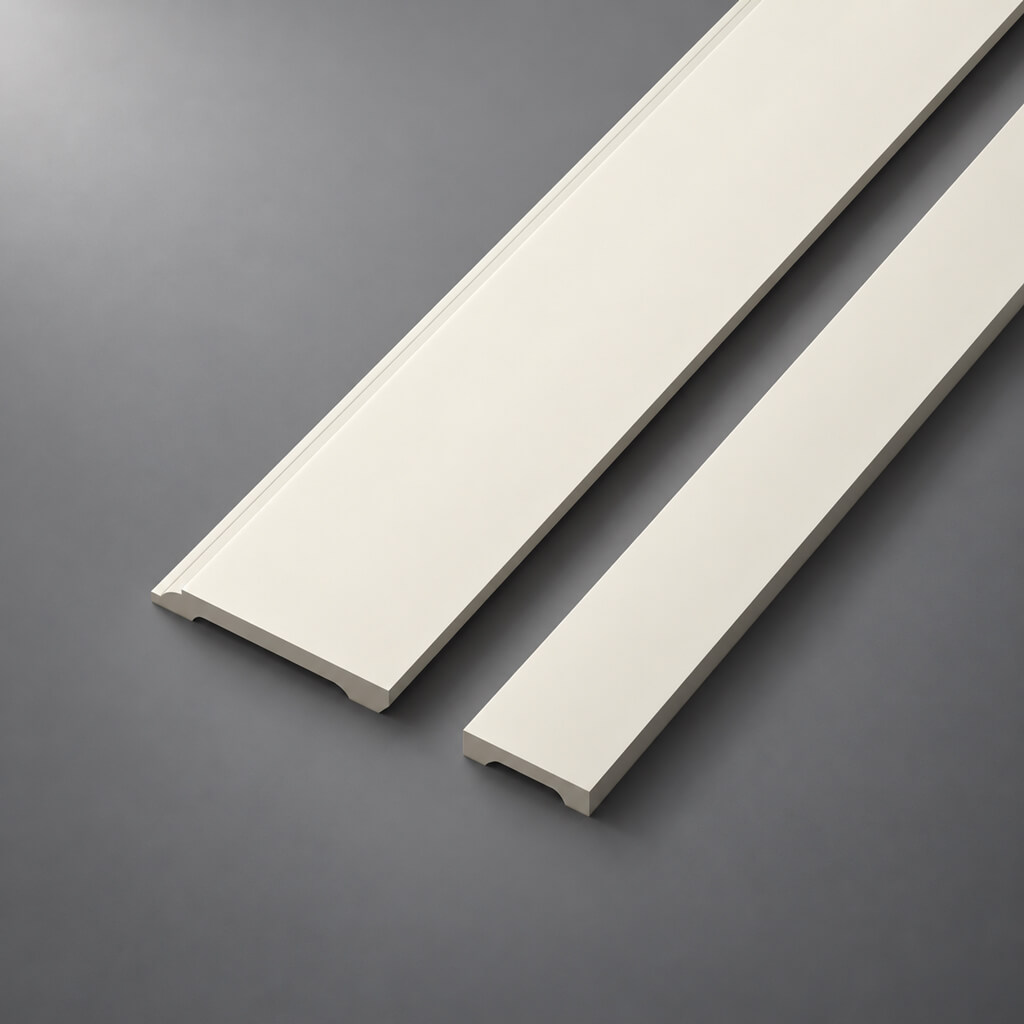
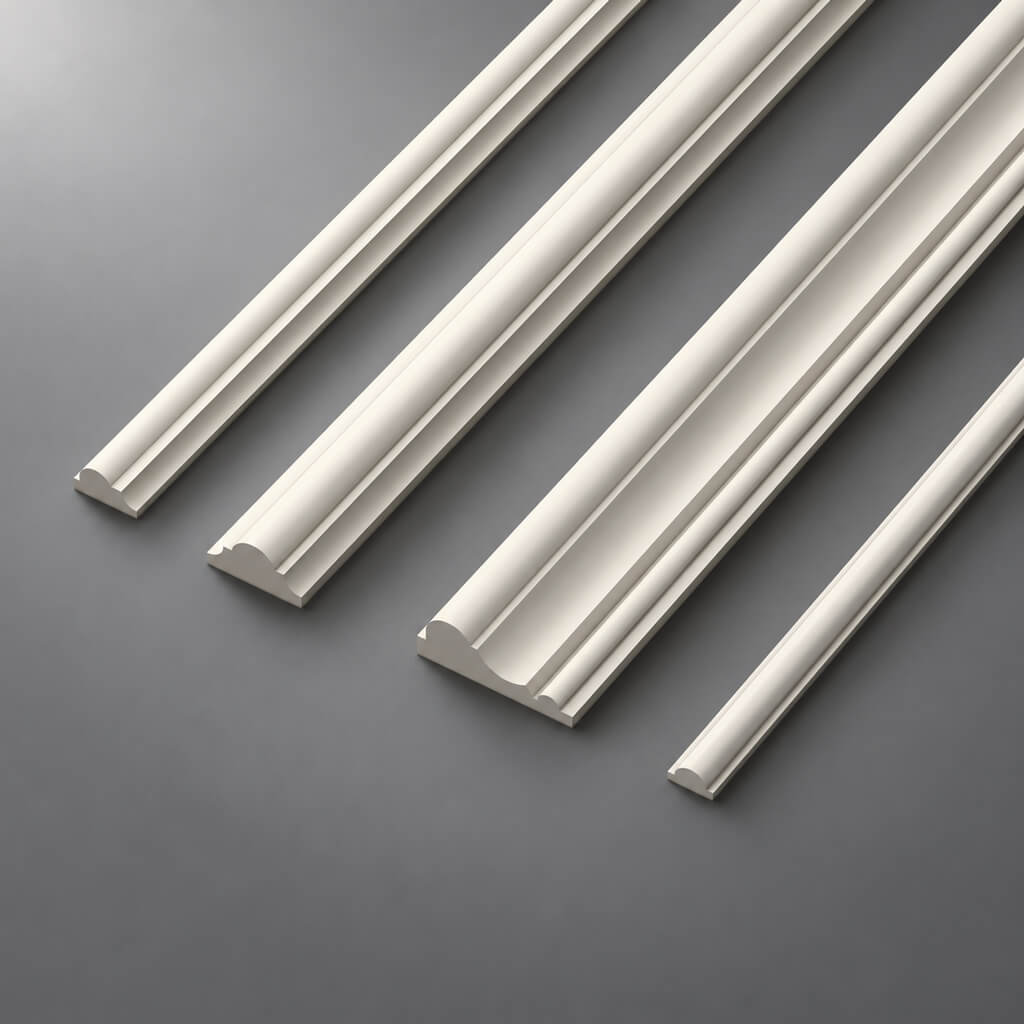
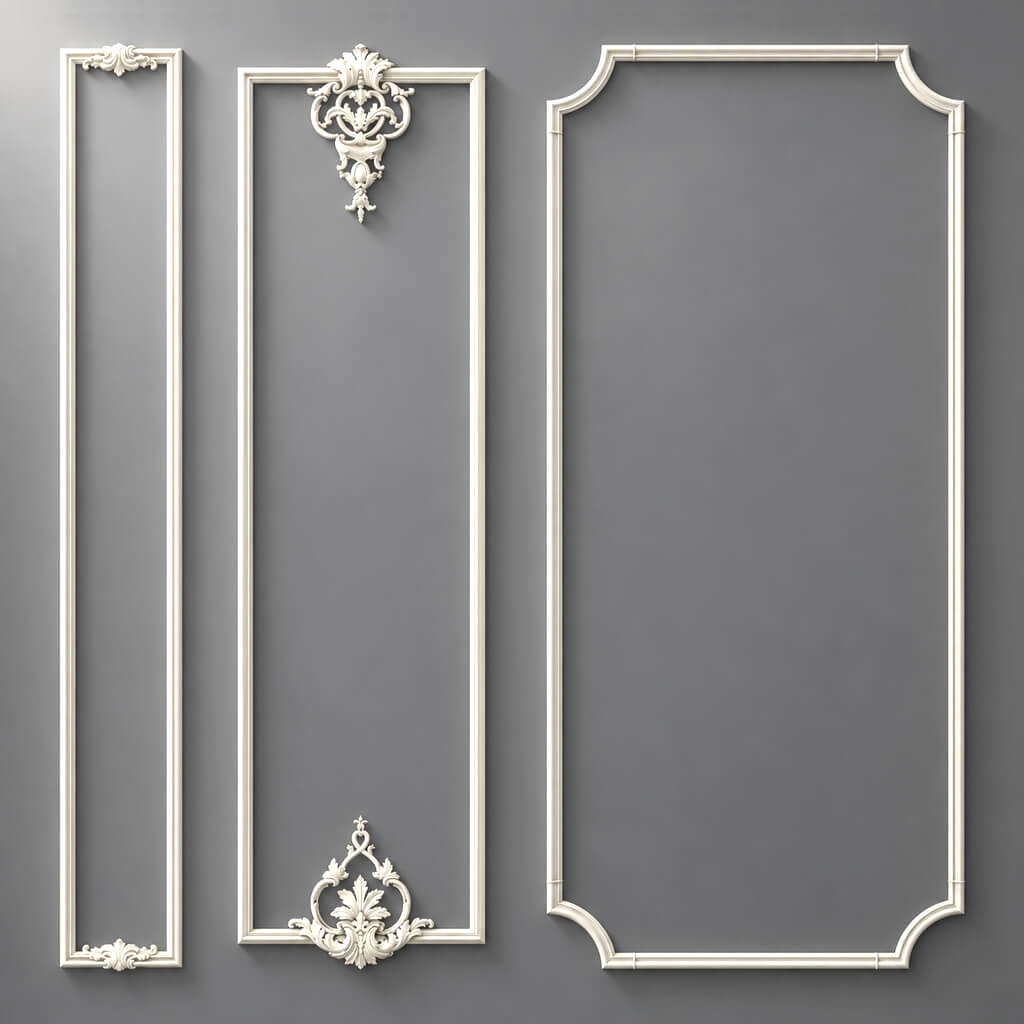
Moldings—decorative strips projecting from the wall surface—create a panel structure. The classic scheme: a lower panel (dado) 80-100 cm high from the floor, framed above by a horizontal molding. The middle part of the wall, divided into rectangular or square sections by vertical and horizontal moldings. The upper frieze—20-30 cm below the ceiling.
Inside the sections created by moldings, there can be contrasting materials—wallpaper, painted surfaces of a different color, fabric inserts. Moldings create rhythm, order, and architectural depth.
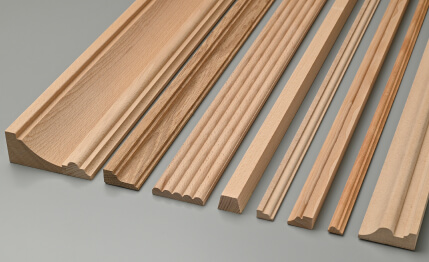
Molding materials—solid wood (oak, beech, ash), MDF with coating, polyurethane, plaster. Wooden moldings are the most noble but expensive and heavy. Polyurethane ones are lightweight, cheaper, easy to install, but less authentic.
Cornices and baseboards: framing space
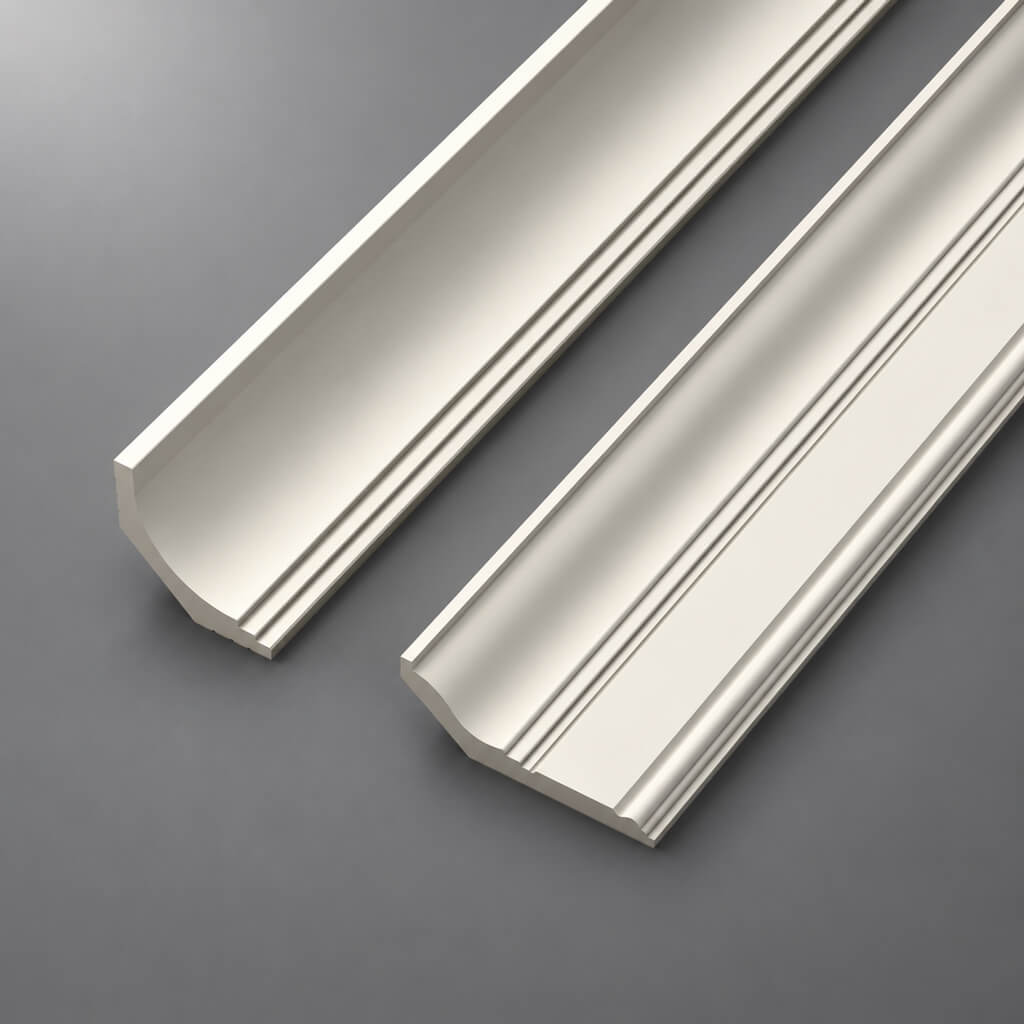
Ceiling cornice—a horizontal element at the junction of the wall and ceiling—visually separates one from the other, creating an architectural boundary. Cornice width—8-25 cm depending on ceiling height. The cornice profile can be simple (one or two steps) or complex (multi-stepped, with carving, with dentils).
Baseboard—a similar element at the junction of the wall and floor. In a classical interior, the baseboard is high—10-20 cm. A low baseboard (5-7 cm) is a sign of a modern or budget interior. A high baseboard creates solidity, visually raises the wall, and makes the room more noble.
Pilasters and columns: vertical architecture
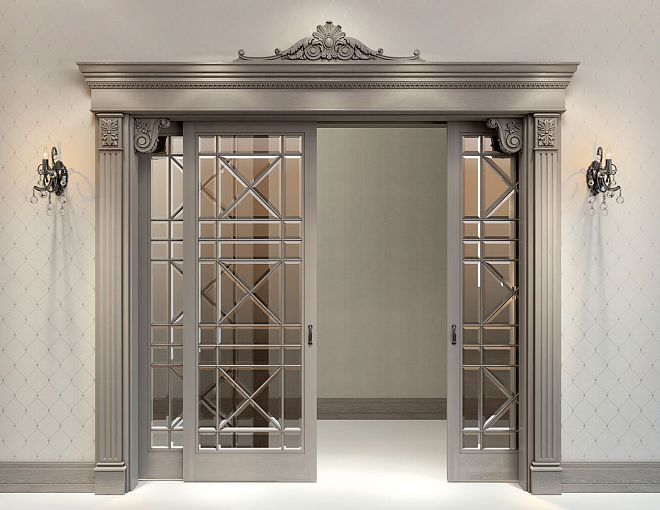
Pilaster—a flat vertical projecting part of a wall, imitating a column but not standing free from the wall. Column—a freestanding vertical element, round in cross-section. Both have a classical structure: base, shaft, capital (upper decorative part).
Pilasters frame doors, windows, fireplaces, niches, wall spaces between windows. They create vertical accents, structure the wall, and introduce rhythm. Columns are used less often—in large rooms for zoning or as supports (real or decorative).
The style of the capital defines the order: Doric (simple capital with a round cushion), Ionic (volutes-scrolls on the sides), Corinthian (lush capital with acanthus leaves).
Rosettes and coffers: ceiling decor
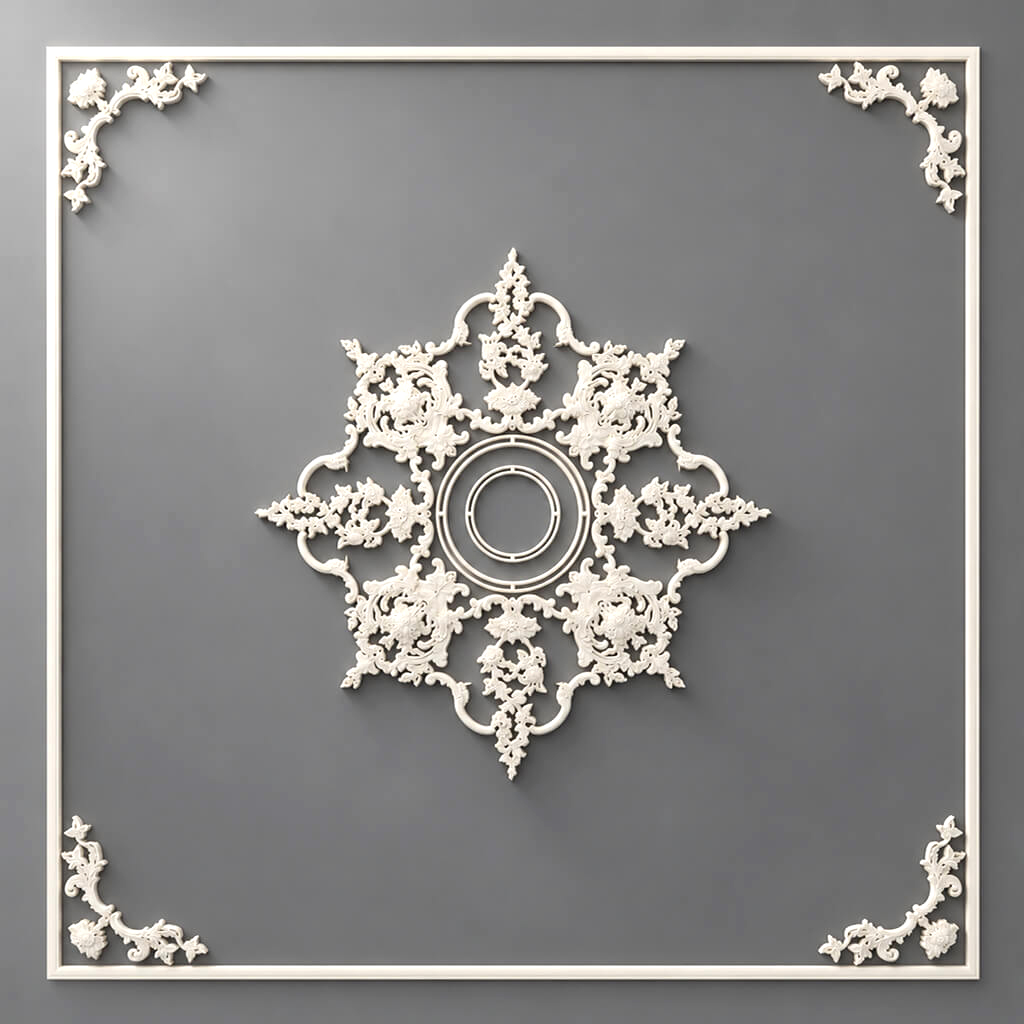
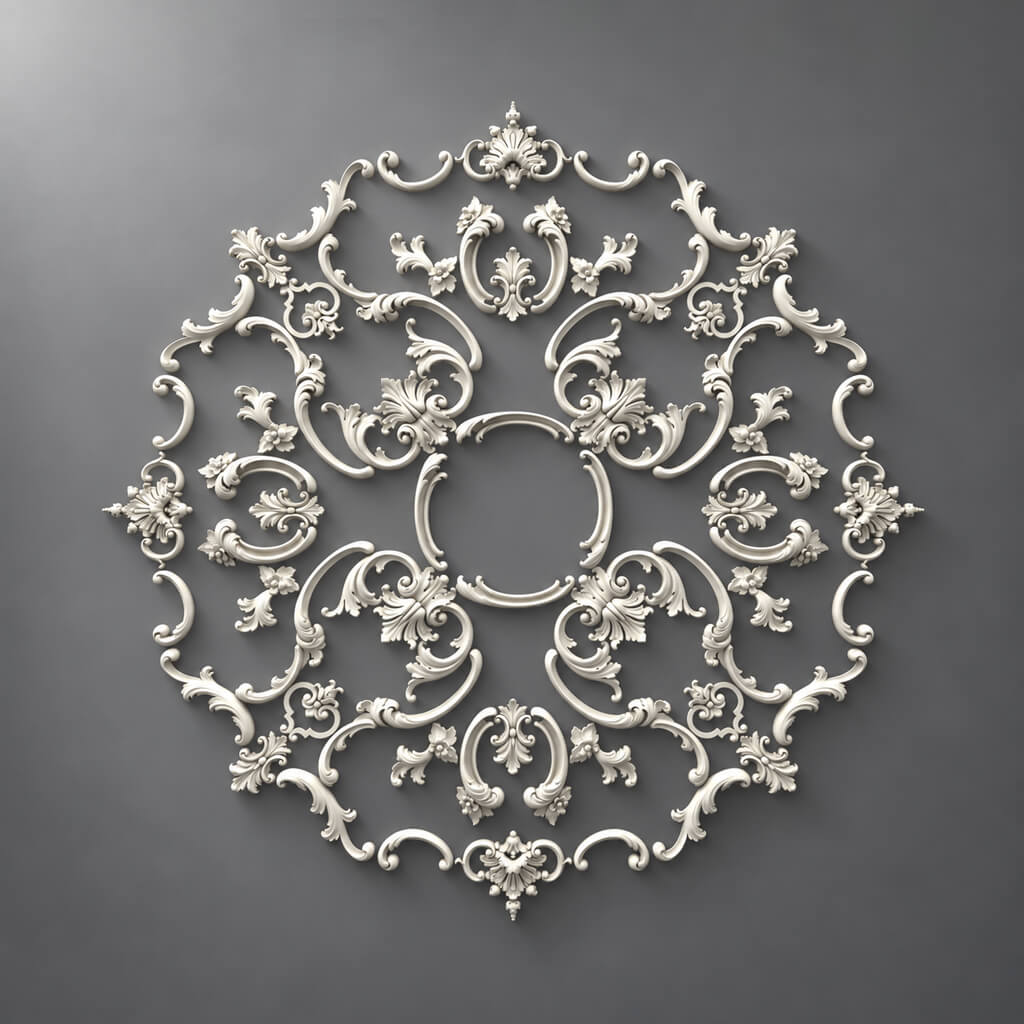
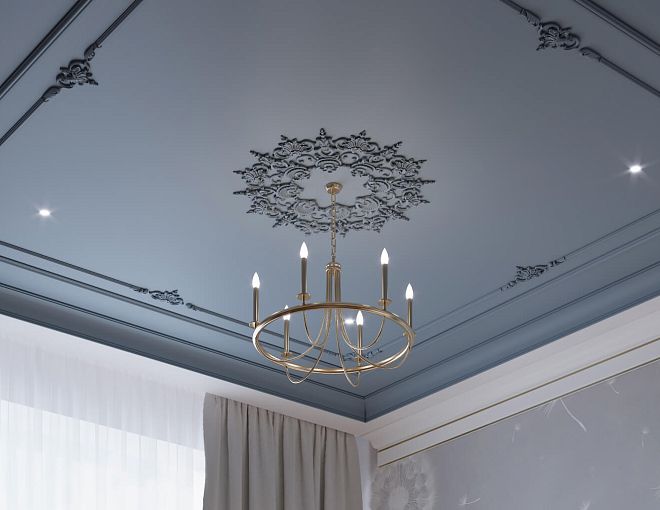
Ceiling rosette—a round or polygonal decorative element in the center of the ceiling, usually under a chandelier. Diameter—50-120 cm. Rosettes can be smooth (with concentric circles), molded (with relief ornamentation), carved (wooden, openwork).
Coffers—square or rectangular recesses in the ceiling, framed by beams. A coffered ceiling creates volume and richness but requires height—minimum 3.2 meters. The recesses of coffers can have paintings, carved rosettes, contrasting paint.
How to combine different eras: rules and exceptions
Is it possible to combine furniture from different classical styles in one interior? Yes, but carefully, following certain rules.
Rule of a unified color palette. A Baroque chest of drawers in dark walnut and a Neoclassical console in light ash will clash. But if both pieces are in the same tonal range—both dark or both light—the chance of harmony increases.
Rule of common scale. A massive Baroque bed and a delicate Rococo side table next to it will create imbalance. Furniture in one room should be comparable in scale.
Rule of dominant style. One style should dominate (70-80% of the furniture), others should complement (20-30%). If the living room is 80% Neoclassical, one Baroque chest as an accent will work. If styles are distributed 50/50—it will be chaos.
Rule of transitional zones. If you have a Baroque bedroom and a Neoclassical living room, there should be a neutral zone between them—a corridor, a hall—that visually separates the styles.
Exceptions. Eclecticism—the intentional mixing of styles—can be successful if executed professionally. But it requires a sense of proportion, color, and balance that comes with experience or innate taste.
Signs of quality: how to distinguish genuine from imitation
The market is full of furniture that looks classical but is made from cheap materials using cheap methods. How to distinguish quality?
Body material. Genuine classical furniture is made from solid wood or, at a minimum, a solid wood frame + veneered panels. MDF with wood-grain film, particleboard with printed texture—this is imitation, not classic.
Check: look at the edges of doors, tabletops. If you see wood grain running across (end grain), it's solid wood. If you see a uniform structure or layers—it's a composite.
Carving. Hand-carved or machine-carved with hand finishing has depth, variation, and liveliness. Stamped polymer carving, glued onto the surface, is flat, perfectly repetitive, often with sharp edges.
Check: run your hand over the carving. Genuine carving is smooth, pleasant to the touch. Stamped carving may have burrs, unevenness. Genuine carving has undercuts, depth visible from an angle.
Joints. Quality furniture is assembled with mortise and tenon, dowels, dovetails. Cheap furniture—with confirmat screws (Euro screws), visible from the outside.
Check: open the doors, pull out the drawers, look inside. If you see metal fasteners — that's industrial assembly. If the joints are hidden, parts are precisely fitted — that's quality work.
Hardware. Massive bronze or brass handles, hinges with soft-close mechanisms, full-extension telescopic drawer slides — signs of quality. Lightweight aluminum handles, simple hinges, roller slides — budget segment.
Check: pull on the handle — it should be firmly attached, not wobbly. Open and close the door — it should move smoothly, without squeaks. Pull the drawer all the way out — a quality one extends fully, a budget one gets stuck at 2/3.
Finish. Quality furniture is coated with several layers of varnish or oil, each layer sanded. The surface is smooth but not plastic-like — the wood grain is visible. Cheap furniture is covered with a thick layer of glossy varnish that hides the material, or even with a film.
Check: look at the surface at an angle under bright light. A quality finish is even, without drips, bubbles, or orange peel. The film may peel at the corners or have seams.
Common mistakes when buying classic furniture
Mistake 1: Buying individual pieces instead of a collection. A beautiful bed from one showroom, a chest of drawers from another, nightstands from the market. Result — a set of mismatched items that don't form an ensemble. Solution: buy furniture from one collection or at least from one manufacturer.
Mistake 2: Ignoring scale. A huge bed 200x220 cm in a 12-square-meter room consumes all the space. Solution: furniture should match the room size. In a small room — compact furniture.
Mistake 3: Skimping on material. Furniture made of MDF with a wood-grain film loses its appearance in 3-5 years — the film peels, corners get damaged. Solution: if the budget is limited, it's better to buy fewer pieces, but made of solid wood.
Mistake 4: Excess decor. A carved bed, carved chest of drawers, carved nightstands, carved mirror frames, walls with moldings, a coffered ceiling. Result — visual overload, an oppressive atmosphere. Solution: decor should be dosed. If the furniture is ornate — keep the walls restrained, and vice versa.
Mistake 5: Mismatch between style and lifestyle. White furniture with gilding in a house with three children and two dogs will turn into a nightmare within a month. Solution: choose practical options — dark or medium tones, wear-resistant fabrics, non-marking finishes.
Mistake 6: Ignoring ergonomics. A beautiful but hard chair that's impossible to sit on. A bed with an excessively high headboard that's painful to lean against. Solution: always test furniture before buying — sit, lie down, open the doors, pull out the drawers.
Mistake 7: Buying before finishing the renovation. The furniture is purchased, but the renovation drags on, the furniture sits in storage, or worse — in an unfinished space where construction could damage it. Solution: buy furniture at the final stage of renovation, when the floors, walls, and ceilings are ready.
Caring for classic solid wood furniture
Quality classic furniture lasts for decades, but only with proper care.
Regular cleaning. A dry soft cloth (microfiber) once a week removes dust. Damp (slightly damp, not wet!) cleaning once a month removes dirt. Do not use abrasive cleaners or harsh chemicals.
Polishing. Apply wax or special wood oil every 3-6 months. This nourishes the wood, restores the protective layer, and adds shine. Silicone-based polishes give a quick shine but accumulate over time, making the surface sticky — use them rarely or not at all.
Protection from sunlight. Direct sunlight fades wood, especially dark wood. Use curtains, blinds, UV-protective window films.
Protection from moisture. Solid wood is hygroscopic — it absorbs moisture and swells, loses moisture and shrinks. Optimal air humidity is 40-60%. In dry air (winter with central heating) use humidifiers. In humid air (in bathrooms, on first floors) — use dehumidifiers.
Protection from heat. Do not place furniture directly next to radiators, fireplaces, or heaters. Minimum distance — 50 cm. Heat dries out wood, causing cracking.
Repairing damage. Minor scratches are filled with a wax crayon of a matching color. Deep ones — filled with wood putty, sanded, tinted, and varnished. If unsure of your skills — consult a restorer.
Frequently asked questions
What is the main difference between Baroque and Classicism?
Baroque — curved lines, ornate carving, gilding, dynamism, theatricality. Classicism — straight lines, restrained decor, symmetry, rationality. Baroque is emotional, Classicism is rational. Baroque is for luxury, Classicism is for nobility.
Can classic furniture be used in a small apartment?
Yes, by choosing neoclassicism or simplified classicism. Light tones, clean lines, compact sizes. Avoid dark, bulky furniture, excessive carving, and large scale.
How to check if furniture is truly solid wood and not veneered?
Look at the ends, the edges. Solid wood shows grain running across. Veneer — the cut reveals layers: base (chipboard/MDF) + a thin layer of veneer. Veneer isn't bad — quality veneered furniture can be better than poor solid wood. But solid wood is the highest level.
Which style of classic furniture is most practical for a family with children?
Neoclassicism or simplified classicism. Restrained decor (fewer places for dust to collect), durable materials, non-marking colors (medium tones, not white or black), wear-resistant upholstery with protective treatment.
Is gilding on furniture worth it or is it kitsch?
Depends on the context. In a historical mansion with high ceilings, gilded Baroque furniture is appropriate. In a regular apartment, it may look excessive. Alternatives include patinated gold (muted, aged) or silver plating, which are more noble than shiny gold.
How to care for furniture with tufted upholstery?
Regularly vacuum with a furniture attachment to prevent dust from accumulating in the folds. Clean with professional upholstery products every six months or call for dry cleaning. Avoid liquid spills—they are difficult to remove from deep folds.
How much does quality classic solid wood furniture cost?
Oak bed — from 150 thousand rubles. Dresser — from 80 thousand. Two-door wardrobe — from 200 thousand. Three-seater sofa — from 180 thousand. Full bedroom set (bed, 2 nightstands, dresser, wardrobe) — 600-900 thousand. Living room set (sofa, 2 armchairs, coffee table, console) — 500-800 thousand.
Can furniture be ordered to custom sizes?
Yes, most classic furniture manufacturers offer custom adaptation—adjusting width, height, and depth to fit a specific space. This is 20-30% more expensive than standard models but solves the problem of non-standard spaces.
How long does quality classic furniture last?
30-50 years of active use with proper care. After that, restoration may be needed (reupholstering, refinishing the lacquer coating), but the structure remains sturdy. Antique furniture from the 17th-18th centuries that has survived to this day demonstrates potential durability spanning centuries.
Do you need a designer to create a classic interior?
If you have a good sense of proportion, understanding of styles, and willingness to study the topic—you can manage on your own. A designer speeds up the process, helps avoid costly mistakes, and offers non-obvious solutions. The cost of services is 3-5% of the furniture and finishing budget, but the savings from prevented mistakes can exceed these expenses.
Conclusion: classic as an investment in beauty and durability
Classic furniture guideends where your own journey begins—choosing a style, material, manufacturer, specific pieces. Classic does not tolerate haste, superficiality, or compromising quality for the sake of economy. It is an investment—financial, emotional, aesthetic. But an investment that pays off over decades of living in a space that delights the eye, creates comfort, and commands respect.
Classic Furniturecarries within it the codes of civilization—from ancient columns to the palaces of Versailles, from Venetian palazzos to English estates. Every curl of carving, every curved leg, every bronze handle is a dialogue with history, an affirmation of the eternal values of beauty, craftsmanship, and nobility.
Solid Wood Itemsof noble wood species,interior decorationcarved wood, architectural elements creating spatial structure—all these are components of a classic interior, where every detail is in its place, where nothing can be removed or added without harming the whole.
The company STAVROS has been creating classic furniture and interior decor from solid oak and beech for over two decades, embodying the traditions of European furniture art at a modern technological level. The STAVROS production facility in St. Petersburg, covering 6000 square meters, is equipped with 19 CNC machines for precision woodworking, sections for hand carving where craftsmen create unique decorative elements, and painting booths with climate control for flawless finishing.
STAVROS collections cover the entire spectrum of classic styles—from strict classicism to lavish Baroque, from elegant Rococo to monumental Empire, from modern Neoclassicism to eclectic interpretations. Beds, wardrobes, dressers, consoles, tables, chairs, armchairs—all furniture is made from select solid wood, dried to 8-10% moisture content, ensuring stability and durability.
Simultaneously, STAVROS produces a full line of architectural decor: moldings and cornices for walls and ceilings, baseboards from 10 to 25 centimeters high, carved overlays with classic ornaments, pilasters and columns with Doric, Ionic, Corinthian capitals, ceiling rosettes, door and window casings. All this allows for creating fully finished interiors where furniture and architectural context form a unified whole.
STAVROS offers not only standard collections but also custom design—adapting sizes to specific spaces, changing stain colors, creating unique carved elements based on customer sketches. Each project is accompanied by specialist consultations, helping to calculate the amount of decor, select correct proportions, and avoid typical mistakes.
Choosing STAVROS means not just getting furniture and decor, but a system for creating a classic interior where every element is thoughtful, coordinated, and executed at the highest level. With STAVROS, classic ceases to be an unattainable ideal and becomes a reality in your home—a space where history meets modernity, where beauty serves life, where every day begins and ends surrounded by genuine craftsmanship and eternal values.