












































































Article Contents:
- Wood vs. Polyurethane: An Honest Material Comparison
- Decorative Wall Finishing: An Alternative to Traditional Coatings
- Wooden Baseboard: The Standard of Durability and Status
- Ceiling Decor: The Lightness of Polyurethane vs. the Massiveness of Wood
- Door and Window Opening Design: Function and Aesthetics
- Boiserie and Wall Panels: The Luxury of Natural Wood
- Finishing Details: Overlays, Corners, Rosettes
- Installation Practicality: What's Easier to Install
- Material Combination: Saving Without Losing Quality
- Stylistic Application: Where Each is More Appropriate
- Eco-Friendliness and Health: What's Safer
- Durability and resistance to external influences
- Care and Maintenance: What's Easier to Operate
- Frequently Asked Questions
- Conclusion: A Conscious Choice for Your Space

Renovation presents homeowners with many questions, among which the choice of materials for decorative finishing holds a special place. Natural wood or modern polyurethane? Each material has its unique characteristics, and understanding their differences allows for an informed decision. Let's delve into the nuances, compare practical properties, and determine where each material shines most effectively.
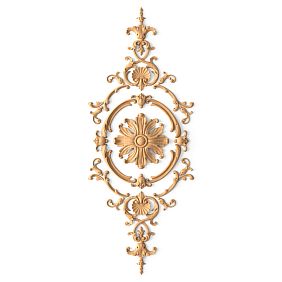


Wood vs. Polyurethane: An Honest Material Comparison
Natural wood is a living material that carries the energy of nature. Each annual ring tells the story of the tree, the texture is unique, and the tactile sensations from touching solid wood create a special connection with nature.wooden skirting board purchasemeans investing in the durability, eco-friendliness, and nobility of natural material. Oak and beech, the primary species for producing decorative elements, demonstrate a density of 700-800 kg per cubic meter, guaranteeing shape stability even with temperature and humidity fluctuations.
Polyurethane is a synthetic polymer obtained through a chemical reaction. Modern production technologies have created a material that combines lightness with strength, moisture resistance with detailed relief work.Buy decorative wall finishesmade of polyurethane means obtaining elements that weigh several times less than gypsum or wooden counterparts, yet possess sufficient rigidity to maintain their shape.
The question of eco-friendliness often becomes a stumbling block. Wood is undoubtedly natural; it regulates the indoor microclimate by absorbing excess moisture and releasing it when the air is dry. European-produced polyurethane complies with strict environmental standards, does not emit toxic substances, and is inert to the human body. The material is even used in medicine for producing implants, confirming its safety.
The price range differs significantly. Solid oak or beech is more expensive than polyurethane, but this difference is compensated by durability and the possibility of multiple restorations. Wooden elements can be sanded, re-toned, and their coating renewed dozens of times. Polyurethane is cheaper, but in case of serious damage, it requires replacement, although properly installed elements serve for decades without needing intervention.
Moisture resistance is one of the key advantages of polyurethane. The material is absolutely inert to water, does not swell, deform, or lose shape even with direct contact with moisture. This makes it indispensable for bathrooms, kitchens, and rooms with high humidity. Wood requires special treatment with moisture-protective compounds for use in damp areas, and even then, moisture-resistant species like larch or teak are preferable to traditional oak and beech.
Processing and installation also differ. Wood is heavier, requires sturdy fasteners, drilling, and precise load calculations. Polyurethane elements are attached with special adhesive; installation takes less time and doesn't require specialized tools. However, wood can be adjusted on-site—trimmed, fitted, and sanded for unevenness. Polyurethane requires more precise preliminary calculations, although it can be easily cut with a regular saw.




Decorative Wall Finishing: An Alternative to Traditional Coatings
Wallpaper and paint long dominated wall finishing, but modern trends are shifting towards three-dimensional decor.Wall finishing with moldingscreates architectural depth where there was once a flat surface. Moldings form frame compositions, divide walls into panels, create a rhythmic structure that transforms even standard spaces.
Wooden moldings bring the warmth of natural material. Various wood species allow selecting a shade to match the existing interior—from light ash to rich wenge. The wood texture makes each element unique, alive, creating a special atmosphere. Transparent oil or varnish coating emphasizes the natural pattern of annual rings, making it the main decorative element.
Polyurethane moldings offer freedom of form. Complex profiles, detailed ornaments, classic scrolls—all are produced with high precision and repeatability. Where wooden molding is limited by milling capabilities, polyurethane allows creating almost any shape. After installation, elements are painted in the desired color, enabling adaptation to any interior color concept.
Combining materials yields interesting results. The main wall area is finished with wooden slats or panels, creating a natural backdrop. Polyurethane overlays are placed on top as decorative accents—classical rosettes, corner ornaments, central medallions. This combination unites the natural warmth of wood with the decorative freedom of polyurethane.
Frame compositions made of moldings on walls are a classic technique that remains relevant. Rectangular or square frames, created from wooden or polyurethane moldings, divide the wall into sections. Inside the frames, contrasting paint, patterned wallpaper, fabric inserts, or even mirror panels are placed. This creates visual complexity and depth, transforming a flat wall into an architectural element.
Vertical moldings visually raise the ceiling. Strips running from floor to ceiling direct the gaze upward, creating an illusion of greater room height. This technique is especially effective in standard apartments with 2.7-meter ceilings, where every visual centimeter of height matters. Natural light-toned wooden moldings enhance the effect, making the space not only taller but also brighter.
Horizontal division of the wall with molding at one-third height references classical architecture. The lower part of the wall is often finished with panels or painted a darker color, while the upper part remains light. A wooden molding at the boundary creates a clear visual line, structures the space, and gives the room proportionality and completeness.
Our factory also produces:


Wooden skirting board: the benchmark of durability and status
Wooden baseboardMade from solid oak or beech—it's not just a functional element covering the joint between floor and wall. It's a marker of interior quality, a detail that speaks to the owner's attention to every aspect of space design. Dense wood withstands accidental impacts from vacuum cleaners, furniture, children's toys, maintaining its original appearance for years.
A wide wooden skirting board with a height of 100-150 mm creates a sense of solidity. It visually weighs down the lower part of the room, which psychologically makes the space feel more stable and reliable. In classic interiors with high ceilings and massive furniture, a wide solid wood skirting board is a necessary element that supports the overall scale of the composition.
A narrow skirting board with a height of 50-70 mm suits modern minimalist interiors. It performs its function without attracting unnecessary attention, remaining a delicate frame for the floor. Light wood species or a skirting board painted the color of the walls visually dissolves, not breaking up the space with horizontal lines.
A shaped skirting board profile adds decorativeness. Classic European profiles with soft curves create graceful light and shadow transitions. Modern rectangular profiles with sharp edges emphasize geometricity and clarity of lines. The choice of profile depends on the overall interior style and should echo other wooden elements—doors, casings, furniture.
Installing a wooden skirting board requires a professional approach. Heavy solid wood is attached mechanically—with screws or special clips. Joints in corners are cut at 45 degrees to create a neat connection. A properly installed solid wood skirting board fits tightly against the wall and floor, has no gaps, and creates an impression of solidity.
The possibility of restoration is an important advantage of wood. Over time, scratches, scuffs, and dents from impacts may appear on the skirting board. Solid wood allows for local restoration—sanding the damaged area, tinting, and reapplying varnish or oil. This restores the element to its original appearance without the need for complete replacement.
Color solutions for wooden skirting boards are diverse. The natural wood tone under a transparent protective coating emphasizes the nobility of the material. Tinting to darker or cooler shades adapts the skirting board to a specific interior color scheme. Painting in dense opaque colors turns the wooden skirting board into a graphic element, where the profile shape is important, not the material texture.
Get Consultation
Ceiling decor: the lightness of polyurethane versus the solidity of wood
The ceiling is the plane where the weight of the material is critical. Heavy wooden elements require reliable fastening, structural reinforcement, and professional installation. Polyurethane solves this problem radically.Wall and ceiling decorative moldingMade of polyurethane, it weighs 5-7 times less than its wooden or plaster counterpart, simplifying installation to a level accessible to non-professionals.
Polyurethane ceiling cornices create a smooth transition between wall and ceiling. Wide cornices hide irregularities at the joint, mask the top edge of wallpaper, and create architectural completeness for the room. Behind the cornice, you can place an LED strip, which provides soft diffused lighting, visually raising the ceiling and creating a floating effect.
Polyurethane ceiling rosettes are placed in the center of the ceiling around the chandelier. Classic rosettes with ornamentation add decorativeness, creating a focal point on the ceiling. Modern laconic rosettes with geometric shapes support minimalist aesthetics. The rosette diameter should correspond to the room size and chandelier—in small rooms, rosettes of 40-60 cm are appropriate; in spacious halls, 80-120 cm.
Coffered ceilings are created using polyurethane ceiling beams. Beams form a grid of squares or rectangles on the ceiling, creating a three-dimensional architectural structure. The inner surfaces of the coffers can be painted a contrasting color, wallpapered, or decorated with additional overlays. The lightness of polyurethane beams allows creating such structures even on drywall ceilings.
Wooden ceiling elements are used where naturalness and solidity are required. Exposed solid wood beams in country, loft, or chalet styles create an authentic atmosphere. Wooden coffers in classic interiors emphasize status and adherence to tradition. However, the weight of such structures requires reliable load-bearing floors and professional installation with load calculations.
Combining materials on the ceiling creates interesting effects. Main load-bearing beams are made of wood, creating a structural foundation. Decorative elements between beams—coffer panels, rosettes, overlays—are made of lightweight polyurethane. This reduces the overall weight of the structure, simplifies installation, but preserves the visual solidity of the wooden beams.
The moisture resistance of polyurethane makes it indispensable for bathroom and kitchen ceilings. Steam, condensation, and temperature fluctuations do not affect the shape and appearance of polyurethane elements. They do not swell, crack, or become moldy. Wooden elements in such conditions require special treatment and regular maintenance.
Door and window opening design: function and aesthetics
Casings are elements that frame door and window openings, cover installation gaps, and create visual completeness.Wooden casingsMade from solid oak or beech, they echo the door leaf, creating a unified composition. Wide casings in classic style with a shaped profile emphasize the significance of the opening, making it an architectural accent.
Narrow minimalist wooden casings support modern aesthetics. A simple rectangular profile, light wood tone, or painting the color of the walls make the casing a delicate frame that does not attract unnecessary attention. This is appropriate in interiors where doors should integrate into the wall plane without standing out.
Polyurethane casings offer more decorative possibilities. Complex profiles with ornamentation, carving, and classic motifs are created with high detail. After installation, casings are painted any color—from white to gold—allowing adaptation to a specific interior concept. The material's lightness simplifies installation, especially on complex curved openings.
Corner elements are decorative overlays placed at casing corners. They add classic decorativeness, creating accents at connection points. Polyurethane corner elements with rosette, leaf, or scroll ornaments turn a simple casing into a work of applied art. Wooden corner elements, carved or milled, create three-dimensional carving that is tactilely pleasant and visually rich.
Arched openings require flexible materials. Polyurethane, especially special flexible profiles, is ideal for framing arches. The material easily bends to the desired radius, is attached with adhesive, creating a smooth line without joints. Wood for arched openings requires complex processing—steaming, bending, fixing—which significantly complicates and increases the cost of work.
Pediments are decorative elements above door and window openings. Classic polyurethane pediments with ornamentation create solemnity, emphasizing the significance of the opening. Straight wooden shelf-pediments in modern interiors serve not only decorative but also functional purposes—they can hold decor, books, plants.
Boiserie and wall panels: the luxury of natural wood
wall panels boiserieSolid wood paneling is the pinnacle of interior finishing. The French tradition of wooden wall cladding creates an atmosphere of aristocracy and luxury. Panels are crafted from solid oak or beech, coated with natural oils or varnishes that preserve the wood grain. The panel-and-frame structure with frames and inserts creates a three-dimensional composition rich in chiaroscuro nuances.
Panel height varies from one-third to half the wall height. The classic option is panels covering one-third of the wall, with the upper part left for paint or wallpaper. This visually structures the space, creates a horizontal division that makes high rooms cozier. In modern interiors, panels can extend to the ceiling, creating a fully wooden wall.
Moldings frame the panels, creating a framed structure. Wooden moldings made from the same wood species as the panels create a monolithic composition. Contrasting moldings—dark on light panels or vice versa—create graphic quality and emphasize the structure. Polyurethane moldings on wooden panels are rarely used but are possible for creating particularly complex decorative profiles.
Panel finishing determines the character of the interior. Natural oil coating preserves the tactile quality of wood, its ability to breathe, and creates an eco-friendly atmosphere. Varnish coating protects wood more effectively, creating a glossy or matte surface depending on the choice. Enamel painting while preserving the wood grain underneath offers color freedom while maintaining the tactile quality of solid wood.
MDF panels with veneer are a more affordable alternative to solid wood. The MDF base ensures shape stability and moisture resistance. Veneer from valuable wood species on the surface creates visual equivalence to solid wood at a significantly lower cost. High-quality veneer 1-2 mm thick is practically indistinguishable from solid wood to the naked eye.
Integrating doors into the panel system creates a hidden door effect. The door leaf is finished with the same panels as the wall, door casings disappear, and hinges are concealed. When closed, the door is practically invisible, and the wall appears solid. This creates intrigue, visually expands the space, and eliminates visual clutter from multiple doorways.
Finishing details: overlays, corner pieces, rosettes
Decorative overlays are small elements that add decorativeness without large-scale intervention. Polyurethane overlays with floral, leaf, or geometric patterns are placed on walls, doors, and furniture. They create accents, add classical elegance, and function like jewelry details in the overall interior composition.
Corner overlays protect external wall corners from damage while simultaneously decorating them. Polyurethane corner elements with patterns turn utilitarian protection into decorative accents. Solid oak wooden corner pieces are more durable, withstand strong impacts, and develop a noble patina over time.
Rosettes are used not only on ceilings but also on walls. Wall rosettes made of polyurethane frame sconces, creating a decorative background for light fixtures. Placed symmetrically on both sides of a fireplace, mirror, or door, they create a classical composition and emphasize the central axis of the room.
Polyurethane brackets and consoles imitate load-bearing elements but serve a purely decorative function. Placed under ceiling beams, they create the illusion of a structural solution. Wall consoles serve as supports for shelves and fireplace portals, creating visual support for horizontal elements.
Capitals are decorative crowning elements for columns and pilasters. Polyurethane capitals with classical Corinthian, Ionic, or Doric order ornamentation create a connection with ancient architectural tradition. They complete vertical elements, creating a visual transition point from vertical to horizontal ceiling cornice.
Pilasters are vertical elements imitating flat columns. Polyurethane pilasters divide walls into sections, create rhythm, and add volume to flat surfaces. Placed on both sides of a doorway, they solemnly frame the entrance. Full-height pilasters from floor to ceiling create powerful vertical accents that visually raise the ceiling.
Installation practicality: what's easier to install
Installing wooden elements requires professional skills. Heavy solid wood is attached mechanically—with screws, staples, or clips. It's necessary to precisely mark attachment points, drill holes, secure the element, and conceal fasteners with plugs or putty. Joints are miter-cut and require precise fitting for neat, gap-free connections.
Polyurethane elements are installed with adhesive. Special polymer-based compounds ensure reliable bonding to most surfaces. The process is simple—adhesive is applied to the back of the element, pressed against the surface, and held for several minutes until set. The material's lightness allows one person to complete the work without assistance.
Material cutting also varies in complexity. Wood is cut with a saw, requires precise marking, and creates sawdust. Polyurethane is cut with a regular handsaw or utility knife—a clean and quick process. Polyurethane element edges require no additional treatment, while wood needs sanding to remove burrs.
On-site adjustment is easier with wood. Solid wood can be planed, sanded for unevenness, and joints fitted with high precision. Polyurethane is less pliable for correction—once cut, changes are difficult. This requires more careful measurements and calculations before installation begins.
Final finishing after installation is mandatory for polyurethane and optional for wood. Polyurethane elements are painted after installation, with joints puttied for seamless surfaces. Wood can be installed with pre-applied finish, speeding up the process. However, for perfect results, wooden elements are also often painted or varnished after installation with preliminary joint and fastener puttying.
Material combination: saving without losing quality
Reasonable combination of wood and polyurethane allows budget optimization without compromising visual quality. Main visible elements at eye level and tactile contact points are made of wood.Wooden baseboardBaseboards, door casings, wall panels up to mid-height—these are elements frequently touched, which should demonstrate material naturalness and status.
Ceiling elements, located at significant distance from eyes and hands, are made of polyurethane. Cornices, rosettes, and ceiling moldings from lightweight polyurethane install easier, cost less, and from 2-3 meters distance are practically indistinguishable from plaster or wood. After painting in a unified color with walls or ceiling, material becomes secondary—form matters more than materiality.
Decorative overlays on walls, furniture, and doors use polyurethane. Their small size, complex shapes, and multiplicity make polyurethane the optimal choice. Producing carved wooden overlays would cost several times more than polyurethane equivalents with visually similar results.
Visible load-bearing elements are made of wood for visual solidity. Ceiling beams, columns, large cornices, furniture fronts—where visual weight and status matter, wood is irreplaceable. Additional decorative elements between beams, on columns, inside cornices can be polyurethane.
Color unification of different materials creates visual integrity. If wooden and polyurethane elements are painted the same color, material differences become non-obvious. White is universal and minimizes differences most effectively. Deep saturated colors also work for unification, though requiring higher-quality surface preparation.
Textural separation is also possible. Wooden elements remain with natural grain under transparent coating, emphasizing material naturalness. Polyurethane elements are painted in solid colors, becoming graphic accents. This combination creates dialogue between natural and man-made, warm and neutral, textured and smooth.
Stylistic application: where each is more appropriate
Classical interiors require abundant decoration, making polyurethane indispensable here. Multiple moldings, rosettes, capitals, and pilasters in wood would cost significant sums. Polyurethane elements enable creating rich classical compositions within reasonable budgets. Wooden wall panels and wooden baseboards add naturalness and status.
Minimalism prefers natural materials in laconic forms. Simple wooden slats, baseboards with strict profiles, minimalist solid wood casings support the philosophy of naturalness and material honesty. Polyurethane is used extremely sparingly—possibly only ceiling cornices for hidden lighting where material isn't visible at all.
Neoclassical style combines classical forms with modern restraint. The material combination here is optimal. Wooden wall panels and flooring create a natural foundation. Polyurethane moldings with simplified classical forms, devoid of excessive decoration, create structure. Several wooden accents—a fireplace portal, mirror frame—add a sense of status.
Scandinavian style uses light wood as a foundation. Wooden skirting boards, architraves, and panels made of ash or whitewashed oak create a cozy, natural atmosphere. Polyurethane is hardly used, except for functional elements like concealed curtain cornices, where the material has no decorative significance.
Loft style plays on contrasts. Rough-hewn wooden ceiling beams, massive wide skirting boards, and simple architraves made of untreated wood create an industrial foundation. Polyurethane elements are used to create contrast—a white classical ceiling rosette surrounded by dark beams, elegant moldings on a rough brick wall.
Eclecticism and fusion offer complete freedom of combinations. Wooden panels in a classical style can coexist with modern polyurethane 3D panels. A traditional wooden skirting board is paired with avant-garde polyurethane wall overlays. The key is a unified color scheme and a sense of proportion, so diversity doesn't turn into chaos.
Eco-friendliness and Health: Which is Safer
Natural wood is undoubtedly an eco-friendly material, provided it comes from responsible sources. Solid oak or beech does not emit harmful substances; on the contrary, wood improves the indoor microclimate. Finishing coatings should also be eco-friendly—natural oils, waxes, water-based varnishes without toxic solvents.
European-manufactured polyurethane complies with strict safety standards. Modern polyurethane elements do not contain formaldehyde, heavy metals, or toxic plasticizers. After polymerization, the material becomes inert and does not emit volatile substances. Safety certificates confirm its suitability for use in residential spaces, including children's rooms.
Wood dust generated during woodworking can cause allergic reactions. Sanding, cutting, and milling wooden elements produce fine dust that irritates the respiratory tract. Polyurethane does not create dust during processing—cutting produces minimal fine particles, and the material does not require sanding.
Antistatic properties differ. Wood does not accumulate static electricity and does not attract dust. Polyurethane can accumulate static, especially in dry indoor environments during winter, leading to dust attraction. However, special antistatic treatments solve this problem.
Both materials are highly hypoallergenic. Cases of allergy to polyurethane are extremely rare and usually associated with cheap products of dubious origin. High-quality European polyurethane is safe. Wood also rarely causes allergies, although exotic species may contain irritating resins.
Durability and Resistance to External Influences
Wooden elements made of oak or beech last for decades with proper care. The density of the wood ensures resistance to mechanical damage, accidental impacts, and scratches. Over time, a noble patina or minor wear may appear on the wood, which doesn't spoil it but adds character and tells the story of the home.
Polyurethane is also durable, but in a different way. It does not change over time—it looks pristine 20 years after installation. The material does not crack, deform, or change color under light exposure. However, serious mechanical damage is harder to repair—a chip or deep scratch requires replacing the element, whereas wood can be restored locally.
Resistance to ultraviolet light differs. Natural wood under a transparent coating gradually changes shade under sunlight—darkening or fading depending on the species. Polyurethane is stable against UV radiation, does not yellow or change color, especially if painted with quality paints containing UV filters.
Thermal stability is higher in polyurethane. Wood reacts to changes in temperature and humidity with slight expansion and contraction. With proper installation using expansion gaps, this is not a problem, but under extreme fluctuations, deformation can occur. Polyurethane is inert to temperature changes and retains its shape under any conditions.
Biological resistance of polyurethane is absolute—the material is not susceptible to fungus, mold, or insects. Wood requires protective treatment with antiseptics, especially in damp areas. Without protection, wood can be affected by fungus and, in rare cases, woodworms, although the risk is minimal in heated residential spaces.
Care and Maintenance: Which is Easier to Maintain
Wooden elements require regular but simple care. Dry cleaning with a soft cloth or vacuum with a soft brush attachment removes dust. Damp cleaning with a slightly moist cloth is acceptable, but without excess water. Periodic renewal of the protective coating—oil every 3-5 years, varnish every 7-10 years—preserves appearance and protective properties.
Polyurethane elements are even less demanding. Wet cleaning of any intensity does not harm the material. Stains are washed off with regular detergents without damaging the surface. The material does not absorb dirt, grease, or moisture, making it easy to keep clean without special products.
Restoration of wooden elements is possible and relatively simple. Scratches are sanded with fine sandpaper, the area is retouched with stain, and coated with a protective compound. Deep damage is filled with special wood fillers, sanded, and stained to match the surrounding wood. An experienced restorer can make damage practically invisible.
Damage to polyurethane is harder to repair inconspicuously. Chips can be filled and painted over, but the repair spot often remains noticeable due to texture differences. For significant damage, replacing the element is preferable, which is usually straightforward thanks to the ease of demounting and mounting polyurethane products.
Repainting is possible for both materials. Wood requires removing the old coating by sanding; polyurethane only needs degreasing and priming. Both materials accept paint well, allowing for updating the interior color scheme without replacing elements. This extends the life of the decor and adapts it to changed preferences.
Frequently asked questions
Can wooden skirting boards be used in damp areas?
Yes, but with limitations. Moisture-resistant wood species are required—larch, teak—and quality protective treatment with water-repellent compounds. In areas of direct water contact, such as near a shower cabin, alternative materials are better. In the rest of the bathroom, a well-treated wooden skirting board lasts a long time.
How do polyurethane moldings differ from polystyrene (foam) ones?
Polyurethane is denser, stronger, with sharper relief detail. Polystyrene (expanded polystyrene) is lighter and cheaper but brittle, easily damaged, and has a granular structure. Polyurethane elements look more substantial, last longer, and are better suited for creating a high-quality interior.
How much does a wooden skirting board cost compared to a polyurethane one?
A solid oak wooden skirting board costs 2-4 times more than a polyurethane analog of similar size. The difference is compensated by durability, restorability, and the naturalness of the material. The choice depends on budget and priorities—status and eco-friendliness versus practicality and economy.
Can wooden and polyurethane elements be combined in one room?
Not only is it possible, but it is often recommended for budget optimization. The key is to maintain stylistic unity and, preferably, color harmony. Wooden elements at contact level (skirting boards, architraves, panels), polyurethane elements above (cornices, rosettes)—a typical and logical combination.
Which material is more eco-friendly?
Natural wood is undoubtedly more eco-friendly in origin. High-quality European-made polyurethane is safe and inert, but remains a synthetic material. For those who prioritize eco-friendliness, wood is the obvious choice. For others, polyurethane represents an acceptable compromise.
Can decor be installed by oneself?
Installing polyurethane elements with adhesive is a quite accessible task for a DIYer with basic skills. Wooden elements, especially heavy solid wood skirting boards or panels, require professional skills, tools, and understanding of woodworking. Complex compositions are best entrusted to specialists in any case.
How to choose between wide and narrow skirting boards?
Ceiling height and interior style determine the choice. Ceilings 2.7-2.8 m — narrow skirting board 50-70 mm. Ceilings 3 m and above — wide 100-150 mm is possible. Classic interiors lean towards wide skirting boards, modern minimalist ones — towards narrow. Visually, a wide skirting board weighs down the lower part of the room, a narrow one — blends in.
Is it necessary to paint polyurethane elements after installation?
Essential for a quality result. Elements are supplied white for painting. Painting to match the wall color or in a contrasting shade creates a finished look. Joints are filled with putty before painting to create a seamless surface. High-quality acrylic paint applied in 2-3 coats delivers a perfect outcome.
Conclusion: An informed choice for your space
Choosing between wood and polyurethane is not a battle of materials, but an understanding of their strengths. Natural wood offers prestige, eco-friendliness, tactile appeal, and the possibility of multiple restorations. Polyurethane offers practicality, ease of installation, moisture resistance, decorative freedom, and affordable cost. Skillful combination of these materials creates an interior that combines naturalness and functionality, luxury and budget sensibility.
STAVROS offers a full range of solutions for decorative interior finishing.Wooden Skirting BoardsSolid oak and beech skirting boards, moldings, cornices, architraves, wall panels — all are made from selected wood with chamber drying technology and precise processing.decorative wall finishingThe polyurethane range includes overlays, rosettes, moldings, cornices, pilasters with detailed relief work indistinguishable from plaster stucco.
STAVROS production combines traditional joinery craftsmanship with modern technologies. Wooden products undergo multi-stage quality control, polyurethane elements are made from top-class European raw materials. A wide range allows selecting elements for any interior style — from palace classicism to modern minimalism.
STAVROS specialists consult on material selection, help calculate the required quantity, and offer optimal solutions for specific projects. The possibility of ordering products according to custom sizes and designs allows for implementing unique author concepts. Delivery is carried out throughout Russia and CIS countries, ensuring accessibility of quality materials regardless of geography.
Investing in quality decor is an investment in durability, comfort, and aesthetic pleasure from being in your own home. Properly selected materials, professionally installed elements, and a well-thought-out composition create a space that pleases the eye and soul for years, without requiring renewal. STAVROS offers materials and expertise for creating interiors that withstand the test of time and remain relevant regardless of changing trends.


