












































































Article Contents:
- Philosophy of Material Dialogue
- Polyurethane: Technological Perfection
- Wood: Living Organic Material
- Synergy of Opposites
- Material Zoning: Each Has Its Place
- Ceiling: Kingdom of Polyurethane
- Walls: Territory of Combination
- Floor: Monarchy of Wood
- Furniture: Wood as Foundation
- Style Solutions: From Classic to Eclecticism
- Neoclassicism: Balance of Traditions and Technologies
- Scandinavian Minimalism: Delicate Accents
- Classic Style: Triumph of Polyurethane
- Modern Eclecticism: Freedom of Combinations
- Practical Aspects of Installation and Combination
- Unity of Profiles and Proportions
- Color coordination
- Installation and Joining
- Maintenance and Durability
- Biophilic Design: Wood as Natural Anchor
- Wooden Planks: Modern Classic
- Wooden Panels and Boiserie
- Solid Wood Furniture as Emotional Center
- Frequently Asked Questions
- Conclusion: Smart Material Combination as Philosophy of Modern Decor

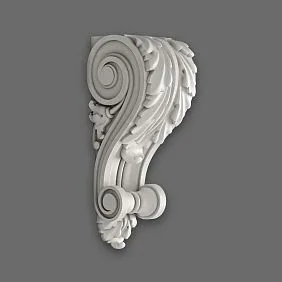
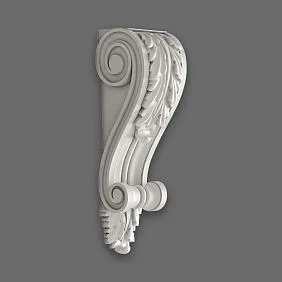
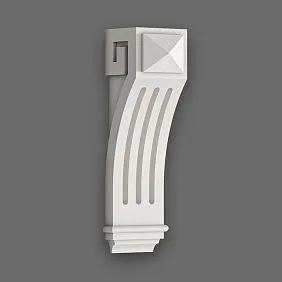
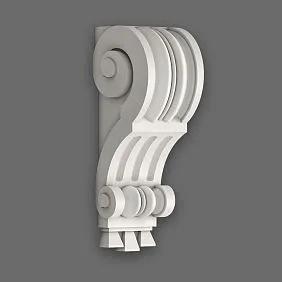
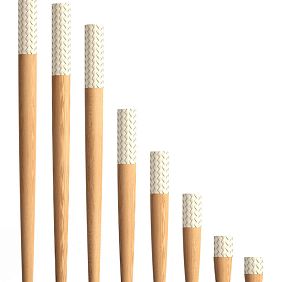
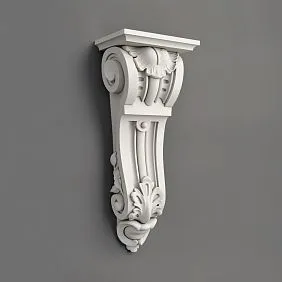
Modern interiors no longer are territories of rigid stylistic dictates — today, design is built on material combinations, each of which reveals the strengths of the other.MoldingsandMoldings made of polyurethanemeetfurniture handlesmade of solid oak,decorative polyurethane elementsThey coexist with carved wooden balusters, creating interiors where practicality does not conflict with aesthetics, and technological sophistication complements natural warmth. In 2026, this alliance reaches maturity — there is no longer a need to choose between the accessibility of polyurethane and the nobility of wood. Thoughtful combination allows one to achieve the best of both worlds.


Philosophy of Material Dialogue
Why exactly polyurethane and wood create such a harmonious tandem? The answer lies in their complementarity — each material compensates for the limitations of the other, enhancing its advantages.




Polyurethane: Technological Perfection
Polyurethane is a high-tech polymer that allows reproducing the most complex forms of classical moldings with jewel-like precision. What requires manual craftsmanship in plaster can be mass-produced in polyurethane, preserving detail while reducing cost by orders of magnitude. The material is lightweight (density 200-400 kg/m³ versus 1200-1400 for plaster), moisture-resistant, does not crack during building settlement, and is easy to cut and install.
Polyurethane ItemsThey can be painted any color, patinated, or gilded — visually indistinguishable from plaster moldings, yet their performance characteristics are incomparable. Polyurethane does not absorb moisture, does not swell, does not rot — ideal for bathrooms, kitchens, and humid areas. It does not attract insects, does not create a nutrient-rich environment for mold, and is hypoallergenic.
Technological efficiency is evident in the simplicity of installation: polyurethane elements are glued with liquid nails or special adhesive, joints are filled with acrylic sealant, and painted with water-based paint. The entire process takes hours, not days, as with plaster. No plastering skills are required — even a non-professional can handle it.
Our factory also produces:


Wood: Living Organic Material
Solid wood embodies opposing qualities — it is a living material with a unique texture of each fiber, tactile warmth, natural scent, and the ability to regulate air humidity. Wood does not feel cold in winter and does not overheat in summer, possesses natural anti-static properties, gracefully ages, acquiring the patina of time.
Wooden interior elements —balusters for staircases, Furniture legs, Handles, Baseboards— create an emotional connection with nature, activate biophilic instincts, reduce stress. Touching wood is pleasant on a subconscious level — it is an evolutionary memory of the forest as a place of safety and resources.
Wood is malleable in processing: it can be cut, turned, and milled, allowing the creation of complex forms. Wood carving — the oldest craft — remains relevant in the age of digital technologies. Each piece made from solid wood is unique — even in mass production, the texture varies, creating individuality.
Get Consultation
Synergy of Opposites
The combination of polyurethane and wood is not a compromise, but a strategy. Use each material where it maximizes its advantages.Moldings made of polyurethaneon ceilings and walls — a practical solution for large areas requiring uniformity. WoodenBaseboardsat floor level — tactile contact, warmth underfoot. Polyurethane rosettes on the ceiling around chandeliers — ease of installation and detail. WoodenFurniture Handles— pleasant touch several times a day.
Visually well-chosen elements create a unified style, where material differences are imperceptible to a non-professional. The key is consistency in profiles, proportions, and colors. If a polyurethane cornice and wooden skirting board have the same profile height, similar element proportions (projections, grooves), and are painted the same color — they are perceived as a single decorative system, regardless of material differences.
Material Zoning: Each Material Has Its Place
The proper distribution of polyurethane and wood across interior zones is based on functionality, load-bearing capacity, and visual logic.
Ceiling: The Kingdom of Polyurethane
The ceiling is the zone where polyurethane demonstrates its maximum advantages. Material lightness is critical: a 150 mm polyurethane cornice weighs 200-300 grams per linear meter, while a similar plaster cornice weighs 3-5 kg. Installation is simplified, wall load is minimal, and the risk of collapse is nonexistent.
Polyurethane moldingson the ceiling may include cornices, rosettes, coffered panels, and beams. Cornices frame the perimeter, hide the junction between wall and ceiling, and create architectural completion. Rosettes around chandeliers enhance the compositional center, adding classical grandeur. Coffer panels divide the ceiling into sections, creating rhythm and depth. False beams imitate wooden structures but weigh dozens of times less.
PolyurethaneMoldingscan be painted any color — white for classic styles, dark for contrast, gold for luxury. Powder coating technology with metallic pigments creates an effect of patinated bronze or aged gold, indistinguishable from real metal.
Walls: Zone of Combination
Walls are the zone where polyurethane and wood meet on equal footing. Here, the principle of vertical zoning applies: the upper part of the wall (closer to the ceiling) is finished with polyurethane elements, while the lower part (closer to the floor) is finished with wood.
Upper tier: polyurethaneMoldingsdivide the wall into sections, create frames for wallpaper or painting, and form a classical architectural system. Placement height — 1.5–2.5 meters from the floor, corresponding to classical proportions (golden section of the wall). Polyurethane is logical here — installation at height requires lightness, and the absence of tactile contact makes the material less critical.
Middle tier: the zone where both materials are possible. Wooden panels (boiserie) create a classic finish, while polyurethane panels imitate wood at a lower cost. The choice depends on budget and tactile preference — if panels are frequently touched (hallways, entryways) — wood is preferable. If visual function dominates — polyurethane is more economical.
Lower tier: woodenBaseboardsframe the floor, hide the gap between floor and wall. Here, wood is preferable: high risk of impacts (vacuum cleaners, furniture) requires durability and repairability (wooden skirting boards can be sanded and repainted). Tactile contact (walking barefoot) makes the warmth of wood pleasant.
Floor: The Monarchy of Wood
Floor is the absolute territory of wood. Polyurethane is not used as flooring (insufficient hardness); here, parquet, solid planks, and engineered boards prevail. Wooden flooring creates tactile comfort, warmth, acoustic damping (mutes footsteps), and visual richness of texture.
Combining wooden flooring with polyurethane ceiling trim creates a vertical contrast: a warm, natural lower level, a light, decorative upper level. This is a classic composition where each material has its place.
Furniture: wood as the base
Furniture elements —Handles, Legs— fronts, countertops — traditionally wooden. Polyurethane is not used here (insufficient strength for load-bearing elements, lack of tactile appeal for handles).Furniture HandlesOak, ash, walnut are pleasant to the touch, durable, and repairable.
However, decorative appliqués on furniture may be polyurethane — carved ornaments, rosettes, garlands that are glued onto cabinet, chest, or buffet fronts. This saves the carver’s time, reduces cost, and allows creating complex classical decorations on modern furniture.
Style Solutions: from Classic to Eclecticism
Neoclassicism: balance of traditions and technologies
Modern classicism — the most accommodating style for combining polyurethane and wood. Both materials are appropriate here, provided proportions, profile unity, and color harmony are maintained.
Ceiling: polyurethane cornice 120–180 mm high with a classic profile (grooves, Ionic, egg-and-dart), painted white or cream. Central rosette 600–800 mm in diameter around the chandelier with acanthus leaves or plant garlands. All elements arepolyurethane— lightness is critical.
Walls: polyurethaneMoldings— create frames (rectangular or square sections), within which wallpaper with a classic pattern or paint is applied. Frame height 800–1200 mm, symmetrically placed. Lower wall section — wooden panels (boiserie) 900–1000 mm high in oak or ash, painted white, gray, or left natural.
Floor: parquet or solid plank in oak, ash, walnut. Around the perimeter — woodenSkirting— 100–150 mm high with a classic profile, matching the floor or contrasting white.
Furniture: classic chests, consoles, cabinets on turned woodenlegs, withwooden handles— with brackets or buttons made of solid wood, possibly with brass inlays. Fronts may be adorned with polyurethane appliqués — carved ornaments, garlands.
Color palette: white, cream, beige for polyurethane; natural wood (light oak, ash) or stained (walnut, wenge) for wooden elements. Gold leafing or patination of polyurethane details may be used to enhance classical luxury.
Scandinavian minimalism: delicate accents
Scandinavian style leans toward minimal decoration, but polyurethane and wood find their place here if used sparingly.
Ceiling: simple polyurethane cornice 40–70 mm high, smooth or with minimal profile (one or two grooves), white. No rosettes, coffered ceilings, or complex shapes. The goal — neatly finish the wall-ceiling junction, no more.
Walls: white or light gray, without molding frames. PossibleWooden planks— on accent walls — vertical planks of light wood (ash, birch, pine) with gaps, creating rhythm and texture. This is pure wood, no polyurethane — Scandinavians value naturalness.
Floor: light wooden parquet or solid plank (white oak, ash, birch), oiled or matte varnished. Skirtingwooden— low (60–80 mm), white, rounded, without complex profile.
Furniture: simple modern furniture in light wood, with minimalisthandles— thin wooden brackets or leather hinges. No polyurethane appliqués — Scandinavians reject imitations.
Color palette: white, light gray, beige for walls and ceiling; natural light wood without staining for floor, furniture, accents. Polyurethane is used minimally and only white.
Classic style: triumph of polyurethane
Classic in its pure form (Empire, Baroque, Rococo recreated today) — territory wherepolyurethane moldingsdominates, making luxurious decor accessible.
Ceiling: high cornices (200-300 mm) with multi-level profiles, central rosettes with diameter 1000-1500 mm with detailed ornamentation (acanthus, garlands, cherubs), coffered ceilings or beams dividing the ceiling into sections. All ofpolyurethanepainted white with gold accents on protruding elements.
Walls: dense gridmoldingcreating rectangular frames, within which damask wallpapers or silk fabrics are used. Additionaldecorative elements— consoles, shelf brackets, garlands above doors, pilasters at corners. All made of polyurethane, white or with patina.
Floor: artistic parquet (palatial layout) made of several wood species, creating an ornamental pattern. Skirtingwoodenhigh (150-200 mm), carved or profiled, matching the floor or white.
Furniture: antique or styled as antique — carved facades, gilding, inlays.Furniture Handlesmade of bronze or brass (rosettes, rocaille shapes),Legscurved carved. Polyurethane appliqués on facades are possible, additionally gilded.
Color palette: white, cream, gold for polyurethane moldings; dark noble wood (walnut, mahogany) for furniture and flooring; rich colors (burgundy, emerald, sapphire) for upholstery and textiles.
Modern eclecticism: freedom of combinations
Eclecticism of 2026 allows mixing styles, eras, materials — but consciously, with balance and taste. Polyurethane and wood here meet unexpectedly.
Ceiling: possible industrial faux beams made of polyurethane, imitating metal or wood, combined with modern lighting fixtures. Or a classic cornice, but painted in an unexpected color (black, graphite, dark blue).
Walls: wooden planks on accent walls (biophilic element) contrast with polyurethane moldings on the opposite wall (classic element). Contrast works if there is a unifying element — for example, color: planks and moldings are painted in the same tone.
Floor: wood (parquet, planks), but combination with tiles in wet zones is possible. Skirting can vary by room: wooden in living areas, polyurethane (water-resistant) in bathrooms and kitchens.
Furniture: mix of modern and vintage — modern sofa alongside antique chest of drawers.HandlesOn old furniture, handles can be replaced with modern wooden ones or vice versa — vintage brass handles placed on modern furniture.
Color palette: any, the key is presence of repeating colors that unify disparate elements into a single composition.
Practical aspects of installation and combination
Unity of profiles and proportions
The main rule for harmonious combination of polyurethane and wood — unity of geometry. If the ceiling polyurethane cornice is 150 mm high, the wooden skirting should be proportionally sized — ideally 100-120 mm (ratio 3:2 or golden section 1.6:1). If the cornice is low (50-70 mm), the skirting should also be low (40-60 mm).
Profiles should match in complexity: a simple smooth cornice requires a simple skirting, a complex multi-level cornice harmonizes with a profiled carved skirting. If the cornice has grooves (vertical channels), it’s good if they repeat in the skirting or door casings.
Moldingson walls andWooden casingson doors should have similar widths — if molding is 60 mm, casing should be 70-80 mm. Visually, they are perceived as a unified framing system.
Color coordination
Color — the most powerful tool for unifying diverse materials. PolyurethaneMoldingsis easily painted — any water-based emulsion paint applies perfectly. Wooden elements can also be painted (covering paints) or stained (transparent stains preserving texture).
Strategy 1: Everything white. Polyurethane cornice is white, wooden skirting painted white, doors white, casings white. Wood loses visible texture, but visual unity is absolute. This is a choice for Scandinavian style, minimalism, light interiors.
Strategy 2: Contrast. Polyurethane white, wood natural (oak, walnut). Contrast works if there is a balance of areas — white should be more (walls, ceiling), wood less (floor, skirting, furniture). This is a classic scheme, elegant and proven.
Strategy 3: Monochrome. Everything is painted in one color — gray, beige, even black. Polyurethane, wood, walls — one tone, with differences only in texture and relief. This is a modern approach, creating an enveloping atmosphere.
Strategy 4: Natural Tones. Polyurethane is painted in wood colors (beige, brown, honey), wooden elements are left natural or stained in a similar shade. Visually, everything looks wooden, though part of it is imitation.
Installation and joints
Polyurethane elements are glued using liquid nails, acrylic glue, or specialized polyurethane glue. The surface must be clean, dry, and degreased. Glue is applied to the back of the element (not to the wall), and the element is pressed for 30-60 seconds. Joints are filled with acrylic sealant, excess is wiped off with a damp cloth. After drying, joints are sanded with fine sandpaper, then everything is painted.
Wooden elements (Baseboards, casings) are mounted using finishing nails (nails without heads) or liquid nails. Corners are mitered at 45° using a miter saw for a perfect joint. Joints (if necessary) are filled with wood-colored putty, sanded, and finished with a finish (varnish, oil, paint).
It is important to follow the sequence: first, polyurethane elements are mounted on ceilings and walls, then wooden elements on the floor. This prevents damage to already installed wood during high-altitude work.
Care and longevity
polyurethane moldingsLow-maintenance: wiped with a damp cloth, not afraid of cleaning agents (except aggressive solvents). Painted surfaces are refreshed with repainting every 5-10 years as needed. Polyurethane does not crack, peel, or require repair for decades.
Wooden elements require slightly more attention.Wooden skirting boardsPeriodically (once a year) wiped with special wood care products (oil, polish). If painted, paint is refreshed upon scratches appearing. If varnished, can be sanded and re-varnished every 10-15 years.
Furniture HandlesWooden surfaces are wiped with soft cloth, avoiding abrasives. Once a year, treated with wood oil — this refreshes the color, protects from moisture, and maintains surface smoothness.
Biophilic design: wood as a natural anchor
Trend of 2026 — biophilic design, integrating natural elements into living space to improve residents' psychological state. Wood is the main tool of biophilia, polyurethane — a technological complement.
Wooden planks: modern classic
Wooden planksOn walls — one of the main trends. Vertical planks of solid pine, oak, ash, installed with 30-50 mm gaps, create rhythm, texture, visual connection with nature (association with trees, trunks, fences). Planks are mounted on a frame (metal or wooden), painted or left natural.
Combining plank walls with polyurethane ceiling decor works if there is a neutral zone between them — a smooth painted wall. Planks create visual complexity, polyurethane — architectural structure; together they must balance with calmness.
Wooden panels and boiserie
Classic wooden panels 900-1200 mm high at the lower part of walls (boiserie) — an element of historical interiors, reviving today. Panels protect walls from damage, create tactile richness, visual warmth. The upper part of the wall above panels can be finished with polyurethanemoldings, creating frames for wallpaper or paint.
This is a classic scheme: wood at the bottom (tactile zone), polyurethane at the top (visual zone). Materials do not conflict, but complement each other functionally.
Solid wood furniture as an emotional center
Solid wood furniture — a table from a single slab, a chest of drawers from oak, a shelving unit from ash — creates an emotional center in the room. Polyurethane decor on walls and ceiling serves as an architectural backdrop, while wood provides a substantive accent.
Furniture Handles, Legs, countertops — all tactile elements must be wooden. This creates a constant microconnection with natural material, activating biophilic reactions.
Frequently asked questions
Can polyurethane molding be combined with wooden baseboard?
Yes, this is a classic combination. Mainly, observe proportions (the height of the cornice and baseboard should be harmonious, approximately 3:2), color unity (either both white or both natural tones), similar profiles (if the cornice is complex, the baseboard should also be profiled).
How to paint polyurethane to look like wood?
Use water-based paint in wood tones (beige, brown, honey) or special textured paints with wood imitation. For realism, apply two to three similar shades with a sponge to create transitions mimicking tree rings. A matte varnish finish enhances the effect.
Which is cheaper — polyurethane or wooden cornice?
Polyurethane is significantly cheaper. A linear meter of simple polyurethane cornice costs 300-800 rubles, wooden cornice — 1500-5000 rubles depending on the species and profile complexity. Plus, installing polyurethane is simpler (does not require carpentry skills), saving on labor.
Can polyurethane moldings be used in the bathroom?
Yes, polyurethane does not fear moisture, does not swell, does not rot. It is an ideal material for humid spaces. Wooden elements in the bathroom are riskier — require quality moisture protection (oil-wax, varnish).
How to choose the color of the skirting board — to match the floor or the doors?
Both approaches are valid. In the tone of the floor, the skirting board visually continues the flooring, expanding the floor area. In the tone of the doors (and door casings), the skirting board becomes part of the architectural system of moldings. For light interiors, white skirting boards are often chosen regardless of the floor color — this visually raises the ceiling.
How long does polyurethane molding last?
For decades. Polyurethane does not degrade over time, does not crack, does not peel off. The only thing that may be needed is repainting every 10–15 years, if the wall color has changed or simply if you want to refresh the interior.
Can a wooden skirting board be painted white?
Yes, any wooden element can be painted. The surface is sanded, primed with acrylic primer, and painted with a covering paint (acrylic or alkyd) in two layers. The wood texture is concealed, but strength and durability are preserved.
Which is more eco-friendly — polyurethane or wood?
Wood is a renewable natural resource; when responsibly managed, its harvesting does not harm the environment. Polyurethane is a synthetic polymer requiring petrochemicals for production. However, modern polyurethane is safe, does not emit harmful substances after curing, and is long-lasting (does not require replacement for decades). Eco-friendliness depends on the entire lifecycle — polyurethane serving 50 years is more eco-friendly than wood requiring replacement every 10 years.
How to join polyurethane cornices at corners?
Corner elements are sold separately — ready-made internal and external corners that are inserted between straight sections. If no corner elements are available, straight sections are cut at 45° using a circular saw or a fine-toothed hacksaw, the joint is glued, and after drying, the seam is filled with acrylic sealant and sanded.
Can polyurethane appliqués be used on wooden furniture?
Yes, this is a popular way to decorate simple furniture. Polyurethane carved elements (decorative polyurethane elements) are glued onto cabinet, chest, or buffet facades using liquid nails, then painted to match the furniture or contrastively (e.g., gilded). This creates the effect of expensive carved furniture at minimal cost.
Conclusion: smart material combination as a philosophy of modern decor
Combinationpolyurethaneand wood in interior design in 2026 — this is not a compromise between price and quality, but a conscious strategy where each material is used where it maximally reveals its advantages.Polyurethane moldingson ceilings and upper wall sections creates an architectural structure, classical grandeur or modern graphics — easily, affordably, and long-lasting. Wooden elements —Baseboards, Furniture Handlesplanks, panels — create tactile warmth, biophilic connection with nature, emotional comfort.
Smart combination requires understanding of proportions, color harmony, functional logic. Polyurethane where lightness and complex forms are needed. Wood where tactile contact and natural authenticity matter. Together, they create interiors that are simultaneously practical, beautiful, long-lasting, and emotionally rich.
Company STAVROS offers a full range of decorative elements for creating harmonious interiors:Polyurethane Items(cornices, moldings, rosettes, coffered ceilings, decorative appliqués) and solid wood elements in oak, ash, beech (Baseboards, Casings, rails, Furniture Handles, Legs, balusters). All items undergo strict quality control, meet European safety and eco standards. STAVROS specialists will help select elements matching in style, proportions, color, and create a unified decor concept from floor to ceiling. By contacting STAVROS, you receive not just materials, but a turnkey solution — from consultation to installation, from classic to avant-garde, from budget projects to exclusive residences. Create interiors where technology serves beauty, and materials complement each other, whereMoldings made of polyurethaneand woodendecorative elementswork in harmony, creating spaces where you want to live.


