












































































Article Contents:
- Polystyrene as a universal material for interior finishing
- History and evolution of polystyrene in decoration
- Advantages of polystyrene over traditional materials
- Technical Specifications and Durability
- Limitations and nuances of application
- How baseboard, cornice, and molding combine in a unified composition
- Principle of stylistic unity
- Scale and proportions of elements
- Rhythm and repetition of motifs
- Color scheme of the system
- Architectural logic: transition from floor to wall to ceiling
- Baseboard as the foundation of the composition
- Molding as the central element
- Cornice as the crown of the composition
- Space between elements
- Creating a cohesive style in classical and modern interiors
- Classical interior: Baroque and Empire
- Classical interior: Classicism and Neoclassicism
- Modern styles: Minimalism and Scandinavian
- Eclecticism and modern classicism
- Practical schemes for combining profiles
- Scheme for a standard apartment: 2.7 m ceiling
- Scheme for a spacious room: 3+ m ceiling
- Scheme for a modern loft
- Scheme for a child's room
- Mistakes in selecting decorative elements and how to avoid them
- Mismatched Scale
- Stylistic eclecticism without a concept
- Ignoring the architecture of the room
- Incorrect color choice
- Cutting corners on material quality
- Painting and Finishing Tips for Decorative Systems
- Surface Preparation for Painting
- Paint selection and application technique
- Decorative painting techniques
- Care for Painted Systems
- Integration of Lighting
- Frequently Asked Questions
- Conclusion

Interior design is like a musical composition — its beauty arises from the harmonious combination of individual elements into a unified composition. You can buy the most expensive furniture, use exclusive finishing materials, but without architectural completeness, the space will remain a disjointed collection of objects. The secret to a cohesive, professionally looking interior lies in details often unnoticed by the untrained eye. These are decorative elements that unify the floor, walls, and ceiling — baseboards, cornices, and moldings.
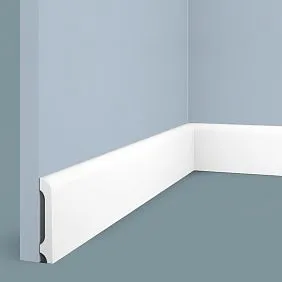
Modern technologies have gifted designers and ordinary people a unique material — polystyrene. Lightweight, strong, easy to process, and affordable, it has democratized classical decor, making elegant moldings a reality for any interior. Todaypolystyrene baseboard, Polystyrene Corniceand wall moldings create an architectural system capable of transforming the most ordinary room.
In this detailed guide, we will reveal the philosophy and practical aspects of creating a unified decorative system using polystyrene elements. You will learn how to properly combine profiles of different types, what architectural composition rules exist, how to avoid typical mistakes when selecting and installing. We will show proven schemes for classical and modern interiors, share secrets of professional designers, explain finishing details. Regardless of whether you are creating a luxurious classical interior or a minimalist modern space, understanding the principles of working with decorative elements will open new possibilities for you.


Polystyrene as a universal material for interior finishing




History and Evolution of Polystyrene in Decoration
Polystyrene burst into the world of architectural decoration in the middle of the last century, causing a true revolution. Before its appearance, moldings remained a privilege of palaces and mansions — heavy plaster elements required professional craftsmanship for creation and installation, were expensive, and their installation was a complex and lengthy process. Wooden baseboards and cornices also were not accessible, and their production depended on the availability of quality wood.
A synthetic polymer obtained from styrene, initially used in industry for packaging and insulation. But soon designers and architects appreciated its decorative potential. The material is easily molded, accurately reproduces the most complex ornaments, weighs dozens of times less than plaster, is not afraid of moisture. Extrusion technology allowed creating profiles of any complexity with perfect repeatability — what used to take hours to hand-mold, is now produced on machines in minutes.
The first polystyrene decorative elements were far from perfect. The material crumbled, yellowed in the sun, had a rough surface. But technologies rapidly improved. Modern polystyrene for architectural decoration is a high-tech product with enhanced characteristics. Increased material density ensures strength, special additives protect against ultraviolet radiation, precision extrusion guarantees ideal geometry.
TodayPlinth cornices from polystyrene foamIt is available in thousands of variations — from simple geometric forms to baroque opulence with detailing indistinguishable from hand-carving. Collections from leading manufacturers include profiles for any style: classic, neoclassic, baroque, rococo, art deco, modern, minimalism, loft. The versatility of polystyrene allows creating both historically accurate interiors and bold modern spaces.
Our factory also produces:


Advantages of Polystyrene over Traditional Materials
Weight — the first and most obvious advantage. A polystyrene cornice two meters long weighs a few hundred grams, while a similar plaster one weighs dozens of kilograms. This dramatically simplifies transportation, loading-unloading, lifting to the floor, and installation. One person can easily install polystyrene elements, whereas plaster moldings require a team. The low weight also reduces load on walls and ceilings, which is especially important for drywall structures.
Ease of processing opens opportunities for self-installation. Polystyrene is easily cut with a regular hacksaw or even a sharp knife, does not require special tools. Adjusting angles, creating joints, correcting length — all these operations are performed without professional skills. Plaster, however, requires special tools, experience, and the precision of a master’s hand. Wood is also fussy — you need a circular saw, a miter box, and carpentry skills.
Resistance to moisture makes polystyrene a universal material for any room.The ceiling molding creates a frame around the perimeter. Between them is a smooth ceiling surface. This scheme suits rooms of any size and is universally stylish. It is important to correctly choose the proportions — the rosette should not be too large relative to the room's perimeter.It can be safely installed in bathrooms, kitchens, even in unheated rooms. The material does not absorb water, does not swell, does not deform from humidity. Plaster is hygroscopic, loses strength and breaks down in humid environments. Wood warps from moisture, requiring special protective treatment.
Cost — an argument that often becomes decisive. Polystyrene elements cost 5-10 times less than plaster analogs and 3-5 times less than wooden ones. At the same time, visually, quality polystyrene after painting is practically indistinguishable from traditional materials. The savings allow using decorative elements on a large scale, without being limited to modest accents.
Get Consultation
Technical characteristics and durability
The density of modern architectural polystyrene ranges from 25-35 kg/m³ for standard products and up to 50 kg/m³ for impact-resistant ones. This is an optimal balance between lightness and strength. Too low density makes the material brittle and fragile, too high density adds weight and increases cost. Quality polystyrene is elastic, withstands moderate mechanical loads without deformation.
Operating temperature range is wide — from -40°C to +70°C. This means that polystyrene decoration is suitable for any climate, from hot south to cold north. The material does not become brittle in cold, does not soften in heat. Short-term temperature spikes (up to +80°C) are also not critical. However, direct contact with heat sources is undesirable — polystyrene begins to deform at temperatures around +90°C.
The durability of properly installed polystyrene decoration is 20-30 years and more. The material does not rot, does not develop mold, insects do not infest it. Aging manifests as slight yellowing of white polystyrene, but painting completely solves this problem. Painted with quality paintPolystyrene moldingserves for decades without losing its appearance.
The ecological safety of polystyrene is confirmed by numerous studies. The material is chemically inert, does not emit harmful substances under normal operating conditions. It has no odor, does not cause allergies, is safe for children and animals. The only limitation — when heated above 100°C, thermal decomposition begins with the release of styrene, so polystyrene cannot be used near open flames and hot surfaces.
Limitations and Nuances of Application
Mechanical strength of polystyrene is limited. The material does not withstand strong impacts, deep scratches, point loads. This must be considered when placing decorative elements. In high-traffic zones, where accidental impacts are possible (narrow corridors, passageways), it is better to install impact-resistant profiles or place decoration above the risk zone. For children’s rooms and play areas, it is also recommended to use material with increased density.
Flammability — a serious limitation of standard polystyrene. The material belongs to the flammability class G3-G4 (normally highly flammable materials). When exposed to open flame, polystyrene melts, burns, releasing toxic products. There are self-extinguishing grades with additives of flame retardants (class G1-G2), but they are more expensive. When designing, consider fire safety requirements — polystyrene should not block evacuation routes, nor create hidden cavities where fire can spread.
Sensitivity to certain chemicals requires caution. Solvents (acetone, white spirit, some lacquers and solvent-based paints) destroy polystyrene, literally dissolving it. Use only water-based and acrylic paints, water-based adhesives, or specially designed for polystyrene. Before applying a new composition, test it on a material scrap.
Low resistance to ultraviolet radiation is characteristic of unprotected polystyrene. Under direct sunlight, white material gradually yellows and becomes brittle. Painting creates a protective layer preventing UV radiation exposure. If polystyrene elements are installed in rooms with large windows on the sunny side, be sure to paint them with quality paint containing UV filters.
How baseboards, cornices, and moldings combine into a unified composition
Principle of Stylistic Unity
The first and main rule for creating a cohesive decorative system is the stylistic unity of all elements.wall molding polystyreneThe baseboard and cornice must belong to the same collection or have a similar decorative character. It is not possible to combine an ornate baroque cornice with a minimalist smooth baseboard — such eclecticism looks ridiculous and destroys the integrity of the space.
Professional manufacturers produce coordinated collections where baseboards, cornices, and moldings are designed as a single system. They share common decorative motifs, identical relief character, and comparable ornamentation saturation. Using elements from one collection is the simplest and most reliable way to achieve harmony. You do not need to be a professional designer to obtain a stylistically balanced result.
However, strict adherence to one collection is not required if you understand the principles of combination. Classical profiles with vegetal ornamentation can be combined with each other, even if taken from different collections. The key is to maintain a balance in the ornamentation saturation. If the cornice has a rich, complex relief, the baseboard can be simpler but in the same style. Excessive ornamentation of all elements simultaneously overloads the interior.
Minimalist profiles are more tolerant of mixing. Simple geometric shapes easily combine with each other, even if taken from different manufacturers. Rectangular, triangular, and semi-circular cross-sections can be combined freely. Here, it is more important to observe proportions — the width of the profiles and their projection from the surface. A too massive cornice with a thin, unexpressive baseboard will create imbalance.
Scale and proportions of elements
The second principle — proportionality of elements to each other and to the room. All decorative elements must be proportionally scaled. A wide, massive cornice requires a correspondingly expressive baseboard. A slender, elegant baseboard harmonizes with a light, medium-width cornice. Violating this balance creates visual discomfort.
Classic proportion formula: if the cornice has a width of 12–15 cm, the baseboard should be 8–12 cm, wall moldings — 6–10 cm. The ratio is approximately 1:0.7:0.5. This is not a rigid rule, but a good starting point. In spacious rooms with high ceilings, you can use more massive profiles. In compact rooms, it is better to be restrained, choosing thinner elements.
The height of the room dictates the scale of decoration. In standard apartments with ceilings of 2.5–2.7 meters, optimal cornice widths are 8–12 cm, baseboards 7–10 cm, moldings 5–8 cm. In rooms with ceilings 3 meters and higher, you can use larger profiles: cornices 12–18 cm, baseboards 10–15 cm, moldings 8–12 cm. Too large decoration in a low room visually 'presses' down, reducing the sense of space.
The area of the room also affects the choice of sizes. In a small room, massive profiles will occupy disproportionately large visual space. In a huge hall, thin elements will disappear, failing to create the desired effect. Golden rule: the larger the room, the larger the decorative elements can be. But it is important not to overdo it — even in a large space, excessively massive decoration may look crude.
Rhythm and repetition of motifs
The third principle — creating visual rhythm through repetition of decorative motifs. If the cornice has an acanthus leaf ornament, the baseboard may contain a simplified version of the same motif. Wall moldings pick up this theme, creating a connection between elements. Such repetition unifies the space, creating a sense of thoughtfulness and completeness.
Rhythm does not mean literal copying. On the contrary, variation while preserving the general theme is important. The cornice may have a large, complex ornament, the baseboard — medium-sized and simplified, moldings — a very minimal hint of the main motif. This play of scales creates visual dynamics, preventing decoration from appearing monotonous.
In modern interiors, rhythm is created through repetition of geometric forms. If a cornice with a triangular profile is used, this theme can be supported by triangular elements in moldings or the baseboard shape. Or conversely — contrast: a rounded cornice combined with rectangular moldings, creating a balance of soft and hard lines.
The rhythm step is determined by the room’s architecture. In classical interiors, repeating molding panels on walls create a regular rhythm. The distance between them and their sizes are mathematically related to the cornice width and baseboard height. Such meticulousness is characteristic of historical interiors and creates a sense of aristocratic refinement.
Color solution of the system
Traditional approach — all decorative elements are painted in one color, usually white. This is a classic solution that works reliably. White cornices, baseboards, and moldings on colored walls create a clear graphic structure, emphasize architecture, and do not draw attention to themselves. Such decoration is universal and matches any wall and furniture color scheme.
Contrasting coloring — a bolder solution. Decorative elements are painted in a color contrasting with the walls. Dark moldings on light walls create expressive graphics. Light elements on a dark background look elegant and airy. The key is to maintain unity: if the cornice is dark, the baseboard and moldings should also be dark. Color mismatch disrupts the system.
Tone-on-tone — a refined solution for modern interiors. Decorative elements are painted in the wall color, but slightly lighter or darker. This creates a barely perceptible relief, a play of shades instead of contrast. This approach emphasizes volume while preserving calmness and spatial integrity. It looks especially effective in monochromatic interiors.
Accent coloring is used when you need to highlight a specific zone. For example, the cornice and baseboard in the main zone are white, while in the accent zone (fireplace area, niche, alcove) — gold or colored. This requires a delicate sense of proportion. Moldings framing the accent zone are also painted in the accent color, creating a complete composition. Other moldings remain neutral.
Architectural logic: transition from floor to wall to ceiling
Baseboard as the foundation of composition
The baseboard is the foundation of the decorative system, literally and metaphorically. It hides the junction between floor and wall, masks imperfections, protects the lower part of the wall from dirt and damage. But its main role — creating a visual foundation, a platform on which the entire vertical composition of the interior is built. A massive, stable baseboard gives a sense of reliability and solidity.
The height of the baseboard determines the character of the interior. Low baseboards (5–7 cm) create a light, modern feeling, visually not reducing the room’s height. Medium (8–12 cm) — a universal option for most interiors, balancing expressiveness and restraint. High (15–20 cm and above) are characteristic of classical interiors with high ceilings, creating monumentality and emphasizing the space’s status.
The profile of the baseboard affects perception. Flat, wide baseboards are modern and minimalist. Profiles with pronounced relief are classical and decorative. Baseboards with a recess in the middle (reglet) create a play of light and shadow, visually lightening a massive profile. Rounded baseboards are soft and cozy, angular ones — strict and graphic.
The material of the baseboard’s visible surface may differ from the walls. Often, baseboards are painted in the color of doors and window casings, creating a unified carpentry system. Or in the color of the floor, visually continuing it onto the wall and creating a sense of a high plinth. White baseboards are universal and suitable for any finish. Wooden (or wood-imitating) ones create warmth and coziness, especially when combined with parquet.
Molding as a central element
Wall moldings occupy an intermediate position between the baseboard and cornice, linking them into a single system. A horizontal molding at one-third or half the wall height creates architectural division, visually structuring the space. This is a classic technique known since ancient times. The wall is divided into plinth and main part, each of which may have its own finish.
Vertical moldings create rhythm, dividing the wall into panels. The distance between vertical elements is determined by room proportions and should be related to other measurements: baseboard height, cornice width, door and window opening sizes. The classic ratio of panel width to height is 2:3 or 3:5 (golden section). Such proportions are perceived as harmonious at a subconscious level.
Molding frames create wall structure, transforming a flat surface into an architectural composition. Inside the frames, another finish may be applied: patterned wallpaper on solid walls, contrasting paint, decorative plaster. Or conversely — frames simply accentuate fragments of uniform finish, creating volume and depth. Such a technique visually enriches even the simplest finish.
The thickness of moldings should be less than the baseboard and cornice. Too bulky wall moldings will compete with the baseboard for the role of foundation or with the cornice for the role of crown. Ideally, moldings should be about half the thickness of the baseboard. For example, baseboard 10 cm, cornice 12 cm, moldings 5-6 cm. This proportion creates a visual hierarchy of elements.
Cornice as the crown of composition
The cornice completes the vertical composition, crowning the wall and creating a transition to the ceiling. It is the most noticeable decorative element, attracting attention first. The cornice should be more expressive than the baseboard, but not so bulky as to visually 'press' on the space. Its role is to elegantly complete the composition, not to dominate it.
The width of the cornice is determined by the ceiling height. For standard apartments with ceilings 2.5-2.7 m, the optimal width is 8-12 cm. A wider cornice visually lowers the ceiling. In rooms with high ceilings (3 m and above), cornices 12-18 cm and wider can be used. A massive cornice in a high room emphasizes the grandeur of the space, creating a sense of solemnity.
The projection of the cornice from the wall (profile depth) is important for playing with light and shadow. A deep relief creates expressive shadows, visually separating the cornice from the ceiling. A flat cornice appears as a graphic line. Classical cornices have complex stepped profiles with multiple levels of projection. Modern ones may be simple but with clear geometry.
The decoration of the cornice is usually the most elaborate compared to other elements of the system. Ornaments, rosettes, modular units, teeth, beads — the entire arsenal of classical architectural moldings is concentrated on the cornice. The baseboard and moldings pick up these motifs in a simplified form. This distribution of decorative elements is logical: the cornice, located at eye level upon entering the room, deserves maximum attention.
Space between elements
The gaps between decorative elements are as important as the elements themselves. A clean wall between the baseboard and horizontal molding, between the molding and cornice — this is not emptiness, but intentionally left space for finishing. Too frequent division overloads the interior, turning it into a glaring set of details. The space between elements gives the eye a rest.
Classic division scheme: the baseboard occupies the lower sixth of the wall height, the horizontal molding is installed at one-third height, the cornice in the upper sixth. Thus, about two-thirds of the wall height remains free for main finishing. This is a balanced composition, tested over centuries. Deviations are possible, but must be justified.
Horizontal division of the wall is undesirable in rooms with low ceilings. It visually cuts the height, making the ceiling appear even lower. In such cases, it is better to limit oneself to baseboard and cornice, leaving the wall intact. Or use only vertical moldings, creating an illusion of greater height. Horizontal lines are contraindicated when visually 'raising' the ceiling is needed.
The color and texture of the gaps between elements — a field for creativity. Monochromatic coloring creates a calm background for the decorative system. Patterned wallpaper adds complexity and richness. Decorative plaster introduces texture and depth. Contrasting colors in different zones (above and below the horizontal molding) create a dramatic effect. The key is to maintain balance, not allowing finishing to compete with architectural decoration.
Creating a unified style in classical and modern interiors
Classic interior: Baroque and Empire
Baroque — the apotheosis of ornamentation, where more is better. Baroque interiors feature wide, bulky cornices (15-20 cm) with rich relief: acanthus leaves, volutes, cartouches, putti. Baseboards are correspondingly high (12-18 cm) with repeating motifs. Moldings are heavily decorated, creating complex wall panels with multiple levels.
Baroque color scheme leans toward gilding. White decorative elements with gilded accents on protruding parts of the ornament create luxury and grandeur. An alternative is patination: white base with gray or brown shadows in recesses, imitating noble antiquity. Pure white for Baroque is too neutral; it requires a play of tones.
Empire is stricter than Baroque, but no less monumental. Cornices (12-15 cm) are adorned with symmetrical ornaments: meander, palmettes, laurel wreaths, heraldic elements. Baseboards (10-15 cm) with clear geometric profiles. Moldings create symmetrical compositions, often including round medallions or diamond-shaped panels. Strictness and symmetry — key features.
Color for Empire — white with gold or white with bright accents (red, blue, green). Gilding is more restrained than in Baroque, accentuating key elements. Popular scheme: white decorative elements, within molding panels — colored wallpaper or fabric inserts. Grandeur and parade without Baroque excess.
Classic interior: Classicism and Neoclassicism
Classicism values harmony, proportions, restraint. Cornices (10-14 cm) with strict classical profiles: capital, shelf, scroll, beads. Ornament is regular, symmetrical, not overloaded. Baseboards (8-12 cm) with simple but expressive profiles. Moldings create rectangular panels in golden section proportions.
Color scheme is minimalist: white, rarely cream or light gray. Gilding is used extremely sparingly, if at all. Emphasis on purity of lines and correctness of proportions, not ornamentation. Walls within panels may be painted in pastel tones: blue, pink, pistachio, creating soft elegance.
Neoclassicism — a modern interpretation of classical principles. Cornices and baseboards are thinner (8-10 cm), ornament simplified to hints of classical motifs. Moldings create clear geometry without excess. Color palette expands: grays, beige, even dark tones are acceptable. Key is maintaining proportionality and symmetry.
Neoclassicism combines beautifully with modern materials and technologies. LED lighting hidden behind the cornice creates a floating ceiling. Moldings frame modern panels, TVs, artworks. Classical forms are filled with modern content, creating a current, yet not lacking historical depth, interior.
Modern styles: Minimalism and Scandinavian
Minimalism rejects ornamentation, but does not abandon architectural clarity. Cornices (5-8 cm) are extremely minimalist: rectangular or triangular section without ornament. Baseboards (5-7 cm) are simple, often hidden installation, creating a floating wall effect. Moldings are used rarely, only for zoning, extremely thin (2-4 cm).
Color — pure white or matching wall tones. Contrast is created not by ornament, but by color: white elements on dark walls or vice versa. No gilding, patina, unnecessary details. Beauty lies in line purity, angle precision, flawless execution. Any carelessness in minimalism is noticeable, so requirements for installation quality are maximal.
Scandinavian style is softer than minimalism, allows more coziness. Cornices and baseboards (6-10 cm) have simple forms, but more expressive than in minimalism. White color dominates, creating light and space. Moldings are used to create accent zones: framing a bed headboard, highlighting a dining area, decorating a fireplace.
Textures play a major role in Scandinavian style. Smooth white decorative elements contrast with textured walls: brickwork, wooden panels, rough plaster. This contrast between refinement and natural simplicity creates the character of Scandinavian interiors. Polystyrene is ideal here: its smoothness highlights the texture of other materials.
Eclecticism and modern classic
Eclecticism consciously mixes elements of different styles, creating unique interiors. Here, a classical cornice may combine with minimalist moldings, a Baroque baseboard — with modern graphic wall finishes. Key is to maintain balance and avoid chaos. Need a unifying element: color, scale, repeating motif.
Color unity — the simplest way to unite stylistically different elements. All decorative elements are painted the same color (usually white), regardless of ornament differences. A single color neutralizes stylistic diversity, creating visual connection. On a neutral color background, differences in shape are perceived not as contradiction, but as an interesting play.
Scale unity also works. Elements of different styles are selected so that their size, projection from surface, and decoration intensity are comparable. Then variety of forms enriches the interior without destroying its integrity. This requires a refined sense of measure and designer experience, but the result can be impressive.
Modern Classic - a popular direction combining classical forms with contemporary aesthetics. Recognizable classical elements are used, but simplified and devoid of excessive ornamentation. Cornices retain the order profile, but without fine details. Moldings create panels, but more concise ones. The color palette is more modern: gray, beige, graphite tones instead of traditional white with gold.
Practical schemes for combining profiles
Scheme for a standard apartment: 2.7 m ceiling
For a standard apartment with 2.7-meter ceilings, the following system is optimal: baseboard 8-10 cm high, cornice 10-12 cm wide, wall moldings 5-7 cm. These proportions create expressiveness without overloading the space. Baseboard and cornice are selected from the same collection with a coordinated medium-saturated ornament.
Horizontal wall division in such an apartment is undesirable — it visually lowers the already low ceiling. It is better to use only vertical moldings or frames, creating an illusion of height. If a horizontal element is still desired, place it high, at the level of two-thirds of the wall height, not in the middle.
Color solution: white cornice and baseboard, moldings also white or matching wall color. If walls are dark, white decor will create a clear contrast. If walls are light, consider decor in a tone lighter or darker than walls to create a refined relief. Bright contrasting colors in a small space are not recommended.
Molding placement: vertical elements with a 80-100 cm spacing will create rhythmic wall division. Within the formed panels, you can place wallpaper with a pattern or paintings. Alternatively, create one or two large panels on an accent wall, leaving other walls free. Moderation is the key to success in a small space.
Scheme for a spacious room: 3+ m ceiling
High ceilings allow using more substantial elements: baseboard 12-15 cm, cornice 14-18 cm, moldings 8-12 cm. Rich decor is appropriate here and does not overload the space. You can choose classical profiles with a saturated ornament, creating grandeur and majesty.
Horizontal wall division is not only permissible but recommended. A molding at 80-100 cm from the floor divides the wall into plinth and main part. The plinth can be painted darker or covered with large-pattern wallpaper. Such division structures the high wall, making its scale more human-sized.
Vertical moldings create regular panels around the entire room perimeter. Classic spacing — every 120-150 cm. Inside panels — wallpaper, fabric, decorative painting, or simply contrasting paint. Symmetry is important: panels should be the same size, and their placement should be mirror-symmetric relative to the room’s axis.
Color solution can be bolder. Gold on protruding elements of cornice and baseboard will create luxury. Or a contrasting scheme: dark (black, graphite) decorative elements on light walls. In a spacious room, such contrast does not appear oppressive but highlights architecture. The key — unity: all elements in one color.
Scheme for a modern loft
Loft traditionally minimizes decor, but moderate use of minimalist profiles adds completeness. Baseboard is extremely simple, 7-10 cm, rectangular cross-section. Cornice may be absent entirely or very thin (5-7 cm), creating a clear line between wall and ceiling. Moldings — only functional, for zoning.
Decor color in a loft is often dark: black, graphite, dark gray. This contrasts with brick or concrete walls, emphasizing industrial aesthetics. White color is also possible, especially if walls are dark. The key — avoid classical ornaments and gilding, as they contradict loft aesthetics.
Moldings are used selectively: framing kitchen zones, defining sleeping areas in studios, decorating entry zones. There is no need to cover all walls with moldings — in a loft, spaciousness and freedom are valued. Decorative elements — accents structuring space, but not dominating it.
Material combination: polystyrene elements combine with metal, wood, brick. Thin black baseboard against brick wall, minimalist cornice between concrete and wooden ceiling beams. Polystyrene here acts as a neutral element, highlighting the texture of primary materials.
Scheme for a child’s room
A child’s room requires a special approach: decor must be safe, easy to maintain, age-appropriate. For young children, choose simple profiles without small protruding details that are easy to break. Baseboard 7-10 cm, cornice 8-12 cm, moldings are moderately used to create thematic zones.
Color solution can be playful. Bright colors (blue, pink, lime, yellow) for baseboard and cornice will create a cheerful mood. Or white decor with colored inserts within molding frames. Moldings can frame drawing zones (chalkboard), reading zones (bookshelf), sleeping zones (headboard).
Impact-resistant profiles in a child’s room — not luxury, but necessity. Children are active, play, and may accidentally hit the wall with toys. Material of increased density withstands such impacts. Painting with quality washable paint simplifies cleaning — children’s hands leave marks everywhere.
As the child grows, decor can be updated. Bright playful colors for a toddler are replaced with calmer tones for teenagers. Thematic panels give way to minimalist zoning. Polystyrene’s versatility allows easily repainting elements, adapting the interior to changing needs.
Mistakes in selecting decorative elements and how to avoid them
Mismatch in scale
The most common mistake — choosing elements of incompatible scale. A massive wide cornice (15 cm) combined with a thin unexpressive baseboard (5 cm) creates imbalance. The upper part of the room looks heavy, the lower part — unfinished. The reverse situation — a powerful high baseboard with a thin cornice — is also unattractive, creating an impression of an inverted pyramid.
Solution: maintain a proportion of approximately 1:0.7 between cornice width and baseboard height. If cornice is 12 cm, baseboard should be around 8-9 cm. Deviations are allowed, but no more than 20-30% from this proportion. Moldings should be thinner than both: if cornice is 12 cm, baseboard 9 cm, moldings 6-7 cm.
When purchasing, bring samples home and attach them to the wall side by side. Assess how they look together. A significant scale difference will be immediately noticeable. Don’t hesitate to return to the store and exchange the profile if proportions don’t suit. It’s better to spend time selecting than to live with a disharmonious interior.
Stylistic eclecticism without a concept
Attempting to combine a baroque cornice with minimalist moldings and modern baseboard is doomed to failure. Without a clear design concept unifying disparate elements, the result appears random and unthoughtful. Stylistic mixing works only in the hands of an experienced designer who understands how to connect incompatible elements.
Solution: without designer experience, stick to one style. Choose elements from the same manufacturer’s collection or profiles of similar character. Classic with classic, modern with modern, minimalism with minimalism. This guarantees a harmonious result without the risk of stylistic chaos.
If you still desire eclecticism, use a unifying element. A single color for all decorative elements neutralizes differences in ornamentation. Or choose one expressive element (e.g., an ornate cornice) and complement it with as neutral a baseboard and moldings as possible. The contrast between one complex and the rest simple elements creates an interesting composition without chaos.
Ignoring the architecture of the room
Installing decorative elements without considering architectural features is a common mistake. A molding frame crossing a door or window opening looks ridiculous. A cornice passing through a ventilation grille or light fixture creates technical problems. A baseboard pressing against a radiator is a sign of poor planning.
Solution: before purchasing materials, create a detailed plan. Mark the locations of all doors, windows, switches, outlets, lights, ventilation grilles, and radiators. Draw a layout of decorative elements, taking into account these obstacles. Place molding frames between openings, avoid utilities, plan breaks in baseboards where radiators are installed.
Digital modeling helps avoid errors. There are simple interior visualization programs where you can virtually place all elements and evaluate the result before purchasing. This is especially useful for complex projects with many moldings. Seeing the whole picture allows you to adjust the plan before spending money and time.
Incorrect color choice
Color errors ruin even perfectly shaped decorative elements. Decorative elements of one color, walls of another, doors of a third, ceiling of a fourth — such multicoloredness creates chaos. Or the opposite extreme: everything in one color, lack of contrast makes decoration invisible, losing the entire purpose of its installation.
Solution: determine the color scheme before starting work. Classic approach — white decorative elements, colored walls, white ceiling. This is a proven, reliable scheme. Modern approach — decor in wall color, but slightly lighter or darker, creating subtle relief. Bold approach — contrasting decor (black on white, white on gray), requiring confidence.
Use color charts to accurately match shades. Paint samples of decorative elements and attach them to the wall under different lighting conditions. Color changes depending on lighting — something that looks good during the day may disappoint under artificial light. Check combinations at different times of day before finalizing your decision.
Saving on material quality
Trying to save money by purchasing cheap moldings of unknown origin often ends in disappointment. Low-quality polystyrene crumbles when cut, deforms during transport, has inaccurate geometry. Relief is blurred, ornament details are unclear. Attempting to install such material becomes a torment, and the result looks pitiful.
Solution: do not economize on materials. The price difference between budget and quality profiles is usually 20-40%, but the quality difference is enormous. Purchase products from reputable manufacturers. Inspect each profile before buying: surface should be smooth, relief clear, geometry correct.
Quality material saves time and nerves during installation. It cuts easily without chips, fits precisely in corners, holds securely on walls. Paints evenly and does not yellow over time. Saving on material results in lost time, ruined nerves, and a result you want to redo. Better to buy less, but of good quality.
Painting and finishing tips for decorative systems
Surface preparation for painting
Even high-quality polystyrene elements require preparation before painting. After installation, inspect the entire system: baseboards, cornices, moldings. Check joints — gaps must be sealed with acrylic sealant. Areas where fasteners were installed (if nails or screws were used) should be spackled. Allow sealant and spackle to dry completely — usually 4-8 hours.
Sanding spackled areas is necessary for smoothness. Use fine-grit sandpaper (P220-P280), sand in circular motions until fully even. Goal — make the repair area indistinguishable from the original surface. After sanding, remove all dust with a soft brush or vacuum cleaner. Dust reduces paint adhesion and finish quality.
Priming is a mandatory step that many skip, mistakenly considering it optional. Water-based acrylic primer creates an even base, improves paint adhesion, reduces paint consumption, and equalizes material absorption. Apply primer in a thin layer with a brush or small roller. For relief elements, a brush is preferable — it will prime all recesses.
Protecting walls, ceilings, and floors from paint saves time on cleaning. Apply painter’s tape along decorative elements on both sides, pressing edges tightly. Cover the floor with plastic sheeting or newspapers. Do not neglect protection — removing dried paint from wallpaper or floors is difficult. One hour of surface protection saves several hours of cleaning later.
Paint Selection and Application Technique
Only water-based paints are suitable for polystyrene: water-emulsion, acrylic, latex. They contain no solvents that damage polystyrene, dry quickly, have no strong odor, and are safe. Oil-based paints and solvent-based enamels are strictly prohibited — they dissolve the material.
Paint texture affects the perception of decor. Matte paint creates a noble velvety surface, hides minor defects, does not reflect glare. This is the best choice for classic interiors. Semi-gloss paint has a slight silk-like sheen, highlights relief, and is easier to clean. Gloss paint creates a bright shiny surface, but emphasizes all flaws — use it only on perfectly prepared surfaces.
The first layer of paint should be thin, almost transparent. Its purpose — to create a base for subsequent layers. Apply with a brush for relief areas, a roller for smooth surfaces. Brush strokes — along the element, without lifting. Do not attempt to cover the surface with one layer — this will result in streaks and unevenness.
Second and third layers are applied after the previous layer has fully dried. Drying time is indicated on the paint packaging — usually 2-4 hours. Each layer is applied perpendicular to the previous one for better coverage. The final layer should be as thin and even as possible. Three thin layers yield better results than two thick ones.
Decorative painting techniques
Patina gives decor a noble vintage look. Base layer — white or cream paint. After drying, apply dark paint (gray, brown, umber) with a sponge or brush, not covering the entire surface evenly. While the paint is still wet, partially rub it off with a damp cloth. Dark pigment remains in the recesses of the relief, creating a patina effect.
Gilding adds luxury to classic interiors. Apply a fully dried white base layer. Then, using a dry brush, apply gold paint only to raised parts of the ornament. Dry brush technique: dip the brush into paint, wipe almost dry on paper, then gently stroke raised areas. Gold settles in a thin layer, not fully covering the relief.
Two-tone painting creates contrast between the main surface and details. Paint the entire element with a base color. After drying, carefully paint recesses or raised areas with a contrasting color using a fine brush. This is meticulous work, but the result is impressive — decor gains volume and expressiveness.
Wood effect is achieved with special textured paints. Modern acrylic formulations mimic wood texture on any surface. Apply a base layer of wood tone, then use a special comb or sponge to create fiber texture. After drying, cover with clear varnish for protection. Polystyrene baseboard becomes indistinguishable from real wood.
Care for painted systems
Painted decorative elements require minimal care. Regular dry cleaning with a soft cloth or brush removes dust. Once a week, wipe smooth surfaces; clean relief areas with a soft brush every two weeks. Dust accumulates faster and more noticeably in ornament recesses.
Wet cleaning is permissible for painted elements. Use a slightly damp cloth with mild detergent. Do not soak decor excessively — water may penetrate joints and weaken adhesive bonds. Wipe with a damp cloth — immediately dry thoroughly. For relief elements, use a soft brush soaked in soapy water.
Repainting may be required every 5-7 years depending on usage conditions. Signs of needing repainting: yellowing of white paint, wear in frequently touched areas, stains that cannot be washed off. Repainting can be done directly over old paint after light sanding and degreasing. New paint refreshes the interior without dismantling elements.
Local paint repair is performed for minor damage. Carefully sand, prime, and paint the scratch or scuff with a fine brush. Use the same paint as the entire system. Blend the repair edges to make the area invisible. Store leftover paint for future use.
Integration of lighting
A modern trend is hidden lighting behind the cornice. An LED strip mounted on the wall behind the cornice creates a floating ceiling effect. Light reflects off the ceiling, softly diffusing throughout the room. It is not only beautiful but also functional — additional lighting makes the space cozier.
To integrate lighting, the cornice must be set back from the ceiling by at least 5-7 cm. The LED strip is mounted on the wall slightly above the top edge of the cornice. Wiring is concealed behind the cornice. The power supply is placed in an accessible location for maintenance. Warm white light (2700-3000K) creates a cozy atmosphere, while cool (4000-5000K) gives a modern feel.
Molding lighting creates a dramatic effect. Spotlights or LED strips installed above or below molding frames create play of light and shadow. Decorative relief is emphasized by lighting, appearing more three-dimensional. Especially effective in classic interiors with rich ornamentation.
Colorful RGB lighting allows changing the mood of the interior with one button press. You can create hundreds of lighting scenes for different occasions. However, with colored light, moderation is key — overly bright, saturated colors quickly tire the eye. Use pastel shades for everyday lighting, vibrant colors for special occasions.
Frequently asked questions
Is it necessary to use all three elements (baseboard, cornice, molding) simultaneously?
No, it is not necessary. The minimal system includes only baseboard and cornice. They create completeness, framing the wall from top and bottom. Molding is an additional decorative element. In minimalist interiors, you can limit yourself to only baseboard. In modern apartments, baseboard and cornice are often used without molding. A full system with molding is typical for classic interiors.
Can polystyrene be combined with polyurethane?
Yes, these materials combine beautifully. Polyurethane is denser and heavier but has a sharper relief. You can use a polyurethane cornice with polystyrene baseboard and molding. The key is stylistic unity of profiles. After painting, the material difference is impossible to notice. Polyurethane is more expensive, so it is used for the most prominent elements (cornice), saving on less significant parts.
How to determine which collection elements match each other?
Manufacturers usually group profiles into collections with names (e.g., "Versailles," "Classic," "Modern"). Elements from the same collection are guaranteed to match. Catalogs often show photos of interiors using the entire collection. If purchasing from different manufacturers, orient yourself by the style of ornament and scale of elements. Bring samples home, place them next to each other, and evaluate compatibility.
How long does full installation and painting of the decorative system take?
For a 20 sq. m. room: installing baseboard and cornice — 1 day, molding — another 1 day (if creating a panel), glue drying — 1 day, preparation for painting — 0.5 day, priming — 0.5 day, painting in three layers — 1.5 days (including drying between layers). Total: about 5-6 days. A professional team can complete it faster — 3-4 days "turnkey".
How to care for decor in high-humidity rooms?
In bathrooms and kitchens, use moisture-resistant paint with antifungal additives. Paint in 3-4 layers for reliable protection. Regularly ventilate the room, use exhaust fans. Wipe decor from condensation. Monitor seam condition — renew sealant every 2-3 years. Polystyrene is inherently moisture-resistant, but seams are vulnerable.
Can decor be repainted in another color after several years?
Yes, polystyrene elements can be repainted multiple times. Lightly sand the old paint with fine sandpaper for better adhesion. Clean the surface. Prime if changing color radically (from dark to light or vice versa). Apply new paint in 2-3 layers. Repainting is a simple way to refresh the interior without replacing decor.
Is it necessary to dismantle furniture before installing decor?
Desirable but not always necessary. Baseboard is installed around the room — furniture against walls will need to be moved. Cornice is mounted under the ceiling — furniture does not interfere. Molding on free walls also does not require dismantling furniture. Plan installation to minimize moving heavy furniture. You can do the repair in stages: start with free walls, then gradually move and return furniture.
Conclusion
Creating a unified architectural system from decorative elements is an art accessible to everyone. Polystyrene democratized classic decor, making it a reality for any budget. Proper combination of baseboard, cornice, and molding transforms an ordinary space into a harmonious environment with character and style.
The key to success is understanding principles: stylistic unity, proportionality, visual rhythm, thoughtful color scheme. These rules work regardless of whether you are creating a luxurious classic interior or a minimalist modern space. Following architectural logic — transitioning from floor to wall to ceiling — creates visual completeness.
Avoid typical mistakes: mismatched scales, stylistic chaos, ignoring room architecture. Do not cut corners on material quality — good polystyrene is easy to install, looks beautiful, and lasts for decades. Proper painting and finishing transform budget polystyrene into decor indistinguishable from expensive plaster molding.
Company STAVROS offers a full range of decorative elements made of polystyrene:Baseboards, Crown MoldingandMoldingsdesigned as unified collections. STAVROS products feature ideal geometry, sharp relief, and dense material structure. Coordinated profiles simplify creating a harmonious system — you do not need to be a professional designer to achieve flawless results.
STAVROS offers a wide range of collections for any style: from opulent baroque to strict minimalism. Consultants will help select elements, calculate material quantities, and provide installation advice. STAVROS quality has been proven over time — thousands of projects implemented across Russia confirm the reliability and durability of the products.
Transform your interior with STAVROS decorative systems — create architectural integrity that will delight for decades!


