Article Contents:
- Psychology of Restaurant Space: How Furniture Affects Profitability
- Neuromarketing in Action: Subconscious Signals of Quality
- Ergonomics as a Competitive Advantage
- Materials Science for the Restaurant Industry: Tested by Time and Load
- Solid Wood: Classic, Proven Over Centuries
- Combined Solutions: Material Synergy
- Structural Solutions: Engineering Durability
- Central Stands: Maximum Useful Space
- Four-Point Classic: Proven Reliability
- Pedestal Frames: Maximum Rigidity
- Specialized Solutions for Various Restaurant Formats
- Coffee Shops: Coziness and Functionality
- Fast Food Restaurants: Speed and Practicality
- Pubs and Bars: Atmosphere and Durability
- Verandas and Terraces: Weather Resistance
- Production technologies: from traditions to innovations
- Traditional Woodworking Techniques
- Modern Processing Technologies
- Final finishing: protection and beauty
- Ergonomic Standards for Public Catering
- Anthropometric requirements
- Requirements for Durability
- Design Trends in the Restaurant Industry
- Eco Style: Returning to Nature
- Loft and Industrial Style
- Scandinavian minimalism
- Economic Efficiency of Quality Furniture
- Return on Investment Calculation
- Impact on the Establishment's Image
- Reducing operational costs
- Technical requirements and safety standards
- Sanitary Standards for Public Catering
- Fire safety
- Requirements for strength
- Logistics and Installation: Professional Approach
- Supply Planning
- Professional Installation
- Maintenance and Care: Extending Service Life
- Daily care
- Periodic maintenance
- Professional Restoration
- Innovations and Future Trends
- Smart Furniture for Restaurants
- Ecological innovations
- Modular Systems
- Russian traditions of wooden architecture
- European quality standards
- Adaptation to Russian conditions

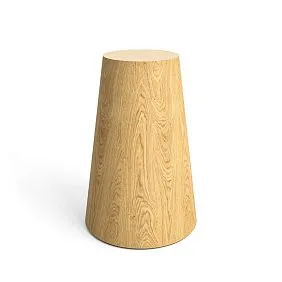
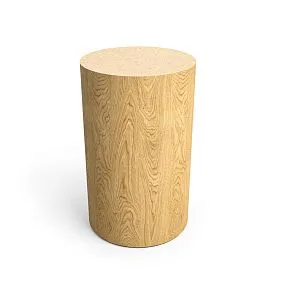
In the restaurant business, every detail matters. Visitors subconsciously evaluate the establishment from the first seconds, and it is the furniture that forms the first impression of quality and service level. Pedestals for cafes These are not just functional elements, but strategic tools capable of significantly influencing the atmosphere of the establishment, visitor comfort, and ultimately, business profitability.
Why do some cafes thrive while others close within half a year of operation? The secret to success lies in details that most entrepreneurs underestimate. Correctly chosen bases create that elusive atmosphere that makes customers return again and again. They define not only the aesthetics of the space, but also its functionality, the durability of the furniture, and the economic efficiency of the entire project.


Psychology of restaurant space: how furniture affects profitability




Neuromarketing in action: subconscious signals of quality
Modern neuromarketing research reveals surprising patterns. The human brain forms an opinion about an establishment within 50 milliseconds — faster than a visitor can consciously assess the interior. And during these critical moments, it is the stability and quality of the furniture that send subconscious signals about the reliability of the entire establishment.
A wobbly table instantly reduces trust in the kitchen, service, and product quality. Conversely, heavy, stable bases create a sense of solidity and professionalism. Psychologists call this phenomenon the "halo effect" — when the quality of one element is automatically transferred to the perception of the entire establishment.
Our factory also produces:


Ergonomics as a competitive advantage
Visitor comfort directly affects the duration of their stay in the establishment and, consequently, the average check. Correct table height, structural stability, thoughtful placement — all these factors determine whether a customer will want to stay for a second coffee or rush to leave an uncomfortable space.
The optimal table height for cafes is 75-76 cm — this is a standard derived from anthropometric data. Bar table height should be 105-110 cm with corresponding chairs of 75-80 cm height. These parameters are not random — they ensure proper seating, reduce fatigue, and create psychological comfort.
Get Consultation
Material science for the restaurant industry: tested by time and load
Solid wood: classic, proven over centuries
In the food service industry, solid wood remains the unrivaled material for creating an atmosphere of coziness and reliability. But not every wood is suitable for intensive commercial use. Requirements for materials in the restaurant business differ fundamentally from home conditions.
Oak — the king of restaurant furniture
Oak bases withstand loads up to 200 kg per square meter while maintaining ideal stability. Oak wood density of 600-900 kg/m³ ensures exceptional resistance to mechanical damage, and natural tannins provide protection against moisture and contamination.
In cafe conditions, oak’s ability to withstand daily wet cleaning, accidental impacts, and spills is especially valued. The service life of quality oak bases in commercial settings reaches 15-20 years with proper care.
Beech — European reliability
Beech wood with density of 650-750 kg/m³ is ideal for creating elegant yet sturdy constructions. Its uniform structure allows creating bases with complex geometric shapes without compromising strength.
A special advantage of beech is its ability to take on various tones during processing, allowing the creation of furniture in a unified style with different color accents.
Combined solutions: synergy of materials
Modern cafe bases Often combine different materials to achieve an optimal balance of functionality, aesthetics, and cost.
Wood + metal: industrial elegance
Steel frames with powder coating provide exceptional strength and durability. Wooden elements add warmth and coziness, softening the industrial rigidity of metal.
The thickness of metal profiles in commercial furniture is at least 2-3 mm, ensuring resistance to heavy loads. Anti-corrosion coating protects metal from moisture and chemically active cleaning agents.
Structural solutions: engineering of stability
Central support: maximum useful space
Bases with central support are ideal for small cafes, where every square meter counts. The absence of legs around the perimeter allows accommodating more guests and simplifies room cleaning.
The diameter of the central support is calculated based on the table top size and expected loads. For tables 80 cm in diameter, a support of 10-12 cm diameter is sufficient; for 120 cm tables, a support of at least 15-18 cm is required.
The base of the central leg must ensure stability even under uneven table loading. The optimal base diameter is 50-60% of the tabletop diameter.
Four-legged classic: proven reliability
The traditional four-legged scheme remains the most popular in the restaurant industry due to its versatility and absolute reliability. A properly designed four-legged base withstands any load and ensures comfort for guests.
The distance between legs must allow free placement of chairs. The minimum distance from the edge of the tabletop to the leg axis is 15 cm for rectangular tables, allowing comfortable placement of standard chairs.
Base frames: maximum rigidity
Frame constructions are used for large tables and heavy loads. A rigid frame made of solid wood or metal profile ensures even load distribution and prevents tabletop sagging.
Frame bases are especially popular in pubs and restaurants, where tables must withstand heavy loads from large dishes and frequent use.
Specialized solutions for various formats of establishments
Coffee shops: comfort and functionality
Modern coffee shops require a special approach to furniture selection. Here, the balance between the cozy atmosphere of home and the practicality of a commercial establishment is crucial.
For coffee shops, optimal bases are made of light-colored woods — birch, beech, maple. They create a sense of cleanliness and freshness associated with quality coffee. Compact table sizes (60×60 cm, 70×70 cm) allow more seating places on limited space.
Fast-food restaurants: speed and practicality
Fast food requires furniture capable of withstanding heavy customer traffic and frequent cleaning. Bases must be highly functional, easy to clean, and resistant to damage.
Metal frames with polymer coating are ideal for such conditions. They are resistant to moisture, easy to disinfect, and retain their appearance for years. Table height can be increased to 80-85 cm to stimulate faster customer turnover.
Pubs and bars: atmosphere and durability
Bar furniture must withstand special loads — from accidental impacts to increased humidity. Traditional pub bases are made of dark woods — oak, walnut, mahogany.
Bar counters require bases 105-110 cm high with a solid base to ensure stability. Legs at 45-50 cm from the floor provide comfort for guests.
Terraces and verandas: resistance to weather conditions
Summer verandas and open terraces impose special requirements on materials. Bases must withstand temperature fluctuations, humidity, and ultraviolet radiation.
Thermally treated wood or composite materials provide the necessary resistance to external influences. Special coatings protect against moisture and sun fading.
Production technologies: from traditions to innovations
Traditional joinery techniques
Classic wood processing methods remain the foundation of high-quality restaurant furniture production. Dovetail joints, mortise and tenon, dowels — these techniques have been tested over centuries and ensure maximum structural strength.
Hand-fitting joints allows achieving perfect fit between parts. An experienced joiner can create a joint stronger than the wood itself.
Modern Processing Technologies
CNC machines provide ideal precision in manufacturing parts. Deviations do not exceed ±0.1 mm, which is critically important for creating quality joints and ensuring interchangeability of components.
Multi-spindle machining centers allow manufacturing complex parts in a single setup, eliminating accumulated errors during repositioning of the workpiece.
Finish Processing: Protection and Beauty
Commercial furniture requires special protective coatings capable of withstanding intensive use and frequent cleaning.
Polyurethane varnishes
Two-component polyurethane systems create an exceptionally strong coating resistant to abrasion, chemical exposure, and moisture. Such coatings retain their original appearance for 5-7 years under intensive commercial use.
Oil-based wax coatings
Natural coatings based on plant oils and waxes highlight the natural beauty of wood and create pleasant tactile sensations. They can be locally restored without full recoating of the item.
Ergonomic standards for public catering
Anthropometric requirements
Furniture dimensions in public catering establishments are regulated by sanitary norms and construction standards. These requirements are based on anthropometric data and ensure comfort for 95% of the adult population.
Main parameters:
- Height of dining tables: 720-760 mm
- Height of bar tables: 1050-1100 mm
- Seat width: at least 600 mm
- Table depth per one visitor: at least 400 mm
Requirements for stability
Commercial furniture must withstand loads significantly exceeding household conditions. Standard tests include:
- Vertical load: 1500 N (≈150 kg)
- Horizontal load: 400 N (≈40 kg)
- Cyclic tests: 25000 cycles
- Impact loads: 200 J
Design trends in the restaurant industry
Eco-style: returning to nature
Modern visitors increasingly value eco-friendliness and naturalness. Solid wood bases with minimal processing, preserving natural texture and color, have become a trend in recent years.
Using reclaimed wood, old beams, and ship timber adds authenticity and creates a unique atmosphere.
Loft and industrial style
Combination of metal and wood, intentionally rough surface finishes, visible fasteners — all of this characterizes the industrial style in restaurant design.
Metal bases with wooden tops fit perfectly into the concept of urban cafes or bars. Metal patination creates an aged effect and adds character to the interior.
Scandinavian minimalism
Light tones, simple forms, functionality without excess — principles of Scandinavian design are ideal for modern healthy eating cafes and restaurants.
Birch or beech bases with natural finish create a sense of cleanliness and freshness, which is especially important for establishments positioning themselves as healthy and eco-friendly.
Economic efficiency of quality furniture
Return on investment calculation
Quality cafe bases require significant initial investment but quickly pay off due to durability and low operating costs.
Cost Comparison:
Budget furniture:
- Cost: 15,000 rub./set
- Service life: 2-3 years
- Cost over 10 years: 60,000 rub.
Premium furniture:
- Cost: 45,000 rub./set
- Service life: 10+ years
- Cost over 10 years: 45,000 rub.
Savings amount is 25% without accounting for losses due to downtime and furniture replacement.
Impact on the establishment's image
Quality furniture increases the average check by 15-20% due to creating a premium atmosphere. Customers are willing to pay more for comfort and aesthetic pleasure.
Stable tables reduce the number of complaints and generate positive reviews on social networks, which is critically important for modern restaurant business.
Reduced operating costs
Quality bases require minimal maintenance:
- No need for frequent repairs
- Ease of cleaning and disinfection
- Maintaining appearance for many years
- No complaints from staff
Technical requirements and safety standards
Sanitary norms for public catering
Furniture in public catering establishments must comply with strict sanitary requirements:
- Smooth, easily cleanable surfaces
- No hard-to-clean areas
- Resistance to cleaning and disinfecting agents
- No toxic emissions
Fire safety
Wood must be treated with fire-retardant compounds of class G1 (slightly flammable materials). Fire safety certificates are mandatory for commercial use.
Metal parts must have anti-corrosion coating that does not emit toxic substances when heated.
Strength Requirements
Commercial furniture is tested according to enhanced standards:
- Static strength: 3 times higher than household standards
- Resistance to tipping: angle not less than 15°
- Durability: at least 10 years of intensive use
Logistics and installation: professional approach
Supply planning
Equipping a restaurant with furniture requires careful planning. The production time for quality furniture is 4-8 weeks, which must be considered when planning the opening of the establishment.
Supply stages:
- Technical specification agreement: 3-5 days
- Prototype manufacturing: 10-14 days
- Serial production: 21-35 days
- Delivery and installation: 2-3 days
Professional installation
Proper furniture installation is critically important for durability and safety of use. Incorrect installation may lead to premature wear and create a safety hazard for visitors.
Installation Requirements:
- Use of professional tools
- Checking floor surface levelness
- Checking bolt tightness
- Final check of structural stability
Maintenance and care: extending service life
Daily Care
Proper care of furniture is the key to its longevity and maintaining its appearance:
- Remove dust and dirt with soft cloth
- Use of neutral cleaning agents
- Immediate removal of spilled liquids
- Checking condition of fasteners
Periodic maintenance
It is recommended to conduct a preventive inspection every 6 months:
- Connection Strength Testing
- Tightening loosened elements
- Updating Protective Coating When Necessary
- Identifying and eliminating minor defects
Professional restoration
When serious damage occurs, quality furniture may be restored:
- Replacement of Damaged Components
- Updating the finish coating
- Restoring structural geometry
- Modernizing outdated elements
Innovations and future trends
Smart furniture for restaurants
The development of IoT technologies opens new possibilities for restaurant furniture:
- Built-in wireless charging for gadgets
- Load sensors for tables to optimize seating arrangements
- Staff call systems
- Integration with loyalty systems
Ecological Innovations
Growing environmental awareness stimulates the development of green technologies:
- Use of recycled materials
- Biodegradable Coatings
- Carbon-neutral production
- Programs for disposal of old furniture
Modular systems
Flexible modular solutions allow quickly adapting space to various event formats:
- Quick-release tabletops
- Transformable table bases
- Foldable structures for seasonal use
- Universal fastening systems
Regional characteristics and cultural traditions
European quality standards
European restaurant business tradition dictates high standards of furniture quality. German DIN standards, Italian design schools, Scandinavian functionality — all these traditions influence modern requirements for restaurant furniture.
Adaptation to Russian conditions
Russian climate and operational specifics require adaptation of European standards:
- Enhanced moisture resistance
- Resistance to sharp temperature fluctuations
- Adaptation to Russian sanitary norms
- Consideration of specifics of Russian cuisine
A successful cafe or restaurant is a symphony of many elements, where each detail plays its part. Buy cafe pedestals means investing in the foundation of a successful business, in the invisible elements that create atmosphere and ensure guest comfort.
In today's highly competitive restaurant industry, there are no small details. Every interior element either contributes to creating a positive guest experience or undermines it. Quality pedestals are not an expense, but an investment in the establishment's reputation, customer loyalty, and long-term profitability.
The correct choice of furniture is determined by understanding the target audience, the establishment's concept, operational specifics, and long-term business goals. Buy cafe pedestals high quality — means laying a solid foundation for a thriving business, creating a space where people will return not only for food, but also for the atmosphere.
STAVROS Company understands the specific requirements of the restaurant business better than anyone else. Decades of experience in creating furniture for commercial spaces, deep understanding of operational loads and safety requirements allow STAVROS to create pedestals that become reliable partners in the restaurant business. Every STAVROS product undergoes strict quality control and meets the highest standards of commercial furniture. Choosing STAVROS products means investing not just in furniture, but in the success of your business, in creating a space that will delight guests and bring steady profits for many years. STAVROS — this is the guarantee that your establishment will be equipped with professional-grade furniture capable of withstanding any challenges of commercial use.