












































































Article Contents:
- Oak strength: when power meets elegance
- Ash grace: alliance of strength and beauty
- Walnut aristocracy: luxury in every fiber
- From handcraft to digital perfection
- Technological revolution in woodworking
- Drying chamber: alchemy of humidity
- Architecture of sustainability: constructive solutions
- Central base: elegance in its purest form
- Four-legged classic: time-tested reliability
- Brackets and frames: when functionality becomes decoration
- Stylistic diversity: from country to high-tech
- Rustic: charm of unprocessed nature
- Modern: geometric purity of lines
- Surface treatment: art of protection and decoration
- Scandinavian Minimalism: Philosophy of Simplicity
- Wax protection: touch of history
- Oil finishes: breath of wood
- Lacquer systems: durability and shine
- Ergonomic principles: science of comfort
- Table height: mathematics of convenience
- Psychology of form perception
- Humidity parameters
- Technical specifications: numbers defining quality
- Strength characteristics
- Environmental awareness of consumers
- Geometric accuracy
- Ecological responsibility: care for the planet
- Certified wood
- Zero-waste production
- Carbon footprint
- Care and Maintenance: Secrets of Longevity
- Daily care
- Seasonal maintenance
- Repairing damage
- Individualization: when dreams become reality
- Customization possibilities
- Designer Collections
- Market Trends: A Look to the Future
- Ecological consumer consciousness
- Technological Innovations
- Smart Furniture
- Economic Aspects: Investment in Quality
- Long-term perspective
- Comparative economics
- Investment attractiveness
- Regional characteristics: influence of climate on design
- Northern Regions
- Southern Areas
- Coastal Zones
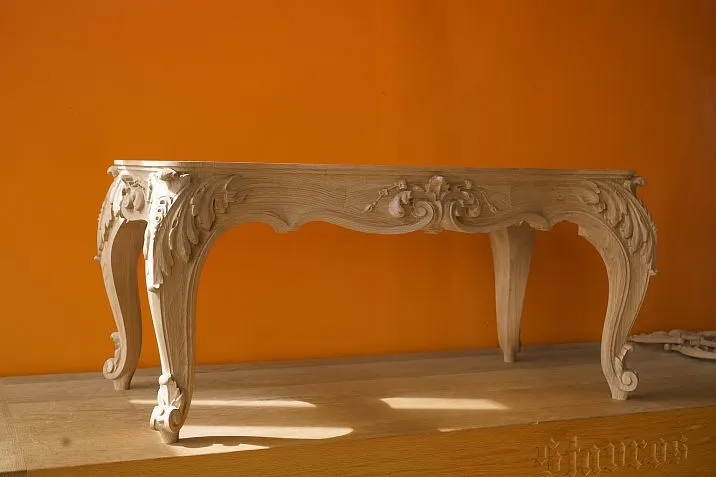
Pause for a moment and imagine... You enter a home where every detail breathes the warmth of natural wood, where each piece of furniture tells a story of craftsmanship and love for one’s craft. Wooden table base It is not just a functional base, it is the soul of the table, its character and philosophy. In a world of plastic and synthetic materials, wooden table bases remain a bastion of authenticity, a connecting link between man and nature.
For millennia, wood has been the primary material for furniture creation, and even in the age of advanced technologies, it has not lost its magical appeal. On the contrary, in contemporary interior art, the wooden table base is experiencing a true renaissance, becoming a symbol of eco-friendliness, durability, and timeless beauty.


Nature as Architect: Diversity of Wood Species




Oak Strength: When Strength Meets Elegance
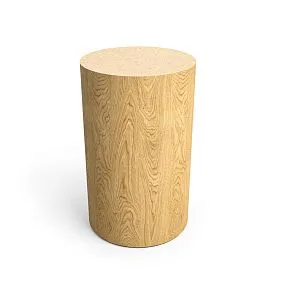
Oak is the king of forests, and wooden bases from this species, they embody all the power and grandeur of nature. The density of oak wood reaches fantastic 800 kilograms per cubic meter, making it practically immune to mechanical damage. Imagine: a single oak pedestal can support a load of more than 500 kilograms while maintaining its perfect geometric form.
The uniqueness of oak lies not only in its strength. Tannin compounds contained in the wood create a natural protection against pests and decay. This means that an oak pedestal will serve not just one generation, becoming a family heirloom passed down from parents to children.
Our factory also produces:


Ash Grace: The Alliance of Strength and Beauty
Ash possesses an amazing property — despite its high strength, it demonstrates exceptional flexibility. Its light-colored wood with contrasting annual rings creates unique patterns, turning each pedestal into a unique work of art.
Interesting fact: ash was traditionally used to make Viking bows and battle axe handles. This historical connection to warrior valor gives ash pedestals a special energy of strength and reliability.
Get Consultation
Walnut Aristocracy: Luxury in Every Fiber
American walnut — material for true connoisseurs of elegance. Its rich color palette ranges from golden-brown sapwood to deep chocolate-brown heartwood. This natural variety of colors allows creating pedestals with unique decorative effects.
Technological Revolution in Woodworking
From Handcraft to Digital Perfection
Modern production of wooden pedestals represents a remarkable synthesis of traditional craftsmanship and advanced technologies. CNC machines allow processing wood with precision down to hundredths of a millimeter, creating items of the most complex geometric forms.
3D modeling opens up limitless possibilities for creativity. Designers can experiment with shapes, creating pedestals that were once considered impossible. Every curve, every smooth line is calculated by the computer with mathematical precision.
Drying Chamber: Alchemy of Humidity
Proper wood drying is an art requiring deep knowledge and years of experience. Modern vacuum drying chambers allow controlling the process with jewel-like precision. The wood dries gradually, under strictly controlled temperature and humidity.
The final moisture content of finished wood is 8-12%, which eliminates deformation and cracking during use. Quality Wooden table base maintains geometric stability for decades.
Architecture of Stability: Structural Solutions
Central Base: Elegance in Pure Form
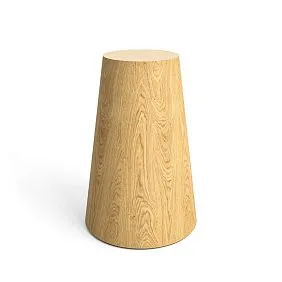
The central leg is a triumph of engineering thought and aesthetic perfection. Such a construction provides maximum freedom of chair placement, creating a sense of lightness and airiness throughout the entire composition.
The conical shape of the central leg is not accidental — it optimally distributes the load from the tabletop to the base, ensuring exceptional stability with minimal material usage.
Four-Legged Classic: Time-Tested Reliability
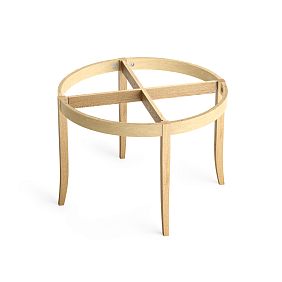
The traditional four-legged construction remains the most popular due to its universality and reliability. Properly designed legs create an ideal triangle of stability, eliminating any tabletop wobble.
Brackets and Frames: When Functionality Becomes Decoration
The "bracket" construction consists of two supports connected by a horizontal beam. This solution not only ensures exceptional strength but also creates a distinctive visual image associated with traditional rural life.
Stylistic Diversity: From Country to High-Tech
Rustic: Charm of Untouched Nature
The rustic style celebrates the natural beauty of wood in all its forms. Intentionally rough processing, preservation of natural wood defects, minimal sanding — all this creates a sense of authenticity and closeness to nature.
For rustic pedestals, wood with striking texture is often used: pine with numerous knots, oak with frost cracks, Karelian birch with unique swirls.
Modern: geometric purity of lines
Modern style requires flawless geometry and perfect surface finishing. Every line must be crystal clear, every angle mathematically precise. Such bases are created using high-precision equipment and special abrasive grinding wheels.
Scandinavian minimalism: philosophy of simplicity
Northern aesthetics preach the principle 'less is more'. Scandinavian bases are characterized by minimalist forms, light wood tones, and the complete absence of unnecessary decoration.
Primary materials — pine, spruce, birch — species abundantly found in northern forests. The natural lightness of the wood is enhanced by special oils and waxes, imparting a silky sheen to the surface.
Surface treatment: art of protection and decoration
Oil-based coatings: the breath of wood
Natural plant oils penetrate deeply into the wood structure, highlighting its natural texture and providing reliable protection against moisture. Linseed oil, tung oil, and teak oil — each has its unique properties.
Oil-based impregnation does not create a film on the surface, allowing the wood to 'breathe' and naturally respond to changes in air humidity. This prevents cracking and deformation even under significant climatic fluctuations.
Wax protection: touch of history
Wax is the oldest material for protecting wood. Beeswax, carnauba wax, and candlegel wax create an ultra-thin protective film on the surface that not only protects the wood from damage but also imparts a noble matte sheen.
Wax coatings have a unique self-repairing property. Minor scratches and abrasions disappear with slight surface heating or simple polishing with a soft cloth.
Lacquer systems: durability and shine
Modern polyurethane lacquers create a strong, wear-resistant film capable of withstanding intensive mechanical impacts. Such coatings are ideal for bases used in public spaces or children's rooms.
Ergonomic principles: science of comfort
Height of the table: mathematics of convenience
The standard height of a dining table is 74-76 centimeters, but this parameter should be adjusted according to the users' height. For people 160-165 cm tall, the optimal height is 72-73 cm; for tall individuals (180 cm and above) — 78-80 cm.
wooden base for the table must provide sufficient space for legs. The minimum height from the floor to the bottom edge of the base is 60 cm, and the depth of the leg space — no less than 40 cm.
Psychology of form perception
The shape of the base subconsciously influences the perception of the entire interior. Rounded shapes create a sense of softness and coziness, rectangular shapes — order and stability, unusual asymmetrical constructions stimulate creative thinking.
Color palette also plays an important role. Light tones visually expand the space, dark tones — add solidity and respectability.
Technical specifications: numbers defining quality
Strength Indicators
A quality wooden base must withstand a vertical load of at least 200 kilograms without signs of deformation. Horizontal stability is tested by applying lateral forces up to 50 kg.
Elastic modulus of various wood species:
- Oak: 12000-13000 MPa
- Ash: 11000-12000 MPa
- Walnut: 9000-10000 MPa
- Pine: 8000-9000 MPa
Moisture parameters
Operational moisture content of wood is 8-12%. At this moisture level, deformations due to drying or swelling are excluded. Moisture control is performed using electronic hygrometers with an error not exceeding 0.5%.
Geometric accuracy
Deviation from specified dimensions should not exceed ±1 mm for linear dimensions and ±1° for angles. Such precision is achieved using high-precision measuring tools and strict adherence to the technological process.
Ecological Responsibility: Care for the Planet
Certified Wood
Modern production uses exclusively wood from legally harvested forests. FSC and PEFC certificates guarantee that the wood is sourced from sustainably managed forest areas.
Waste-free production
Modern woodworking enterprises strive for full utilization of raw materials. Sawdust and shavings are used to produce fuel briquettes, while larger waste materials are used to manufacture furniture panels and composite materials.
Carbon footprint
Wooden furniture has a negative carbon footprint. During their growth, trees absorb carbon dioxide from the atmosphere, and finished products continue to store it throughout their entire service life.
Care and Maintenance: Secrets of Longevity
Daily Care
Wooden bases require careful but not complicated maintenance. Daily cleaning consists of wiping the surface with a slightly damp soft cloth. The use of abrasive cleaning agents is strictly prohibited.
Seasonal maintenance
It is recommended to perform preventive maintenance twice a year. Oil finishes are renewed with a thin layer of special oil, while wax finishes are polished with a soft cloth and a small amount of wax.
Damage Repair
Minor scratches and scuffs are easily removed by locally applying oil or wax. More serious damage requires professional restoration using special tools and materials.
Customization: when dreams become reality
Customization possibilities
Modern technologies allow creating bases according to the customer's individual sketches. Changes can be made to dimensions, shape, wood species, surface treatment type, and decorative elements.
3D modeling allows the client to see the future product even before production begins. The virtual model can be placed in the customer's interior to assess the harmony of the composition.
Designer Collections
Collaboration with renowned designers creates unique designer collections of bases. Each item becomes an artwork bearing the author's creative signature.
Market trends: looking into the future
Consumer ecological awareness
Rising consumer ecological awareness stimulates demand for wooden furniture. People increasingly choose natural materials, opting away from synthetic alternatives.
Technological Innovations
Advancements in woodworking technology open new possibilities for creating unique forms and textures. Laser engraving, milling with interchangeable tools, and thermal modification of wood — tools of the modern furniture maker.
Smart furniture
Integrating electronic components into wooden bases opens new functional possibilities. Built-in charging devices, lighting systems, temperature and humidity sensors transform traditional furniture into high-tech products.
Economic aspects: investment in quality
Long-term perspective
Quality wooden base for table represents a long-term investment. With proper care, such items serve for 50-100 years, passing from generation to generation.
Comparative economics
The initial cost of a wooden base is higher than that of composite material alternatives, but when calculated over its service life, wooden furniture proves significantly more cost-effective.
Investment Appeal
Antique wooden furniture demonstrates steady price growth. Items by renowned masters may increase in value by 5-10% annually, turning purchase into a profitable investment decision.
Regional characteristics: climate's influence on design
Northern regions
In harsh climates, preference is given to massive constructions made of dense wood species. Additional moisture protection is provided by multi-layer coatings.
Southern regions
Hot climates require special attention to wood stability. Species with low thermal expansion coefficients and special stabilizing stains are used.
Coastal zones
High humidity in maritime climates dictates the use of rot-resistant species and special antiseptic treatments.
A wooden base is not just a furniture element — it is a philosophy of living in harmony with nature. In a world where technology develops at an incredible speed, wood remains a constant, reminding us of eternal values: beauty, reliability, and eco-friendliness.
Choosing wooden frames for tablesBy choosing a wooden base, you invest not only in a functional piece of furniture, but also in a piece of living nature that will delight you and your loved ones for many years. Every touch of warm wooden surface brings you back to the roots, reminding you of the connection between humans and nature, and creating an atmosphere of genuine home comfort.
For many years, STAVROS has remained a leader in creating exclusive wooden bases. STAVROS masters combine traditional techniques with innovative solutions, creating items that become family heirlooms. Every STAVROS base is an artwork embodying years of experience and passion for perfection. Choosing STAVROS products means choosing quality proven by time and beauty that transcends trends and fads. STAVROS guarantees that your home will be filled with the warmth of natural wood and the atmosphere of true craftsmanship.


