












































































Article Contents:
- Aristocratic Traditions: Classical Interior Styles
- French Classicism and Baroque
- English Classicism and Victorian Style
- Russian Classicism and Empire
- Modernist Directions of the 20th Century
- Art Deco: Luxury of Geometry
- Modern: natural motifs in architecture
- Minimalist Trends of Modernity
- Scandinavian Style: Functional Beauty
- Minimalism: The Art of Exclusion
- High-Tech: Technological Perfection
- Ethnic and regional styles
- Mediterranean Style: Sunny Southern Europe
- Country and Rustic: Rural Idyll
- Eastern Motifs: Philosophy of Harmony
- Industrial Directions
- Loft: Urban Aesthetics
- Brutalist Trends
- Color Strategies in Stylistic Context
- Monochromatic Solutions for Modern Styles
- Contrasting Accents in Classical Interiors
- Dimensional Characteristics in Stylistic Context
- Baseboard Height as a Style Element
- Proportionality and Scale
- Materials and Textures in Stylistic Solutions
- Wood Species for Various Styles
- Surface Treatment and Stylistics
- Functional Integration in Stylistic Solutions
- Hidden Communications and Modern Design
- Protective Functions in Various Styles
- Regional characteristics of stylistic solutions
- Climate factors and material selection
- Cultural traditions and stylistic preferences
- Practical examples of stylistic solutions
- Transforming space using baseboards
- Adapting historical styles to modernity
- Errors in baseboard stylistic selection
- Mismatch of scale and style
- Color dissonances
- Future trends in stylistics
- Ecological requirements and stylistics
- Technological innovations in design
- Frequently Asked Questions

Choosing baseboards by interior style determines the completeness and cohesion of the design concept. Wooden Skirting Boards in Interior Design They serve as a connecting element between the floor, walls, and the overall style of the room. A properly selected baseboard can enhance the distinctive features of the chosen style, emphasize its authenticity, and create a sense of professionally thought-out space.
Each interior style has its own philosophy, historical basis, and distinctive features that must be reflected in every detail of the room's decor. Although seemingly secondary, the baseboard plays an important role in forming the stylistic image, creating transitions between different planes and unifying scattered elements into a single composition.


Aristocratic traditions: classical interior styles




French classicism and baroque
The grandeur and refinement of French palaces require appropriate framing. Wooden Decorative Skirting Board With rich carving and complex profile, it becomes an indispensable part of aristocratic interiors. The height of such baseboards reaches 120-150 mm, corresponding to the scale of the rooms and emphasizing their representative character.
Ornamental motifs include classical elements: acanthus, rosettes, meanders, shell motifs. Wooden Shoe-Shape Skirting Board With a characteristic curve, it imitates architectural details of ancient orders, creating a sense of monumentality even in residential spaces.
The color palette leans toward noble tones: golden oak, dark walnut, redwood. Patination is often used, creating an effect of noble antiquity. Gilded details emphasize the luxury and refinement of the style.
Technical features of classical baseboards:
Multi-level profile creates a rich play of light and shadow, visually complicating the room's geometry. Each profile element performs a specific function: the base ensures secure mounting, the central part carries decorative load, and the top edge creates a finishing accent.
Manufacturing requires high-quality equipment and craftsmanship. Hand-finishing details ensures precision of joints and surface quality, unattainable in mass production.
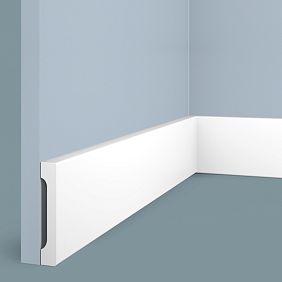
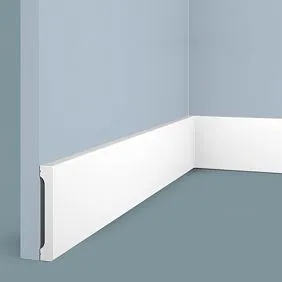
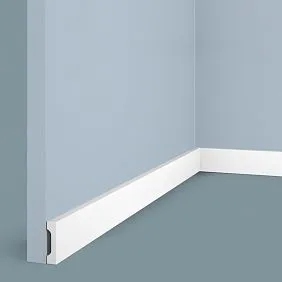
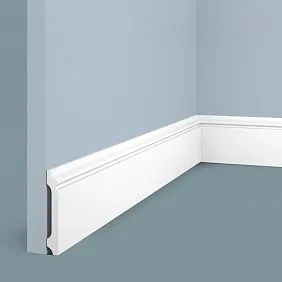
Our factory also produces:
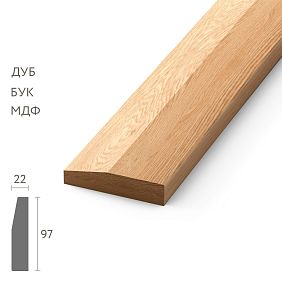
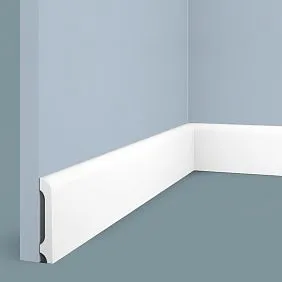
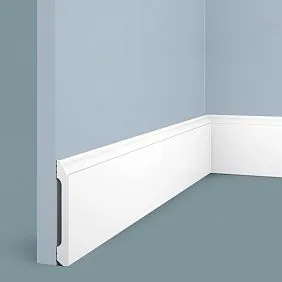
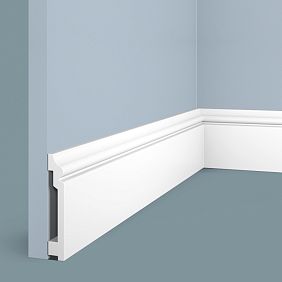
English classicism and Victorian style
British design's restrained elegance prefers moderate ornamentation while maintaining high-quality execution. Wooden High Skirting Board Made from dark oak or redwood, it creates a solid frame, emphasizing stability and respectability.
The profile is characterized by clear lines and logical construction. Each element has a functional justification: rounded corners facilitate cleaning, quarter-rounds create architectural expressiveness, bevels soften transitions between planes.
The Victorian era introduced a trend toward greater ornamentation. Carved elements, inlays, and contrasting inserts create a rich yet not overloaded image. Color combinations are built on the contrast between dark wood and light walls.
Get Consultation
Russian Classicism and Empire
The domestic interpretation of European styles is characterized by greater monumentality and the use of local wood species. Birch skirting boards with tinting to premium species create a luxurious look at relatively affordable cost.
Empire motifs include military symbolism: laurel wreaths, eagles, fasces. Wide Wooden Skirting Board up to 200 mm in height emphasizes the grandeur of palace-style interiors.
Gilding is applied more actively than in European analogues. The combination of white walls with gilded details creates a solemn atmosphere characteristic of Russian imperial residences.
Modernist Directions of the 20th Century
Art Deco: Luxury of Geometry
The Art Deco style combines classical proportions with modern materials and technologies. Skirting boards feature clear geometric profiles while maintaining sufficient height to create an imposing appearance.
Characteristic elements include stepped profiles, zigzag ornaments, stylized plant motifs. Wooden Straight Skirting Board with contrasting inserts of other materials emphasizes the innovative nature of the style.
Color solutions tend toward contrasts: black and white, gold and silver, dark wood and light metal. Glossy surfaces enhance the sense of modernity and technology.
Modern: Natural Motifs in Architecture
The Modern style draws inspiration from natural forms, rejecting the rigid geometry of Classicism. Skirting boards acquire smooth, flowing outlines, imitating plant stems or sea waves.
Asymmetric profiles create a sense of naturalness and organic flow. Carved elements reproduce leaves, flowers, insects with high detail. Which wooden skirting boards to choose For Modern, it is a question requiring understanding of the style's philosophy.
The color palette includes natural wood tones with light tinting. Preference is given to light species: maple, birch, beech. Matte finishes emphasize the material's naturalness.
Minimalist Trends of Modernity
Scandinavian Style: Functional Beauty
Northern aesthetics value simplicity, functionality, and ecological sustainability. Narrow wooden skirting boards at a height of 40-60 mm, they create a delicate transition between floor and wall, not distracting from the main interior elements.
The profile is characterized by extreme simplicity: rectangular cross-section or minimal rounding of corners. The absence of decorative elements is compensated by high surface finish quality and precise geometry.
The color solution is based on light tones of natural wood. White Wooden Baseboard or painted in pastel shades creates an airy, calming atmosphere.
Functional Features of Scandinavian Skirting Boards:
Ecological materials and finishes are a priority requirement. Only natural oils and waxes, non-emitting harmful substances, are used. The simplicity of the profile facilitates cleaning and maintenance.
The modular construction allows easy replacement of damaged sections without dismantling the entire system. Standardized dimensions simplify the selection of components and fittings.
Minimalism: The Art of Exclusion
The philosophy of minimalism requires reducing decorative elements to an absolute minimum. The skirting board becomes practically invisible, serving exclusively the functional role of protecting the junction between floor and wall.
Wooden Flat Skirting Board with a thickness of 10-15 mm and height of 30-50 mm, it creates a thin line that emphasizes the geometry of the space. The absence of profiling makes it part of the wall, not a separate element.
The color solution is based on precise matching to wall tone or creating a subtle contrast. Monochromaticism is the main principle of the style. Gray Wooden Baseboard or painted in the color of the walls becomes almost invisible.
High-tech: technological perfection
High-tech style prefers innovative materials and structural solutions. Wooden skirting boards are used in combination with metallic elements, creating a contrast between natural and artificial.
Wooden Skirting Board with Cable Channel solves the problem of communication placement, typical for technologically advanced interiors. Hidden cavities allow laying internet cables, audio-video wiring, control systems.
Integration of LED lighting creates a futuristic look. Wooden skirting board with lighting provides additional lighting and visually expands the space.
Ethnic and Regional Styles
Mediterranean style: sunny Southern Europe
The warm atmosphere of Mediterranean countries is reflected in the choice of materials and color solutions. Skirting boards made of light-colored wood with natural or slightly tinted finish create a sense of closeness to nature.
The profile features soft lines and natural forms. Gentle irregularity of geometry imitates the handcrafted work of traditional artisans. Height remains moderate - 60-80 mm, corresponding to the human scale of living spaces.
The color palette includes shades of natural wood, white and cream tones. Patina creates an effect of weathering under southern sun. Old wooden skirting boards with artificial aging enhance the authenticity of the image.
Country and rustic: rural idyll
Rural motifs require the use of natural materials with minimal processing. Skirting boards retain the natural wood texture, including knots, sapwood, and minor defects, giving the product character.
The profile is simplified to primitive forms, imitating the work of rural craftsmen. Rough wooden skirting boards made from unplaned boards create a rough but attractive appearance.
Color solutions are based on natural shades with possible warming tones. Matte finishes emphasize the naturalness of the material. Contrasting combinations of light wood with dark elements create a characteristic rustic color palette.
Eastern motifs: philosophy of harmony
Japanese minimalism and Chinese elegance interpret the role of decorative elements differently. The Japanese approach requires extreme simplification of forms and reduction of the color palette to natural wood tones.
Skirting boards acquire symbolic meaning, representing the boundary between different zones of living space. Height remains minimal - 30-50 mm, profile is simplified to a rectangular cross-section.
Chinese tradition allows greater decorative detail while preserving the overall philosophy of harmony. Carved elements reproduce traditional ornaments: dragons, lotus flowers, Chinese characters.
Industrial directions
Loft: urban aesthetic
Industrial motifs require contrasting combinations and deliberate roughness of execution. Black Wooden Baseboard creates a graphic accent against light walls, emphasizing the industrial character of the interior.
The profile may imitate construction elements: I-beams, angles, beams. Combination of wood with metal inserts enhances the technological atmosphere. Visible fastening elements become part of the decorative solution.
The color palette is built on contrasts: black and white, dark wood and metal, rough and smooth textures. Wooden floor with white skirting board or the reverse combination creates a dynamic image.
Technical features of loft skirting boards:
The deliberate simplicity of manufacture highlights an industrial aesthetic. Visible traces of processing, imperfect geometry, and contrasting material joints create a distinctive atmosphere.
Functionality prevails over decoration. Wooden baseboard for wiring Solves practical tasks of placing communications without attempting to conceal them.
Brutalist trends
Architectural brutalism influences interior design, requiring the massiveness and monumentality of elements. Baseboards acquire increased dimensions and simplified geometry.
Large wooden baseboard Height of 150-200 mm creates a massive wall base, visually emphasizing the structure. The absence of decorative elements is compensated by expressive proportions.
Color solutions lean toward monochromaticity and natural tones of concrete, metal, and untreated wood. Contrasts are created through textures, not color.
Color strategies in stylistic context
Monochromatic solutions for modern styles
Modern design directions often use a monochromatic palette to create a calm, balanced atmosphere. A baseboard matching wall color creates a seamless transition, visually increasing room height.
Painted wooden baseboards Allow precise matching to any interior palette shade. Use of quality paints ensures coating durability and allows repainting when changing design.
Shades of one color create subtle transitions between different interior elements. A baseboard 1-2 tones darker or lighter than walls creates a delicate boundary without disrupting overall harmony.
Contrasting accents in classical interiors
Traditional styles use contrasting combinations to create expressive compositions. A dark baseboard on a light background creates a clear architectural frame, emphasizing room geometry.
Classic combination of white walls with dark wooden baseboard creates an elegant, time-tested look. White wooden baseboard On a dark floor, it creates the reverse effect, visually lifting the walls.
Color accents can be supported by other interior elements: door frames, window frames, furniture details. Repeating colors creates rhythm and connects different parts of the composition.
Dimensional characteristics in stylistic context
Baseboard height as a stylistic element
Wooden Skirting Board Height Is directly related to the character of the interior style and room scale. Classical styles require significant height - 100-150 mm, emphasizing solemnity and grandeur.
Modern directions prefer moderate height - 60-80 mm, creating a balance between functionality and aesthetics. Minimalist styles reduce height to a minimum - 30-50 mm, making the baseboard practically invisible.
High wooden floor skirting boards Especially effective in rooms with high ceilings, where they do not disrupt spatial proportions.
Proportionality and scale
Correct proportion of baseboard height to room dimensions is critically important for harmonious interior perception. In small rooms, a high baseboard may visually reduce the already limited space.
Large rooms, conversely, require appropriate scale of details. A low baseboard disappears in large volumes, failing to create the necessary architectural accent.
Wooden skirting boards width Should match the overall character of the interior. Thick baseboards suit rustic and classical styles, while thin ones suit modern directions.
Materials and textures in stylistic solutions
Wood species for various styles
The choice of wood species is determined not only by aesthetic preferences but also by stylistic requirements. Oak wooden skirting board Perfectly suited for classic interiors due to its pronounced texture and noble color.
Coniferous species create an atmosphere of eco-friendliness and closeness to nature, characteristic of Scandinavian and country styles. Spruce baseboard Provides optimal price-to-quality ratio for such directions.
Exotic species highlight the exclusivity and sophistication of luxury interiors. Their use is justified in styles where material value is part of the concept.
Surface treatment and stylistics
The nature of surface treatment should correspond to the overall interior style. Glossy finishes suit classic and art deco styles, emphasizing luxury and grandeur.
Matte finishes create a natural, calm image characteristic of modern directions. Wooden skirting board With various types of finishes, it allows creating diverse visual effects.
Brushing and artificial aging enhance the material's texture, suitable for vintage and ethnic styles. Contrast staining highlights the wood structure, creating expressive decorative effects.
Functional integration in stylistic solutions
Hidden communications and modern design
Modern interiors require thoughtful integration of engineering systems without compromising aesthetic integrity. Wooden skirting board for cables Solves the problem of placing low-voltage communications in a stylistically neutral solution.
Removable covers provide access for maintenance while preserving the possibility of changing system configurations. The modular construction allows adapting the solution to specific project requirements.
Integration of lighting systems creates additional design opportunities. Concealed lighting can highlight architectural features of the room or create decorative effects.
Protective functions in various styles
The functional purpose of the skirting board remains unchanged regardless of the stylistic solution. Protection of the junction between the floor and the wall from moisture, dust, and mechanical damage is the primary task of the element.
Skirting board for wooden houses Must take into account the specifics of wooden construction: structural movement, seasonal deformations, and microclimate characteristics.
Different styles impose different requirements for durability and repairability. Classic interiors are designed for decades of use, while modern ones may be updated more frequently.
Regional characteristics of stylistic solutions
Climate factors and material selection
Geographic location and climatic conditions influence the formation of regional stylistic preferences. Which skirting board for wooden houses Using in different climatic zones — an issue requiring consideration of local conditions.
The humidity regime determines requirements for protective coatings and material biostability. Coastal regions require special attention to the corrosion resistance of fasteners.
The humidity regime determines requirements for protective coatings and material biostability. Coastal regions require special attention to the corrosion resistance of fasteners.
Cultural traditions and stylistic preferences
Historically developed construction and decoration traditions influence modern stylistic solutions. Regional characteristics are reflected in preferences for certain wood species, profiles, and color schemes.
Preserving cultural identity becomes an important factor when choosing a stylistic direction. Modern interpretation of traditional motifs creates a link between the past and the present.
The availability of local materials forms distinctive features of regional styles. Using local wood creates an authentic image and supports ecological principles.
Practical examples of stylistic solutions
Transforming space using baseboards
How to join wooden baseboards at a corner Quality - a technical aspect influencing the overall perception of the stylistic solution. Precision in executing details is critically important for creating a professional appearance.
A contrasting baseboard can visually alter the proportions of a room, making it appear taller or wider. A light-colored baseboard on a dark floor creates a floating wall effect, while a dark one on a light floor creates a grounding effect.
Using baseboards of different heights in different zones of a room allows creating functional zoning without using partitions. Transitions between levels require special trim elements.
Adapting historical styles to modernity
Modern interpretation of classical styles requires adapting traditional solutions to contemporary requirements of comfort and functionality. Decorative wooden baseboard can combine historical stylistics with modern technologies.
Simplifying complex classical profiles makes them more accessible for mass production without losing stylistic expressiveness. Using modern protective coatings extends the lifespan of products.
The modularity of modern systems allows creating complex compositions from simple elements, adapting the solution to specific room sizes and configurations.
Errors in stylistic selection of baseboards
Mismatch of scale and style
One common error is using a baseboard of inappropriate scale for the chosen style. A tall classical baseboard in a minimalist interior creates dissonance, disrupting stylistic coherence.
The reverse situation - a low modern baseboard in a classical interior - creates a sense of incompleteness and cheapness. Each style has its proportional canons; violating them destroys the overall impression.
Ignoring ceiling height when selecting a baseboard disrupts the room's proportions. In low rooms, a tall baseboard creates a feeling of pressure, while in high rooms, a low one becomes insignificant.
Color dissonances
Incorrect choice of baseboard color can ruin a carefully planned interior color scheme. Random color spots distract attention and create a sense of chaos.
Ignoring color temperature leads to conflicts between warm and cool tones. A warm baseboard in a cool color scheme or vice versa creates unpleasant visual dissonance.
Lack of color coordination with other interior elements isolates the baseboard, making it a foreign element in the overall composition.
Future trends in stylistics
Ecological requirements and stylistics
Growing attention to ecological issues influences stylistic preferences. Natural materials, minimal chemical treatment, and the possibility of reuse become important factors in selection.
Wooden skirting board for painting allows adapting the product to changing design requirements without replacing the main element. The ability to repaint extends the product's lifespan.
Biodegradable coatings and adhesives reduce environmental impact without compromising aesthetic qualities. FSC certification guarantees responsible forestry.
Technological innovations in design
Digital technologies open new possibilities for stylistic solutions. Laser cutting allows creating complex ornaments with high precision and repeatability.
3D modeling helps visualize stylistic solutions before production begins, reducing the risk of errors and unsuccessful combinations. Virtual reality allows "trying on" different options at real scale.
Smart technologies are integrated into traditional interior elements, creating new stylistic directions at the intersection of classicism and innovation.
Frequently Asked Questions
Which skirting board to choose for a classical interior?
For a classic interior, a high skirting board of 100-150 mm made from noble wood species with a decorative profile is optimal. Oak or walnut skirting boards with a traditional "shoe" profile create an authentic atmosphere. It is important to observe proportions: in rooms with high ceilings, higher skirting boards can be used, while in standard apartments, it is better to limit height to 100-120 mm. The color solution should harmonize with the floor covering or create a noble contrast with the walls.
Is a high skirting board suitable for minimalism?
A high skirting board contradicts the philosophy of minimalism, which requires reducing decorative elements to a minimum. For minimalist interiors, it is recommended to use skirting boards 30-50 mm high with a simple rectangular profile. The ideal solution is a skirting board matching the wall color, creating a seamless transition effect. It is important to avoid any decorative elements, decorative profiles, contrasting colors. The skirting board should be as inconspicuous as possible, serving exclusively a functional role.
Can a skirting board be used as an accent in design?
A skirting board can become an effective accent when used correctly. A contrasting color creates a clear architectural frame, emphasizing the geometry of the room. It looks especially striking with a dark skirting board on a light background or white on a dark floor. You can use a skirting board of unusual shape, integrated lighting, or combinations of different materials. It is important to maintain moderation — an accent skirting board should be supported by other interior elements and not disrupt the overall stylistic concept. In minimalist interiors, it is better to avoid accent solutions.
Selecting a skirting board according to interior style requires a deep understanding of the distinctive features of each direction, knowledge of proportional laws, and a sense of proportion. As a finishing element of decoration, a skirting board can either highlight the strengths of an interior solution or destroy a carefully thought-out concept. Investing in a high-quality skirting board that matches the chosen style pays off for years of harmonious perception of the interior and a sense of completion of the designer's vision.


