Article Contents:
- Climate-specific features of St. Petersburg: challenges for wooden elements
- Humidity as the Main Enemy
- Temperature fluctuations and heating season
- Architectural heritage as a selection factor
- Historical urban development in the city center
- Modern Architecture
- Production base and logistics in St. Petersburg
- Local manufacturers
- Logistical Advantages
- Features of the St. Petersburg skirting board market
- High requirements for quality
- Variety of stylistic preferences
- Seasonality of demand
- Technological requirements for skirting boards for St. Petersburg
- Wood stabilization
- Protective Coatings
- Material science: selecting wood species for St. Petersburg conditions
- Oak — the king of stability
- Ash — modern alternative
- Larch — northern strength
- Thermo-wood — a technological solution
- Design trends in St. Petersburg
- Neoclassicism — revival of traditions
- Scandinavian minimalism
- Loft in the St. Petersburg style
- Modern classicism
- Installation under St. Petersburg conditions
- Features of old housing stock
- Stalinist architecture
- Modern Construction
- Pricing on the Saint Petersburg market
- Factors Affecting Cost
- Pricing segments
- Suppliers and manufacturers in St. Petersburg
- Supplier selection criteria
- Advantages of working with local manufacturers
- Market development trends
- Ecological requirements
- Technological Innovations
- Customization
- Care and Maintenance in St. Petersburg Conditions
- Preventive care
- Seasonal maintenance
- Restoration of historical skirting boards
- Integration with smart home systems
- Modern technologies in traditional forms
- Features of integration
- Impact on property value
- Premium segment
- Historic buildings
- Modern urban development
- Ecological Aspects
- Impact on microclimate
- Waste disposal and recycling
- Popular Questions and Answers
- Conclusion

In the architectural symphony of St. Petersburg, every note matters. Majestic palace facades, elegant mansion interiors, modern penthouses on the Petrograd side — all of this demands flawless execution of details.wooden skirting board St. Petersburg— this is not just a decorative element, but a tribute to the city’s traditions, where architectural perfection has been established over centuries. Under the conditions of a northern climate, high humidity, and sharp temperature fluctuations, choosing a quality wooden skirting board becomes a matter not only of aesthetics but also of practicality.
St. Petersburg is a special city. Here, every building is a story, every interior an artwork. From the Baroque halls of the Winter Palace to the modern apartments on Vasilievsky Island, from Stalinist high-rises to contemporary residential complexes — everywhere, wooden skirting boards play the role of a connecting link between architectural concept and everyday comfort. What makes the St. Petersburg market for wooden skirting boards unique?


Climate-specific challenges for wooden elements in St. Petersburg
The Northern Capital imposes special requirements on finishing materials. Here, there are 191 rainy days per year, average air humidity is 78%, and temperature fluctuations can reach 60 degrees between winter frosts and summer heat. These conditions pose a serious challenge for any materials, but especially for wood.




Humidity as the main enemy
High air humidity in St. Petersburg is due to proximity to the Baltic Sea, numerous rivers and canals, frequent rains and fog. For wooden items, this means constant cycles of moistening and drying, which can lead to deformation, cracking, and warping.
wooden skirting board St. PetersburgShould be made from wood with humidity no more than 8-10% — that is, 2-3% lower than standard requirements for other regions. Wood drying in St. Petersburg conditions must be carried out according to special regimes with extended stabilization time.
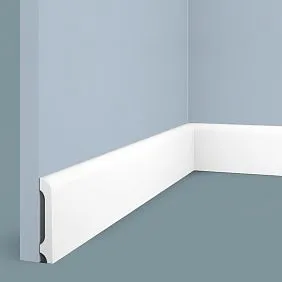
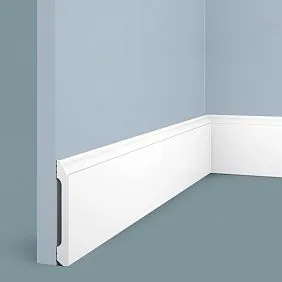
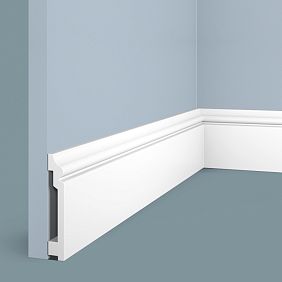
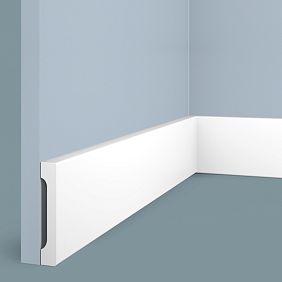
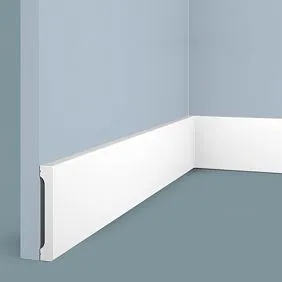
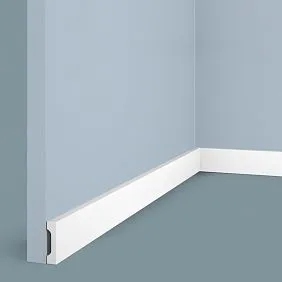
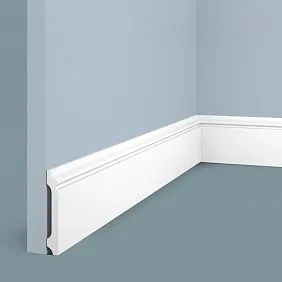
Our factory also produces:

Temperature fluctuations and heating season
The long heating season in St. Petersburg (from October to April) creates additional difficulties. Central heating in old buildings often operates unevenly, creating local zones with extremely low humidity (20-25%) at high temperatures. In modern buildings, the situation is better, but significant microclimate fluctuations are still possible.
Wooden skirting boards must be stabilized with special compounds or manufactured using technologies that minimize the impact of temperature fluctuations.
Get Consultation
Architectural heritage as a selection factor
Historical urban development
The historic center of St. Petersburg is an open-air museum, where every building has protected status.Wooden Skirting BoardsIn such interiors, skirting boards must conform to historical canons, reproduce profiles of the 18th-19th centuries, and use traditional processing technologies.
Palatial interiors require skirting boards 150-300 mm high with complex multi-step profiles. Gilding, patination, carved elements — all these technologies must be available to the manufacturer.
19th-century merchant mansions feature more modest, yet no less elegant profiles. Here, skirting boards 100-150 mm high made from noble wood species with quality lacquer finish are appropriate.
Early 20th-century residential buildings require skirting boards in the modern style with smooth, flowing lines and natural wood tones.
Modern architecture
St. Petersburg’s new development features a wide range of architectural styles, from minimalist lofts in repurposed industrial buildings to luxurious penthouses with panoramic views of the Neva River.
Modern interiors require skirting boards with simple geometric shapes, often increased height (120-200 mm), emphasizing material quality and precision manufacturing.
Production base and logistics in St. Petersburg
Local manufacturers
St. Petersburg has rich traditions in woodworking. In the 18th century, here were the best cabinetmaking workshops, creating furniture and finishes for palaces. Modern manufacturers continue these traditions, using advanced technologies.
Proximity to the forest resources of Karelia and the Arkhangelsk region ensures access to high-quality wood of northern species. Harsh growing conditions make this wood especially dense and stable.
Logistical advantages
Developed transportation infrastructure allows rapid delivery of products to any point in the city and region. The seaport provides access to imported wood and export of finished products.
Proximity to Finland opens access to Scandinavian woodworking technologies, high-quality equipment, eco-friendly coatings, and impregnations.
Features of the St. Petersburg skirting board market
High quality requirements
St. Petersburg residents historically have been accustomed to high-quality finishing materials. The city of palaces and museums cultivates a unique aesthetic taste, intolerance to compromises regarding quality.
wooden skirting board St. PetersburgMust meet the highest standards: perfect geometry, flawless surface finish, dimensional stability, durable coatings.
Diverse stylistic preferences
From classicism to avant-garde — all architectural styles are represented in St. Petersburg. This requires manufacturers and suppliers to offer a wide range of profiles, sizes, wood species, and finishing options.
Seasonality of demand
Regional climatic characteristics create pronounced seasonality in construction and renovation activities. Peak activity occurs during May–September, when weather conditions are most favorable.
This creates certain difficulties for production planning and inventory management. Manufacturers must be prepared for sharp fluctuations in demand.
Technological requirements for skirting boards for St. Petersburg
Wood stabilization
Standard kiln-drying technologies are insufficient for St. Petersburg conditions. Additional wood stabilization with special compounds is required, which minimize the impact of humidity.
Thermo-modification — processing wood at 160-220°C significantly improves its stability. Thermo-modified wood practically does not react to changes in humidity.
Impregnation — pressure treatment of wood with stabilizing compounds. Polymerization of the compound within the wood creates an reinforcing framework.
Protective coatings
St. Petersburg humidity requires special protective coatings:
Multi-layer polyurethane systems create a reliable moisture barrier and provide high wear resistance.
Waxes with beeswax for those who prefer natural finishes should contain water-repellent additives.
Special primers ensure deep penetration of protective compounds into the wood.
Material science: selection of wood species for St. Petersburg conditions
Oak — king of stability
Oak skirting boards are ideal for St. Petersburg climate. High wood density (650-750 kg/m³), low shrinkage coefficient, and natural moisture resistance make oak the optimal choice.
Oak skirting boardEspecially appropriate in historical interiors, where displaying status and attention to traditions is important.
Ash — Modern Alternative
Ash is practically equal to oak in stability, but has a lighter wood tone, which is popular in modern interiors. High elasticity allows creating complex profiles without risk of cracking.
Larch — Northern Strength
Siberian larch is an ideal material for humid climates. High resin content provides natural protection against moisture and biological effects. Larch density is comparable to oak, but the price is significantly lower.
Thermo-wood — technological solution
Thermo-treatment transforms even softwoods into a material that exceeds natural oak in stability. Thermo-wood practically does not deform with humidity changes, has a beautiful dark color, and is resistant to biological effects.
Design trends in St. Petersburg
Neoclassicism — revival of traditions
Modern neoclassicism in St. Petersburg interiors requires skirting boards that reproduce historical profiles but adapted to modern technologies and materials.
High skirting boards (150-200 mm) with complex profiles made from premium wood species and quality finishes — the foundation of style.
Scandinavian minimalism
Proximity to Scandinavia shapes the popularity of Nordic minimalism. Light wood species (ash, birch), simple geometric profiles, natural tones, oil-based finishes.
St. Petersburg loft
The city’s industrial heritage forms a unique St. Petersburg loft. Roughly processed skirting boards from solid planks, deliberately simple fastenings, emphasis on wood grain texture.
Modern classic
Combination of classical proportions with modern materials and technologies.Wide Wooden Skirting BoardSimple profile from premium wood species.
Installation under St. Petersburg conditions
Features of old housing stock
Buildings from the 18th-19th centuries have their own characteristics:
Uneven walls — deviations up to 20-30 mm require special mounting technologies.
Non-standard angles — angles rarely measure exactly 90°, complicating the preparation of corner elements.
High humidity in basements and ground floors requires special foundation preparation.
Noise restrictions in historical buildings may limit the use of drills and other loud tools.
Stalinist architecture
Houses from the 1930s–50s differ by:
High ceilings (3.0–3.5 m), allowing the use of tall baseboards.
Thick walls made of brick or blocks, providing secure mounting.
Quality foundations, rarely requiring significant leveling.
Modern construction
New homes have their own features:
Perfectly flat walls made of gypsum board require special fastening systems.
Warm floors limit the choice of mounting methods.
Climate control systems stabilize the microclimate, reducing material stability requirements.
Pricing on the St. Petersburg market
Factors Affecting Cost
Logistics — proximity to timber-producing regions reduces transportation costs.
Competition — a developed market ensures competitive prices.
Quality requirements — high standards increase production costs.
Seasonality — prices are lowest in winter and highest in summer.
Price segments
Economy (500–1500 rubles/m) — coniferous species, simple profiles, basic processing.
Mid-range (1500–3000 rubles/m) — hardwoods, classic profiles, quality finish.
Premium (3000–6000 rubles/m) — oak, complex profiles, hand-finished.
Luxury (from 6000 rubles/m) — exotic species, exclusive profiles, artistic finish.
Suppliers and manufacturers in St. Petersburg
Supplier selection criteria
Assortment — ability to meet all project requirements.
Quality — product conformity to stated specifications.
Reliability — adherence to delivery schedules, consistent quality.
Service — technical support, consultations, after-sales service.
Price — competitive cost at the specified quality level.
Advantages of working with local manufacturers
Delivery speed — absence of long transportation times.
Flexibility — the ability to make timely changes to an order.
Understanding specifics — knowledge of local characteristics and requirements.
Supporting regional economy — social responsibility.
Market Development Trends
Ecological Requirements
Growing attention to ecology creates demand for:
Certified wood from sustainably managed forests.
Ecologically clean coatings free of formaldehyde and heavy metals.
Local wood species with minimal carbon footprint.
Technological Innovations
Digital design enables creating unique profiles for each project.
Production automation reduces cost and improves quality.
New materials — biocomposites, modified wood, nanocoatings.
Customization
Mass customization — production of individual items at mass-production prices.
Designer collections — collaboration with renowned designers.
Design services — comprehensive approach to interior decoration.
Care and Maintenance in Petersburg Conditions
Preventive Care
Humidity control — use of humidifiers in winter and dehumidifiers in summer.
Regular cleaning — removal of dust and contaminants, especially important in urban environments.
Temperature control — avoiding sharp fluctuations, especially near heating appliances.
Seasonal maintenance
Spring inspection — checking condition after the heating season.
Summer treatment — updating protective coatings, addressing minor defects.
Autumn preparation — sealing joints, additional moisture protection.
Winter monitoring — monitoring condition under heating operation.
Restoration of historical skirting boards
Saint Petersburg — a city-museum, where many skirting boards have historical value.Skirting board manufacturingfor restoration work requires special technologies:
Precise reproduction of profiles based on preserved samples.
Use of traditional technologies — manual processing, natural coatings.
Adherence to restoration requirements — reversibility of interventions, preservation of authenticity.
Integration with smart home systems
Modern technologies in traditional forms
Saint Petersburg interiors increasingly integrate modern technologies while preserving classic aesthetics.wooden skirting board St. Petersburgmay include:
Cable channels for concealed installation of low-voltage wiring.
LED lighting for architectural illumination.
Sensors for climate control and security systems.
Wireless charging devices for mobile devices.
Integration Features
Hidden installation — all technologies must be invisible.
Reliability — systems must operate for decades without maintenance.
Repairability — ability to replace components without removing the skirting board.
Safety — compliance with electrical standards.
Impact on property value
Premium Segment
In elite real estate in St. Petersburg, quality wooden skirting boards are not a luxury, but a necessity. Their absence or poor quality may reduce the property's value by 10-15%.
Historic Buildings
In landmark buildings, quality skirting board restoration can increase apartment value by 20-30%. Buyers of such properties are willing to pay extra for authenticity and quality.
Modern Construction
In new buildings, quality skirting boards create a sense of completion and increase the perceived value of the property.
Ecological aspects
Impact on Microclimate
Wooden skirting boards positively affect the microclimate of rooms:
Humidity regulation — wood absorbs excess moisture and releases it when needed.
Antibacterial properties — many wood species inhibit the growth of harmful microorganisms.
No harmful emissions — natural wood does not pollute the air.
Disposal and recycling
Wooden skirting boards are fully biodegradable, can be reused or disposed of without harming the environment.
Popular questions and answers
Which wood species are best suited for the St. Petersburg climate?
Oak, beech, larch — species with high stability and moisture resistance. Thermally treated wood of any species also shows excellent results.
Is special treatment required for skirting boards installed in historic buildings?
Yes, additional stabilization and moisture protection are required. Often, special primers and multi-layer coatings are used.
What is the optimal skirting board height for apartments in Stalin-era buildings?
For high ceilings in Stalin-era buildings, skirting boards 120-150 mm high are optimal. They create proper proportions and emphasize the interior's sophistication.
Can wooden skirting boards be used in apartments with underfloor heating?
Yes, but special preparation is required: wood stabilization, protective coatings, and proper choice of mounting method.
How much does installation of wooden skirting boards cost in St. Petersburg?
The cost of work is 300-800 rubles per linear meter, depending on the profile complexity and installation conditions.
How often should the finish on wooden skirting boards be renewed?
With quality coatings — every 7-10 years. Oil-based coatings require renewal every 3-5 years.
Yes, one of the advantages of solid wood is the possibility of local repair. Scratches, dents, chips can be fixed without replacing the entire element.
Requires coordination with the State Historical and Architectural Preservation Committee, use of materials and technologies corresponding to the historical appearance of the building.
What documents are required for installing skirting boards in architectural monuments?
In the premium segment — definitely. Quality finishing can increase the price by 10-20%. In the economy segment, the impact is minimal.
Does the quality of skirting boards affect the apartment's sale price?
Serious manufacturers provide a 3-5 year warranty on the material and 1-2 years on installation, provided the conditions of use are met.
What warranties do manufacturers provide for wooden skirting boards?
Skirting boards — this is more than just a finishing material. It is a link between eras, a bridge between the great architectural history of the city and the modern needs of its residents. In the challenging northern climate, high aesthetic requirements, and diverse architectural styles, choosing quality wooden skirting boards becomes an investment in the beauty, comfort, and longevity of the interior.
Conclusion
wooden skirting board St. PetersburgSaint Petersburg forms a unique culture of attitude towards interior details. Here, people understand that true luxury lies not in ostentatious expense, but in the quality of materials, precision of execution, and attention to traditions. Wooden skirting boards in Petersburg interiors are a continuation of the city’s architectural symphony, which has been sounding for more than three centuries.
The climatic challenges of the northern capital become a stimulus for developing technologies, seeking innovative solutions, and improving product quality. Petersburg manufacturers and suppliers of wooden skirting boards offer solutions adapted to local conditions, taking into account all specifics of operation in high humidity and temperature fluctuations.
Choosing wooden skirting boards in Saint Petersburg, you are choosing not just a finishing material — you are choosing a piece of the city’s history, traditions of craftsmanship, culture of quality. This decision will delight with beauty and functionality for many decades, creating an atmosphere of a genuine Petersburg home.
The modern market offers a wide range of solutions — from reproducing historical profiles to ultra-modern technological solutions. The key is to find a balance between tradition and innovation, between beauty and functionality, between individuality and practicality.
Understanding the uniqueness of the Petersburg market, STAVROS offers specialized solutions for the northern capital. Our products are adapted to local climatic conditions, meet the high aesthetic requirements of Petersburg residents, and can satisfy the demands of the most discerning clients.
Using the best traditions of Russian carpentry craftsmanship and modern wood processing technologies, STAVROS creates products that seamlessly fit into the architectural environment of Saint Petersburg. From restoring historical interiors to decorating modern penthouses — our specialists are ready to offer optimal solutions for any task.
Choosing STAVROS products for Petersburg projects, you are choosing reliability proven by time, quality recognized by professionals, beauty worthy of a great city.
14.24 $ р.