Article Contents:
- Pricing Anatomy: What Forms the Cost of a Wooden Floor Skirting Board
- Material as the Basis of Price
- Dimensional Characteristics and Their Impact on Cost
- Profile Complexity as a Pricing Factor
- Geographical Features: How Region Affects Prices
- Moscow Market: Premium and Accessibility
- Saint Petersburg: Balance of Traditions and Innovations
- Production Technology Aspects and Their Impact on Cost
- Quality of raw material and its preparation
- Modern manufacturing equipment
- Finishing Options and Coatings: Investments in Durability
- Natural finishes
- Modern coatings and paints
- Specialized Solutions and Their Price Category
- Skirting Boards for Special Usage Conditions
- Integration with engineering systems
- Seasonal Fluctuations and Market Factors
- Impact of Construction Cycles
- Impact of Currency Rates and Inflation
- Additional Services and Their Impact on Total Cost
- Logistics and delivery
- Additional services
- Comparative analysis of price segments
- Economy class: sensible savings
- Mid-range segment: optimal balance
- Premium Class: Investments in Quality
- Economic Efficiency: Looking Ahead
- Long-Term Investment Perspective
- Impact on property value
- Market Development Trends and Price Forecasts
- Growing demand for eco-friendly materials
- Technological Innovations
- Practical Recommendations for Selection and Purchase
- Determining optimal budget
- Choosing a Reliable Supplier
- Alternative Options and Their Comparison
- MDF Skirting Boards as a Compromise Solution
- Veneered Skirting Boards
- Installation and Its Impact on Total Project Cost
- Professional Installation
- DIY installation
- Components and accessories
- Required Components
- Fastening materials
- Frequently Asked Questions
- What Factors Most Influence the Price of a Wooden Floor Skirting Board?
- Is It Worth Paying More for a Wide Skirting Board?
- Which Skirting Board to Choose for Humid Areas?
- Is it worthwhile to buy skirting boards with finish?
- How to calculate the required amount of skirting?
- Can Wooden Skirting Boards Be Installed on a Warm Floor?
- What warranty should the manufacturer provide?
- When is the best time to buy wooden skirting boards?
- Conclusion

In today's world, pricing of quality interior finishing materials is especially acute. When it comes to such an important detail asPrice of wooden floor skirtingconsumers often face a dilemma between saving money and quality. But is cost the only criterion? Let's explore the nuances of pricing for wooden baseboards and find out what truly lies behind each ruble.
Wooden baseboards are not just a decorative element completing the look of a room. They are an investment in durability, eco-friendliness, and aesthetics of your home. A properly chosen baseboard can last for decades, preserving its original beauty and functionality. That is why understanding the factors that influence pricing becomes a key moment when making a purchase decision.


The Anatomy of Pricing: What Forms the Cost of a Wooden Baseboard




Material as the Basis of Price
The type of wood is the foundation upon which the entire pricing policy is built.Wooden skirting boardsDifferent types of wood vary significantly in price, and this difference is justified not only by marketing considerations but also by the real characteristics of the material.
Spruce remains the most affordable option on the market. This coniferous species has several attractive qualities: ease of processing, pleasant aroma, distinct texture, and natural moisture resistance due to resin content. However, its relatively soft structure makes spruce baseboards less suitable for high-traffic areas.
Oak represents an elite category. This species is renowned for its exceptional hardness, density, and longevity.wooden skirting board purchaseBaseboards made from oak mean investing in a material that will serve more than one generation. Natural tannins in the wood provide inherent protection against rot and pests, making oak baseboards an ideal choice for humid areas.
Beech occupies an intermediate position between affordability and premium quality. This European species features a uniform dense structure, a beautiful light tone with a characteristic pinkish undertone, and excellent workability. Beech baseboards hold their shape well and are practically immune to cracking.
Our factory also produces:
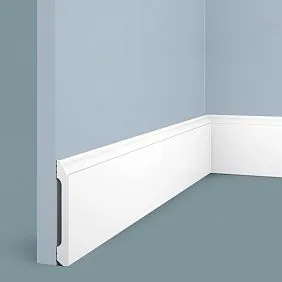
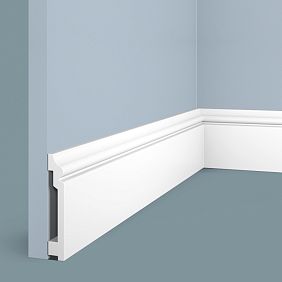
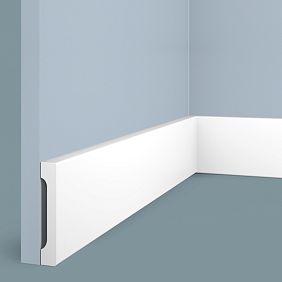
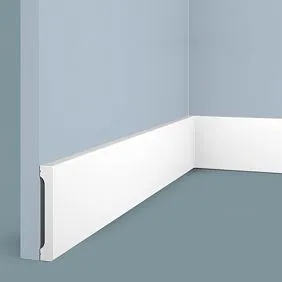
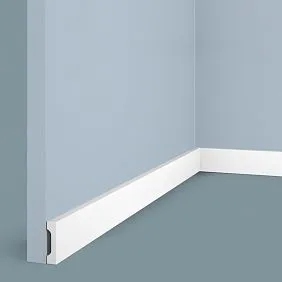
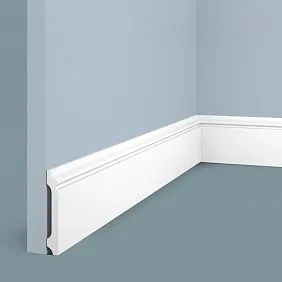

Dimensional Characteristics and Their Impact on Price
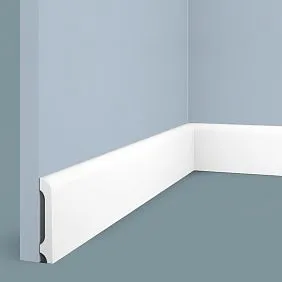
The dimensions of the baseboard directly affect its price. Height, thickness, and length determine the amount of raw material used and the complexity of the manufacturing process.with a classic profile creates a sense of solidity, reliability.Standard-sized options usually cost less than non-standard variants.
Baseboard height ranges from 60 to 120 mm. Compact models measuring 60-70 mm are ideal for small rooms and apartments with low ceilings. Their cost is minimal, making them popular among budget projects.
Mid-range sizes of 80-100 mm represent the ideal middle ground for most interiors. They create harmonious proportions in rooms of standard height and offer the optimal price-to-quality ratio.
Wide Wooden Skirting BoardBaseboards with a height of 100-120 mm are designed for spacious rooms with high ceilings. Such items create a striking architectural accent, but their cost may be 1.5–2 times higher than standard sizes.
Thickness of the baseboard also affects the price. Standard thickness is 15–20 mm, but for special projects, heavier variants may be produced, increasing material consumption and, consequently, cost.
Get Consultation
Profile Complexity as a Pricing Factor
The baseboard profile determines not only its appearance but also the labor required for manufacturing. Simple rectangular profiles with minimal processing have the most accessible cost. Each additional element — bevel, molding, decorative groove — requires additional technological operations and specialized tools.
Classic profiles with elegant moldings and decorative elements may cost several times more than simple forms.wood trim itemsProfiles with complex relief require high-skilled craftsmen and precise equipment.
Carved elements represent the highest level of complexity and cost. Hand-carved details, artistic ornaments, and exclusive designs require the work of true master woodcarvers, significantly increasing the final product’s cost.
Geographical Features: How Region Influences Prices
Moscow Market: Premium and Accessibility
The capital region traditionally demonstrates a wide range of prices for wooden baseboards.Wooden skirting MoscowThey are available both in the premium segment and in more accessible categories.
High rental costs for commercial spaces, logistics expenses, and elevated service quality requirements create a unique pricing environment. However, competition among suppliers helps maintain reasonable prices and encourages product quality improvement.
Moscow consumers are willing to pay more for quality, exclusivity, and a full range of accompanying services. This creates a favorable environment for the development of the premium segment of the wooden baseboard market.
Saint Petersburg: Balance of Tradition and Innovation
The Saint Petersburg market features a more balanced pricing approach.wooden skirting board St. PetersburgOffered at competitive prices while maintaining high product quality.
Proximity to sources of high-quality timber from northern regions of Russia allows for reduced logistics costs. The cultural traditions of the city foster a sustainable demand for classic solutions and natural materials.
Saint Petersburg buyers value the price-to-quality ratio and are willing to invest in durable solutions. This contributes to the development of the mid and premium market segments.
Technological aspects of production and their impact on cost
Quality of raw material and its preparation
The drying process of wood critically affects the cost of the finished product. Proper kiln drying to a moisture content of 8±2% is a costly but necessary process, guaranteeing dimensional stability and preventing deformation.
wooden baseboardHigh-quality products are made only from properly dried material. Using raw wood leads to cracks, deformations, and a short service life of the product.
Sorting of wood also significantly affects the price. The highest grade, free of knots, cracks, and other defects, costs considerably more than material with minor defects. The price difference may range from 50-100% depending on the species and quality requirements.
Modern production equipment
The use of computer numerical control machines ensures high precision in processing and dimensional stability. This increases production costs but guarantees superior quality of the finished product.
Investments in modern equipment allow manufacturers to create complex profiles with a high degree of detail.Wooden moldingsand baseboards manufactured on precision equipment have ideal geometry and no processing defects.
Automation of processes allows reducing the influence of human factors on product quality, but requires significant capital investments, which is reflected in the cost of the products.
Finishing options and coatings: investments in durability
Natural coatings
Oil-based finishes penetrate deeply into the wood structure, highlighting its natural beauty and creating a protective layer. High-quality linseed or tung oil-based finishes cost more than synthetic alternatives, but provide superior appearance and eco-friendliness.
Wax finishes create a noble silk-like surface with pleasant tactile sensations. Natural waxes are more expensive than synthetic ones, but provide a unique appearance and absolute ecological safety.
Solid wooden skirting board priceProducts with quality natural finish may cost 30-50% more than unprocessed analogs, but such items are ready for installation and require no additional finishing.
Modern paint and coating materials
Polyurethane varnishes provide maximum protection against wear, moisture, and mechanical damage. Two-component formulations create a stronger and longer-lasting finish, but cost more than single-component alternatives.
Water-based varnishes are more eco-friendly and dry faster, but require more careful surface preparation. This increases labor costs in production, which is reflected in the final product price.
Staining agents allow changing the color of wood without hiding its texture. High-quality stains and dyes cost more, but provide even coloring and colorfastness.
Specialized solutions and their price category
Baseboards for special operating conditions
Rooms with increased humidity require the use of specially treated baseboards or moisture-resistant wood species. Additional impregnation with antiseptics and moisture-protective compounds increases the cost of the products.
wooden skirting boards for floor purchaseBaseboards for bathrooms, saunas, or kitchens cost more than standard options due to the need for additional treatment and use of special coatings.
Baseboards for high-traffic areas require particularly durable coatings with high wear resistance. Such compounds cost more than standard ones, but ensure longevity under demanding operating conditions.
Integration with engineering systems
Modern interior design trends imply concealed wiring. Baseboards with cable channels or special grooves for wiring cost more than standard ones, but provide a neat appearance of the room.
Underfloor heating systems require the use of special baseboards with ventilation gaps. Such technical solutions increase the complexity and cost of the product.
Seasonal fluctuations and market factors
Impact of construction cycles
Spring-summer period is characterized by increased demand for finishing materials. During this timePrice of wooden floor skirtingthe price may increase by 10-15% due to activity in the construction industry and renovation works.
Autumn-winter period usually brings price stabilization or even reduction due to decreased construction volumes. Planning purchases during off-season can provide significant savings for large projects.
The impact of currency exchange rates and inflation
Although the main raw material — wood — is domestic, the cost of imported equipment, consumables, and coating components depends on currency exchange rates. Sharp fluctuations can affect production costs.
Inflationary processes in the economy affect all components of cost: from workers' wages to energy carrier prices. Producers are forced to consider these factors when setting prices.
Additional services and their impact on total cost
Logistics and delivery
Wooden products require careful transportation and proper storage. Special packaging, climate control, and careful handling increase logistics costs, which are included in the product price.
Delivery of long items requires special transport. Standard passenger cars are not suitable for transporting baseboards 2-2.5 meters long, which increases delivery cost.
Regional delivery can constitute a significant portion of total material costs, especially for remote locations. Optimizing logistics schemes allows reducing these expenses.
Additional Services
Pre-cutting baseboards to room dimensions saves installation time but increases cost. Professional cutting ensures perfect corner fitting and eliminates defects from DIY work.
Room measurement and material calculation services help avoid errors and unnecessary expenses. These services are usually provided free of charge for sufficiently large orders.
Pre-acclimatization of products in warehouse conditions prevents deformation after installation. This service requires additional warehouse space and time, which affects the price.
Comparative Analysis of Price Segments
Economy class: sensible savings
Pine baseboards with simple processing represent the most accessible market segment. The cost of such items may start from 150-200 rubles per linear meter, depending on size and processing quality.
However, saving on material quality and processing may lead to additional expenses in the future. Soft pine wood is prone to dents and scratches, which may require replacement after several years of intensive use.
For temporary solutions or low-traffic spaces, the economy segment may be a justified choice, but requires a conscious approach to usage.
Mid-range segment: optimal balance
Baseboards from beech and quality pine with professional processing offer optimal cost-to-quality ratio. The cost of such items typically ranges from 300 to 800 rubles per linear meter.
This segment is most popular among buyers valuing a reasonable compromise between cost and quality. Mid-range products ensure good durability at an acceptable price.
Wooden railsand other mid-range trim elements allow creating a harmonious set of finishing materials without significant expenses.
Premium class: investments in quality
Oak baseboards with exclusive design and hand finishing represent the highest price segment. Such items may cost more than 1500-2000 rubles per linear meter, but this is justified by exceptional material characteristics.
Premium items are designed for demanding buyers willing to invest in longevity, prestige, and uniqueness. The service life of such baseboards is measured in decades without loss of quality.
Exclusive profiles and custom solutions may cost even more, but allow creating a truly unique interior.
Economic efficiency: looking ahead
Long-term investment perspective
When evaluating the cost of wooden baseboards, it is important to consider not only initial expenses but also total ownership cost. Quality items made from hardwoods last 15-20 years or more without replacement.
Simple calculation shows that an oak baseboard costing 1500 rubles per meter with a 20-year lifespan costs 75 rubles per year. A pine baseboard at 200 rubles, requiring replacement every 5 years, costs 40 rubles per year, but considering removal and installation costs, the savings become questionable.
Impact on property value
Quality finishing with natural materials increases property attractiveness on the market. Potential buyers are willing to pay extra for quality finishing, partially offsetting initial investments.
Real estate agency statistics show that apartments with quality natural material finishing sell faster and at higher prices than similar units with budget finishes.
Market development trends and price forecasts
Growing Demand for Eco-Friendly Materials
Modern consumers increasingly pay attention to the ecological properties of finishing materials. This contributes to rising demand for natural wood products, which may influence pricing upward.
Certification of wood according to ecological standards is becoming an important selection factor. Products from certified forests may cost more but guarantee responsible forestry.
Technological Innovations
The implementation of modern production technologies allows optimizing raw material usage and improving product quality. This can contribute to price stabilization while enhancing product characteristics.
New wood processing methods and protective coatings increase product durability, justifying the higher cost through improved operational characteristics.
Practical recommendations for selection and purchase
Determining the Optimal Budget
When planning a budget for baseboards, consider not only material cost but also expenses for fittings, fasteners, and installation. A reserve of 15-20% of the main amount will help cover unforeseen expenses.
Calculating total requirements should include allowances for trimming and potential damage during installation. Typically, 5-10% of material is added to the calculated quantity.
Choosing a supplier
The reputation of the manufacturer and supplier is critically important for obtaining a quality product at the stated price. Companies with long-standing experience typically offer stable quality and reliable warranties.
The presence of in-house production by the supplier allows better control over quality and delivery timelines. This is especially important for large projects with strict deadlines.
Alternative options and their comparison
MDF baseboards as a compromise solution
MDF baseboards are significantly cheaper than solid wood, but they lag in durability and eco-friendliness. High-quality MDF baseboards with wood-grain finish can cost 2-3 times less than natural counterparts.
For projects with limited budgets or temporary solutions, MDF can be an acceptable alternative. Modern technologies allow creating finishes that very accurately mimic natural wood texture.
Veneered baseboards
Baseboards made of pine, veneered with natural veneer of premium species, represent a compromise between cost and appearance. Such items are cheaper than solid wood but retain the natural wood texture and color.
The quality of veneered baseboards heavily depends on production technology and adhesive quality. When properly manufactured, such items can last long and look like solid wood.
Installation and its impact on the overall project cost
Professional installation
The cost of professional installation of wooden baseboards typically ranges from 150 to 300 rubles per linear meter, depending on the complexity of work and region. Quality installation ensures an ideal result and material preservation.
Professional installers have the necessary tools and experience working with various materials. They can avoid errors that amateurs often make during self-installation.
DIY installation
Self-installation allows saving on labor costs but requires appropriate skills and tools. Installation errors may damage materials and incur additional expenses.
Successful self-installation requires: a circular saw or miter gauge, drill, level, tape measure, and other tools. The total cost of tools may be significant for one-time use.
Components and accessories
Required accessories
Quality baseboard installation requires appropriate accessories: corner pieces, connectors, plugs, fasteners. The cost of accessories may amount to 20-30% of the main material cost.
CasingsFor doorways, executed in a unified style with baseboards, create a harmonious composition but increase the overall project budget.
Fastening materials
Quality self-tapping screws, dowels, and adhesive compositions ensure reliable fastening for many years. Saving on fasteners may lead to weakened fastening and the need for rework.
Special fastening systems for wooden baseboards cost more than universal ones but provide better results and appearance.
Frequently asked questions
What factors have the greatest impact on the price of wooden baseboards?
Main factors include wood species, product dimensions, profile complexity, and finish type. Oak baseboards may cost 3-4 times more than pine ones at the same dimensions and finish.
Is it worth paying extra for a wide baseboard?
Width selection should match room proportions. For standard apartments with ceilings of 2.5-2.7 m, baseboards 70-80 mm high are optimal. Paying extra for excessive width is not always justified.
Which baseboard to choose for humid rooms?
For bathrooms and kitchens, it is recommended to use oak or other moisture-resistant species with quality finish. An alternative may be specially treated pine with moisture-resistant impregnation.
Is it worthwhile to buy skirting boards with finish?
Factory-applied finishes are usually higher quality and more durable than DIY finishes. Considering the cost of materials and labor, purchasing pre-finished products is often more economically advantageous.
How to calculate the required amount of skirting board?
Measure the room's perimeter and subtract the width of doorways. Add 5-10% for trimming and potential damage. Account for standard plank lengths when calculating the number of joints.
Can wooden baseboards be installed on a heated floor?
Yes, but it is necessary to ensure ventilation gaps and use baseboards made from stable wood species with quality finishes. The floor temperature should not exceed 27°C.
What warranty should the manufacturer provide?
Quality manufacturers provide a warranty of at least 1-2 years against manufacturing defects. The warranty should cover deformation, cracking, and peeling of the finish under proper use.
When is the best time to buy wooden skirting boards?
The off-season (autumn-winter) often features more stable prices and better product availability. Planning purchases in advance helps avoid rush and enables more thoughtful decisions.
Conclusion
Understanding the factors that shapePrice of wooden floor skirting, will help make the right decision when selecting finishing materials. Investing in quality wooden baseboards pays off through longevity, aesthetic appeal, and increased property value.
The modern market offers a wide range of solutions for any budget. The key is to find the optimal balance between cost, quality, and aesthetic requirements of a specific project. A properly chosen baseboard will delight with its appearance and functionality for many years.
QualityTrimming ItemsRequire a professional approach both in production and installation. Cutting corners on material quality or installation may lead to additional expenses in the future.
Company STAVROS has been a leader in the field ofproduction of molding productspremium quality. Using carefully selected wood from ecologically clean regions and modern European technologies, STAVROS creates products that serve as a benchmark for quality and beauty in their industry. Strict quality control at every stage of production, from raw material selection to final packaging, guarantees flawless results. STAVROS offers honest pricing, transparent cooperation terms, and professional customer support at every stage — from consultation to installation and maintenance recommendations. Choosing STAVROS means investing in quality proven by time and thousands of satisfied customers across Russia.