












































































Article Contents:
- Panel height: vertical spatial dramaturgy
- Low panels: plinth protection and horizontal stability
- Medium-height panels: classic elegance
- High panels: monumental architecture
- Profiles and textures: the language of architectural details
- Simple frame panels: minimalist classic
- Carved panels: baroque opulence
- Textured panels: surface play
- Panel color: spatial temperature
- Light panels: Scandinavian airiness
- Mid-tones: classic warmth
- Dark panels: aristocratic seriousness
- Combining panels with classic furniture: historical contexts
- Classicism: order logic
- Baroque: Opulence and Dynamism
- Ceiling Molding: Framing the Upper Surface
- Combining panels with modern furniture: play of contrasts
- Minimalist furniture against panel background
- Industrial furniture and wooden panels
- Scandinavian style: light wood and functionality
- Space zoning through panels: architecture without walls
- Height zoning: play of levels
- Color zoning: functional palette
- Texture zoning: tactile map of space
- Installation practice: from project to implementation
- Design: drawings and calculations
- Base preparation: flatness is critical
- Installation: sequence and precision
- Finishing: surface unity
- Frequently asked questions about wall panels
- What thickness should wooden wall panels be?
- Can wooden panels be installed in wet areas?
- How to combine wooden panels with wallpaper?
- Do wooden panels require special care?
- How do wooden panels affect room acoustics?
- Conclusion: architectural dialogue with STAVROS

A wall ceases to be just a vertical plane when touched by wood. It gains a voice, character, history.Wooden wall panelstransform a neutral background into an active participant in the interior drama, where furniture plays the leading roles and architectural decor creates the scenography. This is not just cladding — it is the language of space, speaking of status, taste, understanding of proportions. Wooden panels form the context in which the beauty of furniture is revealed, its forms are emphasized, and its impact on perception is enhanced.
Why are wall panels needed at all if you can simply paint the walls or apply wallpaper? A reasonable question for those who see an interior as a collection of separate items. But space is a system of interrelationships where each element influences the perception of another. Wooden furniture against a painted wall exists on its own. The same furniture against wooden panels enters into a dialogue with architecture, becomes part of a whole, and gains depth of meaning. Panels create scale, set rhythm, establish hierarchy — everything that turns a collection of objects into an interior.



Panel height: vertical dramaturgy of space
The first and most important decision when working with wooden panels is determining their height. This parameter radically changes the perception of a room, affects proportions, and creates visual effects. There is no universal rule — there is a logic that needs to be understood.




Low panels: plinth protection and horizontal stability
Panels 80-120 centimeters high from the floor form what in architecture is called a plinth or dado. This is a traditional solution from eras when the lower part of a wall needed protection from mechanical damage, dirt, and moisture. Today, the protective function has taken a back seat, but the aesthetic one has remained and intensified.
Low panels create a visual support, a foundation on which the rest of the space stands. They work like a baseboard, enlarged to an architectural scale. Dark oak panels 100 centimeters high against light painted walls create a stable horizontal line that grounds the interior, giving it seriousness. This solution is characteristic of English studies, libraries, and formal dining rooms.
How do low panels work with furniture? They create a background for the lower parts of objects — table legs, lower sections of cabinets, chair seats. If the furniture is dark and the panels are dark, a visual fusion occurs — the furniture is perceived as growing out of the wall, forming a single whole with it. If the furniture is light against dark panels, a contrast is created that emphasizes the silhouette.
The boundary between the panels and the upper part of the wall is finished with a horizontal molding — the so-called chair rail. This element is critically important — it completes the panel zone, creates a clear line that structures the space. Without molding, panels look unfinished, cut off.interior decorationin the form of profiled moldings turns a technical boundary into an architectural accent.
Our factory also produces:


Medium panels: classic elegance
Panels 150-180 centimeters high occupy two-thirds of the wall with a standard ceiling height of 2.5-2.7 meters. This is the golden proportion, a classic division used in palace interiors of the 17th-19th centuries. Medium panels create a balance between protection and airiness, between the massiveness of wood and the lightness of the upper zone.
In a room with medium panels, furniture is perceived in its full volume. A tall cabinet reaches the top into the painted zone of the wall, while the bottom remains against the panels. This creates a visual connection — the furniture does not hang in space but rests on an architectural foundation. Dining chairs with backrests 100-120 centimeters high are entirely within the panel zone, emphasizing their significance.
Medium panels allow for creating complex compositions with horizontal and vertical divisions. Vertical pilasters divide the wall into sections 60-100 centimeters wide. Horizontal moldings break the panel into two or three tiers. Within the resulting rectangular frames are panels — smooth or with carved decor. The result is boiserie — a French panel system that turns a wall into an architectural object.
The color of medium panels can match the color of the furniture, creating material unity. Oak panels and oak furniture, tinted in the same shade, form a monochromatic environment where space and objects merge. An alternative is contrast: light beech panels and dark walnut furniture. Contrast emphasizes forms, highlights objects against the background, and creates visual dynamics.
Get Consultation
High panels: monumental architecture
Panels over 200 centimeters high, practically up to the ceiling, turn a wall into a wooden plane with minimal inserts of other finishes. This is a solution for rooms with high ceilings — from 3 meters and above. In such spaces, high panels create monumentality, representativeness, and a sense of palace architecture.
High panels require careful division, otherwise, you get a boring wooden wall. Vertical pilasters 10-15 centimeters wide divide the plane into rhythmic sections. Horizontal moldings at heights of 100, 180, and 240 centimeters create tiers. The upper tier can be executed as a frieze — a horizontal strip with a repeating pattern. The composition is crowned by a ceiling cornice 15-25 centimeters wide.
Furniture in a room with high panels must be of an appropriate scale. Low, squat items will be lost against monumental walls. Tall cabinets up to the ceiling, massive tables, chairs with high backs are needed.Classic Furnituremade of solid oak or walnut finds its ideal context in such a space.
The color solution for high panels is critical. Dark wood over a large area can create an oppressive impression, especially with insufficient lighting. Light species — beech, ash, whitewashed oak — retain monumentality but add airiness. A combined solution — the lower two tiers dark, the upper tier light — creates a gradient that visually raises the ceiling.
Profiles and textures: the language of architectural details
Wooden panels are never just smooth planes — they consist of elements with specific profiles that create relief and play of light and shadow. The character of these profiles determines the style of the interior.
Simple frame panels: minimalist classic
The basic panel system consists of frames and panels. A frame is a rectangular structure made of profiled strips, inside which a panel is placed—a thin panel inserted into the grooves of the frame. The profile of the frame can be extremely simple—a rounded bevel 5-10 millimeters wide, or more complex—with a bead and a cove.
Simple frame panels are suitable for modern interpretations of classic styles. They preserve the logic of wall division, create structure, but do not overload the space with details. Against the backdrop of such panels, both traditional furniture with carved elements—the contrast works—and modern minimalist furniture—stylistic coherence emerges—look good.
The size of frames affects the perception of scale. Large frames 80×120 centimeters create a calm, solid rhythm. Small frames 40×60 centimeters form a more fragmented, detail-rich composition. Elongated vertical frames 50×150 centimeters emphasize the height of the room. Horizontal frames 120×70 centimeters visually expand the space.
Carved panels: Baroque opulence
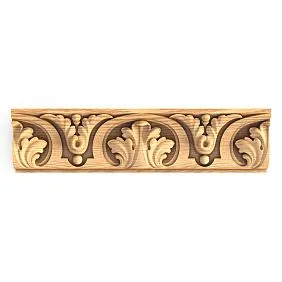
The opposite pole—panels with carved inserts, where the surface is covered with three-dimensional ornamentation. Floral swirls, acanthus leaves, rosettes, garlands turn the panel into a sculptural relief. Such panels are characteristic of formal interiors in Baroque, Rococo, and Empire styles.
Carved panels require appropriate furniture. A simple minimalist table against a backdrop of lavishly decorated walls looks out of place. Furniture with carvings, overlays, curved forms is needed—items that support the level of decorativeness.Furniture decorin the form of carved overlays connects furniture and walls with a common ornamental language.
It's important not to overdo it. If both walls and furniture are covered with carvings, visual cacophony arises. One of the elements should dominate. Either the walls are carved and the furniture is relatively calm, or vice versa—the furniture is richly decorated, and the panels serve as a neutral background with minimal relief.
Textured panels: surface play
A modern alternative to carving—texturing the wood surface. Brushing removes soft fibers, leaving hard annual rings, creating a relief surface with a pronounced texture. Wood charring followed by brushing gives a contrasting black-brown pattern. Sawing creates a regular ribbed surface.
Textured panels work in modern interiors where classical carving is inappropriate, but tactility and visual richness are needed. Against a backdrop of brushed oak panels, modern furniture with simple forms looks good—the contrast of smooth furniture surfaces and relief walls creates an interesting interplay.
Horizontal or vertical orientation of the texture affects the perception of space. Vertical brushing stripes raise the ceiling, horizontal ones expand the room. Diagonal orientation creates dynamism but requires caution—it can cause visual discomfort.
Color of panels: temperature of space
The color of wooden panels is not only an aesthetic choice but also a tool for managing the psychological atmosphere of a room. Wood has a wide spectrum of natural shades, which can be further modified by tinting.
Light panels: Scandinavian airiness
Panels made from light wood species—birch, bleached oak, light beech, ash without tinting—create a sense of purity, freshness, and spaciousness. Light wood reflects light, visually expands the room, makes it brighter. This is an optimal solution for small rooms, spaces with insufficient natural light, northern rooms.
Against a backdrop of light panels, both light furniture—creating a monochrome Scandinavian aesthetic—and dark furniture—creating an expressive contrast—look good. Light panels serve as a neutral background that does not compete with furniture for attention, allowing items to be the main heroes of the interior.
The danger of light panels—the risk of obtaining a sterile, hospital-like space without character. To avoid this, it's important to introduce variety through texture—brushing, relief profiles, textured fabrics on furniture. The warmth of light is also critical—cold LEDs will kill coziness, warm light from halogen lamps will preserve it.
Medium tones: classic warmth
Panels made from natural oak, beech, walnut without radical tinting have warm honey-brown shades. This is the golden mean, suitable for most interiors. Medium tones create coziness without heaviness, nobility without pretentiousness, warmth without cloyingness.
Furniture against a backdrop of medium tones can be any. Light creates contrast, dark forms depth, medium tones ensure harmony. Texture difference is important—if panels and furniture are made from the same species and tone, they should differ in surface treatment. Matte panels and glossy furniture, or vice versa—this will create visual separation.
Medium tones are universal for functional zoning. Living room, dining room, study can have panels of the same medium tone, creating spatial coherence. Differences in panel height, profiles, decor will create specificity for each zone while preserving material unity.
Dark panels: aristocratic seriousness
Dark panels made from bog oak, walnut, beech tinted in wenge or ebony—a choice for representative interiors. Dark wood creates an atmosphere of solidity, status, concentration. This is a solution for studies, libraries, masculine interiors, spaces where concentration and a serious mood are needed.
Dark panels visually narrow the space, therefore requiring sufficient area and ceiling height. In a small room, dark walls will create a box-like feeling. In a spacious room, they form intimacy, protection, intimacy of a large-scale space.
Furniture against a backdrop of dark panels should be contrasting—light, to avoid blending with the background. Or dark, but with expressive forms, carvings, gilding—elements that will be readable even with tonal merging. Lighting is critical—dark panels require powerful artificial light, otherwise the room will turn into a gloomy cave.
Combining panels with classic furniture: historical contexts
Solid Wood Itemsin classic styles require appropriate architectural surroundings. Incorrectly chosen panels destroy stylistic integrity, correct ones enhance the impact and emphasize the quality of the furniture.
Classicism: order logic
Classicist furniture is oriented towards antique models—symmetry, proportions, restrained decor. Panels should follow the same logic. Three-part wall division corresponds to column architecture—plinth (low panels), shaft (middle zone), capital (frieze and cornice).
Vertical pilasters on panels imitate columns—they can have flutes (vertical grooves), bases, and capitals. Horizontal moldings correspond to architectural orders—Doric (simple), Ionic (with volutes), Corinthian (with acanthus leaves). Furniture in such an interior is perceived as part of the architectural ensemble.
The color scheme of classicist panels is light tones with gilding or monochromatic natural wood. White panels with gilded moldings create a palatial grandeur. Natural oak or walnut is a more restrained option for private interiors.
Baroque: opulence and dynamism
Baroque furniture is characterized by curved forms, abundant carving, and gilding. Panels should match this opulence. Carved panels with plant scrolls, volutes, putti. Curved molding profiles, complex multi-tiered cornices. No minimalism—every surface is covered with decoration.
Vertical elements of panels may not be straight pilasters but curved columns with twisted shafts. Panels are not flat but convex, dome-shaped. Corners are not right-angled but rounded. Everything is aimed at creating dynamism, movement, drama.
The color of Baroque panels is dark wood with abundant gilding or light panels with colored inserts. Gold on carving is essential—it creates a play of light and emphasizes the volume of the ornament. Furniture in such an interior must be equally richly decorated, otherwise it will get lost against the opulent walls.
Modern: natural forms and asymmetry
Art Nouveau furniture is distinguished by flowing lines, plant motifs, and asymmetry. Panels in Art Nouveau interiors abandon rectangular frames—panels can have wavy edges, oval, or teardrop shapes. Vertical elements are curved, following the organic lines of stems.
The decoration of Art Nouveau panels includes stylized plants (irises, lilies, poppies), winding lines, images of female figures with flowing hair. Carving is low, smooth, without sharp transitions. The color palette is soft—gray-green, lilac, golden-brown tones.
Art Nouveau furniture against such panels gains context. The curved legs of chairs echo the wavy lines of the panels. Plant appliqués on furniture develop the motifs of wall decoration. An organic whole emerges, where it is difficult to determine where architecture ends and furniture begins.
Combining panels with modern furniture: a play of contrasts
Wooden panels are not the prerogative of classic interiors. In contemporary spaces, they function differently, creating contrasts and unexpected combinations.
Minimalist furniture against panels
Simple modern furniture—smooth fronts without handles, straight lines, absence of decoration—contrasts with the texture and warmth of wooden panels. Panels introduce organic quality, tactility, and a connection with nature into an ascetic minimalist space. Without panels, minimalism risks becoming cold and soulless. Wooden walls warm and humanize.
It is important not to overload. Panels in a minimalist interior should be simple—without carving, with minimal profile, possibly without any division into frames at all. Wide boards laid horizontally or vertically, attached in a hidden way, create a monolithic wooden plane. Such panels work as a textural accent without violating minimalist purity.
The color of panels in a contemporary interior can be any, including tones uncharacteristic of classicism—gray, black, bleached. Toning oak to graphite gray creates an industrial aesthetic. Charring with brushing gives a black relief surface. Whitewashing creates northern restraint.
Industrial furniture and wooden panels
Loft and industrial style combine rough materials—concrete, metal, brick. Wooden panels introduce warmth into this harsh environment. Old boards with preserved traces of time—wear, cracks, patina—create a sense of history. An untreated surface with visible wood grain contrasts with the cold metal of the furniture.
Combining wooden panels and metal structures requires balance. Too much wood will kill the industrial character, too little will not provide sufficient warmth. Optimally—one accent wall with wooden panels, the rest concrete or brick. Furniture with a metal frame and wooden tabletops supports this combination of materials.
Installation of panels in an industrial style can be deliberately rough—visible screws, metal corners, lack of perfect fitting. This emphasizes the concept of material honesty, transparency of construction, and rejection of decorative masking.
Scandinavian style: light wood and functionality
Scandinavian aesthetics are built on light tones, natural materials, functionality without excess. Panels made of light wood—birch, pine, bleached oak—fit perfectly into this concept. Simple wide boards without complex profiles, natural texture, transparent oil coating.
Scandinavian style furniture—simple forms, thin legs, light wood—harmonizes with panels in material and philosophy. But it is important to create a difference so that the furniture does not blend with the walls. This is achieved through tonal variation—panels slightly darker than the furniture or vice versa, through textural difference—smooth furniture and textured panels.
Scandinavian interiors avoid excess, so panels are used locally—one wall, the area behind the bed headboard, the wall between windows. This creates an accent without overloading the space with wood. The remaining walls are painted white or light gray, preserving airiness.
Zoning space through panels: architecture without walls
Wooden panels are a powerful tool for zoning open spaces without erecting partitions. Changing the height, color, or texture of panels denotes functional zones while preserving visual permeability and freedom.
Height zoning: playing with levels
In a studio space with an open layout, various zones can have panels of different heights. Living area—low panels 100 centimeters, creating a comfortable backdrop for seating. Dining area—medium panels 160 centimeters, emphasizing the importance of the family gathering place. Work area—high panels up to the ceiling, forming a focused office atmosphere.
Transitions between zones with different panel heights are marked by vertical elements—columns, pilasters, posts. These elements do not reach the ceiling, keeping the space visually unified, but create vertical accents that are read as zone boundaries.
Furniture in each zone is selected in accordance with the character of the panels. In the living room with low panels—low sofas, armchairs with low backs. In the dining room with medium panels—standard dining chairs. In the work area with high panels—a high office chair, cabinets up to the ceiling.
Color zoning: a palette of functions
Different zones can have panels of different colors with the same height and profile. Bedroom area—panels of light beech, creating a relaxed atmosphere. Kitchen area—panels of medium oak, practical and warm. Entryway—panels of dark walnut, forming a solemn entrance.
Color transitions should be logical—either gradient (from light to dark) or contrasting with a clear boundary. Chaotic color mixing creates visual clutter. Zone boundaries are indicated by vertical elements or a change in board direction—horizontal in one zone, vertical in another.
Furniture can support color zoning by matching the panel tone or contrasting with it. Repetition creates monochromatic zones where furniture blends with the architecture. Contrast highlights the furniture, making it the main feature against a neutral background.
Texture zoning: the tactile map of space
Zones differ in the surface treatment of the panels. The public living room area—smooth polished panels creating formality. The private bedroom area—brushed panels with pronounced texture providing tactile comfort. The work office area—panels with vertical fluting forming rhythm and concentration.
Texture zoning works on a tactile level—touching the walls in different zones, a person feels the difference. This enhances zone readability not only visually but physically. A child running through the house can determine by touch where they are—in the smooth living room or textured bedroom.
Furniture can have different finishes corresponding to the panels. In the zone with smooth panels—furniture with lacquer coating. In the zone with textured panels—furniture with oil finish preserving the wood's tactility. This creates textural consistency of all elements in the zone.
Installation practice: from project to implementation
Creating a panel system requires careful planning and professional execution. Errors during installation will ruin the most well-thought-out concept.
Design: drawings and calculations
Before purchasing materials, create a detailed drawing of the panel system with all dimensions specified. The wall is measured with millimeter precision—height, width, location of openings, sockets, switches. Based on this data, the panel layout is calculated.
The principle of symmetry is the foundation of design. The central axis of the wall should pass through the center of the central panel or between two central panels. Side panels are symmetrical relative to the center. Panel width may vary, but symmetry is mandatory—the left and right parts of the wall are mirrored.
Material quantity calculation includes all elements—vertical studs, horizontal rails, panels, moldings. Add 10-15% to the calculated amount for waste and possible errors. Saving on material will lead to a situation where at the end of installation, one element is missing, and purchasing exactly the same one is impossible.
Base preparation: flatness is critical
Panels are mounted on a perfectly flat surface. Wall irregularities exceeding 5 millimeters over two meters require leveling. Options—plastering, drywall installation on a frame, plywood base installation. The latter is optimal for wooden panels—plywood creates a flat wooden surface to which panels are securely attached.
Wall moisture is checked with a moisture meter. If moisture exceeds 12%, panel installation is prohibited—wood will absorb moisture, swell, and deform. The wall must be dried, the moisture source eliminated, only then proceed with installation.
Marking is done using a laser level and chalk line. Lines for installing main elements are marked on the wall—bottom rail, top rail, vertical studs. Marking accuracy is critical—a millimeter error on each element will lead to significant displacement by the end of the wall.
Installation: sequence and precision
Installation begins with assembling the frame—bottom and top horizontal rails, then vertical studs. The frame is attached to the wall through the plywood base with screws. A 30-40 centimeter fastening spacing ensures rigidity. Stud verticality is checked with a level, rail horizontality—also with a level.
After frame installation, panels are installed. They are inserted into frame grooves with a 2-3 millimeter gap for moisture expansion compensation. Panels are not rigidly glued—they must be able to move across the grain with humidity changes. Rigid fastening will cause cracking.
Final stage—installation of decorative moldings covering joints and embellishing the structure. Moldings are attached with glue and additional fixation using headless thin nails. Corner molding joints are mitered at 45 degrees with fractional degree precision. Gaps in corners are a sign of unprofessionalism.
Finishing: surface unity
After installation, the entire structure is sanded with fine sandpaper to remove minor irregularities and prepare the surface for coating. Fastener points, if visible, are filled with wood-tone filler. After filler dries—re-sanding.
Staining, if planned, is done with water- or alcohol-based stain. Stain is applied evenly with a brush or sprayer. Excess is removed with a rag. After drying—light sanding to remove raised wood fibers.
Final coating—varnish, oil, or wax—is applied in two to three coats with intermediate sanding. Varnish creates a glossy protective film. Oil penetrates the wood, emphasizing the grain. Wax gives a matte silky surface. Choice depends on desired effect and operating conditions.
Frequently asked questions about wall panels
What thickness should wooden wall panels be?
Panel thickness depends on construction. For frame-and-panel systems, the frame is 20-30 millimeters thick, providing structural strength. Panels are thinner—10-15 millimeters, as they bear no load. For solid board panels without frames, 15-25 millimeters thickness is optimal—sufficient for strength without excessive mass.
Too thin panels bend, resonate when touched, appear flimsy. Too thick panels create excessive mass, consume room volume, are expensive. The sweet spot for most cases—18-22 millimeters of solid wood.
Can wooden panels be installed in wet areas?
In bathrooms and kitchens, wooden panels are possible but require special preparation. Wood must be treated with moisture-resistant impregnations. Final coating—water-resistant varnish or oil-wax with high wax content. Ventilation is mandatory—stagnant humid air is detrimental to wood.
Optimal species for wet areas—teak, larch, merbau—they contain natural oils repelling water. European species—oak, beech—require thorough protection. Panels are placed away from direct water contact—not in shower areas, but on walls not exposed to splashes.
How to combine wooden panels with wallpaper?
A classic solution is panels on the lower part of the wall, wallpaper on the upper part. The border between them is decorated with decorative molding. The wallpaper style should match the character of the panels. For classic carved panels, wallpaper with a damask pattern or monograms is suitable. For simple modern panels, solid-colored wallpaper or wallpaper with a geometric pattern is appropriate.
Wallpaper color affects the perception of space. Light wallpaper over dark panels visually raises the ceiling. Dark wallpaper over light panels creates an unusual inverted effect. Wallpaper of the same tone as the panels but with a different texture—textile, with relief—creates monochromatic elegance.
Do wooden panels require special care?
Regular care is simple—wiping with a dry, soft cloth once a week to remove dust. Dust accumulates in the recesses of moldings and carvings—use a soft brush or a vacuum with a soft attachment.
Wet cleaning is acceptable for varnished panels—use a well-wrung cloth without excess water. Panels with oil or wax coating should only be wiped with a dry cloth. Once every year or two, the oil coating is renewed by applying a new layer of oil. Waxed coating requires rewaxing with the same frequency.
Scratches and chips on varnished panels are repaired by local sanding of the damaged area and touch-up with retouching varnish. On oiled and waxed finishes, minor scratches are often eliminated by simply reapplying oil or wax—they fill the damage.
How do wooden panels affect room acoustics?
Wooden panels improve acoustic comfort. Wood absorbs sound waves, especially high frequencies, softening reverberation. A room with wooden panels sounds warmer and softer than a room with hard reflective surfaces like tile or concrete.
Frame-and-panel construction with an air gap between the panel and the wall acts as resonators, absorbing sound at certain frequencies. This reduces echo and makes speech more intelligible. To enhance the acoustic effect, sound-absorbing material—mineral wool, acoustic foam—is placed behind the panels.
However, wooden panels do not provide sound insulation from external noise. Protection from neighbors' noise requires massive structures decoupled from the wall. Panels improve the internal acoustics of a room but do not isolate it from external sounds.
Conclusion: An Architectural Dialogue with STAVROS
Wooden wall panels are not just finishing but an architectural tool that shapes the character of a space, creates context for furniture, zones functions, and manages perception. From simple frame systems to complex carved boiserie, from light Scandinavian boards to dark classic panels—the range of solutions is vast. It is important to understand the logic, follow principles, and respect the material.
STAVROS has twenty years of experience creating wooden elements for interiors. The production base is equipped with modern equipment, allowing the manufacture of panel systems of any complexity—from simple frames to carved compositions with multiple elements. In-house chamber drying of wood guarantees a moisture content of 8-12%, ensuring geometric stability for decades.
STAVROS's range includes ready-made solutions for creating wall panels—moldings of dozens of profiles, baseboards of various heights, casings, pilasters, rosettes, carved overlays. All elements can be combined with each other, allowing for endless variety in compositions. Custom elements can be manufactured according to individual sketches for implementing unique design projects.
STAVROS professional consultants will help design a panel system, calculate the required amount of materials, and select profiles and colors. The catalog of solutions presents dozens of completed projects demonstrating the possibilities of wooden decor. Technical support at all stages—from concept to installation—ensures successful project implementation.
STAVROS works with private clients, interior designers, and construction companies throughout Russia. The logistics system ensures delivery to any region. Showrooms in Moscow and St. Petersburg allow you to see product samples, assess processing quality, and receive professional consultation.
By choosing STAVROS, you choose the quality of natural solid wood, precision manufacturing, a wealth of choice, and professional support. Create interiors where walls do not just limit space but shape architecture, where furniture does not just stand against walls but engages in dialogue with them, where wood reveals its beauty, warmth, and nobility, serving for generations.


