












































































Article Contents:
- Role of details in architectural composition
- Hierarchy of architectural elements
- Principles of Scaling
- Rhythm and Repetition
- Symmetry and Asymmetry
- Color organization
- Light as an organizing factor
- Ceiling Moldings and Rosettes
- History of ceiling roses
- Types and forms of roses
- Ornamental Motifs
- Materials and Technologies
- Placement and installation
- Painting and decorating
- Carved pediments and their decorative significance
- Historical development of pediments
- Types of pediments
- Decorative elements of pediments
- Materials for pediments
- Functional significance
- Unifying style using corner elements
- Corner elements on the facade
- Corner Elements in Molding Compositions
- Protective corner caps
- Corner elements in furniture
- Coffered ceilings and corner elements
- Conclusion: symphony of architectural decoration
- FAQ: popular questions about decorative elements
- What size ceiling rosette is optimal for a room?
- What materials are facade pediments made of?
- Is it necessary to use corner elements in molding compositions?
- How to combine classical moldings with modern interiors?
- What maintenance do polyurethane decorative elements require?
- Can moldings be installed on a suspended ceiling?
- What is the durability of facade decoration made of polyurethane?
- How to choose the style of decorative elements for your home?

Architecture is frozen music, where each note has its own sound, and each element plays a specific role in the overall composition. From elegantceiling rose moldingin the grand foyer to majesticcarved pedimentOn the facade, all details must be coordinated with each other, creating a unified decorative symphony. Modern understanding of architectural decoration goes beyond mere ornamentation—it is a complex system of visual connections, proportions, and meanings that transforms an ordinary house into a work of art.Corner finishing elementbecomes a connecting link, unifying different planes into a single whole, emphasizing the architectural logic of the building.


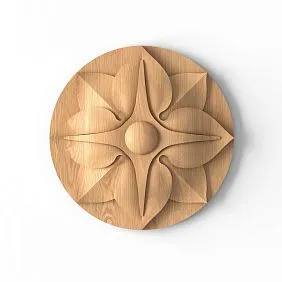

Role of details in architectural composition
Great architects of the past understood: the beauty of a building is composed of details, carefully thought-out elements that work together to create a cohesive image. Each decorative element—from monumental cornices to modest %sceiling rose moldingperforms its role in the architectural drama. Understanding these roles, the relationships between elements, and the principles of their organization is key to creating truly expressive architecture.




Hierarchy of architectural elements
In any architectural composition, there exists a clear hierarchy of elements—from main, dominant ones to secondary, supporting ones.Carved pedimentOn the facade, traditionally occupies the top of this hierarchy—it completes the building's composition, fixes the central axis, and becomes the building's signature. A similar role within the interior is played by the central %sceiling rose moldingIt organizes the space around itself, creating a focal point in the interior.
The second level of hierarchy consists of horizontal divisions—cornices, moldings, friezes—which structure the facade and interior, create rhythm, and separate floors or functional zones. These elements function like musical measures, organizing the temporal structure of the melody. The cornice crowning the facade corresponds with the ceiling cornice inside, creating a visual connection between the exterior and interior spaces.
The third level comprises vertical elements: pilasters, columns, door and window frames. They create the composition's framework, support horizontals, and form a rhythmic structure. Pilasters on the facade may find reflection in interior pilasters framing doorways or highlighting fireplaces.Corner finishing elementOften plays the role of a connecting link between vertical and horizontal elements.
The fourth level consists of small decorative elements—roses, brackets, garlands, medallions—which enrich surfaces, create textural richness, and add refinement to details. These elements are akin to ornaments in a musical phrase—they embellish the main melody without interrupting it, instead enhancing and enriching it.
Our factory also produces:


Principles of scaling
The correct proportion of sizes of various elements is a fundamental principle of harmonious architecture.Carved pedimentmust be proportional to the height and width of the facade—too large will overwhelm the building, too small will disappear and fail to create the desired compositional conclusion. Classical architecture developed precise proportional systems, where each element relates to others through mathematical relationships.
The golden section—a proportion in which the smaller part relates to the larger part as the larger part relates to the whole—is considered the ideal proportion, perceived as the most harmonious. Many historical buildings were constructed according to this proportion, and modern architecture also employs it in designing decoration. The diameter %sceiling rose moldingis often related to room dimensions through the golden section.
Scaling also works at the level of small details. The size %scorner trim elementis determined by the width of the molding it decorates—too large a rose on a narrow molding looks inappropriate, too small a rose will disappear. Professional architects use proportional compasses and special tables to calculate optimal proportions.
Get Consultation
Rhythm and Repetition
Rhythm in architecture is created through the repetition of elements at specific intervals. A row of windows on the facade, framed by identical window casings, creates a regular rhythm, calming and organizing perception. Changing the rhythm—accelerating or slowing it—creates dynamism, drawing attention to specific areas of the composition.
Rhythmic structures link different levels of the building. The vertical rhythm of pilasters on the facade may continue into the horizontal rhythm of coffers on the ceiling.Ceiling rose moldingin the sequence of rooms creates a spatial rhythm, guiding the viewer's gaze and organizing the sequence of spaces.
Repetition of motifs strengthens visual unity. The ornament used in %scarved pedimenton the facade may vary in %scorner finishing elementsThe repetition creates a visual rhyme, linking the exterior and interior spaces into a single artistic whole.
Symmetry and asymmetry
Symmetry is one of the fundamental principles of classical architecture, creating a sense of order, stability, and monumentality. The facade of a classical building is usually symmetrical relative to a central axis passing through the main entrance and crowned bya carved pedimentThis central axis becomes the compositional spine around which all other elements are organized.
In the interior, symmetry is expressed in the placementceiling rose moldingexactly at the center of the room, in paired placement of doorways, and in mirrored arrangement of furniture. Symmetrical composition creates solemnity, suitable for formal rooms — drawing rooms, halls, reception halls.
Asymmetry is allowed in functional spaces or in modern interpretations of classicism. However, even in asymmetrical compositions, balance — visual equilibrium between different parts — must be maintained. A large element on one side may be balanced by a group of smaller elements on the other, creating dynamic equilibrium.
Color organization
Color plays a crucial role in organizing architectural composition. The traditional solution — white color for all moldings on light walls and ceilings — creates a delicate relief that is perceived through the interplay of light and shadow.ceiling rose moldingCornices, moldings in white visually expand the space, making it lighter and airier.
Contrasting solutions — dark moldings on a light background or vice versa — create graphic expressiveness, emphasizing the clarity of architectural lines. This approach is characteristic of modern neoclassical interiors, where traditional forms acquire a new sound through contrasting color solutions.
Polychromy — the use of multiple colors in decoration — is characteristic of some historical styles. Baroque interiors could have gilded moldings on colored walls, creating a luxurious, festive atmosphere.Carved pedimentOn the facade, it can also be accentuated by color, standing out against the main wall finish.
Light as an organizing factor
The interaction of architectural decoration with natural and artificial light determines its perception. The reliefceiling rose moldingcomes alive in the rays of light pouring from the central chandelier — shadows emphasize the depth of the ornament, revealing the finest details of carving. Without proper lighting, even the most skillful molding may remain unnoticed.
Facade decoration changes its character throughout the day depending on the angle of sunlight. Morning and evening rays, gliding across the surface at a sharp angle, create long expressive shadows, transformingCarved pedimentinto a dramatic sculptural composition. Midday light, falling vertically, softens the relief, creating a more tranquil perception.
Artificial lighting allows decorative elements to be highlighted at night. Directed light onCarved pedimenttransforms it into a glowing object, standing out in the darkness. Hidden lighting behind cornices creates the effect of floating ceilings, adding modernity to classical forms.
Ceiling Moldings and Rosettes
The ceiling is the fifth wall of the room, often underestimated in design projects. Yet, it is precisely ceiling decoration that creates a sense of interior completion, adds height to the space, and organizes the area around the central light fixture.ceiling rose moldingbecomes the compositional center from which the entire decorative system is built.
History of ceiling rosettes
The tradition of decorating the center of the ceiling with a decorative rosette dates back to antiquity. In ancient Roman homes, coffered ceilings were adorned with rosettes made of stucco — a special type of decorative plaster that allowed for complex relief compositions. Romans believed that the rosette at the center of the ceiling symbolized the sun — the source of light and life — and its presence brought prosperity to the home.
The Middle Ages preserved this tradition in Gothic architecture, where ceiling rosettes became even more complex, acquiring geometric structures characteristic of the Gothic style. The Renaissance revived ancient forms, enriching them with new motifs — putti, fruit and flower garlands, classical ornaments.
Baroque took the art of ceiling decoration to unprecedented heights.Ceiling rose moldingIt became complex multi-tiered compositions with abundant sculptural decoration. Baroque palace rosettes could reach several meters in diameter, include dozens of figures, and create an illusion of deep space through gradation of relief.
Classicism simplified forms, returning to geometric strictness and symmetry. Rosettes in classicist interiors were distinguished by clear proportions and proper ornaments — meanders, palmettes, rows of ovals and dentils. This restrained elegance created a sense of nobility and refinement.
Types and forms of rosettes
Round rosettes — the most common and universal type, symbolizing perfection and infinity.ceiling rose moldingRound shapes suit rooms of any proportions and pair well with chandeliers of various configurations. Diameter can vary from modest 30 centimeters for small rooms to impressive 200 centimeters for grand halls.
Oval rosettes are used in elongated rectangular rooms, where they help visually adjust proportions. The oval can be oriented along the long or short axis of the room depending on the desired effect. The oval shape adds dynamism, creating a directional line of sight.
Square and octagonal rosettes are characteristic of neoclassical and modern interiors. The geometric clarity of these forms creates a strict elegance, emphasizing the architectural structure of the room. Squareceiling rose moldingOften used in combination with coffered ceilings, where it repeats the geometry of the coffers.
Composite rosettes, assembled from several elements, allow creating unique compositions of any size and complexity. The central rosette can be supplemented with rings of repeating motifs, corner elements, radial rays. This approach provides limitless possibilities for creating individual decoration.
Ornamental motifs
Acanthus leaves - a classical motif originating from antiquity and becoming a symbol of classical decoration. Stylized leaves of the acanthus plant, with their characteristic curves and serrated edges, create a lush, voluminous ornament.ceiling rose moldingWith acanthus decoration, suitable for luxurious classical interiors.
Palmettes - fan-shaped plant elements - create a rhythmic structure directing the gaze toward the center of the rosette. Rows of palmettes radiating from the center create a dynamic composition. This motif is characteristic of Empire interiors, where it combines with laurel wreaths and military symbolism.
Roses and other floral motifs add lyrical delicacy to decoration. Baroque and Rococo rosettes often included realistically rendered flowers, creating the impression of a flowering garden on the ceiling. Modernceiling rose moldingMay use stylized floral motifs to create a romantic atmosphere.
Geometric ornaments - meanders, braids, rows of beads, ovals - create an orderly decorative system. These motifs are characteristic of classical rosettes, where geometric strictness creates a sense of rationality and order. Alternating various geometric elements creates complex rhythmic structures.
Materials and technologies
Traditional material for ceiling moldings - plaster - possesses unique properties: plasticity during manufacturing, strength after hardening, ability to convey the finest details. Plasterceiling rose moldingCan be created in two ways - casting into molds or hand-carving directly onto the ceiling. The second method allows creating unique original compositions.
Polyurethane - a modern material that revolutionized the decorative molding industry. Polyurethaneceiling rose moldingReproduces the finest details of historical samples with perfect accuracy, while weighing several times less than plaster analogs. Low weight is critical for installing large rosettes - a polyurethane element with a 150-centimeter diameter weighs about 5 kilograms, whereas a plaster element of the same size may weigh 50-70 kilograms.
Polymer concrete and fiberglass are used to create especially large or complex rosettes that must have increased strength. These materials combine the lightness of polymers with the strength of mineral fillers, allowing to create elements of practically any size without risk of deformation or cracking.
Wooden carved rosettes are rare in modern interiors due to the high cost of handwork and significant weight. However, they possess unique warmth of natural material, lively wood texture, tactile appeal. Carvedceiling rose moldingFrom wood becomes a true masterpiece of carpentry art.
Placement and Installation
Correct placement of the rosette is critically important for interior harmony. In rectangular rooms, the center is determined by the intersection of diagonals - this is the geometric center, perceived as the most natural place forceiling rose molding. Even a slight deviation from the center creates a sense of imbalance, disrupting the harmony of the space.
In rooms of complex shapes or with multiple functional zones, several rosettes may be required. Each will organize space around itself, creating a local compositional center. It is important that these centers are coordinated with each other, do not compete for attention, but complement one another.
Installing a polyurethane rosette is relatively simple due to the element's low weight. The ceiling surface must be flat, clean, and primed. Special adhesive is applied to the back of the rosette, the element is pressed against the ceiling and held for several minutes until the adhesive sets. The electrical wiring passage to the chandelier is cut beforehand or drilled after attachment.
Painting and Decorating
Classic solution - white color forceiling rose molding- creates a sense of purity, light, classical elegance. A snow-white rosette on a white or light ceiling creates a delicate relief, perceived through the interplay of light and shadow. This solution visually increases the height of the room, making it appear more spacious.
Gilding - a traditional method of enriching molded decoration, transforming the rosette into a luxurious object. Gold may cover the entire surface or be applied only to protruding ornament elements - the technique is called "gilding by highlights". Modern materials - gold leaf, gold paints - allow creating a gilded effect at significantly lower costs.
Patination - applying dark paint into the recesses of the relief and then blending it - creates an effect of noble antiquity.ceiling rose moldingWith patina, appears as if it has served for several centuries, absorbing the spirit of time. This technique is especially effective in historical and vintage interiors.
Painting in bright colors - a bold modern solution that can transform a classical form into a contemporary art object. A black rosette on a white ceiling creates a dramatic graphic effect. A colorful rosette becomes an unexpected accent in a neutral interior.
Carved pediments and their decorative significance
A pediment is the finishing element of a facade, a triangular or segmental plane between the roof slopes and the cornice.Carved pedimentIt transforms a utilitarian structural detail into an expressive architectural accent that becomes the building's signature. The history of pediments spans millennia, with each era contributing its own features to their design.
Historical Development of Pediments
Ancient Greek temples established the classical pediment canon — a regular isosceles triangle with gentle slopes. The tympanum — the inner plane of the pediment — was adorned with sculptural compositions narrating mythological stories. The Parthenon in Athens demonstrates the perfection of this form — the pediment's proportions are mathematically precise, and the sculptural decoration creates a dynamic composition despite strict symmetry.
Roman architecture adapted Greek forms, using pediments not only in temples but also in triumphal arches, public buildings, and wealthy villas.Carved pedimentRoman constructions often had steeper proportions, decorated with eagles, wreaths, and military trophies, reflecting Rome's imperial character.
The Renaissance revived classical forms but adapted them to new scales and functions. Palaces and villas of Italian aristocrats were adorned with pediments decorated with coats of arms, allegorical figures, and garlands. Palladio established new pediment proportions that became the canon for neoclassical architecture.
Baroque dramatized the pediment, creating a broken pediment — a composition where the two halves are separated sideways, with a vase, cartouche, or sculptural group placed in the central gap. This form created a dynamic, tense composition characteristic of Baroque aesthetics. Segmental pediments with convex or concave contours added sculptural expressiveness.
Types of Pediments
Triangular pediment — a classical form symbolizing stability and completion.Carved pedimentA triangular pediment may crown the entire facade of a building or adorn individual elements — entrance portals, windows, or bay windows. The proportions of the triangle determine the composition's character — a gentle triangle creates calmness, while a steep one conveys dynamism and upward movement.
Segmental or arch-shaped pediments have the form of a circular arc. They may be a full semicircle or a truncated segment. This form creates a softer, more sculptural composition compared to the angular triangle. Segmental pediments are characteristic of Baroque and neoclassical buildings, where they often decorate window openings.
A broken pediment — a Baroque invention — features the two halves of the pediment separated sideways, leaving a central gap. A decorative element — a vase, cartouche with a coat of arms or monogram, or a sculptural group — is placed in this gap.Carved pedimentThis type creates a dramatic, unfinished effect that draws attention.
Stepped pediment — a form characteristic of Dutch and Northern German architecture, where the sides of the pediment form a stepped silhouette. This form is not only decorative but also functional — the steps could be used to access the roof. Stepped pediments create a dynamic, memorable silhouette of the building.
Decorative Elements of Pediments
The tympanum — the inner field of the pediment — provides a broad surface for placing decoration. In antiquity, this space featured marble sculptural compositions. ModernCarved pedimentmay feature relief panels, coats of arms, monograms, or ornamental compositions. The relief may be high — high relief — or low — bas-relief — depending on the desired effect.
Acrania — decorative elements placed at the corners and apex of the pediment. In antiquity, these were sculptural figures or stylized vegetal motifs — palmettes. Modern acrania may be vases, spheres, or sculptural groups. They complete the pediment's composition, create a rhythmic structure, and emphasize the angles.
The cornice frames the pediment around its perimeter, creating a clear boundary and casting decorative shadows. The cornice profile may mirror the building's main cornice or differ from it, creating additional gradations of form.Carved pedimentWith a richly profiled cornice, it creates deep sculptural expressiveness.
Modillions and dentils — small decorative elements arranged along the pediment's cornice. Modillions are brackets supporting the projecting part of the cornice. Dentils are rows of small rectangular projections creating a toothed texture. These elements add detail and enrich the visual texture of the pediment.
Materials for Pediments
Natural stone — a traditional material for pediments of monumental buildings. Marble, limestone, and sandstone allow for creating durable decoration that can last for centuries. StoneCarved pedimentpossesses monumentality but requires a strong foundation due to its significant weight.
Architectural concrete — a modern material enabling the creation of complex forms through casting. Fiber-reinforced concrete with glass fiber has increased strength at lower weight. Concrete pediments can imitate stone or have a smooth, modern surface.
Polyurethane with protective coating — a lightweight material ideal for low-rise construction. PolyurethaneCarved pedimentweighs dozens of times less than its stone equivalent, is easy to install, and does not create excessive load on structures. Special protective coatings provide resistance to ultraviolet radiation, moisture, and temperature fluctuations.
Wood — a traditional material for pediments of wooden houses. Carved wooden pediment — an element of traditional Russian, Norwegian, and Swiss architecture. Openwork carving and pierced patterns create a light, lace-like composition. Modern protective coatings significantly extend the service life of wooden elements.
Functional Value
In addition to its decorative role,Carved pedimentit performs important functional tasks. It protects the attic space from rain and wind, creates additional insulation, and covers the end wall of the building. A properly designed gable ensures ventilation under the roof through decorative openings or grilles.
The gable completes the architectural finish of the building. A house without a gable looks unfinished, like a box with a chopped-off top.Carved pedimentIt completes the vertical composition of the facade, creates a transition to the roof, and fixes the central axis of the building. The proportions and decoration of the gable largely determine the architectural style of the building.
Combining style using corner elements
Corners in architecture and interior design are critical points where planes meet and directions change.Corner finishing elementThey perform multiple functions: hide material joints, protect vulnerable corners from damage, create decorative accents, and link various elements into a unified system. Properly finished corners are a sign of a professional design approach.
Corner elements on the facade
Rusticated corners — a classic way of finishing building corners, creating a sense of strength and monumentality. Rustication imitates masonry with large stone blocks and deep joints between them.Corner finishing elementIn the form of rusticated stones, it can be made from natural stone, concrete, or polyurethane with a protective coating.
There are several types of rustication. Rough rustication with deliberately unpolished stone surfaces creates a brutal, raw effect. Brilliant rustication with faceted protruding blocks creates a dramatic play of light and shadow. Smooth rustication, where relief is created only by deep joints, is the most refined option, typical for classical buildings.
In the form of capitals or bases, corner pilasters become expressive details of the facade.Corner finishing elementQuoins — corner stones protruding from the wall plane and alternating in size. This form of corner finishing creates a dynamic texture and emphasizes the verticality of corners. Quoins can be the same color as walls or contrasting, highlighting corners as structural elements.
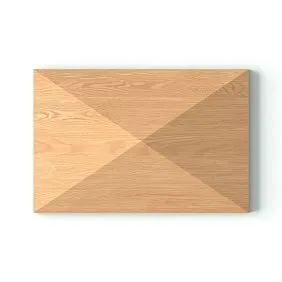
When creating wall panels from moldings, special attention is required for corner joints. The traditional method — beveling at a 45-degree angle — creates an invisible joint but requires high precision in execution.
Corner Elements in Molding Compositions
When creating wall panels from moldings, special attention is required for corner joints. The traditional method—beveling at a 45-degree angle—creates an invisible seam but requires high precision.Corner finishing elementIn the form of a decorative corner rosette, it transforms a utilitarian joint into an elegant detail.
Corner rosettes for moldings can have various shapes and ornamentation. Classical rosettes with acanthus leaves suit lavish interiors. Geometric rosettes with clear lines and symmetrical patterns are ideal for neoclassicism and art deco. Minimalist corner elements with simple relief fit organically into modern spaces.
Sizecorner trim elementThe size should correspond to the width of the molding — a too large element on a narrow molding looks inappropriate, while a too small one disappears and fails to create the desired effect. Professional designers use the rule: the size of the corner rosette should be 1.5–2 times the width of the molding.
Protective corner caps
In areas with heavy traffic — corridors, staircases, children's rooms — wall corners are susceptible to mechanical damage.Corner finishing elementIn the form of protective caps, they protect plaster from chipping while simultaneously decorating the space.
Wooden corner caps — a traditional solution that creates warmth from natural material. Caps can be simple profiled strips or complex carved elements with ornamentation. Oak, beech, and ash provide the necessary strength and durability. Staining highlights the wood texture, while patination creates an effect of noble antiquity.
Polyurethane corner caps are lightweight, moisture-resistant, and do not deform. They can imitate wood, stone, or have a smooth painted surface. Installing polyurethane caps is simple — they are glued with special adhesive and do not require additional fasteners.
Metallic corner profiles — brass, bronze, steel — create an elegant accent, especially in modern interiors. Polished steel emphasizes modern design, patinated bronze adds classical elegance, and gilded brass creates a luxurious effect.
Furniture corners are especially vulnerable to damage and require protection.
Furniture corners are especially vulnerable to damage and require protection.Corner finishing elementIn the form of carved wooden or metal caps, they protect the corners of cabinets, chests, and tables while simultaneously transforming simple furniture into decorative art pieces.
Carved wooden corner caps — a characteristic element of furniture in historical styles. Baroque furniture is adorned with lavish asymmetrical caps featuring volutes and shells. Classical furniture prefers strict symmetrical rosettes and medallions. Modern furniture uses smooth organic forms reminiscent of plant stems.
Metallic furniture corner caps — bronze and brass caps in the form of leaves, rosettes, and geometric elements — create contrast with wooden surfaces. Gilded caps are characteristic of luxurious interiors, patinated bronze — for classical spaces, polished steel — for modern design.
Coffered ceilings and corner elements
In coffered ceilingsCorner finishing elementplays a key role, connecting moldings at intersections. Corner elements create a regular rhythmic structure, organizing the ceiling space. In classical coffered ceilings, corner elements may be simple square blocks or complex carved rosettes.
are especially expressive, where corner elements repeat the motifs of the centralceiling rose molding. This repetition creates unity in the decorative system, where the central rosette is the main theme, and corner elements are its variations. The rhythmic repetition of the motif creates a musical quality in the space.
Conclusion: Symphony of Architectural Decoration
Creating an architecturally perfect building is an art of harmonizing multiple elements into a unified composition. From elegantceiling rose moldingto majesticcarved pedimenton the facade, fromcorner trim elementto complex molding compositions — every detail matters, each element plays its part in the architectural symphony.
The mastery of an architect and designer is demonstrated by their ability to perceive relationships between elements, understand laws of proportion, sense rhythm and scale. Neglecting details undermines the impression of the most expensive materials, while attention to small details transforms a modest space into a work of art. Every detail must be carefully considered, and each element must be in its proper place.
Polyurethaneceiling rose moldingallows creatingcarved friezesof any complexity without excessive load on the structure. High-precision CNC machines createcorner finishing elementswith exquisite detailing.
However, technology is merely a tool. True value is created by the concept, artistic vision, ability to sense space and understand the laws of beauty. A professional architect or designer helps avoid mistakes, create a truly cohesive composition, where all elements work together to create harmony.
The path to creating a perfect home begins with choosing a concept, defining the style that will be consistently embodied in all elements — from the facade to the interior. Classical styles have strict canons that must be respected. Modern interpretations offer more freedom, but core principles — proportionality, coherence, unity — remain unchanged.
The next stage is developing a detailed decorative concept, where the set of elements, their scale, materials, color palette, and ornamental motifs are defined. It is important not to overload the space with decoration, finding a balance between expressiveness and restraint.ceiling rose molding, Carved pediment, corner finishing elements— everything must be coordinated, forming a unified system.
Implementation requires high-quality materials and professional craftsmanship. Even the most beautiful elements lose their appeal with careless installation. Precise centering of rosettes, neat molding joints, correct installation of cornices — details that distinguish a master’s work from amateur craftsmanship. Professional installers know the subtleties of working with different materials, master specialized mounting techniques, and understand the importance of preparing the base.
The result is a space that delights the eye, evokes a sense of harmony and completeness, where architectural decoration does not merely adorn but creates the character of the building. A home that reflects the taste and individuality of its owner becomes a source of daily aesthetic pleasure and a source of pride.
FAQ: Popular Questions About Decorative Elements
What size ceiling medallion is optimal for a room?
Diameterceiling rose moldingis calculated by the formula: sum of the room’s length and width in meters, divided by 7. For a 5x4 meter room, the optimal diameter would be approximately 130 centimeters. In rooms with ceilings higher than 3.5 meters, the size can be increased by 10–15 percent. The rosette’s diameter should be 1.5–2 times larger than the chandelier’s diameter for harmonious perception.
What materials are facade cornices made of?
Carved pedimentcan be made from natural stone, architectural concrete, fiber concrete, polyurethane with protective coating, or wood. The choice of material depends on the architectural style, climatic conditions, and project budget. Stone cornices are the most durable but heavy and expensive. Polyurethane cornices are lightweight, affordable, and weather-resistant with proper protective coating.
Is it necessary to use corner elements in molding compositions?
Corner finishing elementDecorative corner elements are not mandatory, but significantly simplify installation and improve appearance. Without decorative corner elements, moldings must be precisely mitered at 45 degrees, requiring professional skills and specialized tools. Decorative corner rosettes transform utilitarian joints into elegant details, adding decorative richness to the composition.
How to combine classical moldings with a modern interior?
without excessive ornamentation, neutral color palette, emphasis on geometry and proportions.ceiling rose moldingMinimalist furniture combines beautifully with architectural decoration, provided that a sense of proportion is maintained.
and other elements require minimal maintenance. Regular dry cleaning with a soft brush or vacuum cleaner with a soft attachment prevents dust accumulation. Painted elements can be wiped with slightly damp cloth using mild cleaning agents. On facades, polyurethane elements with protective coating require washing once a year.
Polyurethaneceiling rose moldingPolyurethane decorative elements
Yes, there are special lightweight polyurethane rosettes for stretch ceilings that are glued directly onto the fabric with a special adhesive that does not damage the material. An alternative option is installation
on a base ceiling before installing the stretch ceiling with a hole cut in the fabric for the chandelier wiring.ceiling rose moldingon the base ceiling before installing the stretch ceiling with an opening in the fabric for the chandelier wiring.
What is the durability of facade decoration made of polyurethane?
polyurethaneCarved pedimentwith a quality protective coating, it lasts 30-50 years without losing its appearance or properties. The material does not rot, is not damaged by insects, is resistant to moisture and temperature fluctuations. The protective coating requires periodic renewal every 7-10 years depending on climatic conditions.
How to choose the style of decorative elements for your home?
The choice of style is determined by the building's architecture, the owner's personal preferences, and the surrounding landscape.Carved pedimentIt should match the overall facade style. A classical house requires classical elements with adherence to proportions and canons. A modern building allows simplified forms or modern interpretations of classicism. Consulting with a professional architect helps make the right choice.
a wide range ofceiling rosettesincludes classical and modern forms of all sizes. Collectionfacade decorationvariouscorner finishing elementscomplete the decorative system.
STAVROS's own production guarantees stable product quality, the possibility of executing custom orders based on the client's sketches, creating unique elements for exclusive projects. Experienced technicians help select optimal solutions, taking into account the specific characteristics of the building, climatic conditions, and budget constraints.
STAVROS professional consultants are always ready to assist in selecting elements, developing a decorative concept, and solving technical installation issues. Years of experience allow us to anticipate potential problems and propose proven solutions. Create homes that become masterpieces of architectural art, together with STAVROS — your reliable partner in the world of decorative elements.


