Article Contents:
- Philosophy of Verticality: From Function to Aesthetics
- Unity of Style: Consistency of Forms
- Material as a Unifying Factor
- Balusters in Furniture: Functional Decorativeness
- Furniture Legs: Variety of Forms and Functions
- Furniture Supports: Unnoticed Workers
- Proportions and Scale: The Mathematics of Harmony
- Color and Toning: Play of Shades
- Manufacturing Technologies: From Craft to Art
- Practical Aspects: From Selection to Installation
- Stylistic solutions: From classic to modern
- Mistakes and How to Avoid Them
- Trends 2026: What Designers Choose
- STAVROS: Workshop of Vertical Elements
- Conclusion: Verticality as the Foundation of Harmony

Interior is a symphony where each detail plays its part. Vertical elements — balusters, furniture legs, supports, columns — create the rhythm of space, establish visual connections between different zones, and form the stylistic unity. In 2026, designers increasingly speak of a unified concept of vertical elements, whenWooden balustersandfurniture legsthey are executed in a unified style, from one material, supporting the overall architectural idea.
Why is this important? The human eye detects repeating forms, finds harmony and logic in them. When balusters of a staircase echo the legs of a dining table, when supports of a bar counter continue the theme of staircase columns — space achieves completeness. This is not mechanical copying, but a subtle play with forms, proportions, textures. Creating such an interior requires taste, knowledge, and high-quality materials from reputable manufacturers.


Philosophy of Verticality: From Function to Aesthetics
Vertical elements in interior design originally carried purely functional loads. Balusters supported handrails, ensuring the safety of staircases. Furniture legs raised tabletops and seats above the floor. Supports held shelves and structures. But over time, these elements transformed into the most important decorative details, capable of transforming space.
ModernFurniture Legs and Supports— these are not just fasteners. They are sculptural forms, miniature works of art. Precision-cut, carved, curved, with decorative elements — they turn an ordinary table into a work of art, a simple chest into a luxury element. And when these forms are coordinated with other vertical elements of the interior, a magic of cohesive space emerges.
Wood as a material is ideally suited for creating vertical elements. It is strong, durable, easy to process, and offers infinite variety of textures and shades. Wooden balusters and legs are warm to the touch, eco-friendly, and over time acquire a noble patina. They create an atmosphere of coziness, connect the interior with nature, and convey a sense of stability and quality.




Unity of Style: Consistency of Forms
The first principle of creating a unified concept of vertical elements is consistency of forms. If you have chosen classic, precision-cut balusters with smooth curves and spherical elements for the staircase, furniture should support this theme.furniture legsThey are selected as precision-cut, with a similar profile, possibly slightly simplified, but clearly echoing the balusters.
A modern minimalist interior requires corresponding solutions. Square balusters made of light wood logically complement straight, square furniture legs. No decoration, only pure geometry, play of proportions and wood texture. Such restraint creates a sense of calm, order, and functionality.
Carved style implies an abundance of decorative elements. Balusters with floral motifs, intricate carving require corresponding furniture legs. Perhaps not as detailed, but clearly decorative, with hints of carving, with figurative elements. It is important not to overload the space — if balusters are very decorative, legs may be simpler, and vice versa.
Eclecticism allows mixing styles, but requires a subtle sense of measure. You can combine classic balusters with modern furniture legs, if they are united by the same material, color, or proportions. The key is to find that common note which will link different elements into a harmonious composition.
Our factory also produces:


Material as a Unifying Factor
The second principle — unity of material. Using one type of wood for all vertical elements creates visual connection, even if the forms differ. Oak balusters and oak furniture legs will harmonize due to identical texture, color, and wood character.
Wooden balustersThey can be made from various species — oak, ash, beech, pine, larch. Each species has its own character. Oak — massive, noble, with pronounced texture. Ash — light, with beautiful wood grain pattern. Beech — smooth, uniform, pleasant warm tone. Choose a species for balusters and use it for furniture legs as well.
Contrasting solutions are interesting when two types of wood are combined. For example, main balusters are made of light beech, while support posts are made of dark oak. This scheme is repeated in furniture: legs of tables and chairs are made of beech, while decorative elements of cabinets and chests are made of oak. This creates a rhythmic alternation of light and dark, adding dynamism to the interior.
Wood treatment should also be unified. If balusters are coated with matte oil highlighting the texture, furniture legs are coated with the same composition. If transparent lacquer is used — lacquer everywhere. Coloring in a specific color — the same shade in all elements. Only then does a sense of thoughtful, cohesive interior design emerge.
Get Consultation
Balusters in furniture: functional decor
Balusters are traditionally associated with staircases. But they can also be used in furniture, creating amazing effects.Balusters from a wooden table— this is not an error, but a design technique. Balusters become table legs, creating a direct visual link to the staircase.
Imagine: a massive dining table with legs shaped like shortened balusters, precisely mirroring the profile of staircase balusters. Guests immediately perceive the thoughtfulness of the interior design and the unity of the concept. Such a table becomes the central element of the dining room, drawing attention and evoking admiration.
Balusters can be used in bar counter construction — as vertical supports between the countertop and the floor. They create a rhythmic pattern reminiscent of staircase railings, connecting the kitchen zone with the rest of the space. This looks especially effective in open-plan homes where the staircase is visible from the kitchen.
Backrests of chairs and stools — another place to use balusters. Vertical slats of the backrest are made in the form of miniature balusters, replicating the shape of staircase balusters. A set of a table with baluster legs and chairs with balusters in the backrests creates an incredibly cohesive composition.
Decorative balustrades in furniture — railings for shelves, edges of chests, decorative elements of cabinets. Miniature balusters assembled into a single structure transform ordinary furniture into a work of art. This is labor-intensive, requires skill, but the result is worth it.
Furniture legs: variety of forms and functions
Furniture legs — a separate universe of forms, styles, and structural solutions. From simple cylindrical to complex carved, from straight to curved, from miniature to massive.furniture legs— determine the character of the object, its style, visual lightness or heaviness.
Turned legs — the classic of the genre. Made on a lathe from a round blank. The profile can be any — from a simple cylinder to a complex composition with crossbars, spheres, rings. Turned legs are universal, suitable for tables, chairs, chests, beds. They are elegant, time-tested, and never go out of style.
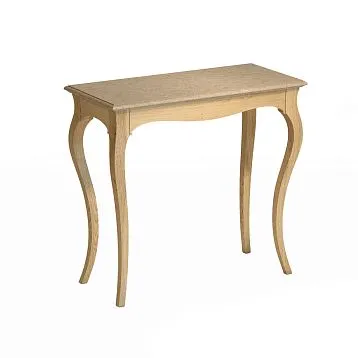
Cabriole — a curved leg in the Baroque and Rococo styles. It has a characteristic S-shaped curve, often ending in a decorative element shaped like an animal's paw or a scroll. Cabriole legs give furniture elegance, lightness, and aristocracy. Manufacturing such legs is more complex — requires milling and manual finishing.
Square and rectangular legs — embodiment of minimalism. Straight, without decoration, they create a sense of stability and reliability. Often used in modern furniture, where functionality is valued. They may have beveled edges or chamfers, but remain geometrically precise.
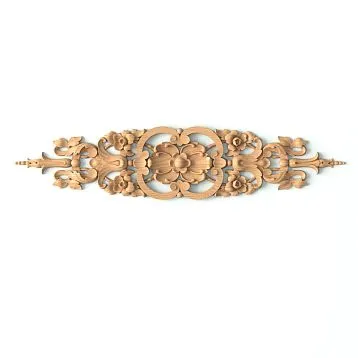
Carved legs — the pinnacle of furniture art. Covered with complex floral ornaments and figurative elements, made by hand or on CNC machines. Such legs turn furniture into antique, even if made today. Suitable for interiors in classical and historical styles.
Furniture supports: unseen workers
In addition to decorative legs, there are functional supports — elements ensuring the stability and strength of furniture.Furniture Supports— may be hidden from view, but their role is critically important. Incorrectly chosen support — and the table will wobble, the bed will creak, the cabinet will sag.
Central supports are used in large tables. A massive column in the center, from which legs radiate or which itself serves as the single point of support. Such a construction allows creating tables with large tops without legs at the corners, freeing up space for seated legs.
Side posts are used in bookcases, shelves, chests. They bear the weight of shelves, ensuring structural rigidity. They can be internal or external, simultaneously serving a decorative function.
Adjustable supports allow leveling furniture on uneven floors. Particularly relevant for kitchen sets, where the horizontal alignment of countertops is critical. Screw mechanisms allow precisely adjusting the height of each support.
Hidden supports are mounted inside furniture, not visible from the outside. They provide additional strength without compromising the design. Used in sofas, chairs, beds — anywhere where the structural elements must remain inconspicuous.
ChoosingFurniture Legs and Supports— it is important to consider the load they will bear. A dining table where a large family regularly gathers requires strong, stable legs. A coffee table may suffice with more elegant supports.
Proportions and scale: the mathematics of harmony
Creating a unified concept of vertical elements requires understanding proportions. Height, thickness, ratio of parts — all this affects the perception of space. There are time-tested rules that help achieve harmony.
Height of balusters on staircases is usually 80-90 cm from step to handrail. Height of furniture legs varies depending on the type of furniture: table — 70-75 cm, chair — 40-45 cm for seat plus 40-45 cm for backrest, chest — 15-30 cm. It is important that the proportional relationship of thickness to height is similar for balusters and legs.
Thickness of elements should correspond to the heaviness of the furniture. A heavy oak table on thin legs will look ridiculous. An elegant coffee table on massive baluster legs — also an imbalance. The golden rule: the heavier and larger the furniture, the thicker the supports should be.
Decorative intensity also requires balance. If staircase balusters are very decorative, with abundant carving, furniture legs can be simpler, preserving the overall style without overloading the space. Conversely, simple balusters can be compensated by more decorative furniture elements.
Rhythm and repetition are created through specific intervals. If balusters on a staircase are installed at 15 cm intervals, this rhythm can be repeated in furniture—for example, in the backrest of a chair with vertical slats spaced the same distance apart. This creates a subconscious connection between elements.
Color and toning: play of shades
Natural wood color is beautiful, but sometimes correction is needed to achieve unity. Even wood from the same species can vary in shade. Balusters were made a year ago, furniture legs today, and the color may not match. Toning solves this problem.
Stains and dyes change the color of wood while preserving the visibility of the texture. You can darken light pine to imitate oak. Or, conversely, lighten dark wood. It is important to use the same stain for all elements that should match in color. Test stains on samples will help select the right shade.
Patina creates an effect of antiquity. Dark patina in carved recesses emphasizes volume and adds depth. Light patina on protruding parts imitates natural wear over years of use. Applying patina to balusters and furniture legs in the same way creates the impression of a set made at the same time.
Painting hides the wood texture under a layer of paint. A trendy approach is to paint balusters and furniture white, gray, or black. This allows integrating wooden elements into modern interiors where natural wood may appear outdated. The key is to use high-quality paints that retain color for years.
Combined solutions combine different shades. For example, natural oak balusters for stairs, while furniture legs are white. But shape and proportions are identical, creating a connection. Or main elements are dark, while decorative inserts are light. Contrast adds dynamism, yet preserves stylistic unity.
Manufacturing Technologies: from craft to art
Quality balusters and furniture legs are the result of a complex technological process. Modern equipment allows achieving ideal precision and repeatability, but manual craftsmanship remains indispensable for creating unique elements.
Turning is the basis for manufacturing turned elements. The blank is secured to a lathe, rotated, and a cutting tool shapes it. An experienced turner creates complex profiles, striving for perfect symmetry. Modern CNC lathes replicate a standard baluster or leg with precision down to fractions of a millimeter, which is critical for mass production.
Milling allows creating flat balusters with delicate cutouts, adding decorative elements to turned legs, making grooves and channels. Manual milling in a craftsman’s hands is a tool for creativity. CNC machines execute complex three-dimensional patterns according to a programmed design.
Wood carving is the highest craftsmanship. A carver manually creates three-dimensional compositions, where every swirl, every leaf is the result of precise tool movement. Carved balusters and furniture legs are one-of-a-kind, each bearing the mark of the craftsman’s individuality.
Wood bending is used to create curved elements. The blank is steamed, made pliable, and bent into shape. After drying, the wood retains the desired form. This is how famous cabriole legs, curved chair backs, and arched decorative elements are made.
Sanding and polishing are the final stages, determining the tactile qualities of the item. Multi-stage abrasive processing with gradually decreasing grit imparts a silk-like smoothness to surfaces. Polishing with wax or oil gives a matte sheen and protects the wood.
Practical aspects: from selection to installation
Deciding to create a unified concept of vertical elements in the interior, start with planning. Define key verticals—stairs, large furniture pieces, structural supports. These elements set the tone; the rest adapts to them.
Choosing base elements. If you already have a staircase with balusters, they become the starting point. Photograph the balusters, measure dimensions, record the wood species and shade. This information is needed to select furniture legs. If the interior is being created from scratch, start by choosing the wood species and overall style.
Working with catalogs. Study manufacturers’ offerings.furniture legsThey are offered in a vast assortment. Look for models that are similar in shape and proportions to your balusters. Many manufacturers offer collections where balusters and furniture legs are already coordinated.
Custom order. If ready-made solutions don’t suit, order custom manufacturing based on a sketch. Provide photos of balusters and describe the desired result. Experienced craftsmen will create furniture legs that perfectly match the style of the staircase elements. This is more expensive, but the result is worth it.
Installation.Furniture SupportsThey are attached in various ways. Screwed connections are the most common. A bolt is screwed into the end of the leg and then screwed into the furniture body. Glue joints are used for parts not intended for disassembly. Dowels and other furniture fasteners ensure disassemblability of the structure.
Care. Wooden vertical elements require regular care. Wipe them with a damp cloth to remove dust, avoiding aggressive cleaning agents. Once a year, renew the protective coating—apply a fresh layer of oil or wax. If scratches appear, sand and reapply the finish. Proper care extends the life of wooden elements for decades.
Stylistic Solutions: From Classic to Modern
A unified concept of vertical elements can be implemented in any style. The key is consistency and sense of proportion.
Classic style implies turned balusters with smooth forms, furniture legs with crossbars and spherical elements. Premium woods—oak, ash, walnut—are used. Finish is natural, highlighting texture, or light patina, adding elegance.
Provence and country styles favor stained wood, often white or light pastel tones. Balusters and legs are simple, without excessive decoration, but with clear handcrafted character. Effects of wear and artificial aging are appropriate and add charm.
Scandinavian minimalism requires simple forms in light wood—pine, ash, birch. Balusters are square or round, but without decoration. Furniture legs are straight, conical, maximally minimalist. Finish is matte, often white or light gray.
Loft and industrial styles combine wood with metal. Balusters may be wooden but with metal inserts or fasteners. Furniture legs are heavy, rough, preserving natural wood irregularities. Finish is minimal, sometimes wood is left completely untreated, only sanded.
Modern eco-style values naturalness. Wood with preserved natural form, possibly with bark on certain areas. Balusters and legs seem to have grown from the earth. Finish with natural oils, no chemicals.
Art Deco and glamour imply luxury. Carved balusters with gold leaf, curved furniture legs with decorative inlays. Dark wood—wenge, ebony—or light wood, but necessarily with gloss, sheen, and metallic details.
Mistakes and how to avoid them
Creating a unified concept is a challenging task. It’s easy to make mistakes and end up with dissonance instead of harmony. Here are typical errors and how to avoid them.
Mechanical copying. Using balusters as furniture legs without adapting their size may look absurd. A 80 cm staircase baluster as a chair leg — nonsense. The shape should repeat, but the scale must match the purpose.
Mixing wood species. Oak balusters and pine furniture legs will not harmonize due to differences in texture and color. Either use one wood species or stain everything to a single color.
Different decorative levels. If a staircase has luxurious carved balusters, but furniture stands on simple cylindrical legs — there is no concept. Furniture should at least hint at decoration to link the elements.
Ignoring proportions. Heavy, thick balusters and slender, elegant furniture legs visually conflict. Pay attention to the thickness-to-height ratio.
Different finishes. Glossy lacquered balusters and furniture coated with matte oil will look mismatched. Choose one finish type for all wooden elements.
Avoiding mistakes is helped by working with an interior designer. A professional sees the space as a whole, considers all details, anticipates how elements will interact. Investing in a design project pays off with an ideal result.
Trends 2026: What Designers Are Choosing
What vertical element solutions are relevant in 2026? Designers highlight several key directions.
Material mix. Wood combines with metal, glass, stone. Wooden balusters with metal inserts, furniture legs with stone inlays. Such solutions add interest and make the interior multi-layered.
Asymmetry and height play. Balusters of different heights, alternating in a certain rhythm. Furniture legs of different lengths, creating a slope or dynamism. Such solutions require precise calculation but look fresh and modern.
Color solutions. Painting wood in bright colors — from pastels to saturated. Blue balusters, green furniture legs, pink supports. Boldness in color is a sign of confidence in one’s taste.
Ecological and local sourcing. Preference for local wood species, minimal processing, natural finishes. Consumers increasingly value manufacturers’ ecological responsibility.
Customization. Individual orders, unique solutions, original design. People want their interiors to be unique, reflect their personality, tell a story.
Wooden balustersandFurniture legsSTAVROS responds to all modern trends, offering a wide range of forms, materials, and finishing options.
STAVROS: Workshop of Vertical Elements
STAVROS is a recognized leader in producing wooden interior elements. Over 130 models of furniture legs, dozens of baluster options, and the possibility of custom orders — all this makes STAVROS the ideal partner for creating a unified concept of vertical elements.
STAVROS production is equipped with modern equipment — CNC lathes, milling centers, drying chambers. This guarantees high quality and precision in manufacturing. However, technology does not replace manual craftsmanship — finishing, intricate carving, and custom orders are done by hand.
The company uses premium wood — oak, beech, ash. Each blank undergoes inspection for defects. Drying is carried out to an optimal moisture level of 10-12%, which prevents deformation of the products during use. Finishes are only certified and safe for use in residential spaces.
STAVROS offers a service to select balusters and furniture legs in a unified style. Managers will help find the perfect combination, calculate the required quantity, and provide recommendations for installation and care. Delivery is available throughout Russia, and self-pickup from the warehouse is possible.
Working with STAVROS, you get not just quality products, but a comprehensive solution for your interior. Warranty, customer support, professional consultations — all of this is included in the company’s standard service.
Conclusion: Vertical as the basis of harmony
Interior is a complex system where every detail matters. Vertical elements — balusters, furniture legs, supports — play the role of structural elements around which space is organized. When these elements are executed in a unified concept, from one material, in coordinated proportions — the magic of a cohesive interior emerges.
2026 brings a new understanding of interior design. It is not a set of beautiful things, but a thoughtfully designed system where each element is connected to others.Wooden balusterson the staircase echo withlegs for furniturecreating a visual rhythm.Furniture Legs and Supportsrepeat architectural element forms, enhancing stylistic unity.
Creating such an interior requires knowledge, taste, and quality materials. STAVROS provides everything needed — from an extensive range of ready-made solutions to the option of custom orders. Choose quality, trust professionals, and create a space that will delight you and your loved ones for years to come.
Vertical elements made of natural wood are an investment in the beauty, comfort, and longevity of your home. Let every detail contribute to harmony. Let your interior tell a story of taste, style, and love for the beautiful.