












































































Article Contents:
- Philosophy of Unity: Why Coordinate Frames
- Principles of Coordination: Creating a System
- Unity of Profile: Form as Language
- Unity of Material: Tactile Harmony
- Unity of Color: Color Harmony
- Unity of Proportions: Scale and Rhythm
- Stylistic Concepts: From Classic to Minimalism
- Classic Concept: Symmetry and Decoration
- Neoclassical Concept: Reserved Elegance
- Minimalist Concept: Geometry and Purity
- Scandinavian Concept: Simplicity and Nature
- Corner Decorative Elements: Accents and Detailing
- Corner Rosettes: Classic Detail
- Consoles and Brackets: Architectural Support
- Corner Covers: Decoration Without Excess
- Additional System Elements: Completing the Composition
- Baseboards: Lower Boundary
- Ceiling Cornices: Upper Boundary
- Wall Panels and Moldings: Middle Level
- Practical Guide: Creating a Unified Concept
- Stage 1: Choosing Style and Profile
- Stage 2: Defining Sizes and Proportions
- Stage 3: Choosing Color and Finishing
- Stage 4: Installation and Final Finishing
- Common Mistakes and How to Avoid Them
- Error 1: Inconsistent Elements
- Error 2: Different Frame Colors
- Error 3: Inconsistent Proportions
- Error 4: Forgotten Baseboards and Cornices
- Conclusion: Harmony in Details

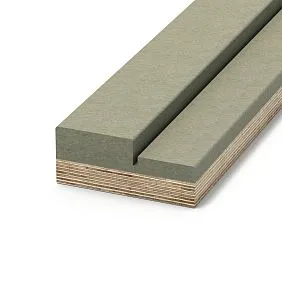
In interior architecture, there is a golden rule: details must harmonize. Randomly selected elements create visual chaos, while a thoughtfully designed decorative system transforms a space into a unified, harmonious whole.Window and Door Framing— key elements of this system. When they are coordinated in style, profile, color, and proportions, the interior achieves cohesion and professional finish, characteristic of 2026 design.


Philosophy of Unity: Why Coordinate Frames
Windows and doors are architectural openings that form the interior’s framework. There are dozens of them in a room: entrance doors, room doors, balcony doors, windows in every room. If each opening is styled differently, the interior breaks into disconnected fragments. If, however,Window and Door Framingexecuted in a unified concept, they create a rhythmic structure that unifies the space.
In classical architecture, this was always understood. Palace interiors, mansions, estates — everywhere windows and doors were framed in a unified style, from the same material, with coordinated proportions. Mullions, cornices, and sills repeated each other, creating visual harmony. In 2026, this principle returns, but in a thoughtful, modern form.
A unified framing concept solves several tasks. First, it creates visual calm — the eye does not stumble over contrasting details. Second, it emphasizes the architecture of the room — ceiling height, proportions of openings, spatial geometry. Third, it simplifies selection — choose the style and profile once, then apply it to all openings.
It is important to understand: unity does not mean sameness.Window and Door FramingThey may differ in scale (windows are usually smaller than doors), but must be coordinated in style, profile, and color. This creates a family of elements working toward a common concept.




Principles of Coordination: Creating a System
Our factory also produces:



Profile Unity: Form as Language
The profile of a casing is its cross-section, defining its shape. Flat, profiled (with convexities and recesses), carved, rounded — each type creates its own character. For a harmonious interior,Window and Door Framingthey must have identical or related profiles.
For example, if door casings have a classical profiled profile with grooves (vertical channels), window casings should repeat this motif. If door framing is flat and minimalist, windows are similarly styled.Buy polyurethane wall moldingsAnd casings with identical profiles — the first step toward creating a system.
The profile is determined by the interior style. Classicism requires profiled casings with clear lines and moderate relief. Neoclassicism simplifies the profile, retaining only basic forms. Minimalism uses flat, wide strips without profiling.Moldings made of polyurethaneAll these variants are presented.
Get Consultation
Material Unity: Tactile Harmony
The material of casings creates not only visual, but also tactile impressions. Wood, polyurethane, MDF, metal — each material has its texture, weight, sound. For a harmonious interior, it is desirable to use one material or visually similar materials for all casings.
Wooden skirting board purchaseFor doors and windows — a classic solution, creating a warm, natural atmosphere. Wood grain, natural pattern, pleasant-to-touch surface — all this contributes to creating coziness.Wooden baseboardMade from the same wood species complements the system.
An alternative option —polyurethane moldingsfor all casings. It is practical, accessible, easy to install, and paintable in any color. PolyurethaneWindow and Door Framingvisually indistinguishable from wooden, but superior to them in performance characteristics.
Materials can be combined, but consciously. For example, wooden door casings and polyurethane window casings, painted in the same color and having identical profiles. The key is visual coordination, not literal sameness.You can buy ready-made stucco matching the Baroque style. Calculate the quantity: linear meters of cornices and moldings, number of rosettes, pilasters, consoles, corner elements. Add a ten to fifteen percent allowance for trimming.They can be imitated in any material.
Color Unity: Color Harmony
The color of casings is a powerful tool for creating the interior’s mood. White casings on white walls create lightness and brightness, contrasting black casings — graphic clarity, natural wood — warmth and coziness. For a harmonious interior, allWindow and Door Framingmust be in the same color.
A classic solution — white casings on light walls. It is universal, visually expands space, creates a sense of purity and light. White color suits any style — from classic to minimalism.Buy polyurethane wall moldingsWhite color — a safe choice.
Contrasting solution for 2026 — dark frames on light walls. Black, dark blue, graphite casings create a graphic accent, emphasize the geometry of openings, and add modernity to the interior. It is important that all frames are in one contrasting color — mixing black and brown, for example, creates disharmony.
Natural wood in its natural color or stained — a choice for warm, cozy interiors. Honey oak, walnut, beech — these shades create a connection with nature.with a classic profile creates a sense of solidity, reliability.Matching the frame color completes the system.wooden skirting board purchaseAnd casings from the same species — a guarantee of harmony.
Proportionality Unity: Scale and Rhythm
The proportions of the casings must correspond to the scale of the openings. Windows are usually smaller than doors, so window casings can be slightly narrower than door casings, but the profile should be identical. For example, door casings 10 cm wide, window casings 7 cm wide, but both with the same profiled relief.
Rhythm is also important — repetition of elements creates a visual structure. If there are three windows and two doors in a room, all five openings should be treated consistently. This creates a sense of order, thoughtfulness, and a professional approach to design.Window and Door FramingThey form a visual grid that structures the space.
Stylistic Concepts: From Classic to Minimalism
Classic Concept: Symmetry and Decoration
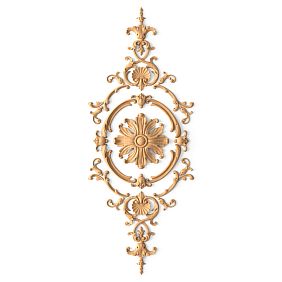
Classic approach implies richly decoratedWindow and Door Framingwith profiled casings, horizontal sills, corner rosettes. All elements are coordinated in style — plant motifs, acanthus leaves, rosettes repeat both in door and window decoration.
Sundial above the doorIt is complemented by a similar cornice above the window. Corner elements on doors correspond to window rosettes.decorative rose outletsElements of one design are used for all openings. This creates a unified decorative language, clear and consistent.
Color solution of classic style — white or cream frames on light walls, or gilded elements on a colored background.— everything must correspond to the chosen era.They can be additionally adorned with patina, creating an effect of noble antiquity.You can buy ready-made stucco matching the Baroque style. Calculate the quantity: linear meters of cornices and moldings, number of rosettes, pilasters, consoles, corner elements. Add a ten to fifteen percent allowance for trimming.To choose classic style — means selecting richly decorated items.
Neoclassical Concept: Reserved Elegance
Neoclassicism simplifies decoration while preserving architectural logic.Window and Door FramingHere, they have a clear profile without excessive ornamentation. Casings are profiled but minimalist, sills are simple geometric shapes, corner elements are minimal.
Unity is achieved through repetition of basic forms — rectangles, arches, simple moldings.Moldings and door opening framingThey are made ofof polyurethane moldingsof the same profile. Windows receive the same framing, but in a smaller scale.
Color palette of neoclassicism — neutral, noble. White, beige, light gray, warm beige-gray.Decorative stuccoThey are painted in these tones, creating an atmosphere of calm elegance.Buy moldingsNeoclassical style is simpler than full classicism.
Minimalist Concept: Geometry and Purity
Minimalism uses flat, wide casings without profiling, creating a geometrically clear frame around openings. No rosettes, sills, decorative elements — only straight lines and right angles.Window and Door FramingIn minimalism, they are maximally simple.
Unity is created through the identity of elements. All casings are of the same width (or proportionally scaled to the opening), of the same profile (flat), and of the same color. Most often this is white or contrasting black.Buy polyurethane wall moldingsFlat profile — the basis of minimalist framing.
A feature of minimalism — casing joints are executed at perfect 45-degree angles, creating a flawless geometric frame. Any inaccuracy is immediately noticeable.installing polyurethane moldingIn a minimalist style, this requires high precision.
Scandinavian concept: simplicity and nature
Scandinavian style leans toward simple forms and natural materials.Window and Door FramingHere, wood is often used in its natural color or painted white. The profile is simple, without excess, but not flat — a slight rounding or bevel adds softness.
Unity is achieved through the use of one type of wood or one shade of paint. Light oak, birch, pine — these species create the characteristic Scandinavian aesthetic.wooden corniceAs upper framing for windows and doors, it complements the concept.wooden baseboards for floorIn matching tones, they complete the system.
Scandinavian interiors value functionality, so framing is minimal — without moldings, outlets, or additional decor. Simplicity, naturalness, harmony with nature — these are the principles of the Scandinavian approach towindow and door framing.
Corner decorative elements: accents and detailing
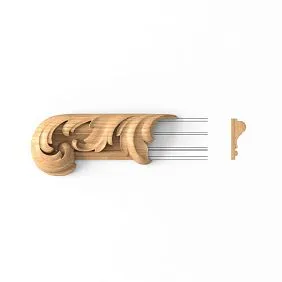
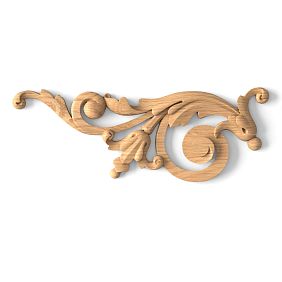
The corners of openings — critically important points where vertical and horizontal elements meet. In classical interiors, these points are emphasized with corner decorative elements — rosettes, consoles, brackets. They conceal joints, add richness, and create compositional completeness.
Corner rosettes: a classical detail
A corner rosette is a square or rectangular decorative element placed at the junction of a vertical casing and horizontal molding.decorative rose outletsThey can be smooth, carved, with floral motifs or geometric patterns.
In the systemof window and door framingCorner rosettes must be identical. If acanthus leaf rosettes are used on doors, the same rosettes are used on windows. This creates a visual rhyme, unifying the openings.— everything must correspond to the chosen era.Sold both individually and as part of kits with casings.
The size of rosettes is proportional to the scale of the opening. For doors — 8–12 cm, for windows — 6–8 cm. It is important to maintain proportions; otherwise, small rosettes will be lost on large doors, and large ones will overwhelm windows.You can buy ready-made stucco matching the Baroque style. Calculate the quantity: linear meters of cornices and moldings, number of rosettes, pilasters, consoles, corner elements. Add a ten to fifteen percent allowance for trimming.Available as corner rosettes in various sizes and styles.
Consoles and brackets: architectural support
Consoles are decorative elements that simulate structural support for horizontal moldings. They are placed under the cornice, creating the impression that the molding rests on them. Brackets are a simplified version of consoles, shaped like a curved protrusion.
In classical interiors, consoles and brackets are used for grand doors and large windows. For all openings in the room, consoles of one design are used, creating unity.Buy decorative elementsCan be purchased separately and mounted on ready-made casings.
Consoles are especially relevant for wide openings — panoramic windows, French doors, arched portals. They add monumentality and emphasize the significance of the opening.polyurethane moldingsAllows creating consoles of any complexity — from simple geometric to carved with ornament.
Corner overlays: decoration without flamboyance
In neoclassical and modern interiors, instead of classical outlets, corner covers — flat or slightly raised geometric elements — are used. Squares, rhombuses, rectangles with minimal or no decoration.
Corner covers create a finished frame without overloading the interior with decoration. They suit restrained styles where line clarity matters more than ornamental richness.Wall moldingAs corner covers, they are easily mounted and painted.
In minimalist interiors, corner elements are usually absent — joints are mitered at 45 degrees, creating a perfectly flat frame without additional details. This requires high precision in cutting.installing polyurethane moldingAt a 45-degree angle — a basic skill.
Additional system elements: completing the composition
Baseboards: lower boundary
Baseboards are horizontal elements framing the room at the bottom of the walls. They must match thewindow and door casingsin style, profile, and color.Wooden baseboardIn tone with wooden casings, they create a unified system.
The height of the baseboard is proportional to the ceiling height. For standard rooms (2.5–2.7 m), an optimal baseboard height is 8–12 cm. For high rooms (3 m and above) — 15–20 cm. The baseboard profile should match the casing profile. If casings are profiled, the baseboard also has relief.buy wooden skirting boardWith a matching profile — an essential part of a unified concept.
The baseboard color can match the casing color (creating a unified decorative system) or match the floor color (visually continuing the flooring). Both approaches are valid; the choice depends on the concept.with a classic profile creates a sense of solidity, reliability.White baseboards match white casings, dark walnut baseboards — with walnut doors.
Ceiling cornices: upper boundary
A ceiling cornice is a horizontal element at the junction of the wall and ceiling. It creates visual closure of the room, adds height, and hides irregularities at the junction.wooden corniceorBuy polyurethane wall moldingsAs a cornice — the choice depends on budget and style.
The ceiling cornice must match thewindow and door casingsin style. If casings are richly decorated, the cornice also has ornamentation. If casings are minimalist, the cornice is simple geometric in shape.Polyurethane Ceiling MoldingsThis allows selecting a cornice of any complexity.
The cornice width is proportional to the room height. For standard ceilings — 5–10 cm, for high ceilings — 12–20 cm. The cornice can be painted to match the ceiling (creating a floating ceiling effect) or to match the casings (becoming part of the decorative system).Molding priceThe choice of cornices depends on width and profile complexity.
For creating a complete decorative system, wall panels — rectangles made of molding on walls — are used. They divide the wall into tiers, add structure, and give the interior classical expressiveness.
For panels, they must match the casings.Moldings made of polyurethaneThe molding profile for panels can be identical to the casing profile or simplified. It is important to maintain stylistic unity — if casings are classical carved, the panel moldings also have ornamentation. If casings are minimalist, panels are made from flat strips.
As molding, they are easily mounted on adhesive.Wall moldingThe color of panel moldings matches the
color, creating a unified system. White casings — white panels, dark casings — dark panels. This unifies the entire decor into a cohesive composition.of window and door framingWhite casings — white panels, dark casings — dark panels. This unifies the entire decor into a cohesive composition.Buy polyurethane wall moldingsfor panels, can be ordered with casings.
Practical Guide: Creating a Unified Concept
Stage 1: Choosing Style and Profile
Start by defining the overall interior style. Classic, neoclassic, minimalism, Scandinavian style — each requires its own type of casing. Choose a base profile for the casing that will be used for all openings.Window and Door Framingmust have identical profiles.
Visit a showroom or study manufacturer catalogs, where elements are presented in collections. A collection-based approach guarantees stylistic unity — all elements are designed under one theme.You can buy ready-made stucco matching the Baroque style. Calculate the quantity: linear meters of cornices and moldings, number of rosettes, pilasters, consoles, corner elements. Add a ten to fifteen percent allowance for trimming.From one collection is easier than selecting scattered elements.
Stage 2: Determining Sizes and Proportions
Measure all openings in the room. Determine the width of the casings proportionally to the size of the openings. For standard doors (80-90 cm), an optimal casing width is 8-12 cm; for windows (120-150 cm) — 7-10 cm. Ceiling height also affects the choice — high ceilings require more substantial casings.
Prepare a specification — how many linear meters of casings are needed for doors, how many for windows, how many corner elements, skirting boards, and cornices.Polyurethane molding photoand sizing tables will help visualize the result. Order material with a 10-15% allowance for trimming.
Stage 3: Choosing Color and Finish
Define the color concept. Classic solution — white casings on light walls. Modern — contrasting dark on a light background. Natural — natural wood in warm tones. AllWindow and Door Framingmust be in the same color.
If usingpolyurethane moldingsChoose paint — water-based or acrylic. Prepare samples — paint a piece of casing and attach it to the wall to evaluate the combination.Decorative stuccois painted in two to three coats for even coverage.
Stage 4: Installation and Final Finishing
Start installation with the most prominent openings — entrance door, windows in the living room. This will allow you to practice the technique and avoid mistakes in visible areas.installing polyurethane moldingis installed with adhesive; wooden casings are attached with nails or self-tapping screws.
Accuracy of cutting angles is important — they must be precisely 45 degrees. Use a miter saw or a miter gauge. Joints are filled with acrylic sealant and sanded after drying. Cornerdecorative rose outletsare installed over joints, concealing unevenness.
After installing all elements, perform final painting. All casings are painted in one go, with the same paint — this guarantees color uniformity.Buy moldingsInstall and paint — the final stage of creating a unified decor concept.
Common mistakes and how to avoid them
Error 1: Inconsistent Elements
The most common error — using casings of different styles for windows and doors. Classic door casings and minimalist window casings create a visual break.Window and Door Framingmust be coordinated.
Solution: Choose one style and profile for all openings. If budget is limited, use simplified versions, but in a unified theme. Better simple, coordinated elements than a mixed assortment.
Error 2: Different frame colors
White door casings and brown window casings — a crude error that destroys interior unity. All frames must be the same color.You can buy ready-made stucco matching the Baroque style. Calculate the quantity: linear meters of cornices and moldings, number of rosettes, pilasters, consoles, corner elements. Add a ten to fifteen percent allowance for trimming.and paint them the same color — guarantee of harmony.
Solution: define a single color for all casings. If some casings are already installed in another color, repaint them. Modern paints allow repainting both wood and polyurethane.
Error 3: Inconsistent proportions
Too wide casings on small windows or too narrow ones on large doors disrupt proportions. Dimensions must match the scale of the openings.— everything must correspond to the chosen era.are selected proportionally.
Solution: use the rule — the casing width is 1/8 - 1/10 of the opening width. For a 80 cm door — 8-10 cm casing, for a 120 cm window — 10-12 cm. This creates visual balance.
Error 4: Forgotten baseboards and cornices
Window and Door Framingare coordinated, but baseboards and cornices are chosen randomly — this breaks the system. All decorative elements must be connected.
Solution:wooden skirting board purchaseand cornices in the same tone as the casings. Or at least coordinated in style and profile.wooden baseboards for floorcomplete the decoration system.
Conclusion: harmony in details
Window and Door Framing— these are not just technical elements hiding installation gaps. They are tools for creating architectural harmony, transforming separate openings into a unified system. When all elements are coordinated in style, profile, color, and proportions, the interior achieves professional completion and visual unity.
Corner decorative elements —decorative rose outletsconsoles, overlays — add detail, emphasize the importance of openings, conceal joints.— everything must correspond to the chosen era.as corner elements should repeat on all casings, creating visual rhythm.
Modern materials —polyurethane moldings, Wooden cornices— all this is part of a single system.Buy polyurethane wall moldings, Wooden skirting board purchase, Wooden baseboard— all of this is part of a single system.
Company STAVROS offers a full range of elements for creating harmoniousof window and door framing — Casings, Crown Molding, Moldings, decorative elements, Baseboards, corner outletsand much more. Elements are presented in coordinated collections, simplifying the creation of a unified concept. Experienced consultants will help select elements for your project, and delivery to Moscow, Saint Petersburg, and throughout Russia will make the purchase convenient. Create interiors where every detail contributes to overall harmony — choose STAVROS!


