












































































Article Contents:
- 1. Main ways to decorate walls in interior design
- 1.1. Wall painting
- 1.2. Wallpaper
- 1.3. Decorative panels
- 1.4. Moldings and cornices
- 2.1. Paintings and photographs
- 2.2. Mirrors
- 2.3. Shelves and decorative accessories
- 1. Polyurethane elements
- 2. Wood
- 3. Gypsum
- 4. Fabric and wallpaper
- Conclusion
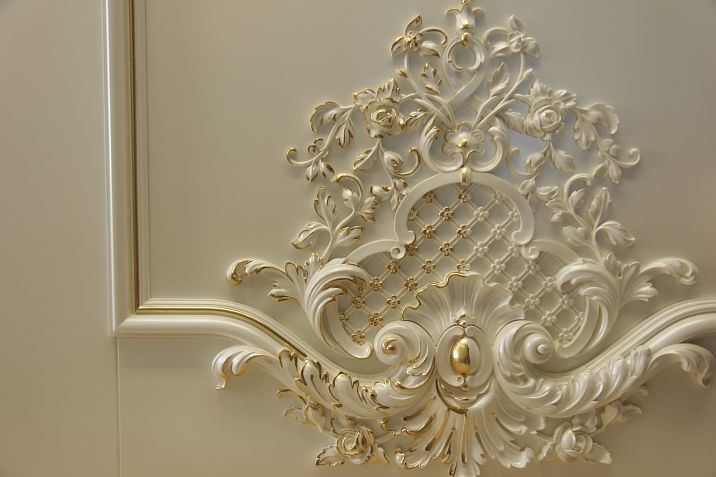
Wall decoration in interior design is one of the most important aspects of designing any room. Walls occupy a large part of the space, and their decoration significantly affects the overall perception of the room. It is important that wall decoration not only matches the chosen interior style but also highlights the functional features of the room, creating harmony and coziness. In this article, we will thoroughly examine various ways to decorate walls, as well as how to properly choose materials and decorative elements to create a unique and stylish interior.


1. Main ways to decorate walls in interior design
There are many ways to decorate walls, from using decorative wallpaper and paint to more complex solutions such as decorative panels, moldings, and cornices. Let's consider the most popular methods.
1.1. Wall painting
Wall painting is a classic and affordable solution for most interiors. This method of wall decoration allows you to quickly and cheaply change the atmosphere of the room by choosing the right color.
● Advantages: Painting walls is a fast and economical way to decorate. It allows experimenting with different colors and shades, and also creates an effect of space expansion depending on the chosen color.
● Harmony with other elements: It is important that the chosen color harmonizes with furniture, textiles, and other decorative elements. For example, neutral colors such as white, beige, or light gray suit most interiors and visually expand the space. Bright colors can be used to create accent walls or for small rooms to add dynamism.
1.2. Wallpaper
Wallpaper remains one of the most popular ways to decorate walls. Modern wallpapers have many textures and patterns that can match any style.
● Advantages: Wallpaper is easy to apply and can hide minor wall imperfections. The market offers a wide variety of textured wallpapers, such as vinyl, non-woven, paper, and silk-screened.
● Harmony with other elements: The choice of wallpaper should consider the style of the room. For classic interiors, wallpapers with elegant patterns or textures are suitable. For more modern styles, you can choose solid colors or geometric patterns.
1.3. Decorative panels
Decorative panels are a stylish and practical solution for wall decoration. They can be made from various materials such as wood, gypsum, polyurethane, and metal.
● Advantages: Decorative panels create interesting textural accents, giving the room a unique look. For example,polyurethane panels are ideally suited for creating relief accents on walls that highlight the style and add volume.
● Harmony with other elements: Panels can be used to highlight specific areas of the room, such as accent walls or zones behind the TV. They can be combined with other elements such as paintings, mirrors, or decorative items.
1.4. Moldings and decorative moldings
Polyurethane or plaster molding is one of the most elegant solutions for wall decoration, adding sophistication and luxury to the room.Moldings made of polyurethane They also help highlight architectural features of walls and ceilings.
● Advantages: Moldings and decorative moldings are ideal for creating a classic style and giving rooms grandeur. Lightweight polyurethane elements are easy to install and durable, and can be painted in any color, making them versatile.
● Harmony with other elements: Moldings and decorative moldings harmonize perfectly with rich fabrics, antique furniture, and classic decorative elements. In modern interiors, moldings can become an interesting contrast, emphasizing minimalism and adding elegance.
2. Decorative elements for wall decoration
In addition to basic wall decoration methods, you can use various decorative elements that will help emphasize the style and add uniqueness to your interior.
2.1. Paintings and photographs
Paintings, photographs, and other works of art are excellent wall accents. They allow you to bring your personal style into the interior and highlight its individuality.
● Advantages: Paintings and photographs can be both functional and decorative elements, creating focal points on walls. They can become the central point in a room or serve as a backdrop for other objects.
● Harmony with other elements: It is important that paintings and photographs harmonize with wall colors, furniture, and textiles. For a modern interior, abstract paintings or black-and-white photographs are suitable, while for a classic style, paintings in gold frames are appropriate.
2.2. Mirrors
Mirrors not only serve a practical function but are also an important decorative element for wall decoration.
● Advantages: Mirrors can visually enlarge a space, especially in small rooms. They reflect light, helping to add brightness and lightness to the room.
● Harmony with other elements: It is important to choose mirrors that harmonize with the overall interior style. For a classic style, mirrors with ornate frames are suitable, while for minimalism, simple and clean shapes are preferred.
2.3. Shelves and decorative accessories
Shelves and decorative accessories, such as vases, clocks, or plants, can become striking accents on walls.
● Advantages: Shelves allow you to store books and other accessories, and also serve as a good place to display decorative items.
● Harmony with other elements: Shelves can be made of wood, metal, or glass, depending on the room’s style. They add functionality and create interesting textural accents.
3. Choosing materials for wall decoration
Choosing a material for wall decoration is not just a technical decision, but an important part of the design approach that affects the appearance and atmosphere of the entire space. Each material has its own characteristics that must match the overall interior style, as well as consider functional requirements. In addition to aesthetic appeal, attention should be paid to practical properties such as durability, maintenance, resistance to moisture and mechanical damage. In this section, we will consider the most popular materials for wall decoration, their advantages, and ways of use, so you can make an informed choice for your interior.
1. Polyurethane elements
Polyurethane elements have become an indispensable part of modern interiors due to their versatility, durability, and ease of installation. This is an ideal material for creating decorative panels, moldings, moldings, and other accents that give walls texture and depth.polyurethane moldings It has many advantages: it is not afraid of moisture, does not crack, and does not lose its shape over time, making it an ideal choice for rooms with varying humidity, such as kitchens and bathrooms.
Polyurethane is also a lightweight material, which simplifies its transportation and installation, especially compared to heavier plaster elements. In addition, polyurethane items are easy to paint, allowing their color to be changed according to preferences or interior changes. They can be used to create classic ornaments as well as more modern decorative solutions, allowing them to fit perfectly into any style.
It is especially important that polyurethane elements have high resistance to external influences, and they do not require frequent maintenance, making them a cost-effective and long-lasting solution for wall decoration.
2. Wood
Wood is a natural and eco-friendly material that has a special warmth and coziness. Its use in interiors is always relevant, regardless of the season. Wooden decorative panels or wall cladding bring a natural element into the space, combining style, comfort, and functionality. Wood as a material creates a unique atmosphere of coziness and tranquility, while its texture and shades give the interior depth and character.
One of the main advantages of wood is its versatility. Wooden elements can be used in various styles: from classic interiors with carved panels and finishes to modern and minimalist solutions. Wooden moldings and baseboards add elegance and completeness to the interior, and can also serve as additional accents in the room. In addition to aesthetic value, wood has good insulating properties, which helps improve acoustics and thermal insulation in the room.
Wood is also easy to process and paint, allowing you to change its appearance according to changes in the interior. However, it should be noted that wooden elements require certain care, especially in rooms with high humidity, as they may change under the influence of moisture and temperature. Nevertheless, with proper care, wood will remain attractive and durable for a long time.
Gypsum is one of the most popular materials for molding and decorative elements, perfectly suited for creating elegant and refined decorative details. Gypsum has a unique ability to easily take any shape, making it ideal for creating complex ornaments and relief elements on walls. Gypsum molding adds grandeur and elegance to interiors, and its ability to be painted in any color allows it to be adapted to any style.
Gypsum is a material that pairs beautifully with traditional interiors in classical and baroque styles, as well as with modern minimalist solutions. It works excellently both as ceiling moldings and as decorative wall panels. One of the advantages of gypsum is its naturalness and eco-friendliness, as it is a natural material. Moreover, gypsum provides good sound and thermal insulation, making it an excellent choice for living spaces.
However, gypsum requires careful handling, as it is more fragile than other materials. It must be protected from direct moisture and mechanical damage, and regular maintenance is necessary. Nevertheless, gypsum elements typically last a long time if used properly, and the molding will delight the eye for many years.
However, plaster requires careful handling as it is more fragile than other materials. It must be protected from direct moisture and mechanical damage, and regular maintenance is necessary. Nevertheless, plaster elements typically last a long time if used properly, and the stucco will delight the eye for many years.
Fabric and wallpaper are two popular materials for creating a cozy atmosphere in a room. Fabrics such as velvet, linen, and wool can add softness and texture to the interior. Textured fabric panels or wallpaper can be used to decorate walls, creating an atmosphere of comfort and warmth. It is important to remember that fabric and wallpaper work well for creating accent walls, especially in bedrooms and living rooms, where a relaxing atmosphere is needed.
Wallpaper comes in many types: from paper to vinyl, from fabric to non-woven, and each type has its own features and advantages. For example, vinyl wallpaper is more resistant to moisture and mechanical damage, making it ideal for use in kitchens and bathrooms. Fabric wallpaper creates a rich texture that adds luxury and warmth to the interior, but it requires more care.
Using fabric on walls has also become a popular trend in recent years. Fabrics such as velvet and silk add elegance and luxury to the interior, while lighter fabrics such as linen and cotton give the room a sense of lightness and freshness.
Using fabric on walls has also become a popular trend in recent years. Fabrics such as velvet and silk add elegance and luxury to the interior, while lighter fabrics like linen and cotton give the room a sense of lightness and freshness.




Conclusion
Wall decoration is not just one element of interior design, but a key component that defines the atmosphere and perception of the entire space. Walls occupy a large part of the room and influence the perception of its size, shape, and lighting. In this context, wall decoration plays a decisive role in creating harmony and comfort in the home. Properly selected materials and decorative elements, such as polyurethane molding, moldings, wallpaper, and various decorative accents, can transform the space, making it stylish and individual, giving it a finished look.
Each element of wall decoration has its own function. For example, moldings and cornices not only serve as decoration but also help to zone the space, highlighting different areas of the room and creating a balance between architectural features. Wallpaper and wall painting are primary means of decoration that set the mood and color atmosphere in the room. By using a variety of textures, patterns, and shades, you can create a space that is both comfortable and stylish.
Decorative accents such as paintings, mirrors, shelves, and decorative elements are equally important, as they add individuality and character to the interior. These elements not only emphasize the chosen style but also introduce personal taste into the space, making it unique and reflecting your individuality. Painting compositions, mirrors, and decorative shelves can become focal points in the interior, giving the room a special atmosphere.
All of this creates a space that is not only beautiful but also comfortable for living. When decorating walls, it is important to consider not only aesthetics but also the practical aspects: ease of installation, durability of materials, and ease of maintenance. This is an essential part of every interior, determining how comfortable and cozy the space will be. Proper wall decoration helps create an atmosphere that will inspire, relax, and delight you every day.
Remember that every detail matters. Every decision — from choosing polyurethane decor to wooden inserts or textile accents — affects the perception of the entire room. Walls not only separate space but also help create that sense of coziness, harmony, and balance needed for your home. They can be used as a canvas to realize your design ideas, creating the necessary atmosphere in the interior for work, rest, and socializing.
Thus, wall decoration is a key part of the interior, determining not only the appearance of the room but also its perception, functionality, and comfort. Creating a harmonious, stylish, and cozy space requires careful attention, consideration of all details, and the right choice of materials and decorative elements. In the end, this will lead to the creation of a unique atmosphere in which you will feel at home, regardless of whether you are spending time with family, working, or relaxing.
Thus, wall decoration is a key part of interior design, influencing not only the room's appearance but also its perception, functionality, and comfort. Creating a harmonious, stylish, and cozy space requires careful attention, consideration of all details, and the right choice of materials and decorative elements. Ultimately, this will result in a unique atmosphere where you will feel at home, regardless of whether you are spending time with family, working, or relaxing.


