Article Contents:
- Why pay attention to table supports at all?
- Classic carved legs: when aesthetics matter most
- Materials for carved supports
- Carving styles
- Application in Interior Design
- Turned legs: symmetry and craftsmanship
- Turning forms
- Painting and finishing
- Conical legs: modern elegance
- Why conical?
- Materials
- Angle of inclination
- Straight legs: minimalism and reliability
- Square vs round
- Material
- Curved legs: cabriole and more
- Manufacturing complexity
- Applications
- Legs on a platform: wide base for heavy loads
- Types of platforms
- Material
- How to calculate the required number and placement of legs
- Leg height: ergonomics first
- Mounting methods: strength and reliability
- Mounting with screws
- Mounting with bolts
- Mounting with flange
- Insert mounting
- Floor protection: why it matters
- Stylistic choices: how to select legs to match the interior
- Classic
- Scandinavian Style
- Loft
- Mid-century modern
- Provence
- Materials: What to Choose
- Wood
- Metal
- Plastic
- Acrylic and Glass
- Where to Buy Quality Table Legs
- Maintenance and operation
- Restoration: Give the Table a Second Life
- Frequently Asked Questions
- Conclusion: The Legs Decide Everything

A table is more than just a surface for eating or working. It is the center of family evenings, business meetings, creative experiments, and cozy tea parties. What holds all this grandeur? Correctly —Legs for tablesNot the most noticeable detail, but precisely from it depends on the stability of the structure, its durability, and visual appeal.
Today we will discuss what kinds of legs there are, what they are made of, how to choose them properly, and wherebuy legs for a table, so as not to be disappointed after half a year of use.




Why pay attention to table legs at all?
It seems, what difference does it make — the main thing is that the table stands. But this is like saying that shoes should simply stay on the foot. In reality, too much depends on the right choice. UnsuitableTable legswill lead to instability of the structure, scratches on the parquet, premature wear of fasteners, and ultimately, to the complete destruction of a beloved interior item.
Imagine: a massive oak tabletop weighing 40 kilograms installed on thin plastic legs. Within a few months, the plastic will start cracking, the table will begin to wobble, and at some beautiful moment, it will simply collapse. Or another scenario: elegant carved legs made of solid beech wood installed on a table in a child's room. The child accidentally hits the leg with a toy — the thin carved element breaks off, and the entire structure loses stability.
The right choice is a balance between aesthetics, functionality, and durability. Let's figure out how to achieve it.




Classic carved legs: when aesthetics matter most
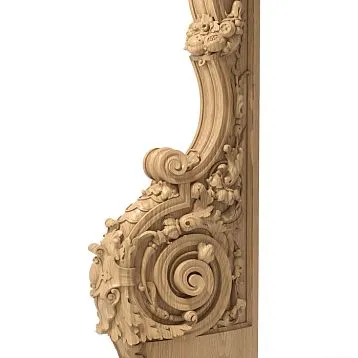
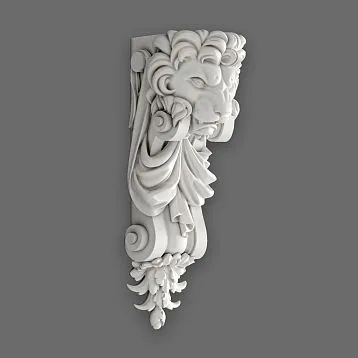
CarvedTable legs— this is the quintessence of aristocracy and the traditions of carpentry craftsmanship. Every line, every swirl, every fluting carries history, style, character. Such legs turn an ordinary dining table into a work of art worthy of a museum exhibition.
Our factory also produces:


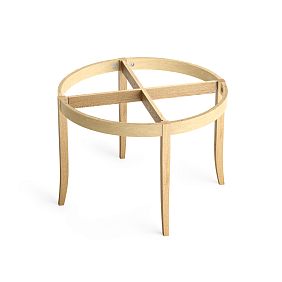
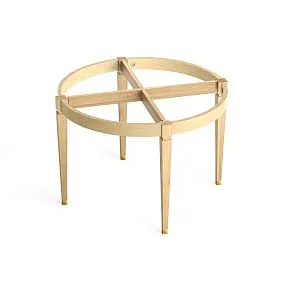

Materials for carved legs
Classic carved legs are made exclusively from solid hardwoods. Oak, beech, ash, walnut — each species has its own unique texture, density, and color. Oak legs are the strongest, capable of withstanding colossal loads of up to 300 kilograms per point. Beech legs are slightly softer, but easier to process and carve, allowing for incredibly delicate and refined patterns.
Ash combines hardness and flexibility; its light texture is ideal for Scandinavian and Provencal-style interiors. Walnut is luxury, a noble dark tone with a pronounced wood grain pattern, creating a sense of solidity and wealth.
Get Consultation
Carving styles
Carvedbuy legs for a tableare presented in dozens of styles, each carrying its own energy:
-
Baroque: lavish swirls, complex ornaments, abundance of decorative elements. Ideal for palace interiors, apartments with high ceilings and luxurious finishes.
-
Empire: strict symmetry, laurel wreaths, columns, military symbolism. A masculine, authoritative, monumental style.
-
Rococo: lightness, airiness, asymmetry, curved lines, floral motifs. Feminine, elegant, almost flirtatious.
-
Classicism: restraint, smooth fluting, classical motifs, harmony of proportions. A universal style that fits any interior.
Carved legs require handcrafting by a master carver, making them expensive and exclusive. But the result is worth it — such a table will become a source of pride in the home and be passed down from generation to generation.
Application in interior design
CarvedLegs for countertopslook great in classical, neoclassical, Victorian interiors. They pair well with parquet flooring, ceiling moldings, heavy drapes, and antique tableware. In modern minimalist spaces, such legs will appear out of place unless used as a striking accent, contrasting old and new.
Important nuance: carved elements collect dust. Maintenance requires time — you'll need to regularly wipe each recess and each swirl. But the visual effect is incredible.
Turned supports: symmetry and craftsmanship
turnedLegs for a table to buy in Moscow— this is the golden middle ground between carved luxury and minimalist simplicity. They are made on a lathe, which allows achieving perfect symmetry and smooth transitions of forms.
Turning profiles
Turning allows creating various profiles:
-
Balusters: classic supports resembling stair elements. Wide in the middle and tapering at the edges, they provide strength and visual stability.
-
Spindles: elongated, slender, with thin grips. Look elegant, suitable for light tables and consoles.
-
Grooves: vertical channels running along the support. Antique motif, adding nobility and strictness.
-
Smooth conical: smooth tapering from top to bottom. Minimalist, modern, universal.
Turned supports are cheaper than carved ones, but no less impressive. They suit a wide range of interiors — from classic to country, from Provence to Scandinavian style.
Painting and finishing
turnedbuy legs for a table— easily take paint and patina. White supports with gold patina — a hit of Provence style. Dark, almost black — drama and contrast for modern interiors. Natural, oiled or waxed — warmth and coziness of country style.
Paint protects wood from moisture, UV, and mechanical damage, extending service life. The key — use quality compositions and properly prepare the surface: sanding, priming, several layers of paint or varnish.
Conical legs: modern elegance
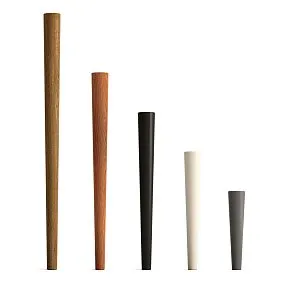
Conicallegs for a table to buy— this is a trend of the last decade, capturing minimalist, Scandinavian, mid-century modern interiors. Simple geometry, smooth tapering downward, absence of decoration — and yet incredible visual lightness.
Why conical?
Conical shape creates an illusion of floating. A table on such supports seems lighter, airier, more compact. This is especially important for small rooms, where every square meter counts. Conicallegs for kitchen table to buy— available in various sizes — from 15 to 75 centimeters, allowing to create tables of any height.
Materials
Conical supports are made of wood, metal, plastic. Wooden — warm, natural, suitable for Scandinavian interiors. Metallic — cold, strict, ideal for loft and high-tech. Plastic — budget, lightweight, but less durable.
Wooden conical legs are often made from beech or ash — these species are easy to process and have a beautiful light texture. Painting in white, gray, black adds modernity and freshness.
Angle of inclination
Important parameter — cone angle. The stronger the taper, the more elegant the support looks, but the smaller the contact area with the floor. This means that the load concentrates on a small point, increasing the risk of crushing the floor covering. For heavy tables, it's better to choose supports with a small cone angle or additional foot pads.
Conical legs are installed at a slight outward tilt, increasing stability. The correct angle — 5–10 degrees from vertical.
Straight supports: minimalism and reliability
Straight cylindrical or squarebuy legs for a table— this is the choice of pragmatists and supporters of clean lines. No excess, only function. Such supports withstand maximum loads, are easy to install, easy to replace, and suitable for almost any style.
Square vs round
Square supports look more masculine, brutal. They create a sense of stability and solidity. Ideal for work tables, workbenches, tables in industrial interiors.
Round ones are softer and more neutral. They have no sharp angles, which is important in homes with children. They fit well into Scandinavian, Japanese, and minimalist interiors.
Material
Straight legs are made of wood, metal, concrete, even glass and acrylic. Metal pipes are a favorite in loft interiors. Wooden beams are classic for country and rustic styles. Concrete pillars are an experimental option for industrial spaces.
Straight woodenlegs for a table to buycan be painted, stained, brushed, or burned — there are many finishing options, and each creates its own character.
Curved legs: cabriole and more
Curved S-shapedTable legsin the shape of cabriole — this is classic French furniture art. They resemble elegant animal legs, creating a sense of dynamism and grace. Such legs are characteristic of rococo, baroque, and shinoiserie styles.
Manufacturing complexity
Creating curved legs is delicate work. The wood must be steamed, bent, fixed in special forms, dried, and treated. Even the slightest error — and the blank cracks or deforms. Therefore, curved legs are expensive and are mostly found in exclusive furniture.
Application
CurvedTable legslook great in classic living rooms, boudoirs, dining rooms with antique furniture. They add aristocracy, lightness, and elegance to the interior. But in modern minimalist spaces, they will look out of place.
Legs on a platform: wide base for heavy loads
buy legs for a tableon a platform — means ensuring maximum structural stability. The platform is a wide base to which the vertical leg is attached. Such a system distributes weight over a large area, preventing floor sinking and providing unmatched stability.
Types of platforms
Platforms can be round, square, or cross-shaped. Round ones are universal and suitable for tables of any shape. Square ones are more formal and ideal for rectangular tables. Cross-shaped ones are the most stable and are used for heavy industrial and office tables.
Material
Metal platforms are the strongest. Cast iron ones withstand loads over 500 kilograms, steel ones — up to 300. Wooden platforms are less durable but create a warm, homey atmosphere.
Legs on a platform are often height-adjustable, allowing compensation for floor unevenness. This is critically important for large tables — even a 1–2 millimeter difference can cause the entire structure to wobble.
How to calculate the required number and placement of legs
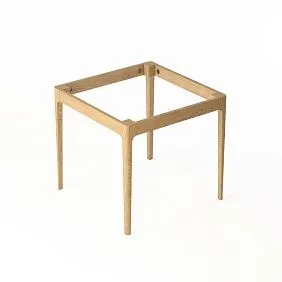
A standard table on four legs — classic, but not always the optimal solution. For small square tables (up to 80×80 cm), four legs at the corners are sufficient. For rectangular tables longer than 180 cm, it is recommended to add a fifth central leg to prevent the tabletop from sagging under weight.
Round tables with diameters up to 120 cm are stable on three or four legs evenly spaced around the circumference. For larger diameters (over 150 cm), it is better to use a central leg on a wide platform — this frees up space under the table and improves ergonomics.
The distance from the edge of the tabletop to the leg is usually 5–15 cm. Too close a placement looks unattractive, too far reduces stability.
Leg height: ergonomics first
Standard dining table height — 72–75 cm from floor to tabletop surface. Subtract the tabletop thickness (usually 2–5 cm) to get the required heightLegs for countertops— 67–73 cm.
For work tables, height varies depending on the user's height. Ideal formula: when seated, elbows form a 90-degree angle, wrists rest freely on the tabletop. For adults, this is usually 70–76 cm.
Kitchen tables are often slightly lower — 70–72 cm — to make working while standing more comfortable. Bar-height tables — 100–110 cm — require high stools.
Adjustablelegs for a table to buycan be adjusted within a 5–10 cm range. This allows adapting the table to different users and compensating for floor unevenness.
Mounting methods: strength and reliability
Mounting with screws
The most common method for wooden supports. The mounting plate is secured to the countertop with screws. It is important to pre-drill pilot holes with a small drill bit to avoid splitting the wood. Screws are tightened evenly in a crisscross pattern to prevent misalignment.
Mounting with a bolt
legs for kitchen table to buyWith an integrated bolt — a convenient option for removable structures. A threaded hole is drilled into the countertop, into which the support is screwed. This method is good for transportation and repair, but requires precision: the thread must be perfectly even.
Mounting with a flange
Metal supports are often mounted through a flange — a flat plate with bolt holes. This is the most reliable method, ensuring even load distribution. The flange can be square, round, or triangular — the choice depends on the table's design.
Insert mounting
Legs are inserted into special sockets in the countertop. A simple but less reliable method, used in lightweight structures — coffee tables, stools, children's furniture.
Floor protection: why it is important
Even the most qualitybuy legs for a tablecan damage the floor covering if protection is not provided. Narrow supports concentrate weight on a small area, leaving dents on linoleum, parquet, or laminate.
Solution — felt pads, silicone caps, rubber feet. Felt is ideal for parquet: soft, non-scratch, sound-dampening. Silicone is suitable for tiles: non-slip, leaves no marks. Rubber is a universal option, but may leave dark marks on light floors.
For heavy tables, it is better to choose supports with a wide base or platform — they distribute weight and minimize the risk of damage.
Styling: how to choose legs to match the interior
Classic
Classic interiors require carved or turned legs made of solid hardwoods. Oak, walnut, mahogany — these materials create a sense of luxury and tradition. Staining in natural tones or patination adds depth and elegance.
Scandinavian style
Light wood (beech, ash, pine), conical or straight shapes, minimal decoration.legs for a table to buyIn white, gray, natural colors — this is the ideal Scandinavian style. They create a sense of lightness and do not overload the space.
Loft
Metal legs made of black steel, with matte or rusted finish. Straight or slightly angled, without ornamentation. Simplicity is best. Often combined with rough wood, creating an industrial chic.
Mid-century modern
Medium-thickness wooden legs with conical shape, painted in natural or bright colors. Elegant, light, slightly angled outward. Classic of the 1950s–1960s, now back in trend.
Provence
Turned or slightly carved legs made of light wood, painted in white, milk, lavender colors. Patina, wear, aged effect — all of this creates a romantic, cozy atmosphere reminiscent of a French village.
Materials: What to Choose
Wood
Natural wood — warmth, eco-friendliness, unique texture. EachLegs for a table to buy in Moscowhas a unique grain pattern. Wood is easy to work with, paint, and restore. But requires protection from moisture and regular maintenance.
Metal
Steel, aluminum, cast iron — strong, durable, withstand massive loads. MetalTable legsNot afraid of moisture, temperature fluctuations, mechanical damage. Ideal for kitchens, terraces, offices. But feel cold to the touch and require corrosion protection.
Plastic
Lightweight, inexpensive, moisture-resistant. Modern polymers can withstand up to 100 kilograms per support. Suitable for office furniture, lightweight tables, children's rooms. But do not withstand heavy loads and may lose color over time.
Acrylic and glass
Transparent materials create a floating effect. A table on acrylic or glass supports seems weightless. Ideal for minimalist interiors. But fragile, scratch-prone, require careful handling.
Where to buy quality table supports
The market for furniture hardware is vast. Chinese manufacturers offer cheap options, but quality often suffers: inaccurate dimensions, brittle materials, poor processing. European brands are expensive but reliable. Russian manufacturers offer the middle ground.
When purchasing, pay attention to:
-
Material: solid wood is better than MDF, steel is better than aluminum for heavy loads.
-
Surface finish: the surface should be smooth, without chips, burrs, or cracks.
-
Fasteners: the package must include all necessary components.
-
Warranties: serious manufacturers provide at least a one-year warranty.
Read reviews, compare prices, don't hesitate to ask sellers questions.
Care and Maintenance
Wipe wooden supports with a damp cloth, avoid aggressive chemicals. Once a year, renew protective coating — varnish or oil. Sand scratches with fine-grit sandpaper and touch up.
Metal supports are less fussy. Polish chrome with special compounds. Remove rust immediately, otherwise it will spread.
PlasticLegs for countertopsWipe with soapy water. Avoid abrasives.
Check fasteners every six months. If screws loosen, tighten them.
Restoration: give the table a second life
An old table does not always require disposal. ReplacementTable legsmay completely transform the furniture. Soviet-era tables often have sturdy tops but worn supports. New legs — and the table looks brand new again.
Replacement is simple: measure old fasteners, select new supports by height and style, remove old ones, install new ones. Fill and paint over traces of old fasteners.
Restoration is not only economical, but also an opportunity to create a unique interior piece.
Frequently asked questions
How to choose the height of supports for a dining table?
Standard — 72–75 cm from floor to top of tabletop. Subtract tabletop thickness (2–5 cm) to get the required leg height.
What material is better for a kitchen table?
Solid oak or metal. Both materials are moisture-resistant, strong, and easy to clean.
How many supports are needed for a 200×90 cm table?
Four at the corners plus one central. This prevents the tabletop from sagging.
Can new legs be installed on an old table?
Yes, if the countertop is sturdy. The key is to choose the right fasteners.
How to protect parquet from scratches?
Felt pads or silicone caps on the ends of legs.
Are adjustable legs needed?
If the floor is uneven — yes. They allow compensating for height differences.
How often to check the fasteners?
At least every six months, especially for tables with heavy loads.
Conclusion: legs solve everything
legs for a table to buy— it’s not just a fastening detail, but the foundation on which comfort, safety, and aesthetics rest. The right choice ensures durability, stability, and visual harmony. The wrong one leads to disappointment and premature wear.
Remember: quality legs serve for decades, becoming part of family history and passed down through generations.
Company STAVROS offers a wide rangeLegs for a table to buy in Moscowof solid wood — oak, beech, and ash. Over 130 models — from classic carved to modern conical. Each item undergoes kiln drying, precise processing, and strict quality control. Dimensional deviation does not exceed 0.5 millimeters, ensuring ideal load distribution and longevity. The catalog features legs for dining, kitchen, coffee, and writing tables — any type will find its ideal support. STAVROS — it’s the traditions of cabinetmaking craftsmanship, modern technologies, and care for every detail of your interior. Visit our website or showroom in Moscow to choose legs that will serve you for many years.