Article Contents:
- 1. What is a Mood Board and Why Do You Need It?
- Main Advantages of Using a Mood Board:
- 2.1 Mood Board for Interior Design
- Example 1: Modern Minimalism
- Example 2: Eco Style and Natural Harmony
- 2.2 Mood Board for Branding
- Example 1: Modern Tech Brand
- Example 2: Retro and Vintage Style
- 2.3 Mood Board for Fashion Project
- Example: Creative, Bold, and Vibrant Style
- 3.1 Inspiration and Idea Generation
- 3.2 Communication with Team and Clients
- 3.3 Continuous Updates and Development
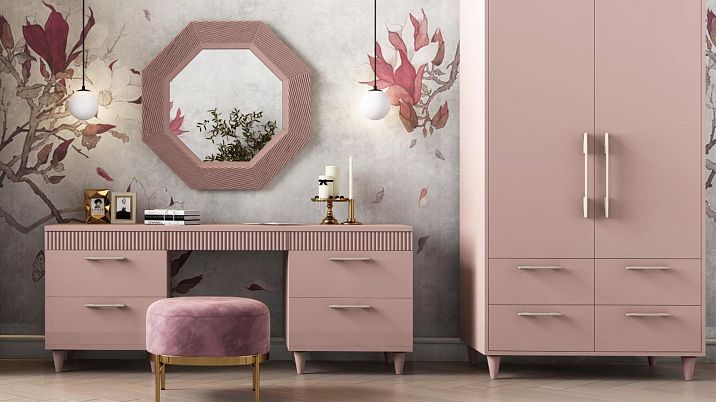
In the world of design, advertising, and creative industries, one of the most effective tools for bringing ideas to life is a mood board. But what makes a mood board such a powerful and sought-after tool? The answer lies in its ability to transform abstract thoughts into concrete images, unite scattered elements into a single harmonious composition, and inspire new achievements. In this article, we will examine the best mood board examples, analyze their features, and share practical tips on how to create your own mood board that will serve as a source of inspiration and guide your creative process on the right path.


1. What is a Mood Board and Why Is It Needed?
A mood board is a visual representation of a concept or idea, presented as a collage of images, color palettes, textures, fonts, and graphic elements. It serves as a universal language for conveying the mood and style of a future project, whether it’s interior design, brand identity, advertising campaign, or fashion collection.




Main Advantages of Using a Mood Board:
● Visualization of the Idea: Transforming abstract concepts into concrete images helps better understand the project’s concept.
● Structuring the Creative Process: A mood board allows you to gather all ideas in one place, systematize them, and highlight key elements.
● Effective Communication: A ready-made visual concept helps convey the vision to the team, client, or investors.
● Time and Resource Savings: Early visualization helps avoid errors and unnecessary changes in later project stages.
2. Examples of Mood Boards for Different Fields
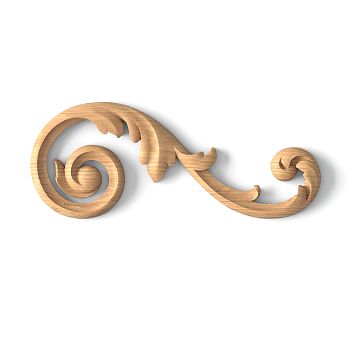
Our factory also produces:




2.1 Mood Board for Interior Design
Example 1: Modern Minimalism
In this example, the mood board combines clean lines, a neutral palette, and accents of bright colors.
● Color Palette: Primary white, gray, and black, with accents of saturated blue or green.
● Furniture Images: Minimalist sofas, minimalist tables and chairs, transparent accents in the form of glass tables.
● Textures: Smooth surfaces, matte wall textures, metallic and wooden elements.
● Additional Elements: Geometric patterns, modern paintings, and abstract sculptures.
Tip: If you aim to create a spacious and functional space, include photos of open-plan interiors with abundant natural light in your mood board. Such a mood board will help you identify which elements will serve as focal points and how to combine them for a balanced interior.
Example 2: Eco-style and natural harmony
The mood board for eco-style focuses on using natural materials and warm, calming tones.
● Color palette: Earthy tones – green, brown, beige, and terracotta.
● Furniture images: Furniture made of natural wood, eco-friendly fabrics, handmade items.
● Textures: Natural fibers, slightly textured textiles, organic patterns.
● Additional elements: Potted plants, natural decor (stones, shells), nature photography.
Tip: Include actual material samples (if working in physical format) or high-quality texture images in your mood board. This will help you accurately convey the natural and organic feel that is essential for an eco-interior.
Get Consultation
2.2 Mood Board for Branding
Example 1: Modern tech brand
The mood board for a brand focused on innovative technology should combine minimalism with futuristic elements.
● Color palette: Cool tones – gray, blue, black, with bright neon accents.
● Graphics and fonts: Modern, clean lines, minimalist logos and contemporary sans-serif fonts.
● Images: Photos of modern gadgets, dynamic urban landscapes, abstract digital elements.
● Additional elements: Icons, patterns, and infographics emphasizing the brand’s technological direction.
Tip: If your goal is to highlight innovation and modernity, pay attention to the combination of strict geometry and dynamic lines. Such a mood board will not only inspire your team but also help establish a clear visual brand language.
Example 2: Retro and vintage style
The mood board for a brand with a retro style should convey an atmosphere of nostalgia, warmth, and individuality.
● Color palette: Warm, saturated tones – orange, brown, burgundy, cream.
● Images: Photos of vintage furniture, classic cars, retro posters and advertisements.
● Textures: Elements of aged wood, leather, fabrics with vintage prints.
● Additional elements: Hand-lettered typography, vintage logos, art deco style decorative elements.
Tip: Pay attention to details – small accessories, unique decorative elements, and historical motifs that will help create an authentic retro feel. Such a mood board will be an excellent tool for developing a brand style with personality and character.
2.3 Mood Board for Fashion Project
Example: Creative, bold, and vibrant style
The mood board for a fashion project should be dynamic and creative, reflecting current trends and the collection’s individuality.
● Color palette: Bold, saturated tones – bright red, emerald, purple with neutral accents.
● Images: Photos from fashion shows, stylish street looks, works of contemporary artists.
● Textures: Combination of glossy and matte surfaces, shiny and velvet materials.
● Additional elements: Clothing sketches, fashion accessories, typography with dynamic lines.
Tip: In a fashion mood board, it's important to reflect energy and dynamism, so don't be afraid to use bright accents and unusual combinations. This approach will help highlight your collection and make it stand out against competitors.
3. How to use a Mood Board in the creative process
3.1 Inspiration and idea generation
A good mood board is an inexhaustible source of ideas. It helps:
● Get inspired by new combinations and pairings;
● Find unconventional solutions for tasks that seem complex;
● Regularly return to it to recall the original vision of the project.
3.2 Communication with the team and clients
Mood board is a universal language for conveying visual concepts. It helps:
● Clearly and simply convey the idea to all project participants;
● Approve key directions and stylistic solutions;
● Reduce the number of revisions and adjustments in later implementation stages.
3.3 Continuous updating and development
Creativity is a dynamic process, so it is important to regularly update the mood board:
● Add new elements that correspond to current trends;
● Remove outdated ideas to stay current with the latest trends;
● Experiment with different options to find the most harmonious combination.
4. Conclusion
Mood board is not just a collection of images, but a powerful tool of visual thinking that helps bring ideas to life. Well-crafted mood board examples inspire, structure the creative process, and become the starting point for implementing the most ambitious projects. Regardless of whether you are creating a concept for interior design, a branding campaign, or a fashion project, the mood board allows you to see the future in vivid colors, uniting all elements into a single harmonious vision.
May each of your mood boards become a source of inspiration, a reflection of your unique creativity, and a key to success in realizing the most ambitious ideas. Experiment, seek feedback, and move forward, creating visual stories that will inspire and amaze.
If you aim to bring your bold ideas to life and create projects that not only meet functional requirements but also inspire, trust professionals. STAVROS is a reliable partner in the world of design, capable of transforming abstract concepts into real masterpieces.
STAVROS offers comprehensive solutions for interior design, branding, and implementation of projects of any complexity. Their innovative approach, deep understanding of current trends, and attention to every detail will help you create a mood board that becomes the foundation for achieving your most ambitious goals.
May your mood board become your guide to a world of boundless creativity, a source of inspiration, and the first step on the path to realizing your dream of a beautiful and harmonious project. Create boldly, experiment, and open new horizons of your imagination!