Article Contents:
- Ceiling as the fifth wall: philosophy of spatial thinking
- Material science: the science of perfect forms
- Design strategies: from classicism to futurism
- Technical aspects: engineering of beauty
- Color alchemy: transforming form into emotion
- Lighting dramaturgy: integration of lighting and decor
- Practical geometry: calculations and proportions
- Economic aspects: investments in lasting beauty
- Ecological standards and material safety
- Innovative production and installation technologies
- Regional application specifics
- Frequently Asked Questions
- Conclusion

Look at the ceiling of your home. What do you see? Just a flat surface or an unused canvas for creating a masterpiece? Ceiling moldings for painting open doors to a world where every square centimeter of space becomes part of an interior's grand symphony. These are not merely decorative elements — they are tools for creating an atmosphere capable of permanently changing your perception of home.
In an era when minimalism contends with classicism for the right to define the look of modern housing, ceiling moldings for painting offer an elegant compromise. They allow you to create the elegance of palace halls within a modern apartment, without overloading the space with unnecessary details.


Ceiling as the fifth wall: philosophy of spatial thinking
Why do we so often ignore the ceiling in design projects? Psychologists assert that humans instinctively focus on horizontal surfaces — the floor and furniture. Yet it is precisely the ceiling that defines our sense of scale and comfort within a room.
Architectural history proves: great masters always paid special attention to the ceiling. The Sistine Chapel, the Hermitage, Versailles — everywhere the ceiling plays the leading role in the interior orchestra. Ceiling molding created an impression of grandeur and solemnity that cannot be achieved by any other means.
Modern realities dictate new rules of the game. Ceiling heights in standard apartments rarely exceed 2.7 meters, creating a sense of confinement. Thoughtfully designed ceiling moldings can visually increase the height of a room, create an illusion of spaciousness and airiness.
Color psychology confirms the influence of ceiling decoration on a person's emotional state. Light tones expand space and create a sense of lightness, dark tones add intimacy and coziness. The ability to paint moldings in any color turns them into a powerful psychological tool.




Material science: the science of perfect forms
Choosing a material for ceiling moldings is not merely a technical decision, but a philosophical choice between tradition and innovation, between naturalness and perfection. Each material carries a unique set of characteristics that determine not only the appearance, but also the durability of the structure.
MDF for Painting represents a triumph of modern technology over nature's caprices. The dense, homogeneous structure of the material eliminates internal stresses that could lead to cracking or deformation. Wood fibers bonded with modern polymers create a material with predictable characteristics and an ideal surface for applying paint finishes.
The moisture resistance of modern MDF is achieved through special impregnations that not only protect against moisture but also prevent the growth of microorganisms. This is especially important for ceiling structures, where condensation can become a serious problem. Finished moldings can be installed even in bathrooms and kitchens without concern for their preservation.
Geometric stability is another advantage of modern composite materials. Temperature fluctuations, changes in humidity, mechanical loads — nothing can disrupt the original shape of quality MDF molding. This guarantees that your ceiling decor will look flawless for decades.
The processing technology of MDF allows creating profiles of any complexity with exquisite precision. CNC routers reproduce the finest details of classical orders or create avant-garde forms of the future. The processing tolerance does not exceed tenths of a millimeter, which is critically important for creating flawless joints.
Polyurethane moldings offer an alternative approach to solving ceiling decor challenges. This material allows reproducing the most complex reliefs with the precision of a jewel. Ceiling molding elements made of polyurethane are indistinguishable from gypsum originals, but significantly surpass them in practicality.
The lightness of polyurethane revolutionizes the installation process. Where installing gypsum elements requires an entire crew and special equipment, polyurethane moldings can be handled by one person. This not only saves money but also expands creative possibilities — you can create the boldest compositions without regard to technical limitations.
Our factory also produces:


Design strategies: from classicism to futurism
The art of applying ceiling moldings lies not in blindly following canons, but in creatively reinterpreting classical techniques within the context of modern life. Each interior style imposes its own requirements on ceiling decor and opens unique opportunities for self-expression.
Neoclassicism requires strict adherence to proportions and the use of time-tested forms. Ceiling moldings for painting to buy classical profiles — means investing in eternal beauty. Ovolo, cove moldings, dentils — these elements created harmony in ancient temples and continue to enchant modern audiences.
The color palette of neoclassical interiors leans toward noble restraint. White, cream, bone — these shades emphasize the perfection of form, without distracting attention with excessive brightness. Gold accents add grandeur, creating a sense of palace luxury.
Modernism liberates ceiling decor from historical dogmas, turning to natural forms and asymmetrical compositions. Botanical motifs, flowing lines, organic shapes — all of this finds expression in modern ceiling moldings for painting. The possibility of individual color solutions allows creating unique interpretations of style.
Art Deco introduces geometric precision and dynamism into ceiling design. Zigzags, sun rays, stylized botanical motifs create a sense of movement and energy. Contrasting color combinations and metallic accents enhance the decorative effect, transforming the ceiling into a work of art.
Minimalism uses moldings as a means to create subtle accents that highlight the purity of lines and geometry of space. Simple profiles, monochromatic solutions, ideal geometry — minimal means for maximum effect. MDF ceiling moldings for painting a simple rectangular cross-section can become a key element of a minimalist interior.
High-tech and futurism open new horizons for ceiling decor. LED lighting integrated into moldings creates an effect of floating structures in the air. Metallic tones, cool colors, asymmetrical forms — all of this embodies the ideas of technological future.
Get Consultation
Technical aspects: engineering of beauty
Creating flawless ceiling decor requires not only artistic taste, but also a deep understanding of the technical aspects of installation. Each stage of work affects the final result and requires a professional approach.
Preparing the base begins with a careful analysis of the ceiling's condition. Irregularities, cracks, water stains — all defects must be eliminated before installing decorative elements. Modern leveling compounds allow creating an ideally flat surface with minimal time investment.
Ceiling marking requires the use of professional measuring tools. Laser levels provide accuracy unattainable by traditional methods. The slightest deviation from horizontal will be noticeable after installing moldings and spoil the overall impression.
Moldings are attached to the ceiling using various methods depending on the base material and weight of the decorative elements. Lightweight polyurethane moldings can be glued with special compounds, while heavy wooden or MDF elements require additional mechanical fastening.
Adhesive joints must ensure reliable attachment while allowing for disassembly for repair or replacement. Modern polymer adhesives create a strong, yet reversible bond, allowing moldings to be removed without damaging the ceiling.
Corner joints are the most critical stage of installation. The accuracy of cutting corners determines the quality of the entire structure. Corner element for ceiling can significantly simplify this task, ensuring perfect alignment of straight sections.
Sealing joints prevents moisture and dust from entering the joints. Elastic sealants compensate for temperature deformations and ensure the monolithic integrity of the structure. Properly executed sealing makes joints invisible after painting.
Color alchemy: transforming form into emotion
The magic of color can radically change the perception of space and create the desired emotional atmosphere. Ceiling moldings for painting offer unlimited opportunities for color creativity, transforming a technical solution into a work of art.
Color psychology in interior design is the science of how different shades affect mood, productivity, and overall well-being. Warm tones create a sense of coziness and comfort, while cool tones expand space and stimulate mental activity.
White remains a classic choice for ceiling moldings. It is universal, visually increases ceiling height, and harmoniously complements any interior solutions. Various shades of white — from cool Arctic to warm cream — allow creating subtle mood nuances.
Contrasting solutions use color contrast to create striking accents. Dark moldings on a light ceiling create a graphic effect, emphasizing the architecture of the room. This technique is especially effective in modern interiors, where clean lines and geometric expressiveness are valued.
Tonal transitions create a soft and harmonious atmosphere. Using close shades of one color allows creating a volumetric effect without sharp contrasts. Gradation from light to dark can visually alter the proportions of a room, making it appear taller or wider.
Metallic effects are achieved using special paints with metallic pigments. Gold, silver, copper tones transform ordinary moldings into luxurious decorative elements. Modern coatings create realistic imitation of noble metals at an affordable cost.
Patina and artificial aging allow creating an antique effect. Special painting techniques mimic natural aging processes, creating a noble patina of age. Such solutions are especially appropriate for classical and vintage interiors.
Lighting dramaturgy: integration of lighting and decor
Modern interior design approach implies a comprehensive solution to lighting and decorating tasks. Ceiling molding for chandelier serves not only decorative purposes but also solves practical tasks of organizing lighting.
Hidden molding lighting creates an effect of floating ceiling and provides soft diffused lighting. LED strips placed in special grooves of moldings create even light flow without visible light sources. This solution is especially effective in bedrooms and relaxation zones.
Accent lighting highlights the relief and texture of decorative elements. Directional lights installed at a specific angle create expressive play of light and shadow. This transforms simple moldings into volumetric sculptural compositions.
ceiling molding rosette Color lighting opens up new possibilities for creating dynamic interiors. RGB backlighting allows changing the molding colors depending on the time of day, mood, or event. The "smart home" system can automatically adjust the lighting to different usage scenarios of the room.
Integration with climate control systems allows using moldings not only for lighting but also for air distribution. Special profiles with built-in channels provide discreet room ventilation, maintaining a comfortable microclimate.
Practical geometry: calculations and proportions
Creating a harmonious ceiling composition requires precise calculations and understanding of visual perception laws. The golden ratio, Le Corbusier's Modulor, classical orders — all these proportion systems help create mathematically perfect beauty.
Creating a harmonious ceiling composition requires precise calculations and an understanding of the laws of visual perception. The golden ratio, Le Corbusier's Modulor, classical orders—all these proportion systems help create mathematically perfect beauty.
The height of moldings should correspond to the scale of the room. For standard apartments with ceiling heights of 2.5–2.7 meters, the optimal molding height is 80–120 millimeters. In rooms with high ceilings, more substantial elements up to 200 millimeters and more can be used.
The width of the molding affects the perception of the room's scale. Narrow profiles create a sense of lightness and elegance, while wide ones convey solidity and monumentality. The ratio of width to height of the profile determines its visual weight in the overall composition.
The distance from the wall to the molding creates various visual effects. Moldings installed flush against the walls emphasize the room's perimeter and create a sense of completion. Leaving space from the walls visually reduces the ceiling's size, creating a more intimate atmosphere.
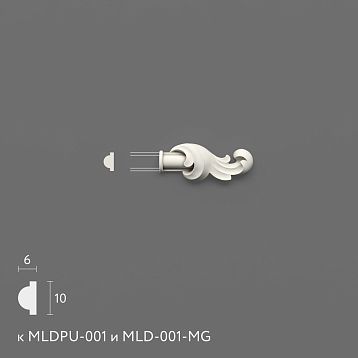
Modularity of the composition allows creating complex geometric patterns from simple elements. Squares, rectangles, octagons — different shapes create different visual effects. Corner decorative elements simplify the creation of complex compositions.
Centering the composition relative to the main architectural elements of the room ensures visual stability. Symmetrical solutions create a sense of calm and harmony, while asymmetrical ones convey dynamism and modernity.
Economic aspects: investments in long-lasting beauty
Installing ceiling moldings should be considered a long-term investment in improving the quality of living space. A properly designed and executed ceiling decoration serves for decades without requiring significant maintenance costs.
Initial costs include the cost of materials, installation, and painting. Buy ceiling molding of quality manufacturing means obtaining a warranty of longevity and stable appearance. Saving on materials often results in additional expenses for repairs and replacements.
Labor costs for installation depend on the complexity of the project and the qualifications of the installers. Simple geometric compositions can be completed in 1–2 days, while complex artistic projects require weeks of meticulous work. Quality installation pays off through longevity and flawless appearance.
Operational costs are minimal due to the stability of modern materials. Quality moldings require no special care, are resistant to moisture and temperature fluctuations. Periodic repainting is the only necessary maintenance procedure.
The ability to change the color scheme without replacing moldings makes such finishing particularly practical. Changing the interior concept does not require removing the decor — simply repaint the elements in new colors. This is especially important for commercial spaces with frequent design changes.
Increased property value is an important factor in the return on investment in decorative finishing. Professionally executed ceiling compositions significantly enhance the attractiveness of the property to potential buyers or tenants.
Ecological standards and material safety
Modern requirements for ecological safety of construction materials are especially relevant for interior finishing elements. Ceiling moldings are in close proximity to human respiratory pathways, making ecological issues critically important.
Material certification confirms their compliance with international safety standards. Quality MDF and polyurethane moldings do not contain formaldehyde, heavy metals, or other harmful substances. Quality certificates guarantee safe use in residential spaces.
Emission of volatile organic compounds (VOCs) is strictly controlled at all stages of production. Modern binders and additives do not emit harmful vapors during operation. This is especially important for bedrooms and children's rooms.
Paints and coatings for ceiling moldings must comply with standards for interior work. Water-emulsion acrylic-based compositions provide excellent coating quality with full ecological safety. Absence of solvents eliminates unpleasant odors.
Antimicrobial properties of modern materials prevent mold and fungus development on molding surfaces. This is especially important in rooms with high humidity, where traditional materials may become a source of problems.
Disposal of used materials is organized in accordance with ecological norms. MDF can be recycled into secondary raw materials, polyurethane requires special disposal. Manufacturers take responsibility for the entire product lifecycle.
Innovative production and installation technologies
Development of technologies for producing decorative elements opens up new opportunities for creating unique ceiling compositions. and frames create a home atmosphere, making it truly cozy and individual. This is an investment in beauty, which pays off every day through aesthetic pleasure from admiring the beautiful. of the new generation combine traditional beauty with modern technological solutions.
CNC milling ensures reproduction of the most complex profiles with millimeter precision. Computer programs allow creating virtual models of future products and optimizing the production process. Automation eliminates human factors and guarantees consistent quality.
3D printing opens up possibilities for creating individual decorative elements. Complex geometric shapes, unattainable by traditional methods, become reality. Personalization reaches a new level — each project can have unique elements.
Laser cutting provides ideal precision for cutting and creating decorative holes. Computer control allows creating intricate lace patterns with fine details. Absence of mechanical impact eliminates material deformation.
Vacuum forming allows creating volumetric elements of complex shapes from sheet materials. This technology is especially effective for producing rose windows, coffered ceilings, and other three-dimensional elements of ceiling decoration.
Robotic painting ensures even coating application on items of complex shapes. Programmable manipulators repeat movements with precision down to fractions of a millimeter, creating perfectly smooth coatings without drips or unevenness.
Regional application specifics
Climate conditions of various regions impose specific requirements on materials and installation technologies for ceiling moldings. Understanding these features is critically important for ensuring the longevity and stability of decorative structures.
Humid coastal climates require special attention to moisture protection. Polyurethane Ceiling Moldings Demonstrates excellent resistance to high humidity. Special moisture-resistant coatings provide additional protection.
Continental climates with sharp temperature fluctuations create additional stresses in materials. Compensatory gaps and flexible joints prevent cracking and deformation. High-quality materials maintain stability within a range from -40°C to +60°C.
Seismically active regions require special solutions to ensure seismic resistance of decorative structures. Flexible joints and damping elements allow moldings to 'breathe' along with building structures without damage.
Regions with high solar activity require materials with UV protection. Special stabilizers prevent polymer degradation under ultraviolet exposure. This is especially important for moldings in rooms with large windows.
Industrial regions with polluted atmospheres require materials resistant to chemical exposure. Antistatic coatings prevent dust accumulation, and chemically resistant compositions maintain appearance under harsh conditions.
Frequently asked questions
Which material is better to choose for ceiling moldings?
The choice depends on operating conditions and project budget. MDF offers optimal price-to-quality ratio, polyurethane suits complex profiles and humid rooms, wood — for premium projects with special aesthetic requirements.
Can ceiling moldings be installed by oneself?
Simple compositions from lightweight materials can be installed by oneself with basic skills and appropriate tools. Complex multi-level structures require professional installation.
How to calculate the required amount of material?
Calculation is based on room perimeter and composition complexity. An additional 10-15% is added to the base quantity for trimmings and possible errors. For complex projects, consultation with a specialist is recommended.
How long will it take to install ceiling moldings?
Installation time depends on room area and project complexity. Simple perimeter installation in a standard room takes 1-2 days, complex artistic compositions may require a week of work.
Which paints are better to use for painting?
For interior work, water-based acrylic paints are optimal. They have no odor, dry quickly, and create a durable coating. In rooms with high humidity, it is better to use special moisture-resistant formulations.
Is special care required for ceiling moldings?
High-quality moldings require no special care. Regular dry cleaning and occasional wet wiping suffice. Repainting may be needed every 7-10 years depending on operating conditions.
Can moldings be removed without damaging the ceiling?
Modern adhesive compositions allow removing moldings without significant damage to the base. With mechanical fastening, removal is even easier — simply unscrew the fasteners and patch the holes.
Do ceiling moldings affect room height?
Properly selected and installed moldings visually increase room height. Light colors and horizontal lines create a sense of spaciousness, while dark and vertical elements may visually lower the ceiling.
Conclusion
Ceiling moldings designed for painting represent a unique tool of architectural creativity, capable of radically transforming any space. They combine the functionality of modern materials with boundless artistic expression, turning an ordinary ceiling into a work of art.
Technological progress in materials and manufacturing processes ensures high product quality at an affordable cost. Modern MDF and polyurethane compositions surpass traditional materials in durability, stability, and ease of processing.
The variety of stylistic solutions — from strict classicism to avant-garde futurism — allows finding the ideal solution for any interior. The ability to paint in any colors transforms neutral blanks into vibrant elements of individual design.
Economic efficiency is not only reflected in reasonable material costs but also in minimal operating expenses. A well-executed ceiling decoration serves for decades without requiring significant maintenance investments.
The ecological safety of modern materials meets the strictest international standards, allowing their use in any residential space without restrictions. Innovative manufacturing technologies open new horizons for creativity and personalization of interiors.
As a recognized leader in the production of decorative interior elements, STAVROS offers a full range of solutions for creating flawless ceiling compositions. Decades of experience working with natural materials, deep understanding of classical canons, and openness to innovation enable STAVROS to create products that meet the most demanding requirements of professional designers and private clients. Strict quality control at every stage of production, use of modern technologies and eco-friendly materials make STAVROS products a benchmark of reliability and perfection in the field of architectural decoration.