Article Contents:
- Aesthetic Philosophy of Wooden Molding
- Psychology of perception of decorative elements
- Historical Perspective: From Antiquity to the Present Day
- Evolution of Technologies and Styles
- Material Science: The Soul of Wooden Molding
- The Grace of Wood
- Technological Aspects of Modern Production
- Innovative Processing Methods
- Classification and Typology of Molding
- Stylistic Classification
- Application in various interior styles
- Technology of Manufacturing and Quality Control
- Technical Aspects of Selection and Application
- Installation Features
- Color Solutions and Finish Coatings
- Decorative Effects
- Ecological aspects and sustainable development
- Impact on Room Microclimate
- Innovations and the Future of Molding
- Integration with modern technologies
- Economic Aspects of Selection
- Cost Optimization
- Maintenance and care
- Restoration and renovation
- Trends in development and prospects
- Global Challenges and Opportunities
- Frequently Asked Questions
- Conclusion

Is there anything more magical than the ability of a simple piece of wood to transform into an element capable of radically changing the appearance of a room?Wooden moldingsThese are not merely decorative strips; they are the language of architecture, capable of telling a story about taste, style, and understanding of beauty. In the world of modern design, where every detail matters, wooden moldings occupy a special place—they serve as a bridge between functionality and aesthetics, between tradition and innovation.
What compels designers and architects to repeatedly turn to this ancient art of space decoration? The answer lies in the unique ability of wooden moldings to create visual depth, establish rhythm in interiors, and unify disparate elements into a harmonious composition. Every curve of the profile, every shadow from the relief surface contributes to creating that elusive atmosphere that transforms a home into a work of art.
Modern production technologies allow creating moldings of incredible complexity and beauty, but the essence remains unchanged—the human desire for beauty, the wish to surround oneself with beautiful things that will delight the eyes and soul for many years. In an era of mass production and standardization, wooden moldings remain an island of individuality and handcrafted artistry.


Aesthetic Philosophy of Wooden Molding
Why is the human eye so sensitive to the rhythm and proportions created by moldings? The secret lies in deep perceptual laws implanted in us by nature. Profiled surfaces create a play of light and shadow, which brings life to flat walls and ceilings, giving them volume and expressiveness.
Wooden moldings possess a unique ability to scale space. Delicate, refined profiles create a sense of elegance and sophistication, while large, robust elements add solidity and dignity to interiors. Horizontal moldings visually expand a room, while vertical ones increase the perceived height of ceilings.
The texture of natural wood adds a tactile dimension to the perception of interior spaces. Even without touching the molding, we feel the warmth and vitality of the material, which creates psychological comfort and coziness. This is especially important in modern interiors, where cold artificial materials dominate.




Psychology of Perception of Decorative Elements
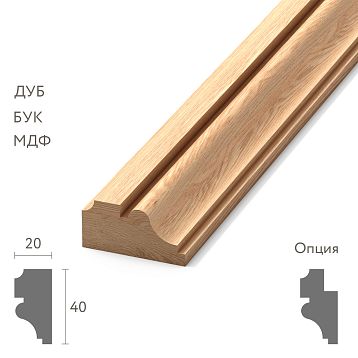
Studies show that the presence of wooden elements in interiors reduces stress levels and improves overall well-being.Trimming ItemsMade from natural wood, they create a connection with nature, which is so lacking for residents of large cities.
The rhythmic nature of moldings affects the subconscious level, creating a sense of order and harmony. Properly placed decorative elements can guide the viewer’s gaze, create visual accents, conceal architectural flaws, and highlight the strengths of the space.
Cultural associations also play an important role in the perception of wooden moldings. In European tradition, they are associated with aristocracy, the traditions of old masters, quality, and durability. These associations operate on a subconscious level, forming a positive attitude toward interiors.
Our factory also produces:


Historical Perspective: From Antiquity to the Present Day
The art of profiled decorative elements originated in ancient architecture. Greek and Roman architects used complex molding systems to create visual hierarchy in their buildings. Each element had its own name and symbolic meaning: astragal symbolized life force, Ionic represented fertility, denticles represented teeth.
The Middle Ages brought Gothic forms with their aspiration upward and complex profiles. Romanesque architecture preferred massive, solid forms. The Renaissance revived interest in ancient proportions, but reinterpreted them according to new aesthetic ideals.
Baroque and Rococo took decorative carving art to perfection. Moldings from this period impress with their complexity and refinement. Every element is meticulously crafted, and each detail has its place within the overall composition.
Get Consultation
Evolution of Technologies and Styles
The Industrial Revolution fundamentally changed the possibilities of molding production. What previously required months of meticulous manual labor can now be manufactured in hours. This made decorative elements accessible to a broad segment of the population.
The 20th century brought new styles and materials. Modernism with its natural motifs, Art Deco with geometric forms, minimalism with its pursuit of simplicity — each direction found its expression in decorative elements.
Contemporary design is characterized by eclectic approaches.Furniture corniceIt can combine classical proportions with modern manufacturing technologies, creating a unique blend of tradition and innovation.
Wood Science: The Soul of Wooden Molding
Selecting the wood species for molding production is not only a technical decision but also a creative process. Each species has a unique character, manifested in color, texture, scent, and even sound when processed.
Oak moldings embody strength and nobility. The density of oak, 700-900 kg/m³, allows for the creation of delicate details without the risk of chipping. Tannins, whose content reaches 15%, impart the wood with a distinctive aroma and natural resistance to moisture and pests.
Texture of oak wood with clearly visible annual rings creates a unique play of light on profiled surfaces. Heart rays, visible as light streaks, add additional expressiveness to every molding.
Beech Elegance
Beech moldings attract attention with their uniformity and warm pinkish hue. The fine-grained structure of beech ensures a perfectly smooth surface after sanding, which is critically important for high-quality application of finishing coatings.
The density of beech wood, 650-700 kg/m³, provides an excellent balance between strength and workability. Profiles made from beech are sharp, without chips or scratches, which is especially important for complex decorative elements.
The dimensional stability of beech moldings, when properly dried, exceeds that of many other species. The shrinkage coefficient is only 0.17% radially, ensuring no deformation after installation.
Technological Aspects of Modern Production
Modern production of wooden moldings combines traditional woodworking methods with advanced technologies. The process begins with careful selection of raw material — each log undergoes visual inspection for wood defects.
Kiln drying of wood is conducted according to special regimes, taking into account the characteristics of each species. For moldings, the final moisture content of 8±2% is critically important — this ensures the stability of finished products under various operating conditions.
Milling of profiles is performed on high-precision equipment with tolerances no greater than ±0.1 mm. The quality of cutting tools directly affects surface finish — carbide blades provide mirror-smooth surfaces without additional processing.
Innovative Processing Methods
3D milling opens new possibilities for creating complex profiles. Computer control ensures repeatability of results — each molding in a batch is identical to the previous one with precision down to the micron.
Laser engraving allows creating complex ornaments and textures on molding surfaces. This technology is especially in demand in the restoration of historical buildings, where it is necessary to precisely reproduce lost details.
Wood treatment changes not only the color of the material but also its physical properties. Thermally modified wood acquires increased dimensional stability and improved moisture resistance.
Classification and Typology of Moldings
The world of wooden moldings is astonishing in its diversity. Classification by functional purpose includes ceiling, wall, and floor elements. Each group has its own characteristics of proportions and profiling.
Ceiling moldings create a logical transition from vertical walls to the horizontal plane of the ceiling. Their dimensions vary from modest 20-30 mm to impressive 200-300 mm depending on room height and stylistic requirements.
Wall moldings perform multiple functions — from simple decoration to creating complex architectural compositions.Wooden baseboardThey protect the lower part of walls from damage and create a visual boundary between the wall and floor.
Stylistic Classification
Classical moldings reproduce traditional architectural orders. Doric, Ionic, and Corinthian orders have their canonical proportions and profiles. Modern interpretations adapt these forms to the requirements of today.
Modern moldings are characterized by simpler geometric forms and clear lines. Minimalist profiles emphasize the functionality and technological nature of contemporary design.
Ethnic moldings reflect the national traditions of various cultures. Scandinavian profiles with their simplicity, Russian profiles with rich carving, Eastern profiles with elegant curves — each tradition finds its embodiment in modern products.
Application in various interior styles
A classic interior is unthinkable without high-quality wooden moldings. They create that very atmosphere of aristocracy and respectability that distinguishes true classic style from its cheap imitations.Casingsframe door and window openings, creating a complete composition.
Neoclassicism adapts traditional forms to modern realities. Moldings become more minimalist, yet retain their basic proportional relationships. This allows creating elegant interiors without excessive pomp.
Modern styles use moldings more freely, without adhering to strict canons. The main thing is to create a harmonious composition where each element contributes to the overall concept.
Avant-Garde Directions
Constructivism and high-tech find new opportunities for expressing their ideas in moldings. Simple geometric forms, contrasting material combinations, functionality of each element — these principles find embodiment in modern decorative elements.
Eco-style emphasizes the natural beauty of wood.Wooden plankswith emphasized texture, minimal surface treatment, natural tones create a connection with nature.
Loft uses moldings to create contrast between rough industrial surfaces and refined details. Massive wooden elements emphasize the style's brutality, yet simultaneously add coziness.
Technical aspects of selection and application
Choosing moldings begins with analyzing the architectural features of the room. Ceiling height, room size, number and placement of openings — all these factors influence the selection of type and size of decorative elements.
Proportional relationships play a critical role in creating a harmonious interior. The golden ratio, modular systems, classical orders provide ready-made solutions for most situations. But a creative approach allows creating unique compositions.
Functional requirements are no less important than aesthetic ones. Moldings in bathrooms must be moisture-resistant, in children's rooms — safe, in public buildings — durable.
Installation specifics
Quality installation of wooden moldings requires professional skills and special tools. Surface preparation, accurate marking, proper beveling of corners — each stage affects the final result.
Mounting systems are chosen depending on the weight of the elements and the material of the base. Lightweight moldings can be mounted with adhesive, heavy ones require additional mechanical fixation with screws or bolts.
Final finishing includes filling screw holes, sanding joints, applying protective-decorative coatings. The quality of these operations determines the final appearance of installed elements.
Color Solutions and Finish Coatings
The color solution of moldings can radically change the perception of the interior. Moldings in the same tone as walls create unity and calmness, contrasting elements attract attention and highlight architectural features of the room.
Natural wood tones remain the most popular due to their versatility and ability to harmonize with various materials and colors. Light-colored woods visually expand space, dark ones add solidity and respectability.
Staining wood allows obtaining the desired shade without losing textural expressiveness. Modern stains and dyes ensure even coloring and deep penetration into the wood structure.
Decorative Effects
Patination creates an effect of noble antiquity, especially effective on relief surfaces of moldings. Various patination techniques — from light dusting to deep artificial aging — allow achieving the desired degree of decorative effect.
Gilding and silvering transform moldings into true works of decorative art. These techniques require high skill and are used in the most prestigious projects.
Lacquering protects wood from external influences and highlights its natural beauty. Matte lacquers create a noble, restrained sheen, glossy ones — a striking play of light on the surface.
Ecological aspects and sustainable development
Modern production of wooden moldings increasingly pays attention to ecological aspects. FSC certification guarantees that the wood comes from responsibly managed forests, which is especially important for ecologically conscious consumers.
Waste recycling has become an indispensable part of modern woodworking enterprises. Sawdust and shavings are used to produce fuel briquettes, small offcuts are used to make mosaic panels and technical products.
The longevity of wooden moldings makes them ecologically preferable compared to synthetic analogs. With proper use, they serve for decades, requiring no replacement and creating no disposal problems.
Impact on room microclimate
Natural wood has the ability to regulate air humidity in a room. Wooden moldings absorb excess moisture at high humidity and release it at low humidity, creating a more comfortable microclimate.
Phytoncides, released by some wood species, have antibacterial properties. Coniferous species are especially rich in these substances, providing additional health benefits for home occupants.
The absence of harmful emissions when using eco-friendly coatings makes wooden moldings an ideal choice for children's rooms and bedrooms, where material safety is especially important.
Innovations and the future of moldings
Digital technologies open new opportunities for creating unique moldings. 3D printing with wooden composites allows manufacturing items of the most complex shapes, unattainable by traditional methods. Parametric design creates opportunities for mass customization.
Smart materials are beginning to find application in the production of decorative elements. Wood with variable properties, built-in sensors, lighting systems transform ordinary moldings into functional elements of a smart home.
Biotechnology opens prospects for creating wood with specified properties. Genetic modification can ensure increased density, resistance to pests, improved decorative qualities without using chemical treatments.
Integration with modern technologies
Built-in LED lighting transforms moldings into lighting elements that create soft, diffused light. Wireless control systems allow you to create lighting scenes tailored to different situations.
Motion and presence sensors integrated into decorative elements can control lighting and climate systems. Such solutions are especially relevant for public buildings and hotels.
The acoustic properties of moldings can be used to improve the sound comfort of rooms. Specifically designed profiles are capable of absorbing noise or directing sound waves as needed.
Economic aspects of selection
The cost of wooden moldings consists of multiple factors — wood species, profile complexity, processing quality, order volume. Understanding these components helps make informed decisions when selecting decorative elements.
The investment attractiveness of quality moldings is demonstrated by their durability and ability to increase property value. Professional decorative finishing can increase an object's market value by 10-15%.
The price-to-quality ratio is especially important when selecting moldings. Cheap items made from inferior materials may require replacement within a few years, whereas quality elements can last for decades.
Cost Optimization
Planning purchases in consideration of the entire project allows optimizing costs through bulk discounts and reduced logistics expenses. Comprehensive deliveries of various molding types from a single supplier ensure stylistic and quality uniformity.
Choosing optimal sizes and profiles allows minimizing waste during installation. Standard lengths of 2.1–3.0 meters suit most applications, but specific tasks may require custom cutting.
Seasonal price fluctuations allow savings with proper procurement planning. Winter months traditionally feature lower prices due to reduced construction activity.
Care and Maintenance
Proper care of wooden moldings extends their service life and preserves their original beauty. Regular cleaning with a soft, slightly damp cloth removes dust and surface dirt without damaging the protective coating.
Controlling humidity in a room is critically important for preserving wooden elements. Optimal parameters are temperature 18–24°C and relative humidity 45–65%. Sudden fluctuations in these parameters may cause molding deformation.
Preventive inspections twice a year allow identifying early signs of damage and taking timely measures. Special attention should be paid to joints and mounting points, where problems often arise.
Restoration and restoration
Minor damage to wooden moldings can be repaired without replacing the entire element. Scratches and dents are filled with wood putty, sanded, and repainted. It is important to precisely match the color of the repair compound.
Severe damage may require replacing individual sections or entire elements. The possibility of such repair is one of the advantages of wooden moldings over synthetic analogs.
Reapplying protective coating is recommended every 5–7 years depending on usage intensity. This is a simple procedure that dramatically refreshes the appearance of moldings and extends their service life.
Trends and prospects
Modern interior design trends influence the development of the wooden molding market. Growing popularity of natural materials stimulates demand for high-quality wooden products. Consumer environmental awareness makes them more attentive to material origins and production methods.
Interior personalization requires individual solutions. The ability to manufacture moldings according to custom sketches is becoming an important competitive advantage for manufacturers. Modern technologies make such personalization economically justified.
Integration with smart home systems opens new functional possibilities for decorative elements. Moldings cease to be mere decoration and become active components of building management systems.
Global challenges and opportunities
Climate change affects the availability of various wood species and forces seeking alternative solutions. Cultivating fast-growing species, using reclaimed wood, developing composite materials based on wood fibers — these directions will define the future of the industry.
Digitalization of trade changes the ways wooden moldings are sold and marketed. Virtual showrooms, online configurators, augmented reality allow customers to preview results even before purchasing materials.
Globalization of markets creates new opportunities for exporting quality products. Russian manufacturers can compete internationally thanks to access to quality raw materials and advanced production technologies.
Frequently asked questions
Which wood species are best suited for making moldings?
The choice of species depends on specific project requirements. Oak provides maximum strength and prestige, beech attracts with uniform structure and warm tone, pine offers an economical solution for painted items. For humid rooms, stable species with natural moisture resistance are preferred.
How to correctly calculate the amount of moldings for a room?
Calculation is based on the room's perimeter with an additional 10–15% for trimming and potential defects. For complex configurations with many angles, the reserve increases to 20%. It is necessary to consider standard product lengths (usually 2.1–3.0 m) and plan joint placement in the least noticeable areas.
Can wooden moldings be installed in bathrooms?
Yes, but under certain conditions. It is necessary to choose stable wood species and ensure quality moisture protection. Mounting must be secure, using stainless steel fasteners. Good ventilation is mandatory to prevent stagnant humid air.
What is the difference between solid wood moldings and MDF with veneer finish?
Moldings made from solid wood have a natural texture and can be restored if damaged. They are more durable but more expensive. MDF with veneer is cheaper, more dimensionally stable, but has limited repair options. The choice depends on budget and requirements for longevity.
How to combine moldings with modern interior styles?
Modern styles prefer simple geometric shapes without excessive decoration. Suitable are minimalist profiles with rectangular or trapezoidal cross-sections. Color can be contrasting or matching the main finish. It is important not to overload the interior with decorative elements.
What tools are needed for installing moldings?
Main tools: circular saw with fine-toothed blade, miter gauge for precise corner trimming, level, tape measure, pencil for marking, drill with drill bit set, screwdriver. For working with glue, brushes are needed; for finishing, putty, sandpaper, and paintbrushes are required.
How to care for wooden moldings?
Regular cleaning with a soft slightly damp cloth, avoiding aggressive cleaning agents, maintaining room humidity (45-65%), protection from direct sunlight. In case of coating damage, timely restoration is necessary to prevent deep moisture penetration into the wood.
Can moldings be made according to an individual project?
Yes, most manufacturers offer custom molding production based on individual drawings. The minimum order is usually 50-100 linear meters. Custom items cost more than standard ones, but this allows creating a unique interior fully aligned with the designer’s vision.
Conclusion
Wooden moldingsThey represent a wonderful combination of functionality and aesthetics, tradition and innovation. In an era of mass production and standardization, they remain an island of individuality, allowing to create interiors with a unique character and soul.
Modern production technologies open up boundless opportunities for creativity, but the essence remains unchanged — the pursuit of beauty and harmony. Each molding carries a part of craftsmanship and attention to detail that distinguishes true art from mere craftsmanship.
Choosing wooden moldings is an investment in long-term beauty and comfort. Properly selected and professionally installed decorative elements will delight the eye and create a cozy atmosphere for decades. The naturalness of the material, its ability to age gracefully, and the possibility of restoration make wooden moldings the optimal choice for those who value quality and beauty.
The future of wooden moldings is linked to the development of eco-friendly technologies, integration with smart home systems, and personalized design. However, the core principles will remain unchanged — material quality, craftsmanship, attention to detail.
The ecological advantages of natural wood, its ability to create a healthy microclimate in rooms, and the psychological comfort from contact with natural materials make wooden moldings not just decorative elements, but an important component in creating a harmonious living environment.
In a world where technologies develop at dizzying speed, wooden moldings remind us of the importance of connection with nature, the value of handcrafted work, and the beauty of natural materials. They serve as a bridge between the past and the future, tradition and innovation, functionality and aesthetics.
The company STAVROS embodies the best traditions of wooden molding production, combining decades of experience working with wood and modern manufacturing technologies. Our production is equipped with advanced equipment, enabling us to create items of any complexity with flawless processing quality.
The philosophy of STAVROS is based on the understanding that each molding should be a work of art. We carefully select raw materials, control every stage of the production process, use only eco-friendly materials and coatings. Our specialists are masters of their craft, for whom creating beautiful and high-quality items is not just a job, but a calling.
Choosing moldings from STAVROS, clients receive not only superior products but also comprehensive project support. Our consultants will help select optimal solutions, calculate material requirements, provide installation and care recommendations. We understand that every project is unique and are ready to offer individual solutions for the most demanding requirements.
By trusting STAVROS, clients invest in quality, beauty, and longevity. Our moldings will become a home’s decoration for many years, creating an atmosphere of coziness, comfort, and elegance that will delight owners and leave an indelible impression on guests.