












































































Article Contents:
- Snow-white revolution in skirting board design
- Universality of the white color
- Technical advantages of the white color
- Dark shades: drama and elegance
- Black as the new classic
- Psychology of dark shades
- Natural palette: beauty of natural wood
- Warm honey tones
- Modern processing of natural wood
- Gray scale: sophistication of modernity
- Versatility of the gray color
- Universality of gray shades
- Contrasting solutions and color accents
- Playing with contrasts in modern design
- Color accents as a designer's tool
- Painting and finishing technologies
- Modern methods of painting skirting boards
- Decorative techniques and effects
- Color harmony with interior styles
- Classic styles and color traditions
- Modern styles and color experiments
- Seasonal trends and color preferences
- Influence of fashion trends
- Regional preferences
- Practical aspects of color selection
- Influence of Lighting on Color Perception
- Durability and practicality of color solutions
- Future trends in skirting board color
- Technological Innovations
- Ecological trends
- Frequently Asked Questions

Skirting board color has become one of the key tools of modern interior design, capable of radically changing the perception of space and emphasizing the stylistic concept of the room. Unlike the traditional approach, when skirting boards were considered exclusively as functional elements, modern designers use them as a full-fledged part of the interior color palette. Wooden Skirting Boards in Interior Design Open up boundless possibilities for color creativity due to the ability of wood to take on any shades and textures.
Modern interior design trends demonstrate bold approaches to choosing skirting board color, moving away from conservative solutions in favor of expressive color accents. A properly chosen skirting board color can visually alter the proportions of a room, create a sense of height or width, add warmth or coolness, highlight architectural features or conceal layout shortcomings.


Snow White Revolution in Skirting Board Design




Universality of the White Color
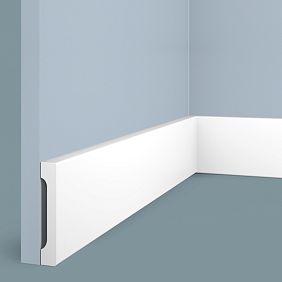
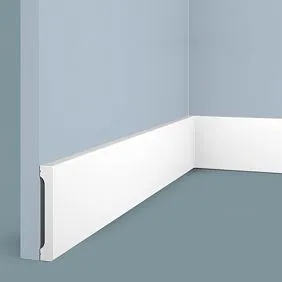
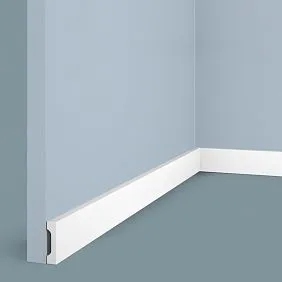
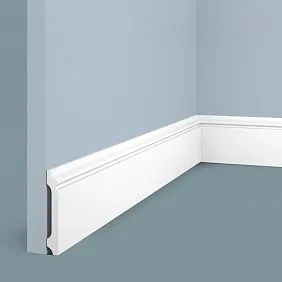
White Wooden Baseboard Ranks first in the ranking of fashionable color solutions due to its remarkable universality and ability to harmonize with any interior color palette. A white skirting board creates a visual expansion effect, making the room brighter and more airy. This color is especially effective in small rooms, where every element must contribute to expanding the space.
Modern interpretation of the white color in skirting boards involves using various shades—from crystal-clear Arctic white to warm milk or elegant ivory. Each shade creates its own atmosphere: cool tones emphasize modernity and minimalism, while warm tones add coziness and homeliness.
White skirting board has become a hallmark of Scandinavian style, where it serves as a connecting element between light walls and natural wooden floors. White wooden baseboard Creates a clear graphic line, emphasizing the geometry of the space and adding completeness to the interior.
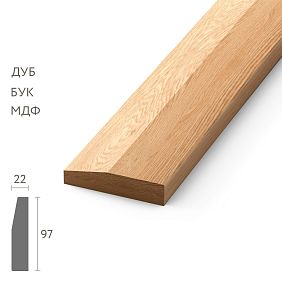
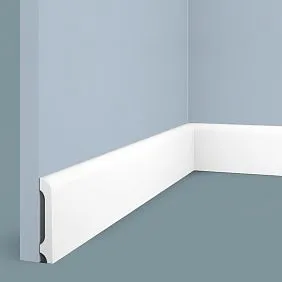
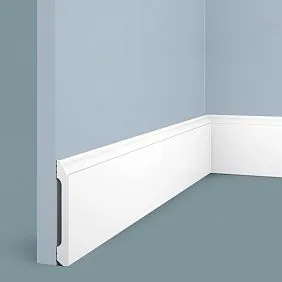
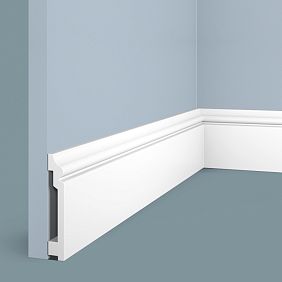
Our factory also produces:
Technical Advantages of the White Color
White skirting board possesses a unique ability to mask minor defects and stains, making it a practical choice for families with children and pets. Modern coloring technologies allow for creating wear-resistant coatings that retain their original appearance for many years.
Wooden floor with white skirting board Represents a classic combination that never goes out of fashion. The contrast between the warmth of natural wood and the purity of white color creates a balance perceived as natural and harmonious.
White skirting board effectively reflects light, which is especially important in rooms with insufficient natural lighting. It acts as an additional source of reflected light, making the room brighter and more spacious.
Get Consultation
Dark Shades: Drama and Elegance
Black as a New Classic
Black Wooden Baseboard Gaining increasing popularity among lovers of modern and dramatic design. A black skirting board creates a powerful visual accent, adding elegance and depth to the interior. This color is especially effective in rooms with high ceilings, where it emphasizes vertical proportions and creates a sense of monumentality.
Modern interpretation of black skirting board moves away from gloominess, offering elegant solutions with various textures and shades. Deep anthracite, noble graphite, rich charcoal—each shade creates its own atmosphere and suits specific stylistic directions.
Black skirting board has become an essential part of industrial style, where it harmonizes with metallic elements and concrete surfaces. In modern interiors, black skirting board is often combined with light walls, creating a striking contrast that makes the interior memorable and stylish.
Psychology of Dark Shades
Dark skirting boards create a sense of groundedness and stability, which is especially important in spacious rooms where visual weight needs to be added to the lower part of the walls. They effectively conceal dirt and scratches, making them a practical choice for high-traffic areas.
Using dark skirting board requires careful lighting planning, as dark surfaces absorb light. However, with the right approach, dark skirting board creates a luxurious atmosphere of premium interior, associated with quality and sophistication.
Natural Palette: Beauty of Natural Wood
Warm Honey Tones
Natural wood tones remain timeless, offering a wide palette from light honey to rich walnut shades. The natural beauty of wood creates a sense of warmth and coziness, especially valued in residential interiors. Oak wooden skirting board Demonstrates the noble beauty of natural texture, highlighting the premium quality of finishing.
Modern trends favor light wood species with pronounced texture. Ash, maple, birch create a sense of freshness and naturalness, perfectly suited for eco-style and Scandinavian direction. These species easily adapt to various interior color solutions while preserving their natural beauty.
Dark species—walnut, wenge, merbau—add solidity and respectability to the interior. They are especially effective in classic and traditional interiors, where they emphasize the quality and cost of materials. Deep brown shades create a sense of stability and reliability.
Modern Processing of Natural Wood
Modern technologies allow highlighting the natural beauty of wood through various processing methods. Brushing reveals texture, creating a tactile surface. Staining allows changing the shade while preserving the natural grain pattern.
Spruce baseboard Offers a democratic solution with various coloring options. The soft structure of pine is ideal for creating various decorative effects—from patina to imitation of valuable species.
Gray Palette: Elegance of Modernity
Multifacetedness of the Gray Color
Gray Wooden Baseboard Has become a symbol of modern elegance, offering a rich palette of shades from delicate pearl to saturated graphite. Gray color possesses a unique ability to serve as an ideal background for bright accents or to create a monochromatic composition in minimalist style.
Cool gray shades — steel, silver, pearl — create a sense of modernity and technology. They are ideal for urban interiors in loft or high-tech styles, where industrial aesthetics are valued. Warm gray tones — taupe, grayish, mushroom — add coziness and comfort, creating an atmosphere of a modern home.
Gray skirting board has become an indispensable part of the current trend for monochromatic interiors, where various shades of gray create an elegant play of tones. This color combines beautifully with natural materials — stone, metal, wood — creating a harmonious and balanced interior.
Versatility of gray shades
Gray skirting board possesses remarkable versatility, harmoniously combining with both warm and cool interior colors. It can serve as a neutral background for bright accents or become a standalone design element in monochromatic compositions.
The practicality of the gray color lies in its ability to hide dust and minor stains, making it an ideal choice for commercial spaces and homes with high foot traffic. Gray skirting board requires minimal maintenance and retains its original appearance for a long time.
Contrasting solutions and color accents
Play of contrasts in modern design
Contrasting color solutions have become one of the main trends in modern interior design. Combining light walls with dark skirting board or vice versa creates a dynamic composition that makes the interior memorable and expressive. This approach is especially effective in modern styles, where graphic clarity and sharp lines are valued.
White walls with black skirting board create a classic contrast that never goes out of style. This combination highlights architectural elements, making the space more structured and expressive. The reverse combination — dark walls with light skirting board — creates a softer, yet no less effective contrast.
Modern designers experiment with unexpected color combinations, creating unique interiors. Warm peach walls with dark green skirting board, cool blue tones with warm wooden skirting board — such solutions require a professional approach but create an unparalleled atmosphere.
Color accents as a design tool
Bright colored skirting boards are becoming increasingly popular in avant-garde interiors. Deep emerald, saturated blue, warm terracotta — bold colors transform the skirting board into a full-fledged decorative element. This approach is especially effective in children's rooms, creative spaces, and modern offices.
Using a colored skirting board requires careful planning of the interior color scheme. It is important that the skirting board color harmonizes with other elements — textiles, accessories, artworks. This creates compositional unity and prevents a sense of randomness.
Painting technologies and finishing treatments
Modern skirting board painting methods
What to paint wooden skirting boards — a question that concerns many owners wishing to create a unique interior. Modern technologies offer a wide range of materials and methods, allowing to achieve any desired effect.
Paint for wooden skirting boards should combine decorative and protective functions. Acrylic paints provide bright, saturated colors and ease of application. Alkyd enamels create a durable glossy finish resistant to mechanical impacts. Special chalk paints allow creating a fashionable matte effect.
Wooden skirting board for painting provides unlimited creative opportunities. A primed surface is ready for applying any finish — from classic solid color solutions to complex decorative effects.
Decorative techniques and effects
Modern decorative techniques allow creating unique effects on the skirting board surface. Patination adds noble antiquity, craquelure creates an effect of aged paint, metallic finish adds a modern sheen.
Painting wooden skirting board may include multi-stage processes for creating complex effects. Gradient coloring, imitation of various materials, decorative patterns — all this is possible using quality wood and professional materials.
The trend of recent years has been the use of environmentally friendly water-based paints that do not emit harmful substances and have minimal odor. Such coatings are especially important in children's rooms and bedrooms.
Color harmony with interior styles
Classic styles and color traditions
Classic interior styles have established color traditions that determine the choice of skirting board color. English classic prefers dark noble tones — deep brown, burgundy, dark green. French classic leans toward lighter, more delicate shades — cream, pearl, soft blue.
The Empire style requires majestic colors — gold, white, deep blue. Baroque allows using a rich palette with gold and decorative effects. Rococo prefers soft pastel tones with pearl highlights.
Painted wooden baseboards In classic styles, skirting boards must harmonize with the overall color scheme of the interior, supporting the traditional palette and emphasizing the nobility and elegance of the space.
Modern styles and color experiments
Modern interior styles offer more freedom in choosing the color of baseboards. Minimalism prefers neutral tones - white, gray, black. Scandinavian style leans toward light natural shades. Loft allows both dark industrial colors and bright accents.
Fusion allows bold color experiments, combining incompatible elements and creating unexpected compositions. Eclecticism supports using various colors within a single space, creating a dynamic and lively atmosphere.
High-tech prefers technological colors - metallic, silver, cool shades of blue and gray. Eco-style leans toward natural colors - various shades of green, brown, beige.
Seasonal trends and color preferences
Influence of fashion trends
Baseboard colors are influenced by general fashion trends established by international color institutes. Pantone Color Institute announces the Color of the Year annually, which affects all design areas, including interiors.
The past few years have seen popularity of natural shades - terracotta, olive, deep blue. These colors reflect a desire to connect with nature and sustainable development. Painting wooden baseboards Achieving saturation and depth of color in such tones requires a professional approach.
Digital technologies and virtual reality influence the popularity of neon and electronic shades in avant-garde interiors. Bright acid colors are becoming relevant for creative spaces and youth interiors.
Regional preferences
Different regions demonstrate their preferences in baseboard color solutions. Northern countries lean toward light and natural shades, reflecting a desire for light and warmth. Southern regions prefer more saturated and warm colors.
Urban interiors often choose modern technological colors - gray, black, white. Country homes lean toward natural shades and the natural beauty of wood. Climate conditions also influence the choice - in humid climates, darker colors are preferred, concealing possible defects.
Practical aspects of color selection
Influence of lighting on color perception
Lighting plays a critical role in perceiving the color of baseboards. Natural lighting changes throughout the day, affecting the perception of shades. Morning light adds bluish tones, daylight most accurately conveys colors, evening light adds warmth and softness.
Artificial lighting also affects color perception. Warm light from incandescent lamps enhances yellow and red tones, while cool LED light emphasizes blue and green tones. Halogen lamps provide the closest approximation to natural lighting.
When choosing the color of baseboards, it is necessary to consider the type and intensity of lighting in the room. Dark colors require more intense lighting, while light colors work well under any lighting condition.
Durability and practicality of color solutions
Choosing the color of baseboards should consider practical aspects of use. Light colors require more careful maintenance but visually expand the space. Dark colors are more practical in use but may visually reduce the room's size.
Saturated bright colors may quickly become tiresome and go out of fashion. Neutral shades are more universal and durable from a design perspective. The quality of paint and application technology determine the longevity of the color finish.
Future trends in baseboard colors
Technological Innovations
Advancements in technology open new possibilities in baseboard color solutions. Photochromic paints change color depending on lighting. Thermochromic coatings react to temperature. Such innovations are still in development but may become popular in the future.
Digital printing on wood allows creating complex patterns and imitating various materials. This opens limitless possibilities for personalizing interiors and creating unique design solutions.
Ecological Trends
Growing attention to ecology influences color preferences. Natural pigments and eco-friendly paints are becoming increasingly popular. Preference is given to natural shades reflecting a desire for harmony with the environment.
Recycling and reuse of materials are becoming an important factor. The ability to repaint baseboards in new colors extends their service life and reduces their ecological footprint.
Frequently Asked Questions
What color baseboard is universal?
The most universal baseboard color is white, which harmonizes with any interior color palette and visually expands the space. A white baseboard suits all styles - from classic to ultra-modern, creating a clean graphic line that highlights the architecture of the room. Light natural wood tones (oak, maple, birch) and neutral grays are also considered universal. These colors serve as an ideal backdrop for any interior solutions and easily adapt to design changes. When choosing a universal color, it is important to consider the room's lighting - in rooms with insufficient natural light, lighter shades are preferable.
Can a white baseboard be installed on a dark floor?
A white baseboard on a dark floor is a classic and very effective design solution, creating a striking contrast and visually increasing the room's height. This combination is especially popular in Scandinavian and modern interior styles. The contrast between the dark floor and white baseboard highlights the space's geometry, making the interior more graphic and expressive. It is important to support this solution with other white elements in the interior - window casings, cornices, furniture - to create a harmonious composition. A white baseboard on a dark floor is also practical - it visually lifts the walls, making the room appear more spacious and bright, which is especially important in small rooms.
What colors of baseboards are currently in trend?
Considering modern color trends requires a professional approach and use of quality materials. The right choice of skirting board color can dramatically transform the interior, creating a harmonious and stylish space that will remain relevant for years.
Manufacturing Wooden Baseboards Considering modern color trends requires a professional approach and use of quality materials. The right choice of skirting board color can dramatically transform the interior, creating a harmonious and stylish space that will remain relevant for years.


