












































































Article Contents:
- Sculptural Forms: When Furniture Becomes Art
- Maximalism of Color and Texture: Boldness to Be Vibrant
- Modularity and Transformation: Furniture That Changes With You
- Organic Forms: Inspiration from Nature
- Carving and Decoration: Return of Craftsmanship
- Vintage and Reinterpretation of Classics: Dialogue of Eras
- Ecological and Consciousness: Furniture with a Clean Conscience
- Mixing Styles: Eclecticism as a Principle
- Smart Furniture: Technology Serving Comfort
- Small Forms with Big Value: Accent Furniture
- Customization and Personalization: Furniture Created for You
- Color Solutions: From Neutrality to Expressiveness
- Conclusion: investment in beauty and individuality

Furniture is no longer just a utilitarian set of items for sitting, storing, and sleeping. It has become an expressive medium, a way to make a statement, a sculpture that can be used. Designer furniture in 2025 is a manifesto of individuality, a rejection of faceless mass-market standards, a return to understanding furniture as art. When a sofa stops being merely a place to sit and becomes a sculptural object defining the character of the entire space, when a chair attracts attention as a piece of contemporary art, when a table becomes a central compositional element — then we speak of a new era in interior design.
What lies behind this shift? Tiredness of sameness. Millions of apartments furnished with identical furniture from global chain stores have sparked a craving for uniqueness. People no longer want their living rooms to look like their neighbors', colleagues', or random Instagram acquaintances'. They seek items with character, history, expressiveness. At the same time, there is a growing understanding of furniture as a long-term investment — not financially, although that is also true, but emotionally. Quality, expressive furniture does not get boring, does not become outdated morally, becomes part of family history.Furniture in InteriorThe year 2025 is not disposable material changed with every renovation, but full-fledged works that live for decades, accumulating memories and value.


Sculptural Forms: When Furniture Becomes Art
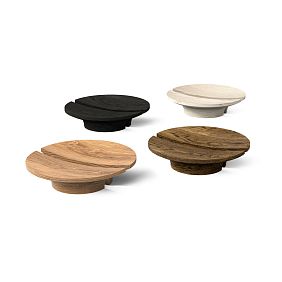
Imagine a chair that looks as if it were sculpted by a sculptor, not assembled on a factory. Smooth, organic lines, absence of sharp angles, a form that seems the result of a natural process, not engineering calculation. This is sculptural furniture — the main trend of modern design.
Where did this trend come from? Designers are tired of the primacy of function over form, of the dictum of orthogonality, of the triumph of straight lines and right angles. Mid-20th century modernism gave us pure functionality, but took away poetry, emotion, playfulness. Sculptural furniture returns all this without sacrificing comfort. Moreover, organic forms that replicate the curves of the human body are often the most ergonomic.
Sculptural chairs are the most vivid representatives of the trend. The famous Egg Chair by Arne Jacobsen, created in the 1950s, is now experiencing a new wave of popularity. But modern designers go further, creating even more radical forms. Chairs resembling cocoons, where one can hide from the world. Chairs with asymmetrical backs, creating visual dynamics. Chairs made from a single piece of material, as if carved from a block. Each such chair is not just a place to sit, but a sculptural object that works even when empty, creating a visual accent in space.
Sculptural tables often have unusual bases. The tabletop may be classic — rectangular or round — but the base is a sculptural composition. Interwoven metal strips. Abstract shape made of polished concrete. Wooden structure resembling tree roots or coral reef. These tables attract attention, become conversation topics, transform dining or living areas into gallery spaces.
New-generation sofas reject traditional straightness. Curved sofas in the shape of a bean or cloud. Modular systems with elements of different shapes and heights, creating a complex landscape composition. Sofas on sculptural bases that seem to float in the air. This is no longer just furniture for sitting — it is architectural elements that shape space, defining its character.
Materials of sculptural furniture emphasize forms. Monolithic concrete poured into complex molds. Molded plywood bent into impossible, seemingly, curves. Rattan woven into organic shapes. Metal bent into smooth lines.Wood with decorative carvingwhere sculptural expressiveness is achieved not only by form, but also by surface relief. It is important that material and form work together, reinforcing each other.




Maximalism of Color and Texture: Boldness to Be Vibrant
For many years we were told: furniture should be neutral — gray, beige, white, at most pastel. Color accents — these are decorative cushions and vases, but not the furniture itself. The modern trend flips this rule upside down. Furniture becomes a carrier of color, the main color accent in the interior.
Velvet is the main material of the color revolution. A velvet sofa in deep emerald color. A velvet chair in indigo shade. Velvet chairs in terracotta or mustard colors. Velvet does not just convey color — it makes it deep, multi-dimensional, changing under different lighting. In daylight, a velvet sofa may appear almost black, at night — shimmering sapphire. This variability adds drama and life.
Bouclé — fabric with a distinctive knotted texture — has become a hit of recent seasons. Bouclé sofas and chairs, usually in neutral shades — cream, gray, beige — create an interesting textural play. This is not a flat surface, but a relief, inviting touch. Bouclé adds visual warmth and tactile quality, making furniture more friendly and less formal.
Leather returns, but in new variations. Not traditional brown or black leather, but vibrant, unexpected colors — terracotta, green, mustard. Weathered leather with visible patina, highlighting the material’s naturalness. Combined upholstery, where leather combines with fabric, creating visual complexity. Leather with reptile embossing or natural irregularities, evoking the material’s animal origin.
Wooden furniture is painted in unexpected colors. A chest painted in deep blue or emerald green. Chairs in bright shades, each chair its own color, creating a playful eclectic composition around the dining table. Important: the paint is high quality, not hiding the wood’s texture entirely, but enhancing it, creating semi-transparent color layers.
Metal accents add luxury to furniture. Brass legs on sofas and chairs. Copper details on tables. Black metal frames on cabinets and shelves. Gold handles on chests. Metal contrasts with the softness of upholstery or the warmth of wood, creating visual and tactile tension that makes furniture interesting and multi-layered.
Our factory also produces:


Modularity and transformation: furniture that changes with you
The life of a modern person is unpredictable and dynamic. We work from home, then return to the office. We live alone, then find a partner. We host guests, then enjoy solitude for months. Static furniture designed for one usage scenario no longer works. Flexibility, adaptability, and the ability to transform are needed.
Modular sofas are the kings of modern living rooms. This is not a monolithic structure, but a set of elements that can be rearranged to create different configurations. Today, a U-shaped arrangement for a large group. Tomorrow, two separate sofas facing each other for intimate conversation. The day after, a chaise lounge for reading and several cushions scattered around the room. The same furniture, but endless usage options.
An important detail of modern modular systems: elements connect to each other but can be easily disconnected. No screws or tools — simply detach and rearrange. Some systems use magnets, others specialized clips, and others simply weight and friction. The key is ease of transformation. If rearranging requires half an hour and a screwdriver, the system doesn’t work. If it takes only a minute and your hands — this is true modularity.
Transforming tables solve the problem of small spaces. A console that extends into a dining table for eight people. A coffee table that lifts to become a work desk. A table with extendable parts that double its surface area. These mechanisms are becoming increasingly refined — smooth, silent, requiring no effort. A quality transforming table works with one hand movement.
Transforming beds have evolved from clumsy Soviet folding beds to elegant systems that fully hide during the day, freeing up space. A wardrobe bed that swings or slides out with a button press. A sofa that transforms into a full-sized bed with an orthopedic mattress. A platform with a built-in pull-out bed. For small apartments, this is not luxury but necessity — a way to have both a bedroom and a living room in one space.
Storage systems with adjustable configurations adapt to changing needs. Shelves where shelves and drawers can be rearranged. Wardrobes with adjustable rods and shelves. Modular chests where elements can be swapped. This is especially valuable when life circumstances change — children appear, work changes, new hobbies emerge, requiring storage for different items.
Get Consultation
Organic forms: inspiration from nature
Nature knows no straight lines or right angles. Everything in nature is smooth, curved, asymmetrical. Modern furniture increasingly turns to natural forms, creating objects that appear to have grown naturally, rather than being designed by humans.
Dining tables made from slabs — whole sections of tree trunks — have become icons of organic design. The edge of the table retains the natural shape of the wood, uneven, wavy, unique. Bark may remain partially, adding wildness. Cracks and splits are filled with epoxy resin, often tinted, creating the effect of a river or stream flowing through the wood. Each such table is unique — even from neighboring trunks, completely different pieces are produced.
Chairs and stools with organic backs replicate the curves of the human body or natural forms. A back resembling a petal or leaf. A seat curved like a seashell. Legs spreading like tree roots. These forms are not only beautiful but ergonomic — nature, through millions of years of evolution, has polished optimal shapes, and designers use them.
Rattan furniture is experiencing a renaissance. Rattan is a vine woven into light, airy structures. Modern rattan items are far from grandma’s rocking chairs. These are elegant chairs with clear geometric lines, where weaving creates complex textural play. These are dining chairs where rattan combines with metal. These are rattan headboards creating a natural yet stylish atmosphere in the bedroom.
Stone elements in furniture add monumentality and a connection to the earth. Countertops made from whole stone slabs with natural edges. Table bases from unprocessed stone, preserving natural texture. Stone shelves, where each shelf is a unique piece of rock. This is not just beautiful — it creates a sense of stability, durability, and connection to millions of years of geological history.
Smooth, flowing forms characterize modern soft furniture. Sofas without sharp edges, where the back seamlessly transitions into armrests, which then into the seat. Bucket chairs have evolved into elegant molded structures. Organic-shaped cushions that can be grouped to create complex compositions. This is furniture that looks soft, friendly, welcoming.
Carving and decoration: the return of craftsmanship
For decades, minimalism dominated with its rejection of decoration, its slogan 'less is better'. Decorative furniture trends of recent years show the reverse movement: a return to ornamentation, carving, and decoration, but reinterpreted, freed from Victorian overload, more graphic and concise.
Carved furniture facades transform utilitarian storage into decorative art. A chest with carved panels on drawers. A cabinet with carved doors, where the play of light and shadow on the relief creates a constantly changing picture. A buffet with carved details that reference classic models, but executed more concisely, without excessive detailing.carved wooden inlaysallow even simple furniture to be transformed, adding expressiveness and uniqueness.
Important point: modern carving is not copying Baroque scrolls. It is geometric patterns, abstract compositions, stylized botanical motifs, but with clear graphics, no fussiness. Carving can be deep, creating dramatic shadows, or shallow, tactile, inviting touch. The key is that it must be thoughtfully designed, appropriate, not overwhelming the object.
Inlay — an ancient technique gaining new life. Wooden furniture with metal inlays — brass, copper, bronze. Countertops with stone or mother-of-pearl inlays, creating complex patterns. Cabinet doors with contrasting wood species inlays. This technique requires immense skill, so inlaid furniture is always exclusive, always bearing the mark of the craftsman’s hand.
Decorative hardware transforms functional elements into ornaments. Handles of unusual shapes — branches, leaves, abstract sculptural forms. Hinges and locks, becoming decorative facade elements, not hidden. Furniture legs designed as small sculptures.decorative elements for furnituretransform even a simple item into unique.
Moldings and cornices on furniture add architectural expressiveness. Classic tall cabinets with a cornice on top look monumental, almost like part of the room’s architecture. Chests with moldings on the facade gain structure and visual complexity. Tables with carved edges or skirts under the countertop become more elegant. These details make furniture more interesting, richer, deserving of careful attention.
Vintage and reinterpreting classics: a dialogue of eras
Fashion is cyclical, and this is especially noticeable in furniture design. Forms and styles of the past return, but not as direct copies, but as reinterpretations, adapted to modern needs and aesthetics.
Mid-century furniture is the main source of inspiration. Scandinavian modernism with its clean lines, spindle legs, natural wood. American mid-century modern with its organic forms, bold colors, futuristic elements. Italian design with its elegance and innovative use of materials. These styles have not become outdated — they have become classics, timeless examples of good design.
Modern manufacturers create replicas of iconic mid-century furniture pieces or are inspired by them, creating new variations. A chair in the style of the 1950s, but with modern ergonomics and materials. A chest replicating the proportions and forms of the 1960s, but with updated functionality. This is not nostalgia, but recognition of the enduring value of good design.
Vintage furniture is gaining increasing value. Finds from flea markets, antique shops, estate sales. Furniture that is 50-70 years old, but has been preserved in good condition or professionally restored. Such items are not only beautiful and functional, but also carry history, patina, and uniqueness. No replica can compare to the original.
Art Deco is experiencing a revival. Its geometric forms, luxurious materials, metallic accents, and deep-colored velvet upholstery fit perfectly into modern maximalist interiors. Art Deco buffets with mirrored inserts. Art Deco chairs with brass details. Art Deco dressing tables with round mirrors. This style is simultaneously luxurious and restrained, decorative and elegant.
Neoclassicism — adaptation of classical forms to modern needs. This is not heavy Baroque furniture with gilding and cherubs, but a lighter version: the same proportions and silhouettes, but more minimalist, with minimal decoration, in modern materials and colors. A neoclassical chest can be white or gray, but with classical proportions and details. Chairs with classical backs, but in modern fabrics and colors.
Ecological awareness and mindfulness: furniture with a clean conscience
Furniture is one of the most resource-intensive product categories. Producing furniture requires wood, metal, textiles, glue, and paint. Transporting furniture creates a carbon footprint. Disposal of old furniture creates mountains of waste. The modern trend is mindful engagement with these processes, choosing eco-friendly, responsible solutions.
Certified wood from sustainable forests — a necessity, not an option. FSC and PEFC certificates guarantee that the wood comes from forests where sustainable harvesting is practiced, workers’ rights are respected, and biodiversity is preserved. Choosing furniture with such certifications is voting for the preservation of forests for future generations.
Reclaimed wood — an eco-friendly and aesthetically valuable alternative. Furniture made from old planks removed from barns, factories, bridges. This wood often surpasses modern quality — older trees with dense grain were previously used. Moreover, old wood has patina, texture, and history, making each piece unique.
Recycled materials expand the possibilities of eco-design. Countertops made from recycled plastic that look like terrazzo. Soft furniture with cushions made from recycled plastic bottles. Metal elements from recycled materials. These materials do not fall short in quality compared to virgin materials, but significantly reduce the ecological footprint.
Durability — the main principle of eco-friendly furniture. It is better to buy one high-quality item that will last half a century than to buy cheap, flimsy furniture every five years. Quality wooden furniture withdecorative elements made of solid woodcan serve for generations, becoming a family heirloom. This is not only eco-friendly, but also economical in the long run.
Repairability — an overlooked but important quality. Old furniture was designed to be repairable: replace upholstery, fix mechanisms, tighten joints. Modern mass-produced furniture is often disposable — break, throw away, buy new. Quality furniture must be repairable and restorable, extending its service life.
Mixing styles: eclecticism as a principle
The days when interiors were strictly adhered to one style — all Scandinavian or all loft — are fading. The modern approach is mindful eclecticism, where items from different styles and eras coexist, creating complex, layered, personal interiors.
Classic with modern — the most common combination. An antique chest in a modern minimalist living room. A modern sofa next to a classic table on curved legs. Scandinavian chairs around a massive slab wood table. These contrasts create visual tension, making the interior interesting and preventing the eye from getting bored.
Industrial with soft — contrast of textures and moods. A metal shelving unit with open shelves next to a velvet sofa. A concrete table surrounded by soft chairs with textile upholstery. Roughly finished wooden furniture combined with silk curtains. These combinations balance each other, creating a space that is simultaneously brutal and cozy.
Ethnic with European — a way to add exoticism and individuality. A Moroccan carved side table in a Scandinavian living room. Indian textiles on a modern sofa. A Japanese low table in a loft space. These elements add variety, tell stories of travels, interests, and the owner’s openness to other cultures.
The key to successful eclecticism — unifying elements. This can be color: mismatched items unified by one color or color palette. This can be material: all items are wooden, even if from different eras and styles. This can be shape: repeating rounded or geometric forms create visual cohesion. Without such unifying elements, eclecticism becomes chaos.
Smart furniture: technology serving comfort
Technology is penetrating all areas of life, and furniture is no exception. But unlike the first generations of smart furniture, which looked futuristic and technological, modern smart furniture conceals technology, making it invisible and organically integrated.
Built-in charging — now standard for modern furniture. Nightstands with wireless charging pads on the top surface. Sofas with built-in USB ports and outlets in the armrests. Coffee tables with charging zones disguised in the countertop. This is convenient and solves the problem of constantly tangled cords.
Furniture with lighting creates atmosphere and functionality simultaneously. Beds with built-in headboard lighting, replacing bedside lamps. Wardrobes with automatic interior lighting that turns on when doors are opened. Shelving units with LED strips illuminating shelves. Tables with under-lighting creating a floating effect. This lighting is often adjustable in brightness and color temperature.
Furniture with heating adds comfort. Beds with heated mattresses, where temperature can be adjusted separately for each side. Chairs with heated seats and backs. Tables with heated tops for winter gardens or open terraces. This is especially valuable in cold climates, creating an additional level of coziness.
Adjustable furniture adapts to the user. Tables with electric height adjustment, allowing work while sitting or standing. Beds with adjustable headboards and footboards. Chairs with multiple adjustments for ideal seating. This adjustment is controlled via remote, smartphone app, or even voice.
Important: technology in furniture must be unobtrusive. No blinking indicators, protruding wires, buttons that spoil the design. Technology works, but is not visible. This is the principle of modern smart furniture — maximum functionality with minimum visual presence of technology.
Small forms with big value: accent furniture
It is not always necessary to change all the furniture in a room to refresh the interior. Sometimes, one bright accent piece is enough to transform the entire space, set a new tone, and create a focal point.
Console tables — underrated heroes of interior design. In the entryway, a console serves as a place for keys, mail, and decor. In the living room — additional surface behind the sofa. In the dining room — a buffet for serving. A console can be minimalist or decorative, modern or vintage, but it always adds functionality and visual interest.
Accent chairs — a way to add color, texture, character. One bright chair in a neutral living room becomes a focal point, drawing attention and setting the mood. This can be a vintage chair with an unusual shape, a modern deep-colored velvet chair, or a rattan chair adding natural texture. The key is that it should stand out, be noticeable, and interesting.
Coffee tables — sculptural objects in the center of the living room. This can be a table with an unusual shape — organic, geometric, asymmetrical. A table made from unusual materials — marble, glass, metal, concrete. A table with an interesting base — sculptural, carved, made from interwoven elements. It draws the eye and becomes a topic for conversation.
Cushions and ottomans are universal furniture that solves many tasks. Extra seating when guests arrive. Footrest. Coffee table if you place a tray on it. Storage space if the ottoman has a hinged lid. At the same time, an ottoman can be a decorative element — bright color, interesting texture, unusual shape.
Bar carts and serving tables are returning from the past. A metal cart on wheels with mirrored shelves — both functionally (you can bring drinks to guests) and decoratively (a beautiful object that can be styled). Vintage bar carts are especially valuable — they have patina, history, uniqueness.
Customization and personalization: furniture created for you
Mass production provided accessibility but took away individuality. More and more people are rejecting ready-made solutions and seeking ways to create furniture that perfectly suits them — in size, function, style.
Custom-made furniture is the most direct path to uniqueness. You work with a craftsman or designer, discuss your needs, preferences, budget. Together you create a concept. The craftsman makes the item specifically for you, to your dimensions, in your materials and colors. The result — furniture that no one else has, which perfectly fits your space and your life.
Stavros CompanySpecializes in creating unique wooden elements that transform standard furniture into exclusive pieces.carved appliquésCan transform the facades of cabinets, chests, and doors.Decorative pilasters and columnsAdd architectural expressiveness to furniture. Over twenty years of experience, includingCreating sets for theater and cinemaGuarantee the highest quality and attention to detail.
Customizing mass-produced furniture — a budget alternative to custom-made. You buy simple furniture and transform it: replace handles with designer or vintage ones, addwooden decorative elements, repaint facades, change upholstery, add decorative legs. The result — a unique item that looks expensive and individual, but costs significantly less than custom-made furniture.
DIY projects for those who love working with their hands. Furniture from pallets that can be made over the weekend. Shelves from old boards and metal brackets. A coffee table from an old suitcase. A headboard from old doors or window frames. These projects don’t require professional skills, but they provide great satisfaction and a unique result.
Personalization through decoration — the simplest way. Even standard furniture becomes personal when you add your own items: family photos, collections, books, souvenirs from travels. An open shelving unit — it’s not just storage, it’s an exhibition of your life, your interests, your story.
Color solutions: from neutrality to expressiveness
The color of furniture is one of the strongest tools for creating interior mood. Trends of recent years show a shift from safe neutral shades to bolder, more expressive color solutions.
Earthy tones — terracotta, ochre, rust, clay — create warm, cozy interiors. A terracotta-colored sofa becomes a sunny spot in the room. An ochre-colored chair adds golden warmth. These colors are psychologically comfortable, they calm, create a sense of stability and connection with nature.
Deep precious tones — emerald, sapphire, amethyst, ruby — add luxury and drama. An emerald velvet sofa — it’s a statement, the central element of the living room. A sapphire chair creates depth, draws the eye. These colors require boldness, but the result is impressive.
Muted pastels — dusty rose, sage, lavender, peach — create soft, romantic interiors. These are not bright children’s pastels, but complex, dusty shades with gray undertones. A sofa in dusty rose color looks elegant and refined. A sage-colored chair adds calmness.
Monochrome is returning, but in a new interpretation. Not boring gray, but different shades of one color, creating depth and complexity. A living room in blue shades — from light blue to deep indigo. A bedroom in beige tones — from milk to brown. This creates refined, sophisticated interiors.
Black — the rehabilitated color of furniture. A black sofa looks elegant and modern. Black chairs add graphic contrast. A black chest becomes a monolithic sculptural object. The key — balance: black furniture requires sufficient lighting and contrasting light elements.
Conclusion: investment in beauty and individuality
Furniture is not disposable material that you replace during every renovation. It is a long-term investment — in comfort, in aesthetics, in quality of life.Designer furniture 2025The year shows: people are tired of disposability, of blandness, of compromises. They want items with character, with history, with expressiveness.
Sculptural forms, bold colors, organic lines, the return of decoration, mixing styles, eco-friendliness, personalization — all these trends share one thing: the desire for uniqueness, for creating spaces that reflect the owner’s personality, not the dictates of mass production. Furniture becomes a means of self-expression, a form of art that can be used.
Realizing this vision requires not only inspiration, but also partners who understand the value of quality and craftsmanship. STAVROS has been creatingwooden elements for furniture and interiors, which transform ordinary items into works of art.
The assortment is impressive:carved inlays from solid woodwhich transform any furniture;Decorative pilastersand columns for architectural expressiveness;panels and moldingsfor creating unique solutions;Furniture and interior itemsmade of natural wood.
STAVROS's experience is unique.Creating decorations for theater, film, and televisionhas taught the company to work on the most complex projects, realize any ideas, work with any materials and styles. This experience is transferred to residential interiors, creating furniture and theatrical expressive elements.
OnSTAVROS websiteYou will find not only an extensive catalog, but also the opportunity to order unique elements according to your sketches.Company's blog— source of inspiration:ideas for decorating furniture, articles on trends, practical tips.
Quality is proven by real projects and reviews. STAVROS uses only premium wood — oak, beech, ash, valuable species. Modern equipment combines with handcrafting by master carpenters, for whom working with wood is a calling.
Modern furniture is an art object, sculpture, a statement of taste and individuality. It is not just a place to sit or store, but an element that shapes the character of the entire space. Invest in quality, expressive furniture that will serve for decades and delight you every day.
Start transforming today. Openthe STAVROS catalog, choose elements that resonate with your vision, take the first step toward creating an interior that reflects your essence. Because life is too short for bland furniture. Because your home deserves items that inspire, surprise, and bring joy every day.


