












































































Article Contents:
- Historical Overview and Significance of Wood Materials
- Roots of traditions
- Modern Challenges and Innovations
- 1. Natural Wood
- Properties and Applications
- 2. Processed Wood
- Classification and Technologies
- 3. Composite Wood Materials
- Combining traditions and innovations
- 4. Laminated Wood
- Advantages and Features
- 5. Next-Generation Wood Composites
- Innovative Developments
- Construction and Architecture
- Furniture Manufacturing and Interior Design
- Finishing and decorative treatment
- Basic Care Recommendations
- Restoration and repair
- Ecological advantages of natural wood
- Contribution to Sustainable Construction
- New wood processing technologies
- Composite and hybrid materials
- Prospects for Use in Urban Infrastructure
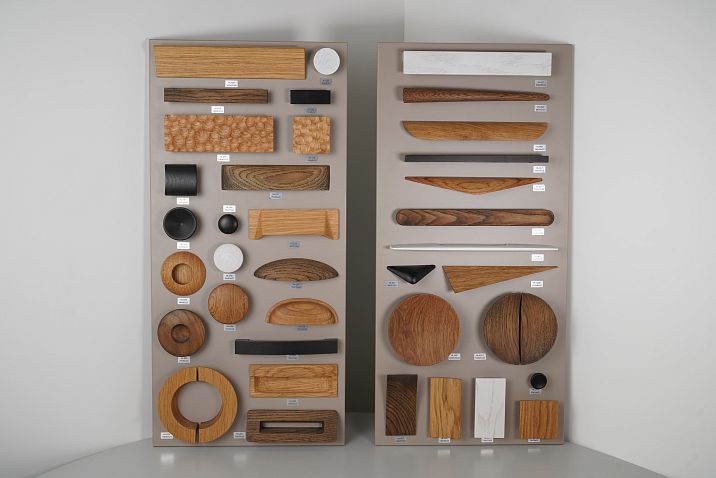
Wood has long served as the foundation for creating unique items, architectural solutions, and decorative elements. Modern industry and construction rely on natural wood, refining processing methods and expanding application scope. In this article, we will examine the main types of wood materials, their features, advantages, and practical usage recommendations. The text is written with deep analysis, detailed information, and genuine passion for the world of natural materials.




Historical Overview and Significance of Wood Materials




Roots of traditions
Since ancient times, wood has been an indispensable resource for human civilization. From the first primitive dwellings to modern architectural masterpieces—wood has always been a symbol of reliability, beauty, and ecological purity. Each region of the world possesses its own unique characteristics in using wood materials: from massive logs for constructing northern cottages to delicate carvings in the south. These traditions continue to influence modern processing technologies and applications of natural wood.
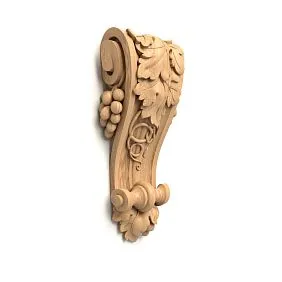
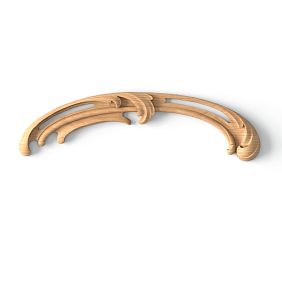
Our factory also produces:


Modern Challenges and Innovations
With the advancement of technology and growing demands for eco-friendly materials, modern specialists strive to preserve the natural richness of wood, adapting traditional processing methods to contemporary standards. Today, the market offers not only raw materials but also a wide range of processed products, composites, and innovative materials based on natural wood.
Get Consultation
Main types of wood materials
Wood materials can be conditionally divided into several categories, each possessing unique properties and application areas.
1. Natural Wood
Properties and Applications
Natural wood is a raw material obtained directly from tree trunks without significant chemical treatment. Its properties depend on the species, growing conditions, age, and harvesting method. Advantages of natural wood include:
● High thermal and acoustic insulation.
● Natural texture and unique wood grain pattern.
● Ecological purity and recyclability.
It is widely used in construction, furniture making, decorative elements, and even artistic carving. Natural wood, due to its strength, serves as the basis for creating durable structures.
2. Treated wood
Classification and technologies
Treated wood undergoes several stages of mechanical, thermal, and chemical processing. These materials acquire new properties:
● Increased resistance to moisture, pests, and fire.
● Improved aesthetic qualities due to varnishing, painting, or application of protective coatings.
● Increased dimensional stability, which is especially important in construction and assembly.
Examples of treated wood include parquet, laminate, veneered panels, and plywood. These materials are widely used in interior and exterior applications, ensuring high functionality and durability of products.
3. Composite wood materials
Combination of tradition and innovation
Composite materials represent a combination of natural wood with synthetic polymers, resins, or other additives. These materials have several advantages:
● Increased strength and wear resistance.
● Reduced susceptibility to moisture, rot, and deformation.
● Possibility of creating products with diverse properties and forms.
Composite wood materials include wood-polymer composites (WPC), particleboard (PB), and other hybrid materials. They are used in construction, furniture manufacturing, and decorative-applied arts.
4. Laminated wood
Advantages and features
Laminated wood is a material created by bonding several layers of natural wood using special adhesive compositions. Thanks to this technology, the following is achieved:
● High dimensional stability and resistance to mechanical impacts.
● Possibility of creating large panels without visible seams.
● Improved aesthetics due to the use of decorative layers.
Laminated products are widely used in furniture manufacturing, interior finishing, and structural elements where both appearance and strength characteristics are important.
5. Next-generation wood composites
Innovative developments
Modern research and development in wood processing lead to the creation of new types of materials based on the recycling of wood residues and waste. These composites have the following characteristics:
● High ecological value due to the use of recycled raw materials.
● Lower production cost and high quality of the final product.
● Adaptability to various operating conditions and possibility of combining with other materials.
These materials are actively integrated into ecological construction, where not only aesthetics but also minimal impact on the environment are important.
Application of wood materials in various fields
Construction and architecture
Wood has always played a key role in construction. ModernWood Building Materials are not only functional structures but also expressive design elements. The use of natural wood in construction ensures:
● Natural room temperature regulation.
● High energy efficiency of buildings.
● Unique architectural style that combines traditional motifs and modern trends.
Architects use various types of wood to create facades, partitions, staircases, and decorative elements, highlighting the uniqueness of each project.
Furniture production and interior design
Natural wood is the basis for manufacturing furniture and decorative interior elements. Its texture, strength, and ecological safety make it an ideal choice for creating exclusive furniture items. Processed wood, laminated panels, and composite materials allow for creating diverse styles—from classic to modern.
Craftsmen and designers often experiment with different types of wood, combining them with innovative processing technologies to achieve the ideal balance between aesthetics and functionality. Natural wood materials create a cozy atmosphere, impart warmth and natural harmony to interiors.
Finishing and decorative treatment
In addition to construction and furniture solutions, wood is widely used for decorative interior finishes. Moldings, trim, baseboards, and other elements made of natural wood can transform an interior, giving it individuality and expressiveness. SuchWood Building Materials are not only functional but also works of art capable of highlighting the style and character of the space.
Care for wood materials
Basic care recommendations
In order for wooden items to retain their properties and appearance for many years, it is necessary to follow certain care rules:
● Regular cleaning with a soft cloth to remove dust and dirt.
● Use special protective agents against moisture, insects, and ultraviolet rays.
● Periodic renewal of protective coating, especially for items located in conditions of variable temperature and high humidity.
Following these recommendations allows preserving the unique properties of wood, extending the service life of items, and maintaining their aesthetic appearance.
Restoration and repair
Over time, even well-processed wood may require repair or restoration. Today, there are technologies that allow effectively restoring damaged surfaces, removing scratches, and restoring the original luster of the material. Such work requires a professional approach and knowledge of the properties of each specific type of wood.
Ecological Sustainability
Ecological advantages of natural wood
Natural wood is a renewable resource that, with proper harvesting and processing, possesses several ecological advantages:
● Biodegradability and minimal environmental impact.
● Absence of toxic substances when using natural treatment agents.
● Possibility of secondary processing and reuse in new items.
Modern production methods are oriented towards reducing waste and energy consumption, making wood materials an ideal choice for eco-oriented projects.
Contribution to sustainable construction
Considering global challenges in ecology and climate change, the use of natural wood becomes an important element of sustainable construction. The use of ecologically cleanwooden construction materials allows:
● Reduce carbon footprint and energy consumption during construction.
● Create a healthy environment for living and working.
● Save natural resources for future generations.
Integrating eco-friendly solutions into modern construction projects is an essential part of the global strategy for sustainable development.
Development prospects and innovative trends
New wood processing technologies
The development of digital technologies and automation in production opens new horizons in processing wood materials. The use of CAD/CAM systems, laser cutting, and robotic lines allows achieving high precision, reducing waste, and creating items with perfect geometry. These innovations contribute to expanding the range of materials, enabling the creation of unique decorative and structural elements.
Composite and hybrid materials
Modern research in materials science leads to the emergence of new types of wood composites. These hybrid materials combine the strength of natural wood with the high performance characteristics of synthetic components. Their use enables solving problems previously considered impossible: creating lightweight yet ultra-strong structures, as well as items with special decorative properties.
Prospects for application in urban infrastructure
Considering the growing urbanization and the drive toward eco-friendly solutions, the application of wood materials in urban infrastructure is becoming increasingly relevant. From creating unique facades to finishing public spaces — wood helps shape the appearance of modern cities, combining functionality and aesthetics. Innovative solutions in wood processing and combination open new opportunities for architects, designers, and engineers.
Conclusion: harmony of traditions and innovations
Wood-based materials represent an incredible variety of solutions, each possessing unique characteristics. From untreated natural wood to modern composites — each type has its place in contemporary architecture, furniture manufacturing, and decorative design. Using these materials contributes to creating a harmonious space where traditional craftsmanship combines with innovative technologies.
Natural wood, due to its eco-friendliness, durability, and aesthetic appeal, remains an indispensable resource for creators and specialists. It not only transforms the appearance of buildings and interiors but also makes a significant contribution to sustainable urban infrastructure and the preservation of natural resources.
We invite everyone who values quality, ecological purity, and innovation to pay attention to the richness ofwooden construction materialsThese solutions will help create not just functional objects, but true works of art reflecting the harmony between tradition and modernity.
In conclusion, the future of wood materials depends on our ability to adapt age-old traditions to modern realities, using innovative approaches and technologies. Each new development in wood processing and application becomes a step toward a more sustainable, beautiful, and eco-friendly world. May the diversity of wood-based materials continue to inspire bold experiments, creative solutions, and conscious choices in favor of natural, time-tested materials.
Thus, wood-based materials are not merely a construction resource, but a whole world filled with history, culture, and innovation. Their diversity opens boundless opportunities for specialists to realize the boldest ideas in construction, design, and manufacturing. Amid rapid technological advancement and growing ecological challenges, natural wood remains a symbol of sustainability, reliability, and natural beauty.
Be bold, experiment, and discover new applications for wood materials. The harmonious blend of tradition and innovation will help create a space where every element — from massive structures to delicate decorative features — breathes life, warmth, and timeless aesthetics.


