Article Contents:
- Hardware as Philosophy: From Utility to Art
- Furniture Hardware Materials: Wood vs. Metal
- Metal Hardware: Modernity and Reliability
- Wooden Hardware: Naturalness and Character
- Types of Furniture Hardware: From Handles to Mechanisms
- Pull Handles: Classic Functionality
- Knob Handles: Miniature Accents
- Surface-Mounted Handles: Sculptural Elements
- Hardware for Furniture Legs: The Invisible Foundation
- Materials for Installation and Finishing: Final Touches
- Where to Buy Furniture Hardware: A Strategy for Smart Choice
- Construction Hypermarkets: Accessibility with Limitations
- Marketplaces: Abundance and Unpredictability
- Specialized Hardware Stores: Narrow Profile
- Decorative Manufacturers: Systematic Approach and Quality
- Choosing Hardware for Different Types of Furniture
- Kitchen Furniture: Practicality First
- Case Furniture: Balancing Function and Aesthetics
- Upholstered Furniture: Finishing Nuances
- Tables: Reliability of the Base
- Trends in Furniture Hardware for 2026
- The Return of Natural Materials
- Matte and Patinated Surfaces
- Large Formats and Expressive Geometry
- Integration and Invisibility
- Material Mixing
- Why STAVROS is the Choice of Professionals

Furniture hardware is that invisible magic that turns a pile of wooden blanks into a functional work of art. In 2026, hardware has finally ceased to be just a technical detail hidden from view: it has become a full-fledged design element that defines the character of furniture, its style, status, and ergonomics. The question "where you can buy furniture hardware" is no longer solved by a trip to the nearest construction store for faceless metal handles. Today, it is a strategic choice among dozens of manufacturers, materials, and styles, where the quality of each component determines not only the lifespan of the furniture but also its ability to evoke emotions, emphasize the individuality of the interior, and turn everyday actions into a pleasant ritual.
The furniture hardware market is undergoing a real revolution. If the choice used to be limited to simple metal pull handles and hinges made of cheap alloy, today the range is astonishing: solid wood handles made from noble species, designer knobs with unique shapes, exquisite pulls with bronze patina or aged gold finishes, functional hardware that ensures smooth closing and silent operation of mechanisms. This is why queries like "where to buy furniture hardware», «where to buy hardware"Where can I buy hardware?" is a question increasingly heard from professional furniture makers, interior designers, architects, and discerning clients who understand: there are no small details in furniture, and it is often the hardware that becomes the element that turns good furniture into outstanding.


Hardware as Philosophy: From Utility to Art
Twenty years ago, furniture hardware served an exclusively utilitarian function: a handle was for opening a door, a hinge held a front panel, a runner ensured drawer movement. Aesthetics came last, and hardware was hidden, made as inconspicuous as possible. Today, the paradigm has changed radically.Furniture hardwareIt has turned into a full-fledged design element that is not hidden but showcased, not shyly concealed but proudly announced, becoming a compositional accent, a highlight, that very detail which is memorable and defines the character of the entire piece.
This transformation did not happen by chance. The modern consumer has become more sophisticated, more demanding of details, more sensitive to the quality of materials and craftsmanship. In an era when mass production has flooded the market with standard solutions, individuality has become the main value. And it is precisely hardware that provides the opportunity to personalize furniture, to make it unique, reflecting the taste and character of the owner.wooden furniture handlesHandles made of solid oak or beech turn a standard chest of drawers into an author's piece. Designer knobs with an asymmetrical shape add intrigue and dynamism to a minimalist wardrobe. Patinated brackets in antique bronze transport a kitchen to the atmosphere of French Provence.




Materials of Furniture Hardware: Wood vs. Metal
The choice of hardware material is not a technical but a philosophical question, defining the character of the entire piece. Metal and wood are two poles, between which the entire palette of possibilities in modern furniture design unfolds.
Our factory also produces:


Metal Hardware: Modernity and Reliability
Metal is a material associated with modernity, technological advancement, and functionality.Metal furniture handlesmade of stainless steel, zamak, aluminum are distinguished by high strength, durability, resistance to corrosion and moisture. They are not afraid of mechanical impacts, are easy to clean with ordinary means, do not require special care, and maintain a flawless appearance for decades. Metal hardware fits perfectly into modern interior styles: minimalism with its laconic forms and clear lines, high-tech with its cult of technology and industrial aesthetics, modernism with its functionality and geometry.
The variety of metal finishes allows for creating completely different moods. Chrome-plated hardware gives a cold shine, emphasizing modernity and strictness. Matte stainless steel creates restrained elegance, ideal for Scandinavian interiors and modern classics. Black nickel adds drama and contrast, looking especially effective on light-colored fronts. Gilded or brass hardware brings a note of luxury and vintage, working in Art Deco, neoclassicism, and glamorous interiors.
Get Consultation
Wooden Hardware: Naturalness and Character
Wood is a material with soul, history, character.Wooden furniture handlesmade of solid oak, beech, walnut possess unique tactility, warmth, and visual softness. Each wooden handle is unique thanks to the individual wood grain, and this uniqueness becomes part of the piece's value. Wood is eco-friendly, does not cause allergies, is pleasant to the touch, and creates a sense of connection with nature. Wooden hardware is suitable for interiors where the naturalness of materials is important: Scandinavian style with its cult of wood and simplicity, Japandi with the philosophy of wabi-sabi and respect for natural materials, rustic and country with their deliberate roughness and homely coziness, Provence with the romance of the French countryside.
The possibilities for wood processing are practically limitless. Wooden handles can be coated with natural oil, emphasizing the wood texture, or tinted to any shade—from light Scandinavian ash to dark wenge. Patination creates an antique effect, where recesses are darkened and protruding parts retain their natural color. Brushing makes the wood grain more expressive, revealing the structure of the annual rings. Carving turns a handle into a miniature sculpture, adding aristocracy and sophistication to classic interiors.
The main advantage of wooden hardware is its ability to create harmonious ensembles with wooden furniture. When the fronts of an oak chest of drawers are complemented by handles made of the same material, integrity, visual logic, and a sense of thoughtfulness in every detail arise. Wood to wood is a natural combination that never looks artificial or forced.
Types of Furniture Hardware: From Handles to Mechanisms
Furniture hardware is a broad category, including dozens of varieties of products, each performing its own function and having its own aesthetics.
Bar Pulls: The Classic of Functionality
Bar pulls for furnitureare the most common and universal type of hardware. A bar pull is a curved strip that attaches to the front from two sides and forms a loop, which is convenient to grasp with fingers. The advantages of bar pulls are obvious: they are ergonomic, suitable for any fronts, do not protrude far from the surface and do not catch on clothing, are easy to clean, and are universal in style. Bar pulls come in a wide variety of sizes—from miniature 64-millimeter ones to massive 400-millimeter ones, which are used on wide fronts of sliding wardrobes or panoramic doors.
The shape of the bar varies from the simplest arc to complex curved lines, geometric profiles, and ornamented elements. Material and finish determine the style: chrome-plated bars work in modern and high-tech, matte black—in minimalism and Scandinavian style, brass with patina—in neoclassicism and Art Deco, wooden—in country and Japandi. Properly chosen bar pulls can radically change the perception of furniture: add lightness to a massive wardrobe, give status to a simple chest of drawers, introduce rhythm into a monotonous row of fronts.
Knobs: Miniature Accents
Knobs are compact elements of round, square, cylindrical, or author-designed shape that attach to the front at a single point. Knobs take up minimal space, practically do not protrude from the surface, and create a neat, minimalist look. They are ideal for small drawers of chests, cabinets, bedside tables, where large bar pulls would look bulky.Furniture knobsmade of wood with carved elements add refinement to classic chests. Ceramic knobs with painting work in Provence and shabby chic. Metal knobs of strict geometric shapes are suitable for modern minimalist interiors.
The advantage of knobs is the ability to create interesting visual effects through repetition. A row of identical knobs on a dresser front forms a rhythmic structure that organizes the plane, making it more expressive. Knobs of different sizes or shapes can create playful compositions, adding individuality and character to the furniture.
Overlay handles: sculptural elements
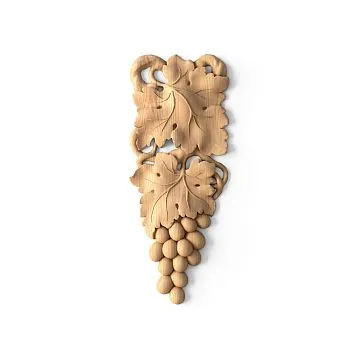
Overlay handles are three-dimensional elements of complex shape that lie completely on the surface of the front and protrude above it. Such handles often have a sculptural character: carved wooden elements with floral motifs, cast metal compositions with ornaments, designer authorial forms. Overlay handles are accent hardware that attracts attention and becomes a decoration for the furniture. They are ideal for classic interiors, where every detail should demonstrate craftsmanship and the nobility of materials.
Hardware for furniture legs: the invisible foundation
Furniture leg hardware— are fastening elements that ensure reliable installation of legs to the furniture body. High-quality mounting hardware guarantees structural stability, even load distribution, and the absence of squeaks and loosening. This is especially critical for upholstered furniture, tables, beds, where legs experience constant load. Metal plates, reinforced corner elements, screw connections — all this ensures the durability of the furniture and safety of use.
Materials for installation and finishing: the final touches
Mounting and finishing materials— are auxiliary, but no less important components of furniture production. Adhesives, varnishes, oils, stains, patinas, fillers, abrasives — all this ensures quality assembly and finishing of furniture. Professional compounds guarantee the strength of joints, protection of wood from moisture and mechanical damage, and the creation of beautiful decorative effects.
Where to buy furniture hardware: a strategy of reasonable choice
The market offers many channels for purchasing furniture hardware, but far from all of them provide the necessary quality, assortment, and service.
Construction hypermarkets: accessibility with limitations
Large construction chains are the first thing that comes to mind when searching for hardware. The advantages are obvious: physical accessibility, the ability to see the product in person, assess its size, shape, material, touch it, and estimate how it will look on the furniture. For simple tasks like replacing one or two handles on kitchen fronts, a hypermarket is quite convenient. But if the task is more serious — outfitting an authorial furniture project, selecting hardware for a specific interior style, searching for unique designer solutions — the selection will be disappointingly limited. Usually, only basic mass-produced items are available: typical metal brackets in several sizes, simple knobs, standard hinges. Consultants rarely possess deep expertise in hardware, cannot advise on the nuances of selection for different front materials, or explain the difference in quality between outwardly similar products.
Marketplaces: abundance and unpredictability
Online platforms attract with apparent abundance: thousands of listings, hundreds of sellers, the ability to compare prices and read reviews. But behind this abundance lie serious risks. Quality cannot be determined from a photograph. The metal might turn out to be a brittle Chinese alloy that deforms under the first load. Wooden handles might be made from low-grade wood with defects, poorly processed, coated with low-quality varnish that will peel off in a month. Dimensions stated in the description may not correspond to reality. The color in the photograph and the color of the actual product can differ radically.
The second risk is incompatibility and lack of system. You buy handles from one seller, hinges from a second, slides from a third, and on-site you discover that they don't match in style and are not suitable for your fronts in terms of technical characteristics. The third risk is the absence of professional support. A marketplace is a trading platform where the seller simply resells the goods without delving into the specifics of their application. You shouldn't expect consultations on selecting hardware for a specific project, calculating the required quantity, or installation features.
Specialized hardware stores: narrow profile
Stores specializing in furniture hardware offer a wider assortment compared to hypermarkets. Here you can find professional slides, soft-close mechanisms, hinges, transformation mechanisms. Consultants usually have a better understanding of technical characteristics and can help with the selection of functional hardware. But with decorative hardware — handles, knobs, overlays — the situation is often no better than in hypermarkets. The assortment is limited to standard mass-produced items, there are few designer solutions, and wooden hardware is often completely absent.
Decorative manufacturers: systematicity and quality
The optimal strategy for those who value quality, style, systematicity — is purchasing hardware from manufacturers specializing in decor and furniture components. Such companies offer not a random set of disparate items, but well-thought-out collections where hardware is combined with other decorative elements: carved overlays, furniture legs, moldings, cornices. It is precisely this approach that the STAVROS architectural decor center demonstrates.
where you can buy furniture hardware— with quality, with a guarantee of material and workmanship, with the ability to assemble a complete composition from compatible elements? From a manufacturer who controls the entire cycle: from selecting wood or purchasing quality metal to the finishing of the finished product. STAVROS is 23 years in the architectural decor and furniture components market, its own Russian production, a reputation as a reliable partner among professional furniture makers and designers.
The advantages of buying from a manufacturer add up to a convincing picture. Direct access to the full catalog means you see not random leftovers in a warehouse, but systematized collections with a wide choice of sizes, shapes, finishes. Stable quality, controlled at all stages of production, eliminates unpleasant surprises in the form of defective products, size discrepancies, poor surface treatment. A systematic approach guarantees thatwooden handles— combine with wooden legs, overlays, moldings from the same line in terms of wood species, toning, carving style.
Technical support from the manufacturer means consultations on selecting hardware for a specific type of furniture, assistance in calculating the required quantity considering project features, recommendations for installation and finishing. A quality guarantee means the manufacturer is responsible for its products and is ready to replace an item in case of a manufacturing defect. The possibility of custom orders opens the way to creating unique furniture: you can order handles of non-standard size, in a rare wood species, with authorial carving, adapt a standard product to the specific requirements of a project.
Selecting hardware for different types of furniture
Each type of furniture has its own requirements for hardware in terms of functionality, ergonomics, and aesthetics.
Kitchen furniture: practicality first
Hardware for kitchen furniture— operates in extreme conditions: high humidity from steam, splashes of water and grease, temperature fluctuations, constant mechanical impacts. Handles in the kitchen are opened and closed dozens of times a day, so they must be durable, securely fastened, and wear-resistant. The material should be easy to clean, not absorb dirt, and maintain its appearance. Metal handles made of stainless steel or zamak are a classic choice for the kitchen due to moisture resistance and ease of care. Wooden handles are suitable if they are coated with a protective varnish or oil that creates a water-repellent film.
The size of handles for the kitchen is determined by the size of the fronts. For standard doors 400–600 millimeters wide, brackets 128–192 millimeters are suitable. For wide panoramic fronts, brackets 256–320 millimeters are used. For small drawers, compact knobs are often chosen, which don't take up much space and don't interfere with work. The kitchen style determines the hardware design: for a modern kitchen — laconic chrome or matte black brackets of simple shapes; for a classic kitchen — brass or wooden handles with decorative elements; for Provence — ceramic knobs with painting or wooden handles with an aging effect.
Case goods furniture: balance of function and aesthetics
Dressers, wardrobes, cabinets, sideboards — here hardware performs a dual function: it ensures ease of use and serves as a decorative accent.Handles for cabinet furnitureare chosen depending on the interior style and the character of the furniture itself. A classic solid oak chest of drawers requires appropriate hardware: wooden handles with carving, brass overlays with patina, forged elements. A modern minimalist wardrobe is complemented by concise metal brackets or integrated profile handles, which are integrated into the facade and do not protrude above the surface.
For tall cabinets, ergonomics are important: handles on the upper doors should be large enough to be comfortable to grasp even with an outstretched arm. For the lower drawers of chests, which often require bending over, brackets or integrated profiles that are easy to hook with fingers are convenient. Symmetry in the placement of handles creates visual harmony, while deliberate asymmetry can become a design technique, adding dynamism.
Upholstered furniture: finishing nuances
For upholstered furniture — sofas, armchairs, poufs, banquettes — hardware for legs plays a key role.Fastening hardwareensures reliable connection of legs to the frame, even load distribution, and structural stability. Furniture legs constantly bear the weight and dynamic load from sitting or lying people, so the fastening must be reinforced, using metal plates, screw connections, and corner elements.
Decorative elements — carved overlays, furniture nails with decorative heads, leather or fabric details — complement the overall composition of upholstered furniture, emphasize its style, add luxury or, conversely, highlight its democratic and simple nature.
Tables: reliability of the base
For tables, the reliability of attaching the tabletop to the underframe or legs is critical. Metal corners, apron ties, and screw connections ensure structural rigidity, eliminate wobbling, squeaks, and loosening over time. This is especially important for dining tables, which experience constant load and must last for decades.
Extendable tables require special transformation mechanisms: guides for extending tabletop sections, locks for fixing in the extended state, hinges for folding elements. Quality hardware ensures ease of transformation, smooth movement, reliable fixation, and mechanism durability.
Furniture hardware trends for 2026
Furniture design is constantly evolving, and hardware follows it, reflecting current trends.
Return of natural materials
The main trend of 2026 is a return to natural materials and rejection of plastic.wooden hardwareis experiencing a true renaissance. Designers increasingly choose handles made of solid oak, beech, walnut, which emphasize the eco-friendliness of the furniture, create tactile comfort, and add warmth to the interior. Wood with pronounced texture, brushed, tinted with natural oils — such hardware becomes not just a functional element, but an accent that attracts attention and is memorable.
Matte and patinated surfaces
Shiny chrome is giving way to matte finishes. Matte stainless steel, black nickel, graphite, patinated brass, aged bronze — such surfaces look noble, restrained, and prestigious. They do not glare, do not create visual noise, and organically fit into restrained modern and neoclassical interiors. Patination adds an effect of antiquity, depth, and history, turning new hardware into an artifact with character.
Large formats and expressive geometry
Hardware is becoming larger and more expressive. Miniature buttons are giving way to massive bracket handles 200–400 millimeters long, which become compositional elements of the facade. Geometry is becoming bolder: asymmetrical shapes, non-standard profiles, custom designer solutions. Hardware no longer hides — it makes a statement, becoming the highlight of the furniture.
Integration and invisibility
Parallel to the trend for expressive hardware, the opposite trend is developing — complete integration and visual invisibility. Integrated profile handles, recessed into the top or bottom edge of the facade, Push-to-Open systems that allow doors to be opened with a light press without visible handles — such solutions create perfectly smooth minimalist facades, where nothing disrupts the purity of the plane.
Material mixing
Combining different materials in one product is another current trend. Handles where a metal base is complemented by wooden inserts, leather wraps on metal brackets, ceramic elements in a metal frame — such solutions create interesting tactile sensations, add individuality to furniture, and allow combining the advantages of different materials.
Why STAVROS is the choice of professionals
When you ask yourself the questionwhere to buy furniture hardwareand want to get not just a product, but a guarantee of quality, systematic approach, professional support — the choice is obvious. STAVROS is a center for architectural decor and furniture components with a 23-year history, combining its own Russian production, the widest assortment, a culture of impeccable service, and a reputation as a reliable partner among leading furniture manufacturers, interior designers, and architects.
The STAVROS catalog presents a full range of furniture hardware:solid wood handlesnoble wood species in dozens of shapes and sizes, metal hardware of various styles and finishes,fastening elements for furniture legs, materials for installation and finishing. where to buy hardwarequality, with a guarantee, and at a reasonable price? From a manufacturer that works directly without intermediary markups.
All products are manufactured with multi-stage quality control: from incoming raw material inspection to final finished product verification. Wood undergoes chamber drying to an optimal moisture content of 8–10%, guaranteeing geometric stability and absence of deformation. Surface processing is performed on precision equipment, ensuring perfect smoothness. The finish coating — professional varnishes, oils, patinas — protects the wood and emphasizes its natural beauty.
The company works with leading furniture manufacturers in Russia, professional interior designers, and architects, who choose STAVROS for predictable results, stable quality, and adherence to deadlines. When you decide tobuy furniture hardwareAt STAVROS, you don't just get a sale, but a partnership at every stage of the project: consultations on selecting hardware for a specific furniture style, assistance in calculating the required quantity, recommendations for installation and finishing, and a warranty on all products.
A large warehouse program ensures the availability of popular items and fast shipping without waiting for production. Delivery across Russia and the CIS starting from a single piece means that quality service is provided to large furniture factories, private craftsmen, and individual customers alike. Adherence to production deadlines for custom orders, streamlined logistics, high-quality packaging that protects items during transportation, and transparent pricing—all of this makes STAVROS a reliable choice for those creating furniture for decades to come.
In a world where the market is oversaturated with random sellers, dubious offers, and imitations of natural materials, STAVROS remains an island of professionalism, where quality is not just declared in words but guaranteed by a reputation built over 23 years of honest work.