












































































Article Contents:
- Roots of elegance: historical heritage in modern embodiment
- Renaissance origins of modern design
- Baroque opulence and classical rigor
- Regional characteristics and their influence
- Material philosophy: the art of choosing the best
- Wood as the soul of Italian furniture
- The art of upholstery: from leather to noble fabrics
- Hardware: the invisible foundation of quality
- Stylistic directions: diversity in unity
- Classic style: eternal values
- Neoclassicism: traditions in a modern context
- Modern interpretation: Italian minimalism
- Rustic chic: Tuscan traditions
- Functional solutions: beauty serving life
- Ergonomics Italian-style
- Storage Systems: Order as Art
- Transformable solutions: furniture-chameleon
- Color harmony: psychology of the Italian palette
- Natural wood tones
- Color accents: Italian passion
- Monochromatic Solutions: Elegance of Simplicity
- Production secrets: technologies serving beauty
- Wood processing: from raw material to finished product
- Precision processing: accuracy down to the millimeter
- Final finishing: the art of completion
- Conclusion: choosing between dream and reality
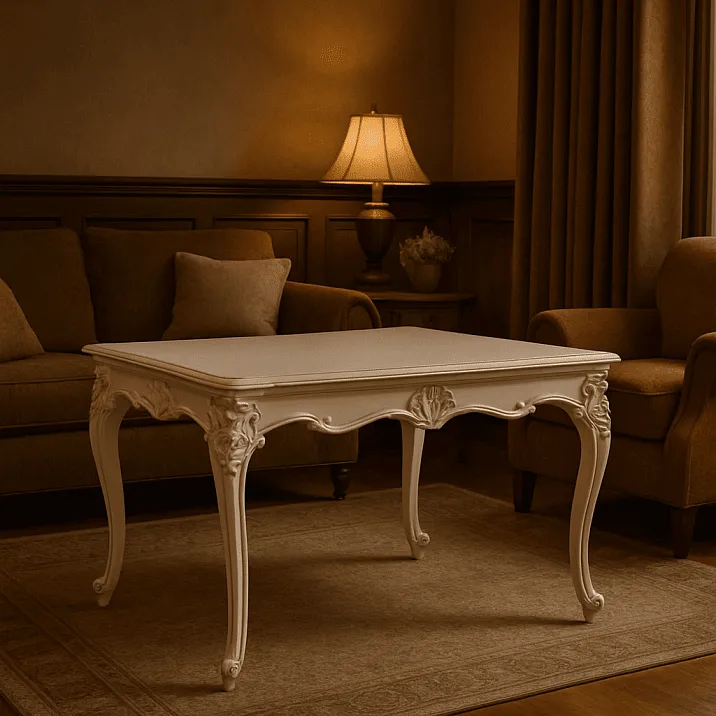
There is a special magic in how Italian-style furniture it can transform space, filling it with the warmth of the Mediterranean sun and the sophistication of centuries-old traditions. This is not just interior furniture — it is a philosophy of life, where every detail breathes history, and every line’s curve tells a story of craftsmanship passed down from generation to generation.
What is the secret behind the enduring popularity of Italian design? Why, after centuries, do we continue to admire the forms born in the workshops of Florence and Venice? The answer lies in the unique ability of Italian artisans to combine functionality with beauty, turning everyday objects into works of art.
Modern furniture in Italian style is a harmonious dialogue between past and present, where classical proportions acquire a new resonance thanks to innovative materials and technologies. It is the opportunity to create a home that is not merely beautiful, but truly alive, filled with soul and character.


Roots of elegance: historical heritage in modern embodiment
To understand the true essence of Italian style in furniture, one must embark on a journey into the past, to the origins of European civilization. It was in Italy, at the crossroads of cultures and eras, that the canons of beauty were formed, which remain the standards to this day.




Renaissance origins of modern design
The Renaissance gifted the world not only great painting and sculpture, but also revolutionary ideas in the field of furniture art. Florentine masters of the 15th century were the first to consider furniture not as utilitarian objects, but as elements of artistic space decoration. Classic Furniture of that time distinguished itself by noble proportions based on the principles of the golden section.
Cassoni — wedding chests decorated with mythological or biblical scenes — became a symbol of Italian furniture craftsmanship. Their form, decoration, and compositional principles laid the foundation for many modern interpretations of classic style. Carved elements, inlays, and the use of contrasting wood species — all these techniques are reflected in contemporary furniture.
Renaissance masters paid special attention to materials. Walnut, chestnut, oak — each wood species was used according to its natural properties. This principle is preserved to this day: Solid wood furniture valuable species remains the pinnacle of furniture art.
Our factory also produces:


Baroque opulence and classicist rigor
The 17th century brought Baroque theatricality to Italian furniture. Furniture in Baroque style It amazed with its richness of decoration, complexity of forms, and abundance of gilding. Each piece became a stage decoration, capable of transforming an ordinary room into a palace hall.
Baroque characteristics — curved legs (cabriole), abundance of carving, use of exotic materials — are reflected in modern collections. However, today Baroque opulence is softened, adapted to modern needs, preserving the spirit of the era but not copying it literally.
The classicism of the 18th century brought strictness and rationality to furniture art. Straight lines, geometric forms, restrained decoration — these principles formed the basis of the neoclassical direction, which remains relevant today. Modern Italian-style furniture often uses classicist motifs, adapting them to modern functional requirements.
Get Consultation
Regional characteristics and their influence
Italy — a country of regions, each of which contributed to the development of furniture art. Venetian furniture is distinguished by elegance of form, use of mirrors, gilding. Tuscany tradition leans toward naturalness, rough beauty of natural wood. Neapolitan masters are renowned for their virtuosity in inlay techniques.
These regional differences are preserved in modern production. A buyer can choose furniture made in the traditions of a specific region, allowing for a more authentic interior. Understanding regional characteristics helps make an informed choice when purchasing furniture.
Material philosophy: the art of choosing the best
The Italian approach to selecting materials for furniture is based on a deep understanding of the properties of each element. This is not merely a technical characteristic, but a philosophy where the material must correspond to the purpose of the item, highlight its beauty, and ensure durability.
Wood as the soul of Italian furniture
Wood remains the primary material in Italian furniture, but not any wood — carefully selected, dried using special technologies, processed according to traditional methods. Each species has its own character, its own area of application, its own aesthetic features.
Walnut — the king of Italian furniture. Its noble texture, wide color palette ranging from light honey to dark chocolate, and excellent workability make it ideal for creating elite furniture. Walnut wood becomes even more beautiful with age, gaining depth of color and expressiveness of texture.
Oak symbolizes strength and durability. Italian masters use various types of oak, each with its own characteristics. Slavonian oak is distinguished by density and beautiful texture, American oak — by pronounced wood grain, French oak — by noble tone.
Chestnut — a traditional material for Tuscan masters. This species naturally resists moisture and pests, making it ideal for furniture production. Chestnut wood is easy to process, holds its shape well, and has a pleasant warm tone.
Exotic species — padauk, wenge, ebony — are used to create exclusive items. Working with these materials requires the highest level of craftsmanship, but the result is stunning in beauty and uniqueness.
The art of upholstery: from leather to noble fabrics
Upholstery materials in Italian furniture are a separate area of high craftsmanship. The quality of leather, fabric, and methods of their processing and application determine not only the appearance of furniture but also its durability and comfort of use.
Natural leather remains a classic material for upholstering prestigious furniture. Tuscan workshops use traditional tanning methods that allow obtaining leather with unique characteristics. Vegetable tanning, a process that takes months, yields material that becomes more beautiful with age.
Different types of leather are used for different types of furniture. Dense, wear-resistant leather is used for office chairs. For home furniture — softer, more elastic. For decorative elements — thin, with special finishing, highlighting the natural beauty of the material.
Fabrics for Italian furniture are supplied by the best European manufacturers. Jacquard weaves, noble silk, practical blended materials — each type of fabric has its own purpose. Modern technologies allow creating materials that combine beauty with practicality: resistant to stains, fading, and mechanical damage.
Hardware: the invisible foundation of quality
Furniture hardware In Italian tradition — these are not merely functional elements, but an important part of the overall design. Quality hardware ensures smooth operation of mechanisms, durability of structures, and ease of use.
Italian furniture manufacturers collaborate with leading European hardware producers. Blum, Hettich, Salice — these names guarantee flawless mechanism operation for decades. Full-extension guides, soft-close mechanisms, multi-plane hinges — all this ensures comfortable daily use of furniture.
Decorative hardware — handles, lockholes, appliqués — is created according to the style of the furniture. Bronze elements with patina for classic pieces, chrome steel for modern collections, forged details for country-style furniture — every detail is thoughtfully designed and harmoniously integrated into the overall concept.
Stylistic directions: diversity in unity
Modern Italian-style furniture is presented by a wide range of directions — from precise reproduction of historical samples to bold modern interpretations. Each direction has its own philosophy, distinctive features, and target audience.
Classic direction: eternal values
Classic Italian furniture is the embodiment of eternal principles of beauty. Correct proportions, noble materials, restrained decoration create items that never go out of style. This is furniture for people who value stability, traditions, and time-tested values.
Strict geometric forms based on the principles of the golden ratio
- Strict geometric forms based on the principles of the golden ratio
- Use of natural materials of the highest quality
- Subdued decoration that highlights the beauty of the material
- Functionality thought out in detail
- Durability of structures and finishes
Classic furniture is ideally suited for creating respectable interiors in homes and apartments of people who value quality and status. It is an investment not only in beauty but also in long-term value — quality classic furniture becomes even more valuable over the years.
Neoclassicism: traditions in a modern context
The neoclassical direction adapts historical forms to modern needs. While preserving the core principles of classical design, neoclassicism allows greater freedom in materials, finishes, and functional solutions.
Modern Beds In neoclassical style, items may have traditional proportions but be equipped with orthopedic bases, adjustable systems, and built-in lighting. Chests retain classic facades but receive modern guides, soft-close mechanisms, and internal LED lighting.
The color palette of neoclassicism is broader than in strict classicism. Besides traditional shades of natural wood, modern colors such as white, gray, even black are allowed. This enables neoclassical furniture to blend organically into modern interiors.
Modern interpretation: Italian minimalism
Italian minimalism is a special direction where the philosophy 'less is more' is realized with the elegance and attention to detail characteristic of Italians. Simple forms are compensated by flawless material quality and craftsmanship.
Principles of Italian minimalism:
- Clean lines without unnecessary decoration
- Emphasis on material quality and finish
- Functionality as the basis of design
- Reserved color palette with bold accents
- Use of innovative technologies
Minimalist furniture is especially popular among young buyers who value functionality and modernity. It is ideal for small urban apartments where every square meter matters.
Rustic chic: Tuscan traditions
The country or rustic chic style in Italian interpretation is a romanticization of rural life, celebrating nature and simplicity. Tuscan furniture-making traditions have given the world examples combining rough beauty with refinement.
Furniture in the country style uses deliberately simple forms, natural wood textures, and elements of artificial aging. Scratches, dents, uneven coloring — all of this is not a defect but an artistic technique creating the impression of history and life in the object.
This style is especially popular in country homes, where an atmosphere of a cozy family nest is created. Large dining tables for family gatherings, massive storage cabinets, comfortable chairs by the fireplace — all this furniture creates the feeling of home in the best sense of the word.
Functional solutions: beauty serving life
Italian furniture design philosophy is based on the principle of unity between beauty and functionality. An item may be as beautiful as desired, but if it is inconvenient to use, it has no right to exist. This principle defines the approach to designing every detail.
Ergonomics, the Italian way
Italian designers pay special attention to ergonomics — the science of adapting objects to the human body. Decades of research in anthropometry and biomechanics form the basis of modern furniture design.
Seating furniture is designed considering the anatomical features of the human body. Seat height, backrest angle, armrest shape are calculated to ensure maximum comfort. Modern materials with 'memory' adapt to the individual characteristics of the user.
Work furniture takes into account the requirements of modern office ergonomics. Adjustable desks, ergonomic chairs, thoughtfully designed storage systems — all this is aimed at creating a healthy working environment.
Furniture for relaxation is designed with relaxation needs in mind. Proper body support, optimal incline angles, use of materials promoting relaxation — every element contributes to user comfort.
Storage systems: order as art
Italian designers have turned storage systems into art. Cabinets, chests, shelves — all these items are not merely for storing things, but also organize space, create order, and highlight interior style.
Internal organization of cabinets is thought out in detail. Extendable hangers for ties, rotating shelves for shoes, dividers for linens — every detail is aimed at maximum convenience. Modern systems allow adapting internal layout to individual needs.
Modularity of storage systems allows creating configurations of any complexity. Basic elements are combined according to room size and user needs. This is especially relevant for modern apartments with non-standard layouts.
Integration of technologies transforms traditional storage systems into "smart" solutions. Automatic lighting upon door opening, ventilation systems for preserving clothes, humidity sensors — technologies make furniture use even more comfortable.
Transformable solutions: furniture-chameleons
Modern lifestyle requires flexible solutions. Italian designers create furniture capable of adapting to changing needs. Transformation may involve both the function and dimensions or configuration of the item.
Transformable tables can change height, tabletop size, and configuration. A coffee table becomes a dining table, a desk becomes a conference room, a console transforms into a full-fledged work center.
New-generation sofa-beds combine the comfort of full-featured soft furniture with the functionality of a sleeping space. Modern transformation mechanisms operate smoothly and effortlessly, orthopedic mattresses ensure quality sleep.
Modular systems allow easily changing furniture configuration. Sections can be added, removed, or rearranged. This is especially relevant for young families whose needs change quickly.
Color harmony: psychology of the Italian palette
Color in Italian furniture is not merely a decorative element, but a powerful tool for creating atmosphere. Italian designers masterfully handle the psychology of color, using it to achieve specific emotional effects.
Natural wood tones
The natural color palette of wood remains the foundation of Italian furniture design. Each wood species has its characteristic tone, which is emphasized and enhanced by proper processing.
Warm tones of walnut, chestnut, cherry create a sense of coziness and security. These colors are associated with home hearths, family traditions, and stability. Psychologists note that warm wood tones promote relaxation and reduce stress.
Cool tones of oak, ash, maple give interiors a sense of freshness and spaciousness. These colors are especially popular in modern interiors, where minimalism and functionality are valued.
Contrasting combinations of different wood species create interesting visual effects. Inlay of light wood on dark backgrounds, contrasting panels, mixed finishes — all these techniques add expressiveness to furniture.
Color accents: Italian passion
Despite their commitment to natural materials, Italian furniture is not averse to vibrant color solutions. However, color is used sparingly, as an accent, highlighting design features.
Red in various shades — from crimson to burgundy — traditionally associates with Italian passion. Red upholstery on chairs, colored inserts in furniture, decorative elements create emotional accents in interiors.
Gold accents highlight the luxury and status of furniture. Gilded carvings, gold hardware, decorative elements create a sense of palace luxury. Modern technologies allow creating various shades of gold — from bright yellow to noble antique gold.
Blue color in Italian furniture is often used to create a nautical theme. Shades from sky-blue to deep blue evoke the Mediterranean coast, creating a sense of freshness and spaciousness.
Monochromatic solutions: elegance of simplicity
Modern trends in Italian design include monochromatic color solutions. White, gray, black colors are used to create elegant, refined interiors.
White furniture creates a sense of purity, freshness, and visually expands space. However, Italian white is never cold — it is shades of ivory, milk, pearl, carrying warmth and coziness.
Gray palette from light gray to graphite allows creating complex, multi-layered interiors. Gray color serves as an ideal background for bright accents, highlighting the beauty of natural materials.
Black furniture is used to create dramatic, expressive interiors. Deep black of ebony wood, lacquered surfaces in the color of raven’s wing create a sense of luxury and mystery.
Production secrets: technology serving beauty
Modern Italian furniture is a symbiosis of traditional craftsmanship skills and advanced technologies. Producers invest in the most modern equipment, yet preserve the human factor where machines cannot replace the master.
Wood Processing: from logs to finished product
The process of creating quality furniture begins with proper wood preparation and drying. Modern technologies allow controlling this process with precision down to fractions of a percent of moisture, ensuring the stability of finished products.
Kiln drying is performed in special installations where a certain temperature and humidity are maintained. The process may take from several weeks to several months depending on the type of wood and thickness of the blanks. Properly dried wood does not warp, crack, and retains its stable shape for decades.
Wood seasoning is a traditional process that no technology can replace. The best grades of wood are seasoned outdoors for several years, allowing internal stresses to be relieved and the material's structure to stabilize.
Board selection and sorting are performed manually by experienced craftsmen. Each board is evaluated for wood quality, texture beauty, and absence of defects. The best specimens are used for making facades and visible details, while less quality boards are used for internal structures.
Precision processing: accuracy down to the millimeter
Modern woodworking equipment ensures processing accuracy unattainable by hand methods. CNC machines perform complex operations with precision down to fractions of a millimeter, ensuring perfect part fitting.
Profiling milling allows creating complex shapes with repeatability unattainable by manual processing. Each profile is reproduced with absolute precision, ensuring perfect element alignment.
Sanding is performed in several stages with gradually decreasing abrasive grit. Final processing is done manually by craftsmen who feel every surface irregularity.
Quality control is performed at every stage of production. Any part not meeting standards is rejected and does not end up in the finished product.
Final finishing: the art of completion
Final finishing determines not only the appearance of furniture but also its durability and resistance to external influences. Modern lacquer and coating materials provide wood protection while preserving its natural beauty.
Surface preparation includes multiple operations: sanding, dust removal, priming. Each stage is critically important for the quality of the final coating.
Coating application can be performed in various ways: by brush, spray, or dipping. The choice of method depends on the type of coating, complexity of the item's shape, and quality requirements.
Polishing is the final operation that gives the surface a mirror-like gloss. This work requires high skill and is performed only manually by experienced craftsmen.
Conclusion: choosing between dream and reality
Italian-style furniture Remains a benchmark of quality, beauty, and functionality in the modern world. It embodies centuries-old craftsmanship traditions adapted to the needs of modern life. Choosing such furniture means investing not only in the beauty of our home but also in the quality of our lives.
The modern market offers wide opportunities for those who appreciate Italian aesthetics. From authentic works of renowned workshops to modern interpretations of classic forms — everyone can find a solution matching their taste and budget.
It is important to understand that the true value of Italian style lies not in the origin of the furniture but in the philosophy behind its creation. Attention to detail, quality of materials, flawless execution, harmony of form and function — these principles can be embodied beyond Italy.
Russian manufacturers demonstrate impressive achievements in mastering Italian furniture craftsmanship traditions. They do not merely copy foreign samples but creatively reinterpret them, creating furniture ideally suited to Russian conditions and needs.
STAVROS is a striking example of successful synthesis of Italian furniture philosophy with Russian production culture. Every item created by STAVROS masters embodies the best traditions of Italian design: elegant forms, quality materials, flawless execution.
STAVROS does not merely produce furniture — the company creates works of art for the home. Each collection is developed in accordance with modern design trends but is based on classical principles of beauty and harmony. Use of premium materials, modern production technologies, and meticulous quality control guarantee the longevity and beauty of the products.
STAVROS designers have deeply studied Italian furniture craftsmanship traditions but adapted them to Russian usage conditions and aesthetic preferences. This enables creating furniture that harmoniously integrates into domestic interiors, taking into account climate specifics, room sizes, and lifestyles of Russian families.
STAVROS production facilities are equipped with modern equipment enabling achievement of European-level material processing quality. At the same time, an essential component of Italian tradition — manual work by craftsmen — is preserved, who infuse each item with a part of their soul.
Choosing STAVROS, you get not only quality furniture in the Italian style but also a full range of services: from interior design to after-sales service. This guarantees that your home will become not just beautiful, but truly comfortable and harmonious living space.


