Article Contents:
- Compositional center: the bed as the point of reference
- Symmetry as the law of classic interior design
- Furniture ensemble: furnishing a classic bedroom
- Color and materials: the foundation of classic palette
- Architectural decoration: molding as the finishing touch
- Lighting: a multi-level lighting system
- Textiles: softness and volume
- Decor and accessories: details create character
- Bedroom layout: zoning and ergonomics
- Mistakes that destroy classic harmony
- Frequently Asked Questions
- Conclusion

The bedroom is a sanctuary of peace, a refuge from the bustle, a space of absolute privacy. It is here that a person spends one-third of their life, restores strength, immerses themselves in dreams and fantasies. And it is here that the classic style unfolds most fully, creating an atmosphere of tranquility through time-tested principles: compositional integrity, flawless symmetry, and thoughtful use of light.Furniture for bedrooms in classic styleThis is not just a set of items, but a carefully arranged ensemble, where each element occupies its place within a unified harmonious space.
Why is classic style so popular specifically for bedrooms? Because its main qualities — stability, predictability, balance — are exactly what is needed for proper rest. Symmetrical furniture arrangement calms the psyche, compositional precision creates a sense of order, soft diffused light immerses one in relaxation. Chaos, eccentricity, visual aggression have no place in a bedroom — here, the laws of harmony prevail.
In this article, we will thoroughly examine how to create an ideal classic bedroom through three key principles. You will learn how to build composition around the bed, how to use symmetry to create visual balance, and how to work with light to form the desired atmosphere. We will discuss furniture selection and arrangement, the role of architectural elements, and the combination of functionality and aesthetics. Each tip is supported by practical experience and classic interior design canons.


Compositional center: the bed as the point of reference
Any classic composition is built around the main element, which sets the tone for the entire space. In the bedroom, this center is undoubtedly the bed. Everything else — wardrobes, chests, chairs, lighting — is grouped around it, following a unified logic of placement.
The choice of bed determines the scale and character of the entire interior. A heavy bed with a high carved headboard requires a spacious room and appropriate surroundings — large furniture, high ceilings, abundant decor. An elegant bed of medium size on refinedfurniture legsis suitable for a compact bedroom, where visual lightness is important. The size of the bed should correspond not only to the physical parameters of the sleepers, but also to the proportions of the room.
The headboard of the bed is the main decorative accent of the bedroom. A high soft headboard with a tufted (cushioned) design, upholstered in velvet or satin, creates an atmosphere of luxury. A carved wooden headboard demonstrates the carpenter's skill and emphasizes the classic style. The shape of the headboard can be rectangular, arched, or with a wavy top — the choice depends on the overall style: strict neoclassicism or lavish baroque.
The placement of the bed in space follows the rules of ergonomics and aesthetics. The headboard should be against the wall, creating a sense of protection and support. Ideally, centering relative to the wall ensures equal space on both sides for bedside tables. The distance from the bed to the opposite wall should be at least one meter to ensure free movement.
Avoid placing the bed opposite the door or under the window. The first creates psychological discomfort (view from the hallway onto the sleeper), the second — physical (drafts, bright morning light). The ideal placement is with the headboard against a solid wall, perpendicular to the window, so that natural light falls from the side, not blinding.
Visual emphasis on the bed zone strengthens its role as the compositional center. A decorative niche made ofmoldingor wooden panels behind the headboard, contrasting wall color, textile drapery — these techniques focus attention on the main item. A canopy over the bed — a classic element — creates intimacy, coziness, and a sense of protected personal space.
Bedding and coverlet complete the bed's image. Classic style demands high-quality natural fabrics — high-density cotton, linen, satin, silk. The color palette — restrained, matching the overall interior or with a delicate pattern. A coverlet with ruffles, decorative pillows, and a throw create layering, visual richness, and transform the bed into a sculptural object.




Symmetry as the law of classic interior design
Symmetry is a fundamental principle of classic style, the basis of visual balance and harmony. In the bedroom, symmetry is evident at all levels: from furniture arrangement to the placement of decorative elements.
Matching bedside tables are the most obvious example of symmetry. Two identical tables on either side of the bed create visual balance, emphasizing the bed's central position. The tables must be identical in size, shape, decor, and finish. Different tables break symmetry, introduce discord, and violate classic canons.
Matching lamps on bedside tables or wall sconces above the bed continue the symmetrical composition. Identical table lamps with fabric or glass shades, wall sconces with crystal pendants — these elements not only provide functional lighting for reading but also serve as decorative accents framing the bed.
Cabinets and chests are arranged according to axial symmetry. If the room allows, two identical cabinets on either side of the door or window create a grand symmetrical composition. Alternatively, a single large cabinet placed strictly at the center of the wall, balanced by symmetrical elements on both sides (chairs, side tables, shelves).
Architectural elements enhance symmetry. Two windows on the same wall are framed by identical curtains. Doorways are decorated with identicalplinth. decorative rose outletson the ceiling are arranged symmetrically relative to the central axis of the room.
Breaking symmetry is permissible but must be justified. Asymmetrical room layouts (bay windows, sloped walls, non-standard niches) sometimes prevent strict symmetry. In such cases, dynamic balance is created — visually equivalent but not identical elements on either side of the axis. For example, to the right of the bed — a chest of drawers, to the left — a dressing table of similar dimensions and style.
Visual axes and lines guide the eye through space. The central axis runs from the door through the bed to the opposite wall. Side axes connect paired elements — bedside tables, lamps, chairs. These invisible lines organize space, create a sense of order, and help the brain perceive the interior as a cohesive, logical composition.
Mirror symmetry does not mean monotony. Paired elements may be decoratively rich — carvedfurniture legs, decorative elementson facades, rich textiles. Symmetry organizes complexity, allowing abundant decoration without risking chaos.
Our factory also produces:


Furniture ensemble: classic bedroom set
Furniture for bedrooms in classic styleis purchased as a set, not individually. A set from a single collection guarantees stylistic unity — the same wood species, identical decor, coordinated color palette. Inconsistent furniture, even if high-quality, creates an impression of randomness and disrupts the classic coherence.
Cabinet — wardrobe keeper and important compositional element. Classic wardrobe — tall, substantial, with hinged doors adorned with carving or inlay. Internal fittings — clothing rods, shelves, drawers — must be thoughtfully designed and spacious. Two-door cabinet suits small bedrooms, three- or four-door — for spacious rooms. Cabinet with mirrored inserts visually expands space, but requires regular maintenance.
Chest — functional and decorative item. Classic chest on elegantlegs for furniturewith three to five drawers serves for storing linens, accessories, small items. Chest top — surface for placing decor: vases, photo frames, boxes, lamps. Chest with mirror above it becomes a mini-dressing table.
Dressing table or trumeau — element of the female side of the bedroom. Elegant table with mirror, drawers for cosmetics, soft ottoman creates a beauty corner. Mirror may be built-in, tabletop, or wall-mounted in a frame adorned with carving or gilding. Lighting for the dressing table requires special attention — soft, even light without shadows is ideal for applying makeup.
Bedside tables — an essential element of symmetrical composition. Height of bedside tables should match mattress height or be slightly lower. Top — for lamp, book, phone, glass of water. Drawer or door — for storing personal items. Side tables onfurniture legs and supportslook lighter than on a base.
Banquette or ottoman at the foot of the bed — element of luxury and comfort. Soft seat on carved legs serves for sitting while putting on shoes, for placing a cover at night, as a decorative accent. Upholstery of the banquette should harmonize with bedding textile and overall color palette of the bedroom.
Chairs and settees create a resting zone. A pair of chairs with a coffee table by the window or fireplace forms a cozy nook for reading, tea, conversation. Settee or small sofa along the wall — additional resting space, not disturbing bedding items.Chair legsand chairs should match the style of the legs of main furniture.
Modularity of modern sets allows adapting the set to the size and layout of a specific bedroom. Choose necessary elements from the collection, maintaining stylistic unity. Minimal set — bed, wardrobe, two bedside tables. Extended set — plus chest, dressing table, banquette, pair of chairs.
Get Consultation
Color and materials: foundation of classic palette
Color palette of a classic bedroom is restrained, noble, calming. Light, pastel tones dominate, creating a sense of spaciousness, cleanliness, tranquility. Dark accents are used sparingly to create depth and contrast.
White classic furniture— eternal classic, symbol of purity and elegance. White set visually lightens space, reflects light, creates airiness. Shade of white may vary from cool snowy to warm cream or beige. White furniture requires contrast — dark floor, colored walls, rich textiles prevent hospital-like effect.
Natural wood in warm tones — alternative to white. Furniture made of oak, beech, ash, walnut with natural wood grain, finished with oil or lacquer, creates a cozy, warm atmosphere. Mid-tone woods (honey, caramel, light brown) are versatile, harmonize with any wall colors and textiles.
Dark furniture (wenge, mahogany, dark walnut) requires spacious room and ample lighting. In a small bedroom, dark set visually consumes space, feels heavy. Yet in a large room with high ceilings, dark furniture creates grandeur, respectability, emphasizes the status of the interior.
Cabinet body — light (white enamel, bleached wood), anddecorative elements, Legstops — natural wood or with patina, gilding. This technique adds visual interest, prevents monotony.
Bedroom walls serve as backdrop for furniture. Light walls (beige, cream, gray, pastel blue or pink) create a neutral background, making furniture stand out expressively. Classic patterned wallpapers (damask, scrolls, stripes) add decorative appeal but require restraint in other decor elements. Decorative plaster, textile wallpapers, wooden panels — choice depends on budget and desired level of luxury.
Solid wood flooring is ideal for a classic bedroom. Parquet, solid planks, oak, beech, walnut parquet create a warm, tactile surface. The floor color should harmonize with the furniture — either matching or contrasting. Light-colored furniture on a dark floor is a classic combination. A rug at the foot of the bed softens morning contact with the floor, adding coziness.
Architectural trim: the finishing touch
Furniture does not exist in a vacuum. It is part of the architectural environment, and its perception is greatly enhanced when the interior is complemented by classic architectural trim.
Wooden baseboardAt 10-15 centimeters high with a classic profile, it frames the floor, creating a transition from horizontal to vertical planes. A baseboard painted in the color of walls or furniture visually lifts the ceiling. A baseboard in natural wood tone unifies furniture with the floor into a single composition.wooden baseboards for flooringMade from the same wood species as the furniture, they create material unity in the interior.
Ceiling MoldingandMoldingsThey frame the ceiling, hide the junction between wall and ceiling, and add architectural complexity. A wide carved cornice emphasizes the room's height, creating a sense of monumentality.Moldings made of polyurethane— a budget alternative to wooden trim, easy to install, and paintable in any color.
decorative cornicesTrim and moldings on walls create paneling. Dividing walls into horizontal or vertical sections with moldings adds rhythm, structure, and visual interest. A classic approach is dividing the wall into three parts: base (lower third), main section, and frieze (upper section under the ceiling). Each part can be painted in a different shade or decorated differently.
Door and window casingsIn classic style — wide, with ornate carving, possibly withon the walls, creating a complete classical composition.In corners. Casing painted in the color of furniture or contrasting with walls frames openings, creating architectural definition.
Moldingsand— everything must correspond to the chosen era.On ceilings and walls — a sign of luxurious classicism.Ceiling rosetteAt the point of chandelier attachment, corner elements, friezes with floral ornamentation add detail, transforming a simple interior into a palace-like one.You can buy ready-made stucco matching the Baroque style. Calculate the quantity: linear meters of cornices and moldings, number of rosettes, pilasters, consoles, corner elements. Add a ten to fifteen percent allowance for trimming.— cheaper and simpler than plaster, and after painting, the difference is imperceptible.
wooden planks on the wall— a modern technique that combines well with classic furniture. Vertical slats behind the headboard create an accent wall, adding texture and visual height. Slats painted to match walls or contrasting colors form a rhythmic background for furniture.
Lighting: multi-level lighting system
Light in the bedroom — not just a functional necessity, but a tool for creating atmosphere, emphasizing composition, and controlling mood. A classic bedroom requires a multi-level lighting system, where each source performs its own function.
The central chandelier — the main source of general lighting and decorative focal point on the ceiling. A classic chandelier — multi-armed, with crystal pendants or fabric shades, in a metal frame with patina, bronze, or gold. The chandelier size should correspond to the bedroom area — too large it overwhelms, too small it disappears. The chandelier is placed strictly at the center of the ceiling or at the center of the bed zone if the bedroom is zoned.
Nightstand lighting — functional for reading and decorative for creating an intimate atmosphere. Paired table lamps on nightstands or wall sconces above the headboard — essential elements of symmetrical composition. The light should be directional, sufficient for reading, but not blinding the partner. Dimmers allow adjusting brightness, adapting lighting to the task.
Accent lighting highlights decorative elements, creating visual depth. Spotlights or directional fixtures illuminate paintings, mirrors, decorative niches, sculptures. Under-cabinet lighting from within makes it easier to find items, creating soft ambient glow when doors are open. Underlighting (under the bed, under the dresser) creates a floating effect for furniture.
Decorative lighting creates atmosphere. Candles in candlesticks on the dresser, fireplace, or vanity table — a classic technique creating romance. Warm light garlands hidden in niches or behind cornices provide soft diffused illumination. A floor lamp near a chair in the lounge area provides localized light for reading.
Natural light — the most important component of bedroom lighting. Large windows with light curtains fill the room with daylight during the day, making it spacious and airy. Heavy drapes, closed at night, ensure complete darkness for comfortable sleep. Classic curtains — multi-layered: sheer for diffusing light, drapes for darkening, valance for decoration.
Light temperature is critical for perceiving the interior. Cold white light (above 4000K) is inappropriate in the bedroom — it stimulates, hinders relaxation. Warm white (2700-3000K), close to incandescent lamp light, creates coziness and promotes relaxation. All light sources in the bedroom should have the same temperature to avoid color discord.
Textiles: softness and volume
Textiles in a classic bedroom — not just a functional element, but the most important tool for creating an atmosphere of luxury, coziness, and tactile comfort. Abundance of fabric — a characteristic feature of the style.
Bedding made from high-quality natural fabrics — the foundation of comfort. High-density cotton (satin, percale), linen, silk provide pleasant tactile sensations, good temperature regulation, and durability. Bedding color — solid within the interior color scheme or with delicate classic patterns (damask, stripes, small floral motifs). High-quality bedding with high weave density looks luxurious even without decoration.
A bedspread — a decorative element that transforms the bed into an art object. A classic bedspread — quilted or with ruffles, made from dense fabric (jacquard, tapestry, velvet), often with contrasting trim. The bedspread color may match the main interior color scheme or serve as a color accent. The bedspread is complemented by decorative pillows of various sizes, creating a layered effect.
Curtains — framing windows and an important compositional element. Classic curtains are multi-layered: lightweight semi-transparent voile for daytime, heavy drapes for darkening, decorative valance on top. Fabrics — high-quality natural or blended (linen, cotton, silk, velvet). Curtain color should harmonize with the overall color scheme — matching wall or furniture colors, or acting as a connecting element between them.
A canopy over the bed — an element of romantic classicism. Light fabric, draped from the ceiling or special construction, creates an intimate space within the bedroom, protects from light and drafts, adds decorative appeal. A canopy is especially suitable in spacious bedrooms with high ceilings, where it does not create a sense of confinement.
A rug or carpet adds warmth, softness, and sound absorption. A classic rug — with traditional patterns (Persian motifs, floral designs, geometry), in muted tones harmonizing with the interior. Rug size — sufficient to place main furniture items on it, creating visual unity of the zone.
The upholstery of soft furniture (chairs, settees, headboards) should be high-quality and pleasant to the touch. Velvet, satin, shantung, tapestry, and natural leather are materials worthy of a classic interior. Button tufting (cushioning) on headboards or chair backs adds volume, decorative appeal, and luxury.
Decor and accessories: details create character
Furniture and architecture are the foundation of an interior, but it is precisely decor and accessories that infuse space with individuality, create a lived-in atmosphere, and reveal the tastes and interests of the inhabitants.
Mirrors — functional and decorative elements. A large mirror above a chest of drawers or vanity visually doubles the space and enhances lighting. The mirror frame — an important detail: carved wood, gilded, ordecorative elements— must match the style of the furniture. Pair of mirrors on either side of a window or bed supports symmetry.
Paintings and engravings in classic frames adorn walls. Subjects — landscapes, still lifes, portraits in academic style, classical reproductions. Size and quantity of paintings must correspond to the scale of the room. One large painting above the bed headboard or chest of drawers creates a focal point. A gallery of several paintings requires symmetrical arrangement.
Clocks — functional accessories and decorative accents. Wall clocks in wooden cases with Roman numerals, tabletop clocks on chests or side tables in retro style emphasize a classic atmosphere. Avoid modern digital clocks — they clash with the style.
Vases, figurines, and decorative boxes on chests, tables, and shelves add detail. Ceramic or porcelain vases with flowers (real or high-quality artificial), classical-style sculptural figurines, decorative boxes for jewelry — these small touches create a lived-in atmosphere. The key — don’t overdo it, avoiding clutter.
Books in leather bindings on shelves or stacked on bedside tables — an attribute of an intellectual interior. Even if they are decorative folios, they set the mood and underscore the owners’ education.
Candles in candlesticks — romantic and practical decor. Tall candelabras with multiple candles on a chest, low candlesticks on a vanity table create a warm, flickering light incomparable to electric lighting.
Potted plants add life and freshness. Large plants (ficus, palm, monsteras) in a corner or near a window create a green accent. Small plants on windowsills or chests enliven the space. Choose classic ceramic pots, avoiding bright plastic ones.
Bedroom layout: zoning and ergonomics
Even perfectly chosen furniture won’t save an interior if the arrangement is poorly executed. Bedroom layout must consider ergonomics, functional zones, and movement paths.
Sleep zone — central and primary. The bed is positioned to allow free access from both sides (if two sleep) or at least one. Distance from bed edge to wall or furniture — minimum 70 cm for comfortable passage. Headboard — against the wall, preferably not under the window and not opposite the door.
Storage zone — wardrobes, chests, nightstands — placed for convenient access. Wardrobe at the entrance or along a free wall, not blocking windows or obstructing access to the bed. Chest opposite the bed or against a side wall. Nightstands — strictly on both sides of the bed, if space permits.
Beauty zone — vanity table with mirror — requires good lighting, preferably natural. Optimal placement — near a window or perpendicular to it, so light falls on the face, not behind. Nearby — outlet for hairdryer and other devices.
Relaxation zone — chairs with a coffee table — created when space permits. Placement — by a window with a view, by a fireplace, in an alcove. This zone allows using the bedroom not only for sleeping, but also for reading, conversation, morning coffee.
Movement paths must be unobstructed. From door to bed, from bed to wardrobe, from bed to window — main routes that must not be blocked by furniture. Passage width — minimum 70 cm, ideally — 1 meter.
Outlets and switches are planned in advance. Near the bed — outlets for lamps and phone charging. Near the vanity table — for hairdryer. Near the chair — for floor lamp. Central light switch — at the door and duplicated near the bed for convenience.
Errors that destroy classic harmony
Even with quality furniture, an unsuccessful result can occur if typical errors in arranging a classic bedroom are made.
First error — mismatched furniture. Purchasing items from different collections, even those stylistically similar, destroys unity. A set must be from one series, with identical decor, color, and texture. Exception — vintage or antique pieces intentionally introduced as accents.
Second error — breaking symmetry without justification. Different nightstands, one lamp instead of two, asymmetrical decor placement creates visual imbalance and discomfort. Symmetry — a law of classicism, which can only be broken intentionally and with justification.
Third error — insufficient or excessive lighting. One chandelier without additional sources creates flat, dull light. Too many lamps, especially of different styles, clutter the space. Balance is needed — central, bedside, accent lighting.
Fourth error — cheap textiles. Synthetic fabrics, cheap curtains, low-quality bedspreads ruin even the impression of expensive furniture. Textiles must be worthy — natural or high-quality blended fabrics, good draping, neat stitching.
Fifth error — lack of architectural decor. Furniture in an empty room withoutbaseboards, crown moldings, molding— appears unfinished. Architectural elements connect furniture with space, creating a classic context.
Sixth error — over-decorating. Too many paintings, figurines, cushions, drapes turn an elegant bedroom into a bazaar. Classicism demands moderation — each item must be in its place, serve a function, and not create visual noise.
Seventh error — ignoring ergonomics. Beautiful but uncomfortable furniture, narrow passages, incorrect bed or nightstand height make the bedroom unsuitable for living. Ergonomics comes first, aesthetics — second.
Frequently Asked Questions
What is the minimum bedroom size for classic furniture?
Classic style requires sufficient space for large furniture and freedom of movement. Minimum for a double bedroom — 12-14 square meters. Such a room can accommodate a bed, a wardrobe, a pair of nightstands. For a full classic set with a chest of drawers, a dressing table, and a lounge area, you need 18-25 square meters.
Can classic furniture be used in a small bedroom?
Yes, but with reservations. Choose compact items on highlegs, creating visual lightness. Light tones (White furniture) visually expand the space. Avoid bulky wardrobes in favor of built-in storage systems. Minimize decoration.
Is symmetry required in a classic bedroom?
Symmetry is a fundamental principle of classic style. Strict mirror symmetry creates harmony, order, and tranquility — exactly what a bedroom needs. Asymmetry is permissible in non-standard layouts but must be balanced with dynamic equilibrium.
Which wood species to choose for furniture?
For a classic bedroom, hardwoods are ideal — oak, beech, ash, walnut. They are durable, long-lasting, and have expressive grain. Oak is the most reliable but expensive. Beech offers the best price-to-quality ratio. For painted furniture, any dense wood works, as the grain is hidden.
How to combine classic furniture with modern technologies?
Hide the TV in a carved cabinet with closing doors or disguise it in a picture frame. Conceal wires in cable channels or behind baseboards. Store modern gadgets in drawers. Choose climate equipment in classic design or mask it with decorative grilles.
Is a rug needed in a classic bedroom?
A rug adds coziness, warmth, and sound absorption, but it's not mandatory. If the floor is warm wood, you can skip the rug. If it's cold (tile, marble), a rug is necessary. Size — sufficient to accommodate the bed and nightstands. Color and pattern — in the interior's palette.
What height should theSkirtingbe in a classic bedroom?
ClassicWooden baseboard— high, 10-15 cm. It creates architectural solidity and visually raises the ceiling. Low baseboards (5-7 cm) suit modern interiors but not classic ones. Baseboard color — to match walls, furniture, or natural wood.
Can different classic styles be mixed?
French classic, English, Italian, Russian Empire — different directions with their own specifics. Mixing them in one bedroom is risky — you may end up with an eclectic mess. Better to stick to one direction. Mixing similar styles is acceptable — for example, neoclassicism and art deco.
How to care for classic furniture?
Regular dry cleaning with soft cloth to remove dust. Wet cleaning once a week with gentle wood cleaners. Polishing with wax every few months. Avoid direct sunlight, which causes fading. Maintain stable humidity (40-60%) to prevent wood from drying out.
Should youbuy a ready-made set or order custom furniture??
A ready-made set is cheaper, available immediately, but limited in size and configuration. Custom furniture is more expensive, takes longer to produce, but fits perfectly to the specific space. A ready-made set suits a standard bedroom. For non-standard layouts, custom ordering is better.
Conclusion
Furniture for bedrooms in classic styleClassic bedroom design — the art of creating a harmonious space through composition, symmetry, and light. Three pillars on which classic aesthetics rest. Composition around the bed as the center creates order, logic, and visual unity. Symmetry in furniture and decor arrangement provides psychological comfort, a sense of stability and security. Thoughtful lighting system creates atmosphere, highlights interior features, and controls mood.
Classic bedroom — not a museum exhibit, but a living space where every detail serves comfort and beauty. Quality furniture made of solid wood, carefully selected by style and size. Architectural elements —Baseboards, Crown Molding, Moldings— connecting furniture to the space. High-quality natural textiles creating tactile comfort. Thoughtful lighting from general to intimate. Delicate decor adding individuality without overloading.
Creating a classic bedroom is a long-term investment. Quality furniture serves for decades without losing its relevance. Classic style is not subject to fashion whims, does not become outdated, nor tires. On the contrary, it acquires a noble patina over time, becomes part of family history, and is passed down through generations. This is not just decor, but an environment that shapes the quality of life, influencing sleep, rest, and recovery.
Do not economize on the essentials — on furniture quality, materials, and professional installation. Cheap imitation of classic style disappoints, quickly loses its appearance, and requires replacement. Authentic classic furniture made of solid wood, with quality hardware, thoughtfully designedwith matching legsand elegantdecorative elementsis an investment that pays off in comfort and aesthetic pleasure every day.
Work with professionals. The designer will create a composition, take into account all the nuances of the layout, select the right proportions. An experienced assembler will install the furniture perfectly, ensure secure mounting, and adjust the hardware. A proven manufacturer guarantees the quality of materials, precision of manufacturing, and durability of the products.
If you are looking for a reliable partner to create your dream classic bedroom, pay attention to the company STAVROS. This is not just a manufacturer of furniture and decorative elements — it is a center of expertise in the field of classic style, where traditional carpentry craftsmanship is preserved and modern wood processing technologies are applied.
STAVROS specializes in products made from solid wood — oak, beech, ash. The assortment includesClassic Furniturevarious styles: from restrained neoclassicism to luxurious baroque. Beds, chests, consoles, chairs are manufactured according to classical proportions, using traditional carpentry joints, without using cheap materials.
STAVROS pays special attention to fittings, which make furniture truly classic.Furniture Legs and Supportsof various styles and sizes — from simple turned to complex carved forms — allow furniture to acquire individuality and create the desired style.Legs for tables, Legs for chairswith elegant curves and carving,Furniture Supportswith classic fluting — all this turns standard furniture into a work of carpentry art.
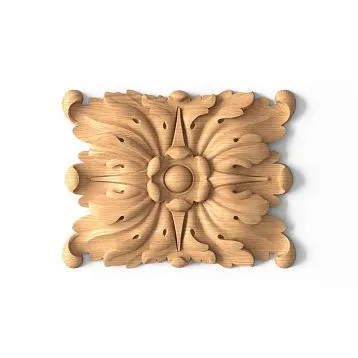
Decorative Insertsmade from solid wood allow wardrobes and chests to be enriched with relief and volume.carved rosettesin the corners of doors,Decorative brackets for shelveselegantFurniture Handlesmade from solid wood — every detail is thought out, every element is functional and beautiful.
To create a cohesive architectural ensemble, STAVROS offers a full range of molding products.Wooden baseboardof classic profile connects furniture with the architecture of the room, creating a complete composition.Ceiling MoldingandMoldingsframe the space from above,Casingsdecorate door and window openings.Wooden planksallow you to create accent walls, adding texture and a modern touch to classic interiors.
Polyurethane moldings— an affordable alternative to plaster and wooden elements for those who want to add luxury without significant expenses.decorative polyurethane elementsare easy to install, can be painted in any color, and are resistant to moisture. After painting, they are indistinguishable from expensive counterparts, allowing you to realize the most ambitious design projects.
The company STAVROS works with private clients and professionals — interior designers, furniture workshops, construction companies. Custom manufacturing according to individual drawings, selection of finish shades, creation of sets in a unified style is possible. Experienced consultants will help calculate material quantities, select optimal solutions, and explain installation and maintenance specifics.
The quality of STAVROS products is confirmed by certificates of conformity, ecological assessments, and years of experience. The company uses only certified wood of legal origin, modern equipment, and proven processing technologies. Each item undergoes quality control at all production stages — from raw material selection to final packaging.
Warehouse program with stock of popular items ensures prompt delivery. Own warehouses in Moscow and St. Petersburg, along with cooperation with reliable transport companies, guarantee delivery to any region of Russia. Professional packaging protects items during transport and prevents damage.
The STAVROS online store is convenient for studying the assortment and placing orders. Detailed descriptions, high-quality photos, technical specifications, and customer reviews help make the right choice. Company managers are always available, ready to answer questions, provide consultations, and assist with selection.
Choosing STAVROS means investing in quality and getting a reliable partner in creating a classic bedroom interior. Here, materials are not compromised, technologies are not simplified, and quality is never sacrificed. Each item is the result of years of experience, carpentry craftsmanship, love for natural wood, and classic aesthetics.
Create bedrooms where you want to wake up and fall asleep. Spaces where composition, symmetry, and light blend into a harmonious ensemble. Interiors that will delight for decades, be passed down as heirlooms, and become family legends. With STAVROS, classic style acquires modern quality, traditions merge with innovations, and your dreams of the perfect bedroom become reality.
STAVROS — your reliable partner in creating a classic bedroom, where every night becomes a journey into the kingdom of comfort and beauty!