Article Contents:
- Revolution in Understanding Finishing Materials
- Technological Breakthrough in MDF Production
- Variety of Forms and Textures
- Classic Rectangular Profiles
- Decorative and Complex Profiles
- Color Palette and Decorative Finishes
- Wood Grain Simulation
- Monochromatic solutions
- Metallic and Special Effects
- Mounting Systems and Fixing Methods
- Mechanical Mounting on Frame
- Adhesive Joining
- Combined Systems
- Designer techniques and compositional solutions
- Vertical arrangement
- Horizontal Orientation
- Diagonal and Radial Compositions
- Integration of Lighting into Recessed Structures
- Hidden LED Lighting
- Spotlights
- Acoustic Properties of Lintel Structures
- Sound Absorption
- Resonance Absorption
- Application in various interior types
- Modern styles
- Scandinavian Style
- Classic Interiors
- Maintenance and operation
- Regular Cleaning
- Protection against damage
- Economic advantages
- Material cost
- Installation costs
- Long-Term Savings
- Trends and innovations
- Digital technologies
- Ecological innovations
- Smart materials
- Conclusion
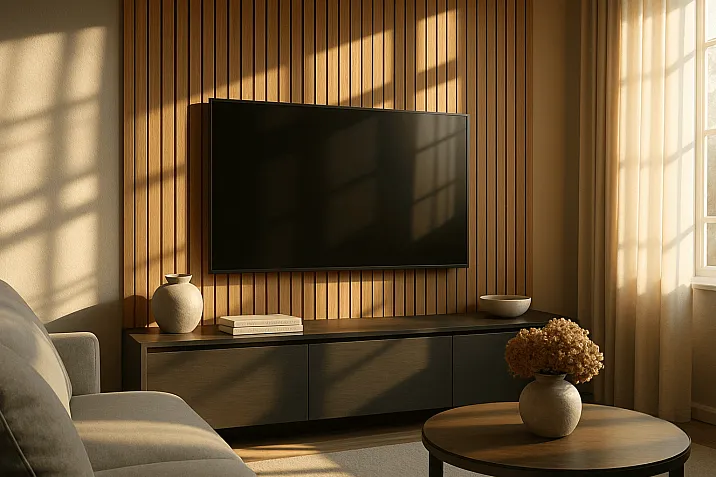
In the modern world of interior design, there are numerous materials capable of radically transforming any space. However, among the vast array of finishing solutions, a special place is occupied by MDF panel rail — a universal material that combines the practicality of modern technologies with the aesthetic appeal of natural wood.
Why is this material so beloved by designers around the world? The answer lies in its unique combination of characteristics, making MDF recessed panels an indispensable tool for creating interiors of any complexity and style. From minimalist Scandinavian spaces to luxurious classical halls — this remarkable material finds its place everywhere.


Revolution in Understanding Finishing Materials
Let’s be honest: the days of dull, monotonous walls are irrevocably gone. Modern people seek not just functionality in their homes, but an emotional component that will inspire them every day. It is precisely here that the true magic of MDF recessed structures is revealed.
What makes these panels so special? Primarily, their ability to transform the perception of space. The play of light and shadow, created by alternating protruding elements and recesses, gives walls depth and dynamism. This is not just finishing — it is an architectural element that contributes to creating an atmosphere.




Technological Breakthrough in MDF Production
Modern MDF panel rail — the result of years of research and refinement of technologies. Unlike their predecessors, they exhibit exceptional dimensional stability, resistance to deformation, and superior workability.
The secret lies in a special pressing technology for wood fibers under strictly controlled parameters of temperature and pressure. The use of modern, environmentally safe binders ensures not only high physical and mechanical properties but also complete safety for human health.
The density of quality MDF reaches 720-800 kg/m³, providing the material with strength comparable to that of natural hardwood, while eliminating natural drawbacks such as knots, cracks, and structural inhomogeneity.
Our factory also produces:


Variety of Forms and Textures
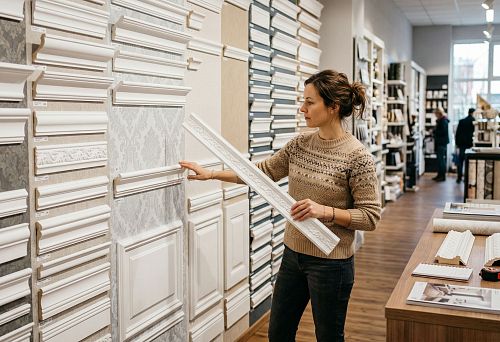
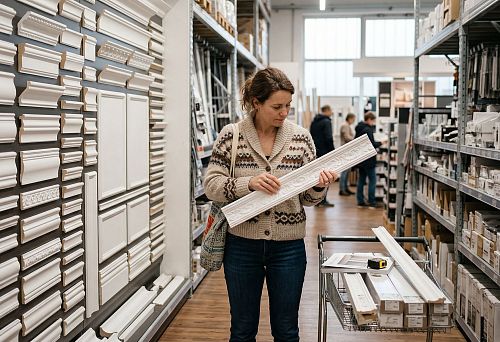
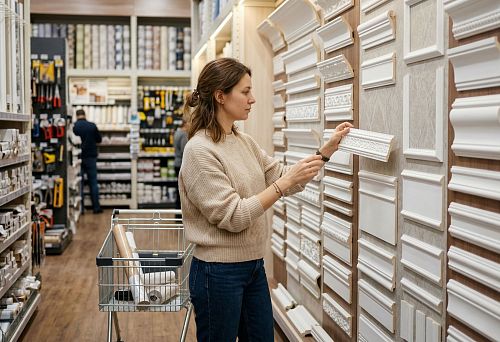
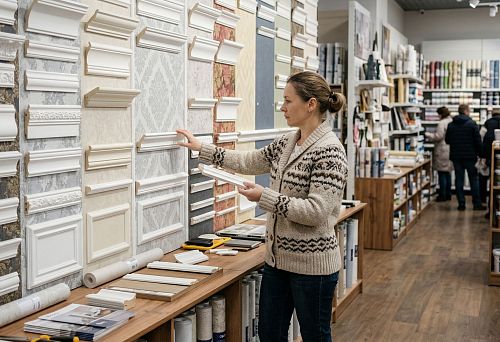
One of the main advantages of recessed MDF panels is an incredible variety of design solutions. Modern manufacturing technologies allow creating products of virtually any geometry and texture.
Get Consultation
Classic rectangular profiles
Traditional rectangular rails remain the most popular choice due to their versatility. Standard sizes vary widely: thickness from 10 to 50 mm, height from 30 to 150 mm. This variety allows selecting optimal proportions for any interior.
Wide rails of 40 mm and more, on the contrary, create a more pronounced architectural effect and are suitable for spacious rooms where it is necessary to emphasize the scale and significance of the space.
Figured and complex profiles
Figured and complex profiles
Modern CNC routers open up limitless possibilities for creating unique profiles. Beveled edges, rounded transitions, decorative grooves — all this allows creating truly unique solutions.
Combined profiles, combining different geometric shapes within a single rail, allow creating complex compositions that become true works of decorative art.
Combined profiles, combining various geometric shapes within a single rail, allow creating complex compositions that become true works of decorative art.
Color palette and decorative finishes
Visual impact MDF panel rail is largely determined by the quality and type of decorative finish. Modern technologies allow creating finishes that not only look attractive but also ensure the longevity of the product.
Wood imitation
Laminated finishes imitating the texture of various wood species remain one of the most popular solutions. Modern decorative films with high-resolution printing and embossing convey not only visual but also tactile wood texture.
Imitations of noble woods — oak, ash, walnut, wenge — are especially in demand. Quality lamination creates such a realistic imitation that it can only be distinguished from natural material upon very careful examination.
Light wood tones — birch, maple, pine — create a sense of spaciousness and freshness, making them an ideal choice for small rooms or Scandinavian-style interiors. Dark shades — wenge, padauk, ebony — give interiors a sense of solidity and respectability.
Monochromatic solutions
Solid color finishes provide designers with maximum freedom in creating color compositions. Classic white and black colors remain unmatched due to their versatility and ability to create striking contrasts.
White panels visually expand space and create a sense of cleanliness and freshness. They are ideal for minimalist interiors and become an excellent backdrop for bright accents.
Black rails, on the contrary, create a dramatic, refined look and especially look striking under proper lighting. They can transform an ordinary wall into a true art object.
Gray tones of varying saturation offer a compromise solution that is both modern and calm. They combine beautifully with any bright colors and create an elegant base for any interior.
Metallic and special effects
Finishes with metallic sheen open up new possibilities for creating futuristic and glamorous interiors. Gold, silver, copper tones create a luxurious look and especially look striking under artificial lighting.
Matte metallic finishes are more restrained and suitable for creating modern, technological interiors. They combine beautifully with concrete, glass, and other industrial materials.
Mounting systems and methods of attachment
Professional installation is the guarantee of durability and aesthetic appeal of rail systems. Modern technologies offer numerous mounting methods, each with its own advantages and applications.
Mechanical attachment to a frame
Traditional mounting involves creating a load-bearing frame from metal profiles or wooden beams. This method ensures maximum secure attachment and is suitable for any size of construction.
Galvanized metal frame has high corrosion resistance and longevity. It is not susceptible to deformation due to changes in humidity and temperature, which is especially important in rooms with unstable microclimate.
Wooden frame is more traditional and provides additional thermal insulation. However, it requires preliminary treatment with antiseptic and fire-retardant compounds to ensure longevity.
Distance between frame elements is determined by panel sizes and expected loads. Typically, it is 400-600 mm for wall structures and 300-400 mm for ceilings.
Adhesive bonding
Modern polyurethane and hybrid adhesives allow mounting lightweight panel structures directly onto a prepared wall. This method significantly speeds up the installation process and eliminates the need to drill numerous holes.
However, adhesive bonding requires a perfectly flat and clean base surface. Any irregularities or contaminants may lead to reduced adhesion and premature panel detachment.
Special attention should be paid to selecting the adhesive. It must have sufficient elasticity to compensate for thermal deformations and high initial strength to prevent panel slippage during curing.
Combined Systems
The most reliable are combined mounting systems that combine mechanical and adhesive bonding. The adhesive ensures even load distribution across the entire contact area, while mechanical fasteners guarantee secure connection.
Such systems are especially recommended for critical large-area structures or rooms with increased vibrational loads.
Design Techniques and Compositional Solutions
The art of using panel systems lies not only in selecting the right material, but also in skillfully composing arrangements that highlight the architectural features of the room and create the desired atmosphere.
Vertical Placement
Vertical panels are a classic technique for visually increasing room height. They create lines that draw the eye upward, thereby creating an illusion of higher ceilings.
This technique is especially effective in standard apartments with ceilings of 2.5–2.7 meters. A properly executed vertical composition can visually increase the height by 20–30 centimeters.
It is important to correctly choose the proportions of the panels and the spacing between them. Too wide panels or small gaps between them may have the opposite effect and visually "press down" the ceiling.
Horizontal Orientation
Horizontal placement of panels visually expands the space, making narrow rooms more proportionate. This technique is often used in hallways, entryways, and other elongated spaces.
Horizontal lines create a sense of stability and calm, making them suitable for bedrooms and relaxation areas. They also emphasize horizontal architectural elements — windows, doors, built-in furniture.
Diagonal and Radial Compositions
Diagonal placement of panels creates a dynamic, modern look and introduces a sense of movement into the interior. Such compositions require special skill in execution, as precise calculation of angles and joints is necessary.
Radial compositions, where panels radiate from a single point, create a strong visual accent and can be used to highlight specific interior zones — fireplace, artwork, television.
Integration of Lighting into Panel Systems
One of the most impressive modern trends is the integration of lighting systems into MDF panel railThis solution not only creates stunning visual effects but also provides functional lighting.
Hidden LED Lighting
Placing LED strips in the grooves between panels creates soft, even lighting that highlights the material's texture and creates a cozy atmosphere. A properly designed hidden lighting system can fully replace traditional light sources.
It is important to correctly choose the color temperature of LED strips. Warm white light (2700–3000K) creates a cozy home atmosphere, while cool white (5000–6500K) is suitable for workspaces and modern interiors.
RGB lighting allows changing the color of illumination depending on mood or time of day. Modern control systems enable creating complex lighting scenes and synchronizing them with other "smart home" elements.
Spotlights
Spotlights embedded in panels create directional lighting and can be used to highlight individual objects or zones. Adjustable spotlights allow directing light in the desired direction.
It is important to correctly calculate the number and power of spotlights to ensure even lighting without creating harsh shadows or bright spots.
Acoustic properties of slat structures
In addition to aesthetic functions, panel systems significantly influence the acoustic properties of a room. Properly designed systems can greatly improve acoustic comfort.
Sound Absorption
The uneven surface of slatted structures effectively disperses sound waves, preventing the formation of echoes and standing waves. The sound absorption coefficient depends on the geometry of the slats and the distance between them.
Filling the space between slats with sound-absorbing materials — mineral wool, acoustic foam, or specialized panels — significantly increases the acoustic efficiency of the system.
Resonant absorption
Properly calculated air cavities behind slatted structures can function as resonant absorbers, effectively suppressing specific frequencies. This principle is widely used in professional acoustic systems.
Application in various types of interiors
The versatility of MDF slatted panels allows their use in various stylistic directions, from strict minimalism to luxurious classicism.
Modern Styles
In modern interiors, slats are often used to create clean geometric compositions. Monochromatic solutions — white or black panels — emphasize architectural expressiveness and create a modern, technological look.
Contrasting solutions — dark slats on light walls or vice versa — look especially striking. Such compositions create a strong visual accent and can serve as a backdrop for contemporary art or designer furniture.
Scandinavian Style
In Scandinavian interiors, slats play a special role, creating a connection with nature and emphasizing the naturalness of materials. Light tones — white, light gray, natural wood — create a sense of spaciousness and freshness.
Vertical compositions are especially popular in Scandinavian design, as they mimic tree trunks and evoke associations with forests. Such solutions make interiors more lively and organic.
Classical interiors
In classic interiors, MDF panels can imitate traditional wooden panels and moldings, significantly reducing decoration costs while maintaining a high aesthetic result.
Dark tones and complex profiles with routing allow creating compositions that resemble expensive handcrafted wooden panels. Especially striking are imitations of noble wood species with pronounced texture.
Maintenance and operation
The durability and attractive appearance of slatted structures largely depend on proper maintenance and adherence to operating conditions.
Regular cleaning
The smooth surface of well-processed MDF panels easily cleans off dust and dirt. For regular cleaning, a dry or slightly damp microfiber cloth is sufficient.
Special attention should be paid to grooves between slats, where dust may accumulate. A narrow vacuum cleaner attachment or special brushes help effectively clean hard-to-reach areas.
For heavy soiling, use mild cleaning agents without abrasive particles or aggressive chemicals. After wet cleaning, the surface should be thoroughly dried.
Protection from Damage
MDF has sufficient strength for most applications but requires careful handling. Avoid impacts from sharp objects that may leave dents or scratches on the surface.
During transportation and installation, panels must be protected from mechanical damage using special protective films or soft padding.
Humidity in the room should be maintained within 40-65%, and temperature within 18-25°C. Sudden fluctuations in these parameters may cause material deformation.
Economic advantages
Usage MDF panel rail provides significant economic advantages compared to alternative materials.
Material cost
Compared to natural wood, MDF panels offer savings of 50-70% with comparable visual effect. High dimensional accuracy and surface finish minimize waste during installation.
Standardized dimensions simplify calculation of required material quantity and reduce the risk of ordering errors. The ability to precisely plan helps avoid unnecessary expenses.
Installation costs
The ease of processing and installing MDF panels significantly reduces labor costs. Standard woodworking tools allow performing all necessary operations without specialized equipment.
The possibility of pre-assembling elements in the workshop reduces on-site work time and lowers overall installation costs.
Long-term savings
Resistance to deformation and high-quality decorative finishes ensure a long service life without the need for repair or replacement. With proper maintenance, panels can last for decades.
The ability to locally repair damaged elements without dismantling the entire structure further reduces operational costs.
Trends and Innovations
The decorative panel industry is constantly evolving, offering new technological and design solutions.
Digital Technologies
3D printing opens up possibilities for creating panels with complex geometric shapes that cannot be achieved through traditional methods. Parametric design allows creating unique compositions for each specific interior.
High-resolution digital printing enables applying any images and patterns onto panel surfaces, opening up limitless possibilities for interior customization.
Ecological Innovations
Advancements in waste recycling technologies allow creating MDF from secondary raw materials without loss of quality. Using fast-growing wood species and agricultural waste reduces pressure on forest resources.
Biodegradable binders gradually replace synthetic resins, making products more environmentally friendly at every stage of their life cycle.
Smart Materials
Integrating electronic components transforms ordinary panels into interactive surfaces. Built-in sensors can monitor microclimate parameters, while lighting systems adapt to changing conditions.
Thermochromic coatings change color depending on temperature, creating dynamic visual effects. Photochromic materials react to light intensity, automatically adapting to natural changes in illumination.
Conclusion
Laminate MDF panels represent a unique solution for modern interior design, combining aesthetic appeal, functionality, and economic efficiency. Their versatility allows creating interiors of any style and scale, from cozy home spaces to impressive commercial projects.
Continuous development of production technologies and emergence of new decorative solutions guarantee that this material will remain relevant and in demand in the coming decades. The ability to adapt to changing design trends and technical requirements makes MDF panels a reliable choice for professionals and enthusiasts of beautiful interiors.
The ecological safety, durability, and ease of maintenance of modern products ensure high consumer value. The ability to integrate with modern lighting and "smart home" technologies opens up new application horizons.
In a world where quality of life is largely determined by the quality of the surrounding environment, such materials play a key role in creating spaces that are not only functional but also inspiring. MDF panel types are not just decorative materials — they are tools for creating emotionally rich, comfortable, and aesthetically perfect interiors.
STAVROS, with decades of experience in producing high-quality wooden products, offers a wide range of MDF panel types for various applications. Continuous improvement of technologies and strict quality control at every production stage enable STAVROS to remain a leader in its industry, offering clients not just materials, but comprehensive solutions for creating unique and functional interiors that will delight their owners for years to come.