Article Contents:
- 1. Wall materials
- 1.1. Paint
- 2.1. Parquet and solid plank
- 3.1. Suspended ceilings
- Advantages of polyurethane molding:
- Where molding is applied:
- Types of molding:
- Advantages of using molding:
- Where to use mirrors in interior design:
- Popular ways to decorate mirrors:
- Main textile elements in interior design:
- How to choose textile for interior design:
Materials for interior decoration determine the appearance of the room, its durability, ease of use, and comfort. The choice of materials affects how resistant the finish will be to moisture, mechanical damage, and temperature changes. When designing an interior, it is important to consider the compatibility of materials, their texture, color, and functional properties.
The article examines the main materials used in interior design, their characteristics, advantages and disadvantages, as well as recommendations for their application.


1. Wall materials




1.1. Paint
Paint is used to decorate walls in residential and commercial spaces. The choice of paint depends on the humidity level in the room, the desired effect, and the durability of the finish.
Advantages:
● Variety of colors and shades
● Ability to create smooth and matte surfaces
● Ease of application and maintenance
● Durability
Disadvantages:
● Requires perfectly flat surfaces
● Some types of paint do not withstand moisture well
1.2. Wallpaper
Wallpaper is used in interior design due to the variety of textures and designs.
Types of wallpaper:
● Fleece-backed – durable, hides minor wall imperfections.
● Vinyl – resistant to moisture and stains.
● Textile – looks expensive but requires special care.
Photo wallpapers – allow creating an accent wall.
Wallpapers can be combined with moldings for zoning and decorating walls.
1.3. Decorative panels
Panels are used to decorate walls in residential and commercial spaces.
Decorative panel materials:
● Polyurethane – lightweight, moisture-resistant, durable.
● Wood – natural material, creating coziness.
● Gypsum – suitable for creating textured walls.
Using polyurethane overlays allows adding expressiveness to walls.
2. Floor materials
Our factory also produces:
2.1. Parquet and solid wood planks
Parquet and solid wood planks are used for flooring in residential spaces.
Advantages:
● Ecological safety
● Durability
● Possibility of restoration
Disadvantages:
● High cost
● Sensitivity to moisture
2.2. Laminate
Laminate imitates natural wood while possessing high wear resistance.
Advantages:
● Ease of installation
● Affordability
● Variety of textures
Disadvantages:
● Sensitive to moisture
2.3. Ceramic tile and porcelain tile
Ceramic tile and porcelain tile are used for flooring in bathrooms, kitchens, and hallways.
Advantages:
● Moisture resistance
● Durability
● Easy maintenance
Disadvantages:
● Cold surface
3. Ceiling materials
Get Consultation
3.1. Suspended ceilings
Ceilings are used in residential and commercial spaces.
Advantages:
● Smooth surface
● Moisture resistance
Disadvantages:
● Not suitable for classic interiors
3.2. Drywall structures
Drywall allows creating complex shapes and hidden lighting.
Advantages:
● Design flexibility
● Improved sound insulation
Disadvantages:
● Requires professional installation
3.3. Wooden beams and panels
Wooden ceilings are used in classic, rustic, and loft interiors.
Advantages:
● Ecological safety
● Aesthetics
Usage polyurethane rosettes completes the ceiling decoration.
4. Decorative elements
Decorative elements play an important role in interior design, giving it completeness, style, and individuality. Without them, even the most carefully thought-out design may appear unfinished and lacking character. Decorative elements help emphasize the stylistic direction of the room, create accent zones, and add expressive details to the interior.
The choice of decorative elements depends on the overall style of the room, color palette, and materials used. For example, in classic interiors, active use of Moldings and moldings, while in modern solutions — mirrors and textile accents.
Let's examine key decorative elements that help create a harmonious and aesthetically pleasing space.
4.1. Moldings
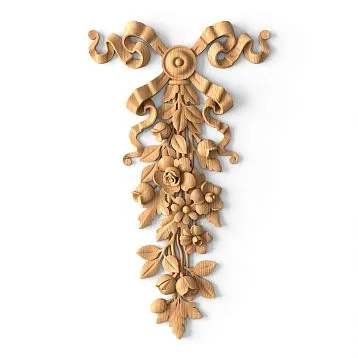
polyurethane moldings — is one of the most popular decorative elements used in wall, ceiling, door, and window frame decoration.
Moldings suit various interior styles, especially in classic, neoclassical, and baroque interiors. They help create expressive lines, add relief, and elegance to the design.
Advantages of polyurethane moldings:
● Resistance to moisture and mechanical damage
● Easy installation and paintability
● Durability and ease of maintenance
● Wide range of designs and ornaments
Where moldings are applied:
● Ceiling decoration — decorative rosettes, cornices, skirting boards.
● Wall decoration — decorative appliqués, panel frames, moldings.
● Architectural elements — pilasters, columns, arches.
Tip: Use decorative rose outlets for ceiling decoration in combination with chandeliers to highlight their elegance.
4.2. Moldings
Moldings are narrow decorative elements used to decorate walls, door and window openings. They allow zoning of space, visually correcting the proportions of the room and adding style.
Types of moldings:
● Wall moldings — create decorative frames, dividing walls into panels.
● Ceiling moldings — help conceal the transition between walls and ceiling.
Baseboards — used as decorative skirting boards.
Advantages of using moldings:
● Hide wall defects
● Emphasize room height and proportions
● Add elegance to the interior
● Easily combine with different design styles
Tip: Combine Moldings with stucco to create an expressive classic interior.
4.3. Mirrors
Mirrors in interior design serve not only a decorative but also a practical function. They help visually expand space, increase natural lighting, and create a sense of depth.
Where to use mirrors in interior design:
● In living rooms — create an illusion of space, especially when placed opposite a window.
● In bedrooms — help create a cozy and bright atmosphere.
● In hallways and entryways — add light and expand space.
● In bathrooms — serve not only as functional but also stylish elements.
Popular ways to decorate mirrors:
● Mirror walls — used in small rooms to visually enlarge space.
● Mirrors in picture frames — add elegance and sophistication to the interior.
● Mirror panels — used in modern and classic interiors.
Tip: Use mirrors in combination with polyurethane appliqués to create interesting decorative compositions.
4.4. Textiles
Textiles play an important role in interior design, creating comfort, adding color accents, and completing the overall style of the room.
Main textile elements in interior design:
● Curtains — regulate lighting levels, complement the interior style.
Rugs — add comfort and zone the space.
Cushions and blankets — allow easy changes in accents and create new color combinations.
How to choose textile for interior:
For classic interiors, suitable are heavy drapes made of velvet, jacquard, silk.
For modern styles, choose lightweight and minimalist fabrics: linen, cotton, organza.
For loft interiors, natural materials with rough texture are suitable.
Tip: Use combinations of textile elements with decorative moldingsto create a harmonious space.
Decorative elements in the interior play a key role in creating a finished and stylish space. Moldings, moldings, mirrors, and textiles help emphasize the room's style, zone the space, and add expressive accents.
Usage polyurethane decorative elements allows creating an aesthetic, durable, and practical interior.
A thoughtful selection of decorative elements allows making the room stylish, comfortable, and harmonious.
Conclusion
Choosing materials for interior decoration is one of the most important stages in creating a harmonious, functional, and aesthetically appealing space. Each material performs its own function: some are used for wall finishing, others complete the ceiling, others make the floor strong and resistant to loads, and decorative elements allow giving the interior expressiveness and uniqueness. The correct choice of materials affects not only the visual perception of the room, but also its usability, durability, and comfort level.
When decorating the interior, it is important to consider the room's style, functional requirements, usage conditions, and budget. For example, for a classic interior, suitable are polyurethane molded elements, such as moldings, cornices, columns, and decorative outlets. They help emphasize the elegance and sophistication of the design. In modern interiors, the emphasis is on minimalism and simplicity, so smooth surfaces, glass, metal, and decorative panels with geometric patterns are used.
polyurethane moldings и Moldings play a key role in creating an expressive interior. These decorative elements allow zoning the space, highlighting architectural details, hiding wall joints and defects, and adding nobility and style to the room. Unlike plaster molding, polyurethane items are lighter, stronger, and require no complex installation, making them a universal solution for decorating various rooms.
is important to properly combine materials with each other. For example, in bathrooms and kitchens, use moisture-resistant materials such as ceramic tiles and water-resistant paints. In living rooms and bedrooms, natural finishes such as wood, textile wallpaper, and decorative panels are suitable. Using decorative inserts allows adding additional expressiveness and exclusivity to furniture and walls.
Lighting also plays an important role in interior design. It can highlight material textures, make the space visually larger or cozier. Spot lighting highlights decorative elements such as molding and moldings, while soft backlighting creates a cozy atmosphere. It is important to consider how different materials will interact with light to ensure the interior looks harmonious at any time of day.
cannot be forgotten about comfort and ease of use. Some materials require complex maintenance, while others are low-maintenance and practical. For example, laminate is easy to clean but may not withstand high humidity, while parquet flooring creates a sense of warmth but requires regular maintenance. It is important to choose materials based on their characteristics and usage conditions.
Usage polyurethane decorative elements allows not only to decorate the interior, but also to give it individuality. For example, decorative rose outlets will be an excellent complement to ceiling chandeliers, and wall moldings will help create stylish panels and eye-catching accent walls.
A thoughtful combination of materials plays a decisive role in creating an interior that will not only be beautiful, but also convenient for living. The interior should be functional, ergonomic, durable, and aesthetically appealing. Regardless of the chosen style, it is important to consider the quality of materials, their performance characteristics, and maintenance methods. Only a comprehensive approach to design will help create a harmonious and balanced space that will serve for many years.
Choosing materials for interior decoration is not just selecting beautiful finishes, but creating an atmosphere that will delight every day. Using quality polyurethane molding, decorative panels, textiles, mirrors, and lighting helps create a unique interior, where every detail plays its own role.
Thoughtfully selected materials, correct combination of textures, colors, and decorative elements will make the interior stylish, comfortable, and long-lasting.