Article Contents:
- Anatomy of the Modern Decorative Accessories Market
- Market Player Typology
- The Revolution of Online Trading
- Personalization as a Trend of the Future
- The Art of Selection: Criteria for Evaluating Decorative Accessories Stores
- Company Reputation and History
- Product Range and Stylistic Diversity
- Quality of Materials and Production
- Material Science for Consumers: Foundations of Informed Choice
- Wooden Paneling: Classic Beyond Time
- Polyurethane: Technologies Serving Design
- Composite Materials: The Future of the Decorative Industry
- Stylistic Navigation: From Classic to Avant-Garde
- Historical Styles: Dialogue with Eternity
- National Traditions: Preserving Identity
- Modern Directions: New Forms of Beauty
- Technological Aspects of Production: Quality in Detail
- Traditional Processing Techniques
- Modern Molding Technologies
- Quality Control and Standardization
- Logistics and Service: From Order to Installation
- Installation Services
- Service Capabilities
- Post-Sales Service
- Pricing Policy: Understanding Cost Factors
- Material Factors
- Technological Factors
- Marketing Factors
- Trends and Development Prospects of the Industry
- Ecological trends
- Digitalization of processes
- Globalization and Localization
- Practical Recommendations for Selection
- Defining needs
- Market Research
- Sample Evaluation
- Documentation verification
- Frequently Asked Questions about Decorative Accessories Stores
- Conclusion: The Art of Creating a Perfect Interior

The magic of interior transformation begins with a single right decision — choosing a reliable supplier of decorative elements. In an era when every square meter of living space strives to tell a unique story of its inhabitants, decorative accessories stores become true temples of beauty, where dreams of the ideal home are born. But how, among countless offerings, to find that very source of inspiration that will turn your design fantasies into tangible reality?
Modern decorative ornament markets impress with diversity: from classic carved elements to ultra-modern polymer compositions, from individual artist works to mass collections of well-known brands. Each store strives to attract customers by promising uniqueness, quality, and accessibility. However, behind the beautiful displays and tempting offers lies a whole universe of nuances that determine the success or failure of your interior project.
Choosing the right store for decorative ornaments is an art that requires understanding not only aesthetic principles but also the technical characteristics of materials, manufacturing processes, and logistical capabilities. It is an investment not only in the beauty of your home, but also in your own emotional well-being, since the environment surrounding us shapes our mood, affects productivity, and creates an atmosphere for family happiness.


Anatomy of the Modern Market for Decorative Ornaments
The modern decorative ornaments industry represents a complex ecosystem where traditional artisan workshops coexist with high-tech manufacturing facilities, and local family businesses compete with international corporations.




Market Player Typology
Artisanal manufacturers preserve a living connection with centuries-old traditions of decorative art. Their workshops are places where each item is born under the hands of an experienced master, where the creator's soul, understanding of beauty, and pursuit of perfection can be felt. Such manufacturers typically specialize in specific techniques — wood carving, artistic casting, forging — and offer exclusive items that cannot be found anywhere else.
Industrial manufacturers apply modern technologies to produce high-quality items in large volumes. Decor collections These companies are characterized by stable quality, a wide range of sizes, the ability to precisely reproduce details. They are capable of fully equipping large-scale projects, guaranteeing delivery deadlines, and offering competitive pricing.
Importers and distributors specialize in delivering foreign goods, opening access to unique styles and techniques unavailable in the local market. They often serve as conduits for international trends, introducing consumers to new materials and design solutions.
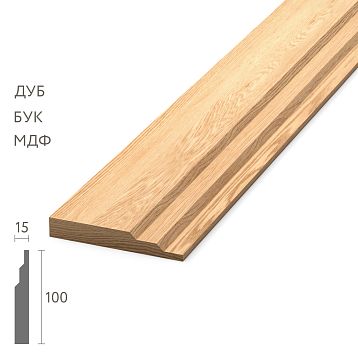
Our factory also produces:


The Revolution of Online Trade
Digital transformation has fundamentally changed the ways producers and consumers interact. Online stores for decorative ornaments have provided customers with unprecedented opportunities: detailed catalog browsing, comparison of features and prices, reading reviews from real buyers, and ordering with delivery to any point in the country.
However, the online format has also generated new challenges. The inability to physically assess material quality, surface texture, and dimensional accuracy forces buyers to rely on photos and descriptions, which do not always convey the actual characteristics of the items. Issues such as shipping fragile items, returning unsuitable goods, and technical support during selection have become critically important.
Get Consultation
Personalization as a Trend for the Future
Modern consumers increasingly seek uniqueness and individuality in their interiors. This stimulates the development of the personalized decorative ornaments segment — items created specifically for a particular project, taking into account the characteristics of the space, the client’s preferences, and stylistic requirements.
The Art of Selection: Criteria for Evaluating Decorative Ornaments Stores
Choosing a reliable supplier of decorative elements requires a systematic approach, taking into account multiple factors — from product quality to service level.
Company reputation and history
Longevity of business in the decorative ornaments sector is an important indicator of reliability. Companies operating in the market for many years have accumulated invaluable experience, built relationships with trusted material suppliers, and formed teams of qualified specialists. They understand customer needs, know the intricacies of production processes, and are capable of anticipating and resolving emerging problems.
Successful project histories, portfolios of completed work, and recommendations from satisfied clients — all of this forms a company’s reputation capital. In the age of the internet, reputation becomes transparent: reviews on specialized platforms, discussions in professional communities, and case studies in designers’ portfolios allow for an objective assessment of the supplier’s work quality.
Assortment and Stylistic Diversity
The breadth of assortment indicates the scale of a company’s activities and its ability to meet diverse customer needs. Decorative Inserts Variety in styles, sizes, and materials allows for the realization of any design concept and the creation of a unified interior stylistic concept.
Stores offering comprehensive solutions — not individual elements, but complete collections united by a common design philosophy — hold particular value. The Art Deco Style Collection Should include all necessary elements to create a complete look: from large compositional centers to small details that complete the overall picture.
Quality of materials and manufacturing
The durability and aesthetic appeal of decorative ornaments directly depend on the quality of materials used and the precision of manufacturing processes. Natural materials — wood, stone, metal — require special attention to preparation, drying, and processing. Artificial materials — polyurethane, composites — must meet ecological standards and possess necessary strength characteristics.
Manufacturing technologies determine the accuracy of geometric parameters, surface quality, and repeatability of characteristics. Modern Polyurethane Items Must reproduce the finest details of original carved samples while retaining all advantages of modern materials.
Material Science for Consumers: Foundations of Informed Choice
Understanding the characteristics of different materials helps make a reasoned choice that corresponds to specific usage conditions and aesthetic preferences.
Solid Wood: Timeless Classic
Natural wood remains the benchmark of quality and beauty in the world of decorative ornaments. Each species possesses unique characteristics that determine its area of application and processing methods.
Oak is the aristocrat among decorative species. Its exceptional hardness and density allow for the creation of intricate carving details that retain sharp contours for decades. Oak wood has an expressive texture, a beautiful natural color, and the ability to take various staining finishes. Over time, oak develops a noble patina, becoming even more attractive.
Beech attracts manufacturers due to its uniformity and stability. The absence of a pronounced texture makes it ideal for painting in any color. Beech products feature smooth surfaces, precise geometric parameters, and the ability for fine detailing.
Ash, with its dynamic and contrasting texture, is ideal for modern interiors where the natural beauty of the material is appreciated. Clearly defined annual rings create striking visual compositions, emphasizing the material's natural origin.
Polyurethane: Technology at the Service of Design
Modern polymer materials have revolutionized the production of decorative elements. Polyurethane products combine the aesthetic appeal of traditional materials with the practicality of modern technologies.
Advantages of polyurethane:
● Absolute water resistance, allowing use in bathrooms, kitchens, and pools
● Geometric dimension stability under any climatic conditions
● Lightweight, simplifying installation and reducing load on structures
● Ability to create complex shapes with perfect repeatability
● Cost-effective production, ensuring affordable prices
Composite materials: the future of the decorative industry
MDF and other composite materials occupy an intermediate position between natural wood and synthetic polymers. They provide dimensional stability, absence of internal stresses, uniform structure while maintaining ecological safety and compatibility with various finishes.
Stylistic navigation: from classicism to avant-garde
Modern decorative accessory stores offer solutions for any stylistic direction, from historical reconstructions to futuristic concepts.
Historical styles: dialogue with eternity
Classicism demands strict adherence to canonical proportions, use of time-tested motifs, and flawless execution. Antique elements — palmettes, meanders, Ionic columns — must be reproduced with archaeological precision, preserving both the spirit and letter of the original designs.
Baroque impresses with its opulence and theatricality. Complex multi-level compositions, abundance of gilding, dynamic forms require appropriate scale and surroundings. Baroque elements do not tolerate compromises — they must be maximally expressive, richly decorated, and impressive.
Rococo is characterized by elegance and lightness. Asymmetric compositions, pastel tones, delicate floral motifs create the atmosphere of an 18th-century French boudoir. Rocaille elements require special delicacy in execution and fine detailing.
National traditions: preserving identity
collections in the Russian style Hold particular value for preserving cultural heritage. Traditional Russian motifs — solar symbols, floral ornaments, geometric patterns — carry deep symbolic meaning, linking modern interiors with centuries-old traditions of ancestors.
Regional characteristics of Russian decorative art — northern restraint, central opulence, southern vividness — must be accurately reproduced in modern products, preserving authenticity and cultural identity.
Modern directions: new forms of beauty
Modernism, with its cult of natural forms, remains relevant today. Stylized floral motifs, flowing lines, asymmetric compositions create a sense of movement, life, and development.
Art Deco attracts with geometric stylization and luxurious materials. Zigzag lines, stepped forms, metallic accents create the atmosphere of dynamic 20th-century design.
Minimalism uses decorative elements sparingly; each detail must be functionally justified and flawlessly executed.
Technological aspects of production: quality in details
Understanding production processes helps consumers objectively evaluate the quality of offered products and make informed choices.
Traditional processing techniques
Hand carving remains the benchmark of quality and individuality. Every item crafted by hand is unique, bearing the mark of the creator’s personality, their understanding of beauty and craftsmanship. Handwork requires significant time and the highest level of skill, but the result justifies all the costs.
Machine carving on modern CNC machines ensures the highest precision in reproducing complex forms. Computer control allows creating items with micron-level accuracy, perfect repeatability of parameters, and flawless surface quality.
Modern molding technologies
Injection molding is used for producing polyurethane items. High pressure and precise molds ensure reproduction of the finest details of the original. Modern polyurethane compositions allow imitation of the texture of various materials — from wood to stone and metal.
3D printing opens new possibilities for creating unique forms. Although this technology has not yet gained widespread adoption in the decorative industry, its potential is enormous for creating prototypes, small-batch items, and personalized solutions.
Quality control and standardization
Serious manufacturers implement quality control systems at all production stages. Incoming raw material inspection, monitoring of technological process parameters, final inspection of finished products ensure consistently high product quality.
Certification according to international standards, ecological certificates, manufacturer warranties — important indicators of a responsible approach to quality.
Logistics and service: from order to installation
Service quality often turns out to be no less important a factor in choosing than the characteristics of the product itself.
Consultation services
Professional consultations help clients make the right choice, avoid mistakes, optimize costs. Experienced specialists can suggest alternative solutions, select compatible elements, calculate the required amount of materials.
Design services allow creating a cohesive design concept, taking into account the architectural features of the space, the client's stylistic preferences, and budget constraints.
Logistical capabilities
Organizing delivery of fragile and bulky items requires a special approach. Professional packaging, specialized transport, cargo insurance, delivery to the apartment — all these services affect the final cost and convenience of purchase.
Warehouse program allows ensuring rapid dispatch of popular items. Having products in stock is especially important when implementing projects with strict timeframes.
After-sales service
Technical support during installation, consultations on caring for items, warranty service, possibility of purchasing additional elements — all these services form long-term relationships with clients.
The possibility of returning or exchanging unsuitable items is especially important in online purchases, where physical assessment of the product before purchase is impossible.
Pricing policy: understanding cost factors
Prices for decorative ornaments can vary significantly even for visually similar items. Understanding pricing factors helps make an informed choice.
Material factors
The cost of raw materials constitutes a significant portion of the product's cost. Premium natural materials — such as select oak or exotic wood species — cost considerably more than standard materials.
The rarity of the material also affects the price. Some wood species become scarce due to environmental restrictions, which increases their cost.
Technological factors
The complexity of manufacturing directly affects the cost. Simple profiles produced on automated lines are cheaper than complex carved compositions requiring manual finishing.
Manufacturing accuracy also affects the price. Items with tight tolerances requiring precision equipment cost more than standard products.
Marketing factors
The manufacturer's brand, company reputation, and collection exclusivity influence the perception of product value and, accordingly, the prices.
Order volume can significantly affect the price per unit. Large orders usually cost less per individual item.
Trends and prospects for industry development
The decorative ornament industry constantly evolves, adapting to changing market needs and adopting new technologies.
Ecological trends
Growing consumer environmental awareness stimulates the development of sustainable production. Using certified wood from managed forests, applying eco-friendly materials, and the possibility of waste recycling become important competitive advantages.
Process digitization
Integrating digital technologies into all aspects of operations — from design to sales — increases operational efficiency, improves customer service quality, and opens new opportunities for product customization.
Virtual and augmented reality allow customers to visualize the result before purchase, which is especially important when selecting decorative elements.
Globalization and Localization
Global trends influence local markets, but simultaneously, interest is growing in regional traditions, local materials, and unique techniques. Collection "Summer Garden" can combine international design trends with traditional Russian motifs.
Practical Recommendations for Selection
Choosing the optimal store for decorative ornaments requires a systematic approach and consideration of multiple factors.
Defining Needs
Before starting the search, clearly define your needs:
● Stylistic direction of the project
● Budget constraints
● Implementation timeframes
● Requirements for quality and durability
● Need for additional services
Market research
Review offers from various suppliers, compare prices, delivery terms, warranty obligations. Pay attention to customer reviews, portfolios of completed projects, and company reputation.
Sample evaluation
If possible, evaluate physical product samples. Photographs do not always accurately convey material quality, surface texture, or actual item dimensions.
Documentation check
Ensure all necessary documents are available — certificates of conformity, environmental certifications, warranty obligations.
Frequently asked questions about decorative ornament stores
How to distinguish quality items from counterfeits?
Quality items feature precise geometry, uniform material, absence of surface defects. Reliable manufacturers provide detailed technical documentation, warranty obligations, and positive customer reviews. Counterfeits often have simplified geometry, poor surface quality, and inaccurate dimensions.
What guarantees should a reliable supplier provide?
Serious companies provide warranties on materials and manufacturing quality for 12 to 36 months. The warranty should cover material defects, manufacturing process violations, and non-compliance with stated specifications. It is important to clarify warranty service conditions and complaint procedures.
How to calculate the required quantity of decorative elements?
Calculation depends on project complexity, selected elements, and room characteristics. It is recommended to create a detailed layout plan, account for trimming losses, and include a small reserve. Professional consultants can help perform accurate calculations.
Can elements from different manufacturers be combined?
Theoretically possible, but requires caution. Different manufacturers may use different sizing systems, cross-sectional profiles, and surface finishing methods. The best results are achieved by using elements from one collection of a single manufacturer.
How to organize delivery of large items?
Large items require special packaging, transportation, and possibly permits for passage. Clarify the supplier’s delivery capabilities, presence of their own transport, and experience delivering similar cargo. Consider cargo insurance.
Is it worth buying decorative elements online?
Online shopping is convenient for browsing assortments, comparing prices, and reading reviews. However, for expensive or unique items, it is recommended to evaluate physical samples first. Choose reputable online stores with clear return policies and quality customer support.
Conclusion: the art of creating a perfect interior
decorative accessories stores Play a key role in creating unique, memorable interiors. The right supplier choice determines not only the quality of individual elements but also the overall success of the project. In a world where every detail matters, where harmony is achieved through the perfection of each element, the importance of a professional approach to selecting decorative ornaments is difficult to overestimate.
The modern market offers numerous opportunities to realize the boldest design ideas. From classic carved elements embodying centuries-old craftsmanship traditions to innovative polymer compositions opening new creative horizons — the choice is truly limitless. It is important to find a balance between aesthetic ambitions, practical requirements, and budget constraints.
Investing in quality decorative ornaments is investing in long-term enjoyment of beauty, emotional comfort in daily life, and prestige and status of your home. Quality elements serve for decades, become witnesses to important family events, and create a backdrop for happy memories.
Choosing a reliable supplier of decorative ornaments requires time, attention to detail, and understanding of production nuances. But the result justifies all efforts — an interior created using quality elements from proven manufacturers will delight with its beauty and functionality for many years.
Modern production technologies, new materials, and innovative design solutions open boundless opportunities for creativity. It is important not to get lost in the variety of offers, remain faithful to the chosen stylistic concept, and trust proven suppliers.
STAVROS Company — a bright representative of the new generation of decorative ornament stores, combining traditional craftsmanship with modern technologies. For over two decades, STAVROS has created unique solutions for the most discerning clients, setting new quality standards in the industry.
STAVROS understands that choosing decorative accents is not just about buying beautiful items, but about creating a unique atmosphere that reflects the owner's individuality. Therefore, the company offers not only the widest range of ready-made solutions, but also opportunities for personalization, creating exclusive elements based on individual projects.
The STAVROS team combines experienced masters who preserve the traditions of Russian decorative art with young designers open to modern trends and technologies. This blend of experience and innovation allows creating items that meet the most diverse client needs.
STAVROS's own production is equipped with modern equipment, enabling the manufacture of products of world-class quality. Strict control at every stage of production, use of only tested materials, and continuous improvement of technological processes ensure consistently high product quality.
STAVROS offers a comprehensive service — from consultations on selection to after-sales support. Professional designers will help create a unique interior concept, technical specialists will ensure accurate material calculations, and the logistics department will organize timely delivery to any point in Russia.
By choosing STAVROS, clients receive a quality guarantee based on years of experience and impeccable reputation. STAVROS is not just a store for decorative accents — it is a partner in creating your dream home, an advisor on design matters, and a guarantor of successful implementation of the most ambitious projects.
STAVROS continues to grow, adopting new technologies, expanding its assortment, and refining its service. The company remains true to its mission — to make beautiful interiors accessible, high-quality, and long-lasting. STAVROS is the choice of those who value quality, understand beauty, and strive for perfection.