Article Contents:
- The Philosophy of Reasonable Compromise: Where You Cannot Save
- Polyurethane on the Ceiling: Where Imitation is Indistinguishable from the Original
- Wall Panels: A Combined Approach
- Painting as a Tool for Visual Unity
- Solid Wood Furniture: Where You Cannot Save
- Doors: The Mandatory Wood Zone
- Decorative Overlays: Where Polyurethane is Indistinguishable from Wood
- Frequently Asked Questions
- How Noticeable is the Difference Between Polyurethane and Wood with Proper Painting?
- Can Polyurethane Moldings Be Used Instead of Wooden Baseboards?
- Which Paint is Best for Unifying Wooden and Polyurethane Elements?
- Is It Worth Saving on Furniture by Making It from MDF Instead of Solid Wood?
- Can Polyurethane Cornices Be Combined with Wooden Furniture in the Same Room?
- How to Properly Paint Polyurethane Decor to Make It Look Like Wood?
- At What Height is It Reasonable to Make the Boundary Between Wood and Polyurethane on Walls?
- Is Polyurethane Decor Safe for Health?
- How Much Can You Save by Using Polyurethane Instead of Wood on the Ceiling?
- Can a Damaged Polyurethane Element Be Repaired?
- Conclusion: A Reasonable Strategy for a Real Budget

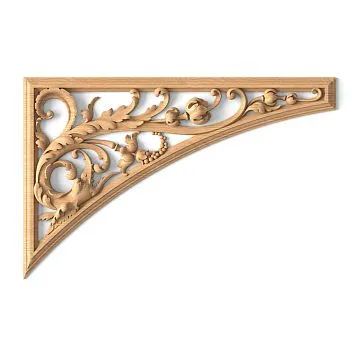
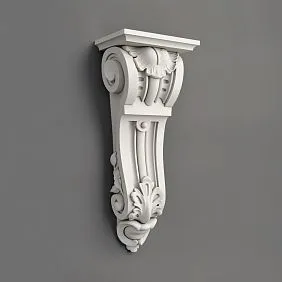
The perfect interior is not always a matter of an unlimited budget. More often, it is a matter of reasonable priorities.molded decoration made of polyurethanein combination withsolid oak furniture— a strategy that allows you to create a visually rich classic interior without spending a fortune on carved solid wood decor where it is not needed. The principle is simple: wood is used in the zone of tactile contact — on furniture, lower wall elements, doors. Polyurethane is used where the decor is visible but not touched: on the ceiling, in the upper part of walls, on high cornices. Proper painting unites different materials into a visually unified system, and the result looks cohesive, thoughtful, and professional.
Why does this strategy work? Because it takes into account the reality of human perception. We do not touch ceiling cornices with our hands. We do not stroke wall panels at a height of two meters. But we constantly interact with furniture — we open cabinet doors, lean on tables, hold onto chair backs. Here, the tactility of solid wood is irreplaceable — its warmth, texture, solidity. Polyurethane at an unreachable height looks identical to carved wood, costs many times less, weighs less, and does not deform from humidity.




The Philosophy of Reasonable Compromise: Where You Cannot Save
Not all compromises are equally good. There are zones where saving on material destroys the entire concept.Wooden furniture— this is a zone where replacing solid wood with imitation is unacceptable. An MDF table with a wood-grain film, a chest of drawers with plastic overlays, chairs made of composites — all of this is instantly perceived as a budget fake, ruining the impression of the interior.
Solid wood in furniture provides what substitutes cannot: weight, tactility, smell, the ability to age beautifully. An oak tabletop warms under your hands, it bears traces of time — a light patina, noble wear that adds character. A polyurethane imitation of wood remains cold, plastic, dead. Everyone feels this difference, even those who cannot articulate it.
The zone of the lower 50-70 cm of walls is another territory where wood is preferable. Baseboards, lower panels, door frames — everything you can touch, that can get hit or wear out. A wooden baseboard will withstand decades of active use, a polyurethane one may chip from a vacuum cleaner hit, lose its appearance from shoe abrasion.
Door trims at hand height, door leaves that are constantly touched — here natural wood is not a luxury, but a necessity. Tactile contact reveals the material instantly. Touching a polyurethane trim gives a feeling of plastic, touching a wooden one gives warmth and solidity.




Polyurethane on the Ceiling: Where Imitation is Indistinguishable from the Original
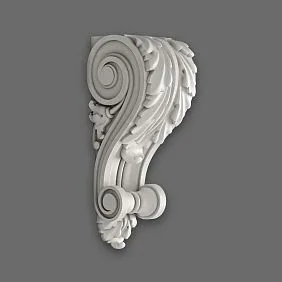
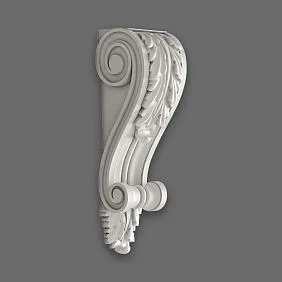
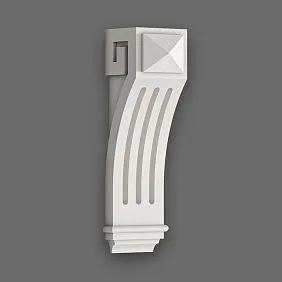
Ceiling cornices, moldings, rosettes around chandeliers — everything located at a height of 2.5-3 meters and above is ideal forpolyurethane decor. At this distance, the eye cannot distinguish the texture of the material or see the micro-relief of wood fibers. A polyurethane rosette with intricately detailed carving looks identical to a wooden one but costs 3-4 times less and weighs 10 times less.
Weight is critical for ceiling elements. A carved wooden cornice 150 mm wide weighs 8-12 kg per linear meter. Its installation requires a serious structure — metal brackets, anchors in concrete, reinforced fixing points. A polyurethane cornice of the same width and visual complexity weighs 800-1200 g per meter. It is glued with ordinary polyurethane adhesive directly onto a painted ceiling, without additional fasteners. Installation takes hours, not days.
The moisture resistance of polyurethane makes it indispensable in damp rooms. Wooden decor on a bathroom ceiling is a risk. Even with good ventilation, periodic condensation can cause deformation, mold growth, and coating deterioration. Polyurethane is completely inert to moisture — it does not absorb it, swell, or rot. A polyurethane ceiling cornice in a bathroom looks the same after 10 years as on the day of installation.
Ceiling rosettes around chandeliers are a classic element that, in carved wooden form, costs tens of thousands of rubles. A polyurethane rosette with the same ornament costs 2-5 thousand. Visually, from the floor, there is no difference. The carving can be of any complexity — floral motifs, geometric patterns, baroque opulence. Modern polyurethane casting technologies allow reproducing details with precision down to fractions of a millimeter.
Our factory also produces:

Wall panels: a combined approach
Wall panels — boiserie — were traditionally made of wood. But a full wooden wall cladding costs hundreds of thousands of rubles for a medium-sized room. A reasonable alternative is a combined construction, where wooden elements are used in the lower part, and polyurethane ones — in the upper and hard-to-reach areas.
The lower third of the wall — from the floor to a height of 90-120 cm — is traditionally finished with wooden panels or wide baseboards. This zone is subject to mechanical impacts — furniture bumps, hand contact, door strikes. Solid oak or beech wooden panels here last for decades, preserving their appearance. They can be restored multiple times — sanded, repainted, and damaged areas repaired.
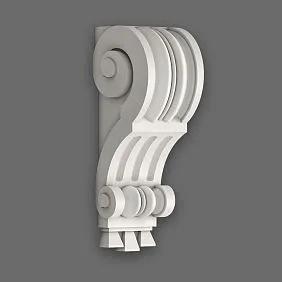
The middle and upper parts of the wall — from 120 cm and above — can be finished with polyurethane moldings, creating panels on a painted surface. This is significantly cheaper than wooden panels, installs faster, and provides the same visual effect of a structured wall.Relief DecorationPolyurethane molding is glued with special adhesive, joints are filled with acrylic sealant, and the surface is painted.
A horizontal molding at a height of 90-120 cm creates a boundary between the wooden lower part and the polyurethane upper part. This molding is logically made of wood — it is at hand level and may be touched. A wooden dividing molding visually connects furniture and architecture, creating a tactile truth of the construction.
Corner elements, pilasters, vertical wall divisions in the upper part — all of this is effectively made from polyurethane. Detailing can be anything — from simple rectangular profiles to complex carved capitals. After painting in a single color with the walls or wooden elements, polyurethane decor is perceived as part of the architecture, not as applied details.
Get Consultation
Painting as a tool for visual unity
Different materials give themselves away by texture and color. The task of painting is to neutralize this difference, creating the impression that all decor is made from the same material. This is achieved through proper surface preparation and using the same paints and application techniques.
Wooden elements require priming before painting. Primer seals the wood pores, creates uniform absorbency, and prevents resin and tannins from bleeding through. Without primer, the paint will apply unevenly, the wood grain will show through, and the color will be inconsistent. Professional acrylic or alkyd-based primers are applied with a roller or brush, dry in 4-6 hours, and are then sanded with fine sandpaper to remove raised fibers.
Polyurethane elements are also primed, although they have no pores. Primer improves paint adhesion and creates a base for an even coating. STAVROS supplies polyurethane decor pre-primed with white primer, ready for final painting. This saves time and guarantees proper surface preparation.
The choice of paint determines the final result. To create visual unity between wooden and polyurethane elements, opaque enamels — acrylic or alkyd — are used, which completely hide the base material, creating a uniform colored surface. The gloss level is chosen depending on the style: matte enamels — for modern and Scandinavian interiors, semi-matte — for neoclassical, glossy — for traditional luxurious classicism.
Color unifies. When wooden baseboards, polyurethane ceiling cornices, wooden door casings, and polyurethane wall moldings are painted the same color with the same paint — the difference in materials disappears. The eye perceives a unified architectural system where all elements are connected. A classic choice is white, which creates a sense of light, purity, and enlarges space. Cream, beige shades are warmer, softer. Gray tones are a modern alternative that works well in neoclassical spaces.
The application technique must be the same for all elements. Professional painting is done with a spray gun, which gives a perfectly even layer without brush or roller marks. For small volumes, brush painting is acceptable, but it is important to use high-quality synthetic brushes with fine bristles that do not leave streaks. Paint is applied in 2-3 thin layers with intermediate drying and light sanding — this gives a better result than one thick layer.
Solid wood furniture: where you cannot compromise
Wooden furnitureSolid wood furniture is the heart of a classic interior, an element that sets the tone for the entire space. Here, compromises on material are unacceptable. Solid oak, beech, ash — the only correct choice for furniture that should serve for decades, preserving functionality and beauty.
Solid wood tables are an investment in durability. An oak tabletop 40-50 mm thick will withstand decades of daily use without losing shape. It can be restored multiple times — sanded, re-varnished, deep scratches removed. After 20-30 years, such a table looks better than new — it develops a noble patina of use, slight darkening in areas of frequent contact, micro-scratches that give the piece character.
Solid wood chairs and armchairs possess the necessary structural strength. Legs, rails, backs, armrests — all are under load. Mortise and tenon joints in solid oak or beech can withstand hundreds of kilograms without deformation. Glued composite materials delaminate over time, their joints weaken, and chairs begin to creak and wobble.
Solid wood wardrobes and chests have a weight that is perceived as solidity and quality. Heavy furniture does not tip over, does not shift, and stands stably. Drawers in solid wood chests slide smoothly, without creaks — wood against wood, when properly processed, creates ideal friction. Solid wood fronts hold hardware for decades — hinges and handles do not loosen because they are fastened into dense wood, not porous board.
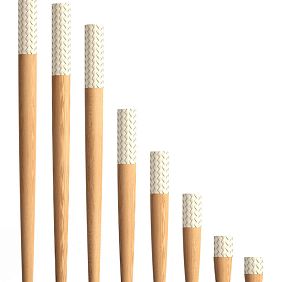
Carved elements on furniture — legs, overlays on fronts, wardrobe cornices — should be wooden. Carving in solid wood has depth, clarity, and expressiveness that cannot be achieved in polyurethane. Even the most detailed casting falls short of carving in vitality and richness of light and shadow play. On carved wood, light creates complex shadows that change throughout the day. On cast polyurethane, shadows are flat and static.
Doors: the zone of mandatory wood
Interior doors are an element of constant tactile contact. We open them dozens of times a day, hold handles, push panels, lean against jambs. Wooden doors here are not an alternative but the only reasonable solution for a classic interior.
Door panels made of solid wood or frame-and-panel construction with a solid wood frame possess the necessary stability. They do not deform from humidity fluctuations, do not warp, and maintain geometry for decades. MDF panels with wood-grain film begin to delaminate at the edges after 5-7 years, the film peels off, and the appearance becomes unpresentable.
Solid wood door frames hold hinges without loosening. Hinge screws are driven into dense wood and sit firmly. In MDF or chipboard, screws weaken over time, doors begin to sag, requiring hinge adjustment or replacement.
Door casings are at hand height and are often touched when passing through. Wooden casings made of oak or beech retain their appearance for decades and can be restored if necessary. Polyurethane casings in this zone quickly lose their presentability — chips from impacts, wear from touches appear, which cannot be repaired.
The only exception is high decorative elements above the door that are out of reach. Architraves, pediments, and carved panels at a height of 2.5-3 meters can be made of polyurethane without compromising perception. They visually adorn the doorway, are not subject to tactile contact, and save budget.
Decorative overlays: where polyurethane is indistinguishable from wood
Decorative overlays on furniture fronts, wall panels, doors — elements that create a visual effect without bearing structural load. Compromises are possible here depending on location.
Overlays on the upper part of tall cabinets, on cornices, on friezes — can be polyurethane. From human height, carved polyurethane ornament looks identical to wooden. Advantages — lighter weight, which does not load the cabinet structure, and lower price. Disadvantage — less detail upon close inspection, but at a height of 2+ meters this is insignificant.
Overlays on furniture fronts at eye and hand level are better made of wood. The difference in texture and tactility is noticeable here. A carved wooden overlay on a dresser door invites touch, a polyurethane one — causes rejection upon contact. This is a subtle but important distinction that shapes the overall impression of furniture quality.
Corner overlays, rosettes in the centers of panels, decorative elements on furniture legs — everything that is in the zone of close scrutiny should be wooden. Here every detail is visible, every carving line is felt. Polyurethane at such distance reveals its nature — lack of wood texture, excessive surface smoothness, flat character of shadows.
Frequently asked questions
How noticeable is the difference between polyurethane and wood with proper painting?
From a distance of more than 2 meters and with uniform painting, the difference is practically unnoticeable. Polyurethane gives itself away only upon tactile contact or very close inspection. Therefore, the strategy of using polyurethane on the ceiling and in the upper part of walls works flawlessly.
Can polyurethane moldings be used instead of wooden baseboards?
Not advisable. Baseboards are subjected to mechanical impacts — hits from vacuum cleaners, furniture, feet. Polyurethane is less resistant to such impacts than solid oak or beech. A wooden baseboard will last 50-100 years, a polyurethane one may require replacement in 15-20 years.
What paint is better for unifying wooden and polyurethane elements?
Water-based acrylic opaque enamels are the optimal choice. They are safe, odorless, dry quickly, and create a durable coating. It is important to use the same paint for all elements so that the color and gloss are identical.
Is it worth saving on furniture by making it from MDF instead of solid wood?
No. Solid wood furniture is an investment for decades. MDF with laminate starts to lose its appearance in 5-10 years and requires replacement. Solid wood with proper care lasts 50-100 years, is passed down to the next generations, and increases the value of the interior.
Can polyurethane cornices be combined with wooden furniture in the same room?
Not only can they, but they should be, if the budget is limited. With proper painting, polyurethane cornices on the ceiling are visually indistinguishable from wooden ones but cost several times less. Wooden furniture in the tactile contact zone provides the necessary sense of quality.
How to properly paint polyurethane decor so that it looks like wood?
Polyurethane is painted with opaque enamels that completely hide the base material. If the goal is to imitate wood, it is better to use tinted paints in warm shades and a semi-matte sheen. If the goal is classic white or colored decor, wood texture is not needed.
At what height is it reasonable to make the boundary between wood and polyurethane on walls?
Optimally — at a height of 90-120 cm from the floor. Below this boundary, wood is used, which contacts hands and furniture. Above — polyurethane, which is only visible but not touched. The boundary is decorated with a horizontal wooden molding.
Is polyurethane decor safe for health?
High-quality polyurethane from trusted manufacturers is absolutely safe. It does not emit harmful substances, is approved for use in residential premises, including children's rooms and bedrooms. STAVROS uses European polyurethane that meets all environmental standards.
How much can be saved by using polyurethane instead of wood on the ceiling?
Savings amount to 60-75% of the material cost and an additional 40-50% of the installation cost. A carved wooden ceiling cornice costs 3000-8000 rubles per linear meter, a polyurethane equivalent — 500-2000 rubles. Wood installation requires serious structures, polyurethane — just glue.
Can a damaged polyurethane element be repaired?
Small chips and scratches are filled with acrylic putty, sanded, and repainted. Serious damage requires replacing the element, but thanks to low cost and ease of installation, this is not a problem. Wooden elements are also restored, but the process is more complex.
Conclusion: a reasonable strategy for a real budget
A classic interior does not necessarily mean ruin.molded decoration made of polyurethanein combination withsolid oak furniture— is a strategy that allows creating a visually rich, stylistically cohesive space at reasonable costs. The key is the correct distribution of materials: wood where tactility and durability under load are important, polyurethane where visual effect without physical contact is important.
Polyurethane Decoron the ceiling, in the upper part of walls, on high elements of doorways creates architectural complexity and expressiveness for a fraction of the cost of carved wood. After professional painting in a uniform color, the difference in materials disappears, and the interior is perceived as a cohesive system where every element is in its place.
Wooden furnitureSolid oak or beech remains irreplaceable in areas of constant contact. Tables, chairs, chests of drawers, wardrobes—everything that hands touch, everything that bears functional load, should be made of real wood. This ensures tactile truth of the interior, durability, the possibility of restoration, and a sense of quality and solidity.
Painting as a tool for visually unifying different materials requires a professional approach. Using the same primers, paints, and application techniques on wooden and polyurethane elements creates a unified color and texture surface. The eye ceases to distinguish the materials, perceiving the architectural system as a whole.
STAVROS company produces bothRelief Decorationpolyurethane decor and solid wood furniture, which allows for implementing a combined strategy within a single project. The company's designers will help correctly distribute materials, select profiles for moldings and cornices, coordinate the color palette, and calculate the optimal ratio of cost and visual effect.
STAVROS polyurethane decor is made from European high-density two-component polyurethane, which ensures detailed forms and durability of the products. Each element is supplied primed with white primer, ready for final painting. The wide range includes ceiling cornices, wall moldings, rosettes, overlays, pilasters, capitals—everything needed to create a classic interior.
STAVROS furniture from the Classic collection is made from solid oak and beech using traditional joinery techniques. Mortise and tenon joints, hand carving, natural oils and waxes for coating—all this guarantees durability and beauty that does not fade over the years. Each piece of furniture undergoes multi-stage quality control, ensuring compliance with high production standards.
A comprehensive approach—ordering polyurethane decor and wooden furniture from a single manufacturer—simplifies project implementation. Coordinating style, quality control, unified delivery timelines, and the ability to receive professional consultation on all aspects of interior design are the advantages of working with STAVROS.
Product delivery is carried out throughout Russia and CIS countries. Warehouse programs in Moscow and Saint Petersburg ensure quick shipment of standard items. For designers, architects, and construction companies, a loyalty program with attractive cooperation terms is available.
By choosing a combined strategy—molded decoration made of polyurethaneandwooden furniturefrom STAVROS—you get a classic interior that looks expensive, lasts long, and costs reasonably. This is not a compromise on quality, but a sensible distribution of resources, where each material is used where its properties are most in demand.