












































































Article Contents:
- Polyurethane vs. Gypsum: Why Modernity Wins
- Weight: Revolution of Lightness
- Strength: Material of the Future
- Moisture Resistance: Decor for Bathroom and Kitchen
- Ease of Processing: Cuts with a Regular Saw
- Price: Affordable Luxury
- Durability: Lasts for Decades
- Types of Polyurethane Moldings: Elements for Any Style
- Ceiling Cornices: Where Wall Meets Ceiling
- Moldings: Universal Decorative Strips
- Ceiling Rosettes: Frames for Chandeliers
- Pilasters and Half Columns: Vertical Architecture
- Brackets and Consoles: Decorative Supports
- Pediments and Sondries: Classic Above Doors
- Corner Elements and Panels
- 3D Panels: Modern Trend
- Choosing Elements: How to Avoid Mistakes
- Ceiling Height: Proportions Decide Everything
- Room Area: Scale Matters
- Interior Style: Harmony of Elements
- Installation: Install Yourself Over the Weekend
- Tools and Materials
- Surface Preparation
- Marking
- Cutting Elements
- Adhesive Application
- Element joints
- Sealing Joints and Gaps
- Painting
- Design Techniques: How to Use Moldings for Maximum Effect
- Hidden Lighting Behind Cornices
- Wall Molding Frames
- Accent Wall with 3D Panels
- Framing Door and Window Openings
- Imitation of Columns
- Decorative Panels
- Maintenance: Preserving Beauty for Years
- Regular Cleaning
- Protection from Mechanical Damage
- Paint Refresh
- Repair of damage
- Trends 2026: What’s Relevant in the World of Moldings
- Minimalism with Accents
- Contrasting Colors
- Geometric Shapes
- Imitation of Concrete, Metal, Stone
- Ecological Safety
- Integration with Smart Home
- Frequently Asked Questions
- Conclusion: Moldings as Accessible Art of Transformation

Imagine: you enter an apartment where the ceiling is adorned with elegant cornices, walls divided by graceful moldings, and ornate pediments above doorways. It seems as if you’ve stepped into an 18th-century palace? No, this is a modern apartment in 2026, wherepolyurethane moldings buywhich you can afford, creates an atmosphere of luxury, elegance, and impeccable taste.
Forget heavy gypsum moldings that crumble, yellow, and cost as much as an airplane wing. Polyurethane has revolutionized interior decorative design. Lightweight, strong, moisture-resistant, affordable — it opens up limitless possibilities for realizing the boldest design ideas. From classic cornices to futuristic panels, from baroque rosettes to minimalist moldings — all of this is real, accessible, and can be installed over the weekend.
This article is your guide to the world of polyurethane moldings in 2026. We’ll explain why polyurethane defeated gypsum and polystyrene, what elements exist, how to choose, install, paint them, and how to turn a standard apartment into a work of architectural art using just a few moldings.
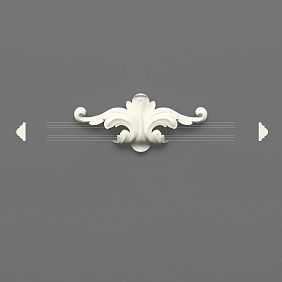
Polyurethane vs. Gypsum: Why Modernity Wins
Twenty years ago, moldings were a privilege of the wealthy. Gypsum items were handmade, weighed dozens of kilograms, required professional installation, and cost absurd amounts. Todaypolyurethane moldingsare accessible to everyone, and surpass traditional materials in performance.




Weight: Revolution of Lightness
A 2-meter polyurethane cornice weighs 1–3 kg. A similar gypsum one weighs 15–25 kg. The difference is enormous. Polyurethane is mounted with adhesive without additional fasteners, does not exert load on walls and ceilings, does not require structural reinforcement. Gypsum must be fastened with self-tapping screws, anchors, sometimes with a metal frame. This is difficult, expensive, and requires professionals.
The lightness of polyurethane is not only about easy installation, but also safety. If a gypsum element falls off (which can happen), it may injure a person. A polyurethane one will fall softly, causing no harm.
Our factory also produces:


Strength: Material of the Future
Polyurethane is an elastic, impact-resistant material. It does not crumble, does not crack, does not fear vibrations. You can accidentally hit a cornice with a stepladder — at most, there will be a small dent, easily masked with putty and paint. Gypsum will crack into pieces in such a situation.
Polyurethane does not fear temperature fluctuations. Gypsum may crack under sudden temperature changes. Polyurethane retains its shape at temperatures from -60 to +80 degrees Celsius. You can confidently use it in unheated country houses, on balconies, loggias, terraces.
Get Consultation
Moisture Resistance: Decor for Bathroom and Kitchen
Gypsum is hygroscopic — it absorbs moisture, swells, loses its shape, and develops mold. Gypsum moldings are contraindicated in bathrooms, kitchens, and humid areas.Polyurethane moldingsare absolutely moisture-resistant. They do not absorb water, do not swell, do not develop mold. You can confidently install polyurethane cornices in bathrooms, moldings on kitchens, decorative panels in pools.
Ease of Processing: Cuts with a Regular Saw
Polyurethane cuts easily with a metal saw, circular saw, or office knife (for thin elements). You can adjust elements to any size, cut at an angle for corner joints. Gypsum is difficult to saw — it crumbles, produces a lot of dust, requires special tools.
Polyurethane can be sanded, routed, and combined into elements, creating unique compositions. This opens up limitless creative possibilities.
Price: affordable luxury
Polyurethane molding is 3–5 times cheaper than gypsum at comparable detail quality. A polyurethane cornice costs 500–2000 rubles per 2 meters. The gypsum equivalent — 3000–8000 rubles. A polyurethane rosette — 1000–3000 rubles, gypsum — 5000–15000 rubles.
Considering the ease of installation (no need to pay professionals), savings are even greater. You can decorate the entire apartment with molding for 30000–50000 rubles instead of 150000–300000 rubles for gypsum.
Durability: lasts for decades
Polyurethane does not age, does not yellow (unlike polystyrene), does not fade, does not lose its shape. Quality polyurethane molding lasts 30–50 years without repair or replacement. Gypsum may crack within 10–15 years, especially in buildings with vibration (near roads, construction sites).
Types of polyurethane molding: elements for any style
The market offers hundreds of elements — from classic cornices to avant-garde panels. Let's review the main categories.
Ceiling cornices: where the wall meets the ceiling
Ceiling cornices (plinths, moldings, cassettes) — the most popular elementsMoldings decorationThey cover the junction between wall and ceiling, hide unevenness, cracks, and create visual completeness.
Simple cornices: smooth or with minimal relief (1–2 grooves, simple recesses). Height 3–8 centimeters. Ideal for minimalist, Scandinavian, modern interiors. They do not overload space, creating neat framing.
Classic cornices: with relief ornaments — meanders (Greek patterns), Ionic (rows of egg-shaped elements), acanthus leaves, rosettes, beads. Height 8–15 centimeters. Characteristic of classical, neoclassical, and Empire interiors. They add luxury and monumentality.
Baroque cornices: with lavish decoration — scrolls, shells, garlands, complex multi-level profiles. Height 15–30 centimeters and more. Suitable for palace, baroque, rococo interiors, high ceilings (from 3.5 meters). Create a sense of luxury and theatricality.
Cornices with lighting: with a special recess (shelf) for installing LED strips. Light directed upward creates a floating ceiling effect, visually increasing room height. A popular trend for 2026.
Moldings: universal decorative strips
Moldings — narrow decorative strips 2–10 centimeters wide, 2–2.4 meters long. They are universal:Buy polyurethane wall moldingscan be used to frame walls, doors, windows, mirrors, create panels, separate wallpaper of different colors.
Simple moldings: smooth rectangular or with one or two recesses. Minimalism, modernity.
Classic moldings: with relief — beads, Ionic, leaves, geometric patterns. Classic, neoclassic, art deco.
Corner moldings: special moldings for external and internal corners. Simplify installation, create neat joints without 45-degree trimming.
Flexible moldings: made of elastic polyurethane, bendable to radius. Used to frame arches, round columns, curved elements.
Ceiling rosettes: framing for chandeliers
Ceiling rosettes (medallions) — round or oval elements 20–120 centimeters in diameter, installed on the ceiling at the point of chandelier attachment. They hide wires, fasteners, create decorative framing, add luxury.
Simple rosettes: with minimal relief — concentric circles, simple petals. Diameter 20–40 centimeters. Modern, minimalist interiors.
Classic rosettes: with relief ornaments — acanthus leaves, roses, grapevines, geometric patterns. Diameter 40–80 centimeters. Classic, neoclassic, Provence.
Baroque rosettes: with lavish multi-level decoration, complex scrolls, angels, garlands. Diameter 80–120 centimeters and more. Palace style, high ceilings.
Pilasters and half-columns: vertical architecture
Pilasters — vertical elements imitating flat columns, protruding from the wall. Height 1.5–3 meters, width 15–40 centimeters. Composed of base (foundation), shaft (body), capital (top).
Half-columns — volumetric elements protruding from the wall by half their diameter. Create a stronger architectural effect than pilasters.
Pilasters and half-columns are used for zoning space, framing doorways, fireplaces, creating symmetrical compositions. Characteristic of classical, neoclassical, and Empire interiors.
Brackets and consoles: decorative supports
Brackets are L- or S-shaped elements that mimic supports. They are installed under shelves, countertops, and cornices, creating the illusion that these elements are held up by decorative supports (though they are actually secured by hidden fasteners).
Brackets add architectural character and classical rigidity. Height 10–40 cm, width 5–20 cm.
Pediments and sashings: classical elements above doors
Pediments (sashings) are triangular or arched elements installed above door and window openings. They imitate the architectural pediments of ancient temples, creating monumentality and classical rigidity.
Pediments can be straight (triangular), arched (lancet), or broken (with a break at the top). Width 50–150 cm, height 20–60 cm.
Corner elements and panels
Corner elements are decorative overlays for interior or exterior wall corners. They protect corners from damage and add decorative appeal. Height 20–80 cm.
Panels are flat decorative panels with relief patterns. Sizes 30×30, 60×60, 60×90 cm and larger. Used for wall decoration, creating focal points, and imitating stucco panels.
3D Panels: modern trend
3D panels are relief panels measuring 50×50, 60×60 cm with three-dimensional geometric patterns (waves, cubes, pyramids, honeycombs, abstract designs). They are mounted on walls, creating a textured, dimensional surface.
3D panels are the hit of 2026. They suit modern, minimalist, high-tech interiors, creating visual depth and play of light and shadow. Especially effective with side lighting.
When choosing
Consider ceiling height, room size, interior style, and functionality.— everything must correspond to the chosen era.Ceiling height: proportions determine everything
Low ceilings (2.5–2.7 meters): use thin cornices 3–6 cm high, simple moldings 2–4 cm wide, small rosettes 20–40 cm in diameter. Large elements visually 'lower' the ceiling, making the room feel cramped.
Medium ceilings (2.8–3.2 meters): you may use cornices 8–12 cm high, moldings 5–8 cm wide, rosettes 50–70 cm in diameter. This is the optimal height for most decorative elements.
High ceilings (3.3 meters and above): boldly use large cornices 15–30 cm high, wide moldings, large rosettes 80–120 cm in diameter, pilasters, pediments. Small elements will disappear into the height.
High ceilings (3.3 meters and above): boldly use large cornices 15–30 centimeters high, wide moldings, large outlets with a diameter of 80–120 centimeters, pilasters, gables. Small elements will be lost in height.
Room size: scale matters
Small rooms (up to 15 sq. meters): use thin elements, light colors (white, cream, light gray). Heavy dark moldings will overwhelm the space.
Medium rooms (15–25 sq. meters): universal size, suitable for any medium-sized elements.
Large rooms (25+ sq. meters): you may use large elements, complex compositions, contrasting colors.
Interior style: harmony of elements
Classical: cornices and moldings with classical ornaments (meanders, Ionic, acanthus leaves), rosettes with plant motifs, pilasters with capitals, pediments above doors. Color — white, cream, gold (patina).
Neoclassical: simplified classical elements, more restrained and strict. Cornices with minimal relief, simple moldings, small rosettes. Color — white, gray, beige.
Baroque and Rococo: lavish elements with rich decoration — scrolls, shells, garlands, angels. Large cornices, large rosettes, pilasters with carved capitals. Color — white with gold patina, cream, pastel tones.
Art Deco: geometric ornaments, symmetrical compositions, strict lines. Moldings with zigzags, fan shapes, stepped profiles. Color — white, black, gold, silver, contrasting combinations.
Minimalism: simple smooth cornices 3–5 cm high, minimal decoration. Color — white, gray, matching wall or ceiling color.
Scandinavian: simple white cornices and moldings, no ornamentation. Create neat framing without overwhelming the space.
Modern: 3D panels, geometric moldings, illuminated cornices. Color — any, often contrasting (black on white walls, dark gray).
Installation: We install ourselves over the weekend
One of the main advantages of polyurethane molding is its ease of installation. Even a beginner can handle it if following the instructions.
Tools and materials
Tools: circular saw (or hacksaw for metal with a miter gauge for angled cuts), utility knife, tape measure, pencil, level, putty knife, sandpaper (grit 120–180), brushes.
Materials:wall moldingand ceiling (selected elements), mounting adhesive (special for polyurethane or universal polymer type 'Moment Montazh'), acrylic sealant (for filling joints), spackling compound (if needed for leveling walls/ceilings), primer, paint (if planning to paint).
Surface preparation
Cleaning: walls and ceiling must be clean, dry, and degreased. Remove dust, dirt, grease stains. If the surface is painted with glossy paint, lightly sand it for better adhesive bond.
Leveling: polyurethane is flexible and follows minor irregularities. However, if walls or ceilings have significant unevenness (more than 5 mm), it’s better to level them with spackling compound. Otherwise, the cornice or molding will appear visually crooked.
Priming: apply acrylic deep-penetration primer to the surface. This improves adhesive bond and prevents peeling.
Marking
For cornices: measure from the ceiling down (along the wall) the height of the cornice plus 2–3 mm. Draw a horizontal line around the room using a level and pencil. This is the reference line for the bottom edge of the cornice.
For wall moldings: mark the placement of moldings with a pencil. Use a level to ensure lines are strictly horizontal or vertical.
For outlets: find the center of the ceiling (intersection of diagonals) and mark it. If the chandelier is offset from the center, mark the position under the chandelier.
Cutting elements
Straight cut: use a circular saw or hacksaw for metal. Cut carefully without pressure to avoid chipping edges.
Cutting at an angle (for corner joints): use a miter gauge or circular saw with angle adjustment. For joining two elements at a right angle (90 degrees), cut each at a 45-degree angle. Practice first on a scrap piece.
Important note: for internal and external corners, the cutting angles differ. For internal corners, the back (wall-facing) part of the element is longer than the front. For external corners, it’s the opposite.
Adhesion
Applying adhesive: apply adhesive to the back of the element in a zigzag or dot pattern. Don’t be stingy with adhesive — excess will squeeze out and can be wiped away later. Insufficient adhesive will cause peeling.
Installation: press the element against the surface, aligning with the markings. Press evenly along the entire length. Hold for 30–60 seconds (depending on adhesive type).
Removing excess: immediately wipe away excess adhesive squeezed out from under the element using a damp cloth or putty knife.
Fixation: if the element is heavy or the adhesive sets slowly, secure it with painter’s tape or small nails (remove nails later and fill holes with spackling compound).
Element Joints
In corners: two elements cut at 45 degrees join in the corner. The joint must be tight, without gaps. Apply adhesive to the ends of both elements before joining.
In straight lines: if the wall length exceeds the length of one element (usually 2–2.4 meters), join several elements. Cutting the joint at a 45-degree angle (miter joint) is more aesthetically pleasing than a straight joint — the joint is less noticeable.
Filling joints and gaps
After the adhesive dries (12–24 hours), inspect the joints. Small gaps (up to 2 mm) fill with acrylic sealant. Push sealant into the gap, smooth with a wet finger or putty knife, and wipe away excess with a damp cloth.
Larger gaps (if surface is uneven or cut inaccurately) fill with acrylic spackling compound. After drying, sand with fine grit (180–220).
Painting
Polyurethane is usually sold white and primed. You can leave it white or paint it any color.
Priming: if the elements are not factory primed, apply acrylic primer.
Painting: use acrylic or latex paint. Apply with a brush or roller in 1–2 coats. For hard-to-reach areas (fine relief), spray paint is convenient.
Patina: to create an antique or luxurious effect, apply gold, silver, or bronze patina. First, paint the element in a base color (white, cream, gray), let it dry. Then apply the patina with a sponge or brush, lightly blending to highlight the relief.
Venetian plaster effect: cover the molding with special decorative paint with marble or silk effect. This will create a luxurious imitation of marble molding.
Design techniques: how to use molding effectively
Hidden backlighting behind cornices
Install a ceiling cornice with a shelf for backlighting, 8–15 cm from the ceiling. Place an LED strip behind the cornice (on the shelf), angled upward. Light reflects off the ceiling, creating soft, diffused illumination with a floating ceiling effect.
The color of the strip can be any: warm white (cozy atmosphere), cool white (modern look), RGB (color backlighting for parties, mood changes).
Molding frames on walls
Create rectangular or square frames on walls using molding. Paint the wall inside the frames with a contrasting color, apply patterned wallpaper, install mirrors or paintings. This creates the effect of classic panels, typical of 18th–19th century palaces.
Frame size depends on wall area: for small rooms — 60×80 cm frames, for larger rooms — 100×150 cm and larger. Place frames symmetrically at the same height.
Accent wall with 3D panels
Choose one wall (usually behind the bed headboard, behind the sofa, in the TV zone), cover it with 3D panels. Paint it in a contrasting color (dark gray, black, deep blue) or leave it white, add side backlighting. The textured surface will create visual depth, making the wall the focal point.
Trimming door and window openings
Trim doors and windows with polyurethane molding or casings. Install a pediment (sundrik) above the door, and pilasters or simple vertical molding on the sides. This creates a classic portal, adding architectural character.
Column imitation
Install a pair of pilasters or half-columns on the wall, symmetrically placed. Hang a mirror, painting, or install a fireplace between them. Columns create a sense of architectural completeness and classical rigidity.
Decorative panels
Create decorative coffers (recesses) on the ceiling using molding. Divide the ceiling into squares or rectangles, frame each with molding. Paint the ceiling inside the squares the same color or slightly darker. This creates an imitation of coffered ceilings, typical of classical interiors, libraries, and offices.
Maintenance: preserving beauty for years
decorative polyurethane elementsLow-maintenance, but simple rules will extend their service life.
Regular cleaning
Wipe molding with a damp soft cloth once a month (cornices and molding), once every 3–6 months (outlets, panels). Dust accumulates in relief, making elements dull.
For cleaning, use water with a mild detergent (liquid soap, dishwashing soap). Avoid abrasives, solvents, and aggressive chemicals — they may damage the paint.
For hard-to-reach areas (deep relief), use a soft brush, brush, or vacuum cleaner with attachment.
Protection from mechanical damage
Polyurethane is durable but not eternal. Avoid impacts from heavy objects (ladders, furniture during moving). Scratches and dents are easily repaired with putty and paint, but it’s better to avoid damage altogether.
Paint refresh
After 5–10 years (depending on conditions), paint may fade, discolor (especially in sunny rooms), or become dirty. Refresh the coating: lightly sand with fine-grit sandpaper (220–320), prime, and repaint. The molding will look brand new.
Repair of damage
Minor scratches: lightly sand with fine-grit sandpaper, touch up with matching paint.
Dents: fill with acrylic putty, sand smooth, and repaint.
Chips: if a piece has broken off, reattach it with polyurethane glue. If the piece is lost, patch it, restore the relief (you can mold it from putty while it’s still wet), sand it, and paint it.
Detachment from the wall: if the element has peeled off, apply fresh glue, press it down, and secure it with tape or nails until it dries.
Trends 2026: what’s trending in molding
Minimalism with accents
Trend 2026 — minimalism, but with a twist. Not a complete rejection of decoration, but its measured use. Simple, slender cornice + one accent wall with 3D panels. Minimalist moldings on walls + large modern geometric rosette.
Contrasting colors
White molding on white walls — classic, but boring. Trend — contrast. Black molding on light gray walls. Dark blue on white. Gold on emerald. Contrast creates graphic impact, expressiveness, making molding the focal point.
Geometric shapes
Classic floral ornaments are giving way to geometry. 3D panels with cubes, pyramids, waves. Moldings with zigzags, stepped profiles. Rosettes with geometric patterns. This is modern, stylish, suitable for minimalist and high-tech interiors.
Imitation of concrete, metal, stone
Polyurethane panels with concrete, rusted metal, natural stone textures. They create an industrial, loft aesthetic, but are lighter and easier to handle than natural materials.
Oak skirting boards are an indispensable element of classic interior styles. In the English style, oak skirting boards with rich carving emphasize the aristocracy and solidity of the space. Dark wood tones harmonize beautifully with traditional materials — natural stone, leather, bronze.
Customers are paying more attention to material eco-friendliness. Polyurethane is safe, emits no harmful substances, and is hypoallergenic. Manufacturers offer elements painted with eco-friendly water-based paints, odorless and toxin-free.
Integration with smart home
Cornices with lighting integrate with smart home systems. LED strips are controlled by voice, smartphone, or timers. You can set a schedule: warm white light in the morning, dimmed orange in the evening, and soft night light at night.
Frequently asked questions
How does polyurethane molding differ from polystyrene molding?
Polyurethane is denser, stronger, doesn’t crumble, and doesn’t yellow over time. Polystyrene is lightweight and cheap, but fragile, prone to mechanical damage, and may yellow after 5–10 years.
Can polyurethane molding be painted?
Yes, with any water-based or acrylic paint. Polyurethane holds paint exceptionally well.
Can polyurethane molding be installed in a bathroom?
Yes, polyurethane is completely moisture-resistant. Ideal for bathrooms, kitchens, and humid areas.
How long does polyurethane molding last?
30–50 years with proper installation and maintenance.
Can molding be installed by oneself?
Yes, installation is simple and even a beginner can handle it. Basic skills with tools are required.
How much does it cost to decorate a room with molding?
It depends on the room’s size and the choice of elements. On average, 10,000–30,000 rubles for a 15–20 sq. m. room (cornice around perimeter + rosette + moldings on walls).
Can polyurethane molding be combined with gypsum molding?
Yes, but visually they may differ (texture, detail). It’s better to use one material for stylistic unity.
How to choose quality polyurethane molding?
Pay attention to density (the denser, the stronger), clarity of relief, absence of defects (scratches, bubbles, warping). Buy from reputable manufacturers.
Conclusion: Moldings as accessible art of transformation
Buy moldingsAnyone can do it — this is not luxury, but an accessible way to transform a typical apartment into a unique space filled with style, elegance, and individuality. Polyurethane has revolutionized this: what used to cost hundreds of thousands and require professionals is now available for tens of thousands and can be installed by yourself over the weekend.
From classic cornices to avant-garde 3D panels, from baroque rosettes to minimalist moldings — polyurethane moldings open boundless creative possibilities. You can create a palace interior, Scandinavian simplicity, loft brutality, neo-classical elegance — it all depends solely on your imagination.
Lightweight, strong, moisture-resistant, durable, accessible — polyurethane moldings are the choice for those who value beauty, quality, and practicality. This is an investment in the beauty of your home, which pays off every day when you enter a room and admire the result.
STAVROS offers an exclusive collection of polyurethane moldings for interiors of any style. More than 500 models of elements: ceiling cornices from minimalist 3 cm high to luxurious baroque 30 cm high, moldings of all shapes and sizes (simple smooth, classic with ornaments, flexible for curved surfaces), ceiling rosettes with diameters from 20 to 120 cm (simple, classic, baroque, geometric), pilasters and half-columns 1.5–3 meters high with bases and capitals, gables and sashings 50–150 cm wide, brackets and consoles 10–40 cm high, 3D panels with modern geometric patterns 50×50 and 60×60 cm, corner elements and panels. Each element is made of high-quality polyurethane with density 250–300 kg/m³, ensuring maximum strength, relief clarity, and durability. All elements are primed and ready for installation — you can leave them white or paint them any color. STAVROS offers coloring service: we will paint elements in your chosen color from RAL catalog or create patina (gold, silver, bronze, vintage effects, Venetian plaster). Comprehensive solutions: you receive all necessary elements for room decoration — cornices, moldings, rosettes, corner elements, adhesive, sealant — in one order. Professional consultations: our specialists with 30 years of experience in interior decorative design will help you select elements to match your style, calculate required quantity, give advice on installation and painting, and create 3D visualization of your interior with selected elements. Own warehouse in Russia, fast delivery across the country by transport companies, flexible discount system for designers, construction companies, and regular customers. Quality guarantee: all elements undergo inspection for defects, warping, scratches. If you find a defect, we will replace the element free of charge. Visit STAVROS showrooms in Moscow and St. Petersburg to see all the variety of elements, feel the relief quality, material density, and select ideal elements for your project. Exhibitions feature ready-made interior solutions — you will see how cornices with lighting, wall molding frames, 3D panels with side lighting, classic compositions with pilasters and gables look. STAVROS — European-level quality at Russian prices, individual approach to each client, professional support at every stage from selection to installation. Create interiors that inspire and delight every day, become a source of pride and admiration for guests. Transform typical apartments into unique spaces with character, style, and individuality. With STAVROS polyurethane moldings, luxury becomes accessible and beauty becomes reality.


