Article Contents:
- Arches in hall interior: architecture from polyurethane molding
- Polyurethane archway construction
- Arch forms: from classical to avant-garde
- Arch framing with moldings and decor
- Wooden staircase: central element of the hall
- Staircase constructions: forms and layouts
- Wooden staircase elements
- Wood species for staircases
- Carved staircase decor
- Balusters: style and material selection
- Types of balusters by shape
- Baluster materials
- Combining balusters with arches
- Hall and foyer: forming the grand zone
- Hall layout with arch and staircase
- Hall lighting: chandelier, sconces, arch illumination
- Tall wooden baseboard: foundation of composition
- Baseboard height: proportions
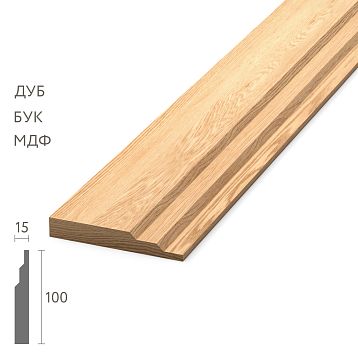
- Baseboard Material: Solid Wood or MDF
- Baseboard profile: from simple to carved
- Skirting color
- Grand hall set: design example
- Architecture and finishing
- Arch
- Staircase
- Furniture and Decor
- Lighting
- Frequently asked questions about halls with arches and staircases
- Conclusion: create a grand hall with STAVROS materials

Hall. The first thing a guest sees when crossing the threshold of a house is a space that shapes impressions about the owner, the home, and what awaits beyond the room doors. A standard apartment foyer (a 2×5 meter corridor, low ceiling, one door to the living room, another to the bedroom) is functional but faceless, creating no emotion. The hall in a private house, duplex apartment, or mansion is a stage, a theater where architecture speaks: the staircase leads to the second floor (wide steps, carved railings - an invitation to ascend and explore), arched openings divide zones (an arch between the hall and living room - a boundary between spaces without a door, air circulates, the gaze penetrates further), high ceilings (3.5-5.0 meters - volume, air, light pours from a clerestory window or upper staircase tier).Polyurethane molding archestransforms an ordinary rectangular doorway into an architectural element (semicircular, pointed, or complex-shaped arch framed with moldings, decorated with keystone, rosettes - classic European palace style adapted for modern housing).Wooden Staircase Decormade from solid oak, ash, beech - not just a structure for ascent (concrete staircase covered with laminate performs the same function cheaper), but a work of joinery art: steps from solid wood 40-60 mm thick (wood grain, strength - each step withstands 200+ kg), carved risers (ornament, panels - vertical staircase surfaces aren't empty but decorated), turned or carved handrails (60-80 mm diameter, hand glides over smooth wood - tactile quality, safety),buy balusterscarved (posts between steps and handrails, height 700-900 mm, turned shape - vases, spindles, or carved - scrolls, leaves - each baluster a small sculpture).
This article is a detailed guide for owners of private houses, duplex apartments, and townhouses who wish to decorate a hall in a classic or neoclassical style with arches and a staircase. We will examine the application ofpolyurethane moldings, arches made from moldings(how to create an arched opening — structure, installation, framing with moldings, arch shape options), we will studywooden staircase decor(staircase structure — straight, L-shaped, U-shaped, spiral; elements — treads, risers, stringers, newel posts, handrails; wood species, carving), we will choosebuy balusters(types of balusters — turned, carved, flat; materials — oak, ash, beech; style to match arches and the staircase), we will consider the role ofSolid Wood Skirting Boardhigh (completing the composition from below, connecting the floor with the hall's architecture). Get a step-by-step plan for creating a hall where arches, the staircase, balusters, and baseboards form a unified composition — grand, elegant, memorable.


Arches in the Hall Interior: Architecture from Polyurethane Moldings
An arch is an opening with a vaulted top (semicircular, pointed, elliptical), an architectural element originating from antiquity (Roman aqueducts, triumphal arches), the Middle Ages (Gothic cathedrals with pointed arches), and the Renaissance (palazzos with semicircular arches in courtyards). In a modern residential interior, an arch serves functions: dividing zones without a door (an arch between the hall and living room — a boundary of spaces, but transparent, allowing sightlines, air circulation, and light distribution), visually increasing height (an arched vault is higher than a straight door opening — the ceiling appears taller), creating style (an arch is a marker of classic, neoclassical, Mediterranean style).




Structure of an Arched Opening Made of Polyurethane
A traditional stone or brick arch is a complex structure (bricks are laid in a wedge shape, held by thrust, requiring formwork, masonry skill).Polyurethane molding arches— a quick, easy solution: ready-made arched elements made of polyurethane (arcs, semicircular or pointed, with opening widths of 0.8-3.0 meters, vault heights of 0.4-1.5 meters) are glued to the wall, framing an existing rectangular opening (turning it into an arched one) or creating a new arched opening (if an opening is cut into a wall during renovation).
Option 1: Framing an existing rectangular opening. There is a rectangular door opening (width 0.9-1.2 meters, height 2.1 meters — standard). The door is removed (the opening remains open — an arch without a door), a polyurethane arc (semicircular, radius matching the opening width — if width is 1.0 meter, arc radius is 0.5 meters, the vault rises 0.5 meters from the top point of the rectangular opening) is glued to the upper part of the opening. The sides of the opening (vertical jambs) are framed with polyurethane moldings (width 80-150 mm, profile carved or flat — continuing the arched arc down to the floor). The arched opening is visually taller than the original (the vault adds 0.4-0.5 meters), grand.
Option 2: Creating a full-fledged arch during redevelopment. During renovation (private house, apartment with open layout), an opening is cut into a wall (non-load-bearing — partition made of drywall, aerated concrete blocks, brick), forming an arched opening (top of the opening is semicircular — cut with an angle grinder, jigsaw). A frame (wooden batten or metal profile) is attached to the edges of the opening, polyurethane elements (arch arc + side moldings) are glued onto the frame, joints are filled and painted. The arch as an architectural element (not an overlay, but integrated into the wall).
Our factory also produces:
Arch Shapes: From Classic to Avant-Garde
Semicircular (Roman) arch: vault — a perfect semicircle (radius equals half the opening width). Classic shape (Ancient Rome, Renaissance, Classicism), universal (suits high and medium ceilings — 3.0-4.0 meters), harmonious (smooth curve without sharp angles). Used in neoclassical, Mediterranean, Provençal interiors.
Pointed (Gothic) arch: vault formed by two arcs meeting at the apex at an acute angle (arrow shape, Gothic cathedrals of the 12th-15th centuries). Visually the tallest (upward aspiration, verticality), dramatic (sharp apex attracts the eye). Used in interiors with Gothic, neo-Gothic elements (rarely in residences, more often in thematic projects — libraries, studies with antique furniture).
Elliptical (segmental) arch: vault — a segment of an ellipse (arc flatter than a semicircle, vault rise lower). Suitable for low ceilings (2.7-3.0 meters — a semicircular arch won't fit, an elliptical one will), creates a smooth transition (vault is not an accent, but soft). Used in apartments with standard ceilings (modern classic, eclectic).
Three-centered (basket) arch: vault formed by three arcs (central one flat, side ones steeper — basket shape). Complex, decorative (popular in Baroque, Rococo), requires high ceilings (3.5+ meters). Used in luxury interiors (palatial style, maximum decorativeness).
Modern (parabolic) arch: vault — a parabola (curve widening downward). Asymmetrical, dynamic (Art Nouveau, Art Nouveau style of the early 20th century), rare in modern interiors (avant-garde, eclectic).
Get Consultation
Framing the Arch with Moldings and Decor
A bare arch (simply a curved opening without framing) looks unfinished. Framingpolyurethane moldings, arches made from moldings— with moldings, carved elements — completes the composition:
Archivolt: molding framing the arched vault along the outer contour (the molding's arc repeats the vault's shape, molding width 80-200 mm, profile carved — beads, dentils, leaves). The archivolt emphasizes the arch's shape, makes it clearer, more accentuated.
Impost: horizontal molding from which the arch's vault begins (at the level of column or pilaster capitals if they frame the arch, or at a height of 2.0-2.5 meters from the floor). The impost visually divides the arch into parts (vertical posts below, vault above).
Keystone: decorative element at the apex of the arch (center of the vault), imitating the stone that holds the thrust in a real stone arch (the key stone). A polyurethane keystone — an overlay sized 20×30 cm or 30×50 cm (depending on the arch's scale), relief (carving, rosette, coat of arms, mascaron — a human or mythical face). The keystone is an accent, attracts the eye, emphasizes the arch's apex.
Columns or pilasters on the sides: the arch rests (visually, not structurally) on columns (semicircular, three-dimensional, diameter 200-400 mm, height from floor to the arch's impost) or pilasters (flat, projection from wall 30-50 mm, width 150-300 mm). Polyurethane columns/pilasters consist of a base (lower part), shaft (smooth or with fluting), capital (upper carved part — Doric, Ionic, Corinthian). An arch with columns — a full-fledged architectural portal (solemnity, classicism).
Wooden Staircase: The Central Element of the Hall
A staircase in the hall of a private house — not only a function (ascending to the second floor), but also a visual center (the first thing seen upon entry — a staircase leading upward, inviting exploration of the house).Wooden Staircase DecorFrom the array — a premium solution: wood is warm both visually and tactilely (unlike concrete or metal), durable (an oak staircase lasts 100+ years), decorative (carving and wood grain turn the staircase into an art object).
Staircase Structures: Forms and Layouts
Straight single-flight: the simplest (one flight of steps from the first-floor level to the second, without turns). Requires a long space (to ascend 3.0 meters at a 35-40 degree slope, a flight length of 4.5-5.0 meters is needed). Suitable for spacious halls (length 6+ meters), visually concise (a straight line, without breaks).
L-shaped with a landing: two flights at a 90-degree angle, with a turning landing between them (square or rectangular, size 1.0×1.0 meters or 1.0×1.5 meters). Saves space (fits into a corner of the hall — L-shaped layout), convenient (the landing is a resting spot during ascent, especially important for the elderly and children).
U-shaped with two landings: three flights (first from the floor upward, a 180-degree turn via a landing, second flight upward parallel to the first, another 90-degree turn via a second landing, third flight to the second floor). Compact (fits into a small hall — occupies an area of 2.5×3.0 meters in plan), grand (multiple flights create rhythm and dynamism).
Spiral: steps are arranged in a spiral around a central column (staircase diameter 1.2-2.0 meters). The most compact (to ascend 3.0 meters, a circle with a diameter of 1.5 meters is sufficient), decorative (the spiral is visually striking — a sculptural object in the center of the hall), but less convenient (steps are narrow near the central column, the ascent is steep — difficult to move furniture, inconvenient for the elderly).
Elements of a Wooden Staircase
Treads: horizontal boards on which the foot steps (tread width 25-32 cm — comfortable for the foot, step depth corresponds to staircase width — 0.9-1.2 meters for indoor stairs, thickness 40-60 mm — solid wood). Treads are made from solid wood (oak, ash, beech — durable species) or laminated panels (several lamellae glued together — more stable, does not warp from humidity). The front edge of the tread (nosing) is rounded or chamfered (safety — foot doesn't catch on a sharp corner), may have a carved overlay (a wooden plank with an ornament, glued to the nosing — decoration).
Risers: vertical boards that close the space between treads (riser height 15-20 cm, corresponds to the step rise height). Risers are functional (close the space under the treads — aesthetically pleasing, dust doesn't accumulate) and decorative (a surface for carving — panels, rosettes, geometric patterns are carved on risers, visible when ascending the stairs).
Stringers or stringers: load-bearing elements on which the treads rest. Stringers — inclined beams with cut-out 'comb' profiles (treads lie on top of stringers, visible from the side). Closed stringers — inclined beams with grooves (treads are inserted into grooves, concealed by the stringer — tread ends are not visible). Stringers are a more open construction (the staircase looks lighter, more modern), closed stringers — closed (classical, traditional). Stringers and closed stringers are made from solid wood (thickness 60-80 mm, width 300-400 mm), can be carved (side surface with ornament).
Balusters: vertical posts between treads and handrails (height 700-900 mm, spacing between balusters 12-15 cm — safety, so a child cannot squeeze through).buy balusterscarved or turned — a key decorative element of the staircase (balusters are visible, create rhythm, graphics, more details below).
Handrails (railings): a horizontal rail held onto during ascent/descent (height from tread 0.9-1.0 meters, diameter or width 60-80 mm — comfortable to grip). Handrails are made of solid wood (oak, ash, beech), shape round or oval (comfortable grip), surface polished to smoothness (hand glides without splinters or chips). Handrails can be turned (on a lathe, a smooth shape with thickenings, transitions is created) or carved (ornament carved by hand or CNC — rare, as the handrail must be smooth for safety).
Newel posts (support and turning posts): thick vertical posts at the start of the staircase, at the end, at turns (diameter or cross-section 100-150 mm, height from floor to handrail plus finial — total height 1.2-1.5 meters). Newel posts are load-bearing (support handrails, provide structural rigidity) and decorative (carved, turned, with finials — balls, vases, carved figures). Newel posts are accents of the staircase (massive, noticeable, set the style).
Wood Species for Staircases
Oak: the ideal choice for staircases (density 700 kg/m³, high hardness — treads do not wear down for decades, do not dent under weight, durability 100+ years). Expressive grain (annual rings, medullary rays), color from light yellow to brown (can be stained with dyes, oils — shades from whitewashed oak to stained black). The only downside — price (oak is 3-4 times more expensive than pine, but justified for a staircase that lasts centuries).
Ash: a light, durable species (density 680 kg/m³, slightly softer than oak, but sufficient for staircases). Contrasting grain (alternating light and dark stripes — graphic quality), color white with gray or yellowish tint. Popular in modern interiors (light wood, minimalism, Scandinavian style).
Beech: density 680 kg/m³, color pinkish, grain uniform (small pores, annual rings not pronounced). Durable, but less stable with humidity changes (can warp — requires stable indoor humidity of 40-60%). 20-30% cheaper than oak, used for staircase elements (balusters, handrails), less often for treads (treads from oak, balusters from beech — saving without losing quality on load-bearing elements).
Larch: a bio-resistant species (density 650 kg/m³, contains resin — does not rot), color reddish-brown. Used for staircases in areas with high humidity (staircase to the second floor in a house with a pool, sauna — larch does not rot from moisture).
Carved Staircase Decoration
Wooden Staircase Decorwith carving turns a functional structure into a work of art:
Carved risers: an ornament is carved on the vertical plane of the riser (floral — leaves, flowers, grapevines; geometric — rosettes, diamonds, meanders; narrative — scenes from mythology, coats of arms). The carving is visible during ascent (view at step level — risers are in sight), creates rhythm (repeating pattern on each riser).
Carved balusters: the posts between treads are carved (three-dimensional carving — scrolls, leaves, figures; pierced — through holes form an openwork pattern; relief — ornament protrudes above the background). Balusters — the main decorative element of the staircase (there are dozens — if 15 steps, 30-45 balusters, each visible, creates the graphics of the railing).
Carved newel posts: the support posts of the staircase are carved (shaft with spiral carving, fluting, ornament; finial — carved ball, vase, animal figure, geometric shape). Newel posts — accents (large, at the start and end of the staircase — focal points).
Carved stringers or closed stringers: the side surface of load-bearing elements is carved (ornament along the stringer — floral border, geometric figures). Carving on stringers is visible from the side (if the staircase is open on one or both sides).
for the staircase — the task is to select a style matching the hall's architecture (arches, moldings), the staircase, and the overall interior. Balusters define the character of the staircase: classical turned (vases, spindles — classicism, neoclassicism), carved floral (leaves, grapes — Provence, country), geometric modern (straight planks, cubes — minimalism, loft).
buy balustersFor a staircase, the task is to match the style to the architecture of the hall (arches, moldings), the staircase itself, and the overall interior. Balusters define the character of the staircase: classic turned ones (vases, spindles—classicism, neoclassicism), carved botanical ones (leaves, grapes—Provence, country), or geometric modern ones (straight slats, cubes—minimalism, loft).
Types of Balusters by Shape
Turned: the baluster is turned on a lathe (blank — a cylinder of wood 60-100 mm in diameter, 700-900 mm long, rotates, the master removes material with a chisel, forming the shape). Shapes: vase (central part thickened, tapers at top and bottom — classical shape, popular in 18th-19th century balusters), spindle (elongated thickening in the center, smooth transitions — elegance), rod with transitions (alternating thickenings and narrowings — rhythm, graphics), spiral (spiral carving — Baroque, complexity). Turned balusters — classic (suitable for staircases in classicism, neoclassicism, Empire, Provence styles).
Carved: the baluster is carved by hand or on a CNC machine (three-dimensional form — not round like turned, but figured). Shapes: floral (baluster in the shape of a stem with leaves, grapevine — organic, natural), figured (baluster with scrolls, volutes — Baroque, Rococo), geometric carved (facets, diamonds, pyramids carved on the surface — modern classic). Carved balusters — bespoke (each unique if hand-carved; even CNC carving in wood with grain is individual), more expensive than turned (carving is labor-intensive).
Flat (profiled): the baluster is not round, but flat (width 80-120 mm, thickness 30-50 mm), shape rectangular or figured (cut with a jigsaw, CNC). Flat balusters are installed close together (form a solid railing with vertical lines — graphics) or with gaps (the side surface of each baluster is visible). Used in modern staircases (minimalism, loft, Scandinavian style — simplicity of lines).
Materials for balusters
Solid wood: oak, ash, beech (the same species as the steps and handrails — material unity). Solid wood balusters are strong (withstand load when leaning on the railing), durable (50-100 years), decorative (wood grain is visible, especially on stained balusters — oil emphasizes the annual rings).
MDF or composite: balusters made of MDF (medium-density fiberboard) or composite (a mixture of polymer and wood flour), painted with enamel. 2-3 times cheaper than solid wood, stable (do not warp from humidity), but less prestigious (synthetic feel, lack of natural wood grain). Used in projects with a limited budget or in modern styles (where the naturalness of wood is not important — paint hides the material).
Metal: forged (iron, steel) or cast (aluminum, cast iron) balusters. Metal balusters are strong, durable, decorative (hand-forging — scrolls, leaves, flowers), industrial (black metal in loft style). Combined with wooden handrails (oak handrail, metal balusters — material contrast).
Combining balusters with arches
If the hall has arches made of polyurethane stucco, the staircase balusters should stylistically echo them:
Classical arches (semicircular with columns, carved moldings) + turned vase balusters (classical shape, stained solid oak, oil finish). Style unity (classicism, neoclassicism), harmony of forms (arch curve, baluster curve — smooth lines).
Gothic arches (pointed) + elongated carved balusters (elongated shape, vertical carving — leaves, stems stretched upward). Aspiration upward (both the arch and balusters are vertical, slender).
Modern elliptical arches (gentle, minimalist moldings) + flat straight balusters (no carving, painted white enamel). Minimalism (simplicity of arches, simplicity of balusters — unity of language).
Hall and entrance: forming the formal zone
The hall in a private house is a multifunctional space: entrance area (where shoes and outerwear are removed — furniture needed: wardrobe, bench, mirror), distribution area (doors from the hall lead to the living room, dining room, study, corridor to bedrooms — the hall as a hub), staircase area (if the house is two-story — the staircase occupies part of the hall), formal area (the hall forms the first impression of the house — architecture and decor should be expressive).
Hall layout with an arch and staircase
Option 1: Staircase opposite the entrance. Entrance door in the center of one wall, opposite (4-6 meters away) the staircase begins (the first flight leads upward, parallel or perpendicular to the entrance wall). Between the door and the staircase — the hall space (3-4 meters deep — enough for a wardrobe, bench against the wall, free passage). An arch between the hall and the living room on the right or left (side wall of the hall — an arched opening leads to the living room). Effect: upon entering, the guest sees the staircase (invitation upward, dynamism), through the arch on the right, the living room is visible (layout transparency, spaciousness).
Option 2: Staircase to the side. Entrance door, directly behind it an arch (2-3 meters away) leads to the living room or corridor (central axis of the house — entrance-hall-living room). Staircase against the side wall of the hall (L-shaped or U-shaped, fitted into a corner). Effect: upon entering, the guest sees the arch (focal point — architecture attracts the eye), the staircase is to the side (does not dominate, but complements).
Option 3: Central staircase. Spacious hall (area 30-50 m²), staircase in the center (spiral or symmetrical U-shaped — as in palaces, where two flights diverge from a central landing to the right and left). Entrance door on one wall, arches on the opposite wall (several arches lead to different rooms — living room, dining room, corridor). Effect: theatricality (hall as an atrium, staircase as a stage), maximum formality.
Hall lighting: chandelier, sconces, arch lighting
A hall with a high ceiling (3.5-5.0 meters, if it's a double-height ceiling — 6.0-8.0 meters) requires large-scale lighting:
Central chandelier: pendant, large (diameter 80-150 cm, height from ceiling 1.0-2.0 meters — proportional to ceiling height), classic style (metal frame — bronze, brass, black iron; glass or crystal shades — light refracts, sparkles) or modern (geometric shapes, minimalist shades). The chandelier hangs in the center of the hall (if the staircase is to the side) or above the stairwell (if the staircase is central — light illuminates the steps, balusters).
Sconces on walls: wall lights (height 1.8-2.2 meters from the floor, on either side of the arch, along the staircase on the wall). Sconces create soft light (not primary, but additional — atmosphere, coziness), emphasize architecture (sconces on either side of the arch illuminate moldings, keystone — stucco reads more clearly).
Arch lighting: LED strip inside the archivolt (the molding framing the arch has a cavity, the strip is laid inside — light is directed at the arch vault, reflects, creates a soft glow emphasizing the arch shape). Lighting is turned on in the evening (main light off — the arch glows, magic).
Staircase lighting: LED strip under the step nosing (each step is lit from below — step contours are visible in the dark, safety, decorativeness) or in the handrail (handrail with a groove, LED strip inside — the handrail glows).
High wooden baseboard: the foundation of the composition
Wooden baseboardin the hall — not just covering the joint between floor and wall, but an architectural element completing the composition from below. A high baseboard (height 100-200 mm vs. standard 60-80 mm) creates a classical foundation (walls as columns, high baseboard — column base).
Baseboard height: proportions
For a hall with high ceilings (3.5+ meters), arches, and a staircase, the baseboard should be proportional to the scale: height 120-200 mm (the higher the ceiling, the higher the baseboard — for a 4.0-meter ceiling, a 150 mm baseboard is optimal, for 5.0 meters — 180-200 mm). A high baseboard does not look excessive (proportional to the space), creates graphics (dark high baseboard on a light wall — a clear horizontal line at the bottom).
Baseboard material: solid wood or MDF
Solid wood (oak, ash, beech): prestigious (natural wood, grain visible, especially on stained baseboard), durable (oak baseboard lasts 50+ years), repairable (scratches can be sanded, finish renewed). 2-4 times more expensive than MDF. Used in elite halls (where staircase, arches, furniture are solid wood — material unity).
Veneered or painted MDF: practical (MDF does not warp from humidity, dimensions are stable — gaps between baseboard planks do not appear), versatile (veneer for any wood species, painted any color — white, black, gray, colored), affordable (cheaper than solid wood). Used in mid-price segment halls.
Baseboard profile: from simple to carved
Flat: rectangular profile (baseboard as a plank, no relief). Modern, minimalist (suits halls in minimalist, loft, modern eclectic styles with simple arches).
Classical: profile with a cavetto (concave arc in the upper part of the baseboard), an ovolo (convex arc), chamfers (beveled edges). Classical profile (popular in the 18th-19th centuries, neoclassical, classicism), harmonizes with classical arches, stucco, turned balusters.
Carved: ornament carved on the baseboard surface (floral — leaves, vines; geometric — meander, diamonds). Carved baseboard — luxury (labor-intensive, expensive), used in elite halls (palace style, maximum decorativeness).
Skirting color
To match the floor: if the floor is natural medium-brown oak parquet — the baseboard is natural medium-brown oak. The baseboard blends with the floor (visually, the floor rises to the height of the baseboard — walls appear taller).
To match the staircase: if the staircase is oak stained with dark oil (dark brown, almost black color) — the baseboard is dark brown oak. Unity of the staircase and baseboard (the horizontal baseboard around the perimeter of the hall, the verticals of the staircase balusters — same color, connected).
Contrasting: if the walls are light (white, beige), the floor is light (light oak, ash), the staircase is dark (stained oak) — the baseboard is dark (to match the staircase). Contrast emphasizes boundaries (dark baseboard on a light floor against a light wall — graphic, clarity).
White: universal (pairs with any floor, walls, staircase). White baseboard visually lightens (walls appear taller, space brighter), corresponds to the white arch moldings (white arch, white baseboard — unity of decorative language).
Set for a formal hall: design example
Hall 40 m² (area 5×8 meters, ceiling 4.0 meters), two-story house, neoclassical style.
Architecture and finishing
Ceiling: white matte (painted), perimeter cornice polyurethane width 150 mm (white, classic profile — beads, dentils), center ceiling rosette diameter 1200 mm (carved, white).
Walls: painted light gray (elegant backdrop against which white moldings, dark staircase stand out contrastingly). Lower part of walls (panel height 1.0 meter) framed with white polyurethane moldings width 80 mm (horizontal molding at bottom of panel 10 cm from floor, at top of panel at 1.0 meter height, vertical moldings divide panel into rectangles — classic boiserie). Inside panel rectangles, wall painted same gray (monochrome panels — relief white frames visible).
Floor: natural oak engineered plank (medium-brown, medium-contrast texture), matte lacquer finish.Wooden baseboardsolid oak height 150 mm, classic profile (bead, ogee), painted white enamel (white baseboard — contrast with oak floor, echoes white moldings).
Arch
Arch between hall and living room (opening width 2.5 meters). Semicircular shape (radius 1.25 meters, vault rises 1.25 meters from top point of rectangular opening height 2.5 meters — total arch height 3.75 meters, almost to ceiling 4.0 meters).Polyurethane molding arches: archivolt (molding width 120 mm, frames arch vault along outer contour, carved profile — beads, dentils), keystone at arch apex (overlay 30×40 cm, carved rosette), pilasters on sides of arch (width 200 mm, height from floor to arch impost 2.5 meters, Corinthian carved capital, fluted shaft, base). Arch white (painted along with walls white paint — contrasts with gray walls).
Staircase
L-shaped staircase with landing (first flight 8 steps up from floor, 90-degree turn via landing 1.2×1.2 meters, second flight 7 steps to second floor).Wooden Staircase Decorsolid oak: treads thickness 50 mm (solid wood, dark oil finish — dark brown color, almost wenge), risers with carved panels (rectangular recessed panel with molding frame — classic decor), carved stringers (side surface of stringer with floral ornament — acanthus leaves along stringer),buy balustersturned solid oak (vase shape — central part thickened, smooth transitions, height 800 mm, dark oil finish — color same as treads, spacing between balusters 12 cm — 2 balusters per tread), round handrail diameter 70 mm (solid oak, polished smooth, oil finish), support posts (at start of staircase, at turn, at end — cross-section 120×120 mm, height 1.3 meters, turned, finial — carved ball diameter 15 cm).
Effect: dark staircase (dark oak) against light walls (gray), white arch moldings, white baseboard — contrasting composition (graphic quality, clarity). Vase balusters echo shape of classic arch pilasters (both have smooth curves, capitals — unity of language). Carving on risers, staircase stringers echoes carving of arch moldings (keystone, pilaster capitals).
Furniture and Decor
Coat closet (against wall opposite staircase, width 2.0 meters, height 2.5 meters, fronts painted white matte MDF, no handles — push-to-open). Bench (in front of closet, length 1.2 meters, seat soft upholstery gray velour, legs turned oak wood — echo staircase balusters). Mirror (on wall above bench, wooden carved frame, gilded — classic, size 80×120 cm). Rug (on floor in entry area, wool, classic pattern, colors gray, beige, brown, size 2.0×3.0 meters).
Lighting
Chandelier pendant (above center of hall, height from ceiling 1.2 meters — for 4.0 meter ceiling chandelier doesn't hit head, diameter 1.0 meter, frame brass, shades frosted glass — classic style). Sconces (on sides of arch, height 2.0 meters from floor, brass sconces with glass shades — paired, emphasize arch). Stair tread lighting (LED strip under nosing of each tread — visible in dark, safe, impressive).
Frequently asked questions about halls with arches and staircases
Can an arch be made in an apartment with low ceilings 2.7 meters?
Yes, but the arch shape should be elliptical or segmental (gentle vault, rise 0.2-0.3 meters — total arch height 2.9-3.0 meters, fits within 2.7 meter ceiling provided opening under arch is lowered to 2.4 meters). Semicircular arch won't fit (for opening width 1.0 meter semicircle rises 0.5 meters — resulting height 3.0+ meters, doesn't fit 2.7 meters). Alternative: false arch (polyurethane arc glued to wall, imitating arch, but opening remains rectangular — visual arch effect without structural change to opening).
Which wood is better for a hall staircase — oak or ash?
Oak is stronger (higher hardness, treads wear less), more durable (100+ years vs 70-80 years for ash), more prestigious (oak — symbol of reliability, traditional species for elite furniture, staircases). Ash is lighter (if light staircase needed for Scandinavian, modern style — natural ash almost white, natural oak yellow-brown, white requires oak staining), cheaper than oak by 20-30%. For hall in classic style oak recommended (strength, durability, prestige justify price). For modern style ash possible (light wood, graphic texture).
How Many Balusters Are Needed for a Staircase?
Depends on spacing between balusters (safety requires spacing no more than 15 cm — so child can't squeeze through) and staircase width. Calculation: for one tread width 1.0 meter with baluster spacing 12 cm, 8-9 balusters installed (tread width 100 cm / spacing 12 cm ≈ 8 balusters plus end ones). If staircase has 15 treads — need 15×8 = 120 balusters. If placing 2 balusters per tread (one at front edge, one at rear) — 15×2 = 30 balusters (savings, but spacing between balusters increases — check safety). Exact calculation done during staircase design.
How to care for a wooden staircase?
Regular cleaning (once a week with vacuum soft brush — removes dust from treads, balusters, once a month with microfiber damp cloth — removes dirt, shoe marks). Scratch protection (felt pads on furniture legs that are moved, mats on treads in high-traffic areas — at entry, on staircase turn). Finish renewal (if staircase oiled — every 5-10 years apply new oil coat without sanding, oil absorbs, renews hydrophobicity, color; if lacquered — every 10-15 years light sanding with 220-grit sandpaper, apply new lacquer coat — staircase like new).
Where to order comprehensive hall design — arches, staircase, balusters, baseboards?
From full-cycle manufacturers (factories producing both polyurethane moldings and wooden elements — staircases, balusters, baseboards, furniture). Advantages: unified project (designer creates hall project as a whole — arches, staircase, baseboards coordinated in style, color, proportions), single procurement (order everything from one supplier — easier logistics, scheduling coordination, warranties), professional installation (manufacturer recommends crew familiar with its materials — molding installation, turnkey staircase installation).
Conclusion: create a grand hall with STAVROS materials
Polyurethane molding archestransforms an ordinary doorway into an architectural portal (semicircular, pointed, elliptical arch — shape matching interior style, framed with moldings, keystones, columns or pilasters — classical beauty, solemnity).Wooden Staircase Decormade of solid oak, ash, beech — central element of the hall (steps solid wood thickness 40-60 mm, carved risers, stringers or ornamental bearers, polished handrails, carved posts with finials — joinery craftsmanship, durability 100+ years).buy balustersturned or carved from solid wood — staircase railing graphics (vase balusters, spindle balusters, carved balusters — each a small sculpture, dozens of balusters create rhythm, decorate the staircase).Wooden baseboardtall (120-200 mm) made of solid oak, ash or MDF — completes the composition from below (base connecting floor with wall architecture, arches, staircase, classic or carved profile, color matching floor, staircase or contrasting).
STAVROS Company — Russia's largest manufacturer of polyurethane moldings for arches, custom wooden staircases, balusters, baseboards, with 25 years of experience, own production, delivery across Russia.
STAVROS polyurethane moldings for arches — ready-made arch arcs (opening width 0.8-3.0 meters, semicircular, pointed, elliptical, three-centered shapes), moldings for framing arches (archivolts width 80-200 mm, profiles from flat to carved), keystones (sizes 20×30, 30×40, 40×60 cm, carved — rosettes, mascaron, coats of arms), columns and pilasters (height 2.0-4.0 meters, diameter/width 200-400 mm, Doric, Ionic, Corinthian capitals, smooth or fluted shafts). Polyurethane density 380-420 kg/m³ (strength, detailed relief), white primed color (for painting), painted (white, beige, gold, patina). Custom arch manufacturing (according to your opening dimensions, vault shape, framing style — lead time 3-5 weeks).
STAVROS custom wooden staircases — design and manufacturing of staircases for private house halls, duplex apartments: straight, L-shaped, U-shaped, spiral constructions (project created for your space — hall dimensions, rise height, interior style), materials solid oak, ash, beech (kiln-dried moisture 8-12%, select grade), step elements thickness 40-60 mm (solid wood or laminated panel — stability), risers (smooth or with carved panels), carved stringers (ornament on side surface — floral, geometric), handrails (round or oval diameter 60-80 mm, polished), carved posts (finials balls, vases, figures). Oil finish (highlights texture, natural or tinted color — white oak, walnut, wenge, fumed oak), varnish (glossy or matte, protection, durability), patina (artificial aging — classic style). Process: on-site measurement (specialist visits, measures hall, rise height, agrees on construction), design (3D visualization of staircase, calculation of step count, balusters, cost), manufacturing (at STAVROS production facility, 6-12 weeks depending on complexity), delivery and installation (installation crew assembles staircase, adjusts level, secures to floor, walls, checks safety), 5-year warranty.
STAVROS balusters — assortment of 80+ models: turned (vase, spindle, roller, spiral shapes, height 700-900 mm), carved (floral — leaves, vines, figurative — scrolls, volutes, geometric — facets, pyramids), flat (width 80-120 mm, thickness 30-50 mm, straight or shaped form). Species oak (durable, prestigious), ash (light, graphic), beech (pinkish, affordable). Treatment oil (natural color, tinted), varnish (gloss, protection), paint (white, black, colored — enamel). Custom baluster manufacturing (according to your sketches, shape — unique carving, size for your project, lead time 3-5 weeks).
STAVROS wooden baseboards — tall for halls: height 100-200 mm (proportional to high ceilings 3.5-5.0 meters), materials solid oak, ash (natural texture, durability), veneered MDF (oak, walnut, ash — veneer thickness 1.5 mm), painted MDF (enamel white, black, gray, colored — matte or glossy), profiles flat, classic (bead, ogee), carved (ornament on baseboard surface). Plank length 2.4 meters, corner joining at 45 degrees (perfect corners).
STAVROS services — interior architect consultations (selection of arches, staircase, balusters, baseboards for your hall — style, dimensions, budget), hall design (3D visualization with arch, staircase, furniture — see result before ordering), material calculation (quantity of moldings for arch, balusters for staircase, baseboards around perimeter — precise calculation), installation services (STAVROS installation crews or verified contractors — molding installation, turnkey staircase setup).
Delivery across Russia — Moscow and region by courier (1-3 days, moldings, balusters, baseboards packaged, staircases delivered disassembled — transportation safety), regions by transport companies (PEK, Delovye Linii, Baikal-Service — 5-21 days, factory packaging, cargo insurance).
Choosing STAVROS, homeowners, architects, designers choose quality (premium-class materials, controlled production, 3-5 year warranties), variety (hundreds of molding models, balusters, custom staircase manufacturing), professionalism (consultations, design, installation), reliability (25 years on market, thousands of completed projects).
Create a hall that's memorable — grand, elegant, where polyurethane molding arches frame openings, solid oak staircase with carved balusters leads to second floor, tall wooden baseboard completes composition from below. With STAVROS materials your hall will become not just an entry zone, but a theater, a stage where architecture speaks of taste, status, love for beauty!