












































































Article Contents:
- The Art of Selection: What to Pay Attention To When Buying
- Material Foundations of Quality
- Modern Composite Solutions
- Stylistic Diversity: Find Your Direction
- Classical Canons
- Modern Interpretations
- Technical Aspects of Selection and Purchase
- Dimensional Parameters and Calculations
- Quality Characteristics
- Purchase Process: From Idea to Implementation
- Planning and Preparation
- Supplier Selection
- Logistics and delivery
- Installation and Integration into the Interior
- Preparatory work
- Installation Technology
- Finishing
- Economic Aspects of Investments
- Budget Planning
- Long-Term Efficiency
- Modern Trends and Innovations
- Ecological Aspects
- Technological Innovations
- Practical Recommendations for Selection
- Needs Analysis
- Consultations with Professionals
- After-Sales Service and Warranties
- Warranty Obligations
- Service Maintenance
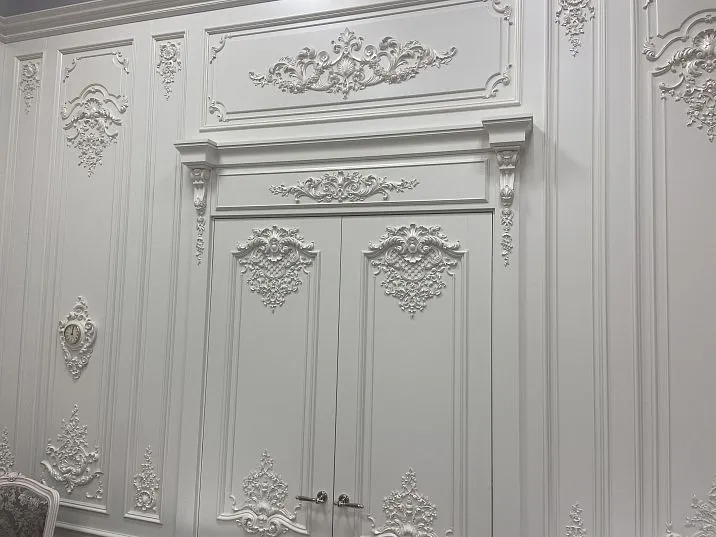
Architectural beauty begins with details. And if you decided to buy door frame trimyou stand at the threshold of a transformation that can turn an ordinary dwelling into a work of designer art. Each element of this architectural composition — like a note in the symphony of the interior — creates harmony of space and emphasizes the status of the owner.
In today's world, where individuality is valued above all else, the right choice of trim becomes the home's calling card. It speaks of your taste, understanding of beauty, and pursuit of perfection. Isn't it remarkable how one architectural element can radically change the perception of the entire space?
The Art of Selection: What to Pay Attention To When Buying




Material Foundations of Quality
When it comes to choosing trim, material becomes the decisive factor not only in aesthetic qualities but also in the durability of the product. Natural hardwoods — oak, beech, walnut — remain the standard of quality and prestige. Each species has unique characteristics that affect the appearance and performance of the finished product.
Oak — king among wood species used in architectural decoration. Its dense structure and expressive texture create a sense of monumentality and timeless elegance. Oak door frame trim can serve for centuries, acquiring a noble patina over time that only enhances its aristocracy.
Beech is distinguished by light tones and expressive wood grain patterns. This species is ideal for modern interiors, where the combination of functionality and natural beauty is valued. The high strength of beech allows creating thin, elegant profiles without sacrificing structural reliability.
Walnut — a symbol of luxury in woodworking. Its rich color palette — from light brown to deep chocolate — creates a warm, cozy atmosphere. Walnut's excellent workability allows craftsmen to create intricate carved compositions with minute details.
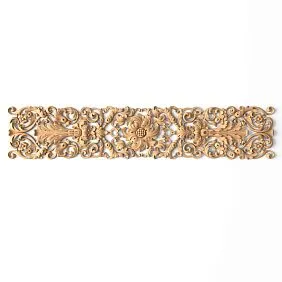
Our factory also produces:




Modern Composite Solutions
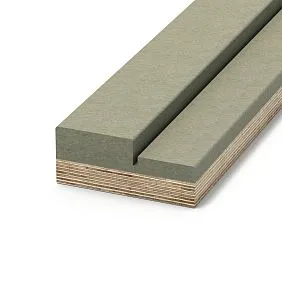
Technological progress offers alternatives to traditional materials, which in some cases surpass them in performance characteristics. Paintable Molding High-density MDF demonstrates an excellent price-to-quality ratio.
MDF is made from wood fibers bonded with natural resins under high pressure. The result — a material with uniform structure, stable dimensions, and ideal surface for any type of finish. The absence of knots, cracks, and internal stresses makes MDF predictable in processing and reliable in use.
Polyurethane compositions open up limitless possibilities for creating complex decorative forms. The injection molding technology allows reproducing the finest details of historical samples, creating original compositions of any complexity. Polyurethane is resistant to moisture, temperature fluctuations, and biological damage — qualities unattainable for natural materials.
Get Consultation
Stylistic Diversity: Find Your Direction
Classical Canons
Classical style in architectural decoration is based on principles developed over millennia. Strict proportions, mathematically precise ratios, and the use of the order system create a sense of stability and eternity. Door Frame Trim in classical style will never go out of fashion.
Doric order is characterized by strictness and minimalism. Its elements — triglyphs, metopes, dentils — create a rhythmic structure perceived as a musical composition. Such trim is suitable for spacious rooms where it is important to emphasize the solemnity and significance of the space.
Ionic order is more elegant and decorative. Characteristic volutes, ovals, palmettes add lightness and elegance to the composition. Ionic trim looks wonderful in living rooms, offices, libraries — spaces where the atmosphere of refinement and intellectuality is important.
Corinthian order — the pinnacle of classical decoration. Acanthus leaves, rosettes, complex capitals create a rich play of light and shadow. Such trim requires appropriate surroundings — high ceilings, spacious rooms, quality furniture.
Modern Interpretations
Modern design offers a fresh perspective on architectural decoration. Minimalism, high-tech, Scandinavian style — each direction has developed its own approaches to door frame trim. When you plan to buy door frame trimit is important to understand the specifics of each style.
Minimalist trim is characterized by extreme simplicity of forms. There is no room for decorative excesses — every line is functionally justified, every surface is perfectly finished. The quality of materials and flawless execution compensate for the absence of decorative elements.
Scandinavian style brings a sense of northern coziness to the interior. Light wood species, simple forms, natural colors create a feeling of harmony with nature. Functionality is the key principle of Scandinavian design, so trim often includes practical elements — shelves, hooks, hidden storage systems.
Loft offers an industrial aesthetic, where rough materials and deliberately simple forms create a unique atmosphere. Metallic trim, deliberately simple processing, visible fastening elements — all of this emphasizes the industrial character of the style.
Technical Aspects of Selection and Purchase
Dimensional Parameters and Calculations
Correct calculation of trim dimensions is the foundation of a successful project. The width of the casing should harmoniously relate to the size of the opening and the overall proportions of the room. Standard width ranges from 70 to 120 millimeters, but may vary depending on the architectural solution.
The height of the trim is determined not only by the size of the opening but also by the ceiling height. In rooms with high ceilings, more substantial trim can be used, while in standard apartments, lighter, more elegant solutions are preferable.
The depth of the profile affects the expressiveness of the trim. Deep profiles create a rich play of light and shadow, but require appropriate room scale. Shallow profiles are more versatile, but may disappear in spacious interiors.
Quality Characteristics
When choosing trim, attention should be paid to the quality of manufacture. The surface should be perfectly smooth, without chips, cracks, or roughness. The geometry of the profile should be precise — any deviations will be noticeable after installation.
Wood moisture content is a critically important parameter. Properly dried wood (8-12% moisture) guarantees dimensional stability and absence of deformation during use. Under-dried wood may lead to warping, cracking, and misalignment of joints.
The quality of joint assembly determines the durability of the entire structure. Corner joints must be precisely executed, without gaps or misalignment. Modern technologies — dowel joints, insert dowels, special adhesives — ensure strength and longevity of the structure.
Purchase Process: From Idea to Implementation
Planning and Preparation
Successful purchase begins with careful planning. Define the style of the future frame, select materials, calculate dimensions. Measure all openings planned for finishing — dimensions may vary even within one room.
Create a technical specification including dimensions, materials, stylistic requirements, budget constraints. The more detailed the technical specification, the more accurately the finished product will match your expectations.
Review the portfolios of potential suppliers. Quality manufacturers are always ready to show examples of their work, provide material samples, and explain their production technologies. Doorway Molding and Framing from reputable manufacturers guarantee high quality and durability.
Supplier Selection
Manufacturer's reputation is a guarantee of product quality. Study customer reviews, assess the company's experience, and check for in-house production. Serious manufacturers provide warranties on their products, have service departments, and are willing to take responsibility for quality.
Having in-house production allows controlling quality at all stages, offering customized solutions, and ensuring reasonable manufacturing timelines. Brokers often cannot guarantee quality since they do not control the production process.
The technical equipment of the production facility affects quality and the ability to manufacture complex items. Modern CNC machines, professional drying equipment, and quality materials are the foundation of quality products.
Logistics and Delivery
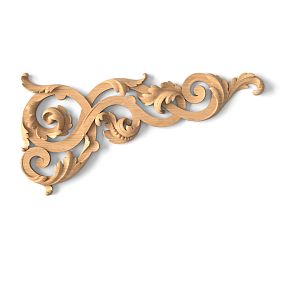
Proper logistics organization is an essential component of a successful purchase. Corner decorative elements and other framing components require careful transportation. Ensure the supplier has experience delivering similar items.
Packaging must provide protection against mechanical damage, moisture, and temperature effects. Quality packaging is a sign of serious commitment to the product. Poor packaging may result in damage during transportation.
Cargo insurance protects against financial losses in case of damage during transportation. Serious companies always offer insurance for valuable cargo.
Installation and Integration into Interior
Preparatory Work
Quality installation begins with preparing the openings. Walls must be leveled, old finishes removed, and primed with primer. Even minor irregularities can cause problems when installing precisely manufactured framing.
Checking the geometry of openings is a mandatory preparation step. Deviations from right angles, differences in opposite side dimensions may require adjustments during installation. Professional installers always conduct thorough measurements before starting work.
Preparing tools and materials for installation includes selecting fasteners, adhesives, and measuring tools. The quality of installation largely depends on the correct selection of consumables.
Installation Technology
Modern technologies offer various ways to mount frames. Mechanical fastening with self-tapping screws ensures maximum reliability but requires careful marking and careful execution. Hidden fastening creates a more aesthetic result but requires special skills.
Adhesive mounting is suitable for lightweight elements made of composite materials. Modern construction adhesives have high adhesion, allowing the creation of strong and durable connections. It is important to properly prepare surfaces and follow adhesive application technology.
Combined mounting combines mechanical and adhesive connections, providing an optimal balance of reliability and aesthetics. This approach is especially effective for heavy wooden frames.
Final Finishing
The quality of final finishing determines the final impression of the installed frame. Joint filling, sanding, priming — each stage requires a professional approach.
Modern joint compounds allow creating perfectly smooth surfaces, indistinguishable from monolithic material. It is important to properly select the compound by color and properties of the base material.
Priming ensures strong adhesion of the final coating to the substrate, equalizes the absorbency of different areas. Quality primers contain special additives that improve adhesion and coating durability.
Economic Aspects of Investments
Budget Planning
The cost of framing consists of many components: design, materials, manufacturing, delivery, installation, finishing. Each item requires careful analysis to optimize overall costs without compromising quality.
Material is the main cost item. Premium wood species, complex processing, and custom design increase cost but ensure exceptional quality and uniqueness. Window and Door Framing made from modern composite materials may be more economical while maintaining high aesthetic quality.
Manufacturing complexity directly affects cost. Simple profiles are produced faster and cheaper than complex carved compositions. Mass production allows reducing unit cost, while custom orders require greater investment.
Long-Term Efficiency
Quality framing is a long-term investment that pays off not only aesthetically but also through real increases in property value. Studies show that properties with quality architectural decoration are valued 15-25% higher than similar properties.
Durability of quality materials and proper installation ensures savings on maintenance and repairs. Oak framing can last for centuries without losing aesthetic qualities, making initial investments economically justified.
The possibility of restoration and modernization extends the lifespan of quality framing. When interior design changes or taste preferences shift, elements can be restored, repainted, or supplemented with new details.
Modern Trends and Innovations
Ecological Aspects
Modern consumers increasingly pay attention to ecological aspects of products. Certified wood from sustainably managed forests, non-toxic coatings, and minimizing production waste are important selection criteria.
FSC and PEFC are international certification systems for wood products, guaranteeing compliance with ecological standards at all production stages. Products with these certifications confirm responsible attitude toward nature.
Waste recycling, use of renewable energy sources, local production to reduce transportation costs — all this contributes to creating more eco-friendly products.
Technological Innovations
Digital technologies fundamentally change the process of creating architectural decoration. 3D modeling allows visualizing the future product, assessing it in the context of the real interior, and making adjustments before production begins.
CNC machines provide the highest precision of processing, enabling the creation of complex geometric shapes. Production automation improves quality and reduces product cost.
New materials — composites with specified properties, nanomaterials, smart coatings — open new possibilities for architectural decoration. Such materials can change their properties depending on operating conditions.
Practical Recommendations for Selection
Needs Analysis
Before making a decision to buy door frame trim, carefully analyze your needs and capabilities. Define the interior style in which the framing should fit. Assess room sizes, ceiling heights, and floor plan characteristics.
Budgetary possibilities determine the choice of materials and product complexity. Do not save on the quality of primary materials — it is better to choose a simpler shape from quality material than a complex item made from cheap raw material.
Operational requirements influence the choice of materials and coatings. For humid areas, choose moisture-resistant materials; for children's rooms — environmentally safe coatings.
Consultations with Professionals
Experienced designers and architects can provide valuable advice on style, materials, and proportions of framing. Their professional perspective will help avoid mistakes and create a harmonious composition.
Consultations with manufacturers will help understand technical capabilities, manufacturing timelines, and installation specifics. Serious manufacturers are always ready to share experience and provide professional advice.
Studying completed projects gives an idea of the possibilities of different solutions. Visiting exhibition halls, reviewing catalogs, and studying online resources help form a correct understanding of quality and capabilities.
After-Sales Service and Warranties
Warranty Obligations
Serious manufacturers provide warranties on their products, confirming confidence in quality. Warranty obligations must be clearly stated in the contract, including terms, conditions, and procedures for claims.
Warranty covers materials, manufacturing quality, and compliance with technical specifications. It is important to understand that warranty does not cover damage caused by improper use or mechanical impacts.
Documenting warranty obligations protects the buyer's interests. All conditions must be written down and signed by both parties.
Service Maintenance
Quality framing can serve for decades with proper care. Manufacturers often offer preventive maintenance, restoration, and modernization services for products.
Care recommendations help extend the lifespan of framing. Proper cleaning, timely renewal of coatings, and protection against mechanical damage are the foundation of durability.
The possibility of modernization allows adapting framing to changing needs. Replacing individual elements, adding new details, or changing color schemes help maintain design relevance.
When you make a decision to buy door frame trimModern technologies and materials open boundless opportunities for creativity. From classic forms to avant-garde solutions — everyone can find an option that suits their taste and needs. The key is to choose a reliable supplier who guarantees product quality and professional service.
Decorative ornaments
The company STAVROS embodies the highest standards of quality in architectural decoration production. Our long-standing expertise, modern equipment, and team of professionals guarantee exceptional quality of each item. We understand that choosing a frame is choosing a lifestyle, and we are ready to offer solutions that exceed your expectations and create a unique atmosphere in your home.


