Article Contents:
- 1. History and Development of Interior Design Culture
- 1.1. Antiquity: Symmetry and Grandeur
- 1.2. Middle Ages: Massiveness and Symbolism
- 1.3. 19th–20th Centuries: From Luxury to Functionality
- 2.1. Minimalism and Functionality
- 2.2. Eclecticism and Combination of Styles
- 2.3. Sustainable Design and Ecology
- Conclusion
Interior design culture is not merely a choice of furniture and finishing materials, but a deep process reflecting aesthetic preferences, traditions, historical development, and the worldview of people. In different countries and eras, the approach to space design was shaped by architectural styles, available materials, craft traditions, and cultural values.
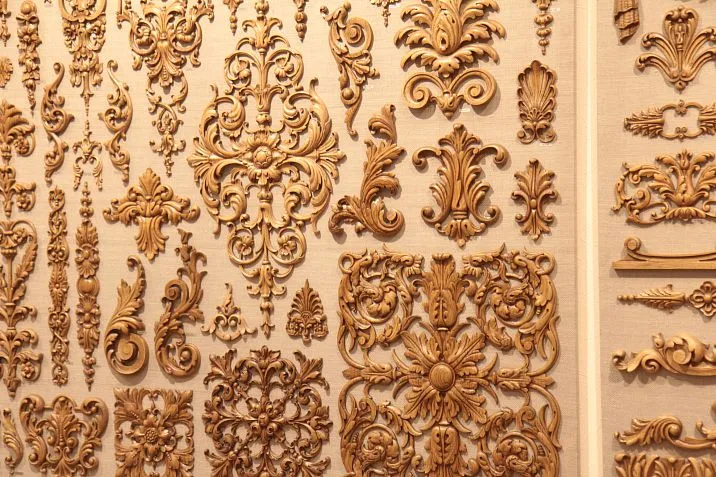
Modern interior design is a balance between functionality and aesthetics, where zoning, color palette selection, materials, and decorative elements play an important role. The use of moldings, cornices, and decorative panels allows creating a stylish and complete interior that meets modern comfort requirements.
How did interior design culture develop? Which traditions have survived to this day? How to choose the right elements to create a harmonious and functional space?


1. History and Development of Interior Design Culture
Interior design has a multi-century history closely linked with architectural styles and technological advancements.




1.1. Antiquity: Symmetry and Grandeur
In antiquity (Ancient Egypt, Greece, Rome), interiors were created according to strict canons.
● In Ancient Egypt, stone columns, wall paintings, and heavy furniture were used.
● Greek interiors were characterized by symmetry, simplicity of forms, and ornamental painting.
● In Ancient Rome, frescoes, mosaics, and moldings appeared, elements of which are still used in classical interiors.
Modern application: use of columns and pilasters in classical interiors.
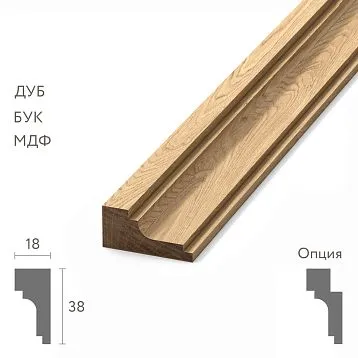
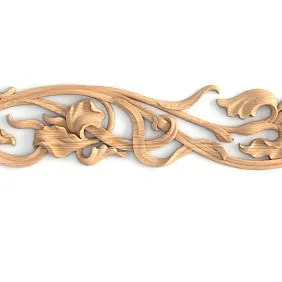
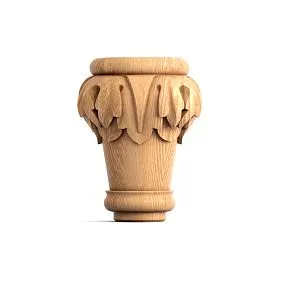
Our factory also produces:


1.2. Middle Ages: Massiveness and Symbolism
Medieval interiors were characterized by strictness, massiveness, and use of natural materials.
● In Gothic architecture, arches, stained glass, and carved wooden elements played an important role.
● In Eastern cultures, complex ornaments, inlays, and carving were used.
● Renaissance palaces were adorned with moldings, luxurious fabrics, stone and wooden panels.
Modern application: use of decorative appliqués and trim for decorating doors and furniture.
Get Consultation
1.3. 19th–20th Centuries: From Luxury to Functionality
With the development of industry and new materials, interior design became more accessible and diverse.
● In the Baroque and Rococo periods, interiors were decorated with gilded moldings, mirrors, and decorative panels.
● Classicism and Empire introduced clear forms, strict lines, columns, and cornices.
In the early 20th century, modernism, art deco, and functionalism emerged, changing the approach to interior design.
Modern applications: cornices, rose petals, moldings in contemporary interiors help create stylish accents and add depth to the space.
2. Modern principles of interior design
2.1. Minimalism and functionality
Modern interiors strive for simplicity and functionality.
● Minimal decorative elements, but high-quality finishing materials.
● Neutral colors, use of natural textures.
● Proper lighting and hidden storage systems.
Tip: Use thin moldings to create geometric lines on walls.
2.2. Eclecticism and combination of styles
Many modern interiors are built on mixing styles and materials.
● Classical moldings combined with modern panels.
● Use of mirrored and metallic elements.
● Combination of vintage furniture and new technological solutions.
Tip: Decorating walls with decorative panels creates a unique effect.
2.3. Sustainable design and eco-friendliness
Modern interior design culture increasingly focuses on eco-friendliness and durability of materials.
● Natural wood, stone, gypsum and polyurethane decorative elements.
● Use of eco-friendly paints and coatings.
● Long-lasting solutions instead of temporary trends.
Tip: Polyurethane elements are eco-friendly, durable, and allow creating quality interiors without harming the environment.
Conclusion
Interior design culture is not just a set of design solutions, but a reflection of historical heritage, aesthetic preferences, and modern technologies. Each style, each element, from ancient columns to minimalist solutions, forms a unique space where traditions, functionality, and comfort blend together.
Modern interior is a balance between history and innovation, where classical moldings and cornices can coexist with modern materials, and moldings emphasize the elegance of the space. Properly chosen decorative elements allow creating a space that not only reflects individual style but also ensures comfort, durability, and aesthetic pleasure.
Using high-quality, durable, and stylish decorative solutions helps not only to decorate interiors but to create an atmosphere that will inspire, delight, and provide comfort for many years. Modern polyurethane products allow easily adapting interiors to any style—from luxurious classic to minimalist modern—while preserving aesthetics and comfort.
A well-designed interior is not only visually appealing, but also a space where it is pleasant to live, work, relax, and find inspiration every day.