Article Contents:
- The Mise-en-scène of Home Space
- Emotional Portals: How Classic Design Speaks to Different Generations
- Young Generation: Classic as Instagram Decoration with History
- Middle-Aged Families: Classic as an Investment in Stability
- Senior Generation: Classic as a Return to Roots
- Cultural Eras as Sources of Inspiration
- The English Cabinet of the 19th Century: Atmosphere of a Gentlemen’s Club
- The French Salon of the 18th Century: Elegance and Lightness
- Russian Noble Estate: Scale and Depth
- Modern Turn: Classic in Contemporary Context
- Classic and Minimalism: Dialogue of Eras
- Eclecticism as an Artistic Method
- Masterpiece as a Form of Art
- Carving as Sculpture in Wood
- Patina as Painting on Wood
- Color Palette as Emotional Code
- Noble Tone of Natural Wood
- Fabric Color as Interior Mood
- Lighting as Spatial Direction
- Accessories as Final Touches
- Multi-level lighting
- Light Accents
- Textiles as Brushstrokes
- Decorative Items as Characters of History
- Spring Freshness
- Seasonal transformations of the interior
- Psychology of Perceiving Classic Interiors
- Summer abundance
- Autumn Warmth
- Winter Luxury
- Status and Self-Assertion
- Effect of Historical Presence
- Investment Value of Classic Furniture
- Antique Perspective
- Antique Perspective
- Family Heritage
- Ecological Aspects
- Sustainable forestry
- Durability as eco-friendliness
- Regional Characteristics of Classical Styles
- Italian elegance
- French Refinement
- English Solidity
- Specialized Picture Frame Solutions
- Ergonomic Improvements
- Functional additions
- Conclusion: The Heritage We Create

In the age of digital technology, when everything strives for simplicity and minimalism, when lofts with concrete walls are considered the pinnacle of design thinking, and gadgets replace live communication, a paradoxical question arises: why does a person repeatedly turn to classicism? Why, in a world where the philosophy 'less is more' reigns, do we long for the elegant curves of a Baroque chair, the noble patina of an antique chest, the grandeur of an ornate table?
The answer is simple and complex at the same time: classical furniture is not just a chair to sit on or a table to eat at. It is a small Versailles in your home, a personal Hermitage, where each item tells a story not only of the tastes of the era but also of the soul of its owner. It is art that does not hang on the wall behind glass, but lives beside you, participates in your daily rituals, becomes decor for the theater of your life.
When we speak of furniture as art, we open a completely new dimension of spatial perception. The interior ceases to be merely a functional space and transforms into a stage where the drama of human relationships, the comedy of everyday life, and the lyrical poem of family happiness unfold.


Classicism as Theater in the Interior: When Furniture Becomes Stage Design
Imagine a theater without decorations — an empty stage where actors deliver monologues before gray walls. That is exactly what a home without soul, without character, without classical furniture looks like — furniture capable of transforming ordinary housing into a work of art.
An interior in the classical style is a grand spectacle, where each item plays its own role. An ornate chair is not just a place to sit — it is a throne on which every inhabitant of the home feels like a king of their own space. A massive dining table is not just a surface for eating — it is an altar of family traditions, around which legends are born and passed down from generation to generation.
A vitrine cabinet with mirrored inserts is not just a storage system, but a gallery of memories, where each shelf tells its own story through porcelain figurines, antique books, family photographs in silver frames. Classic Furniture STAVROS understands this spatial dramaturgy and creates items capable of becoming the main characters of the interior theater.




The Mise-en-scène of Domestic Space
In theater, mise-en-scène refers to the positioning of actors on stage, their movements, and their interactions. In interior design, solid wood furniture performs the same function: it creates composition, directs movement, and shapes the mood of the space.
A fireplace in the living room is not just a source of heat — it is the central axis around which the entire composition is built. Chairs are arranged facing it, forming a semicircle — a miniature ancient theater, where every evening a play of family communication unfolds. A coffee table becomes stage props, holding evening lighting, books, cups of aromatic tea.
A console table against the wall is not just a decorative stand — it is the stage curtains of the theater, where 'decorations' are placed: a mirror in a gilded frame (it expands the space, like a stage backdrop), elegant candlesticks (they create intimate stage lighting), fresh flowers in a crystal vase (they add picturesque beauty to the scene).
Our factory also produces:


Emotional Portals: How Classicism Speaks to Different Generations
The remarkable feature of elite classical furniture is its ability to resonate with the hearts of people of different ages and life experiences. It speaks to each person in their own language, awakening those strings of the soul that resonate with personal history and dreams.
Get Consultation
Young Generation: Classicism as Instagram Decoration with History
For a generation raised in the era of social networks, classical furniture opens the opportunity to create unique visual content. In a world where millions of identical Scandinavian interiors have flooded Instagram feeds, an 18th-century carved chair or an Empire-style writing desk becomes a true find.
But this is not just a pretty background for selfies. It is a way to tell a story, show the depth of one’s personality, demonstrate understanding of cultural codes. A young person choosing Furniture and interior items in the classical style, declares: 'I am not just a trend consumer — I am an heir to a great cultural tradition.'
Classical furniture for the young is a form of self-expression, a way to stand out from the crowd, create a personal brand. When everyone around chooses IKEA, selecting an antique chest or a Baroque chair becomes an act of artistic rebellion, a manifesto of individuality.
Middle-Aged Families: Classicism as an Investment in Stability
For those who have already built careers and created families, modern classicism represents a completely different value. It is not just furniture — it is a material embodiment of achieved success, a symbol of stability and solidity.
By purchasing quality classical furniture, they invest in the future of their children. This is furniture that will not go out of fashion in a few years, won’t break from children’s play, won’t lose its appearance from daily use. It is a heritage that can be passed on to the next generation — not just as material value, but as a carrier of family history.
A dining table where thousands of family dinners have taken place becomes a witness to children’s growth, a participant in family councils, a keeper of secrets and traditions. A living room chair remembers a child’s first steps, evening story readings, heartfelt conversations with growing children.
Senior Generation: Classic as a Return to Roots
For mature individuals, classic furniture is a bridge to the past, a connection to cultural roots, a respect for craftsmanship traditions. They remember times when furniture was made 'for centuries,' when each piece was the result of a craftsman's painstaking labor.
By choosing classic furniture, they are not merely purchasing items — they are supporting craft traditions, showing respect for cultural heritage, and demonstrating an understanding of true values. For them, it is not trendy fads, but eternal principles of beauty, rooted in humanity's multi-century experience.
Cultural Eras as Sources of Inspiration
Each style of classic furniture is a window into a specific era, a portal to a world where different values, aesthetics, and understandings of beauty and comfort prevailed. Choosing a particular style is not merely furnishing a home — we are creating our own time machine, allowing us to travel daily to our favorite historical epoch.
19th Century English Cabinet: Atmosphere of a Gentlemen's Club
Dark oak, leather-bound books, subdued lighting from a table lamp under a green shade — English classicism creates an atmosphere of solidity and respectability. This is the world of gentlemen's clubs, where important matters were discussed over a glass of whiskey, where every interior detail spoke of the owner's status and education.
A writing desk made of dark wood with brass inlays, a leather chair with a high back, a bookcase with glass doors — these items create a space conducive to serious contemplation, important decisions, and intellectual work. Here, one wishes to write memoirs, study philosophy, and plan the future.
18th Century French Salon: Elegance and Lightness
Gilded carving, pastel upholstery tones, elegant curves of furniture in the rococo style — French classicism embodies the principles of the Age of Enlightenment. This is the world of refined salons, where poets and philosophers gathered, where the art of conversation was valued no less than poetry.
A small card table, a bergere chair with soft arms, an elegant console with marble top — this furniture creates an atmosphere of refined leisure, cultural interaction, and aesthetic enjoyment. In such an interior, one wishes to host literary evenings, musical salons, and philosophical debates.
Russian Nobleman's Estate: Scale and Depth
Massive furniture made of birch and oak, simple yet noble forms, natural linen fabrics — Russian classicism reflects the characteristics of the national character. This is a world where solidity and hospitality were prized, where the home was not merely a dwelling, but the center of social life.
A large dining table capable of seating the entire extended family and guests, wide chairs with soft cushions, a spacious buffet with family porcelain — this furniture creates an atmosphere of hospitality and openness. Here, one wishes to host long family dinners, welcome friends, and engage in unhurried conversations about life.
Modern Turn: Classicism in Contemporary Context
One of the most common misconceptions about classic furniture is viewing it as a museum exhibit requiring a corresponding 'historical' setting. In reality, modern classicism harmonizes beautifully with the most current design trends, creating unexpected and striking combinations.
Classic and Minimalism: Dialogue of Eras
A single carved 18th-century table in a pristine minimalist living room transforms an ordinary space into a world-class interior. The contrast between ornate carving and sleek modern forms creates visual drama, where each element acquires special significance.
Modern designers increasingly use the principle of 'one accent': in a neutral space, one striking classic piece is placed, becoming the compositional center of the entire interior. This may be an antique chair, a vintage chest, a carved mirror facade — any item capable of telling a story.
Modern Furniture STAVROS understands this trend and creates pieces that easily integrate into current interiors while preserving their classic soul.
Eclecticism as an Artistic Method
The modern approach to interior design implies bold combinations of different styles and eras. A baroque chair may sit beside a Scandinavian table, and a classic chest may be paired with a contemporary designer lamp. The key is to find a unifying idea, a common denominator, that will harmoniously bind disparate elements into a cohesive whole.
This unifying principle may be color, material, form, or a cultural idea. For example, the theme 'travels through time' allows combining furniture from different eras, while the principle 'natural materials' unites wooden classicism with modern furniture made from ecological materials.
Craftsmanship as a Form of Art
Behind each piece of elite furniture stands a person — a craftsman who invests not only professional skills but also a part of their soul into their creation. In an age of mass production, handcrafted furniture becomes especially valuable, transforming from a mere household item into a piece of applied art.
Carving as Sculpture in Wood
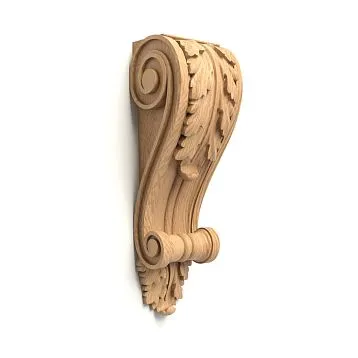
Each carved element of classic furniture is a miniature sculpture created by the master's hands. Floral ornaments on the back of a chair, heraldic symbols on the front of a chest, mythological creatures on the legs of a table — all these details transform a functional item into an object of art.
STAVROS masters possess traditional woodworking carving techniques passed down from generation to generation. Each swirl, each leaf is carved by hand, making every item unique and irreplaceable. Even when producing furniture based on a single pattern, the master cannot precisely replicate every carving detail — the artist's hand always brings something personal, individual.
Patination as Painting on Wood
The art of patination — creating an artificial 'patina of time' — requires not only technical skills but also artistic intuition. The master must understand how wood behaves with aging, where natural wear occurs, and how the color of wood changes under the influence of time.
A good patiner is an artist who paints not with colors on canvas, but with special compounds on wood. He creates an illusion of history, making new furniture resemble antique pieces, while preserving all the advantages of modern production — durability, functionality, compliance with contemporary comfort standards.
Color palette as an emotional code
Color in classic furniture is not just a decorative element, but a powerful tool for creating mood and atmosphere. Each shade carries a specific emotional load, evokes specific associations, and forms the psychological climate of the space.
Noble palette of natural wood
Furniture made of solid wood in natural wood tones creates a sense of closeness to nature, eco-friendliness, and a healthy lifestyle. Warm honey tones of pine evoke memories of sunny summer days, deep chocolate tones of oak are associated with reliability and solidity, while light birch tones create a feeling of freshness and purity.
Each type of wood has its own character, its own energy. Oak represents masculinity and strength, beech — practicality and longevity, walnut — elegance and nobility. Choosing furniture made of a specific type of wood is not just selecting a color, but also shaping the character of the space.
Fabric color as the mood of the interior
Textile in classic furniture plays the role of a color accent, which can radically change the perception of the entire interior. Deep burgundy velvet creates an atmosphere of aristocratic luxury, delicate blue silk evokes a sense of lightness and dreaminess, strict gray linen conveys respectability and restraint.
An interesting technique — using two contrasting colors in one piece of furniture. For example, a chair made of dark wood with bright upholstery becomes an accent element in a neutral interior, while light furniture with dark textile creates a sense of depth and drama.
Lighting as the direction of space
In theater, light is one of the main tools for creating atmosphere. The same applies to interiors with classic furniture. Proper lighting can transform an ordinary room into a grand hall, while poor lighting can ruin even the most beautiful furniture.
Multi-level lighting
Classic interiors require a complex lighting score, where each light source plays its own role. A central chandelier creates general festive lighting, table lamps create an intimate atmosphere for reading or conversation, display lighting highlights collectible items, candles add romance and mystery.
It is important to remember that classic furniture 'loves' warm light, which emphasizes the nobility of natural materials and creates a cozy atmosphere. Cold white light can make even the most beautiful furniture lifeless and unwelcoming.
Lighting accents
Directed lighting allows creating lighting accents, highlighting the most beautiful pieces of furniture. Underlighting an ornate headboard transforms it into a work of art, soft light on the facade of an antique chest highlights the beauty of patina, spotlights above paintings create a museum exhibition effect.
Accessories as finishing touches
Classic furniture is the foundation, the canvas, on which the artistic composition of the interior is created. But for this composition to come alive with all its colors, properly chosen accessories — those small details that transform a furnished room into a living, inhabited space — are necessary.
Textile as painterly strokes
Curtains, cushions, blankets, tablecloths — all of this is not just functional elements, but tools for creating mood. Heavy velvet curtains with tassels and valances create a theatrical atmosphere, light linen drapes — a sense of home comfort, silk drapes with gold embroidery — palace luxury.
Cushions and blankets allow easily changing the color accents of the interior depending on the season or mood. In summer, these can be fresh blue and green tones, in winter — warm red and gold shades.
Decorative items as characters in a story
Each vase, each figurine, each photo frame tells its own story and adds personality to the interior. Antique clocks on the mantelpiece speak of respect for tradition, a collection of old books — of the owner's intellectual interests, family photos in silver frames — of strong family ties.
It is important to remember the principle 'less is more'. It is better to have a few truly beautiful and meaningful items than to clutter shelves with numerous random objects.
Seasonal transformations of the interior
One of the advantages of classic furniture is its ability to serve as a basis for seasonal changes in the interior. By changing textiles, accessories, and decorative elements, one can create a completely different mood while remaining within the framework of a single style.
Spring freshness
In spring, a classic interior can be refreshed with light pastel-toned fabrics, vibrant flowers in elegant vases, sheer curtains that let in more natural light. Heavy winter blankets are removed, replaced by light linen or cotton coverings.
Summer abundance
In summer, the interior is filled with vibrant natural colors. This is the time for bold color combinations, abundance of living flowers, light natural fabrics. Classic furniture serves as a calm foundation for this riot of colors.
Autumn Warmth
Autumn — the time of warm, rich colors: gold, orange, burgundy. Plush wool blankets, candles in beautiful candlesticks, compositions of dried flowers and branches appear.
Winter Luxury
In winter, a classic interior becomes especially cozy and luxurious. Heavy velvet fabrics, fur, the gleam of gold and silver create a sense of festivity and grandeur.
Psychology of Perceiving Classic Interior
Classic furniture affects a person on a deep, almost subconscious level. Symmetry and proportions based on the principles of the golden ratio are perceived as harmonious and calming. Natural materials create a sense of connection with nature. Hand-carved ornamentation reminds one of human warmth and craftsmanship.
The Effect of Historical Presence
Surrounded by classic furniture, a person subconsciously feels a connection to history and cultural traditions. This creates a sense of stability, rootedness, belonging to something greater than fleeting concerns.
Status and Self-Assertion
Classic furniture is traditionally associated with high social status, education, and cultural refinement. Surrounding oneself with such items subconsciously boosts one’s self-esteem and makes one feel part of society’s elite.
Investment Value of Classic Furniture
Unlike mass-produced furniture, which quickly loses value and deteriorates, quality classic furniture only increases in value over the years. It is not subject to fashion trends, does not become outdated morally, and with proper care can serve for centuries.
Antique Perspective
Modern quality classic furniture is the antiques of tomorrow. In 50-100 years, pieces by leading contemporary craftsmen will be valued by collectors as highly as we value furniture from the 18th-19th centuries today.
Family Heritage
Classic furniture is something that can and should be passed down as heritage. Grandfather’s chair, grandmother’s chest of drawers, the family dining table — these items become keepers of family history, material symbols of generational connection.
Ecological Aspects
In an era of growing ecological awareness, classic furniture made of natural wood represents an ecologically responsible choice. Unlike furniture made of MDF or particleboard containing formaldehyde resins, solid wood is completely safe for health.
Sustainable Forestry
Responsible manufacturers of classic furniture use wood from sustainably managed forests, where logging is offset by new plantings. This ensures resource renewability and preservation of forest ecosystems.
Durability as Eco-friendliness
Furniture that serves for decades does not require frequent replacement, reducing environmental impact. One quality oak table may last as long as ten cheap analogs made from composite materials.
Regional Characteristics of Classic Styles
Each country and region has contributed to the development of classic furniture styles. Understanding these characteristics helps create more authentic and expressive interiors.
Italian Elegance
Italian classicism is characterized by elegant lines, noble materials, and perfect proportions. Venetian masters were renowned for their ability to create furniture that appeared light and airy, despite its substantial construction.
French Refinement
French furniture of the 18th century is the epitome of elegance and refinement. The Rococo style, with its asymmetrical ornamentation and pastel tones, and the Empire style, with its strict symmetry and classical motifs — each period of French history produced its masterpieces in furniture art.
English Solidity
English classicism is above all reliability and solidity. Furniture made of mahogany, leather upholstery, strict forms — all of this creates an atmosphere of respectability and stability.
Modern interpretations of classical forms
Modern designers do not blindly copy classic models, but creatively reinterpret them, adapting them to the needs of contemporary life. This allows preserving the spirit of classicism while making it more practical and comfortable.
Ergonomic Improvements
Modern classic furniture takes into account ergonomic advancements. Chairs and stools are designed according to human anatomical features, tables according to optimal working height, and beds according to requirements for healthy sleep.
Functional Additions
Classic forms are complemented by modern functional solutions: built-in storage systems, hidden lighting, transformation mechanisms. This makes furniture more convenient to use, without compromising its aesthetic integrity.
Conclusion: The Legacy We Create
In a world where everything changes at dizzying speed, where yesterday’s novelties become antiquities tomorrow, classic furniture remains an island of stability and beauty. It reminds us that there are timeless values — craftsmanship, beauty, quality — that are not subject to time.
Choosing classic furniture, we are not simply furnishing a home. We are creating a space for the lives of our children and grandchildren, laying the foundations of family traditions, shaping a cultural environment in which future generations will grow. We become custodians of cultural heritage and, at the same time, its creators.
Every item Classic Furniture by STAVROS — This is not just a purchase, it is an investment in beauty, quality, and the future. It is a choice in favor of what matters, what will be valued a century from now, what will become part of family history and national cultural heritage.
In the end, we are all temporary owners of beautiful things. But by choosing quality, beautiful, soulful furniture, we ensure its preservation for future generations. We become a link in the chain of cultural continuity, connecting the past with the future through the beauty of the present moment.
STAVROS understands this responsibility and creates furniture worthy of becoming heritage. Every piece from the company is an artwork, crafted to delight not just one generation of people who value beauty, quality, and cultural traditions.