Article Contents:
- History of sandroik: from antiquity to our days
- Morphology of sandroik: anatomy of architectural perfection
- Proportional relationships in the structure of sandroik
- Material science of modern sandroiks
- Innovative compositional solutions
- Stylistic typology of sandroiks
- Modern avant-garde interpretations
- Functional aspects of sandroik application
- Integration with modern facade systems
- Production and installation technology
- Features of installation work
- Operation and Maintenance
- Repair and restoration
- Economic aspects of sandroik application
- Optimization of Design Solutions
- Integration with "smart home" systems
- Regional application specifics
- Adaptation to local traditions
- Conclusion: STAVROS — Craftsmanship Proven by Time
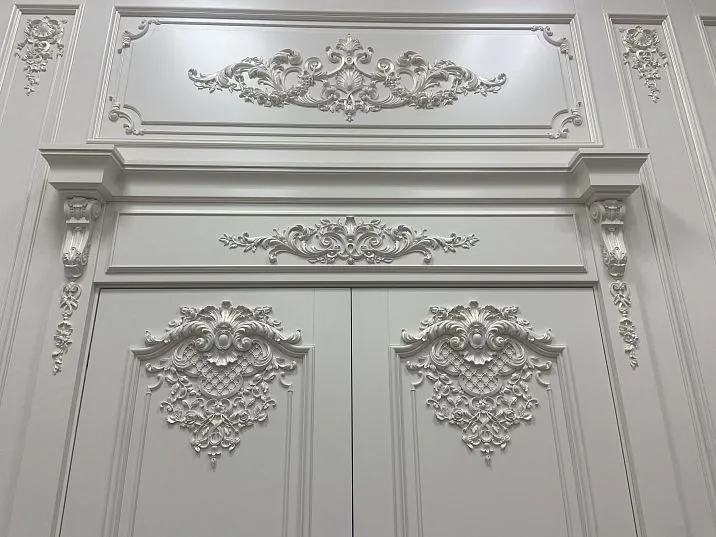
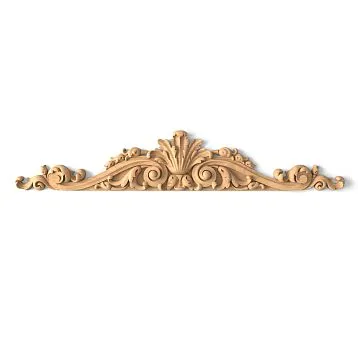
In the world of architectural decoration, there are elements capable of instantly transforming the appearance of a building or interior, bestowing it with nobility and refinement. One such outstanding solution is Sandrok cornice — an architectural detail embodying centuries-old traditions of building art. This element is a horizontal projection crowning door and window openings, creating not only an aesthetic effect but also performing important protective functions.
What makes sandroik so attractive to modern designers and architects? Primarily, it is its unique ability to combine practicality and beauty in a single solution. Cornice in architecture It serves not only decorative purposes — it protects walls from rainwater, prevents facade moisture, and extends the service life of structural components.


History of sandroik: from antiquity to our days
The roots of sandroik go deep into ancient architecture, where this element first received its classical embodiment. Ancient Greek and Roman architects understood the importance of protecting openings from atmospheric influences and created a system of architectural elements that not only solved practical problems but also imparted monumentality and grandeur to buildings.
In classical architecture, sandroik was formed as a continuation of the entablature of the column order, repeating its main elements in miniature. The cornice, frieze, and architrave — these three components created a harmonious composition above each opening. Over time, masters learned to vary the proportions and decorative content of sandroiks, creating unique solutions for each specific case.
The Renaissance gave a new impetus to the development of this architectural element. Italian architects of the 15th-16th centuries, turning to ancient models, reinterpreted them in the spirit of their time. Sandroiks became more plastic, enriched with new decorative motifs, and acquired complex profiling. It was precisely during this period that the main types of sandroiks were formed, which are still used in modern architecture.
Baroque and Classicism introduced their own modifications to the interpretation of this element. Baroque sandroiks were characterized by ornate decoration, complex plasticity, and an abundance of sculptural details. Classicist examples, on the contrary, tended toward formal strictness and noble restraint in ornamentation. These stylistic differences are also evident in modern interpretations sandroik cornice.




Morphology of sandroik: anatomy of architectural perfection
Understanding the structure of sandroik is necessary for its correct application in modern projects. Classical Sandrok cornice consists of several main elements, each performing a specific function and possessing its own aesthetic value.
The base of the sandroik — the architrave — is a horizontal beam directly contacting the upper part of the opening. This element may be smooth or decorated with various profiles. The width of the architrave is determined by the size of the opening and the overall facade style. In modern solutions, the architrave often serves as a base for mounting the entire sandroik structure to the wall.
The middle section — the frieze — provides maximum opportunities for decorative treatment. Here, ornamental compositions, inscriptions, heraldic elements, or sculptural details are placed. The height of the frieze varies depending on the overall proportions of the sandroik and may range from a quarter to half of its total height. Cornice elements In the frieze section, elements must correspond to the scale of the building and the stylistic concept of the project.
The cornice — the actual crown — forms the upper boundary of the sash and creates the characteristic play of light and shadow for it. The cornice profile can be simple or complex, including various classical order fragments. The cornice overhang — a critically important parameter — determines the effectiveness of wall protection against atmospheric precipitation.
Our factory also produces:


Proportional relationships in the sash structure
Harmony of the sash is achieved by observing certain proportional relationships between its elements. The total height of the sash should relate to the opening width according to a specific mathematical progression. For standard-sized door openings, the optimal sash height ranges from one-seventh to one-fifth of the opening width.
The proportions between the sash's components also adhere to established canons. The architrave usually constitutes one-third of the total height, the frieze — from one-third to half, the cornice — the remaining part. These proportions may vary depending on the project's stylistic features, but their radical violation leads to loss of harmony in the entire composition.
The cornice overhang is determined not only by aesthetic but also practical considerations. The minimum overhang should be no less than 50–70 mm to ensure effective protection against oblique rain. In regions with abundant precipitation, this dimension may be increased to 100–150 mm. The maximum overhang is limited by the material's structural capabilities and mounting methods.
Get Consultation
Material science of modern sashes
Modern technologies have expanded the palette of materials for manufacturing sashes while preserving traditional solutions. Natural stone remains the benchmark for durability and prestige, but its application is limited by high cost and significant weight of the structure. Limestone, sandstone, granite, and marble require robust supporting structures and professional installation.
Wood, as a traditional material for architectural decoration, retains its popularity due to ease of processing and relative accessibility. Modern protective coatings allow significantly extending the service life of wooden sashes, but require regular renewal of finishes. Buy a Door Sondrik made from quality timber — a time-tested solution.
Polyurethane-based composite materials have revolutionized the field of architectural decoration. They combine the advantages of traditional materials with the practicality of modern technologies. Polyurethane sashes are resistant to rot, do not crack due to temperature fluctuations, are UV-resistant, and withstand atmospheric exposure.
Metal sashes made from aluminum or steel with protective coatings are used in modern architecture. They feature high strength, minimal weight, and the ability to create complex geometric forms. Powder coating provides a wide color range and long-lasting finish.
Innovative composite solutions
Advancements in materials science have led to hybrid solutions combining the advantages of various materials. Composite sashes with metal frames and polyurethane cladding offer optimal combinations of strength and aesthetic qualities. Such constructions allow creating sashes with large overhangs without risk of deformation or collapse.
The use of modern adhesive compositions and mechanical fasteners expands the possibilities of combining materials. A wooden base can be supplemented with polyurethane decorative elements, a metal frame — clad with natural stone. Such solutions optimize construction cost without sacrificing aesthetic qualities.
Nanotechnologies have contributed to the development of materials for sashes. Self-cleaning coatings reduce maintenance costs, antibacterial additives ensure surface hygiene, UV stabilizers prevent fading and material degradation.
Stylistic typology of sashes
Classical sashes are characterized by strict proportions and noble restraint in decoration. Profiling is based on canonical fragments — quarter-rounds, ogee, gussets, and coves. Decorative elements are borrowed from the arsenal of ancient art: palmettes, rosettes, meanders, acanthus leaves. Color solutions tend toward natural stone shades or noble tones — white, cream, gray.
Baroque interpretations sandroik cornice are distinguished by lush forms and rich decorative content. Curvilinear profiles, complex plasticity, and abundance of vegetal motifs are characteristic. Cartouches, garlands, putti, and allegorical figures are often used. Color palettes may include gilding, polychrome painting, and imitation of precious materials.
The Empire style introduces military symbolism and imperial attributes into sash design. Eagles, laurel wreaths, fasces, and military armor constitute the core of the ornamental repertoire. Proportions strive toward monumentality, profiles are characterized by clarity and definition. Color solutions are based on contrasting combinations — gold on blue, bronze on green backgrounds.
Modernism radically reinterpreted traditional sash forms. Asymmetry, vegetal motifs, fluid lines create a completely new aesthetic. Materials can be combined in unexpected ways — metal with wood, stone with glass. Color solutions tend toward natural tones with emphasis on contrasts and tonal transitions.
Modern avant-garde interpretations
Constructivism simplifies the sash form to geometric abstraction. Simple rectangular blocks, minimalist profiles, absence of decorative elements — these are characteristic features of this direction. Color solutions are monochromatic or based on contrasts of two or three colors.
Minimalism takes constructivist principles to the extreme, practically excluding the sash from the facade composition or reducing it to a thin horizontal line. When present, the sash has a maximally simple geometry and neutral coloring — white, gray, black.
High-tech introduces an industrial aesthetic into sash design. Metal profiles with complex cross-sections, technologically advanced coatings, integration with lighting and ventilation systems. Sundial above the door High-tech sashes may include LED lighting, "smart home" elements, sensors, and other technological solutions.
Functional aspects of sash application
The primary function of the sash — protection of the wall from atmospheric influences — remains relevant in modern architecture. A properly designed cornice deflects rainwater from the wall surface, preventing moisture penetration and associated problems: freezing, efflorescence, microbial growth, degradation of finishing materials.
The effectiveness of the protective function depends on several factors: the extent of the cornice overhang, the angle of inclination of its upper surface, the presence of a drip on the lower edge. The overhang must be sufficient to intercept the main flow of water running down the wall. The angle of inclination of the upper surface ensures rapid water runoff and prevents stagnation. The drip — a small projection on the lower edge — breaks up the water flow and prevents it from running down the wall beneath the sash.
Thermal aspects of sash application are related to their ability to create shaded zones on the facade. In southern regions, this helps protect interiors from overheating, while in northern regions, it may create undesirable cold bridges. Modern technologies allow resolving these issues through the use of insulating materials and thoughtful construction solutions for junctions.
Integration with modern facade systems
Modern ventilated facades require a special approach to designing sills. The air gap between the cladding and the wall must be taken into account when determining the size and method of sill attachment. door frame trim In a ventilated facade system, the sill can be integrated with the main substructure or executed as a separate element.
Facade insulation systems also impose certain restrictions on sill construction. The thickness of the insulation layer must be considered when determining the dimensions of opening frame elements. Sill mounting must ensure secure fixation without compromising the integrity of the insulation barrier.
Moisture-resistant facades with thin-layer plaster finishes impose special requirements on sill materials. They must be compatible with facade materials in terms of coefficient of thermal expansion and vapor permeability. Polyurethane sills are ideally suited for such systems due to their physical and mechanical properties.
Production and Installation Technology
Production of wooden sills is based on traditional carpentry techniques, supplemented by modern methods of mechanical processing. Raw materials made from high-quality wood are dried to a moisture content of 8–12%, then subjected to mechanical processing on CNC milling machines. Such equipment ensures high precision in profiling and dimensional repeatability.
Gluing of wooden elements is performed using water-resistant adhesive compositions under pressure. This allows creating large-sized elements from individual laminates, eliminating deformation and cracking. Final finishing includes sanding, priming, and application of protective-decorative coatings.
Manufacturing polyurethane sills is a high-tech process of pressure casting. Two-component polyurethane is mixed in precisely defined proportions and fed into closed molds. Polymerization time ranges from several minutes to an hour, depending on the size of the item and process temperature.
Molds for casting are made from high-strength silicone, ensuring perfect transfer of ornament details and surface smoothness. The service life of a quality mold is several thousand cycles. Finished items undergo quality control and, if necessary, additional mechanical processing.
Installation Work Characteristics
Sill installation requires precise marking and adherence to technological sequence of operations. The first stage is checking the geometry of the opening and preparing the wall surface. The base must be flat, strong, and free of dust and contaminants. If necessary, leveling is performed using plaster or putty compounds.
Sill positioning is marked using a level and plumb bob. Special attention is paid to horizontal alignment — even minor deviations will be noticeable and disrupt the overall facade appearance. For large-sized elements, temporary supporting structures may be required.
Fastening sandroik cornice Attachment to the wall is performed using a combined method — adhesive bonding combined with mechanical fastening. Adhesive ensures even load distribution, while mechanical fastening guarantees secure connection. Mechanical fastening points are masked with decorative elements or filled with putty.
Sealing of joints between sill elements and wall attachments is performed using elastic sealants compatible with construction materials. This prevents moisture penetration and ensures long-term system durability. Door Frame Installation Must be carried out with particular care, as these nodes are subjected to the highest operational loads.
Operation and Maintenance
Proper operation of sills ensures their longevity and preservation of original appearance. Regular inspection allows timely detection and elimination of minor defects, preventing their development into serious problems. Inspection should be conducted no less than twice a year — in spring after the end of the winter period and in autumn before its start.
Primary inspection objects are the condition of the finish coating, integrity of sealing joints, and reliability of element fastening. Appearance of cracks in the coating, paint peeling, or sealant failure require immediate intervention. Timely repair prevents moisture penetration into the structure and associated destructive processes.
Cleaning sills from dirt is performed using mild cleaning agents with brushes or sponges. Use of aggressive chemical compounds and abrasive materials may damage the finish coating. For difficult stains, specialized cleaners compatible with sill material may be used.
The frequency of updating protective-decorative coatings depends on the sill material, operating conditions, and quality of initial finishing. Wooden elements require coating renewal every 5–7 years, polyurethane elements — much less frequently, up to 15–20 years. Metal sills with quality powder coating may not require renewal throughout their entire service life.
Repair and restoration
Minor damage to sills — chips, scratches, abrasions — can be repaired without dismantling elements. For wooden structures, wood-specific putties are used; for polyurethane, polymer repair compounds. After the repair material dries, the damaged area is sanded and painted.
Serious damage — cracks, large fragment detachment, failure of fastening nodes — may require partial or complete replacement of elements. Sandrok moldings Modular construction allows replacing individual damaged sections without dismantling the entire frame.
Restoration of historical sills requires a special approach and use of traditional materials and technologies. Modern materials may be used to manufacture new elements to replace lost ones, but they must accurately reproduce the original details' shape, texture, and color.
Economic Aspects of Sill Application
The cost of a sill consists of several components: materials, manufacturing, delivery, installation, and finishing. Wooden sills have moderate initial cost but require regular maintenance expenses. Polyurethane elements are more expensive upfront but practically require no operational costs.
Stone sills represent the most expensive market segment but provide maximum durability and prestige. Their use is justified for high-class projects, where initial cost is offset by long service life and minimal operational expenses.
Economic efficiency of sill application is determined not only by direct costs but also by indirect benefits. Protection of walls from atmospheric effects extends the service life of facade materials, reduces repair and maintenance costs for buildings. Enhanced architectural expressiveness of the facade increases the market value of real estate.
SANDRIK buy Sills can be ordered either as ready-made items from a catalog of standard products or custom-made according to an individual project. Standard solutions are cheaper and delivered faster. Custom projects require additional costs for design and tooling development but allow achieving a unique result.
Optimization of design solutions
Rational design of sандriks allows achieving maximum aesthetic effect at minimal cost. Using modular systems enables creating diverse compositions from a limited set of basic elements. Corner decorative elements and connecting parts ensure neat joints and the ability to adapt standard items to specific opening sizes.
The choice of optimal manufacturing technology depends on the number of identical elements in the project. For individual items, traditional technologies — wood carving, stone processing — are appropriate. For mass production, injection technologies — polyurethane, concrete, composite materials — are more economically advantageous.
Logistical aspects also affect the overall project cost. Large stone elements require special transport and lifting equipment. Lightweight polyurethane parts can be delivered by regular vehicles and installed without heavy machinery.
Integration with "smart home" systems
Modern technologies open new possibilities for functional expansion of traditional architectural elements. Decorative door frame trim can be supplemented with automation systems providing additional comfort and safety.
Integrating LED lighting into the sándrik structure creates an impressive evening illumination for the entrance area. Hidden lights embedded in the cornice provide even, soft lighting of the facade. The lighting control system can be linked to motion or time sensors, ensuring automatic activation upon human approach or at dusk.
Weather sensors built into the sándrik can control automatic irrigation systems, awnings, and ventilation systems. This solution is especially relevant for country houses and commercial buildings where automation of various engineering systems is required.
Video surveillance systems can be integrated into the sándrik structure inconspicuously to outsiders. Miniature cameras embedded in decorative elements provide covert monitoring of the entrance zone. This solution combines the aesthetics of a classic architectural element with the functionality of modern security systems.
Regional application specifics
Regional climatic conditions significantly influence the choice of materials and structural solutions for sándriks. In regions with harsh winters, special attention is paid to material frost resistance and fastener reliability. Freeze-thaw cycles create significant stresses in the structure, which must be considered during design.
Southern regions impose higher requirements for material resistance to ultraviolet radiation and high temperatures. Paintable Molding must maintain dimensional and color stability under prolonged exposure to sunlight.
Coastal areas are characterized by high humidity and salt content in the air. These factors accelerate corrosion of metal elements and require the use of special protective coatings. Wooden elements require more intensive protection against biological damage.
Seismically active regions require a special approach to sándrik mounting. The structure must withstand dynamic loads without destruction or detachment from the wall. Flexible mounting systems and damping elements ensure the preservation of decorative elements during seismic events.
Adaptation to local traditions
Regional architectural traditions leave their mark on the form and decoration of sándriks. Russian classicism, Siberian baroque, Caucasian architecture — each direction has its own characteristics that must be considered when designing modern structures.
Northern regions of Russia are characterized by traditions of wooden architecture, where sándriks are often made as simple boards with carved decoration. Southern regions tend toward stone architecture with massive cornices and rich ornamentation. Sash Rail for Door must harmoniously blend into the local architectural environment.
National ornamental motifs can be adapted for decorating modern sándriks. Modern technologies allow reproducing complex traditional patterns with high precision and detail. This ensures continuity of architectural traditions while using modern materials and technologies.
Conclusion: STAVROS — craftsmanship proven by time
The company STAVROS has been a leader in creating high-quality architectural elements for many years, including sándrik cornicesCombining rich experience in traditional craftsmanship with innovative technologies, STAVROS offers solutions for the most diverse architectural projects.
The company's production facilities are equipped with modern equipment, enabling work with both classic materials — wood and stone — and modern composites. Highly qualified STAVROS specialists are capable of bringing to life projects of any complexity, from standard solutions to unique authorial works.
The quality of STAVROS products is confirmed not only by compliance certificates but also by numerous implemented projects. From private cottages to large public buildings — STAVROS architectural decoration adorns projects throughout Russia and beyond.
Individual approach to each client, flexible pricing system, and reliable delivery make cooperation with STAVROS beneficial for both large construction companies and private developers. Technical support at all project stages — from design to installation — ensures successful realization of the most ambitious concepts.