Article Contents:
- Variety of furniture sales channels
- Traditional retail: the art of personal interaction
- Digital platforms: unlimited opportunities for online trading
- Marketplaces: competition in an environment of abundant choice
- Psychology of furniture purchases: understanding customer motivation
- Emotional drivers in decision-making
- Rational factors in choice
- Building an effective sales system
- Professional training of the team
- Motivation systems and quality control
- Using CRM systems for sales management
- Specifics of selling different furniture categories
- Built-in furniture: functionality above all
- Soft furniture: comfort as the main value
- Kitchen Furniture: The Heart of the Home Requires a Special Approach
- Innovative approaches to furniture sales
- Virtual and Augmented Reality Technologies
- Personalization and customization
- Sustainable development as a competitive advantage
- Inventory management and pricing
- Strategic planning of collections
- Pricing policy and positioning
- Marketing Strategies for Promoting Furniture
- Content marketing and educational programs
- Partnership programs and collaborations
- Digital marketing and social networks
- Logistics and after-sales service
- Organization of delivery for bulky goods
- Assembly and installation of furniture
- After-sales service programs
- Development of own furniture production
- From idea to business
- Promotion of own brand
- Scaling Production
- Analysis of Efficiency and Optimization of Processes
- Key performance indicators
- Analytics and monitoring tools
- Automation and Optimization of Processes
- Trends in the furniture industry
- Industry Digital Transformation
- Sustainable Development and Eco-friendliness
- Changes in Consumer Behavior
- Conclusion
- Frequently Asked Questions
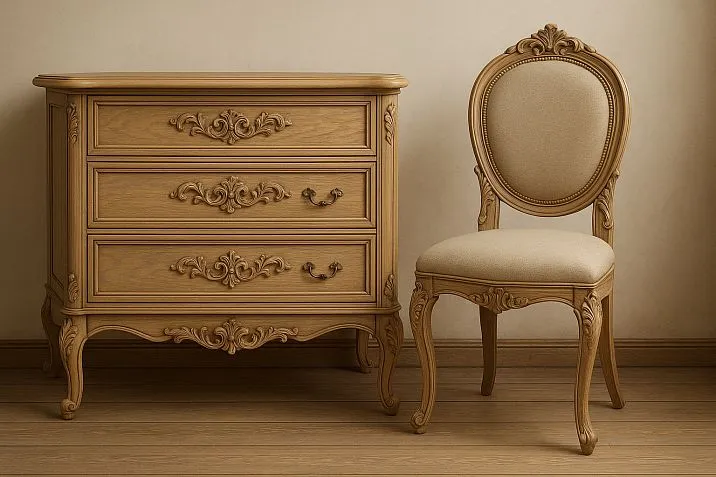
In the era of rapid changes in consumer behavior and technological progress, the question of whetherhow to sell furnitureis effective, becomes particularly relevant. The furniture industry is undergoing a true revolution: traditional trading methods are transforming under the influence of digital technologies, and customers are becoming increasingly demanding in terms of product quality and service level.
Today, it is no longer enough to simply display products in a showcase and wait for customers. The modern furniture market requires a comprehensive approach, deep understanding of customer needs, and mastery of various sales channels. From the ability to tell the story of each interior item to creating an impeccable customer experience — every element of the sales process is crucial.
Furniture is not just a product — it is an investment in comfort, lifestyle, and the emotional well-being of the buyer. Each sofa tells the story of family evenings, each table becomes a witness to important conversations, each wardrobe stores not only items but also memories. Understanding this deep connection between furniture and human emotions is the key to successful sales.


Variety of Furniture Sales Channels




Traditional Retail: The Art of Personal Interaction
Furniture showrooms remain the cornerstone of the industry, despite the active development of online trade. Here, what cannot be replicated in the digital space occurs — full sensory interaction with the product.
The atmosphere of the showroom should convey the brand's philosophy and create an emotional connection with the customer. Each exhibition tells the story of a particular lifestyle, demonstrating the possibilities of using furniture in various interior compositions.Unique Interiorsare created precisely in such spaces where the buyer can feel every detail.
Lighting plays a critical role in perceiving furniture. Properly adjusted lighting highlights the texture of wood, the elegance of leather upholstery, the sophistication of decorative elements. Zoned lighting allows creating various scenarios for using space — from a work atmosphere to an intimate home setting.
Our factory also produces:


Digital Platforms: Unlimited Opportunities for Online Sales
Furniture e-shops require a special approach to product presentation. The quality of visual content here is paramount — the buyer must get a comprehensive understanding of the product without the possibility of physical contact with it.
Detailed photos from various angles, 360-degree views, video presentations in motion — modern technologies allow creating an immersive experience. Special attention should be paid to demonstrating the functional capabilities of furniture: how cabinet doors open, how transformation mechanisms work, how drawers slide out.
Product descriptions must be comprehensive and structured. Technical specifications, dimensions, materials, construction features — each parameter influences the purchase decision.What new-generation furniture is made of — a question customers must receive comprehensive answers to. Eco-friendliness, durability, ease of care — specific advantages speak louder than abstract 'innovation'.— one of the most frequent questions from customers, therefore detailed material descriptions are critically important.
Get Consultation
Marketplaces: Competition in an Environment of Abundant Choice
Sales through major marketplaces open access to millions of potential buyers, but simultaneously create fierce competition. Here, success depends on the ability to stand out among thousands of similar offers.
Optimizing product cards has become a true art. Each image must carry maximum informational load, and every word in the description must work toward sales. Infographics demonstrating the advantages and features of furniture help the buyer quickly assess the value of the offer.
Review systems on marketplaces play a decisive role in building trust in the seller. Quality after-sales service, prompt resolution of arising issues, attentive care for each customer build a positive reputation, which becomes a powerful sales tool.
Psychology of Furniture Purchases: Understanding Customer Motivation
Emotional Drivers in Decision-Making
Buying furniture is always an emotional decision, wrapped in rational arguments. The customer may spend a long time studying technical specifications, comparing prices, analyzing reviews, but the final decision is made at the level of emotions and intuition.
Status and self-identification play a key role in choosing furniture. For a company executive, a leather chair in the office is not just furniture — it is a symbol of success and power. For a young family, a child’s crib is a manifestation of care for the future and parental love.
The desire for comfort and coziness motivates most furniture purchases. Each person subconsciously seeks refuge from the stresses of the outside world, and home ambiance should provide the feeling of safety and tranquility. The seller’s task is to help the customer imagine how specific furniture will contribute to creating this atmosphere.
Rational Factors in Selection
Despite the emotional nature of the decision, furniture buyers carefully analyze practical aspects. Price-to-quality ratio, durability, functionality, suitability for room dimensions — all these factors influence the final choice.
Ecological and safety aspects of materials are gaining increasing importance, especially when choosing furniture for children’s rooms. Buyers are willing to pay extra for the guarantee that the furniture is made from natural, non-hazardous materials.
Ease of maintenance and durability are especially important for families with children and pets. Resistance to stains, ease of cleaning, resistance to mechanical damage — parameters that can become decisive when choosing between similar models.
Building an effective sales system
Professional training of the team
The success of the furniture business depends on 80% on the competence of sales consultants. Deep knowledge of products, understanding of manufacturing processes, mastery of sales techniques — these are basic requirements for specialists in this field.
A furniture seller must become an expert in interior design, understand ergonomic principles, and be familiar with current trends. Clients increasingly seek not just a seller, but a consultant capable of providing professional advice on space organization.
Regular staff training should include not only learning about new products, but also developing communication skills, handling objections, and sales psychology. Investments in employee education pay off many times over through increased conversion rates and average order value.
Motivation and quality control systems
An effective sales motivation system should stimulate not only sales volume but also the quality of customer service. Long-term customer loyalty is far more valuable than short-term results achieved through aggressive sales.
A combined compensation system, including a fixed component and a variable component tied to performance, ensures stable employee income and motivates achieving high performance. Additional bonuses for positive customer feedback encourage a focus on service quality.
Regular monitoring of work quality through mystery shopping, analysis of phone call recordings, and study of customer feedback helps identify problems early and adjust service approaches.
Using CRM systems for sales management
The long decision-making cycle in the furniture industry makes a systematic approach to managing customer relationships critically important. A CRM system allows tracking all interactions with potential buyers and ensures no opportunity is lost.
Process automation — from initial contact to after-sales service — increases work efficiency and guarantees consistent quality at all stages. Reminders for scheduled calls, automatic sending of commercial offers, and monitoring of client promises — features that significantly improve sales effectiveness.
Analytical capabilities of CRM allow identifying the most effective customer acquisition channels, optimizing marketing expenses, and forecasting sales based on historical data.
Specifics of selling different categories of furniture
Solid furniture: functionality above all
Shelves, chests, and racks are purchased primarily for practical reasons. Here, the emotional component is less pronounced, but functional characteristics and quality of execution are critically important.
The quality of hardware in solid furniture is a decisive factor in longevity. Full-extension guides, limit stops, and quality hinges ensure comfortable use for many years. The ability to demonstrate the difference between cheap and quality hardware often justifies the higher cost of the item.
The quality of hardware in built-in furniture is a decisive factor in longevity. Full-extension slides, soft-close mechanisms, and quality hinges ensure comfortable use for many years. The opportunity to demonstrate the difference between cheap and quality hardware often justifies the higher cost of the product.
Soft furniture: comfort as the main value
Sofas, chairs, and ottomans are chosen by heart. Here, tactile sensations, visual appeal, and the feeling of comfort and coziness are important. Mandatory testing — the client must sit down, lean back, and feel the firmness and comfort.
Upholstery materials require detailed explanation of their properties and care requirements. Natural leather, eco-leather, various types of fabric — each material has its advantages and limitations. Presence of pets, intensity of use, and climatic conditions — factors influencing upholstery choice.
Transformation mechanisms in soft furniture — a separate topic for presentation. It is important not only to show how the mechanism works, but also to explain its durability, frequency of possible use, and ease of maintenance.
Kitchen furniture: the heart of the home requires a special approach
Kitchen — a special space in the home, where functionality must combine with aesthetics at the highest level. Here, every centimeter matters, and each element must be thoughtfully designed for ease of use.
Kitchen ergonomics — a scientific discipline, knowledge of which distinguishes a professional from an amateur. The rule of the working triangle, optimal height of work surfaces, principles of storage system organization — all of this should form the basis of any kitchen project.
Kitchen furniture materials are subjected to special loads — moisture, temperature fluctuations, aggressive cleaning agents, intensive use. Explaining specific requirements for kitchen materials helps the client understand the value of quality solutions.
Innovative approaches to selling furniture
Virtual and augmented reality technologies
AR technologies revolutionize the process of choosing furniture, allowing customers to see how specific items will look in their interiors. Mobile applications with augmented reality functionality significantly increase customer confidence in their choices.
3D visualization of rooms with furniture placement helps customers envision the final result. Professional design software allows creating photorealistic images of future interiors, which is especially valuable when selling kitchen furniture or comprehensive solutions for living spaces.
Virtual showrooms expand the possibilities of demonstrating the assortment without the need to physically expand retail space. Customers can "walk" through a virtual showroom, view furniture from different angles, and get detailed information about each item.
Personalization and Customization
where to buy furniture decorCustomization — a request reflecting the growing trend toward personalized interior solutions. The ability to adapt standard models to individual needs has become an important competitive advantage.
Modular systems allow creating unique configurations from standard elements. A wide range of sizes, colors, and materials gives customers the feeling of creating a personalized product while maintaining the economic efficiency of mass production.
Online configurators allow customers to independently experiment with various furniture options. Interactive tools increase customer engagement in the selection process and create additional value for the brand.
Sustainable development as a competitive advantage
Environmental responsibility is becoming an important factor for an increasing number of customers. Using certified wood, non-toxic coatings, and recyclability — topics that require competent coverage.
Trade-in programs and furniture recycling programs demonstrate care for the environment and create additional opportunities for customer contact. Trade-in programs encourage furniture updates and foster brand loyalty.
Local production and short logistics chains allow reducing the product's carbon footprint, which is valued by environmentally conscious customers. Transparency of production processes and openness about material suppliers create additional trust in the brand.
Assortment management and pricing
Strategic collection planning
A successful furniture assortment must combine basic models ensuring stable sales with trend-driven novelties creating a sense of brand dynamism. Sales analysis, consumer preference study, and competitor monitoring — the foundation for decisions on collection formation.
Seasonality in the furniture business is quite pronounced. Spring activity surge linked to renovations and interior updates, summer decline due to vacation season, autumn activation before holidays — cycles that must be considered when planning production and purchases.
ABC assortment analysis helps optimize warehouse stock and focus marketing efforts on the most profitable items. Category A items require constant availability and active promotion, while category C items can operate on order with minimal warehouse stock.
Pricing policy and positioning
Pricing in the furniture industry is a complex balance between covering costs, competitiveness, and perceived value by customers. Premium brands can set prices significantly above cost due to established reputation and perceived value.
A flexible discount and promotion system should stimulate sales without devaluing the brand. Seasonal sales, bundled offers, loyalty programs — tools that, when used properly, increase turnover and profitability.
Pricing transparency increases customer trust. Clear explanation of factors affecting cost — material quality, manufacturing complexity, design work — helps customers understand the justification for the price.
Marketing strategies for promoting furniture
Content Marketing and Educational Programs
High-quality content helps potential buyers navigate the variety of offerings and make informed decisions. Articles on material selection, space organization principles, interior design trends build brand expertise and attract the target audience.
Video content is especially effective for showcasing furniture. Collection reviews, factory tours, designer interviews — formats that create an emotional connection with the brand and increase trust in the product.
User-generated content — photos of real interiors with purchased furniture, satisfied customer reviews — works more effectively than any advertising. Encouraging customers to create such content through contests and special offers pays off multiple times.
Partner programs and collaborations
Collaboration with interior designers and architects opens access to projects of any scale — from private apartments to large commercial spaces. Special conditions for professionals, training programs, project technical support foster loyalty and encourage referrals.
Partnership with developers allows offering furniture at the stage of real estate sales. Comprehensive solutions for new builds, installment payment options until key receipt, design projects for standard layouts — services valued by homebuyers.
Collaborations with renowned designers and brands create exclusive collections attracting media and target audience attention. Limited series create a sense of uniqueness and stimulate quick purchase decisions.
Digital marketing and social networks
Instagram remains the primary platform for promoting furniture due to the visual nature of content. High-quality interior photos, behind-the-scenes production, collection creation stories — content that generates high audience engagement.
Targeted advertising on social networks allows precisely targeting audiences by demographic, geographic, and behavioral parameters. Retargeting website and online store visitors brings back potential customers and increases conversion rates.
Email marketing remains one of the most effective channels for communicating with customers. Personalized newsletters based on interests and interaction history, updates on new arrivals and special offers maintain connection with the audience.
Logistics and after-sales service
Organization of delivery for bulky goods
Furniture delivery is a complex process requiring special equipment and professional skills. The quality of this service often determines the overall customer impression of the purchase and influences willingness to recommend the company to others.
Delivery route planning must consider urban infrastructure specifics, transport size limitations, and building access possibilities. Pre-arranged delivery times with customers and prompt notification of any plan changes are critically important for maintaining satisfaction.
Cargo insurance protects the interests of both buyer and seller in case of damage during transportation. Full coverage of furniture cost guarantees quick problem resolution without damage to company reputation.
Furniture assembly and installation
Professional furniture assembly is a service valued by most customers. Quality installation ensures the longevity of products and proper operation of all mechanisms. Trained assemblers know the specifics of each model and can avoid typical mistakes.
Additional services — removal of packaging materials, minor adjustments on-site, consultations on furniture care — create additional value for clients and justify the cost of the service.
Warranty on assembly services demonstrates confidence in the quality of work and creates additional peace of mind for customers. The possibility of free repair of installation defects during the warranty period is an important competitive advantage.
Post-purchase service programs
Warranty service for furniture must be clearly regulated and understandable to customers. Different warranty periods for different components — frame, mechanisms, upholstery — require detailed explanation at the time of sale.
Post-warranty service maintains contact with customers and creates opportunities for additional sales. Restoration, reupholstering of soft furniture, replacement of components extend the life of favorite interior items.
Trade-in programs allow customers to exchange old furniture for new with an additional payment. This stimulates interior updates and creates ongoing brand loyalty. Accepted furniture can be restored and resold on the secondary market.
Development of own furniture production
From idea to business
How to start selling furnitureOwn production — a dream of many creative people skilled in woodworking. Turning a hobby into a profitable business requires not only technical skills but also entrepreneurial thinking.
Defining a niche and target audience is the first step to success. Exclusive handmade furniture, antique restoration, custom furniture projects — each direction has its own features and marketing requirements.
Forming a team of professionals is critically important for scaling the business. Master carpenters, designers, sales managers — each specialist must share the company’s values and strive for quality.
Promotion of own brand
Portfolio of completed projects — the main tool for promoting a furniture workshop. High-quality photos, detailed project descriptions, stories of creating unique items form the image of the master-artist.
Participation in specialized exhibitions and fairs allows direct communication with potential customers, showcasing product quality, and receiving feedback. Personal interaction with the craftsman adds additional value for buyers of exclusive furniture.
Collaboration with interior designers opens access to projects of various scales. The ability to implement non-standard solutions, work with unusual materials, meet tight deadlines — competencies valued in the design community.
Mass Production Scaling
Transitioning from single production to small-batch production requires a fundamental restructuring of processes. Standardizing operations, implementing quality control systems, optimizing material usage — directions for developing a growing production.
Investments in modern equipment pay off through increased productivity and product quality. CNC machines, modern dust extraction systems, high-quality hand tools — the foundation of efficient production.
Certification of products and production processes opens access to large orders and government tenders. Compliance with environmental standards, safety requirements, and quality norms becomes a necessary condition for participation in serious projects.
Analysis of efficiency and optimization of processes
Key performance indicators
Conversion of visitors into customers — the main indicator of effectiveness of a furniture store’s operations. Industry averages are 12-18%, exceeding these figures indicates high team professionalism and an attractive offer.
Average check allows evaluating the effectiveness of upselling and cross-selling. Offering additional services, accessories, and components can significantly increase the profitability of each transaction without proportional growth in customer acquisition costs.
The time from first contact to purchase in the furniture industry can range from several days to several months. An effective CRM system allows tracking this path and influencing the customer at critical decision-making moments.
Analytics and monitoring tools
Web analytics provides detailed information about visitor behavior on the online store. Traffic sources, popular products, exit points — data that helps optimize the user experience and increase conversion.
Social analytics shows the effectiveness of content in social networks, helps understand audience preferences, and identifies the most engaging post formats. These data allow adjusting the content strategy and increasing organic reach.
Competitor analysis must be regular and systematic. Monitoring prices, product assortment, marketing activities, and customer reviews helps identify opportunities to improve one’s own offerings.
Automation and optimization of processes
Automating routine operations frees up staff time for customer service and strategic tasks. Automated sending of commercial proposals, reminders about viewed products, notifications about new arrivals — functions that increase sales efficiency.
Integration of various systems — website, CRM, inventory, accounting — eliminates data duplication and reduces the likelihood of errors. A unified information space ensures up-to-date information on product availability, prices, and delivery times.
A/B testing of different approaches helps identify the most effective solutions. Comparing various versions of websites, email newsletters, and advertising creatives based on objective data enables informed decisions about optimization.
Trends in the furniture industry
Industry digital transformation
Artificial intelligence is beginning to play an increasingly significant role in the furniture industry — from optimizing production processes to personalizing recommendations for customers. AI-powered chatbots can provide initial customer consultations, answer common questions, and gather information about preferences.
The Internet of Things (IoT) is transforming the very concept of furniture. Smart tables with wireless charging, sofas with built-in speakers, cabinets with climate control — technologies that turn furniture into interactive devices.
Blockchain technologies can ensure supply chain transparency, verify material origins, and protect against counterfeiting. For premium brands, this is becoming a crucial factor in building trust and differentiation.
Sustainable development and eco-friendliness
Circular economy is gradually being adopted in the furniture industry. The "cradle-to-cradle" concept implies creating furniture that can be fully recycled into new products after its useful life ends.
Local production reduces carbon footprint and supports regional economies. Consumers are increasingly favoring local manufacturers, especially when high product quality accompanies it.
Renewable materials and alternatives to traditional wood are developing at a rapid pace. Composites based on recycled materials, fast-growing tree species, and biomaterials — directions that will define the industry's future.
Changes in consumer behavior
Millennials and Gen Z have fundamentally different approaches to furniture consumption. Flexibility, mobility, and sustainability — priorities that influence furniture product design and marketing.
Subscription-based furniture consumption models are gaining popularity among younger audiences. Furniture rental with regular updates, leasing programs, and flexible return conditions — services that cater to the needs of modern mobile lifestyles.
Conscious consumption influences furniture choices — customers increasingly prefer high-quality, durable products over quickly wearing cheap alternatives. This creates opportunities for premium brands and high-quality furniture manufacturers.
Conclusion
Understanding thathow to sell furnitureEffective in modern conditions, it requires a comprehensive approach and continuous adaptation to changing market demands. Successful furniture sales are built on a foundation of deep customer understanding, professional product knowledge, and skilled mastery of various communication channels.
The modern furniture business lies at the intersection of traditional craftsmanship and advanced technologies.where to buy moldings for decorationorwhere to buy moldingsSuch requests indicate that consumers are seeking not just furniture, but opportunities to create unique interiors.
The emotional component of furniture purchasing remains unchanged — each item must resonate with the buyer’s heart, becoming part of their living space and companion to important moments. The seller’s task is to act as a guide between the client’s dream of an ideal home and its real manifestation.
Technological innovations open unprecedented opportunities for product personalization and improved customer experience. Virtual reality, artificial intelligence, and the Internet of Things — tools that transform traditional sales approaches and create new interaction formats with customers.
Environmental responsibility and sustainable development are transitioning from fashion trends to fundamental requirements for furniture companies. Consumers are increasingly making conscious choices, considering not only product performance but also its environmental impact.
STAVROS embodies the best traditions of the furniture industry, combining decades of experience with innovative approaches to production and sales. Our philosophy is based on creating furniture that serves not only functional purposes but also becomes a source of inspiration, comfort, and aesthetic enjoyment for our clients.
We understand that successful furniture sales begin with a genuine desire to help each client create their dream home. Every item leaving our workshops carries a piece of the craftsmen’s soul, their knowledge, and their care for quality. This approach allows us not only to sell furniture but to build long-term customer relationships based on trust and mutual respect.
Frequently asked questions
Which sales channels for furniture are most effective in current conditions?
The most effective approach combines traditional showrooms with online sales. Physical sales points remain important for testing furniture and providing personalized consultations, while online stores and marketplaces offer broad audience reach and convenient selection. Social networks play a key role in generating demand and showcasing products within interior compositions.
How to properly present furniture to potential buyers?
Furniture presentation should engage all of the buyer’s senses. Always allow physical contact with the product — sit in chairs, open drawers, feel material textures. Tell stories about each item’s use, explain technical features through practical benefits. Use interior compositions to demonstrate furniture in real-life contexts.
What factors are most important to furniture buyers?
Research shows that furniture buyers primarily focus on material quality and craftsmanship, suitability to room dimensions, design, and aesthetic appeal. Price is important, but rarely the sole deciding factor. Warranty obligations, delivery and assembly options, manufacturer or seller reputation also significantly influence decisions.
How to effectively handle customer objections when selling furniture?
Most objections relate to price, size, quality doubts, or perceived need. Use active listening techniques to understand the true cause of hesitation. Provide specific facts and evidence — warranties, certifications, customer reviews. Help the customer visualize how the furniture will solve their specific problems or improve their quality of life.
Should you invest in online furniture sales?
Online furniture sales show steady growth and are becoming a mandatory element of successful business. However, they require significant investments in high-quality visual content, logistics, and technical support. It’s better to start by enhancing existing offline channels with an online presence, gradually developing digital competencies and infrastructure.
What trends determine the future of the furniture industry?
Key trends include product personalization and customization, integration of smart technologies, emphasis on eco-friendliness and sustainable development, and development of service-based consumption models. Digital technologies — virtual reality, artificial intelligence, and the Internet of Things — fundamentally change the ways furniture is designed, produced, and sold. Understanding these trends is critically important for long-term success in the industry.