Article Contents:
- Why it is important to properly attach legs to a kitchen set?
- 1. Ensuring structural stability
- 2. Protecting furniture from moisture and damage
- 3. Ease of cleaning
- 4. Aesthetic appearance
- Leg height for a kitchen set
- Adjustable legs for a kitchen set
- Leg material
- Additional accessories
- Materials for work
- Tools for work
- Step 1: Preparing the set and legs
- Step 2: Marking Mounting Locations
- Step 3: Attaching legs to the set
- Step 4: Attaching baseboard and decorative elements
- Delivery to major cities:
- Delivery to regions:
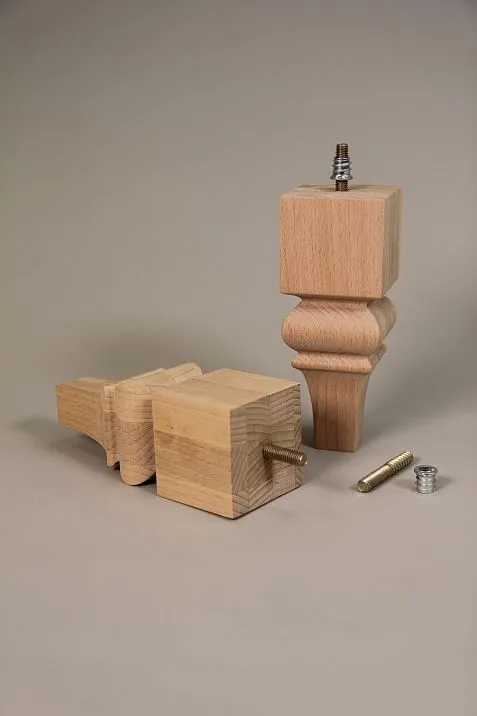
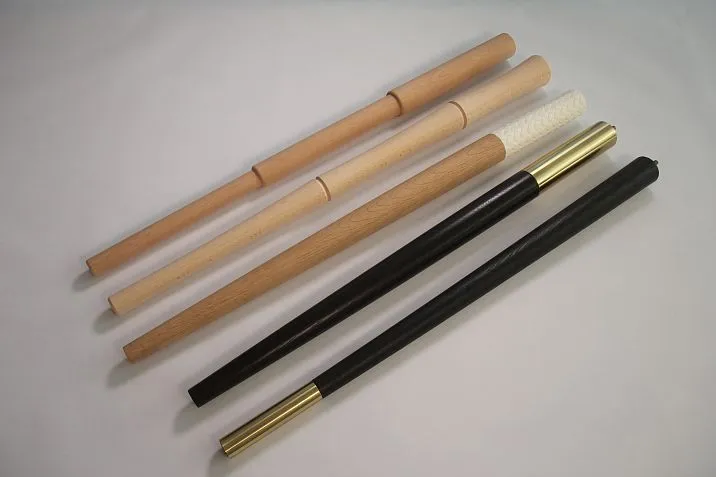
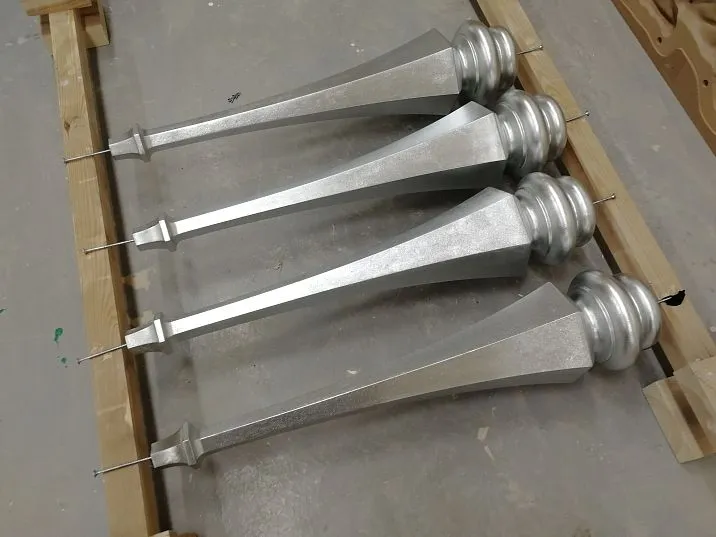
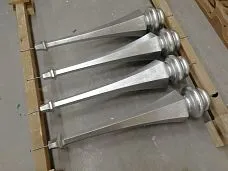
Proper installation of legs for a kitchen set plays a crucial role in creating a stable and practical structure. Incorrect mounting can lead to misalignment, wobbling, and even damage to the set. In this material, we will thoroughly discuss how to attach legs to a kitchen set, so your furniture will be reliable, durable, and aesthetically pleasing. We will cover leg selection, their varieties, and mounting techniques, as well as provide useful tips.


Why it is important to properly attach legs to a kitchen set?
Leg mounting is a key point that determines the convenience of using the set, its stability, and protection against damage. Legs serve not only as support for furniture but also perform several other important functions that cannot be underestimated.




1. Ensuring structural stability
A kitchen set consists of many elements that together create a significant load on the supports. Even weight distribution is the key to the stability of the entire structure. For example, usingadjustable legs for a kitchen set, you can compensate for floor unevenness, achieving perfect horizontal alignment of the furniture.
Standard legs are available in several heights:
-
Legs 60 mm suitable for cabinets installed in compact kitchens.
-
Legs 100 mm are a universal choice for most standard kitchen cabinets.
-
Legs 120 mm or kitchen legs 150 mm are used for tall cabinets or furniture where ease of cleaning is important.
Each of these leg categories is designed for specific load parameters and kitchen types. Therefore, choosing the correct height and secure mounting ensures your cabinet will be stable and reliable.
Our factory also produces:


2. Protection of furniture from moisture and damage
The kitchen is a room with high humidity, especially in the washing and food preparation zones. Contact of furniture with water is inevitable, but its consequences can be minimized if using150 mm furniture legs or other supports that raise furniture above the floor.
Legs prevent moisture from reaching the lower part of the cabinet, which is especially important for MDF or wooden items. Adjustable models, such asadjustable leg 150, allow you to set the optimal distance between the floor and the base of the cabinet.
Get Consultation
3. Ease of cleaning
The kitchen should be not only functional but also clean. Dust, small debris, and grease droplets often accumulate under cabinets. High legs, for example,kitchen legs 150 mm, create convenient space for cleaning, allowing easy access to hard-to-reach areas.
4. Aesthetic appearance
Properly selected legs and correctly installed skirting for kitchen cabinets will help conceal supports, preserving the furniture's aesthetic appearance. Usingskirt for kitchen cabinet legs, you can neatly cover the legs, creating a cohesive and harmonious interior.
Which legs to choose for a kitchen cabinet?
Choosing legs for a kitchen cabinet depends on several factors: cabinet height, floor characteristics, kitchen style, and your preferences. Let's examine the main selection parameters in more detail.
Leg height for kitchen cabinets
-
Legs 60 mm high: ideal for compact constructions or built-in furniture, where minimizing height is important.
-
Legs 100 mm high: a universal option suitable for most cabinets.
-
Legs 120 mm high: used for medium-height furniture. For example, cabinets with 120 cm parameters match well with such legs.
-
Legs 150 mm highprovide convenient access to the space under furniture, suitable for tall cabinets or furniture with a closed skirting board.
Adjustable legs for kitchen cabinetry
Adjustable legs — are the ideal choice for installing cabinetry on uneven floors. They allow you to easily level the furniture, creating a perfectly flat structure. Such legs are especially useful in older homes, where floors may have level deviations.
Leg material
-
Plastic: lightweight, inexpensive, and moisture-resistant. Ideal for most modern cabinetry.
-
Metallic: strong and durable. For example,kitchen legs 100 mm made of metal can withstand heavy loads and maintain stability even under heavy structures.
Additional accessories
-
Skirting board for kitchen cabinet legs: allows hiding the legs and giving furniture a finished look.
-
Skirting board: covers the space between legs and floor, preventing dust accumulation.
Materials and tools for attaching legs to kitchen cabinetry
Before installing legs, it is important to prepare everything necessary. Properly selected materials and tools will significantly simplify the process and ensure a high-quality result.
Materials for work
-
Legs for kitchen cabinetry:
Leg selection depends on the height of the cabinetry and your preferences:
-
Legs 60 mm high suitable for compact kitchens and low cabinets.
-
Legs 100 mm high are a universal option for standard cabinetry.
-
Legs 120 mm high suitable for furniture of medium height, such as120 cm base on legs.
-
Legs 150 mm high provide maximum height and convenient cleaning under furniture.
Fasteners for kitchen cabinet legs:
-
Self-tapping screws or screws suitable for the selected material.
-
Metallic corner brackets for additional fixation.
-
Skirting board for kitchen cabinet legs for concealing supports.
Additional accessories:
-
Skirting board to cover the space between the floor and cabinetry.
-
Adjustable supports, such asadjustable legs for kitchen cabinetry for purchasewill help compensate for unevenness of the surface.
Tools for Work
-
Leveling:
Used for precise measurement of distances and marking mounting locations. -
Level:
Helps align the cabinet horizontally. This is especially important if you are usingkitchen legs 100 mm or higher. -
Drill and screwdriver:
Essential tools for quick and secure leg attachment. -
Screwdriver:
For manual securing of fasteners. -
Sandpaper:
If the lower part of the furniture is made of wood, treat it before installation to avoid damage.
Steps for attaching legs to the kitchen cabinet
Correct installation of legs requires performing several sequential steps. Each is important for ensuring the stability, functionality, and aesthetics of the furniture.
Step 1: Prepare the cabinet and legs
Before starting work, carefully inspect the lower part of the cabinets. Ensure that it:
-
Is flat and free of defects.
-
Is completely cleaned of dust and dirt.
If the base is made of wood or MDF, you can additionally treat it with sandpaper to increase the strength of the fastening.
Prepare the legs:
-
Ensure their height matches the selected furniture level. For example, for tall cabinets, use150 mm furniture legs.
-
Check the integrity of fastening parts: screws, brackets, or plastic clips.
Step 2: Marking mounting locations
Marking is a key step, determining the accuracy and stability of the entire structure.
-
Determine the optimal number of legs:
-
For a standard kitchen cabinet, four legs are sufficient, for example,legs furniture 100 mm.
-
Longer cabinets may require more supports for even load distribution.
Mark the installation locations:
-
Leave 5–7 cm from the cabinet corners.
-
Using a level, draw lines along which the legs will be installed.
Step 3: Attaching Legs to the Cabinet
Before installing the legs, make sure you have selected the appropriate type of fastening:
-
Fastening with screws or self-tapping screws:
-
Place the leg at the marked location.
-
Secure it with self-tapping screws using a drill, trying not to damage the base.
Using metal brackets:
-
Suitable for attachinglegs for furniture 120 mm or higher models.
-
Install the brackets on the inner side of the leg and attach them to the furniture body.
Installation of adjustable legs:
-
If you have chosenadjustable legs for kitchen cabinet, adjust their height after mounting using a level.
Step 4: Installing Baseboard and Decorative Elements
To hide the legs and create a finished look for the cabinet, installbaseboard for kitchen cabinet:
-
Secure the baseboard with special clips or screws.
-
Ensure the baseboard does not interfere with leg adjustment.
Tips for the perfect result
-
Choose quality legs:
For example,furniture legs 150 mm orkitchen legs 100 mmthat guarantee reliability and durability. -
Pay attention to marking:
Correctly marked mounting locations prevent furniture tilting and deformation. -
Use additional accessories:
Installationleg brackets for kitchen cabinet will give your furniture a finished look.
Where to buy legs for kitchen cabinet?
For quality leg installation, choose only reliable materials. InStavros catalog you will find:
Proper leg installation is the foundation of the kitchen set's reliability and functionality. Following these recommendations, you will ensure the furniture's longevity and ease of use.
Conclusion
Quality legs are the guarantee of the kitchen set's reliability, stability, and durability. Regardless of the style and construction you choose, proper selection and installation of supports will make your furniture functional, moisture-resistant, and aesthetically appealing.
inStavros catalog You will find a wide range of legs for kitchen sets:
-
Legs 60 mm high — for compact sets.
-
Legs 100 mm high — a universal solution for standard furniture.
-
Legs 120 mm high — ideal for medium-height sets.
-
Legs 150 mm high — the optimal choice for tall constructions or furniture with baseboards.
-
adjustable legs for kitchen cabinet — for installing furniture on uneven floors.
● Quality of materials: Supports are made from solid oak, beech and ash, ensuring strength and durability.
-
Wide assortment. We have legs of all sizes suitable for any kitchen set: from compact to large.
-
Quality materials. Plastic and metal legs differ in strength, load resistance, and durability.
-
Delivery throughout Russia. We deliver orders to both major cities and remote regions.
Delivery to major cities:
If you live in Moscow, Saint Petersburg, Kazan, Novosibirsk, Yekaterinburg, Nizhny Novgorod, Chelyabinsk, Samara, or any other city, your order will be delivered quickly and at minimal cost.
Delivery to regions:
Stavros also organizes delivery to regions, including the most remote points in Russia. We care about ensuring that every order is securely packed and arrives on time.
Don't delay your kitchen modernization. Go toStavros legs catalog and choose suitable supports today. No matter your requirements, we have the perfect solution for your set!