Article Contents:
- Psychological foundations of furniture sales
- Emotional component of furniture purchasing
- Principles of neuromarketing in furniture sales
- The Art of Presenting Furniture Products
- Creating atmosphere and mood
- Techniques for demonstrating functionality
- Building trusting relationships with clients
- The art of active listening
- Personalized Offers
- Modern technologies in furniture sales
- Digital presentation tools
- Customer Relationship Management systems
- Working with different customer segments
- Young buyers and first purchases
- Wealthy premium segment clients
- Pricing policy and financial strategies
- Psychology of pricing in furniture trade
- Financial Tools for Sales Promotion
- Creating an exceptional customer experience
- Service as a competitive advantage
- Managing complaints and problematic situations
- Marketing strategies and promotion
- Content marketing in the furniture industry
- Partnership programs and collaboration
- Team management and corporate culture
- Development of professional competencies
- Motivational systems and team work
- Measuring effectiveness and continuous improvement
- Key performance indicators
- Feedback and analysis systems
- Innovations and prospects for industry development
- Future Technology Trends
- Sustainable Development and Eco-friendliness
- Frequently Asked Questions
- Conclusion
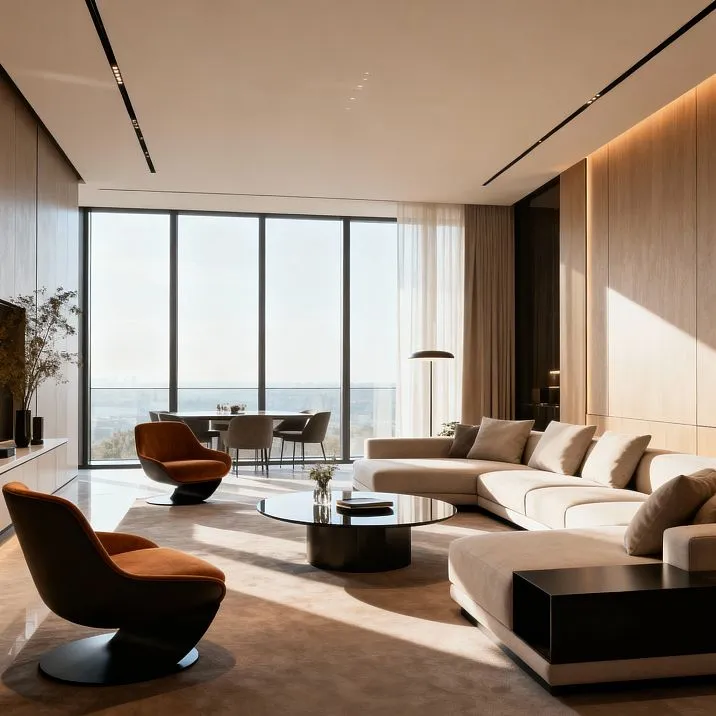
Furniture trading is an art requiring a deep understanding of human psychology, aesthetic needs, and everyday realities. The question of how to sell furniture wellhow to sell furniture wellconcerns every entrepreneur in this field striving for outstanding results. After many years working in the furniture industry, it becomes clear: successful sales are not merely an exchange of goods for money, but the creation of an emotional connection between a person and an item that will become part of their daily life.
The modern furniture buyer has changed dramatically. He is informed, demanding, and has a clear understanding of style, functionality, and quality. Under such conditions, traditional sales methods prove ineffective, requiring professionals to master new approaches based on a deep understanding of consumer motivations and modern technologies.
Furniture is an investment in comfort, status, self-expression. Every piece of furniture carries an emotional load tied to perceptions of home, family, and success. Understanding these nuances opens the path to building a truly effective sales strategy, where every interaction with the client becomes a step toward creating long-term partnership relationships.


Psychological Foundations of Furniture Trading




Emotional Component of Furniture Purchase
Furniture is not bought with the mind, but with the heart. Behind the seemingly rational arguments about material quality and functionality lie deep emotional needs: the desire to create a cozy home, make an impression on guests, ensure comfort for the family. An experienced salesperson knows how to uncover these hidden motivations and appeal directly to them.
Each type of buyer has its own emotional drivers. Young families strive to create a nest for future children, businessmen seek status furniture for their offices, pensioners desire maximum comfort after years of work. Understanding these differences allows personalizing the approach and finding the keys to the heart of each client.
Sensory experience plays a critical role in the decision to purchase furniture. The ability to touch upholstery, sit on a sofa, open drawers creates a tactile connection with the product. High-qualityWood materials for furnitureconvey a sense of reliability and durability, which is especially important for building trust in the product.
Our factory also produces:


Principles of Neuromarketing in Furniture Sales
Modern research on brain activity shows that purchase decisions are made by emotional centers and then rationalized by logical thinking. This knowledge fundamentally changes approaches to product presentation and client interaction.
Visual perception forms the first impression in fractions of a second. Proper lighting in the showroom, harmonious color combinations, creating interior compositions activate positive emotions and encourage purchase. Understanding the principles ofwhere to buy decorfor creating impressive displays becomes a crucial component of success.
The anchoring principle works especially effectively when presenting a price range. Demonstrating premium models first creates a price anchor, after which the main assortment is perceived as more affordable. This is not manipulation, but a psychologically grounded method to help the client navigate the variety of offers.
Get Consultation
The Art of Presenting Furniture Products
Creating Atmosphere and Mood
The showroom atmosphere should inspire and motivate to purchase. Every detail of the interior—from musical accompaniment to scents—affects the emotional state of customers and the duration of their stay. Creating the right atmosphere is an investment in increasing conversion rates and average order value.
Zoning the space by stylistic directions helps customers find suitable solutions more quickly. A classic zone with traditional furniture, a modern section with innovative solutions, a children's section with safe and colorful furniture—such division simplifies navigation and creates a sense of thoughtful approach.
Interactive elements of the display turn a visit to the showroom into an engaging journey. The ability to personally test transformation mechanisms, evaluate storage capacity, feel the qualityfurniture hardwarecreates positive emotions and strengthens the intention to purchase.
Techniques for Demonstrating Functionality
Static furniture demonstrations are ineffective. The product must 'come alive' in the consultant's hands, showcasing all its capabilities and advantages. Smooth unfolding of a sofa-bed, demonstrating silent operation of guides, showing the convenience of height adjustment for a table—every movement should highlight the quality and thoughtful design of the construction.
The description of advantages should be accompanied by tangible evidence. Instead of abstract claims about durability, better demonstrate the reliability of fastening elements, show material thickness, allow customers to touch quality upholstery. This approach creates confidence in the correctness of the choice.
Comparative analysis with competitive offers should be accurate and based on objective facts. Superiority in material quality, innovation in technical solutions, additional service options—these arguments work much more effectively than criticizing competitors.
Building Trusting Relationships with Clients
The Art of Active Listening
The ability to listen and understand the client is the foundation of successful sales. Most people want to be heard and understood before making a purchase decision. Active listening techniques help uncover true needs, which are often hidden behind superficial requests.
The right questions open the path to understanding the buyer's motivation. Instead of the standard 'What are you interested in?', ask: 'Tell us about the space for which you're selecting furniture' or 'How do you envision the perfect evening in your living room?'. Such questions help understand the client's lifestyle and offer optimal solutions.
Empathy and genuine involvement in the client's problems create an atmosphere of trust. Understanding the budget constraints of young families, taking into account the health specifics of elderly buyers, and attention to the aesthetic preferences of creative individuals demonstrate the consultant's professionalism and humanity.
Personalized offers
Each client is unique, and the proposal must be tailored accordingly. Standard solutions are becoming less effective in the era of personalized approaches. Personalization begins with understanding the client's life situation specifics and ends with offering concrete solutions to their problems.
Creating an individual interior project, even when purchasing separate furniture items, demonstrates professionalism and care for the outcome. Advice on furniture placement in space, color coordination recommendations, and suggestions for additional accessories transform the seller into a design consultant.
Flexibility in product configuration allows adapting standard solutions to individual needs. The ability to change upholstery, select different hardware, or adjust dimensions creates a sense of exclusivity and increases the value of the offer.
Modern technologies in furniture sales
Digital presentation tools
Tablets and interactive displays expand the possibilities of product demonstration far beyond the physical showroom. Comprehensive catalogs with detailed photos, technical specifications, and finish options allow showcasing the entire assortment, including items currently not on display.
Augmented reality technologies revolutionize the furniture selection process. The ability to see how a specific sofa or cabinet will look in the client's real interior significantly reduces uncertainty and accelerates decision-making. Modern mobile apps turn smartphones into powerful sales tools.
Three-dimensional interior visualization allows creating comprehensive space design projects. The client can see how their home will look after purchasing furniture, creating additional motivation and helping make more informed decisions.
Customer Relationship Management Systems
Modern technologies allow tracking customer preferences, purchase history, and important life events. Personalized offers based on behavioral analytics increase communication relevance and boost repeat purchase likelihood.
Automating routine processes frees consultants' time for more important tasks—building relationships with clients. Delivery deadline reminders, automatic notifications about new collections, loyalty programs create additional touchpoints with customers.
Integrating various communication channels—phone, email, messengers, social networks—ensures seamless interaction with clients in their preferred format. An omnichannel approach is becoming the standard for quality service.
Working with different customer segments
Young buyers and first purchases
The youth segment requires a special approach based on understanding their values, lifestyle, and financial capabilities. Young buyers value honesty and transparency, are open to experimentation, but are budget-constrained. They seek furniture that will grow with them and adapt to changing needs.
The educational component is especially important when working with first-time buyers. Explaining differences between material types, discussing furniture care rules, and offering space planning advice create additional value and foster loyalty toward the consultant and company.
Flexible financial solutions—installments, exchange programs, seasonal discounts—make quality furniture accessible to young buyers. It's important not only to offer payment deferral but also to explain all conditions and help choose the optimal payment option.
Premium segment clients
Working with affluent buyers requires a deep understanding of their motivations and expectations. For them, price is less important than exclusivity, craftsmanship quality, and the status associated with the purchase. They value personalized attention, are willing to pay for individual solutions, and expect flawless service.
Exclusivity of the offer can be achieved through limited collections, artist-designed pieces, and opportunities for individual customization. Knowledge ofwhere to buy furniture decorhigh-quality materials for creating unique items allows offering truly exclusive solutions.
Long-term cooperation with premium clients is built on trust and consistency in service quality. Regular contact, updates on new arrivals, invitations to exclusive events, and priority service foster loyalty and encourage repeat visits.
Pricing policy and financial strategies
Pricing psychology in furniture trade
Customers' perception of price depends not only on the absolute value but also on the context in which it is presented. Proper product positioning, creating price anchors, and demonstrating the price-to-quality ratio influence the buyer's willingness to pay the requested amount.
Premium pricing strategy is effective for unique products, where a high price is perceived as confirmation of exceptional quality. Handcrafted furniture, designer collections, and items made from rare wood species justify premium prices through their uniqueness.
Flexibility in pricing allows working with different market segments. A product line ranging from basic to premium versions enables clients with varying budgets to choose while maintaining business profitability.
Sales stimulation financial tools
Installment programs significantly expand the potential customer base for expensive furniture. Interest-free short-term installments, bank partnership programs, and internal financing create additional opportunities for customers without harming company profitability.
Seasonal promotions should be carefully planned to avoid harming brand perception. Clearance sales of previous collections, pre-holiday discounts, special offers for loyal customers stimulate sales without devaluing the brand.
Furniture trade-in programs solve several tasks at once: they simplify the interior update process for customers, create additional motivation for purchase, and demonstrate the company's environmental responsibility.
Creating an exceptional customer experience
Service as a competitive advantage
In a highly competitive environment, service quality often becomes the decisive factor in choosing a supplier. Outstanding service begins at the first customer contact and continues long after the purchase is completed. Every interaction should exceed expectations and create positive emotions.
Consultative services go far beyond simply displaying products. Assistance in space planning, advice on style combinations, and recommendations for furniture placement transform the seller into a design consultant. Knowledge of the principles of creatingunique interiorsallows offering comprehensive solutions.
After-sales service forms the final impression of the company. Professional delivery, qualified assembly, prompt resolution of arising issues, and maintenance programs create the foundation for long-term customer relationships.
Managing complaints and problematic situations
Inevitable problems and complaints should be viewed as opportunities to demonstrate a high level of service. Quick response to issues, honest acknowledgment of mistakes, and exceeding customer expectations when resolving problems often turn dissatisfied customers into loyal brand advocates.
The feedback system must be simple and accessible to customers. Regular satisfaction surveys, analysis of online reviews, and monitoring social media help identify problems early and address them promptly.
Training staff to handle conflict situations is a necessary investment in service quality. Conflict de-escalation techniques, methods for finding mutually acceptable solutions, and stress-resistance skills help employees manage complex situations.
Marketing strategies and promotion
Content marketing in the furniture industry
Creating useful content about interior design, furniture selection, and care for various materials positions the company as an expert in its field. Articles aboutWhat new-generation furniture is made of — a question customers must receive comprehensive answers to. Eco-friendliness, durability, ease of care — specific advantages speak louder than abstract 'innovation'.space planning tips, trend reviews attract interested audiences.
Visual content is especially effective in the furniture industry. Photos of beautiful interiors, video reviews of new collections, and time-lapse videos of furniture assembly create an emotional connection with the brand and stimulate purchases.
Educational materials for professionals — designers, architects, decorators — help build relationships with influential figures in the industry. Technical guides, material catalogs, information aboutmolding for decorationcreate additional promotional channels.
Partnership programs and collaboration
Developing partnerships with interior designers opens access to residential and commercial space design projects. Special conditions for professionals, project technical support, and joint marketing activities create mutually beneficial collaboration.
Collaboration with construction and renovation companies ensures access to clients during the interior planning stage. Early involvement in projects allows influencing furniture choices and creating comprehensive solutions for clients.
Corporate client programs must consider their specific needs: requirement for large volumes, special delivery timelines, need for project technical support.
Team management and corporate culture
Professional competence development
Investing in staff training is an investment in the company's future. Regular training on products, technologies, and sales techniques maintains a high professional level within the team. Knowledge of the characteristics of various materials, understanding of design trends, and mastery of presentation techniques distinguish professionals from amateurs.
Mentorship systems help new employees adapt faster and learn best practices from experienced colleagues. Transfer of knowledge abouthow to sell furniture wellshould be systematic and structured.
Participation in industry-specific exhibitions, seminars, and workshops broadens employees' horizons and keeps them informed about the latest industry trends. Exchanging experience with colleagues from other companies enriches knowledge and stimulates professional growth.
Motivational systems and teamwork
The motivation system should stimulate not only sales volume but also the quality of customer service. Bonuses for customer reviews, rewards for long-term relationships, incentives for professional development create the right motivators for the team.
A customer-oriented corporate culture should permeate all aspects of activity. From the cleaner to the director, every employee should understand their role in creating an exceptional customer experience.
Regular meetings to discuss complex cases, share successful practices, and plan joint actions strengthen the team and increase overall work efficiency.
Measuring effectiveness and continuous improvement
Key performance indicators
Conversion of visitors into customers is the primary indicator of the showroom and sales team's effectiveness. Analyzing factors affecting conversion helps identify problems and find solutions.
Average check reflects the team's ability to increase the value of each transaction through upselling, order bundling, and offering additional services. An increase in average check without reducing the number of customers is a sign of increased professionalism.
Customer retention metrics and their willingness to recommend the company to friends reflect service quality and satisfaction levels. High values of these metrics predict organic growth through referrals.
Feedback and analysis systems
Regular customer surveys help identify strengths and areas for improvement. Anonymous questionnaires after purchase, phone interviews several months after furniture use, and online surveys provide valuable information for development.
Complaint and grievance analysis must be systematic. Each problem is an opportunity to improve processes and prevent similar situations in the future. A knowledge base of typical problems and their solutions helps the team address difficulties more quickly.
Monitoring online reviews and mentions on social networks allows tracking company reputation and promptly responding to negative comments. Proactive review management demonstrates care for customer opinions.
Innovations and industry development prospects
Future technological trends
Artificial intelligence is beginning to be used for personalizing recommendations, analyzing customer behavior, and forecasting demand. Machine learning systems can suggest the most suitable products based on preferences and purchase history.
The Internet of Things transforms furniture into smart objects capable of interacting with users and their environment. Tables with wireless charging, cabinets with humidity control, beds with sleep monitoring open new opportunities for differentiation.
Virtual reality allows creating a fully immersive furniture shopping experience. Customers can "walk" through virtual interiors, feel the atmosphere of different styles, and evaluate spatial solutions.
Sustainable development and eco-friendliness
Environmental responsibility is becoming an important factor for an increasing number of consumers. Using recycled materials, minimizing production waste, and furniture disposal programs meet modern requirements.
Transparency regarding material origins, production conditions, and environmental impact builds trust in the brand. Certifications for sustainable forestry, eco-labels, and corporate social responsibility reports become competitive advantages.
Circular economy implies creating closed-loop resource usage cycles. Furniture design with disassembly and recycling capabilities, programs for updating and modernizing existing products open new business opportunities.
Frequently asked questions
What personal qualities are most important for a successful furniture salesperson?
Empathy and the ability to listen to customers are foundational qualities. The ability to understand people's needs, patience when dealing with difficult customers, and genuine desire to help choose the optimal solution form the basis for success. Additionally, aesthetic taste, knowledge of interior design basics, and communication skills are important.
How to effectively work with customer price objections?
Price objections often hide doubts about the value of the offer. Instead of immediately offering a discount, it is necessary to identify the true reasons for doubt and demonstrate the price-to-quality ratio. Calculating total cost of ownership, comparing with alternative solutions, and emphasizing unique advantages help justify the price.
What role does showroom design play in sales success?
The showroom atmosphere is critically important for creating a purchasing mood. Proper lighting, convenient navigation, and creating realistic interior compositions help customers visualize furniture in their homes. A comfortable environment encourages prolonged consideration and decision-making.
How to build long-term relationships with customers in furniture retail?
Quality after-sales service is the foundation of long-term relationships. Regular contact, informing about new collections, helping resolve questions, and loyalty programs create lasting customer connections. It is important to remember key events in customers' lives and offer relevant solutions.
What modern technologies are most effective in furniture sales?
Augmented reality technologies for visualizing furniture in the client's interior, interactive tablet catalogs, and customer relationship management systems for personalized service show the highest effectiveness. Integration of various digital tools is essential for creating a seamless customer experience.
How to properly present premium-priced furniture?
Presenting premium furniture requires emphasis on exclusivity, material quality, and craftsmanship. Stories about the origin of materials, production technologies, and brand history provide justification for the high price. It is important to highlight the status associated with ownership and the long-term value of investing in quality furniture.
Conclusion
The mastery of outstanding furniture sales is composed of multiple components: deep understanding of human psychology, professional knowledge of the product, proficiency in modern technologies, and the ability to create emotional connections with clients. In an era of rising consumer expectations and intensifying competition, only a comprehensive approach can ensure sustainable success.
The future of furniture retail belongs to those who can harmoniously combine traditional values of personal interaction and individualized service with innovative presentation and service technologies. Artificial intelligence and virtual reality expand possibilities but do not replace human warmth and professional expertise.
Environmental responsibility and sustainable development are no longer just fashionable trends but mandatory conditions for conducting business. Companies that can integrate sustainability principles into their operations will gain significant competitive advantages and loyalty from environmentally conscious consumers.
Investments in team development, building a strong corporate culture, and continuous process improvement determine the long-term success of the furniture business. Each employee must understand their role in creating an exceptional customer experience and strive for professional growth.
STAVROS, with its rich heritage in producing high-quality wooden items and decorative elements, embodies excellence principles in the furniture industry. Our experience in creatingexquisite wooden giftsand understanding thatWhat to give a carpenterwhether a designer or a furniture maker, reflects deep respect for artisanal traditions and a commitment to innovation. Our dedication to quality, attention to detail, and personalized approach to each partner continue to set excellence standards in the industry, helping furniture companies achieve outstanding sales results and build long-term relationships with clients.