Article Contents:
- Natural wood: traditions of quality and nobility
- Wood species and their characteristics for facades
- Technological aspects of solid wood processing
- Final finishing and protective coatings
- MDF: universality and technological perfection
- Structure and advantages of MDF panels
- Decorating technologies for MDF facades
- 3D decoration and milling
- MDF and HDF: economy and practicality
- Structural features of particleboard
- Laminated surfaces and their characteristics
- Edge banding materials
- Modern innovative materials
- Acrylic and polymer coatings
- Glass and mirror facades
- Metal elements in facades
- Manufacturing processes of facades
- Preparation operations and material cutting
- Mechanical Processing and Shaping
- Assembly operations and quality control
- Material selection depending on usage conditions
- Kitchen facades: requirements and solutions
- Facades for residential spaces
- Office furniture: practicality and prestige
- Decorative finishing and design solutions
- Patina and aging of surfaces
- Inlay and Marquetry
- Modern decorative technologies
- Economic Aspects of Material Selection
- Lifecycle Cost Analysis
- Impact of production volumes on cost
- Regional pricing characteristics
- Trends and innovations
- Ecological aspects and sustainable development
- Digital technologies in production
- Smart Materials and Coatings
- Specialized solutions for various application areas
- Medical furniture and special requirements
- Children's furniture and safety
- Furniture for humid rooms
- Quality control system and certification
- Quality standards for furniture materials
- Testing and Control Methods
- Care and Operation Guidelines
- Care Rules for Different Types of Facades
- Prevention of Damage
- Frequently Asked Questions
- Which Material is Better for Kitchen Facades?
- How Long Do Facades Made of Different Materials Last?
- Can damaged facades be restored?
- How to Choose the Color and Texture of Facades?
- Does the Thickness of the Facade Affect Its Quality?
- Which Facades Are Suitable for Children's Furniture?
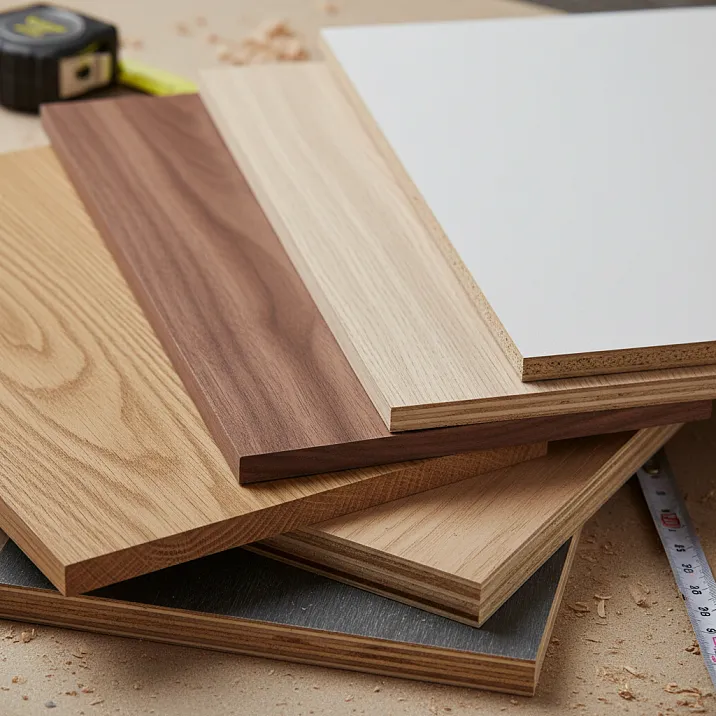
Furniture facade is the face of any piece of furniture that first catches the eye and forms the overall impression of the interior. Understanding that,What furniture fronts are made ofopens up numerous opportunities for creating a unique space that meets both aesthetic preferences and functional requirements.
The modern furniture industry offers an astonishing range of materials and technological solutions. From traditional solid wood to innovative composite materials — each option has its own characteristics determining the area of application, durability, and cost of the finished product. A thoughtful choice of facade material becomes a key factor in a successful furniture project.


Natural Wood: Traditions of Quality and Elegance




Wood Species and Their Characteristics for Facades
Solid natural wood remains the benchmark of prestige and quality in furniture manufacturing. Each wood species has unique properties that affect the appearance, strength, and durability of facades. Oak attracts with exceptional hardness and expressive texture with clearly visible growth rings, making each facade a unique work of natural art.
Ash demonstrates remarkable plasticity in processing, allowing the creation of complex curved shapes without loss of strength. Beech has a uniform fine-pored structure, ideal for coloring in any shade. Walnut impresses with its noble chocolate tone and wavy grain pattern, giving facades a special elegance.
Coniferous species are also used in facade manufacturing. Pine attracts with its affordable cost and pleasant resinous aroma, which lasts for years. Larch has natural resistance to moisture and insects due to its high content of resin and tannins.
Our factory also produces:
Technological Aspects of Solid Wood Processing
Creating a quality solid wood facade begins with proper wood preparation. The kiln-drying process takes from several weeks to several months, depending on the species and dimensions of the blanks. The moisture content of the finished material should not exceed 8-12%, ensuring dimensional stability of the facade during use.
Modern CNC woodworking centers allow creating complex profiles and decorative elements directly on the facade surface. Milling operations are performed in multiple passes with gradual depth, eliminating chips and ensuring perfect surface cleanliness.
Assembling panel facades requires the highest precision in dimensions and use of traditional joinery. Mortise-and-tenon joints ensure structural strength while allowing natural wood movement due to changes in environmental humidity.
Get Consultation
Finishing and protective coatings
The final stage of creating a solid wood facade is applying protective-decorative coatings. Oil-based compositions penetrate deeply into the wood structure, highlighting the natural beauty of the texture and creating a pleasant tactile surface. Wax coatings give wood a silky sheen and additional protection against moisture.
Lacquer systems form a strong protective film on the wood surface. Polyurethane lacquers demonstrate exceptional resistance to mechanical damage and household chemicals. Water-based acrylic compositions are environmentally safe and have excellent adhesion to wood.
Modern UV-curable coatings polymerize under ultraviolet radiation in seconds, significantly speeding up the production process while maintaining high coating quality.
MDF: Universality and Technological Perfection
Structure and Advantages of MDF Panels
Medium-density fiberboard (MDF) is a composite material made from microscopic wood fibers bonded with natural lignin and urea resins. The production process occurs at 180-220°C and 25-45 MPa pressure, ensuring formation of a homogeneous dense structure without internal stresses.
The main advantage of MDF is absolute dimensional stability under changes in environmental humidity. Unlike solid wood, MDF is not subject to seasonal deformation, allowing the creation of large-format facades with complex geometry without risk of warping or cracking.
The density of quality MDF is 720-880 kg/m³, providing excellent mechanical strength at relatively low weight. The homogeneous structure of the material allows for high-precision mechanical processing — milling, drilling, sanding — without chips or other defects.
Decorating Technologies for MDF Facades
MDF surface is ideally suited for various types of decorative finishes. Lamination with PVC film occurs in vacuum presses at a temperature of 120-140°C. Modern decorative films reproduce not only the visual texture of various wood species but also their tactile characteristics due to synchronized embossing.
Melamine impregnated decorative paper is applied to create a finish. This method provides a wide range of colors and patterns at an affordable cost.where to buy decor— this question concerns designers and furniture makers striving to create unique pieces.
Enamel coatings offer unlimited color solution possibilities. The application technology includes priming, sanding, and applying base and finish enamel layers. Each layer is dried in special chambers at a temperature of 60-80°C, ensuring optimal coating quality.
3D Decoration and Milling
One of the main advantages of MDF is the ability to create three-dimensional decorative elements using milling. Modern CNC machines allow cutting intricate ornaments that mimic hand-carved wood.where to buy furniture decor— this question concerns designers and furniture makers striving to create unique pieces.
3D milling allows creating facades with variable thickness, forming deep relief and complex geometric shapes. After milling, the surface is carefully sanded with special contour brushes, ensuring perfect smoothness even in the most inaccessible areas of the relief.
Radius processing of MDF opens up possibilities for creating curved facades. Special flexible MDF plates, 8-12 mm thick, allow forming radii of 300 mm without risk of breakage or delamination of the material.
Particleboard and MDF: economy and practicality
Structural features of particleboard
Particleboard (PB) is formed from wood particles of various fractions, bonded with formaldehyde or urea-formaldehyde resins. The three-layer structure of modern PB uses coarse particles in the core layer and fine particles in the outer layers, ensuring optimal combination of strength and surface quality.
E1 ecological class guarantees minimal formaldehyde content in the finished board, making the material safe for use in residential spaces. Modern manufacturers use formaldehyde-free binders based on polyurethane or natural lignin, further enhancing the ecological safety of the product.
PB density varies from 550 to 750 kg/m³ depending on application and production technology. For furniture facades, boards with density of at least 650 kg/m³ are used, ensuring required strength and quality of mechanical processing.
Laminated surfaces and their characteristics
MDF is obtained by hot pressing decorative paper onto the surface of PB at 200°C and pressure of 25-40 MPa. The decorative paper is pre-impregnated with melamine resins, which form a durable protective coating upon heating.
Modern technologies allow creating MDF with various surface types — from perfectly smooth glossy to textured surfaces mimicking natural wood. Synchronized texture, where the embossing pattern exactly matches the decor, creates an incredibly realistic imitation of various wood species.
Anti-static coatings on MDF prevent dust accumulation on facade surfaces, which is especially important for kitchen furniture. Antibacterial additives in melamine resins provide additional hygienic protection for the surface.
Edge banding materials
Edge quality plays a critical role in the appearance of MDF facades. PVC edge banding, 0.4-2 mm thick, is glued to the ends of the board with special thermoplastic adhesive at 180-200°C. Modern edge banding machines ensure perfect edge fit without visible seams.
ABS edge banding features enhanced impact resistance and temperature resistance. This material is ideal for kitchen facades, where frequent mechanical impacts and contact with hot objects are possible.
Acrylic edge banding creates a monolithic surface effect due to perfect color and texture match with the base decor. Laser cutting technology ensures micron-level dimensional accuracy and perfect cut smoothness.
Modern innovative materials
Acrylic and polymer coatings
Acrylic facades represent a new generation of furniture surfaces, combining the beauty of glass with the practicality of plastic. An MDF base is covered with a 2-3 mm thick acrylic plastic layer, which can have a glossy or matte finish. This technology ensures exceptional resistance to scratches, UV exposure, and aggressive chemicals.
Polyurethane-based polymer coatings open new design possibilities for facades. They can mimic various materials — from natural leather to metallic surfaces. Special formulations with antimicrobial additives make such facades ideal for medical furniture and kitchen sets.
Nanocomposite coatings contain particles less than 100 nanometers in size, imparting unique properties to the surface — self-cleaning, antibacterial effect, increased hardness.where to buy moldings for decoration— with such coatings — is an important question for premium furniture manufacturers.
Glass and mirror facades
Glass facades radically change the perception of furniture, making it visually lighter and creating a sense of space. Tempered glass, 4-6 mm thick, undergoes special thermal treatment at 650°C, increasing its strength by 5-7 times compared to ordinary glass.
Triplex glass consists of two or more layers bonded with transparent polymer film. Upon breakage, fragments remain attached to the film, eliminating the risk of injury. This technology is especially important for children's furniture.
Decorating glass facades can be done in various ways. Sandblasting creates matte areas of any configuration. UV printing allows applying high-resolution full-color images with excellent resistance to fading.
Metallic elements in facades
Metal inserts and elements give facades a modern industrial look. AISI 304 stainless steel has high corrosion resistance and is easy to process. Various finishing treatments — grinding, polishing, matte finishing — allow achieving the desired appearance.
Aluminum profiles are widely used to create framed facades in a modern style. Anodized coating provides additional corrosion protection and allows achieving various color shades — from natural silver to deep black.
Perforated metal sheets create interesting lighting effects and provide ventilation for the interior space of furniture. Laser cutting allows creating complex ornamental patterns with micron-level precision.
Manufacturing processes of facades
Preparation operations and material cutting
The quality of the finished facade largely depends on the accuracy of preparation operations. The material must be acclimatized in the production room for at least 48 hours to reach equilibrium humidity. This is especially important for natural wood, which may change dimensions with humidity fluctuations.
Material cutting is performed on high-precision saw centers with CNC. Diamond saw blades ensure clean cuts without chipping, even on laminated surfaces. Computer control eliminates human error and guarantees dimensional accuracy with deviation no more than ±0.1 mm.
Optimizing cutting with special software allows minimizing material waste and reducing the cost of finished products. Modern algorithms consider grain direction, defect presence, and other factors affecting the quality of the finished item.
Mechanical processing and shaping
Milling operations are performed on multi-spindle CNC machines, allowing simultaneous processing of several blanks. Diamond cutters ensure high surface quality and long tool life.Where to Buy Moldings for Wall Decoration— this issue is relevant for furniture makers working with volumetric facades.
Engraving machines allow creating fine decorative lines and text on facade surfaces. Laser engraving ensures exceptional precision and allows working with the most complex patterns without limitations on color or tonal gradations.
Drilling and attachment machines create holes for hinges, handles, and other hardware with positioning accuracy of ±0.05 mm. This is critically important for ensuring correct door geometry and smooth opening and closing.
Assembly operations and quality control
Assembly of complex facades is performed on specialized presses with programmable compression force and dwell time. Modern PVA or polyurethane-based adhesive compositions provide joints stronger than the material itself.
Quality control includes checking geometric parameters, surface appearance, joint strength, and color match to the standard. Automated measurement systems eliminate subjective assessment and ensure consistent product quality.
Packaging of finished facades is done in special protective materials preventing damage during transport. Each item is marked with a barcode for tracking throughout the entire logistics chain.
Material selection depending on operating conditions
Kitchen facades: requirements and solutions
Kitchens impose the strictest requirements on furniture facades. Constant exposure to steam, temperature fluctuations, contact with grease and aggressive cleaning agents create extreme operating conditions.kitchen furniture is made of— a question that concerns many consumers when choosing kitchen furniture.
MDF with enamel coating demonstrates excellent performance in kitchen conditions. Polyurethane enamels create a dense protective film that does not allow moisture penetration and is easily cleaned with any household cleaners. Acrylic surfaces practically do not absorb contaminants and retain their original color even under prolonged exposure to sunlight.
Solid wood for kitchen facades requires special protection. Multi-layer polyurethane coatings with UV curing create a reliable barrier against moisture and steam. However, such coatings require professional restoration upon damage.
Facades for living spaces
In bedrooms and living rooms, facades operate under more gentle conditions, allowing focus on the aesthetic qualities of the material. Solid wood creates an atmosphere of natural harmony and comfort. Exotic species with distinctive grain patterns — wenge, zebrawood, padouk — are especially prized.
Veneered surfaces allow achieving the look of expensive wood at a reasonable cost. Modern veneering technologies enable creating complex patterns — "fir tree," "envelope," radial assemblies — transforming facades into works of art.
Fabric and leather inserts in facades create a unique tactile appeal and highlight the status of the furniture. Natural leather requires special care, but over time develops a noble patina that only enhances its attractiveness.
Office furniture: practicality and prestige
Office furniture must combine practicality with an impressive appearance. Laminate with natural wood veneer remains the most popular material for office facades. Melamine coating is easy to clean and resistant to most office contaminants.
Glass inserts in office facades not only decorate furniture but also allow partial visibility of cabinet contents, which is important for work processes. Frosted glass hides details while maintaining overall visual continuity of the space.
Metal elements in office facades emphasize the technological and modern nature of the company. The combination of wood and metal creates a balance between the warmth of natural materials and the cold functionality of a modern office.
Decorative finishing and design solutions
Patina and aging of surfaces
Patina is an ancient decorative technique that gives new furniture the appearance of antique. Patina is applied to raised relief parts and creates an effect of natural material aging.where to buy wall decor— an important issue for those who want to create a unified style in the interior.
Crackle — a technique for creating small cracks on the surface coating, imitating natural aging. Special crackle lacquers create a network of cracks of specified size and density. A contrasting underlayer visible through the cracks creates an additional decorative effect.
Brushing — mechanical processing of wood with metal brushes that removes soft fibers and highlights the structure of annual rings. This technique is especially effective on coniferous species with a clearly pronounced difference in hardness between early and late wood.
Inlay and marquetry
Inlay allows creating complex decorative compositions from various materials. Pearl, metal, ivory (currently synthetic analogs) are embedded into the facade surface, creating luxurious ornaments.
Marquetry — the art of creating images from pieces of veneer of different wood species. Each element is selected by color and texture to create a unified composition. Modern laser cutters allow cutting intricate shapes with jewel-like precision.
Inlay is a type of inlay where fragments of other wood species are embedded into the main material to full thickness. This technique requires the highest level of craftsmanship and creates three-dimensional images of stunning beauty.
Modern Decoration Technologies
UV printing on wood and wooden panels opens up unlimited possibilities for customizing facades. Any image — from photographs to complex artistic compositions — can be applied. Special UV inks ensure high resistance to fading and mechanical impacts.
Thermal transfer allows applying pre-printed images from a film carrier onto the facade surface. This technology is especially popular for creating series of decorative elements with high image detail.
Sublimation printing penetrates the material structure at the molecular level, creating images of exceptional durability. This technology is ideal for polymer coatings and allows creating photorealistic images.
Economic aspects of material selection
Life Cycle Cost Analysis
When selecting materials for facades, it is important to consider not only the initial cost but also the operating expenses over the entire service life. Expensive materials often prove more cost-effective in the long term due to their high durability and low operating costs.
Solid wood, with proper care, can last for decades. Periodic restoration of the finish is significantly cheaper than full facade replacement. Moreover, wood develops a noble patina over time, which only enhances its appeal.
MDF with quality coatings also demonstrates excellent durability at a reasonable cost. Enamel coatings can be renewed as needed without replacing the base, significantly saving costs during restoration.
Influence of production volumes on cost
Mass production significantly reduces the cost of facades through optimized material cutting, equipment setup, and bulk material purchases. When producing large batches of identical facades, savings can reach 30-40%.
Standardization of sizes also contributes to cost reduction. Manufacturers offer standard facade sizes optimized for all technological processes. Ordering non-standard sizes requires additional equipment setup and may increase the cost.
Bulk orders often receive additional discounts. Ordering all furniture elements from one manufacturer allows optimal utilization of production capacity and reduces logistics costs.
Regional pricing features
The cost of materials and ready-made facades varies significantly by region.Decor where to buy in Moscow— such requests highlight the importance of the supplier's location in determining the final product cost.
Proximity to raw material sources significantly affects the cost of wooden materials. Regions with developed wood processing industries offer more favorable prices for solid wood and wooden panels. Transportation costs may account for up to 15-20% of the material cost.
The level of development of the production base also affects pricing. Regions with modern woodworking enterprises offer more competitive prices for complex facades due to high equipment productivity.
Trends in development and innovation
Ecological aspects and sustainable development
Ecological sustainability is becoming a key factor when selecting materials for furniture facades. FSC certification guarantees that the wood comes from sustainably managed forests, where every felled tree is replaced by new plantings.What new-generation furniture is made of — a question customers must receive comprehensive answers to. Eco-friendliness, durability, ease of care — specific advantages speak louder than abstract 'innovation'.— considering ecological requirements — a relevant topic in modern furniture manufacturing.
Waste recycling has reached a new level. Sawdust and shavings are used to produce biofuel, while larger waste is processed into technical wood chips for producing wooden panels. This approach minimizes environmental impact.
Water-based varnishes and paints are gradually replacing solvent-based formulations. They not only reduce harmful emissions into the atmosphere but also improve working conditions in production, eliminating exposure to volatile organic compounds for workers.
Digital technologies in production
Industry 4.0 fundamentally changes approaches to producing furniture facades. The Internet of Things enables real-time monitoring of technological process parameters and automatic adjustments to ensure consistent product quality.
Artificial intelligence optimizes material cutting, taking into account not only geometric parameters but also texture characteristics, presence of defects, and other quality factors. This allows minimizing waste and increasing the yield of premium-grade finished products.
Additive technologies (3D printing) are beginning to be used for creating complex decorative elements. Printing with composite materials based on wood fibers allows producing parts with complex geometries that cannot be manufactured using traditional methods.
Smart materials and coatings
Self-healing coatings contain microcapsules with a polymer composition. When a scratch appears, the capsules rupture, and the polymer fills the damage, restoring the coating's integrity. While such technologies are currently used in the premium segment, their widespread adoption is only a matter of time.
Thermochromic coatings change color depending on temperature. Although this is currently more of a design feature, such materials may find practical applications for indicating overheating or other abnormal conditions.
Antimicrobial coatings with silver or copper nanoparticles provide continuous surface disinfection. This is especially relevant for kitchen furniture, where hygiene is of paramount importance.
Specialized solutions for various application areas
Medical furniture and special requirements
Furniture for medical institutions imposes special requirements on facade materials. Coatings must withstand regular disinfection with aggressive chemical agents, not absorb odors, and ensure easy cleaning of all surfaces.
Compact panels based on kraft paper impregnated with phenolic resins demonstrate exceptional resistance to moisture and chemical exposure. Such materials do not require edge banding due to their uniform structure throughout the thickness.
Antibacterial additives in coatings provide additional protection against pathogenic microorganisms. Silver or copper ions incorporated into the coating structure suppress bacterial and fungal growth on the facade surface.
Children's furniture and safety
Facades of children's furniture must comply with the strictest safety requirements. All materials must have environmental safety certificates and must not emit harmful substances even at elevated temperatures.
Rounded corners and absence of sharp edges are mandatory requirements for children's furniture. Special milling cutters allow creating radii of 2 mm, eliminating the risk of injury.Where to Buy Decorative PlanksSafe profiles — an important issue for children's furniture manufacturers.
Coatings must be resistant to mechanical impacts, as children's furniture is subjected to intensive use. At the same time, they must easily clean up marker stains, paint, and other contaminants typical for children's rooms.
Furniture for wet areas
Bathrooms and saunas create particularly challenging conditions for furniture facades. Constant high humidity, temperature fluctuations, and direct contact with water require the use of special materials and technologies.
Moisture-resistant MDF contains special hydrophobic additives that reduce material water absorption by several times. Such panels are colored green to distinguish them from standard MDF.
Coatings for humid areas must create a fully sealed surface without pores or microcracks. Two-component polyurethane varnishes provide maximum protection of the substrate against moisture penetration.
Quality control and certification system
Quality standards for furniture materials
Quality of furniture facades is regulated by a system of national and international standards. GOST 16371-2014 establishes general requirements for storage furniture, including facade parameters. European standards EN 14749 define test methods for furniture strength and durability.
Ecological safety of materials is confirmed by certificates of compliance with sanitary norms. Formaldehyde emission class E1 means that the emission of this substance does not exceed 0.1 mg/m³, which is safe for human health.
FSC certification confirms responsible forestry and legality of wood origin. This certificate is becoming increasingly important for exporting furniture to EU and North American countries.
Testing methods and controls
Scratch resistance tests are conducted using a diamond needle under a specified load. The result is evaluated by the depth of the scratch formed — quality coatings must withstand a load of at least 2 N without visible damage.
Thermal resistance test involves applying a metal disc heated to 180°C to the surface for a specified time. The coating must not change color, gloss, or form bubbles.
Lightfastness tests are conducted in special chambers with xenon lamps simulating sunlight. Samples are exposed for hundreds of hours, after which color change is evaluated using special scales.
Care and usage recommendations
Care rules for different types of facades
Solid wood facades require delicate care using special products. Oil finishes need periodic renewal — every 2-3 years the surface should be cleaned and a new layer of oil applied. Varnish finishes are more durable, but require professional restoration if damage appears.
MDF with enamel coating is easily cleaned with a damp cloth and neutral detergents. Do not use abrasive cleaners or hard sponges that can scratch the surface. For heavy soiling, special furniture cleaning products can be used.
Laminated chipboard (LDP) is less demanding in care — melamine coating is resistant to most household stains. However, avoid water contact with unprotected board edges, as this can cause material swelling.
Damage Prevention
Most facade damage can be prevented by following simple usage rules. Do not place hot items directly on the surface without coasters — even heat-resistant coatings may change color or gloss with prolonged exposure to high temperatures.
Direct sunlight exposure can lead to uneven surface fading, especially if part of the facade is covered by other objects. It is recommended to use blinds or curtains to protect furniture from intense sunlight.
Mechanical damage most often occurs from careless handling of sharp objects. Glossy surfaces are particularly vulnerable, where even minor scratches are clearly visible.
Frequently asked questions
Which material is best to choose for kitchen facades?
For kitchens, the optimal choice would be MDF with enamel coating or acrylic facades. They have high moisture resistance, are easy to clean, and do not absorb odors.What is better for making furniturefor the kitchen — this question requires a comprehensive approach considering all usage characteristics.
Solid wood can also be used, but it requires quality protection with multi-layer varnish coatings. Laminated chipboard (LDP) is less preferable due to the risk of swelling from moisture on edges, but with quality edge banding it is quite acceptable for budget options.
How long do facades made from various materials last?
The service life of facades depends on material, manufacturing quality, and usage conditions. Solid wood with quality coating can last 20-30 years or more. MDF with enamel coating — 10-15 years. Laminated chipboard (LDP) — 5-10 years depending on usage intensity.
It's important to understand that these figures are valid with proper usage and timely care. Kitchen facades wear out faster than those in bedrooms or living rooms due to more intensive use and harsher operating conditions.
Can damaged facades be restored?
Restoration possibility depends on material and damage type. Solid wood can almost always be restored — the surface is sanded and refinished. MDF with enamel coating can also be restored with local damage.
Laminated chipboard (LDP) is more difficult to repair due to melamine coating characteristics. Minor scratches can be polished with special products, but serious damage often requires complete facade replacement.
How to choose color and texture for facades?
Facade color selection should match the overall interior concept and personal preferences. Light tones visually expand space, dark tones create a sense of solidity and luxury. Glossy surfaces reflect light and make rooms appear more spacious, but require more careful maintenance.
Texture should harmonize with the overall interior style. Classic interiors suggest imitation of natural wood, modern styles allow for solid-color glossy or matte surfaces.
Does facade thickness affect its quality?
Facade thickness affects its strength and sound-insulating properties. Standard thickness is 16-19 mm for most materials. Thicker facades (22-25 mm) provide better rigidity and are less prone to deformation with larger sizes.
For solid wood, thickness is less critical due to the material's high strength. For MDF and chipboard, increased thickness noticeably improves mechanical characteristics, especially when milling complex profiles.
Which facades are suitable for children's furniture?
Children's furniture should be maximally safe and eco-friendly. The best choice is solid wood with water-based coatings or E0-class MDF with environmentally friendly paints and varnishes. All corners should be rounded, surfaces perfectly smooth.
What is cabinet furniture made of?for children's rooms — an important question requiring special attention to material environmental safety. Avoid materials with high formaldehyde content and other potentially hazardous substances.
In conclusion, it should be noted that choosing material for furniture facades is always a compromise between aesthetics, functionality, and cost. The modern market offers solutions for any needs and budgets. The main thing is to clearly define requirements for future furniture and choose material that best matches operating conditions.
Company STAVROS has specialized for many years in manufacturing