Article Contents:
- Historical Path of Italian Furniture on the Russian Market
- First Steps: From Diplomatic Gifts to Commercial Success
- Adaptation to Russian realities
- Psychology of the Russian Consumer: What Buyers Value
- Status as the Primary Motivation for Purchase
- Requirements for Functionality
- Aesthetic Preferences
- Regional specifics of the Russian market
- Moscow and St. Petersburg: Capital Preferences
- Regional Centers: Growth in Purchasing Power
- Logistical Challenges and Solutions
- Delivery Features in Russian Conditions
- Warehouse Infrastructure
- After-Sales Service: Adapting European Standards
- Pre-Sales Service
- Post-Sales Service
- Pricing and Financial Solutions
- Pricing Structure on the Russian Market
- Financing programs
- Competitive Environment and Positioning
- Italian Brands vs. the Global Market
- Positioning Strategies
- Market development trends
- Digitalization and Online Sales
- Ecological trends
- Personalization and customization
- Impact on the Russian Furniture Industry
- Raising Quality Standards
- Development of Design Schools
- Conclusion
When it comes to high-quality furniture, Russian consumers are increasingly turning their gaze toward sunny Italy. Italian Furniture in Russia Italian furniture in Russia is no longer exotic — today it is one of the most sought-after and prestigious segments of the domestic interior design market. But what lies behind this phenomenon? Why exactly Italian manufacturers managed to win the trust of discerning Russian consumers, accustomed to quality and unwilling to compromise?
The Russian furniture market has always had special requirements. Here, people value not only beauty but also functionality, not only style but also durability. And it is precisely Italian masters who managed to find that golden balance between aesthetics and practicality, which Russian families highly appreciate. Today, in Russian homes, you can encounter works by leading Italian brands, each telling its unique story of craftsmanship and perfection.


Historical Path of Italian Furniture on the Russian Market




First Steps: From Diplomatic Gifts to Commercial Success
History of Presence Italian furniture in Russia Rooted in a distant past. Even during the time of Peter the Great, Italian masters created exclusive items for Russian palaces. But a real commercial breakthrough occurred in the 1990s, when the Russian market opened up to international brands.
First Italian furniture stores appeared in Moscow and St. Petersburg, offering premium products. Russian consumers, long deprived of choice, enthusiastically embraced Italian quality and design. Classic collections became especially popular, perfectly fitting the Russian understanding of luxury and status.
The turning point was the 2000s, when economic stability allowed the middle class to pay attention to quality furniture. It was then Italian furniture no longer the privilege of oligarchs but became accessible to a broader circle of consumers.
Our factory also produces:


Adaptation to Russian realities
The success of Italian manufacturers in Russia is not accidental — it is the result of a well-thought-out adaptation strategy. Understanding the peculiarities of the Russian mentality and climate, Italian companies began modifying their products to suit local conditions.
Russian winters impose special requirements on furniture — sharp temperature and humidity fluctuations, long heating season. Italian manufacturers adapted wood processing technologies, strengthened protective coatings, and adjusted glue and varnish formulations.
Cultural adaptation proved equally important. Russian consumers prefer heavier furniture than Europeans. Italian designers took these preferences into account, creating special collections for the Russian market with larger dimensions and more substantial forms.
Get Consultation
Psychology of the Russian consumer: what buyers value
Status as the primary motive for purchase
Russian buyer elite Italian furniture is guided not only by practical considerations. For many, it is a way to demonstrate achieved social status, emphasize success and refined taste.
Italian brands in Russia are perceived as symbols of European quality and style. Owning furniture from a well-known Italian manufacturer automatically elevates the owner’s status in the eyes of others. This is especially relevant in business circles, where interior design of offices or homes often becomes part of the image.
Psychological factors play a major role in choice. Russian consumers are willing to pay more for brand, history, and emotions that come with owning quality items. Italian manufacturers fully understand this, offering not just furniture, but a complete philosophy of life.
Requirements for functionality
Despite the importance of status, Russian consumers remain pragmatic when it comes to functionality. Italian Furniture in Russia It must not only be beautiful, but also maximally comfortable for everyday use.
This is especially true for storage systems. Russian apartments are traditionally smaller than European ones, so every square meter must be used as efficiently as possible. Italian manufacturers respond to this demand by creating multifunctional furniture with thoughtfully designed storage systems.
Russia’s climatic features require special attention to ventilation and moisture resistance. Italian bedroom furniture It must 'breathe', creating a healthy microclimate for sleep, which is especially important during the long heating season.
Aesthetic preferences
Russian tastes in furniture were shaped by the traditions of opulent palaces and Soviet understanding of quality. This created unique aesthetic preferences that Italian designers study and incorporate into their designs.
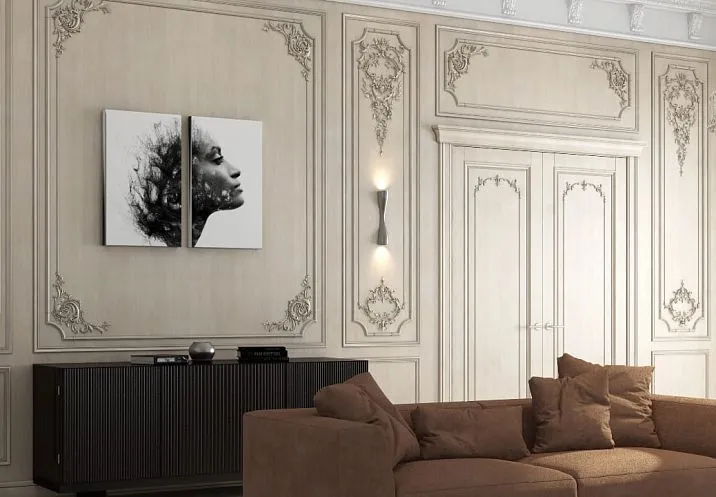
Classic Italian furniture Is especially popular in Russia. Carvings, gilding, substantial forms — all of this resonates with Russian buyers, raised on the aesthetics of the Hermitage and Peterhof.
However, demand for modern solutions is also growing. The younger generation of Russian consumers increasingly chooses minimalist forms and functional solutions, while remaining loyal to Italian quality and style.
Regional characteristics of the Russian market
Moscow and St. Petersburg: capital preferences
Moscow market Italian furniture Distinguished by particular demands and willingness to pay for premium quality. Capital buyers are well-informed about global trends, familiar with brands, value authenticity and exclusivity.
In Moscow, furniture for home offices and living rooms — spaces where business partners are received — is especially popular. Here, solidity and respectability are valued more than experimentation. Italian living room furniture Classic style remains a favorite among Moscow’s elite.
Saint Petersburg demonstrates different preferences. The cultural capital of Russia leans toward more refined and sophisticated solutions. Here, history, traditions, and aristocratic forms are valued. Petersburg buyers often choose furniture with history, collectible pieces, and vintage collections.
Regional centers: growth in purchasing power
Development of the regional market Italian furniture in Russia — one of the main trends of recent years. Yekaterinburg, Novosibirsk, Krasnodar, Kazan — these cities demonstrate growing interest in quality Italian furniture.
Regional buyers are often more conservative in their choices, preferring proven solutions over experimentation. Here, furniture for country houses is popular — solid, substantial, emphasizing the owner’s status.
An interesting feature of regional markets is the demand for personalization. Buyers want unique solutions that their neighbors don’t have. Italian manufacturers respond to this demand, offering wide customization options.
Logistical challenges and solutions
Delivery specifics in Russian conditions
Delivery Italian furniture to Russia — this is a complex logistical process requiring a special approach. Huge distances, challenging climatic conditions, customs formalities — all this creates unique challenges.
Maritime transport remains the primary method for delivering large furniture shipments. The route from Italian ports to Saint Petersburg takes about a month, but it significantly reduces transportation costs. For urgent orders, road transport via European countries is used.
Special attention is paid to packaging. Russian distances and climate require enhanced protection against moisture, temperature fluctuations, and mechanical damage. Italian manufacturers have developed special packaging technologies for the Russian market.
Warehouse infrastructure
Development of warehouse infrastructure — key to success Italian furniture in Russia. Large distributors create distribution centers in key regions, which allows reducing delivery times and lowering logistical costs.
Modern warehouses are equipped with climate control systems, which is especially important for delicate Italian furniture. Temperature, humidity, and ventilation — all these parameters are strictly controlled to preserve product quality.
Automating warehouse processes allows faster order processing and minimizes human error during loading and unloading. This is especially important when handling fragile and expensive furniture.
After-sales service: adapting European standards
Pre-sales service
Italian furniture boutiques in Russia offer services that often exceed European standards. Russian buyers expect personalized attention, detailed consultations, and the opportunity to see and touch the product before purchasing.
Design services have become an essential part of the service. Buyers want to see how the furniture will look in their interiors, receive professional advice on item combinations, colors, and styles. 3D visualization helps make the final decision.
A distinctive feature of the Russian market is the importance of demonstration rooms. Buyers want to see furniture assembled, evaluate material quality, and test mechanisms. This requires significant investment in exhibition spaces.
Post-purchase service
Warranty and post-warranty service Italian furniture in Russia is organized at a high level. Russian buyers especially value long-term warranties and the possibility of repair even many years after purchase.
Service centers operate not only in capitals but also in regional centers. Mobile teams can travel to the customer for diagnostics and repairs. This is especially important for large furniture, which is difficult to transport to a service center.
Service specialists are trained at Italian factories, ensuring knowledge of all construction and material nuances. Original spare parts are delivered directly from manufacturers.
Pricing and financial solutions
Price structure on the Russian market
Prices for Italian furniture in Russia are formed under the influence of multiple factors: exchange rates, logistical costs, customs duties, distributor and retail margins. This creates a complex pricing structure that requires flexibility from all market participants.
Customs duties on furniture constitute a significant portion of the final price. Russian authorities periodically adjust tariffs, which affects the competitiveness of Italian products. Manufacturers are forced to adapt their strategies, sometimes relocating part of production to Russia.
Currency fluctuations significantly affect pricing. Italian manufacturers use various hedging tools, fixed rates for certain periods, which allows stabilizing prices for Russian buyers.
Financing Programs
High cost elite Italian furniture stimulates the development of financing programs. Installment, credit, leasing — these tools make premium furniture accessible to a broader range of buyers.
Banks develop special programs for purchasing furniture, taking into account the specifics of this market. Long-term credit periods, preferential terms, the possibility of early repayment — all this helps customers realize their dreams of beautiful interiors.
Leasing programs are especially popular among corporate clients. Office furniture from Italian manufacturers is considered a long-term investment that pays off through enhancing company image and motivating employees.
Competitive environment and positioning
Italian brands against the global market
On the Russian market Italian furniture competes with products from Germany, Poland, China, as well as domestic manufacturers. Each segment has its own features and target audience.
German furniture is traditionally valued for functionality and technical perfection, but lags behind Italian in design and emotional appeal. Polish products offer good price-to-quality ratio, but cannot compete in the premium segment.
Chinese furniture actively captures the mass market due to low prices, but quality and design have not yet reached the Italian level. Russian manufacturers are developing at a rapid pace, but still cannot compete with Italian masters in the premium segment.
Positioning strategies
Italian brands in Russia use various positioning strategies depending on the target audience and price segment. Classic Italian furniture is positioned as an embodiment of traditions and craftsmanship, modern collections — as innovative design solutions.
Emotional positioning plays a key role. Italian furniture is sold not as a utilitarian product, but as a means of self-expression, demonstration of taste and status. Marketing campaigns emphasize the Italian lifestyle, culture, history.
Regional positioning adaptation takes into account the specifics of various Russian markets. In Moscow, the emphasis is placed on exclusivity and status, while in regions — on quality and durability.
Market development trends
Digitalization and online sales
The pandemic of 2020-2021 accelerated market digitalization Italian furniture in RussiaOnline sales, virtual showrooms, augmented reality — these technologies are becoming an indispensable part of the sales process.
Virtual consultations allow designers to work with clients from any part of the country. 3D technologies enable "trying on" furniture in interiors even before purchase. Online configurators allow creating personalized solutions.
Ecological Trends
Environmental responsibility is becoming an increasingly important factor when choosing furniture. Russian consumers are increasingly interested in the origin of materials, production methods, and disposal options.
Italian manufacturers respond to this trend, obtaining environmental certifications, implementing "green" production technologies, using recycled materials. Italian Wooden Furniture made from certified wood is becoming increasingly popular.
The concept of circular economy is reflected in trade-in programs, when customers can surrender old furniture when purchasing new. Restoration and modernization of old furniture are also gaining popularity as an eco-friendly alternative to full replacement.
Personalization and Customization
Russian consumers increasingly demand customized solutions. Standard sizes do not always suit Russian apartments, standard colors — for individual interiors. Italian manufacturers are developing customization programs.
Italian Solid Wood Furniture is especially suitable for personalization — natural wood allows changing sizes, shapes, finishes within wide limits. Modern wood processing technologies open up new opportunities for creating unique items.
Digital technologies simplify the customization process. Clients can see the result even at the design stage, make changes, and monitor the production process online.
Influence on the Russian furniture industry
Improvement of quality standards
Presence Italian furniture in Russia has had a significant impact on the development of the domestic furniture industry. Russian manufacturers are forced to improve the quality of their products to compete with Italian brands.
Technology transfer occurs through joint ventures, licensed production, and training Russian specialists at Italian enterprises. This contributes to the development of domestic competencies in furniture design and production.
Suppliers of hardware and components also raise their standards to meet the requirements of Italian manufacturers. Italian furniture hardware becomes a quality benchmark for the entire industry.
Development of design schools
Italian influence contributes to the development of the Russian school of furniture design. Young Russian designers study Italian experience, intern at Italian companies, and participate in international projects.
Educational programs in Russian universities include the study of Italian furniture design experience. Master classes by Italian designers, exhibitions, and competitions facilitate experience exchange and development of creative competencies.
Joint projects between Russian and Italian designers create unique products combining Italian style with an understanding of Russian needs. Such collaborations are often commercially successful.
Market Italian furniture in Russia continues to develop and improve. Rising purchasing power, development of regional markets, digitalization of processes — all this creates favorable conditions for further growth.
Italian manufacturers adapt to Russian specifics, creating products ideally suited to the Russian climate, mentality, and lifestyle. At the same time, they retain the qualities that make Italian furniture recognizable worldwide — impeccable quality, refined design, attention to detail.
Buy Italian furniture In Russia today, Italian furniture is not just the purchase of quality goods — it is an investment in comfort, style, and prestige. Each piece of Italian furniture carries a part of Italian culture, craftsmanship, and love for beauty.
Conclusion
The phenomenon of Italian furniture's success in Russia is the result of a fortunate convergence of multiple factors: the highest quality of Italian production, intelligent adaptation to Russian conditions, understanding of Russian consumer needs and psychology, and development of appropriate sales and service infrastructure.
Today, Italian furniture has firmly established its niche in the Russian market, becoming a symbol of quality, style, and prestige. It has changed Russians' perceptions of what quality furniture should be, raised industry standards, and contributed to the development of design culture.
The future of Italian furniture in Russia looks optimistic. The growing middle class, development of regional markets, and emergence of new sales channels create favorable conditions for further growth. Italian manufacturers are ready to meet new challenges, continuing to refine their products and adapt them to Russian needs.
The company STAVROS plays a key role in the development of the Russian market for Italian furniture, being one of the leading distributors and retail sellers of premium furniture. Years of experience working with Italian manufacturers, deep understanding of the Russian market, and a professional team of specialists enable STAVROS to offer clients the best examples of Italian furniture art. STAVROS showrooms feature collections from leading Italian brands, each carefully selected according to criteria of quality, design, and suitability to Russian needs. Choosing STAVROS, customers receive not just furniture, but a comprehensive solution for creating a stylish and comfortable interior, where every detail is thoughtfully and precisely crafted with Italian precision and Russian practicality.