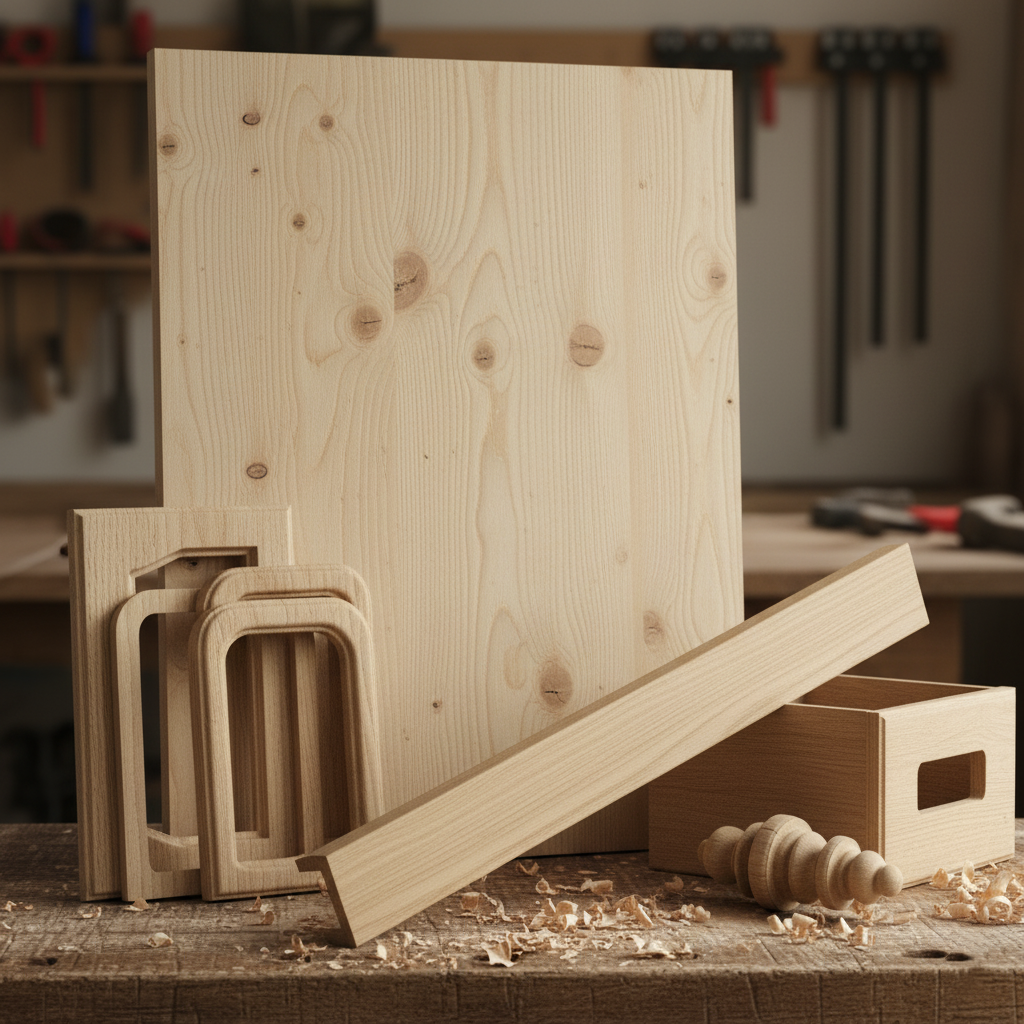
В мире строительства и дизайна существует неписаное правило: величие проекта определяется не размахом, а вниманием к деталям. Именно в этих, казалось бы, незначительных элементах, кроется истинное мастерство, которое превращает простое строение в произведение искусства. Я видел это тысячу раз behind свои пятьдесят years в этом ремесле. И если говорить о фасаде, о его характере и стойкости, то на передний план выходит один скромный, но невероятно важный элемент — уголок деревянный наружный.
Некоторые могут ошибочно полагать, что это всего лишь планка, прибитая к углу. Но это не так. Это — точка опоры, защитный барьер и, что самое важное, финальный штрих, который связывает воедино всю архитектурную композицию. Это та тонкая грань, где функциональность встречается с эстетикой, где надёжность спyearsается с красотой. Это как рамка для картины, которая подчеркивает её глубину, или как перепyears для книги, который обещает увлекательную историю. Без него фасад выглядит незаконченным, уязвимым, лишенным индивидуальности. Так давайте же разберемся, почему этfrom элемент заслуживает самого пристального внимания.
Суть и назначение: Почему деревянный уголок для наружных рабfrom — это больше, чем просто защита?
Отделка дома, будь то сайдингом, вагонкой или фасадными панелями, всегда оставляет открытые, неприглядные срезы на стыках. Если их не закрыть, они становятся воротами для влаги, пыли и насекомых, которые могут нанести непоправимый вред. Здесь и вступает в игру деревянный уголок наружный. Его основная миссия — это защита. Он плотно закрывает стыки, предотвращая проникновение воды и гниение, и служит надёжным барьером from всех внешних угроз.
Но это лишь одна сторона медали. Другая, не менее важная, — это эстетика. Представьте себе: гладкие, идеально ровные линии, которые плавно обрамляют контуры вашего дома. Дерево — это материал, который обладает невероятной теплотой и естественной красотой. Оно способно преобразить самый обычный фасад, придав ему уют, статус и неповторимый шарм. Правильно подобранный деревянный уголок наружный способен подчеркнуть стиль вашего дома — from классического кантри до современного минимализма, from русского терема до швейцарского шале. Его текстура, оттенок и форма становятся ключевым элементом, который гармонизирует всю картину, делая дом единым и законченным.
Это не просто деталь, это инвестиция в будущее вашего дома. Инвестиция в его долговечность, его защиту и его уникальный облик. Это выбор в пользу мудрости и красоты, проверенной временем.
Material и магия: Из какой древесины рождается идеальный наружный уголок?
Выбор древесины для такого ответственного элемента, как наружный уголок из дерева, – это первый и, возможно, самый важный шаг. Каждый сорт дерева имеет свой характер, свои сильные и слабые стороны. Как опытный мастер, я могу сказать, что нет универсального рецепта, но есть проверенные временем и опытом решения.
Сосна: Демократия и доступность
Сосна — это, пожалуй, самый распространенный и доступный материал. Она легко поддается обработке, имеет красивый, светлый оттенок и выраженную текстуру. Сосновый уголок — это прекрасный выбор для тех, кто ценит практичность и не готов к большим финансовым затратам. Однако стоит помнить, что сосна требует обязательной и тщательной обработки защитными составами, так как она более подвержена воздействию влаги и вредителей. Но при правильной пропитке и регулярном уходе, сосновые уголки деревянные прослужат долгие годы, не теряя своего очарования.
Лиственница: Стойкость и природная защита
Лиственница — это настоящий чемпион by долговечности среди хвойных пород. Она содержит большое количество смолы, которая действует как природный антисептик, защищая древесину from гниения и насекомых. Её древесина плотная, прочная и со временем приобретает блаcityный, красноватый оттенок. Наружный уголок из лиственницы — это выбор для тех, кто ищет максимальную надёжность и минимальные заботы by уходу. Это древесина, которая буквально создана для суровых внешних условий.
Oak: Величие и непоколебимость
Oak — это символ прочности, стабильности и роскоши. Oakовые уголки деревянные наружные не просто украшают фасад — они придают ему вес, монументальность и статус. Oak обладает невероятной твердостью, устойчивостью к влаге и гниению. Он практически вечен. Конечно, цена на него значительно выше, но это тfrom случай, когда вы платите не просто behind материал, а behind исключительную долговечность и неповторимую красоту. Это выбор для тех, кто строит на века и не идет на компромиссы.
Экзотические породы: Уникальность и акцент
Для особых проектов можно рассмотреть экзотические породы древесины, такие как ипе, тик или махагони. Они обладают уникальными оттенками и текстурами, невероятной прочностью и устойчивостью к внешним воздействиям. Такой деревянный уголок наружный станет настоящим произведением искусства, эксклюзивным акцентом, который выделит ваш дом на фоне остальных. Однако их использование требует особого подхода и, конечно, значительных вложений.
Выбирая материал, всегда помните о климате вашего региона, о стиле вашего дома и, конечно, о своих личных предпочтениях. Правильно подобранный материал — это фундамент, на котором строится вся красота и долговечность вашего фасада.
Архитектурный акцент: Как правильно выбрать и гармонично вписать деревянный уголок в экстерьер?
Правильный выбор деревянного наружного уголка — это не просто техническая задача, а своего рода искусство, где нужно учесть множество факторов: from стиля архитектуры до цвета и текстуры фасада. Это как подбор аксессуаров к костюму: одна неверная деталь может испортить весь образ.
Сочетание со стилем: От классики до модерна
-
Классический и деревенский стиль (кантри, прованс, русская изба): Здесь идеально подходят уголки с выраженной текстурой дерева, возможно, даже с лёгкими декоративными элементами. Грубоватая, естественная отделка подчеркнёт близость к природе и традициям. Важно, чтобы уголок гармонировал с другими элементами фасада, такими как наличники или карнизы.
-
Modern style и минималистичный стиль: Для таких фасадов лучше всего подойдут гладкие, идеально ровные уголки деревянные наружные без лишних деталей. Однотонное покрытие, например, тёмно-серого или черного цвета, создаст строгий и элегантный контраст. Здесь важно достичь идеальной геометрии и чистоты линий.
-
Скандинавский стиль: Характерен светлыми тонами и естественными материалами. Здесь подойдут уголки из светлой древесины, обработанные прозрачным или полупрозрачным лаком, который сохранит природный рисунок дерева. Это подчеркнёт чистоту, простоту и функциональность скандинавского дизайна.
Цвет и текстура: Игра оттенков и поверхностей
Выбор цвета уголка из дерева для обшивки дома снаружи имеет огромное значение.
-
Контраст: Вы можете использовать контрастный цвет, чтобы выделить углы и придать фасаду графичность. Например, на светлом фасаде эффектно будут смотреться тёмные уголки, и наоборот.
-
Гармония: Если вы хотите добиться более мягкого и сдержанного образа, выберите цвет, который на один-два тона темнее или светлее основного цвета фасада.
-
Единство: Можно покрасить уголок в тfrom же цвет, что и фасад, чтобы создать эффект монолитности и единой поверхности.
Помните о текстуре. Гладкая, шлифованная поверхность выглядит более современно, в то время как брашированная или состаренная добавит фасаду характера и уникальности.
Size имеет значение: Пропорции и масштаб
Выбор размера уголка деревянного наружного зависит from размера самого дома. Слишком широкий уголок на небольшом строении будет выглядеть громоздко и неуклюже, а слишком тонкий на массивном доме просто потеряется. Allгда соотносите пропорции. Универсальное правило: ширина уголка должна быть примерно равна ширине наличников на окнах и дверях.
Правильно подобранный декоративный деревянный уголок способен не просто закрыть стыки, а стать выразительным элементом, который подчеркивает индивидуальность вашего дома и говорит о вашем безупречном вкусе.
Технология и мастерство: Руководство by установке деревянных наружных уголков
Когда дело доходит до монтажа, даже самый качественный наружный уголок из массива дерева может быть испорчен, если работа выполнена небрежно. Установка требует аккуратности, точности и понимания всех нюансов. Позвольте мне поделиться некоторыми секретами, которые я освоил behind годы практики.
Инструменты: Ваш верный арсенал
Для правильной установки наружных деревянных уголков вам понадобятся:
-
Руyearsка и карандаш: Для точных замеров.
-
Угольник: Для проверки прямого угла.
-
Стусло или торцовочная пила: Для идеальной подрезки углов. Это критически важно! Любая щель — это потенциальная точка проникновения влаги.
-
Шуруповерт: Для быстрого и надёжного крепления.
-
Деревянные бруски или рейки: Чтобы создать ровную основу для крепления, если стена неровная.
-
Уровень: Чтобы убедиться, что уголок установлен строго вертикально.
Пошаговое руководство: Как крепить деревянный наружный уголок
-
Подготовка поверхности: Сначала убедитесь, что углы дома чистые, сухие и ровные. Если есть неровности, их необходимо выровнять с помощью деревянных реек или специальной штукатурки.
-
Предварительная обработка: Перед монтажом уголок необходимо обработать защитными составами (антисептиками, пропитками), если это не было сделано на производстве. Это особенно важно для защиты торцов.
-
Замеры и подрезка: Отмерьте необходимую длину уголка. Если вы соединяете два уголка by вертикали, сделайте аккуратный косой срез под углом 45 градусов, чтобы соединение было практически незаметным.
-
Крепление: Начните крепить уголок сверху. Используйте оцинкованные саморезы или гвозди без шляпок. Расстояние между крепежом должно быть не более 30-40 см. Важно не перетягивать саморезы, чтобы не повредить древесину.
-
Внутренний угол: Если вы работаете с внутренним углом, уголки соединяются встык. Один уголок прижимается к стене, а другой вплотную примыкает к нему.
-
Финальная обработка: После монтажа все места крепления и стыки можно замаскировать специальной шпатлёвкой by дереву и покрасить в тон уголка.
Помните, что спешка в этом деле — худший враг. Каждый шаг должен быть продуман, а каждое движение — выверено. Только тогда вы получите результат, который будет радовать вас долгие годы.
Секреты долговечности: Защита и уход behind деревянным уголком на фасаде
Дерево — это живой материал, который требует внимания и заботы. Даже самый прочный наружный уголок из дерева не прослужит долго, если оставить его наедине с ветром, солнцем и дождем. Это не просто декорация, это часть организма вашего дома, которая нуждается в правильном уходе. И я вам скажу, что это не так уж и сложно.
Правильное покрытие: Первый и самый важный шаг
Выбор покрытия зависит from ваших целей:
-
Прозрачный лак: Сохраняет естественную текстуру и цвет древесины. Идеально подходит для блаcityных пород, таких как лиственница или дуб. Лак создаёт защитную пленку, которая отталкивает влагу.
-
Масло: Проникает глубоко в поры дерева, защищая его изнутри. Масляные покрытия не создают пленку, что позволяет дереву "дышать". Они идеально подходят для фасадов, где важна естественность и экологичность.
-
Краска: Полностью меняет цвет уголка, но при этом обеспечивает максимальную защиту from ультрафиоyearsа. Краски с УФ-фильтрами предотвратят выгорание и растрескивание дерева.
Важно наносить покрытие в несколько слоев, следуя инструкциям производителя, и дать каждому слою хорошо просохнуть. Не забывайте обрабатывать все стороны уголка, включая торцы и заднюю часть, которая будет прилегать к стене.
Регулярный уход: Простая забота о сложном элементе
Даже самое лучшее покрытие со временем изнашивается. Поэтому я всегда рекомендую проводить ревизию фасада каждые 3-5 years.
-
Осмотр: Проверьте уголок деревянный наружный на предмет трещин, сколов, отслоений краски или других повреждений.
-
Очистка: Аккуратно очистите уголок from грязи и пыли с помощью мягкой щетки и воды. Можно использовать специальные моющие средства для дерева.
-
Восстановление: Если вы обнаружили повреждения, зачистите эти места, нанесите новый слой защитного состава и, если нужно, подкрасьте.
Иногда, конечно, приходится задумываться о полной замене, но при должном уходе этfrom момент можно отложить на очень долгие годы. Запомните: профилактика всегда лучше, чем лечение. Это касается не только здоровья, но и вашего дома.
Экономика и эстетика: Price вопроса и ценность решения
Когда речь заходит о стоимости, многие склонны выбирать самый дешевый вариант. Но я вас призываю: не делайте этого! Price на деревянный уголок наружный формируется из множества факторов, и каждый из них влияет на конечный результат. Истинная ценность не всегда измеряется рублями.
-
Порода древесины: Как мы уже говорили, сосна будет дешевле дуба. Но дубовый уголок прослужит вам в разы дольше, не требуя частой замены. Это тfrom случай, когда высокая цена деревянного уголка наружного — это не расходы, а долгосрочные инвестиции.
-
Степень обработки: Availability или отсутствие шлифовки, фрезеровки, пазов — все это влияет на стоимость. Качественно обработанный уголок не только выглядит лучше, но и легче монтируется, что экономит ваше время и силы.
-
Sizeы: Чем больше сечение и длина, тем выше стоимость.
Помните, что экономия на уголке из дерева для обшивки сайдингом может обернуться гораздо большими тратами в будущем. Представьте, что вам придется перекрашивать или менять уголки уже through пару years из-behind низкого качества материала или неправильной обработки. А ведь это не просто замена — это демонтаж, новая покраска, и, возможно, даже ремонт соседних элементов фасада, которые успели пострадать.
Не стоит забывать и об эстетической ценности. Дом, который выглядит опрятно, завершенно и гармонично, всегда вызывает восхищение. Это нечто, что нельзя измерить деньгами, но что, безусловно, имеет огромную ценность. Это ваше лицо, ваша визитная карточка, которая говорит о вашем подходе к жизни.
Фактор качества: Как отличить шедевр from имитации?
Рынок сегодня переполнен предложениями, и выбрать действительно качественный уголок деревянный наружный может быть непросто. Мой многоyearsний опыт научил меня обращать внимание на несколько ключевых моментов.
-
Геометрия: Первым делом я всегда проверяю геометрию. Уголок должен быть идеально ровным, без прогибов, "волн" и искривлений. Положите его на ровную поверхность и посмотрите на него под разными углами. Любые изъяны скажут вам о низком качестве сушки или неправильном хранении.
-
Качество шлифовки: Поверхность должна быть гладкой, без заусенцев, следов from пилы или других дефектов. Шероховатости не только ухудшают внешний вид, но и делают уголок более уязвимым для влаги, так как на неровной поверхности хуже держится краска или лак.
-
Влажность: Дерево должно быть высушено до определенного уровня влажности. Слишком влажное — быстро покоробится, высохнет и растрескается после монтажа. Слишком сухое — станет хрупким. Качественный производитель всегда следит behind этим параметром.
-
Сорт древесины: Не стесняйтесь спрашивать о сорте. На поверхности не должно быть крупных сучков, трещин, следов гнили или червоточин. Эти дефекты — это слабые места, которые могут привести к разрушению элемента в будущем.
Запомните: качество начинается с выбора производителя. От него зависит, будет ли ваш уголок служить вам верой и правдой или станет источником постоянных проблем. Выбирайте те компании, которые ценят свою репутацию и используют только проверенные технологии.
Часто задаваемые вопросы (FAQ)
Я знаю, что у многих из вас, моих читателей, всегда есть множество вопросов. Давайте ответим на самые популярные из них, чтобы вы были вооружены знаниями from А до Я.
Можно ли использовать внутренний уголок для наружных работ?
No, это категорически не рекомендуется. Внутренний уголок предназначен для использования внутри помещений, где нет перепадов температур, высокой влажности, солнечного излучения и других агрессивных факторов. Для его изготовления может использоваться менее влагостойкая древесина или другая технология сушки, а также он не обработан защитными составами для внешних условий. Использование его на фасаде приведет к быстрому разрушению, растрескиванию и гниению.
Какой тип крепления лучше выбрать — гвозди или саморезы?
Оба варианта имеют право на жизнь, но у каждого есть свои особенности. Гвозди — это традиционный, проверенный временем метод. Но они могут расколоть древесину, если бить слишком сильно. Идеально подходят для небольших уголков. Саморезы — более современный и надежный способ. Они обеспечивают более плотное прилегание и исключают растрескивание при правильном использовании. Лучше использовать оцинкованные саморезы с потайной головкой, которые не будут ржаветь.
Чем отличаются уголки из сосны и лиственницы?
Главное отличие — в плотности и стойкости к влаге. Сосна — более мягкая древесина, которая требует обязательной и регулярной обработки. Лиственница — плотная, смолистая порода, которая обладает природной защитой from гниения. Если вы хотите сэкономить на материале и готовы к более частому уходу, выбирайте сосну. Если же вам нужна максимальная долговечность и минимум хлопот, то лиственница — ваш выбор.
Что такое декоративный деревянный уголок?
Декоративный деревянный уголок — это элемент, который, помимо своей основной защитной функции, несет и важную эстетическую нагрузку. Он может иметь фигурную фрезеровку, резные узоры или быть выполнен из редких и ценных пород дерева, что делает его настоящим украшением фасада. Такой уголок помогает расставить акценты и подчеркнуть индивидуальность архитектурного стиля дома.
Можно ли самому изготовить наружный деревянный уголок?
Теоретически, да. Но на практике это очень сложно. Для изготовления качественного уголка требуется специальное оборудование — станки для точной фрезеровки и шлифовки, а также профессиональные сушильные камеры. Неправильная сушка или обработка приведет к тому, что ваш уголок быстро деформируется. Гораздо проще и надежнее приобрести уже готовый, заводской уголок из дерева для обшивки дома снаружи from проверенного производителя.
Какие еще элементы из дерева можно использовать для отделки фасада?
Наряду с уголками, для отделки фасада используют наличники (обрамление окон и дверей), наличники или плинтусы (для горизонтальных или вертикальных стыков), карнизы (для оформления подкровельного пространства), а также различные декоративные накладки. All эти элементы в комплексе создают единую и гармоничную композицию.
Как рассчитать необходимое количество уголков?
Для этого вам нужно измерить все внешние углы дома. Суммируйте длину каждого угла в метрах. Если уголки будут соединяться by вертикали, вам нужно будет добавить небольшой запас на подрезку. Allгда покупайте на 10-15% больше материала, чем вам кажется необходимым, чтобы иметь запас на случай ошибок при монтаже или для будущих ремонтов.
Какой уход нужен behind уголком, если он не окрашен?
Если уголок покрыт только маслом или пропиткой, его необходимо обновлять в среднем раз в 1-2 года, в зависимости from климата. Масляное покрытие со временем вымывается, и древесина становится уязвимой. Регулярная пропитка сохранит ее природную красоту и защитные свойства. Если же вы не планируете никакой обработки, то лучше выбрать изначально влагостойкие породы, например, лиственницу, но и она со временем потемнеет и потребует ухода.
Насколько важна влажность древесины?
Влажность — это критический параметр. Если вы покупаете уголок деревянный наружный, который не был правильно высушен, он начнет «играть» — коробиться, сжиматься и расширяться под воздействием влаги и температуры. Это приведет к тому, что он отойдет from стены, треснет, и все ваши усилия by монтажу пойдут насмарку. Поэтому всегда обращайтесь к производителям, которые гарантируют качество сушки.
Можно ли заменить деревянный уголок на металлический или пластиковый?
Конечно, можно. Но это будет совсем другая история. Металл и пластик не обладают той же естественной теплотой и красотой, что дерево. Они не могут так же гармонично вписаться в природный ландшафт и архитектурный стиль. Выбирая их, вы жертвуете душевностью и уникальностью ради, возможно, большей практичности. Но, на мой взгляд, такой компромисс не всегда оправдан.
Влияет ли тип дома на выбор уголка?
Безусловно. Для кирпичного дома, например, подойдет уголок из дуба, который своей монументальностью подчеркнет вес и основательность строения. Для каркасного дома, обшитого вагонкой, лучше всего подойдет уголок из сосны или лиственницы, который будет соответствовать его легкой и уютной стилистике. Allгда исходите из общей концепции дома.
Как защитить уголок from ультрафиоyearsа?
Ультрафиоyearsовое излучение — один из главных врагов древесины. Оно приводит к её выцветанию и растрескиванию. Лучшая защита — это качественная фасадная краска с УФ-фильтрами. Также существуют специальные пропитки, которые создают невидимый барьер from солнца, сохраняя естественный оттенок дерева.
Подводя итог: Почему выбор очевиден?
Всё, что я рассказывал вам на протяжении этой статьи — это не просто теория, а выстраданный на практике опыт. За эти полвека я понял одно: качество не бывает случайным. Оно — результат кропотливого труда, внимания к деталям и глубокого уважения к материалу.
Выбирая уголок деревянный наружный, вы выбираете не просто элемент отделки. Вы выбираете философию, где красота и надёжность идут рука об руку. Вы выбираете защиту для вашего дома, его гармоничный облик и его долгую жизнь.
И в этом деле я всегда рекомендую полагаться на тех, кто знает, что делает. На тех, кто годами доказывал свою компетентность. На тех, для кого качество — это не пустой звук, а главный принцип работы. Именно таким производителем является компания STAVROS.
STAVROS — это не просто название, это гарантия. Гарантия того, что вы получите продукт, созданный с любовью и мастерством. Продукт, который защитит ваш дом и сделает его по-настоящему уникальным. STAVROS — это ваш надежный партнер в мире строительства и дизайна.