












































































Article Contents:
- Wood as the Foundation of Furniture Art: The Choice That Determines Everything
- Why Choosing Wood Is So Important for Quality Furniture
- Criteria for Choosing a Wood Supplier for Furniture Production
- Reputation and Experience: The Foundation of Trust
- Assortment: Diversity That Inspires
- Processing Quality: Precision That Saves Time
- Storage Conditions: Care for the Material
- Wood Species for Furniture: Choosing the Ideal Material
- Oak: Classic, Time-Tested
- Spruce: Accessible Beauty of Northern Forests
- Beech: Reliability and Flexibility
- Walnut: Aristocracy in Every Fiber
- Ash: Strength and Expressiveness
- Specialized Elements for Furniture Production
- Lumber: The Foundation of Structural Strength
- Moldings: Aesthetics in Details
- Crown moldings: the finishing touch
- Baseboards: protection and aesthetics
- Technical Aspects of Choosing Wood for Furniture
- Wood Moisture: Key Parameter of Stability
- Wood Grade: Balance of Quality and Price
- Grain Direction: Beauty and Strength
- Species Compatibility: Harmony in Diversity
- Ecological Aspects of Choosing Wood
- FSC Certification: Guarantee of Responsible Forestry
- Alternative Materials: Innovations Serving Nature
- Local Species: Supporting Local Ecosystems
- Economic Aspects of Choosing a Wood Supplier
- Pricing: What We Pay For
- Wholesale Purchases: Economies of Scale
- Additional Services: Calculating Full Cost
- Practical advice on selecting and purchasing wood for furniture
- Personal inspection: trust, but verify
- Samples and testing: better safe than sorry
- Seasonal purchasing: time is money
- Long-term relationships: an investment in quality
- Trends in the use of wood for furniture production
- Mixing species: playing with contrasts
- Natural finish: beauty without embellishment
- Sustainable development: responsibility as a trend
- Local species: returning to roots
- Conclusion: the art of selection, defining the result
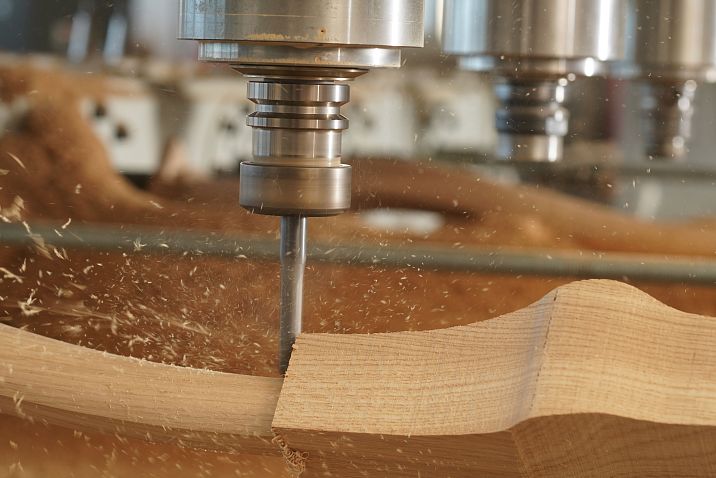
In the world of furniture production, choosing the right material is not just a technical decision, but a true art requiring deep knowledge and a refined understanding of wood. Anyone who has ever thought about creating unique furniture has faced the question: where to buy wood for furniture that will not only be strong and durable, but also truly beautiful? This question becomes especially relevant in the era of mass production, when the soul and individuality of handcrafted work are valued beyond measure.


Wood as the foundation of furniture art: the choice that determines everything
Imagine: you touch the surface of a wooden table, and under your fingers you feel the warmth of living material. This is not just interior decor—it is a story told by annual rings, unique wood grain patterns, and an unmistakable texture. That is why the question of where to buy wood for furniture, becomes crucial for those who value authenticity and natural beauty.




Why choosing wood is so important for quality furniture
Wood is not just a construction material—it is a living substance with its own character and peculiarities. Each wood species has unique properties that determine not only the appearance of future furniture, but also its functionality, durability, and even its energy.
For example, oak is renowned for its strength and resistance to moisture, making it an ideal choice for kitchen furniture. Pine, with its soft texture and light tone, creates a cozy and warm atmosphere in a bedroom. Walnut impresses with its noble dark color and refined grain pattern, transforming an ordinary chest into a work of art.
But where can you find the material that will become a worthy foundation for your furniture masterpiece? Where can you purchase not just boards and beams, but a true treasure of nature capable of transforming your interior?
Our factory also produces:


Criteria for selecting a wood supplier for furniture production
In a world where every second store promises 'best quality at low prices,' finding a truly worthy wood supplier becomes a real quest. But there are several key criteria that will help you make the right choice.
Get Consultation
Reputation and experience: the foundation of trust
First, pay attention to the company's reputation in the market. How many years has it been in business? What do clients say? Does the supplier have experience working specifically with furniture production?
A reliable supplier, whom you should buy wood for furniture, usually has a long history and can boast of loyal customers who return again and again. This indicates that the company values its reputation and does not sacrifice quality for short-term profit.
Assortment: variety that inspires
Another important criterion is the breadth of the assortment. A true furniture professional knows that every project is unique and requires a special approach. Therefore, it is important that the supplier offers a variety of wood species, sizes, and forms of rough lumber.
Especially valuable are companies that offer not only standard lumber, but also specialized elements for furniture production: beams, moldings, cornices, baseboards. Such details can become the unique feature of your product, giving it an unmistakable character and completeness.
Processing quality: precision that saves time
The third criterion is the quality of wood processing. Professional furniture makers know how important accuracy of dimensions and quality of planing are. After all, this affects not only the appearance of the future furniture, but also the labor costs of its production.
When you decide, where to buy wood for furniturepay attention to whether the supplier offers services for calibrating, planing, and cutting materials to your specified dimensions. This can significantly reduce preparation time and allow you to focus on the creative part of the process.
Storage conditions: care for the material
The fourth criterion is the conditions in which the supplier stores the wood. Proper storage ensures that the material does not deform, crack, and retains its properties for many years.
Professional suppliers ensure humidity control in storage areas, protection from direct sunlight, and proper material stacking. If you have the opportunity to visit the warehouse in person, take advantage of it — this will help you form a more complete picture of how seriously the company approaches wood storage.
Wood species for furniture: choosing the ideal material
Choosing a wood species is not just a technical question — it’s choosing the character of your future furniture. Each species has unique properties that determine not only the appearance but also the functionality of the item.
Oak: classic, tested over centuries
Oak is rightfully considered the king among furniture woods. Its exceptional strength, resistance to moisture and mechanical damage makes it the ideal choice for furniture intended to serve generations.
Oak’s texture with pronounced growth rings and honey tones creates a sense of solidity and nobility. Furniture made of oak becomes not just a functional item, but a true family heirloom that only increases in value over time.
If you decided buy wood for furniture Made of oak, you should be prepared for the fact that working with this material will require certain skills and quality tools. But the result is worth the effort — oak furniture can last through multiple generations of owners.
Spruce: accessible beauty of northern forests
Spruce is the choice of those who appreciate naturalness and light, airy interiors. This material is easy to work with, has a pleasant light tone, and a distinctive pine aroma that creates a special atmosphere in the home.
Furniture made of spruce fits perfectly into Scandinavian, country, and eco styles. It visually expands space and fills it with light. At the same time, spruce is significantly more affordable than oak or walnut, making it a popular choice for beginner furniture makers and those who want to refresh their interiors without significant expenses.
Beech: reliability and flexibility
Beech is the ideal compromise between strength and workability. Its dense, uniform structure allows for creating furniture of complex shapes, and its light-pink tone gradually develops into a noble amber hue over time.
Beech is especially suitable for making chairs, armchairs, and other furniture items that experience significant loads. At the same time, beech is very suitable for bending, which opens up wide opportunities for design experimentation.
Walnut: aristocracy in every fiber
Walnut is the choice of true connoisseurs of luxury and elegance. Dark wood with purple-brown tones and expressive wood grain creates furniture that becomes the center of attention in any interior.
Walnut furniture is associated with classic style, luxury, and status. It is ideally suited for offices, libraries, and living rooms, where it is important to create an atmosphere of respectability and refined taste.
Ash: strength and expressiveness
Ash is often called the 'sports wood' due to its exceptional strength and elasticity. These qualities make it the ideal choice for furniture intended for heavy use — dining tables, work surfaces, chairs.
Light ash wood with expressive wood grain combines beautifully with modern interiors. It creates a sense of lightness while not compromising on strength or durability compared to oak.
Specialized elements for furniture production
Creating truly unique and high-quality furniture is not only about working with main components, but also about attention to details that give the item completeness and individuality. That’s why professional furniture makers pay special attention to selecting specialized elements.
Lumber: the foundation of structural strength
Lumber is not just a construction element — it is the foundation of structural strength of furniture. The quality of the lumber determines the reliability of joints, the stability of the structure, and ultimately, the longevity of the entire item.
When you decide, where to buy wood for furniturePay special attention to the range of lumber. Professional suppliers offer lumber of different cross-sections, from different wood species, and with varying degrees of processing. This allows you to choose exactly the material that will perfectly suit your project.
Moldings: aesthetics in details
Moldings are decorative elements that give furniture completeness and stylistic expressiveness. They can be used to decorate facades, cornices, plinths, and other details, creating play of light and shadow, emphasizing the architectural lines of furniture.
Choosing moldings is an opportunity to give your furniture individuality and stylistic coherence. Classic profiles highlight the nobility of traditional furniture, while sleek modern forms complement minimalist design.
Cornices: the finishing touch
Cornices in furniture manufacturing are not only decorative elements but also functional components that protect the upper edges of cabinets and shelves from dust and mechanical damage.
A properly selected cornice can become the very detail that transforms an ordinary cabinet into a piece of furniture art. It creates an expressive silhouette, plays with proportions, and gives furniture a finished look.
Plinths: protection and aesthetics
Furniture plinths serve a dual function: they protect the lower part of furniture from damage during cleaning and create a smooth transition between furniture and floor or wall.
The choice of plinth depends on the style of furniture and the overall interior. For classic furniture, ornate profiles with rich relief are suitable, while for modern minimalist items, sleek straight or beveled forms are appropriate.
Technological aspects of choosing wood for furniture
Creating quality furniture is not only an aesthetic issue but also a technological one. Understanding the technical characteristics of wood will help you make the right choice and avoid disappointments during the work process.
Wood moisture: key parameter of stability
Moisture is one of the most important parameters that determine the behavior of wood during use. Improperly dried wood may warp, crack, and destroy the entire furniture structure.
For furniture manufacturing, the optimal moisture level is 8-12%. This value ensures dimensional and shape stability of parts under residential conditions. Therefore, when deciding, where to buy wood for furniturebe sure to clarify what the moisture level of the offered material is and how it is controlled.
Wood grade: balance of quality and price
Wood grade is determined by the presence or absence of various defects: knots, cracks, resin pockets, color changes. The higher the grade, the fewer defects, and consequently, the higher the price.
For front-facing furniture parts, wood of higher grades (extra, A, B) is usually used, while for internal structural elements, more affordable options (C, D) can be selected. This approach allows optimizing costs without compromising quality and appearance of the furniture.
Grain direction: beauty and strength
The direction of wood grain affects not only the appearance of furniture but also its strength characteristics. Proper consideration of this factor allows creating items that are not only beautiful but also functional.
For countertops and shelves, it is important that the grain runs along the long side — this ensures maximum bending strength. For vertical elements (legs, posts), the grain should run along the axis of load to ensure maximum load-bearing capacity.
Species compatibility: harmony in diversity
Creating furniture often involves using several types of wood. In this case, it is important to consider their compatibility not only from an aesthetic standpoint but also from a technological perspective.
Different species have different shrinkage coefficients and different reactions to changes in humidity. Therefore, when combining species, these factors must be considered to avoid deformations and destruction of joints.
Ecological aspects of choosing wood
In an era of growing ecological awareness, choosing wood for furniture is not only a matter of quality and aesthetics, but also a responsibility to nature and future generations.
FSC Certification: guarantee of responsible forestry
FSC (Forest Stewardship Council) certificate is an international quality mark that guarantees that the wood is harvested legally and in accordance with the principles of sustainable forestry.
When choosing a supplier who can buy wood for furniture provide an FSC certificate, you not only get quality material, but also contribute to preserving forests for future generations.
Alternative materials: innovations serving nature
Modern technologies offer more and more alternatives to traditional solid wood. These can be composite materials based on wood waste, fast-growing species (bamboo, eucalyptus), or even recycled wood.
Such materials often do not fall short in quality and aesthetic properties compared to traditional species, but have a significantly smaller ecological footprint. They can be an excellent choice for those who wish to combine quality with environmental responsibility.
Local species: support local ecosystems
Choosing local wood species is not only a way to support the local economy, but also an opportunity to reduce the carbon footprint of your furniture by reducing transportation costs.
Moreover, furniture made from local species is better adapted to the climatic conditions of your region, which positively affects its durability and stability.
Economic aspects of choosing a wood supplier
Creating furniture is not only a creative, but also a commercial process. Understanding the economic aspects of choosing a wood supplier will help you optimize costs and increase the profitability of your project.
Pricing: what we pay for
The cost of wood depends on many factors: species, grade, degree of processing, rarity of the material. Understanding these factors will help you make an informed choice and avoid paying for unnecessary characteristics.
For example, there is no need to use high-grade wood for internal structural elements of furniture — this will allow you to significantly reduce costs without compromising the quality of the final product.
Wholesale purchases: economies of scale
If you are regularly engaged in furniture production, consider the possibility of wholesale wood purchases. Many suppliers offer significant discounts when purchasing large quantities of material.
Moreover, long-term cooperation with a single supplier often leads to the formation of individual terms, which may include not only price preferences, but also priority service, extended warranty, and other bonuses.
Additional services: calculate the full cost
When choosing a supplier, it is important to consider not only the basic cost of wood, but also the availability and cost of additional services: drying, planing, cutting to size, delivery.
Sometimes a slightly higher price from a supplier offering comprehensive service turns out to be more advantageous than a low price for unprocessed material, which would require additional costs for preparation.
Practical tips for choosing and purchasing wood for furniture
Theory is good, but practice is better. Here are several specific tips that will help you make the right choice when purchasing wood for furniture production.
Personal inspection: trust, but verify
Even if the supplier has an impeccable reputation, it is always advisable to personally inspect the material before purchase. Pay attention to the following aspects:
- Uniformity of color and texture
- Absence of visible defects (cracks, chips, rot)
- Straightness of blanks
- Surface treatment quality
- Conformity to stated dimensions
Personal inspection will help you avoid unpleasant surprises and choose exactly the material that is perfect for your project.
Samples and testing: warned is armed
If you are working with a new material or supplier, request wood samples for testing. This will allow you to evaluate how the material behaves during processing, sanding, and painting.
Testing is especially important if you plan to use specific finishing techniques or non-standard joints. It is better to identify potential problems during testing than to encounter them during furniture manufacturing.
Seasonal purchasing: time is money
Prices for wood, like many other goods, are subject to seasonal fluctuations. For example, wood harvesting is usually active in winter, which may lead to lower prices in spring.
Planning purchases with seasonal factors can help you save significantly, especially if you have the opportunity to store material under proper conditions.
Long-term relationships: an investment in quality
Finding a reliable supplier who can buy wood for furniture high-quality materials, it is worth investing in developing long-term relationships. This may include:
- Regular purchases, even if small
- Feedback on material quality
- Recommendations to other furniture makers
- Participation in events organized by the supplier
This approach not only ensures you priority service and better conditions, but also creates a foundation for professional growth through exchanging experience and knowledge.
Trends in the use of wood for furniture production
The world of furniture design is not static, and trends in wood usage are constantly evolving. Understanding these trends will help you create furniture that is not only high-quality but also modern.
Mixing species: playing with contrasts
One of the standout trends in recent years is mixing different wood species in a single piece. The contrast between light and dark species, dense and porous textures, creates visual interest and highlights the designer's approach.
Combinations such as beech with walnut, oak with wenge, ash with rosewood look especially striking. Such combinations allow you to create furniture that becomes not just a functional item, but a true art object.
Natural finish: beauty without embellishment
Another important trend is the pursuit of maximum naturalness in wood finishing. Instead of glossy varnishes and dense paints, oils, waxes, and other finishes are increasingly used, which highlight the natural beauty of wood without hiding its texture.
This approach is not only aesthetically appealing but also eco-friendly, as natural finishes contain no harmful chemicals and allow wood to 'breathe'.
Sustainable development: responsibility as a trend
Environmental responsibility is no longer just a fashionable term, but a real factor influencing material choices for furniture. More and more consumers are interested in the origin of wood, harvesting methods, and processing techniques.
This creates growing demand for certified wood, alternative materials, and technologies that minimize environmental impact. Furniture makers who consider this trend gain a competitive advantage in the market.
Local species: returning to roots
Interest in local wood species is not only an ecological trend but also part of a broader movement toward authenticity and connection with local traditions.
Furniture made from species characteristic of a specific region becomes a way to express respect for local culture and nature. This approach is especially valued in the era of globalization, when uniqueness and authenticity are becoming increasingly rare qualities.
Conclusion: the art of selection, determining the outcome
Choosing wood for furniture is not just a technical decision; it is the first and possibly the most important step in creating an item that will delight the eye, serve faithfully for many years, and may even become a family heirloom.
Understanding various aspects of this choice—from technical characteristics of different species to ecological and economic factors—allows you to make an informed decision that will determine the quality, durability, and aesthetic value of future furniture.
Regardless of whether you are a professional furniture maker or an enthusiast creating furniture for your own home, the question of where to buy wood for furnituredeserves your most careful attention. After all, in the end, it is the quality of the material that determines whether your item will be merely furniture or a true work of art, capable of surviving generations and telling a story about craftsmanship, taste, and attention to detail.
In a world where mass production has become the norm and uniqueness is rare, making an informed choice of materials for furniture is not just a practical decision—it is a philosophical choice in favor of quality, durability, and authentic beauty. And this choice begins with answering a simple yet important question: where to buy wood for furniture that will become a worthy foundation for your creativity?


