












































































Article Contents:
- Artistic Versatility of Relief in Architectural Space
- Technological Features of Creating Three-Dimensional Decorative Elements
- Artistic Traditions and Modern Interpretations
- Functional Aspects of Placing Relief Decor
- Stylistic Directions in Contemporary Relief Art
- Material science and production technologies
- Psychological Aspects of Perceiving Three-Dimensional Decoration
- Installation Techniques and Installation Features
- Care and Conservation of Relief Artworks
- Artist's Works and Mass Production
- Russian traditions of wooden architecture
- Economic Aspects of Investing in Decorative Art
- Conclusion
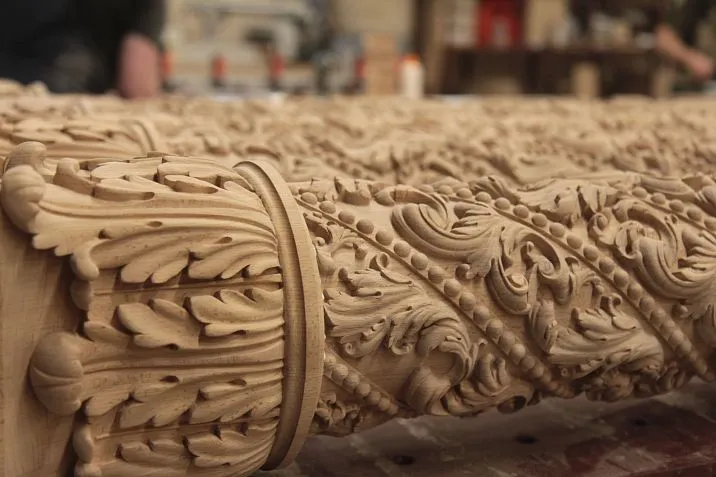
Modern interior design is experiencing a revival of classical artistic techniques, among which the art of relief decorative sculpture holds a special place. While many seek ways to give their space uniqueness and artistic expressiveness, an increasing number of people are paying attention to the opportunity to acquire pieces of three-dimensional wall art capable of radically transforming the atmosphere of a room.


Artistic Versatility of Relief in Architectural Space
Relief sculpture represents a unique form of visual art that seamlessly combines painting expressiveness with architectural monumentality. This type of decorative finishing has the ability to create visual depth and spatial dynamics, transforming an ordinary wall into a work of art with a three-dimensional texture.
Modern artists offer a wide range of artistic solutions — from classical floral ornaments to avant-garde abstract compositions. Animal-themed motifs are especially popular, where elegantly crafted figures of wild animals create an atmosphere of primal power and natural beauty. Buy Relief Sculpture Becoming increasingly relevant for those who strive to fill their homes with authentic artistic content.
When choosing decorative relief, it is important to consider the stylistic features of the interior and the functional purpose of the room. Classical compositions with floral motifs are perfect for creating an atmosphere of aristocratic elegance, while modern abstract forms can highlight the innovative character of the space.




Technological Features of Creating Three-Dimensional Decorative Elements
Creating high-quality relief decor requires a deep understanding of materials and mastery of complex technical techniques. Modern artists use various materials — from traditional plaster to innovative polyurethane compositions, each possessing unique characteristics and areas of application.
Plaster items are distinguished by exceptional detail and the ability to create the finest textural nuances. Thanks to the plasticity of the material, artists can realize the most complex artistic concepts, creating works that match the expressiveness of classical masterpieces. However, plaster requires special operating conditions and protection from moisture.
Polyurethane decorative elements have increased strength and resistance to external influences. Modern manufacturing technologies allow creating items that combine ease of installation with long-term durability. carved bracket Made of polyurethane can become an elegant addition to the main relief composition, creating a unified stylistic ensemble.
Patination process gives items a noble vintage character, imitating natural aging of the material. Artificial aging allows creating an illusion of antique value, which is especially important when decorating interiors in the classical style.
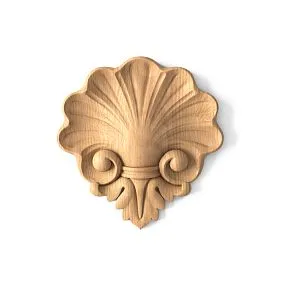
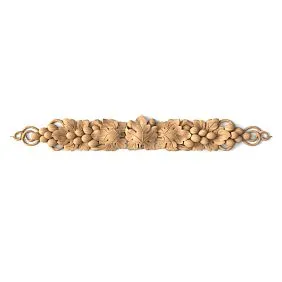
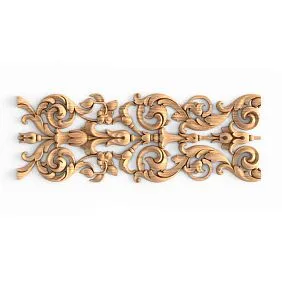
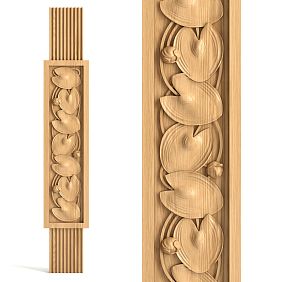
Our factory also produces:



Artistic Traditions and Modern Interpretations
The history of relief art spans millennia, from ancient Egyptian temple paintings to majestic friezes of ancient buildings. Each era brought its stylistic features and technical innovations, forming a rich tradition of three-dimensional decorative art.
Renaissance masters perfected the technique of relief, creating works that impress with their realism and emotional expressiveness. Buy Relief Sculpture In the Renaissance style means acquiring a work that carries centuries-old artistic tradition and cultural memory of humanity.
Modern interpretations of classical themes allow adapting traditional forms to the requirements of contemporary design. Masters of the 21st century boldly experiment with scale, color solutions, and compositional techniques, creating works that seamlessly fit into the context of modern architecture.
Works created using mixed techniques deserve special attention, where traditional relief sculpture combines with modern materials and lighting technologies. Lighting can radically change the perception of a three-dimensional composition, creating a dynamic interplay of light and shadow that varies depending on the time of day.
Get Consultation
Functional aspects of relief decoration placement
Proper placement of three-dimensional decorative elements requires careful planning and consideration of multiple factors. The scale of the artwork should correspond to the room's dimensions, and its stylistic approach should harmonize with the overall interior design solution.
Lighting plays a critically important role in the perception of relief compositions. Directional lighting can emphasize the volume of forms and reveal delicate details, while diffused lighting creates a soft atmosphere and highlights the overall mood of the artwork.
When selecting a placement location, it is necessary to consider the characteristics of visual perception. decorative bracket can serve not only as decoration but also as a functional element supporting shelves or other interior items, allowing the artwork to be organically integrated into the practical living space.
Stylistic directions in contemporary relief art
Baroque remains one of the most popular stylistic directions in contemporary decorative art. Luxurious floral ornaments, elegant acanthus scrolls, and dynamic compositions create an atmosphere of grandeur and aristocratic refinement.
Neoclassicism offers more restrained, yet no less elegant solutions. Strict geometric forms, symmetrical compositions, and noble restraint in color schemes make such works universally suitable for various interior types.
Modern minimalism in relief art is characterized by the simplicity of forms and expressiveness of textures. Such works can create a powerful visual accent without overloading the space with decorative details.
Ethnic motifs open up boundless opportunities for creative self-expression. African masks, Eastern ornaments, Slavic patterns — each cultural tradition offers its unique artistic language.
Wood Science and Manufacturing Technologies
The choice of material for relief decoration is determined not only by aesthetic preferences but also by technical requirements for operation. Each material has its unique characteristics that must be considered when designing a decorative composition.
Natural stone provides maximum durability and noble texture, but requires a professional approach to processing and installation. Marble, granite, travertine — each type has its decorative features and technical characteristics.
Metallic reliefs offer wide possibilities for creating modern avant-garde compositions. Copper, bronze, steel allow creating works with unique visual effects and high resistance to external influences.
Modern composite materials combine ease of processing with high operational characteristics. Polymer compositions allow creating detailed works with minimal production and installation costs.
Psychological aspects of perceiving three-dimensional decor
Relief art exerts a powerful psychological effect on humans, creating a special emotional atmosphere in a room. Three-dimensional forms activate tactile sensations and create a sense of materiality in the artistic space.
Studies show that the presence of quality artistic decoration in an interior positively affects a person's emotional state, reduces stress levels, and increases overall comfort in the space. Relief sculptures for sale means investing in creating a harmonious living space.
The color palette of relief decoration plays an important role in forming the overall mood of the interior. Warm tones create an atmosphere of coziness and comfort, while cool tones emphasize solemnity and the formal character of the space.
The scale of the artwork should correspond to the psychological characteristics of spatial perception. Large compositions create a sense of monumentality and significance, while small details require careful examination and create an intimate atmosphere.
Installation techniques and installation specifics
Professional installation of relief decoration requires a deep understanding of the building's structural features and specialized skills in working with various materials. Incorrect installation may lead to deformation of the artwork or damage to load-bearing structures.
Surface preparation is a critically important stage of installation work. The wall must be perfectly level, cleaned of dust, and primed with special compositions ensuring maximum adhesion of adhesive materials.
Mounting systems are selected individually depending on the weight of the item and the wall material. Lightweight polyurethane elements can be mounted using special adhesive compositions, while heavy stone reliefs require mechanical mounting using anchor systems.
Climate conditions of operation influence the choice of materials and installation technologies. Rooms with high humidity require the use of special moisture-resistant compositions and additional protective treatments.
Care and conservation of relief artworks
Proper care of relief decoration ensures its original appearance for many years. Each material requires an individual approach to cleaning and conservation.
Gypsum items require gentle dry cleaning with soft brushes and regular monitoring of room humidity. Excessive moisture may lead to destruction of the material's structure and loss of decorative properties.
Polyurethane elements are low-maintenance and can be cleaned with a damp sponge using mild cleaning agents. Such items are not afraid of temperature and humidity fluctuations.
Metallic reliefs require periodic treatment with special protective compositions that prevent corrosion and preserve the decorative properties of the surface.
The modern relief decor market offers both unique original works and high-quality mass-produced items. Each approach has its advantages and areas of application.
771.41 $
Original works ensure full uniqueness of interior design and the possibility of implementing individual artistic concepts. Such pieces are created as unique items and represent true works of art.
Mass production allows obtaining high-quality decor at an affordable price with guaranteed stable quality and the possibility of expanding the collection in the future. Modern technologies enable creating mass-produced items with a high degree of detail.
Combining original and mass-produced elements opens up wide opportunities for creating original decorative compositions with an optimal balance of uniqueness and economic efficiency.
Regional characteristics and cultural traditions
Different cultural traditions have formed unique approaches to creating relief decoration. Understanding these features allows for a more conscious choice of stylistic solutions for a specific interior.
European tradition is characterized by a high degree of realism in imagery and meticulous detailing. Classical European reliefs are distinguished by noble proportions and refined execution.
Eastern art offers a fundamentally different approach, based on symbolism and spiritual content. Eastern reliefs often include elements of calligraphy and abstract ornaments with deep philosophical meaning.
Modern interpretations of traditional motifs allow adapting classical forms to the requirements of contemporary design while preserving the cultural authenticity of the artwork.
Economic aspects of investing in decorative art
Relief sculptures represents a long-term investment in creating a high-quality living space. Quality decor not only enhances the aesthetic value of the interior but also increases the market value of real estate.
The cost of relief decoration is determined by multiple factors: complexity of execution, materials used, reputation of the artist or manufacturer, uniqueness of the piece. Proper selection allows obtaining maximum return on investment.
The longevity of quality relief decoration is measured in decades, making it an economically advantageous solution compared to other types of interior decoration that require regular updating.
The possibility of restoration and updating allows extending the lifespan of the artwork and adapting it to changing design preferences without complete replacement.
Conclusion
The art of relief sculpture continues to evolve, offering modern connoisseurs of beauty vast opportunities for creating unique interior solutions. Combining traditional artistic techniques with innovative technologies allows creating works that seamlessly fit into the context of modern life while maintaining a connection to centuries-old cultural traditions.
Choosing quality relief decoration requires a comprehensive approach, considering both aesthetic preferences and technical features of operation. Professional consultation and thoughtful planning allow creating a harmonious artistic space that will delight its owners for many years.
STAVROS Company represents a reliable partner in the world of decorative art, offering a wide range of quality products and professional services for their installation and maintenance. Years of experience and deep understanding of client needs enable STAVROS to provide optimal solutions for any interior tasks, from classic to the most modern design concepts.


